Review · KATHMANDU
11 Days Nepal Trekking Tour
Nepal packs an astonishing range of experiences into 11 days: sacred temples in Kathmandu, a sunrise over the Annapurna peaks, Gurung villages, a canoe ride in Chitwan, and the chance to spot a one-horned rhinoceros. The clever part is the route, which links Nepal’s cultural heart with its best-known short trek and southern jungle.
I like the Poon Hill sunrise and the chance to see Annapurna villages without committing to a much longer expedition. I also like the practical support: airport pickup, guides, meals during the trek, sightseeing transport, and entrance fees are handled for you. The main consideration is pace. Long road journeys, early starts, mountain walking, and frequent hotel changes leave little room for idle days.
Key points
- Poon Hill at 3,210 meters: An early climb brings broad views of Dhaulagiri, Annapurna South, and Machhapuchhre.
- A compact Annapurna trek: Walk through forests and mountain villages, then finish in the Gurung settlement of Ghandruk.
- Kathmandu’s major sacred sites: Visit Pashupatinath, Boudhanath, Swayambhunath, and Kathmandu Durbar Square with a guide and private car.
- Pokhara beyond the lake: See Devi’s Fall, Gupteshwor Cave, and the International Mountain Museum, with time for boating on Phewa Lake.
- Chitwan wildlife and culture: Combine a jeep safari, canoeing, a Tharu village visit, and the elephant breeding center.
- Flexible trip support: Pradip helped adjust plans when one participant became ill, an important advantage on a tightly scheduled journey.
Why This 11-Day Route Works
This is not a single-purpose trekking holiday. It is a fast, wide-ranging introduction to Nepal, built around three different settings.
You begin with temples and old palace squares in Kathmandu. Then you move west to Pokhara and the Annapurna foothills, where the walking takes you through forests, stone villages, and mountain viewpoints. Finally, the route drops into the warmer plains of Chitwan, where the focus shifts from Himalayan peaks to rhinos, birds, rivers, and Tharu culture.
I like this variety because each section changes the rhythm of the trip. Kathmandu gives you context. The trek gives you physical adventure. Pokhara offers a softer pause by the lake. Chitwan brings a completely different side of Nepal.
The tradeoff is time spent on the road. The drive from Kathmandu to Pokhara takes about six to seven hours by tourist bus, and the journey to Chitwan takes roughly five to seven hours. The return to Kathmandu is another long bus ride. If you want a slow trekking holiday, this will feel hurried. If you want to see several major parts of Nepal in one visit, the pace makes sense.
At $1,350 per person, the value depends on how much you would otherwise spend arranging the pieces separately. Airport transfer, guided sightseeing, private cars in the cities, tourist buses between regions, shared mountain jeeps, trekking permits or entrance fees, meals during the trek, a guide, accommodation, and Chitwan activities are all built into the trip. You still need to check the booking details for items not specifically listed, such as every meal outside the trek and personal expenses.
A few more treks around Kathmandu worth a look
- Everest Base Camp Trek – 14 Days
★ 5.0 · 1,499 reviews - Everest Base Camp Trek
★ 5.0 · 842 reviews - Everest Base Camp Helicopter Tour landing at Everest View Hotel
★ 5.0 · 668 reviews
Kathmandu Temples and the Four Sacred Stops
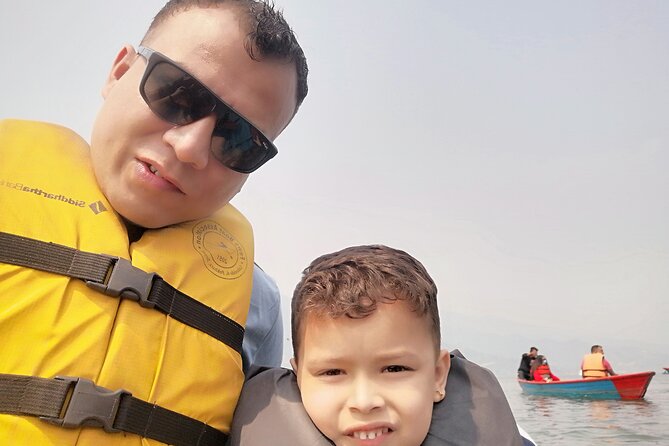
Your first day is deliberately light. A representative meets you at Tribhuvan Airport and transfers you to the hotel, leaving the rest of the day for a short walk or a quiet start. After an international flight, that breathing room matters.
Day two is the cultural core of the tour. Pashupatinath Temple sits beside the Bagmati River and is one of the most important Hindu shrines dedicated to Shiva. The complex includes smaller shrines and places of worship, and it remains an active religious site rather than a preserved display for tourists. A guide is useful here because the customs and symbolism are not always obvious at first glance.
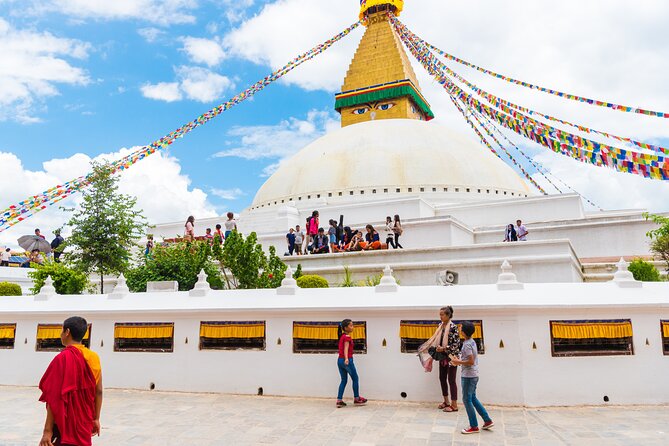
Boudhanath gives you a very different mood. The enormous white stupa is surrounded by prayer wheels, prayer flags, shrines, monks, nuns, and pilgrims. Walk around it in the traditional clockwise direction and pay attention to the steady rhythm of the site. The surrounding area also reflects Kathmandu’s strong Tibetan Buddhist connection.
Swayambhunath, often called the Monkey Temple, sits on a hill above the city. The climb and hilltop position provide broad views across the Kathmandu Valley, although the actual walking time and effort can feel greater after a full sightseeing morning. The site includes both Buddhist and Hindu images, a good example of how closely the two traditions overlap in Nepal.
Kathmandu Durbar Square completes the day with palace courtyards, temples, carved timber, and the former Hanuman Dhoka royal complex. The square is a strong place to see Nepal’s traditional architecture, but it is best appreciated at a slower pace than this schedule may allow.
The sightseeing includes a guide, private car, and entrance fees. That is a worthwhile arrangement in Kathmandu, where traffic can make independent movement slow and the meaning of each shrine is easy to miss.
The Long Road to Pokhara
Day three takes you from Kathmandu to Pokhara by tourist bus. The journey lasts about six to seven hours and passes villages, terraced fields, and rivers.
This is scenic travel, not a quick transfer. Road conditions and traffic can affect the timing, so I would treat the day as a moving view of rural Nepal rather than plan a major activity at either end. Keep water and a few snacks close, even though the tour provides transport.
Pokhara is the natural pause between city touring and the trek. The town sits beside Phewa Lake, with the Annapurna region rising beyond it. You get your first strong sense of the mountains here, though cloud cover can change the view from one hour to the next.
Walking to Ghorepani and Poon Hill
The mountain section begins with a drive to Nayapul, followed by a shared jeep toward Tikhedhunga. On clear days, the jeep may continue to Ulleri. From there, the route continues on foot toward Ghorepani, at roughly 2,750 to 2,850 meters.
The day combines road transport and six to seven hours of trekking. Expect forest, small villages, and steady uphill walking. Ghorepani has basic accommodation and facilities, so this is a mountain stop for rest rather than comfort.
Altitude matters here. You gain height quickly over a short period, and the early schedule leaves little time for your body to adjust. The tour is described as suitable for most participants, but you should be honest about your fitness and tell the guide quickly if you feel unwell. The experience with Pradip is encouraging in this regard. When one participant became sick, he helped arrange alternative plans at short notice.
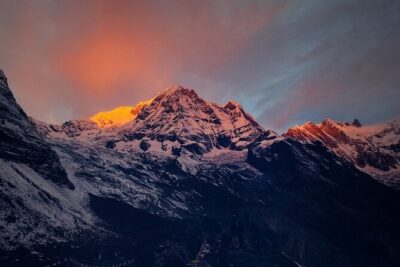
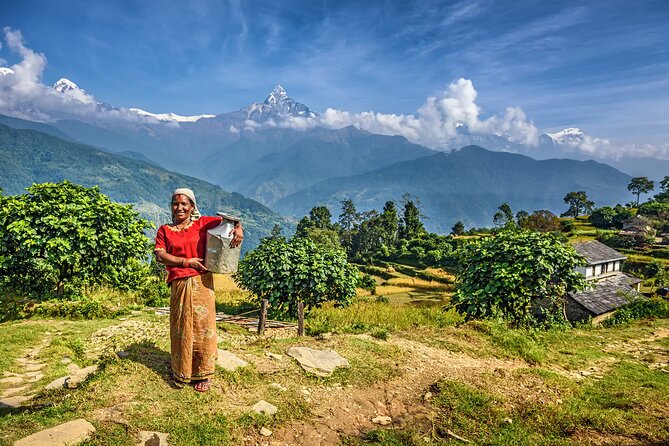
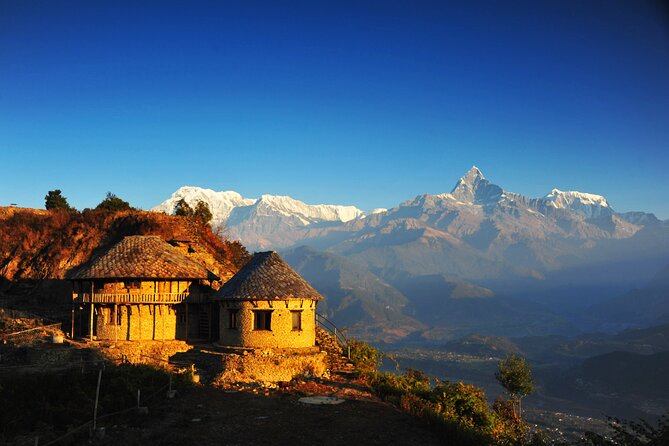
The next morning begins early with the climb to Poon Hill at 3,210 meters. The reward is a wide Himalayan view, especially around sunrise, when Dhaulagiri, Annapurna South, and Machhapuchhre may catch the first light.
This is one of the strongest moments of the entire trip, but it is not effortless. You leave before breakfast, climb in the dark, and may encounter cold conditions. Bring warm layers and a headlamp if you have one, even though the exact equipment list is not specified.
After Poon Hill, you continue toward Tadapani through rhododendron and oak forest. The walking day is about six hours, with Tadapani at approximately 2,630 meters. The forest section gives the trek a different character from the open viewpoint, with shade, mountain paths, and occasional village views.
Same trailhead, a different route:
- Everest Base Camp Trekking
★ 5.0 · 485 reviews - Annapurna Circuit Trek with Tilicho Lake
★ 5.0 · 368 reviews - Everest Base Camp Trekking – 13 Day
★ 5.0 · 365 reviews - Everest Base Camp Trek
★ 5.0 · 350 reviews
Ghandruk and the Return to Pokhara
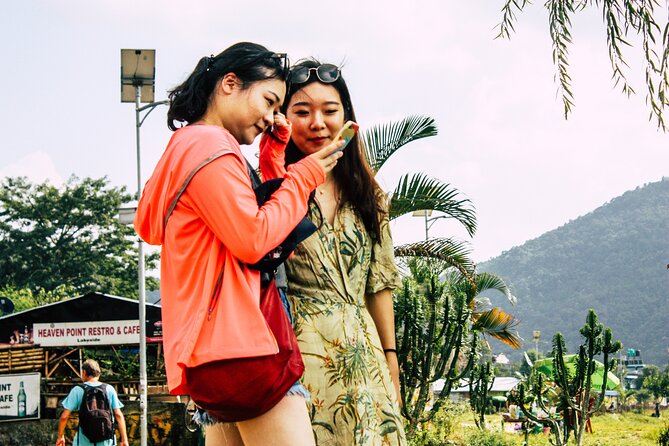
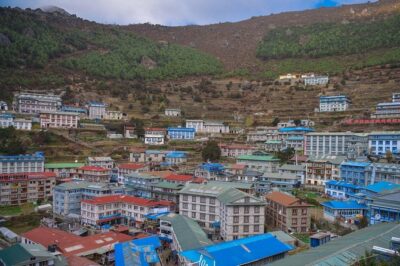
The route then descends toward Ghandruk, a Gurung village at about 1,940 meters. This is a valuable cultural stop because the village is known for traditional stone houses, narrow lanes, and Gurung heritage.
The descent is easier for some people than the climb, but it can still test your knees. After exploring Ghandruk, a shared jeep takes you toward Nayapul or Pokhara, depending on the transport plan. Shared vehicles keep the package price reasonable, but they also mean less control over departure times and seating.
Ghandruk is one of the places where the trek feels more personal than a quick viewpoint visit. You see a working mountain settlement, not just a photo stop. I would make time to look at the houses and village layout rather than rushing straight to the vehicle.
Pokhara’s Lake, Waterfalls, and Mountain Museum
Day seven is a full sightseeing day in Pokhara, with a private car and guide. Phewa Lake is the gentlest activity. You can take a paddleboat or a traditional wooden boat with a boatman, and the Tal Barahi Temple sits on an island in the lake.
The lake is especially pleasant when the water reflects the surrounding hills and mountains. Weather can affect the views, so I would enjoy the boating even if the distant peaks are hidden.
Devi’s Fall is more forceful during the monsoon, when the Seti River carries more water into the gorge. Near the falls, Gupteshwor Mahadev Cave leads underground through chambers with stalactites, stalagmites, and a shrine to Shiva. The cave is cool and damp, and the footing may feel uneven, so sensible shoes are useful.
The International Mountain Museum adds context to the trek. Its exhibits cover mountain communities, mountaineering equipment, high peaks, and the people who climbed them. The replica of Mount Everest and the climbers’ hall of fame give you a clearer sense of the effort behind the routes you are seeing from below.
Pokhara also offers optional activities such as paragliding and zip-lining. These are not described as included, so treat them as possible add-ons rather than part of the package price.
Chitwan’s Rivers, Forest, and Tharu Culture
Day eight shifts the trip from mountain country to the lowland town of Sauraha, near Chitwan National Park. The tourist bus journey takes roughly five to seven hours and crosses rural Nepal.
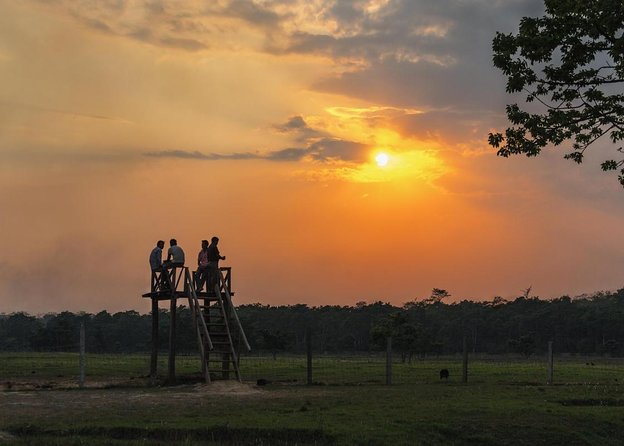
In the evening, you visit a Tharu village near the Rapti River. The Tharu people have their own architecture, customs, food, and cultural traditions. A sunset boat ride on the river adds a quiet counterpoint to the more active safari day.
The next day is devoted to Chitwan National Park. A jeep safari may bring you near one-horned rhinoceroses, deer, wild boar, elephants, and many bird species. Bengal tigers are present in the park, but no ethical wildlife tour can promise a sighting. Go for the forest experience and the chance to observe animals in their natural setting.
Canoeing on the Rapti River offers a different view of the park. You may see water birds and aquatic life from the boat, and the slower pace allows you to notice the river environment.
The elephant breeding center is also included in the listed activities. It is presented as a conservation project for Asian elephants, and the visit gives you a chance to learn about the center’s work. The day’s activities, nature guide, and park entrance fees are included, which strengthens the value of this portion of the tour.
I would keep expectations realistic. Wildlife sightings depend on weather, season, animal behavior, and luck. The safari is worthwhile even when the biggest animals remain out of sight.
Returning to Kathmandu and Ending in Thamel
Day ten brings another long tourist bus journey, this time back to Kathmandu. The schedule allows time in Thamel after arrival, where you can shop for handicrafts, clothing, jewelry, Tibetan goods, and thangka paintings.
Thamel is useful for last-minute purchases, but bargaining is part of the experience. Take time to compare prices, especially for souvenirs. The area also has many restaurants, bars, and cafes, making it an easy place to eat after the road journey.
Your final day is a simple airport transfer. The tour begins and ends at Tribhuvan Airport, which removes one practical concern from an otherwise busy route.
Who Should Book This Nepal Tour?
I would choose this trip if you want a first look at Nepal that includes more than one region. It suits people who want mountain scenery but do not want to spend two or three weeks on a single trek. It also works well for anyone who values having transport, guides, sightseeing fees, and much of the daily planning arranged in advance.
The trip is less suitable if you dislike long bus rides, shared jeeps, early mountain starts, or basic trekking accommodation. The walking is not presented as an extreme expedition, but altitude and repeated uphill and downhill sections still demand reasonable fitness.
The private-tour format is useful because only your group participates, and the itinerary can be adjusted when circumstances change. At the same time, the use of tourist buses and shared mountain jeeps means the trip is not fully private from door to door.
Free cancellation is available when you cancel at least 24 hours before the local start time. Changes or cancellations made later are not accepted for a refund.
Final Verdict: A Strong First Taste of Nepal
I would book this tour for a compact, active introduction to Nepal. The most valuable part is the range: four major Kathmandu sites, a genuine Annapurna foothill trek, Poon Hill sunrise, Ghandruk, Pokhara’s lake and museums, and a Chitwan safari all fit into one route.
The $1,350 price is most appealing if you want one company to coordinate the moving parts. The schedule is busy, and road travel takes up several days, but the reward is a trip that shows Nepal’s temples, mountains, villages, wildlife, and everyday culture rather than only one famous destination.
If you want a relaxed holiday, choose a slower plan. If you want to make your first Nepal visit count and can handle an early alarm, a mountain climb, and several long drives, this is a well-rounded choice.
FAQ
How long is the Nepal trekking tour?
The tour lasts approximately 11 days, beginning with airport pickup in Kathmandu and ending with a transfer to Tribhuvan Airport.
Where does the tour start?
The meeting point is Tribhuvan Airport in Kathmandu, Nepal.
Is airport pickup included?
Yes. A representative meets you at the airport and transfers you to your hotel at the start of the tour.
Is this a private tour?
Yes. Only your group participates in the private tour. Some transport during the trip, including tourist buses and shared mountain jeeps, is shared.
Which mountain viewpoint does the tour visit?
The trek visits Poon Hill, which is listed at an elevation of 3,210 meters and offers views of Dhaulagiri, Annapurna South, and Machhapuchhre.
Are meals included?
Meals are provided during the trekking section. The supplied tour details do not state that every meal for all 11 days is included.
What activities are included in Chitwan?
The Chitwan portion includes a jeep safari, canoeing on the Rapti River, a visit to the elephant breeding center, a nature guide, and park entrance fees.
Can I cancel for a full refund?
Yes. You can receive a full refund if you cancel at least 24 hours before the experience start time. Cancellations or changes made less than 24 hours before the start are not accepted for a refund.
Just added around Kathmandu
- Everest Base Camp Trek★ 5.0 · 3 reviews
- Everest Base Camp Trek★ 5.0 · 7 reviews
- 15 Days Private Everest Base Camp Trek★ 5.0 · 30 reviews
- Everest Base Camp Trek★ 5.0 · 57 reviews
- 14 Days of Adventure Trekking to Everest Base Camp★ 5.0 · 2 reviews
- 14-Day Everest Base Camp Trek★ 5.0 · 20 reviews
- From Kathmandu: Private 14-Day Everest Base Camp Trek★ 5.0 · 20 reviews
- 14 Days Everest Base Camp Trek★ 5.0 · 4 reviews
Kathmandu Trekking Tours, compared.
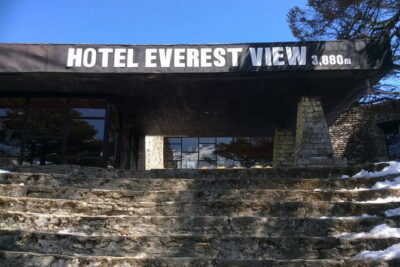
Everest Base Camp Helicopter Tour landing at Everest View Hotel
Read our review →