
Review · ARUSHA
5 Days Marangu Route – Mount Kilimanjaro Trek
Kilimanjaro’s Marangu Route gives you a direct five-day push to Uhuru Peak at 5,895 meters, with rainforest, open moorland, a stark volcanic saddle, and overnight huts instead of tents. The final climb begins around midnight, reaches Gillman’s Point at sunrise, then continues toward the summit.
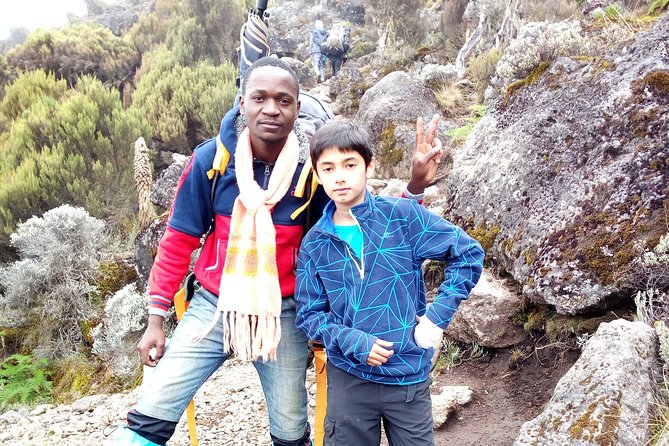
I like the practical start: airport pickup, a hotel night, guide briefing, and an equipment check give you time to fix gear problems before the mountain. I also like the personal touch from guides such as Meshack, Maziku, Franky, John, and Julius, who are praised for steady support, humor, mountain knowledge, and useful tips.
The main concern is the pace. Five trekking days is a short schedule for a mountain of this height, and the summit day combines a midnight ascent with a long descent. The price is attractive for a guided Kilimanjaro trip, but you should be fit, properly equipped, and realistic about altitude.
Key points before you book
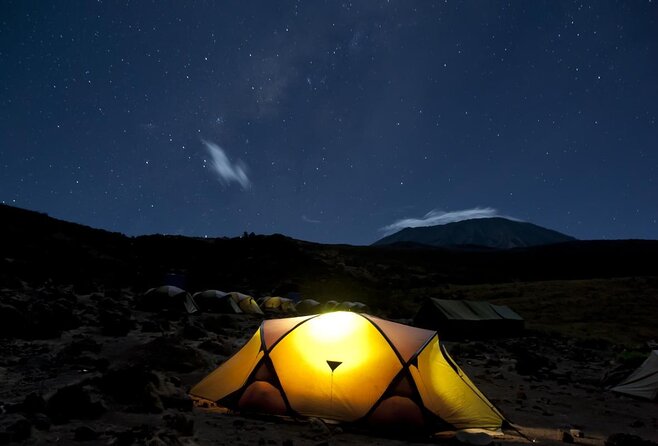
- Uhuru Peak at 5,895 meters: The route aims for Kilimanjaro’s highest point after a demanding overnight climb.
- Five trekking days: You hike from Marangu Gate to Mandara, Horombo, Kibo, Uhuru Peak, and back out through the rainforest.
- Hut-based route: The plan uses Mandara, Horombo, and Kibo huts rather than camping.
- Hands-on preparation: Airport transfer, hotel lodging, a guide briefing, and a gear check are built into the first day.
- Small maximum group: The group can include up to 15 people, with a minimum number required for the departure.
- Extra Tanzania options: Safari and Zanzibar add-ons are available after the climb.
What this $1,500 Kilimanjaro trip really includes
At $1,500 per person, this experience sits in the practical middle of a guided Kilimanjaro trip. You are paying for more than the walk itself. The plan includes airport pickup, a hotel stay, transport to and from the mountain, guiding, the organized gate process, hut nights, and support during the climb.
That package has real value if you want one company handling the moving parts. You do not need to arrange a separate airport transfer, find a hotel for the pre-climb night, or work out how to reach Marangu Gate on your own.
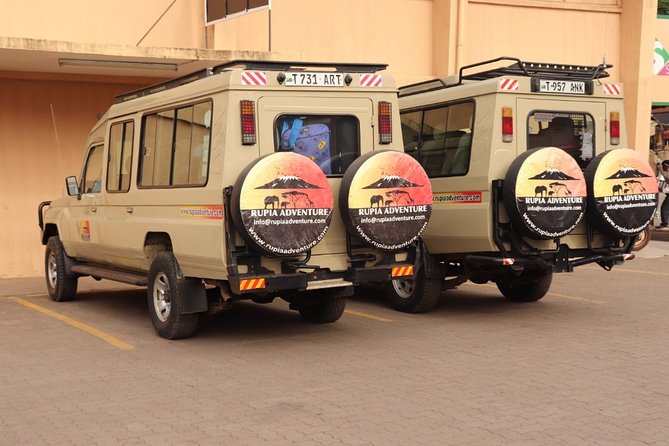
Still, check the exact inclusions before paying. The supplied details do not spell out meals, park fees, porter arrangements, or the precise hotel selected. The plan names Panama Hotel or Mvuli Hotel in Arusha, or an alternative, while other details refer to a lodge in Moshi. Ask Rupia Adventure to confirm the town, hotel, meal plan, luggage arrangements, and rental costs.
The group limit of 15 is worth noting. That is small enough to keep the guide’s attention more personal than on a large departure, though the feel of the trek will depend on how many people actually join.
More Kilimanjaro Climbs in Arusha
- 8-Day Small-group Lemosho Kilimanjaro Summit Trekking
★ 5.0 · 186 reviews - 7-Day Machame Kilimanjaro Summit Tour from Arusha
★ 5.0 · 125 reviews - Mountain Kilimanjaro Day Hike
★ 5.0 · 102 reviews
Day 1: Airport pickup, hotel, and the gear check
Your trip begins with pickup at Kilimanjaro International Airport and a transfer to your hotel. The plan then gives you a guide briefing and an equipment check before the mountain begins.
This is one of the most useful parts of the trip. A missing warm layer, unsuitable footwear, or an incomplete pack can become a serious problem higher up. Gear that is not available can be rented on this day, giving you a chance to correct mistakes before heading to the gate.
Use this meeting to ask direct questions about the daily walking time, the summit schedule, water, luggage, hut conditions, and what happens if you feel unwell. Guides named in the company’s past departures include Meshack, Maziku, Franky, John, and Julius. If you have a preferred guide or need a certain language, ask before departure rather than assuming.
The accommodation is listed as Panama Hotel or Mvuli Hotel in Arusha, or a similar alternative. Since the pickup and hotel wording also refers to Moshi, confirm the location. That small detail matters because Moshi is the usual working base for a Kilimanjaro climb, and transport timing changes depending on where you sleep.
Day 2: Marangu Gate to Mandara Hut
After breakfast, you are collected from your lodge and driven to Marangu Gate. Registration and park paperwork come first. Once that is complete, the trail enters thick rainforest.
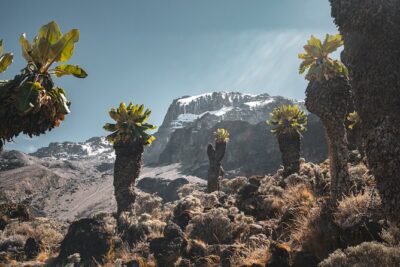
This opening section is a pleasant way to begin. The air is cooler than in town, the vegetation is dense, and you might spot primates along the route. The forest also gives you a gradual start before the higher, more exposed ground ahead.
Your first destination is Mandara Hut. After reaching the hut, you can rest, then walk with your guide to Maundi Crater. That side outing is a fine reward for the first day because it gives you a broad view toward the Kenyan interior without requiring another major summit effort.
The first day is not only about distance. It is your chance to find a steady walking rhythm, learn how the group moves, and test your clothing and pack. Keep the pace calm. The mountain does not reward a fast start.
Day 3: Mandara Hut to Horombo Hut
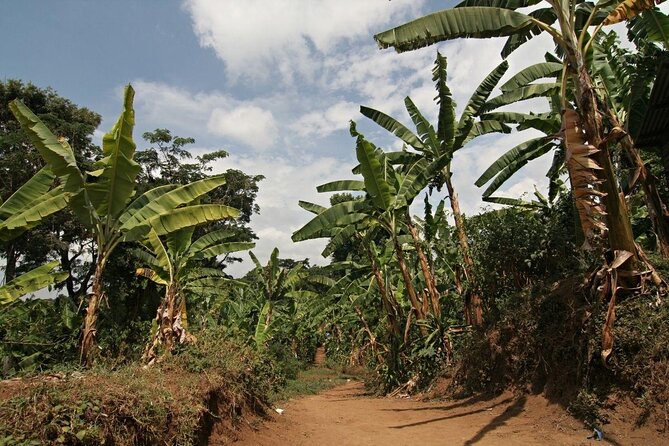
An early breakfast gets you moving from Mandara Hut. The trail soon leaves the timberline behind and enters the heath and moor zone, where the thick forest gives way to more open ground.
After roughly four to six hours, you reach Horombo Hut at about 3,700 meters. From here, the views open toward Mawenzi, Kibo, and the wide plain of the Masai steppe.
Horombo is an important point in the trip because the altitude begins to feel more serious. The schedule moves onward rather than adding a full acclimatization day, so pay attention to headaches, nausea, unusual tiredness, or poor coordination. Tell your guide early if you feel unwell. Quietly hiding symptoms is a poor strategy on a high mountain.
The route is scenic, but the simple hut schedule means comfort is limited compared with a normal hotel night. You should expect the evening to focus on eating, resting, and preparing for the next stage. The views are a welcome distraction, especially when Mawenzi and Kibo appear together.
Same trailhead, a different route:
- 4 Days Mount Meru Trekking
★ 5.0 · 55 reviews - 4 days Best experience Kilimanjaro Hike, Serengeti &Ngorongoro
★ 5.0 · 54 reviews - From Arusha/Moshi: Kilimanjaro Hike Marangu Route Day Trip
★ 4.5 · 54 reviews - Mount Kilimanjaro Day Hike Through Marangu Route to Mandara Hut
★ 5.0 · 37 reviews
Day 4: Horombo Hut to Kibo Hut across the saddle
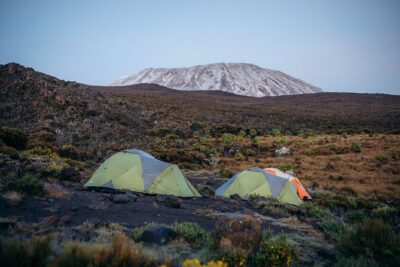
This is the long approach to the summit. The trail passes the Last Water point, then crosses the nearly vegetation-free saddle between Mawenzi and Kibo.
The open plateau changes the mood of the climb. There is little cover, little vegetation, and a strong sense that the summit effort is close. Kibo Hut usually comes after about five to six hours of walking.
You have an early evening meal and an early night because the summit departure is planned for around midnight. This is not a normal night of sleep. Try to rest even if you do not feel tired, and organize your warm layers, headlamp, water, and summit clothing before lying down.
This short pre-summit stage is one reason the five-day plan demands discipline. You have already climbed to a high hut, yet the hardest work is still ahead. The schedule is efficient, but it leaves less spare time than a longer route would.
Day 5: The midnight climb to Uhuru Peak
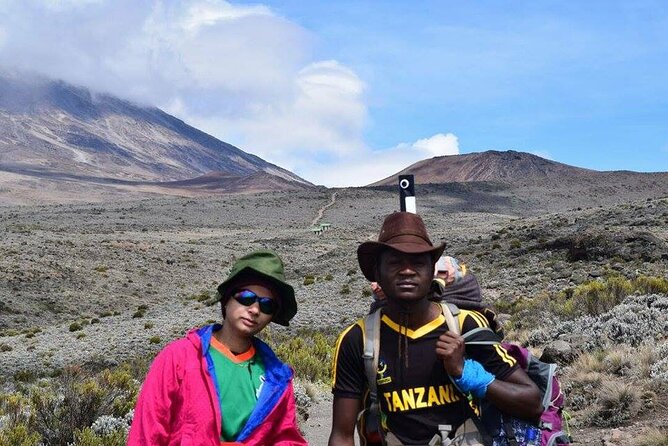
Summit day begins around midnight. The climb is slow and strenuous, first passing Hans Meyer Cave at approximately 5,220 meters, then continuing upward toward Gillman’s Point at 5,681 meters.
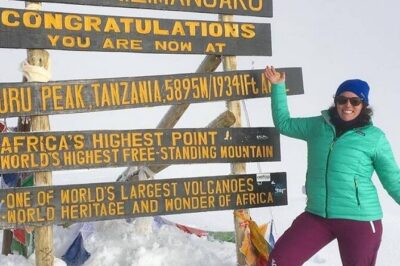
If the timing works as planned, you reach the crater rim around sunrise. The first light and the gradual warmth can make a huge difference after a cold night on the trail. From Gillman’s Point, you continue for another one to two hours toward Uhuru Peak at 5,895 meters.
The summit stage is the emotional center of the trip, but it is also the part that requires the most honesty. You need to manage your energy carefully. Walk slowly, follow your guide’s instructions, and accept that the altitude may make every step feel harder than expected.
The supplied trip details record summit arrivals around 6 a.m. on one departure. That gives you a useful picture of the timing, though exact progress depends on weather, fitness, altitude response, and the group’s pace.
After reaching Uhuru Peak, you return to Kibo Hut for a warm meal and a one to two hour break. Then you continue down to Horombo Hut. This is a very full day, not a quick summit walk followed by a relaxed afternoon. The descent after the summit can be as tiring as the climb, especially after a sleepless night.
Day 6: Horombo Hut to the park gate
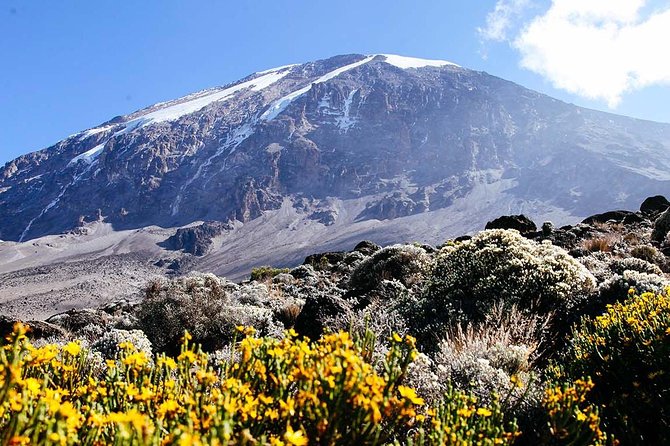
The final mountain stage retraces the route through the heath and moor zone to Mandara Hut, at about 2,700 meters. A warm lunch is planned there before the trail enters the tropical rainforest once more.
From Mandara, the walk continues to Kilimanjaro National Park Gate at about 1,860 meters. The total trekking time is listed at roughly six hours.
The forest feels different now. On the way up, it marked the start of an unknown climb. On the way down, it signals that the hard work is nearly finished. At the gate, you say goodbye to the mountain guides and transfer back to your hotel in Moshi.
A hot shower and a proper celebration are well earned. The plan gives you a hotel night after the descent, which is useful because many climbers do not feel ready to go straight from the gate to an airport.
Day 7: A flexible finish in Tanzania
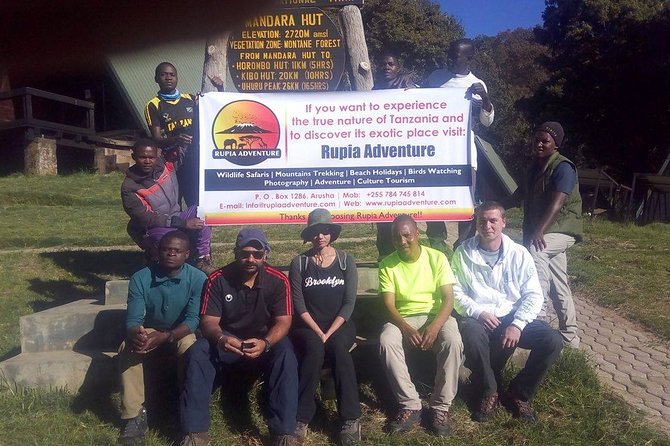
The last day is left open before your flight home. Depending on your departure time, you can explore Moshi and buy souvenirs, or simply rest after the trek.
The open schedule is useful because flight times vary and summit day can leave you tired. Do not force a busy sightseeing plan if your body needs a quiet morning.
Rupia Adventure can also arrange safari or Zanzibar add-ons. Those extensions make sense if you are already in Tanzania and want to turn the climb into a longer trip, but they should be planned around your flight and recovery time.
Guides, preparation, and the feel of the service
The strongest personal detail in this trip is the guide team. Meshack and Maziku are described as cheerful and fun, while Franky is praised for knowing the mountain well and sharing useful tips. John and Julius are noted for their professional approach and physical strength.
Those qualities matter more than polished promises on a mountain. You need guides who notice the group’s pace, explain what is coming, and keep morale steady when the summit night becomes difficult.
The pre-trek equipment check is another good feature. Use it properly. Ask what you can rent, what must be supplied by you, and what condition rented gear will be in. The details provided do not list every item, so you should not assume that all clothing or technical equipment is included in the $1,500 price.
Who should choose this five-day route?
I would consider this trip if you want a structured Kilimanjaro climb with a direct route, hut accommodation, airport pickup, and a known guide team. It suits people who prefer a clear daily plan and do not want to arrange mountain transport and lodging separately.
It is less suitable if you want a slow acclimatization schedule or plenty of spare days. The route reaches 3,700 meters at Horombo, then moves to Kibo and the summit without an extra rest day in the plan. That makes fitness and altitude awareness especially important.
You also need to be comfortable with a midnight start, a long summit day, basic hut accommodation, and a group that may include as many as 15 people. Most people can take part, according to the supplied information, but that does not remove the need for proper preparation.
Booking details worth checking first
Confirmation is provided at booking, and the experience uses mobile tickets. Pickup is offered, which is helpful if you are arriving through Kilimanjaro International Airport.
The cancellation terms are strict. The experience is non-refundable and cannot be changed for any reason if you cancel or request an amendment. If poor weather forces the operator to cancel, you can receive a different date or a full refund. The same applies if the minimum group size is not reached, with the option of a different date or experience.
Ask for written confirmation of the following before booking:
- The exact hotel location in Arusha or Moshi
- What meals are included
- Which gear can be rented and at what cost
- How luggage is handled during the climb
- The planned group size
- The precise meeting and transfer times
Should you book Rupia Adventure?
I would book this trek if you value a straightforward five-day route, personal guide support, airport pickup, and a price of $1,500 that brings the main logistics together. The guide names and service details suggest a company that puts real attention into the human side of the climb.
I would pause if you need a slower altitude schedule, flexible cancellation, or a clearly itemized package before payment. The best choice depends on your fitness, your comfort with the midnight summit push, and how carefully you confirm the missing cost details.
For a determined climber who wants to reach Uhuru Peak by the Marangu Route and finish with time for Moshi, safari, or Zanzibar, this is a sensible option. Go in prepared, ask clear questions, and treat the five-day schedule with respect.
FAQ
How long does the full experience last?
The full program lasts approximately seven days, including arrival, five trekking days, and a free final day before your flight home.
How many days are spent trekking?
The mountain portion runs from Day 2 through Day 6, making five trekking days.
Where does the trek begin?
The trek begins at Marangu Gate after transport from your lodge and completion of the required park paperwork.
What is the highest point reached?
The route aims for Uhuru Peak, which is listed at 5,895 meters.
Does the trip include airport pickup?
Yes. Pickup is offered from Kilimanjaro International Airport, followed by transfer to the hotel.
Where do you stay before and after the climb?
The plan names Panama Hotel or Mvuli Hotel in Arusha, or an alternative. It also refers to a hotel in Moshi after the trek, so confirm the exact accommodation location before booking.
How many people can join the group?
The maximum group size is 15 people. A minimum number of participants is also required for the experience to operate.
What happens if bad weather cancels the climb?
If poor weather causes the operator to cancel, you can choose a different date or receive a full refund.
More 5-Day Experiences in Arusha
- 5 days safari, hiking & culture (Serengeti & kilimanjaro)
★ 5.0 · 27 reviews - 5 Days Marangu Route Kilimanjaro Trekking
★ 5.0 · 4 reviews - 5 Days cheapest Kilimanjaro Marangu Route
★ 5.0 · 3 reviews - 5 Days Classic Kilimanjaro Climb via Marangu route
★ 5.0 · 3 reviews
Just added around Arusha
- Mt. Kilimanjaro: Shira plateau to Cathedral point 3872m Day hike★ 5.0 · 7 reviews
- 5 days safari, hiking & culture (Serengeti & kilimanjaro)★ 5.0 · 27 reviews
- One Day Hike from Kilimanjaro to Mandara★ 5.0 · 2 reviews
- climb the KILIMANJARO via Lemosho route★ 5.0 · 4 reviews
- 3 Days Mount Meru trekking★ 4.5 · 7 reviews
- 6 Day: Hiking Kilimanjaro via Machame Route★ 5.0 · 2 reviews
- Private 8 day Northern Circuit Kilimanjaro Climb★ 5.0 · 8 reviews
- Kilimanjaro Waterfalls Hike & Moshi Hot Springs Day Trip Tour★ 5.0 · 4 reviews
Kilimanjaro Climbs, compared.
8-Day Small-group Lemosho Kilimanjaro Summit Trekking
Read our review →
Climbing Kilimanjaro through 7 days Machame Route
Read our review →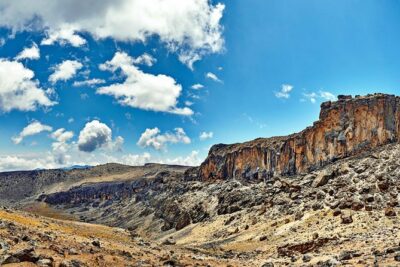
Browse the lists this trek appears in