
Review · ARUSHA
5 Days cheapest Kilimanjaro Marangu Route
Marangu is Kilimanjaro’s classic hut-to-hut route. You sleep in dormitory huts instead of tents, walk a gradual path toward the summit, and finish at Uhuru Peak, Africa’s highest point. That makes it a practical choice for climbers who prefer basic beds and a direct trail.
I like the hut accommodation, especially when cold nights and wet weather make camping less appealing. I also like the route’s changing scenery, from rainforest and giant plants to bare volcanic ground, plus the optional Maundi Crater walk.
The main concern is time. Five days gives you little room to adjust to altitude, and you return along the same path. This route is often described as easier underfoot, but that does not make the summit easy.
Key points to know
- Sleep in huts: Mandara and Kibo have 60 bunk beds each, while Horombo has 120.
- The summit night is demanding: You begin around 11:30 p.m. and may spend up to seven hours reaching Gilman’s Point and Uhuru Peak.
- Altitude adjustment is limited: An extra night at Horombo is available on request and can improve the plan.
- Maundi Crater is worth considering: This short side trip adds views toward northern Tanzania on the first day.
- The route is private: Only your group participates, with pickup offered and transport back to Arusha.
- The price is $1,869.24 per person: Its value depends on what you want most, especially hut sleeping and private service.
Why the Marangu Route remains so popular
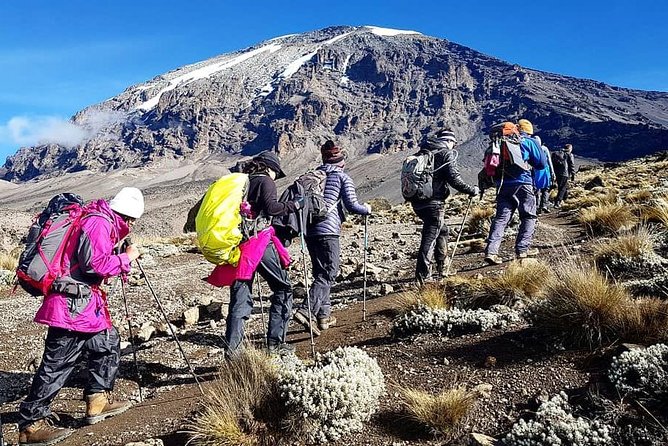
The Marangu Route approaches Kilimanjaro from the southeast and follows the oldest established trail on the mountain. Its nickname, the Coca-Cola Route, reflects its popularity and relatively direct path, not a luxury experience.
The route is less scenic than trails that climb one side and descend another because you use the same path on the way up and down. It is also the busiest route on Kilimanjaro. Still, the scenery changes quickly enough to keep the walk interesting, and hut sleeping gives Marangu a clear practical advantage.
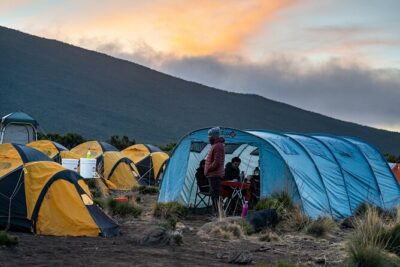
You receive a mattress and pillow in the huts, but you still need a sleeping bag. The lower huts have flushing toilets and running water. Higher up, facilities become basic, with long-drop toilets and buckets of water. Expect shared dormitory rooms and communal dining halls, not privacy.
For me, that trade-off makes sense if your priority is a straightforward climb with shelter each night. If solitude and varied scenery matter most, the route’s crowds and repeated descent may bother you.
More Kilimanjaro Climbs in Arusha
- 8-Day Small-group Lemosho Kilimanjaro Summit Trekking
★ 5.0 · 186 reviews - 7-Day Machame Kilimanjaro Summit Tour from Arusha
★ 5.0 · 125 reviews - Mountain Kilimanjaro Day Hike
★ 5.0 · 102 reviews
Day 1: rainforest to Mandara Hut
The day begins with breakfast and a briefing before the drive to Marangu village. The journey to the Kilimanjaro National Park gate takes about 45 minutes. At the gate, you register with the park authority, then begin walking through the rainforest.
The day’s distance is about 8 kilometers, or 5 miles, with three to four hours of walking. The route climbs to Mandara Hut at about 2,740 meters, or 9,000 feet. This is a manageable opening day on paper, but the altitude begins to matter as soon as you leave the lower slopes.
The rainforest is the first memorable change in scenery. The trail is enclosed by trees and moisture, then gradually opens as you climb. This section offers a gentler introduction than the bare upper mountain, though you should still walk at a steady pace and avoid treating the first day like a race.
If you have enough time and energy, take the side trip to Maundi Crater. It is included as a suggested option and gives you a chance to see toward northern Tanzania. It also helps break up the first day before settling into hut life.
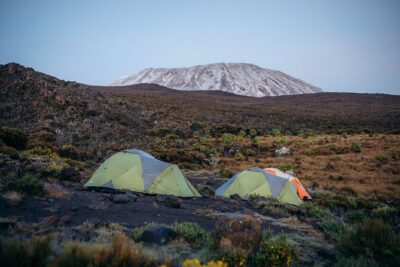
Mandara has 60 bunk beds. You’ll sleep in a shared room, use the communal facilities, and begin to understand the rhythm of a Kilimanjaro climb: walk, eat, rest, and conserve energy.
Day 2: Mandara to Horombo through open moorland
After breakfast, the group starts around 8:30 a.m. for Horombo Hut. The walk covers about 12 kilometers, or 7.2 miles, and takes five to seven hours. After roughly an hour, the rainforest gives way to open moorland.
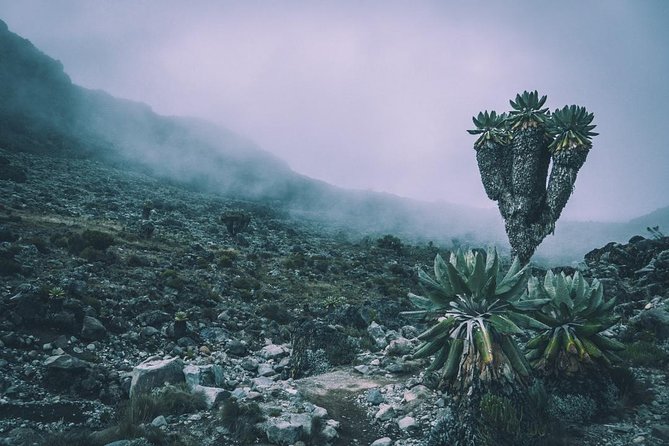
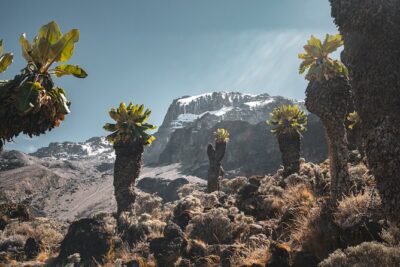
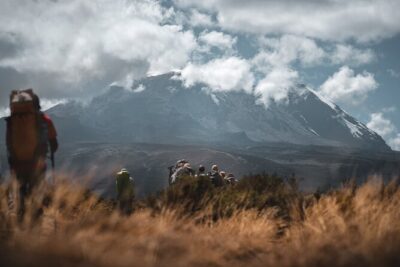
This is one of the route’s more rewarding sections. The trees fall behind, and views toward Kibo and Mawenzi can open on clear days. Giant lobelias and groundsels add a distinctly high-altitude look to the trail. These plants make the walk feel far removed from the warm lower slopes you left that morning.
Horombo Hut sits at about 3,720 meters, or 12,205 feet. It is larger than the other main huts, with 120 bunk beds. The hut is also the usual place for altitude adjustment, which is important because this five-day schedule moves quickly.
An extra day at Horombo is available on request. I would give this option serious thought, particularly if you have never slept at high altitude or if you feel headache, nausea, unusual fatigue, or shortness of breath. The five-day version saves time, but the added night gives your body more opportunity to adjust before the summit attempt.
The route description lists an altitude gain of about 1,000 meters for this day. That is a substantial rise, even if the trail itself feels gradual. Keep your pace slow, drink according to your guide’s advice, and let the day feel long rather than rushed.
Day 3: across the saddle to Kibo Hut
Day three takes you toward Kibo Hut, with about 9.5 kilometers, or 5.7 miles, of walking over five to seven hours. You pass the last water point, then cross the broad saddle between Kibo and Mawenzi.
The vegetation becomes thinner here. The upper moorland gives way to a desert-like zone, with more exposed volcanic ground and little shelter. The route can feel stark after the plants and open views of the previous day. In return, you get a clear sense that the summit is no longer a distant idea.
Kibo Hut is at roughly 4,750 meters, or 15,583 feet. You eat dinner there, try to sleep, and prepare for the night climb. The schedule calls for waking around 11:30 p.m., so this is not a normal evening at altitude. Rest matters more than entertainment, and even a short period of sleep can help.
The short acclimatization period is the biggest weakness of the five-day plan. You have moved from Mandara to Horombo, then toward Kibo in only two days. If you can add a night at Horombo, that is the clearest improvement available within this route plan.
Same trailhead, a different route:
- 4 Days Mount Meru Trekking
★ 5.0 · 55 reviews - 4 days Best experience Kilimanjaro Hike, Serengeti &Ngorongoro
★ 5.0 · 54 reviews - From Arusha/Moshi: Kilimanjaro Hike Marangu Route Day Trip
★ 4.5 · 54 reviews - Mount Kilimanjaro Day Hike Through Marangu Route to Mandara Hut
★ 5.0 · 37 reviews
Day 4: the long push to Gilman’s Point and Uhuru Peak
Summit day starts in the middle of the night. Your guide wakes you for coffee, tea, or hot chocolate, with a small snack before you set off. Bring a flashlight, warm clothing, sunglasses, and a camera.
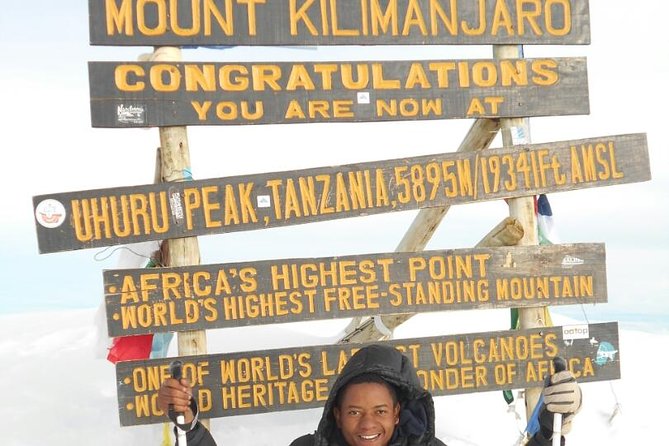
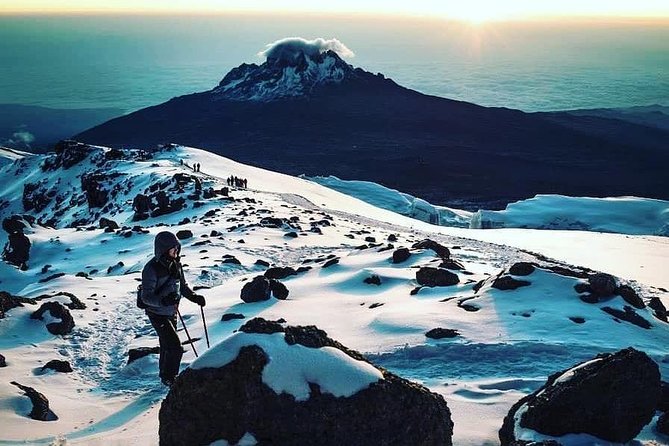
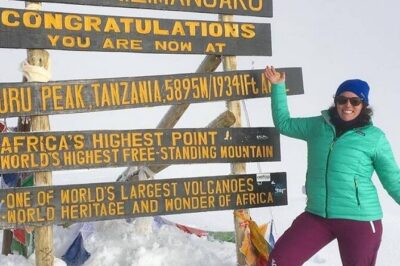
The climb to Gilman’s Point takes about four to seven hours. Gilman’s Point sits on the crater rim at approximately 5,861 meters, or 18,640 feet. The final climb to Uhuru Peak takes another one to two hours, reaching 5,895 meters, or 19,340 feet.
This is the hardest part of the trip, even though the day’s listed distance to the summit is only about 5.5 kilometers. At high altitude, short distances take time. The cold, darkness, steep ground, and thin air all add to the effort.
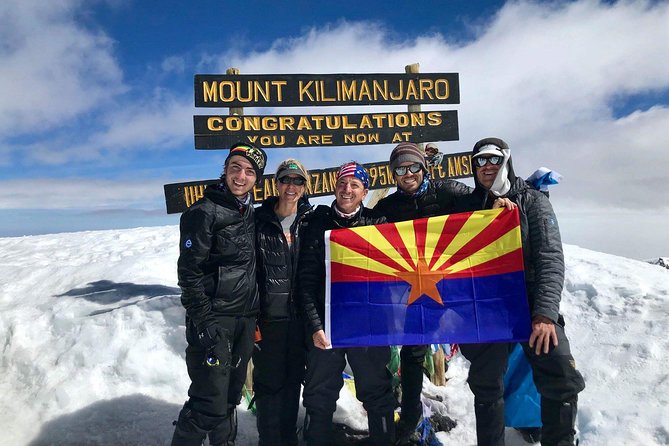
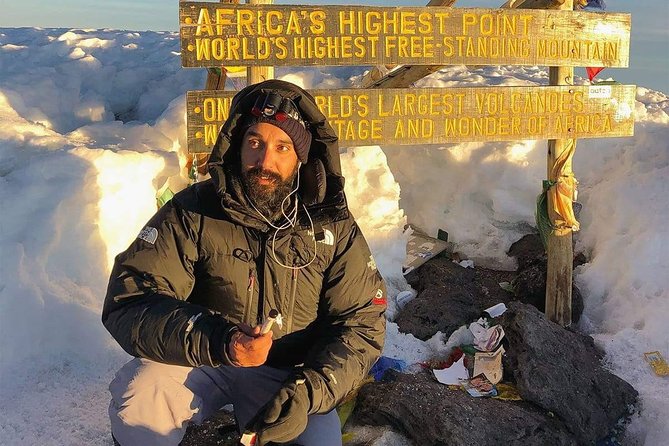
Uhuru Peak is the highest point in Africa, and reaching it is the central goal of the route. You’ll have time for summit photographs before beginning the descent. Keep your expectations sensible: conditions, altitude response, and pace can affect how far you go.
After reaching the summit area, you descend to Kibo Hut for breakfast and a rest. Then you continue down to Horombo Hut for dinner and overnight. This makes for a very long day, and the return to Horombo is not a minor add-on. You have already climbed and descended a great deal before arriving there.
The supplied schedule gives five to six hours for the summit section, though the separate ascent times show that the full day can feel considerably longer once breaks and the descent are included. You should be ready for a physically demanding day rather than relying on the distance alone.
Day 5: the long descent to Marangu Gate
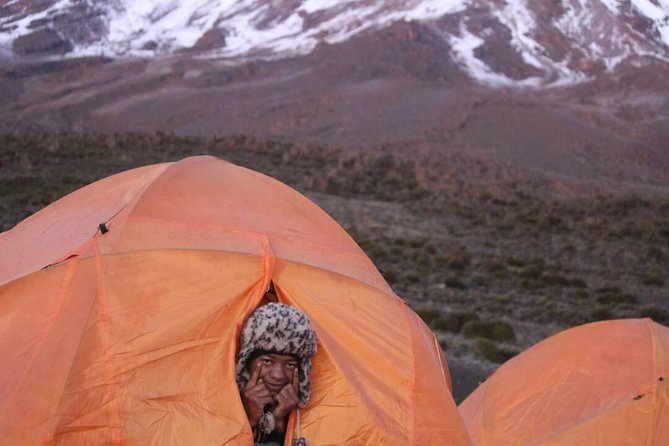
After breakfast, you descend through moorland toward Mandara Hut, around 2,700 meters. From there, the trail returns through the forest to the Marangu National Park gate at about 1,830 meters.
The listed distance is about 20 kilometers, or 12.5 miles, with around five hours of walking. That is a long final day, especially after the summit effort. Downhill walking can be hard on tired knees, so trekking poles may be useful, though they are not specifically included in the tour details.
At the gate, transport meets you in Marangu village and takes you back to your hotel in Arusha. Pickup is offered, and the activity ends back at the meeting point. Since the exact hotel transfer details are not provided, confirm your pickup location and return arrangements before departure.
The descent gives you one final change of scenery as the trail moves from high moorland into lush forest. You may find the return route familiar because it repeats the first part of the climb, but that familiarity can also make navigation and pacing easier.
Hut sleeping, food, and basic facilities
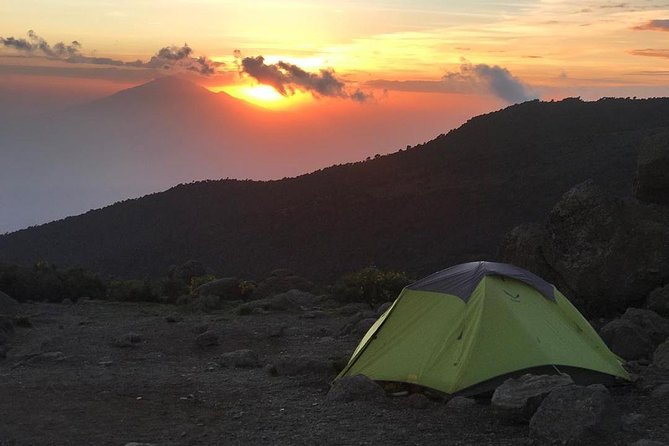
Marangu’s huts are the main reason to choose this route. Mandara and Kibo each have 60 bunk beds, while Horombo has 120. The larger Horombo facility is useful because it serves as the main overnight point for altitude adjustment.
You get a mattress and pillow, but not a sleeping bag. Pack a suitable sleeping bag for cold mountain nights. The communal dining halls provide a shared setting for meals, and the facilities become simpler as you gain height.
At the lower huts, you can expect flushing toilets and running water. At higher huts, facilities include long-drop toilets and buckets of water. This is basic mountain accommodation, so keep your expectations practical and bring personal essentials that help you manage shared spaces.
The hut system removes the need to carry a tent or sleep on the ground, but it does not remove the physical challenge. You still face cold, fatigue, altitude, and a crowded route during busy periods.
What the $1,869.24 price means in practice
At $1,869.24 per person, this is not a low-cost day outing. You are paying for a five-day Kilimanjaro climb, park access, guiding, hut use, and transport elements described in the program. The private format also means only your group participates, which can make pacing and communication more personal.
The exact list of included meals, equipment, tips, airport transfers, and hotel nights is not provided here. Before paying, ask Moorland Safari and Trekking to confirm each inclusion in writing. That is the best way to judge the price against other Kilimanjaro options.
The value is strongest for someone who wants hut accommodation and a private climb without camping. It is less attractive if you are choosing only by price or if you want the best scenery and more time for altitude adjustment.
Moorland’s owner and host, Nasir, helped one couple plan the Marangu route around its moderate trail difficulty and longer route style. That suggests a useful strength in the planning stage: you can discuss route choice before committing. Still, ask directly about adding the Horombo acclimatization night, since that is the most important optional change in this schedule.
Who should choose this five-day climb
I would consider this route if you want:
- Hut sleeping instead of tents
- A private group experience
- A direct, established trail
- A route with a gradual physical profile
- Pickup and return transport linked with Arusha
- A five-day schedule, with an extra Horombo night available on request
I would hesitate if you need a generous altitude schedule, quiet trails, or different scenery on the descent. The five-day plan is efficient, but efficiency is not always your friend at nearly 6,000 meters.
You also need a moderate level of physical fitness. The walking times range from three to seven hours on most days, with a long summit night and a 20-kilometer descent on the final day. No special technical climbing is described, but the altitude makes this a serious physical undertaking.
Booking details worth checking before you go
The listed start time is 6:30 a.m., although the first day also refers to breakfast and a briefing before the drive. Confirm the exact pickup time with the operator.
Confirmation is provided at booking, and the activity is near public transportation. Pickup is offered, but the information does not specify whether it covers every Arusha hotel, so clarify your address in advance.
Cancellation is free if you cancel at least 24 hours before the local start time. Within 24 hours, the amount paid is not refunded, and changes are not accepted. That rule matters because a Kilimanjaro plan involves transport and park arrangements.
The experience has a 5.0 rating from three published ratings, with praise focused on the enjoyable service, organization, and the memorable nature of the climb. One account specifically highlights Nasir’s help in selecting the route. I would treat that as encouraging, while still asking detailed questions about inclusions, acclimatization, and the guide-to-climber setup.
Should you book the Marangu Route?
Book it if hut sleeping is important, you prefer a private group, and you want the most direct established route up Kilimanjaro. The rainforest, Maundi Crater option, open moorland, Mawenzi views, saddle crossing, and Uhuru Peak give you plenty of variety despite the repeated descent.
Think twice about the five-day version if altitude is your main concern. Adding a night at Horombo is the most sensible improvement, and you should ask for the revised cost and schedule before booking. For a first high-altitude climb, a little more time can matter more than a slightly shorter itinerary.
FAQ
How long is the Marangu Route experience?
The climb lasts approximately five days, beginning and ending at the meeting point, with transport back to your hotel in Arusha after the descent.
Where do you sleep during the climb?
You sleep in dormitory-style mountain huts at Mandara, Horombo, and Kibo. Mandara and Kibo have 60 bunk beds each, while Horombo has 120. Mattresses and pillows are supplied, but you must bring a sleeping bag.
Is the Marangu Route suitable for beginners?
The trail has a gradual slope and direct path, and the required fitness level is moderate. However, the five-day schedule allows limited altitude adjustment, so the summit remains physically demanding.
Can you add an acclimatization day?
Yes. An extra day at Horombo Hut is available on request. This adds time for altitude adjustment before continuing toward Kibo and the summit.
What happens on summit day?
You wake around 11:30 p.m. and begin the climb after a hot drink and snack. The route reaches Gilman’s Point at about 5,861 meters, then continues to Uhuru Peak at 5,895 meters before descending to Kibo Hut and later Horombo Hut.
Can you cancel for a full refund?
Yes, if you cancel at least 24 hours before the experience start time. Cancellations or changes made within 24 hours are not refunded or accepted.
More 5-Day Experiences in Arusha
- 5 days safari, hiking & culture (Serengeti & kilimanjaro)
★ 5.0 · 27 reviews - 5 Days Marangu Route – Mount Kilimanjaro Trek
★ 5.0 · 5 reviews - 5 Days Marangu Route Kilimanjaro Trekking
★ 5.0 · 4 reviews - 5 Days Classic Kilimanjaro Climb via Marangu route
★ 5.0 · 3 reviews
Just added around Arusha
- Mt. Kilimanjaro: Shira plateau to Cathedral point 3872m Day hike★ 5.0 · 7 reviews
- 5 days safari, hiking & culture (Serengeti & kilimanjaro)★ 5.0 · 27 reviews
- One Day Hike from Kilimanjaro to Mandara★ 5.0 · 2 reviews
- 3 Days Mount Meru trekking★ 4.5 · 7 reviews
- climb the KILIMANJARO via Lemosho route★ 5.0 · 4 reviews
- 6 Day: Hiking Kilimanjaro via Machame Route★ 5.0 · 2 reviews
- Private 8 day Northern Circuit Kilimanjaro Climb★ 5.0 · 8 reviews
- Kilimanjaro Waterfalls Hike & Moshi Hot Springs Day Trip Tour★ 5.0 · 4 reviews
Kilimanjaro Climbs, compared.
8-Day Small-group Lemosho Kilimanjaro Summit Trekking
Read our review →
Climbing Kilimanjaro through 7 days Machame Route
Read our review →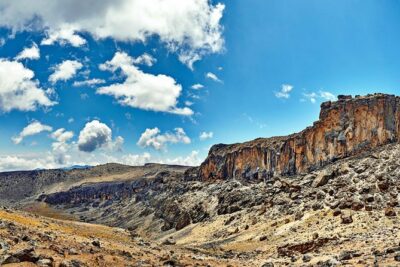
Browse the lists this trek appears in