
Review · ARUSHA
7-Day Kilimanjaro Hiking Tour via Machame Route
Kilimanjaro’s Machame Route gives you seven days to move from tropical forest to Africa’s highest summit, sleeping in tents and eating mountain meals along the way. The route earns its Whiskey nickname with steep sections, but its gradual schedule gives you a better shot at handling the altitude than a rushed climb.
I like the scenery, which changes sharply from rainforest to open high country and volcanic rock. I also like the practical setup: tents, a cook, porters, a mess tent, drinking water, rescue cover, and a guide certified in wilderness first response and CPR are included.
The trade-off is simple: this is not a gentle walking holiday. The summit day can last 10 to 14 hours or more, and the final ascent gains about 1,100 meters in roughly 3 kilometers. You need strong fitness, some hiking experience, and a willingness to sleep outdoors for six nights.
Key points at a glance
- Seven days on Machame: The longer schedule allows more time for acclimatization than a very short Kilimanjaro climb.
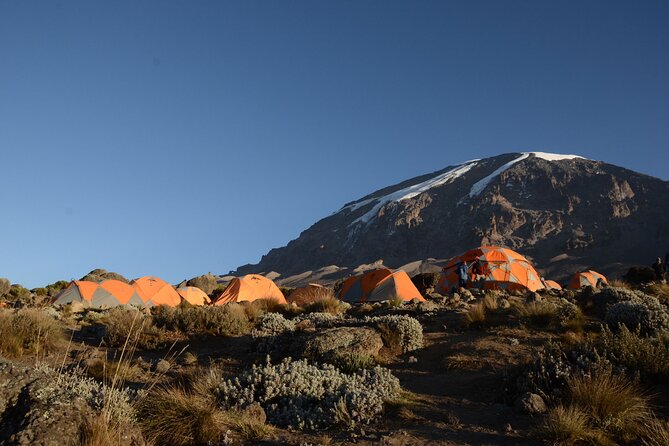
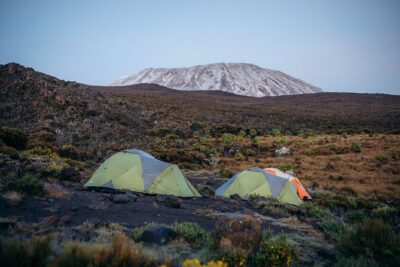
- Tent camping every night: You sleep in supplied mountain tents, with meals in a dining tent or outdoors.
- A major acclimatization climb: Day three reaches Lava Tower at about 15,000 feet before descending to Barranco Camp.
- A demanding summit morning: You start just after midnight, aiming for sunrise from the summit.
- Small group size: The maximum is 12 people, with a private transport arrangement and a mountain crew.
- A useful package of support: Porters, cook, water, full-board meals, rescue fees, gate transfers, and equipment rentals are included.
Why seven days on Machame matters
At $2,150 per person, this is a serious purchase, but it includes much more than a guide and a park entry. Your price covers private transportation, mountain fees and taxes, an English-speaking guide, cook, porters, tents, meals, drinking water, rescue fees, fair crew wages, and transfers between the gates and your hotel in Arusha.
That bundled cost matters on Kilimanjaro. You are not carrying every item yourself, and you do not need to arrange a separate cook, dining shelter, or porter team. Equipment rentals are also included, although you should confirm exactly which items are available before departure if you need technical gear.
The seven-day plan is a sensible middle ground for a physically fit hiker. You still climb hard, but the route gives your body time to adjust before the summit push. No itinerary can remove altitude risk, and the schedule should not be treated as a guarantee of reaching the top.
The group limit of 12 is another plus. That is large enough to keep the price workable, but small enough for the guide to monitor the group more closely than on a mass departure. The exact guide is not named in the tour details. Josia is named in company feedback for a different seven-day Lemosho climb, so you should not assume he will lead this Machame departure.
More Kilimanjaro Climbs in Arusha
- 8-Day Small-group Lemosho Kilimanjaro Summit Trekking
★ 5.0 · 186 reviews - 7-Day Machame Kilimanjaro Summit Tour from Arusha
★ 5.0 · 125 reviews - Mountain Kilimanjaro Day Hike
★ 5.0 · 102 reviews
Day one: rainforest from Machame Gate
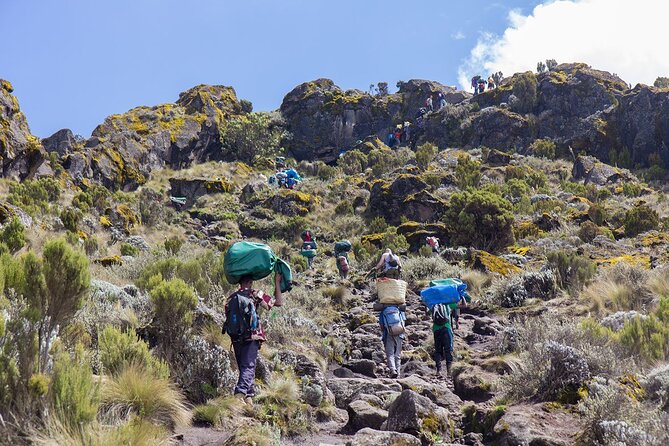
The climb begins with a drive from Arusha to Machame Gate, where registration takes place before you enter the mountain route. The first walking day is about six hours, much of it through tropical rainforest.
This is a pleasant start, but do not mistake pleasant for effortless. The trail rises steadily, and wet forest paths can make footing slower. You may spot colobus monkeys and wild birds, which gives the opening day a welcome sense of place instead of feeling like a long approach march.
You finish at Machame Camp, where dinner and your first night in a tent await. With a mountain crew handling camp tasks, you can focus on drinking water, eating, and resting. Ask your guide early about the next day’s pace and what to keep in your daypack.
Day two: climbing toward Shira Camp
The route leaves the forest and follows a stream before turning up a steep, rocky ridge. The path crosses back and forth several times, and the six-hour day may feel harder than the distance suggests because of the slope and uneven ground.
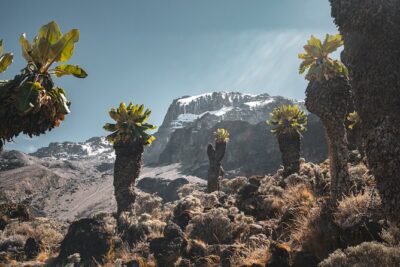
Shira Camp sits beneath a curved wall of rock. The change in scenery is one of Machame’s rewards: you move out of dense forest into more open country, with wider views and a stronger sense that the summit is still far above.
This is also the point where a casual walking pace becomes essential. The aim is not to race to camp. Keep your breathing controlled, take the breaks your guide sets, and avoid spending all your energy early in the climb.
Day three: Lava Tower and the Barranco descent
Day three is one of the most useful parts of the schedule. From Shira Camp, you climb to Lava Tower at about 15,000 feet, then descend to Barranco Camp.
That high point followed by a lower night is valuable for acclimatization. You gain altitude during the day, then sleep lower than Lava Tower. It is still a demanding six-hour walk, and you should expect the height to affect your appetite, sleep, breathing, or energy even if you are fit.
The descent leads toward the Great Barranco Wall, with Barranco Camp in a dramatic setting below it. This camp is often remembered as one of the most impressive on the route, but the scenery does not make the altitude easier. Eat what you can, drink regularly, and report headaches, nausea, dizziness, or unusual fatigue to your guide.
Same trailhead, a different route:
- 4 Days Mount Meru Trekking
★ 5.0 · 55 reviews - 4 days Best experience Kilimanjaro Hike, Serengeti &Ngorongoro
★ 5.0 · 54 reviews - From Arusha/Moshi: Kilimanjaro Hike Marangu Route Day Trip
★ 4.5 · 54 reviews - Mount Kilimanjaro Day Hike Through Marangu Route to Mandara Hut
★ 5.0 · 37 reviews
Day four: over the Barranco Wall
The morning begins with a steep climb along the edge of the Barranco Wall. It is a tough section, but it is not described as technical climbing. You use the trail, your hands may help with balance, and the pace is likely to be slow.
Once you reach the top, the effort pays back with broad views. This is a good day to keep your expectations realistic: the wall is a physical challenge, but the bigger issue is the accumulated strain from several days of uphill walking.
After the wall, you continue to Karanga Camp. The day is listed at about six hours. Rest at camp rather than treating arrival as the end of your work. You still have the Barafu climb and the summit night ahead.
Day five: short approach to Barafu Camp
The hike to Barafu Camp is shorter than the previous days, which is useful because the next push begins after midnight. Barafu is the final camp before the summit ascent, and the instruction to rest here should be taken seriously.
This is not the time for a long camp exploration or a late conversation in the dining tent. Organize your clothing, headlamp, water, and snacks before trying to sleep. The schedule gives you a shorter walking day, but the night start means normal sleep is unlikely.
The mountain crew provides meals in a mess tent with tables and chairs, or meals may be served outdoors. That setup is basic, not luxurious. Its value is that you have a place to eat, warm up, and prepare instead of managing every camp chore yourself.
Day six: the summit push and descent to Mweka
Summit day begins just after midnight. The ascent covers about 1,100 meters in a little over 3 kilometers and is expected to take six to eight hours. The total day can last 10 to 14 hours or more because you then descend below the tree line to Mweka Camp.
This is the hardest part of the trip. The trail is steep, the air is thin, and the darkness can make the climb feel longer. The slow pace is not a problem. On this section, conserving energy matters more than speed.
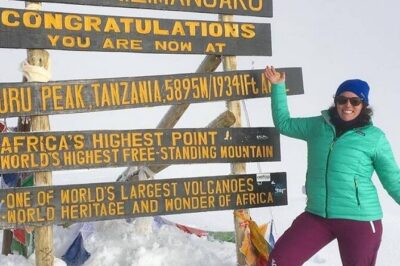
The goal is to reach the summit around sunrise and look over the Great Rift Valley. You have time for photographs after reaching the top, but do not linger longer than your guide advises. Cold, wind, altitude, and exhaustion all matter at this point.
The descent is a major part of the day, not an easy afterthought. Your knees and feet will take a beating, and the long drop to Mweka Camp can feel almost as tiring as the ascent. A sturdy daypack, well-tested footwear, and careful pacing are especially important.
Day seven: forest exit and return to Arusha
The final day is a roughly three-hour walk through lush forest to Mweka Park Gate. After the open, rocky upper mountain, the trees feel like a return to normal life.
At the gate, you meet the driver and ride back to your hotel in Arusha. The tour information lists private transportation and gate transfers as included, which keeps the end of the climb straightforward. You should still allow plenty of time for the return, since the exact drive duration is not provided.
The last day is short compared with the summit day, but your legs may not feel fresh. Pack your belongings so you can reach them easily after the hike, and keep some water and a small snack for the final walk.
What camp life is really like
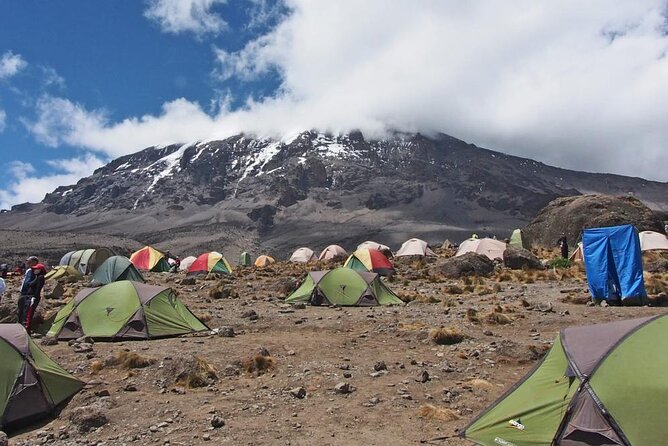
You sleep in tents on all six mountain nights. Tents are included, as are quality mess tents with tables and chairs. Meals include breakfast six times, dinner six times, and lunch seven times, along with drinking water and full-board service.
That arrangement is more comfortable and organized than carrying your own camping kitchen, but it remains mountain camping. You should expect simple facilities and changing weather. The dining tent gives you a sheltered place to eat, though some meals may be served on a blanket outdoors.
The cook and porters are central to the experience. The package includes a proper mountain crew, and the company states that crew members receive fair and sustainable wages. That is important both for your comfort and for responsible trekking practice.
Equipment rentals are included, but the supplied information does not list every item. Before you leave Arusha, confirm what you are borrowing and check that it fits properly. For personal clothing, footwear, and daypack items, bring equipment you already trust.
Guide support and group size
Your guide is an English-speaking professional with Wilderness First Responder and CPR certification. That matters most when someone feels unwell, the weather changes, or the group needs a slower pace. A certificate does not remove mountain risk, but it is a useful level of preparation for a high-altitude trek.
The maximum group size is 12. Ask how many people are booked on your date, since the maximum is not the same as a guaranteed group size. You should also ask who the lead guide will be and how the company handles a split pace if some climbers move more slowly.
The company’s feedback highlights clean gear, good tents, tasty food, and a polite, caring crew. Josia is specifically named for his help on a seven-day Lemosho trip, but his assignment to this Machame climb is not confirmed. The useful takeaway is to value the crew structure, while getting the actual guide’s name before you book.
Who should book this climb
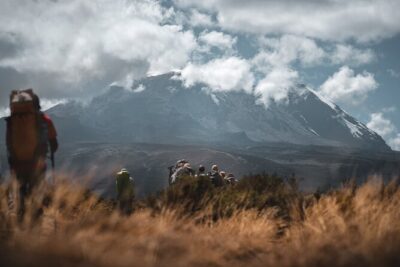
I would recommend this trip to a fit hiker who has some previous hiking experience and wants a scenic Kilimanjaro route with a sensible seven-day schedule. You should be comfortable with long uphill days, steep rocky trails, cold conditions, tent camping, and a midnight start.
This is a poor match if you want hotel comfort, short walks, or a fixed promise of reaching the summit. It also may not suit someone who has never handled a full day on uneven mountain trails. The listing requires strong physical fitness, and that is an important warning rather than a formality.
You do not need to be a technical climber based on the route description, but you do need stamina. The Barranco Wall, the Barafu approach, and the summit descent are the sections to think about before committing.
What the $2,150 price buys you
The price is easier to judge when you separate included services from extras. You receive private transport, park and other listed fees, a certified guide, cook, porters, tents, mess equipment, meals, water, rescue fees, crew wages, equipment rentals, and gate transfers.
Flights are not included, either international or internal, and visas are also your responsibility. Optional activities and extras not listed are excluded. Build those costs into your total budget before deciding that $2,150 is the final trip price.
For a seven-day climb with a staffed camp system, the package offers solid practical value. You are paying for logistics in a remote setting, not simply seven days of walking. The main value is the combination of extra acclimatization time and the support crew, not luxury.
Booking details worth checking
Pickup is offered, and the stated start time is 7:00 a.m. Confirmation is provided when you book, and the tour can take up to 12 people. Since the exact meeting point is not spelled out beyond the pickup arrangement, confirm where the driver will collect you in Arusha.
Free cancellation is available if you cancel at least 24 hours before the local start time. Changes made inside that window are not accepted, and late cancellations are not refunded. Poor weather can lead to a different date or a full refund, which is useful for a mountain trip where conditions matter.
Should you book the Machame Route?
Book this tour if you want a seven-day Kilimanjaro climb with strong logistical support, tent camping, and a route known for changing scenery. The Lava Tower acclimatization day, small maximum group, certified guide, porter team, meals, and rescue cover make the package practical for a serious first Kilimanjaro attempt.
Think twice if you are not ready for the summit day’s 10 to 14 hours, or if you expect comfort and easy walking. Before paying, confirm the exact guide, rental equipment list, pickup point, and what food and water arrangements will look like on your date.
For a fit hiker who accepts the hard parts, this is a well-structured way to approach Africa’s highest summit without rushing the mountain.
FAQ
How long is the Machame Route tour?
The tour lasts approximately seven days, beginning with a drive from Arusha to Machame Gate and ending with a return drive from Mweka Park Gate to a hotel in Arusha.
Where do you sleep during the climb?
You sleep in tents every night on the mountain. Tents are included, and meals are served in a mess tent with tables and chairs or outdoors on a blanket.
How difficult is the summit day?
The summit day begins just after midnight and can last 10 to 14 hours or more. The ascent to the summit gains about 1,100 meters over a little more than 3 kilometers and is followed by a descent to Mweka Camp.
Are meals and drinking water included?
Yes. Full-board meals and drinking water are included. The package lists six breakfasts, six dinners, and seven lunches.
Are flights and visas included?
No. International and internal flights, flight taxes, and visas are not included. Optional activities and extras not listed in the tour details are also excluded.
How many people can join the tour?
The maximum group size is 12 people. The tour also includes private transportation and an English-speaking guide certified in Wilderness First Responder and CPR.
More 7-Day Experiences in Arusha
- KILIMANJARO MACHAME ROUTE, (Climb 7days)
★ 5.0 · 16 reviews - 7 Day Kilimanjaro Climb Lemosho Route & 2 Day Safari
★ 5.0 · 16 reviews - 7 days Kilimanjaro climb via Machame route (Whiskey route)
★ 5.0 · 16 reviews - 7 Days Kilimanjaro Climb Machame Route
★ 5.0 · 15 reviews
Just added around Arusha
- Mt. Kilimanjaro: Shira plateau to Cathedral point 3872m Day hike★ 5.0 · 7 reviews
- 5 days safari, hiking & culture (Serengeti & kilimanjaro)★ 5.0 · 27 reviews
- One Day Hike from Kilimanjaro to Mandara★ 5.0 · 2 reviews
- 3 Days Mount Meru trekking★ 4.5 · 7 reviews
- climb the KILIMANJARO via Lemosho route★ 5.0 · 4 reviews
- 6 Day: Hiking Kilimanjaro via Machame Route★ 5.0 · 2 reviews
- Private 8 day Northern Circuit Kilimanjaro Climb★ 5.0 · 8 reviews
- Kilimanjaro Waterfalls Hike & Moshi Hot Springs Day Trip Tour★ 5.0 · 4 reviews
Kilimanjaro Climbs, compared.
8-Day Small-group Lemosho Kilimanjaro Summit Trekking
Read our review →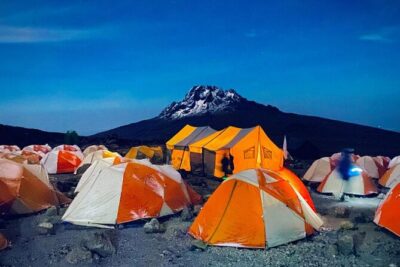
Climbing Kilimanjaro through 7 days Machame Route
Read our review →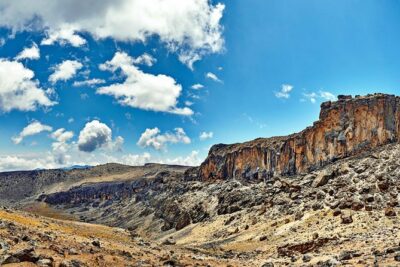
Browse the lists this trek appears in