
Review · ARUSHA
7-Day Machame Kilimanjaro Summit Tour from Arusha
Mount Kilimanjaro gives you a full week to work your way from tropical forest to Uhuru Peak at 19,340 feet. The Machame route is scenic and varied, but it is not a casual walk. You will hike for several hours each day, sleep in tents, and face a long midnight-to-summit push on Day 6.
I like the small maximum group of six, since it gives your guide more room to watch your pace and condition. I also like the practical package: camping equipment, meals, park fees, and hotel transfers are included, so you are not piecing together the mountain logistics yourself.
The main catch is the price, $2,695 per person, which is a serious investment. You should also be comfortable with basic camping, strong daily exertion, and the possibility of rough or exposed conditions. A small group helps, but it does not make Kilimanjaro easy.
The Kilimanjaro trek at a glance
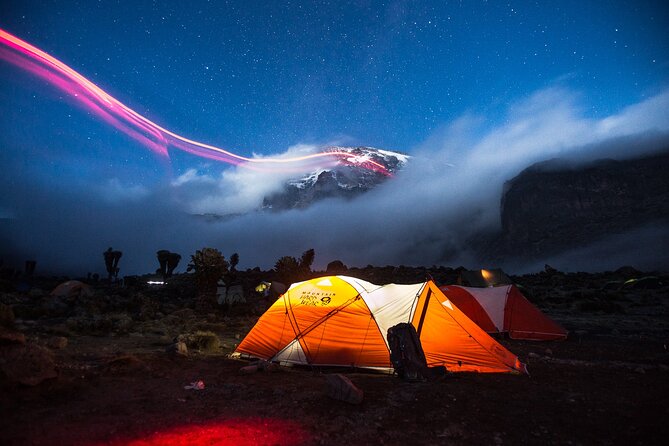
- A seven-day Machame route: You climb through rainforest, heather, moorland, high desert, and the arctic summit zone.
- A midnight summit start: Day 6 begins around midnight, with six to seven hours to Stella Point and about another hour to Uhuru Peak.
- A maximum of six people: The small group can make pacing, communication, and daily support more personal.
- Camping and meals included: Tents, camping equipment, meals, park fees, and admission costs are part of the package.
- Round-trip Arusha transfers: Pickup is offered from the stated meeting point, Summit Lodge in the Sakina area, with a return to the hotel after the climb.
- A route for fit hikers: The Machame trail is tougher than the Mangaru route and suits people with previous hiking experience.
Why the Machame route earns its reputation
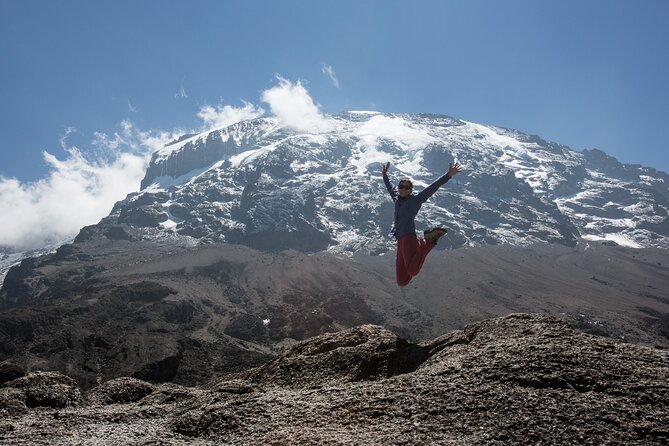
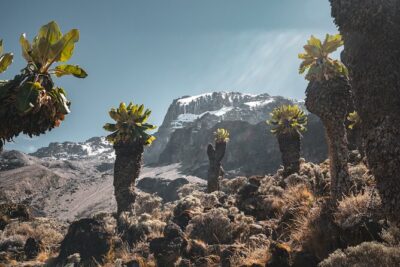
Machame is popular for one good reason: it changes scenery constantly. Your first day begins in thick rainforest. Later, the trees thin into heather and moorland, then give way to stark high-altitude terrain around Lava Tower, Barranco, Karanga, and Barafu.
That variety makes the route feel like a real crossing rather than a long staircase. You are not simply walking uphill for seven days. You are moving through several climate zones, each with its own weather, footing, and mood.
The route also uses an important acclimatization pattern. On Day 3, you climb toward Lava Tower at roughly 15,000 feet, then descend to Barranco Camp. That climb high, sleep lower rhythm gives your body a better chance to adjust than a steady daily push upward.
Still, this is a demanding itinerary. The summit day combines a steep ascent, thin air, cold, darkness, scree, and a long descent. You need strong fitness, patience, and a willingness to move slowly when the guide asks you to.
More Kilimanjaro Climbs in Arusha
- 8-Day Small-group Lemosho Kilimanjaro Summit Trekking
★ 5.0 · 186 reviews - Mountain Kilimanjaro Day Hike
★ 5.0 · 102 reviews - 4 days Best experience Kilimanjaro Hike, Serengeti &Ngorongoro
★ 5.0 · 54 reviews
Day 1: Machame Gate to Machame Camp
Your morning begins with breakfast at the hotel, followed by a transfer to Machame Gate. From there, you enter the rainforest and follow a winding trail up a ridge toward camp.
The route covers about 6.8 miles, reaches roughly 9,400 feet, and takes about five to seven hours, depending on pace and trail conditions. The lower forest section can be muddy and slippery, so gaiters and trekking poles are useful rather than decorative extras.
This is a pleasant but not effortless opening day. The forest offers shade and a softer introduction than the bare upper mountain, but wet footing can make the walk tiring. Your tent is set up at Machame Camp, and dinner is served there.
The included camping setup matters most at the end of a long day. You do not have to arrive and then assemble a camp from scratch. Personal belongings are prepared for you, allowing you to eat, rest, and organize your gear for the next morning.
Day 2: Heather and moorland above Shira
Day 2 leaves the rainforest behind. The trail climbs through glades and onto a steep rocky ridge before entering the moorland zone, where heather replaces the dense trees.
You walk about 2.8 miles in four to six hours, reaching Shira Camp at roughly 12,500 feet. The distance is short, but the altitude and steady gain make it more demanding than the mileage suggests.
The route turns west toward a dry river gorge before reaching camp. This day gives you your first broad sense of Kilimanjaro’s upper terrain. The air is cooler, the vegetation is lower, and the mountain begins to feel less like a forest hike and more like a high-altitude expedition.
This is also a good day to settle into the group routine. Eat when food is served, drink regularly, keep your warm layers handy, and avoid treating the short distance as permission to rush. The climb rewards a slow pace from the start.
Day 3: Lava Tower and Barranco Camp
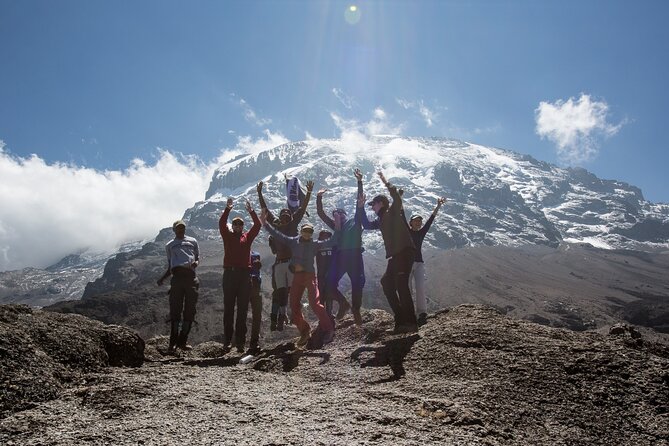
Day 3 is the key acclimatization day. You climb toward Lava Tower, described at about 15,000 feet, before descending through the Senecio forest to Barranco Camp at around 13,000 feet.
The route is listed at roughly 4.3 miles and four to six hours, though another route description gives a longer 5.6-mile option and six to eight hours. That difference is worth clarifying with the operator before departure, especially if your group follows a variation or takes a longer approach.
The value of the day is clear even if the exact mileage needs confirming. You reach a higher elevation, spend time there, then sleep lower at Barranco. This is tiring by design, but it helps your body begin adjusting to the conditions above the forest.
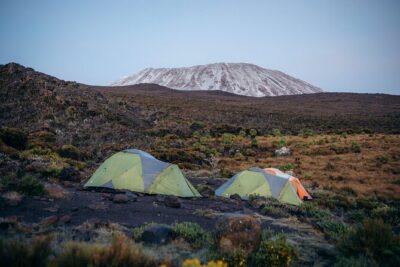
Barranco Camp sits beneath the large Barranco Wall. Clouds can move through the valley, and the setting feels more exposed than the earlier camps. You will want warm clothing close by and a tidy tent, since wind and changing conditions are part of the upper mountain experience.
Same trailhead, a different route:
- 4 Days Mount Meru Trekking
★ 5.0 · 55 reviews - From Arusha/Moshi: Kilimanjaro Hike Marangu Route Day Trip
★ 4.5 · 54 reviews - Mount Kilimanjaro Day Hike Through Marangu Route to Mandara Hut
★ 5.0 · 37 reviews - 5 days safari, hiking & culture (Serengeti & kilimanjaro)
★ 5.0 · 27 reviews
Day 4: Over the Barranco Wall to Karanga
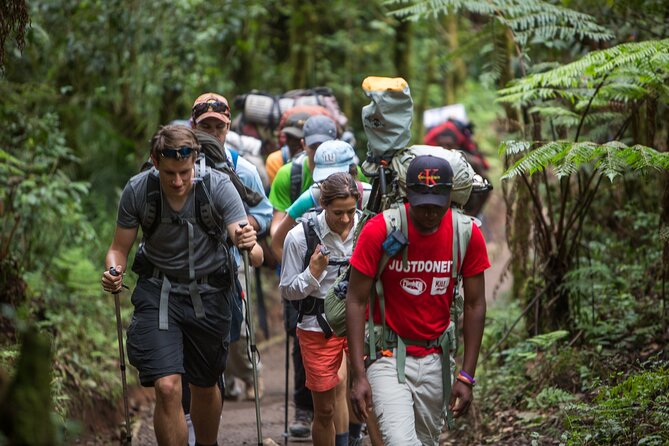
Day 4 is short in distance but memorable in character. You climb the Barranco Wall, an adventurous stretch that leads into the mountain’s colder upper zone.
The walk covers about 2.2 miles and takes four to five hours, reaching Karanga Camp at roughly 13,100 feet. The Barranco Wall is not described as a technical climbing section, but you should expect hands-on movement and uneven footing rather than a smooth trail.
This is one of the route’s more distinctive days. The wall breaks up the steady uphill rhythm and gives you a strong sense of progress. You continue along the South Circuit path through Karanga Valley before camping at Karanga.
Do not judge the day by its short mileage. Altitude, rocky ground, and the need to move carefully all count. A good guide will keep the group together and avoid turning the wall into a race.
Day 5: Karanga to Kosovo Camp
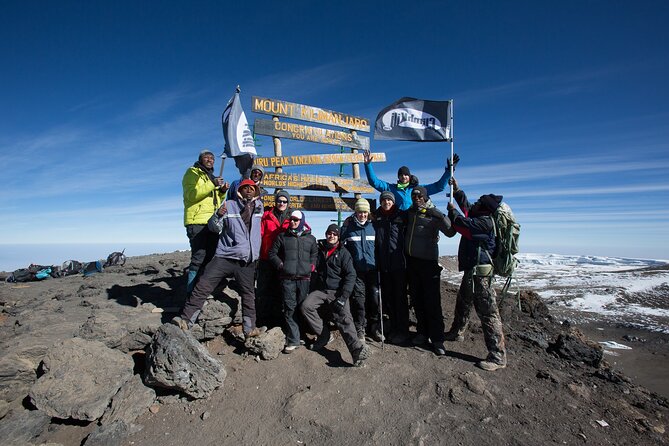
Day 5 takes you slowly toward Kosovo Camp at roughly 16,000 feet. The route covers only about 2.6 miles and takes five to six hours, but the short distance is part of the plan.
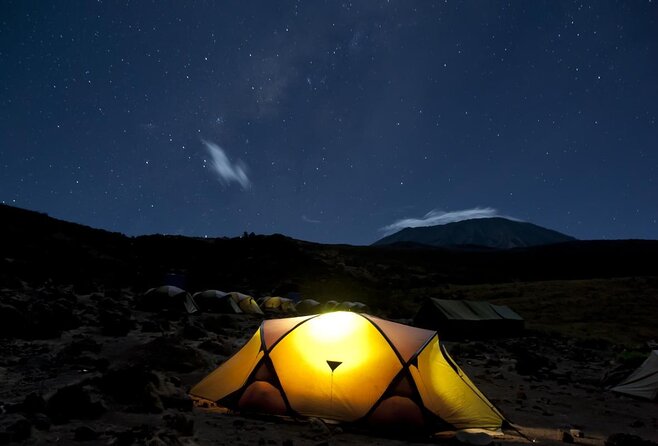
You pass Barafu Camp, with views toward Kibo and Mawenzi peaks, before reaching the exposed ridge at Kosovo. The high camp is an important staging point for the summit. You rest, acclimatize, and prepare equipment for the midnight start.
The exposed setting means you should learn where everything is before darkness arrives. Keep your headlamp, gloves, warm layers, water, and summit clothing easy to reach. You do not want to search through a pack while tired and cold.
This day can feel oddly slow. That is useful. The goal is not to burn energy before the summit but to conserve it. Eat your meals, rest as much as possible, and listen closely to your guide’s instructions about the next morning.
Day 6: Stella Point, Uhuru Peak, and Mweka Camp
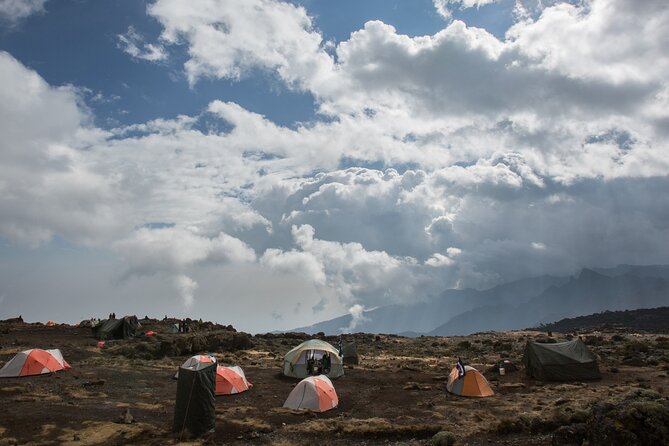
This is the day that defines the trip. You start around midnight and climb toward Stella Point on the crater rim. The ascent is about five kilometers and takes six to seven hours, with another hour to Uhuru Peak.
The upper route is steep and covered with heavy scree. The darkness hides much of the slope, but the cold, thin air, and slow progress make this the most mentally and physically difficult section for many climbers.
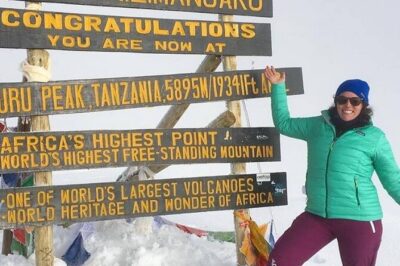
Stella Point is a major milestone. From there, Uhuru Peak is about an hour away. The route passes between the Rebmann and Ratzel glaciers before continuing toward Africa’s highest point at 19,340 feet.
Reaching Uhuru Peak is only half of the day. You descend about 12 kilometers to Mweka Camp, with four to six hours listed for the descent. The full summit day is described as roughly 21 kilometers and about 11 hours, though the actual duration can vary with pace, weather, and how long you spend at the top.
You should think of this as a long endurance day, not a single summit photo. The descent can be hard on tired legs, and the loose surface requires care. The guide team’s role becomes especially important here. Climb Kili’s highly praised guides include names such as Herment Mosha, Florian, Godlove, Steve, James, Daniel, Manny, and Singer, though your assigned team should be confirmed before booking.
Day 7: Mweka Camp to the gate
The final morning is a downhill walk to Mweka Gate. The route covers about 6.4 miles and takes three to four hours, finishing at roughly 5,400 feet.
After the thin air and rough upper mountain, this lower route can feel like a return to normal life. You walk through the forest and meet the Climb Kili vehicle at the gate for transfer back to your hotel.
The return transfer is more valuable than it sounds. After the summit day, you may be tired, dusty, and ready for a shower. Having transport arranged removes one last practical task from the trip.
What the $2,695 price really covers
At $2,695, this is not a budget hike. The value comes from having the main mountain costs grouped together: park fees, camping equipment, meals, admission costs, and round-trip hotel transfers are included.
A small group of no more than six is another part of the value. On a high-altitude trek, a guide has more opportunity to notice changes in pace, answer questions, and keep the group moving together when there are fewer people to manage.
The package also reflects the work of the wider mountain crew. Guides, porters, cooks, and drivers all affect how smoothly the week runs. Several strong accounts of Climb Kili emphasize careful support, daily health checks, encouraging guides, and well-organized transport.
You should still ask exactly what is included before paying. The supplied information names Summit Lodge in Arusha as the meeting point and says pickup is offered, but it does not spell out every hotel arrangement. One lower rating specifically raised concerns about hotel quality compared with the price. That does not erase the strong mountain support, but it is a fair reason to clarify the pre- and post-climb lodging.
Who should book this climb
This trek suits you if you already hike, can handle five to seven hours on your feet, and are prepared for one very long summit day. It is also a good fit if you prefer a structured trip where transport, meals, camping equipment, and park fees are handled together.
You do not need technical climbing experience based on the route description, but you do need strong physical fitness. The Barranco Wall, high camps, steep scree, and summit descent demand more than ordinary sightseeing stamina.
The Machame route is less suitable if you want a relaxed mountain holiday, dislike camping, or have no interest in preparing seriously. The operator itself positions it as tougher than the Mangaru hike, so do not choose it simply because the route is famous.
I would also choose this trip if personal support matters to you. The small group limit and repeated praise for guides such as Herment, Florian, and Godlove suggest a company culture centered on close supervision and encouragement. Names can change, so confirm your guide team rather than booking around a particular person.
Practical details before you reserve
The stated meeting point is Summit Lodge, Sakina Raskazone, Arusha, Tanzania. The listed start time is 8:00 a.m., and the activity ends back at the meeting point after the return transfer.
Confirmation is sent within 48 hours, subject to availability. You can cancel for a full refund up to 24 hours before the local start time. Changes or cancellations inside that window are not accepted for a refund.
Pack for mud, cold, wind, and a wide range of temperatures. The first day specifically calls out gaiters and trekking poles, while the summit section requires warm clothing and careful preparation. Your guide should give the final equipment instructions, but you should not wait until the night before to sort out your layers.
Should you book the seven-day Machame trek?
I would book this tour if you want the classic Kilimanjaro progression, prefer a small group, and value having the mountain logistics bundled into one price. The route has strong scenery, a useful acclimatization day, and a gradual change from forest to summit terrain.
I would pause if $2,695 stretches your budget or if you expect polished hotel accommodation and a gentle walking holiday. Ask about the hotels, exact Day 3 route, assigned guides, and all inclusions before committing.
For a fit hiker who wants a serious but organized climb to Africa’s highest point, this is a strong choice. Go in ready for mud, altitude, cold, long hours, and a midnight start, and the week has a clear purpose from the first forest path to the final walk down to Mweka Gate.
FAQ
How long is the Machame Kilimanjaro tour?
The tour lasts approximately seven days, beginning in Arusha and finishing with a return transfer to the hotel after the walk to Mweka Gate.
Where does the tour start?
The stated meeting point is Summit Lodge, Sakina Raskazone, Arusha, Tanzania. The listed start time is 8:00 a.m., and pickup is offered.
How many people can join the group?
The maximum group size is six travelers.
Is camping equipment included?
Yes. The tour includes camping equipment, along with meals and park fees.
How high is Uhuru Peak?
Uhuru Peak is listed at 19,340 feet, or about 5,895 meters.
Which day includes the summit attempt?
The summit attempt takes place on Day 6. You start around midnight, climb to Stella Point, continue to Uhuru Peak, and then descend to Mweka Camp.
How fit do I need to be?
You should have a strong level of physical fitness and previous hiking experience. The Machame route is described as tougher than the Mangaru hike.
Is transportation included?
Round-trip transfers from your Arusha hotel are included. The final transfer takes you from Mweka Gate back to your hotel.
Can I cancel for a full refund?
Yes, if you cancel at least 24 hours before the experience start time. Cancellations or changes made less than 24 hours before the local start time are not accepted for a refund.
More 7-Day Experiences in Arusha
- KILIMANJARO MACHAME ROUTE, (Climb 7days)
★ 5.0 · 16 reviews - 7 Day Kilimanjaro Climb Lemosho Route & 2 Day Safari
★ 5.0 · 16 reviews - 7 days Kilimanjaro climb via Machame route (Whiskey route)
★ 5.0 · 16 reviews - 7 Days Kilimanjaro Climb Machame Route
★ 5.0 · 15 reviews
Just added around Arusha
- Mt. Kilimanjaro: Shira plateau to Cathedral point 3872m Day hike★ 5.0 · 7 reviews
- 5 days safari, hiking & culture (Serengeti & kilimanjaro)★ 5.0 · 27 reviews
- One Day Hike from Kilimanjaro to Mandara★ 5.0 · 2 reviews
- 3 Days Mount Meru trekking★ 4.5 · 7 reviews
- climb the KILIMANJARO via Lemosho route★ 5.0 · 4 reviews
- 6 Day: Hiking Kilimanjaro via Machame Route★ 5.0 · 2 reviews
- Private 8 day Northern Circuit Kilimanjaro Climb★ 5.0 · 8 reviews
- Kilimanjaro Waterfalls Hike & Moshi Hot Springs Day Trip Tour★ 5.0 · 4 reviews
Kilimanjaro Climbs, compared.
8-Day Small-group Lemosho Kilimanjaro Summit Trekking
Read our review →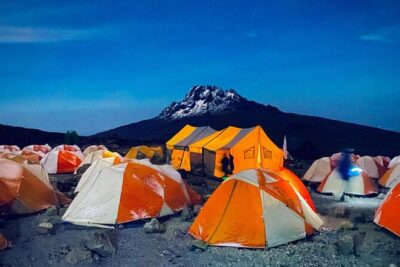
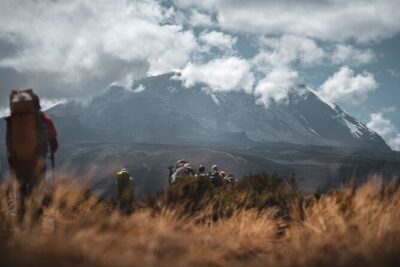
Climbing Kilimanjaro through 7 days Machame Route
Read our review →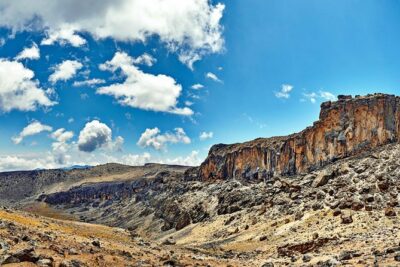
Browse the lists this trek appears in