
Review · NEPAL
Pokhara: 5-Day Annapurna Base Camp Trek with Hot Spring
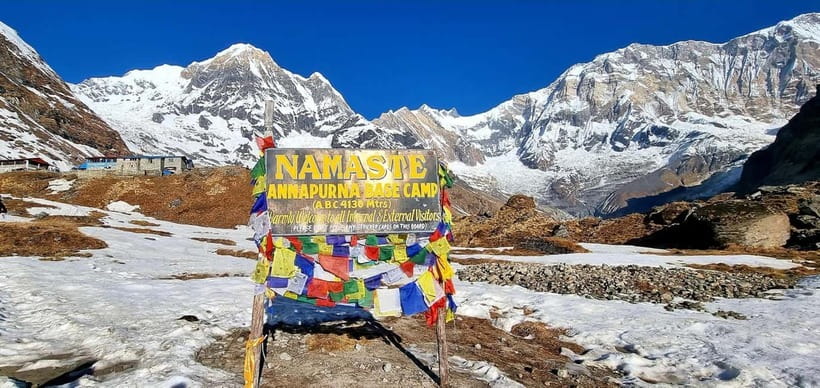
Annapurna Base Camp at 4,130 meters is the prize here, but the hot spring at Jhinu Dada may be the smartest part of the plan. You walk through rhododendron forest, sleep high in the mountains, watch the sun reach the peaks, then soak tired legs before returning to Pokhara.
I like the private group format, the included permits, and the fact that the company supplies trekking poles, a sleeping bag, and a duffle bag. The catch is simple: five days is a fast schedule. Snow, ice, poor weather, or a slow pace can make this trek very demanding, so you may prefer seven days if you want more rest.
Key points to know before booking
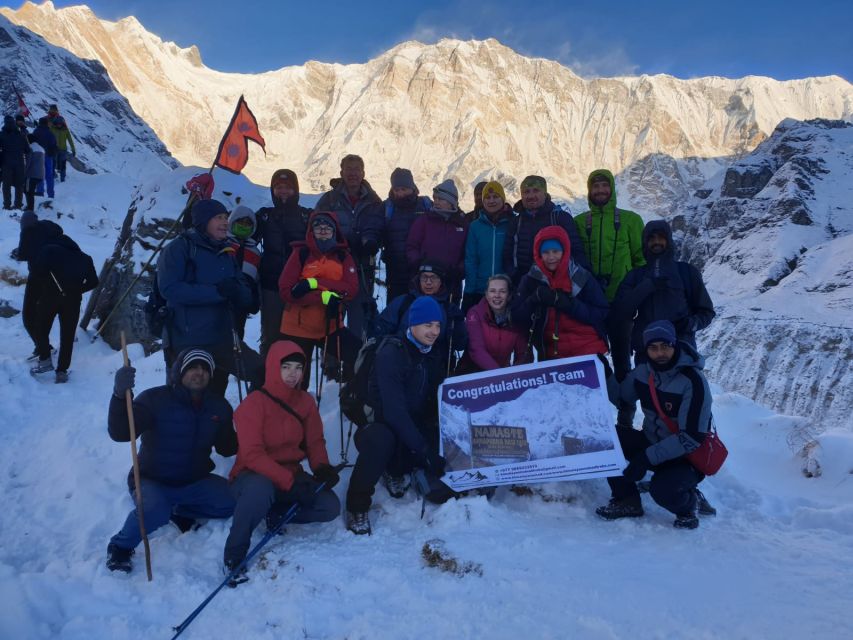
- Base camp at 4,130 meters: The highest night comes on Day 3, with a sunrise over the Annapurna peaks.
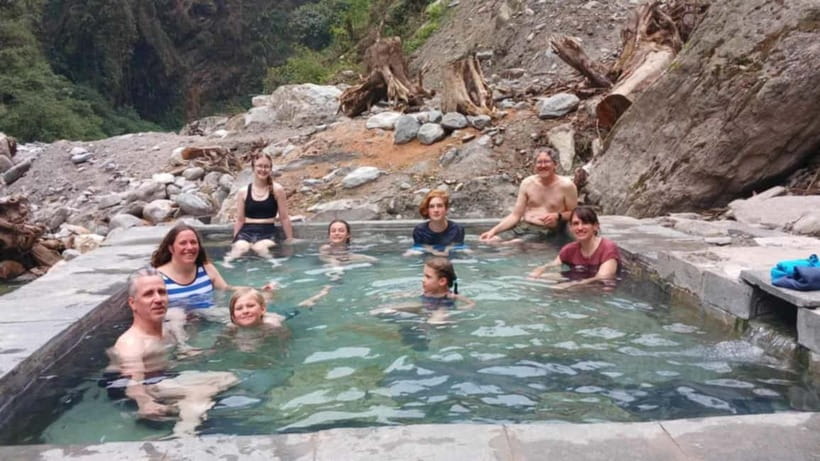
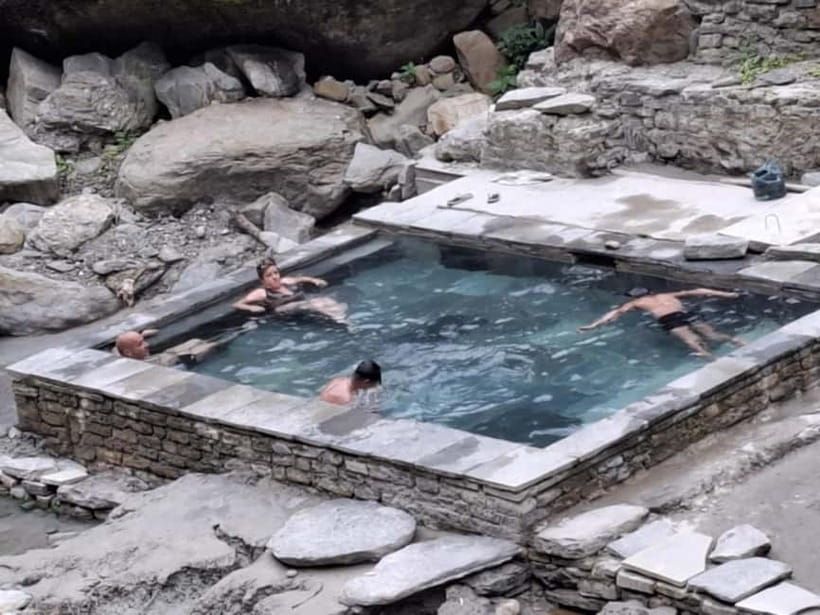
- A hot spring finish: Jhinu Dada gives you a warm-water break after the long descent.
- Two transport sections: A Jeep handles the rough approach to Samrung and the return to Pokhara.
- Private guiding: English, Hindi, and Nepali guiding is available, with guides including Jeet and Kaji.
- Meals depend on the package: The full package includes breakfast, lunch, and dinner, while the standard option lets you buy meals along the way.
- Five days means hard walking: The route includes a seven-hour climb and an eight-hour descent.
What the $150 price really covers
At $150 per person, this trek offers good value if you use the included equipment and choose the full package. The price covers hotel pickup and drop-off, a licensed English-speaking guide, permits, government taxes, private accommodation during the trek, luggage storage, trekking poles, a sleeping bag, a duffle bag, transportation, and staff costs.
The biggest price question is the meal plan. The full package includes breakfast, lunch, and dinner during the trek. The standard option does not include meals, so you buy them along the route. That may give you more control, but you will need cash for food and other mountain costs.
A porter is not included. You can arrange one for an extra charge, and I would seriously consider it if you are not used to carrying gear at altitude. A daypack is still useful for water, a jacket, sunscreen, snacks, and personal items, while the larger duffle can go with the support team if you add a porter.
The price does not cover travel insurance, rescue insurance, drinks, bottled or boiled water, showers, laundry, phone calls, battery charging, or extra accommodation in Pokhara. These are not surprising costs on a Himalayan trek, but you should budget for them before leaving Lakeside.
More Hot Spring Treks in Nepal
- Pokhara: 5 Day Annapurna Base Camp Trek & Natural Hot Spring
★ 4.9 · 44 reviews - From Pokhara: 5-Day Annapurna Basecamp Trek with Hot Springs
★ 4.9 · 26 reviews - Pokhara: 7-Day Annapurna Base Camp Trek & Natural Hot Spring
★ 5.0 · 11 reviews
Day 1: Pokhara to Sinuwa by Jeep and trail
Your morning begins with pickup from your hotel in Lakeside, Pokhara. You then travel by Jeep toward Samrung, with about three hours on the road before the walking begins.
The drive is part of the sightseeing. You pass the Seti River, green paddy fields, mountain views, and hillside communities. It is a useful introduction to western Nepal because you see daily life outside Pokhara before entering the trekking route.
From Samrung, you walk for about four hours to Sinuwa, at roughly 2,200 meters. The first day combines transport and hiking, which saves time but still gives you a proper start on foot. Sinuwa is surrounded by forest and steep mountain terrain, and you spend the night there.
Do not treat this as an easy arrival day. The Jeep ride gets you deeper into the mountains, but four hours of walking after an early start can still leave you tired. Keep your daypack light and your water easy to reach.
Day 2: Rhododendron forest from Sinuwa to Deurali
Day 2 is the first serious test. You trek from Sinuwa to Deurali, at about 3,200 meters, in roughly seven hours.
The route passes through forests and areas known for rhododendron blooms. The trail feels more remote as you gain height, and the changing vegetation gives you a clear sense that you are moving into a higher mountain zone.
This is a long day, so your guide’s pacing matters. Jeet has been praised for being attentive, explaining what is happening, and making sure people rest properly. Kaji has also shown strong care when conditions became difficult. A good guide is especially useful here because the goal is not simply to reach Deurali quickly. You need to arrive ready for the base camp push.
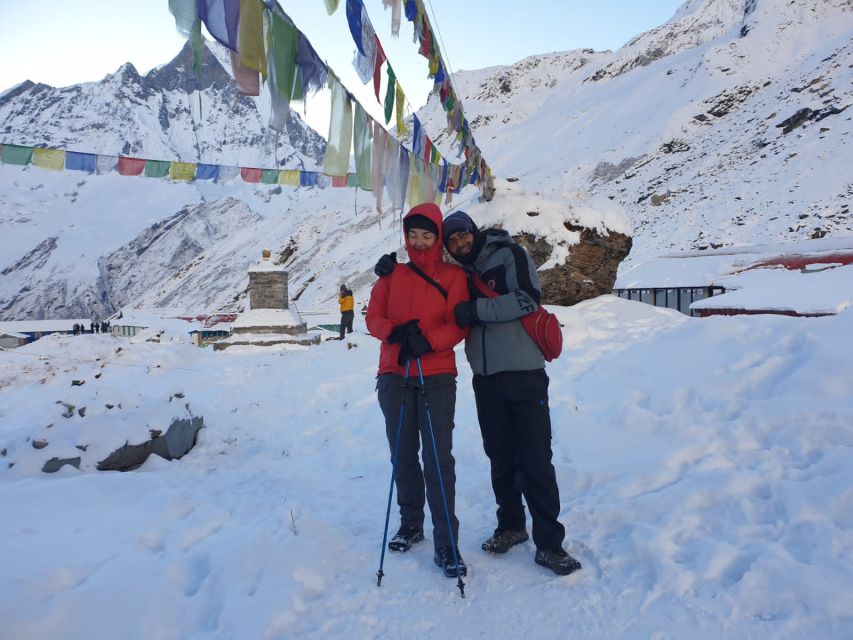
You should expect colder conditions than in Pokhara. Bring a warm jacket, dry socks, gloves if you have them, and layers you can adjust while walking. The supplied sleeping bag is useful, but you should still carry personal clothing that works for cold nights.
Day 3: Deurali to Annapurna Base Camp at 4,130 meters
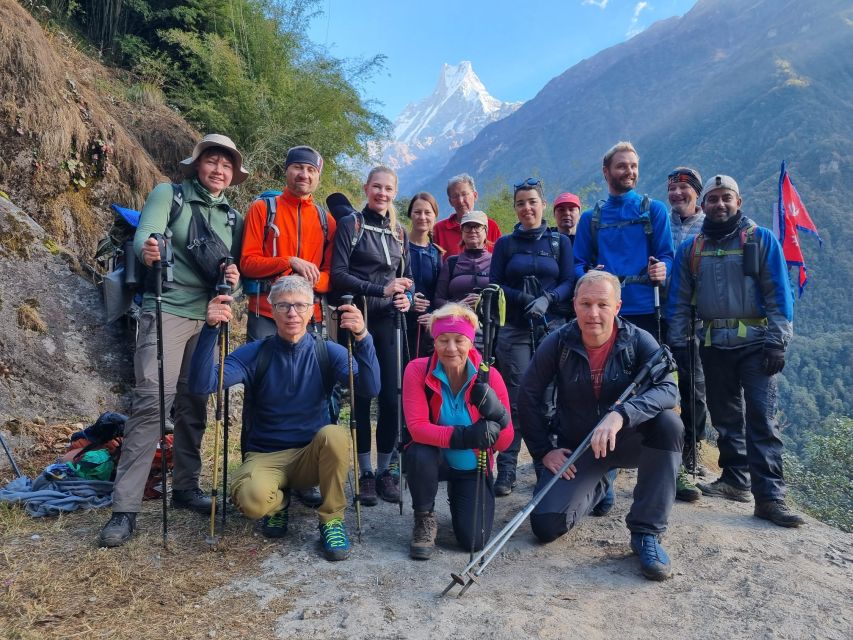
This is the central day of the trek. From Deurali, you walk for about five hours to Annapurna Base Camp.
The route leads into a huge natural mountain bowl, surrounded by high peaks and glaciers. The appeal is not just reaching a sign or a viewpoint. You are walking into a setting where the mountains rise on every side, making the destination feel enclosed and dramatic.
At 4,130 meters, altitude becomes a real concern. The schedule gives you only a short time to reach base camp, so pay attention to how you feel. Walk steadily, drink water, and tell your guide if you develop a headache, dizziness, unusual tiredness, or nausea. The provided information recommends travel and rescue insurance, and that advice deserves serious attention.
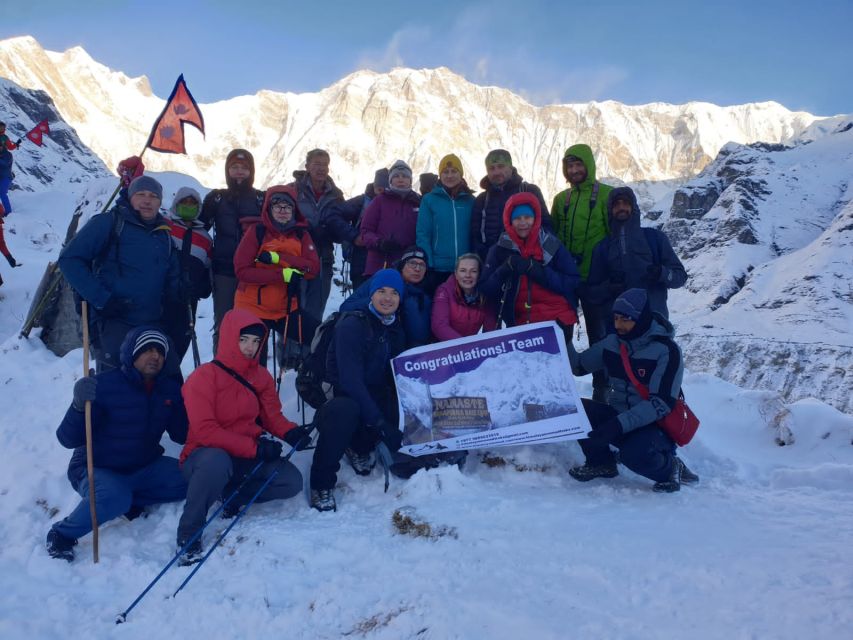
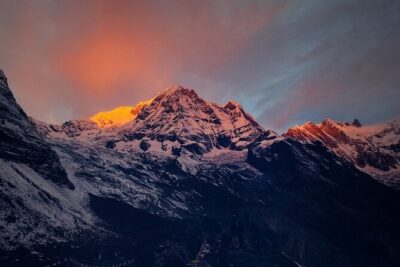
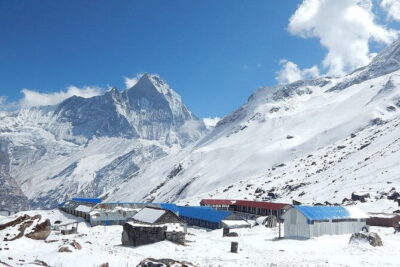
You spend the night at Annapurna Base Camp. This is the coldest and highest part of the trip, and the facilities are basic. The reward is the early morning view. Sunrise over the Annapurna peaks can be the most memorable moment of the whole route, so keep warm clothes and a camera close by.
The five-day design gives you the achievement of reaching base camp quickly, but it leaves little spare time. One participant found the schedule intense and wished for seven days instead. That is sensible advice if you want slower mornings, longer stops, or more room for weather delays.
More Annapurna Treks in Nepal:
- Annapurna Circuit Trek with Tilicho Lake
★ 5.0 · 368 reviews - Annapurna base camp trek 5 Days
★ 5.0 · 252 reviews - 14-Day Private Annapurna Base Camp Trek
★ 5.0 · 180 reviews - Trekking in Annapurna/Langtang/Everest/Upper Mustang regions
★ 5.0 · 161 reviews
Day 4: The long descent to Lower Sinuwa
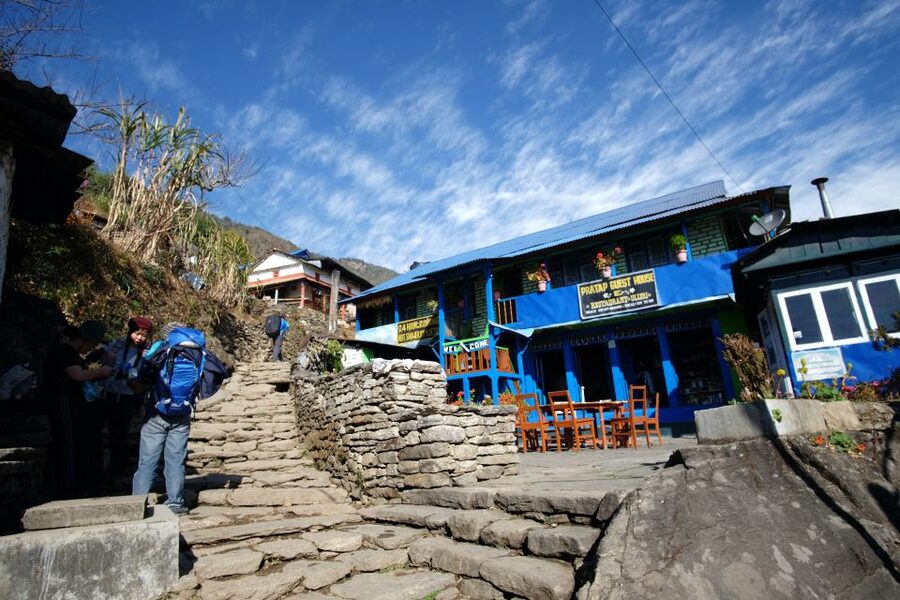
After sunrise, you begin the return to Lower Sinuwa, at around 2,200 meters. The walking time is about eight hours, making this the longest day on paper.
The descent retraces much of the route through forests and mountain scenery. Going downhill sounds easier than climbing, but it can be hard on knees, ankles, and tired feet. Trekking poles are included, and this is where they earn their place. Use them to reduce strain and help with uneven ground.
This day also shows why a private guide is valuable. Your guide can help set a steady pace, choose rest points, and keep an eye on changing trail conditions. Kaji’s support was particularly important during a difficult winter descent that involved crossing four avalanches. That is not a normal feature of every departure, but it is a clear reminder that mountain conditions can change quickly.
The season matters. A February departure may bring snow and ice, while March can still have unsettled conditions. If you are uncomfortable on snowy trails, ask about current conditions before committing. Do not assume that a short five-day trek means a mild one.
Day 5: Jhinu Dada hot springs and the ride back
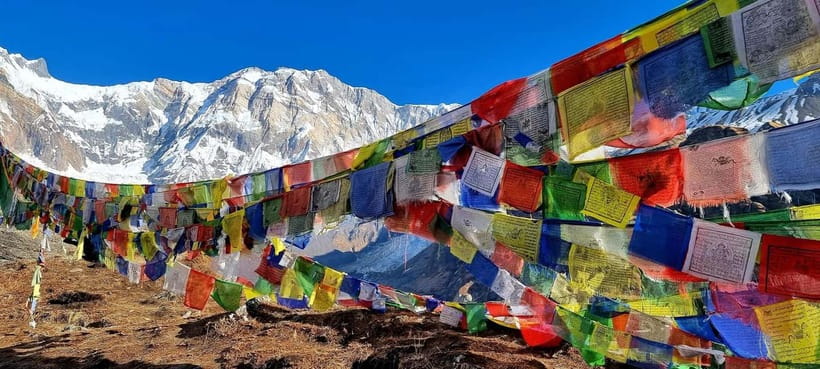
The final day combines four hours of trekking, a hot spring stop, and about three hours by Jeep to Lakeside, Pokhara.
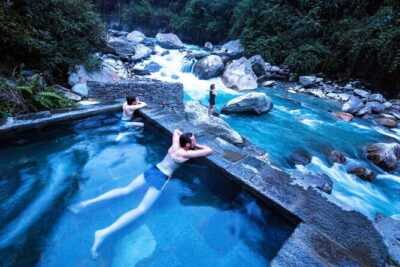
You descend from Lower Sinuwa toward Jhinu Dada. The natural hot springs are a welcome finish because they give your body a chance to relax after the base camp climb and the long return. Bring a swimsuit or clothing suitable for soaking, along with a dry change of clothes.
After the hot spring, you continue by road toward Pokhara. The return trip gives you time to look back at the high trail, but do not plan an important evening flight or tight connection without checking the expected road timing. Mountain transport can take longer than a simple map estimate.
The activity includes hotel drop-off in Lakeside. An extra night in Pokhara may be needed if you arrive early, leave late, or return from the mountains outside the planned schedule. That is worth keeping in mind when arranging onward transport.
Why a private group changes the trek
A private group gives you more control than a large fixed party. You can discuss your pace, rest needs, and concerns with the guide instead of trying to match strangers all day.
The available guide languages are English, Hindi, and Nepali. Jeet and Kaji are two guide names associated with this experience, and both have been singled out for humor, respect, careful explanations, and close attention to safety. Those qualities matter more than a polished speech when you are cold, tired, or unsure about the trail.
A guide cannot remove the physical challenge. You still need to be ready for long walking days, high altitude, changing weather, and basic mountain accommodation. What the guide adds is judgment, local support, paperwork, and a person who can react when the trail becomes difficult.
Meals, rooms, gear, and the small costs
The full package includes three meals each day during the trek: breakfast, lunch, and dinner. The standard option allows you to purchase meals as you go. If you choose the standard plan, carry enough cash for food, drinks, water, charging, showers, and other personal needs.
Accommodation is private, though the information does not give room standards or specific facilities at each stop. Expect mountain lodging rather than city-hotel comfort. The sleeping bag is included, and you also receive trekking poles and a duffle bag.
You should bring hiking shoes, comfortable clothes, warm layers, a jacket, socks, a hat, sunglasses, sunscreen, and a daypack. A passport or ID card is required. A camera is worth carrying, but protect batteries from the cold and plan for limited charging, since battery recharge is a personal expense.
There is a luggage storage facility, useful if you are staying in Pokhara before and after the trek. Leave nonessential items behind so you can keep your mountain load manageable.
How hard is this five-day route?
The route is physically demanding because it climbs from Pokhara to 4,130 meters and then returns in only five days. The seven-hour ascent to Deurali and eight-hour descent to Lower Sinuwa are the clearest warning signs.
You should be comfortable walking for several hours on uneven mountain trails. You also need to accept that the schedule may feel rushed. Five days works best if reaching base camp is your main goal and you are prepared to keep moving.
Choose a longer version if you want more recovery time or if you are uneasy about snow and ice. One direct account described the trek as amazing, scary, and tiring, with a strong preference for seven days. That is useful guidance, not a criticism of the route. More time can make the same mountains feel less like a test.
The winter experience also deserves caution. A February departure had poor weather and avalanche crossings on the descent. Your guide helped manage the situation, but no guide can make unsafe conditions harmless. Travel and rescue insurance is strongly recommended, and you should ask about conditions before departure.
Who should book this Annapurna Base Camp trek?
I would choose this trip if you have limited time in Nepal, want a private guide, and care more about reaching base camp than taking a slow village-to-village walk. The included permits, transport, equipment, and staff costs make the $150 starting price attractive, especially with the full meal package.
It also suits someone who wants a clear finish. The Jhinu Dada hot springs are not a minor extra. After the cold, altitude, and long descent, warm water gives the final day a welcome sense of relief.
I would hesitate if you are new to long hikes, dislike cold conditions, or need a relaxed pace. In that case, request a longer schedule and confirm whether a porter can be arranged. You should also avoid treating the low price as the total cost, since food, water, insurance, drinks, charging, and personal services may add up.
Should you book it?
Book this trek if you want a focused route to Annapurna Base Camp from Pokhara and you are ready for long, hard days. The strongest reasons are the private guiding, the included trekking gear, the base camp night, and the hot spring stop.
Choose a longer trek instead if you want more time for views, rest, and changing weather. Either way, confirm the meal option, arrange insurance, budget for a porter if needed, and ask about snow conditions before you go. With those points settled, this is a practical, high-value way to reach one of Nepal’s great mountain destinations.
FAQ
How long is the Annapurna Base Camp trek from Pokhara?
The activity lasts five days. It includes transport from Pokhara to Samrung, trekking to Annapurna Base Camp, the return walk to Jhinu Dada, and transport back to Lakeside.
What altitude does Annapurna Base Camp reach?
Annapurna Base Camp is at approximately 4,130 meters. Deurali is around 3,200 meters, and Sinuwa is around 2,200 meters.
Are meals included?
Meals are included only with the All Inclusive Full Package. That package provides breakfast, lunch, and dinner during the trek. The standard option allows you to purchase meals along the way.
Is a porter included?
No. A porter can be arranged for an additional cost if needed.
What equipment is supplied?
The activity includes trekking poles, a sleeping bag, and a duffle bag. You should still bring hiking shoes, a daypack, warm clothing, socks, a jacket, sunscreen, sunglasses, and other personal gear.
Does the trek include the Jhinu Dada hot springs?
Yes. On Day 5, you trek from Lower Sinuwa to Jhinu Dada and have time to relax at the natural hot springs before continuing to Pokhara by Jeep.
What languages can the guide speak?
Guiding is available in English, Hindi, and Nepali. The group is private, and hotel pickup and drop-off are included.
More 5-Day Experiences in Nepal
- Kathmandu to Annapurna Base Camp (ABC) 5-Day Trek
★ 5.0 · 102 reviews - Kathmandu/Pokhara: 5-Day Annapurna Base Camp (ABC) Trek
★ 4.9 · 72 reviews - 5 Day Private Guided Trekking in Annapurna Base Camp
★ 5.0 · 25 reviews - 5-Day Sunrise Tour in Kathmandu Near Everest
★ 5.0 · 12 reviews
More Spa & Hot Springs in Nepal
- Pokhara: 7-Day Annapurna Base Camp Via PoonHill & Hot Spring
★ 5.0 · 6 reviews - Pkr/Kathmandu: 5-Day Annapurna Base Camp & Hot spring Trek
★ 5.0 · 6 reviews - Pokhara: Amazing 7-Day ABC Trek with Natural Hot Spring
★ 5.0 · 5 reviews - Pokhara: 5-Day Trek to Annapurna Base Camp and Hot Springs
★ 5.0 · 4 reviews
Just added around Nepal
- Everest Base Camp Trek★ 5.0 · 3 reviews
- 15 Days Private Everest Base Camp Trek★ 5.0 · 30 reviews
- Everest Base Camp Trek★ 5.0 · 7 reviews
- Everest Base Camp Trek★ 5.0 · 57 reviews
- 14 Days of Adventure Trekking to Everest Base Camp★ 5.0 · 2 reviews
- 14-Day Everest Base Camp Trek★ 5.0 · 20 reviews
- From Kathmandu: Private 14-Day Everest Base Camp Trek★ 5.0 · 20 reviews
- 14 Days Everest Base Camp Trek★ 5.0 · 4 reviews
Annapurna Base Camp Treks, compared.
Trekking in Annapurna/Langtang/Everest/Upper Mustang regions
Read our review →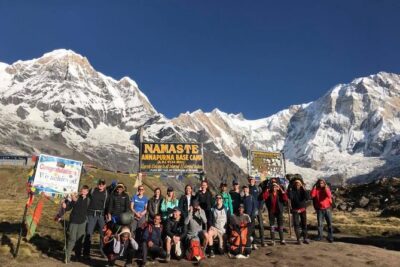
Kathmandu to Annapurna Base Camp (ABC) 5-Day Trek
Read our review →Browse the lists this trek appears in