
Review · ARUSHA
7-Day Private Kilimanjaro Hiking Tour via Machame from Arusha
The most memorable part of this seven-day Machame Route climb is the changing world beneath your boots. You begin among coffee farms and mossy forest, cross the open Shira Plateau, pass glaciers and alpine desert, then make the midnight push to Uhuru Peak. I especially like the built-in acclimatization day and the private format, which lets your group move at a sensible pace.
I also like the practical mountain support: guides, porters, cooks, route planning, camping gear, and a company with nearly two decades of Kilimanjaro experience. The main drawback is the route’s popularity. You will not have the mountain to yourself, and the summit day is a serious physical test, not a casual walk with a nice view.
Key points to know before you book
- Five climate zones in seven days: Expect forest, heather, high moorland, alpine desert, and the icy upper slopes of Kilimanjaro.
- The Barranco Wall is hands-on: Day four includes a roughly 90-minute scramble where you may use your hands.
- Day three matters for altitude: You climb to about 4,530 meters before descending to Barranco Camp.
- Summit morning starts around midnight: The route to Stella Point is steep, dark, cold, and tiring.
- This is a private climb: Only your group participates, with guides, porters, and cooks supporting the trek.
- The price is $2,699 per person: That is substantial, but it pays for a full mountain operation rather than a simple guided hike.
Why the Machame Route works well in seven days
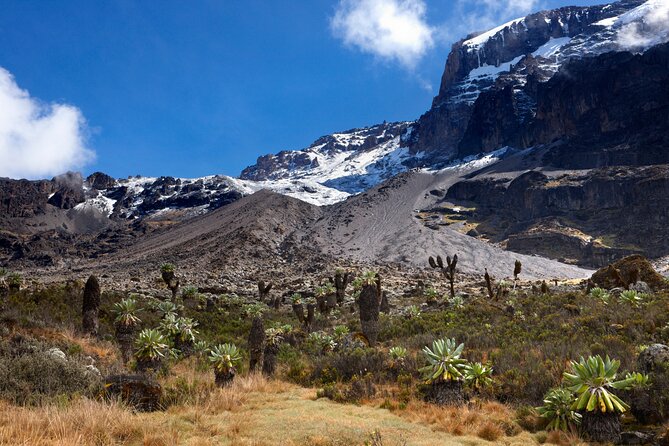
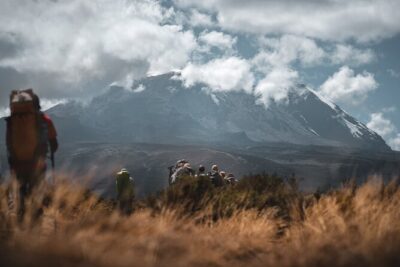
Machame is often chosen for its scenery and its approach from the west. The route gives you a good visual story as you climb. The lower forest feels damp and shaded, the middle section opens into broad high country, and the upper slopes become spare and rocky.
The seven-day schedule is important. Kilimanjaro is not usually defeated by steepness alone. Altitude is the larger concern, and this plan gives you time to climb high, descend, and let your body adjust before summit night.
That is especially clear on day three. You reach a high point of around 4,530 meters, then lose elevation before sleeping at Barranco Camp. You finish that day only about 110 meters higher than where you began, but your body has already spent time at a much greater height. That climb-high, sleep-lower pattern is one of the most useful parts of the itinerary.
The private setup adds flexibility, but do not confuse private with easy. Your group will have its own arrangement rather than sharing the activity with another booking group, yet you will still encounter plenty of other climbers on this well-used camping route.
More Kilimanjaro Climbs in Arusha
- 8-Day Small-group Lemosho Kilimanjaro Summit Trekking
★ 5.0 · 186 reviews - 7-Day Machame Kilimanjaro Summit Tour from Arusha
★ 5.0 · 125 reviews - Mountain Kilimanjaro Day Hike
★ 5.0 · 102 reviews
Day one: Arusha to Machame Gate and the cloud forest
Pickup begins at 9 a.m. in Arusha. The drive to Machame Gate takes about an hour and a half, passing coffee farms and villages before you reach the national park entry point.
The gate is more than a quick checkpoint. Your climb must be registered, and the guides, porters, and cooks make final preparations. That waiting time is part of the start of the expedition, so do not expect to step from the vehicle straight onto the trail.
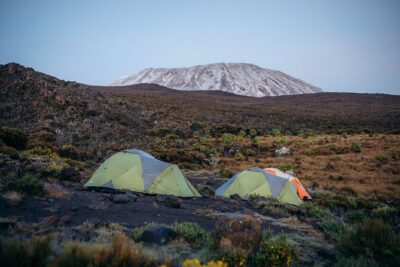
The first hike leads through Kilimanjaro’s cloud forest to Machame Camp. Moss-covered trees give the lower route a mysterious feel, while heathers, tall grasses, and wildflowers appear as the forest thins. If the weather clears, you may get an early view of Kibo, the summit cone that will remain your reference point for much of the climb.
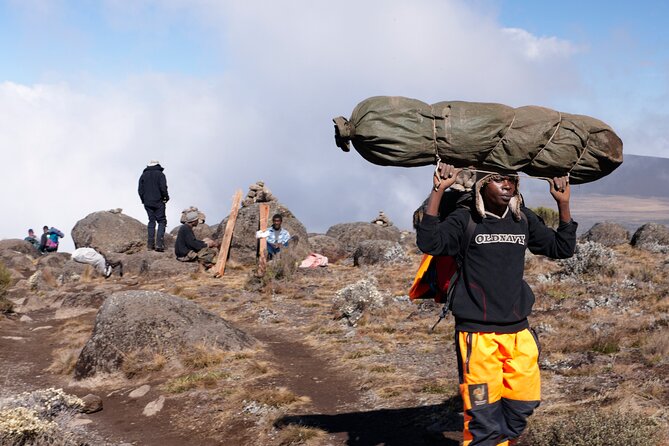
The support system begins working before you arrive. Porters and cooks go ahead to prepare camp, allowing you to focus on walking with a day pack and keeping a steady rhythm. The day is listed as about an hour of hiking, though the gate formalities and preparation make it a longer outing overall.
Day two: Shira Plateau and the first big views
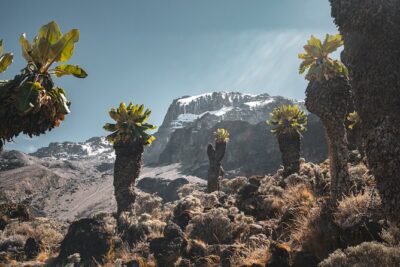
Day two brings more uphill work and a noticeable change in vegetation. The trees become smaller, and Kilimanjaro’s distinctive high-altitude plants, including giant senecios and lobelias, appear along the trail.
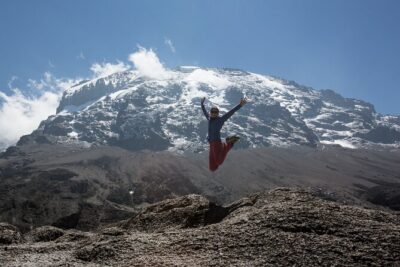
You will have several viewpoints over the plains and forests below. Looking upward, you can see Kibo and Mawenzi, the two major peaks of Kilimanjaro. These views help you understand the mountain’s scale. You are not simply walking toward one summit. You are moving through a huge volcanic system.
After lunch, you climb onto the Shira Plateau. This broad high area was formed when lava from Kibo filled the Shira crater. The terrain is more open than the forest below, and the air feels thinner. Shira Camp gives you time to rest, with Kibo to the west and Mount Meru visible to the east when conditions cooperate.
The listed walking time is about six hours. Carry plenty of water, since exposed uphill sections can feel hot under a clear sky. The practical lesson here is simple: drink before you feel thirsty, and do not rush just because the trail appears manageable.
Day three: the acclimatization day at its best
This is one of the smartest days in the plan. You leave the Shira Plateau and walk east toward the junction with the Shira and Lemosho routes. The terrain becomes more barren, and you gradually move into a harsher high-altitude setting.
The figures tell the story. Although your sleeping elevation rises by only about 110 meters, you climb roughly 690 meters during the day, reaching about 4,530 meters before descending to Barranco Camp. That is useful conditioning for your body and a clear test of how you are handling the altitude.
The descent to Barranco is not a wasted section. It lets you sleep lower after spending several hours high above the plateau. You also arrive at one of the most appealing camps on the route. Barranco sits beneath steep mountain walls, with a dramatic setting that helps explain why the camp is so popular with the mountain staff.
A faster group can take a detour by Lava Tower, a roughly 300-foot lava formation. The route description presents this as an option, not a promise, so ask your guide about conditions, timing, and how your group is coping with the altitude before choosing it.
Plan on about seven hours of walking. This is a long day, but it is doing important work for summit success.
Same trailhead, a different route:
- 4 Days Mount Meru Trekking
★ 5.0 · 55 reviews - 4 days Best experience Kilimanjaro Hike, Serengeti &Ngorongoro
★ 5.0 · 54 reviews - From Arusha/Moshi: Kilimanjaro Hike Marangu Route Day Trip
★ 4.5 · 54 reviews - Mount Kilimanjaro Day Hike Through Marangu Route to Mandara Hut
★ 5.0 · 37 reviews
Day four: over the Barranco Wall to Karanga
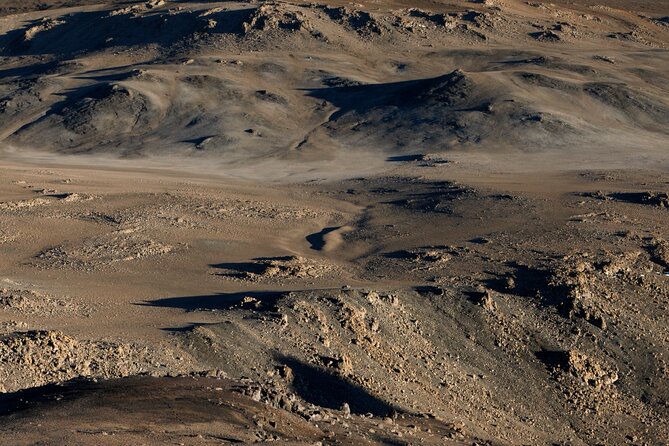
The Barranco Wall is the day’s defining feature. After breakfast, you spend about an hour and a half scrambling upward. In places, you may need to use your hands, so walking poles alone will not carry you through every section.
That sounds intimidating, but the key issue is not technical climbing. It is comfort with uneven ground, exposure, and a slow, careful pace. Your guides are there to help you choose foot placements and keep the group moving safely.
Once you reach the top, the route becomes more level for a time. Then comes a short, steep descent into the green Karanga River Valley. The contrast is striking: a demanding wall, a relatively calm stretch, then a drop into a greener pocket of terrain.
This is a shorter day at about five hours, which is useful after the previous day’s altitude work. Do not mistake the shorter distance for an easy stroll. The Barranco Wall asks for balance and patience, and tired legs can make the descent into the valley feel awkward.
Day five: alpine desert and Barafu Camp
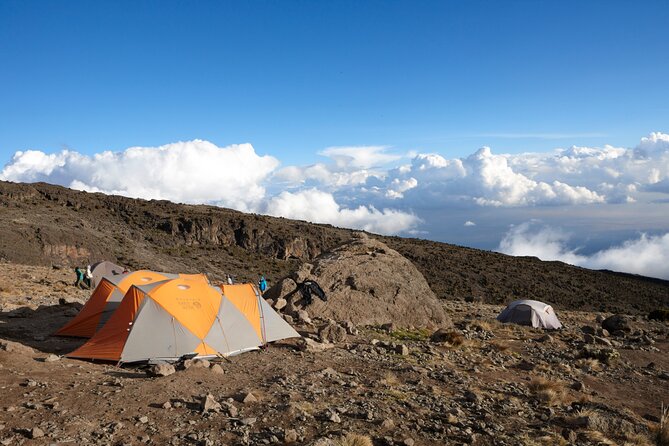
The path to Barafu Camp crosses alpine desert with little vegetation. This is a stark change from the forest on day one and a good reminder that Kilimanjaro’s conditions shift quickly with elevation.
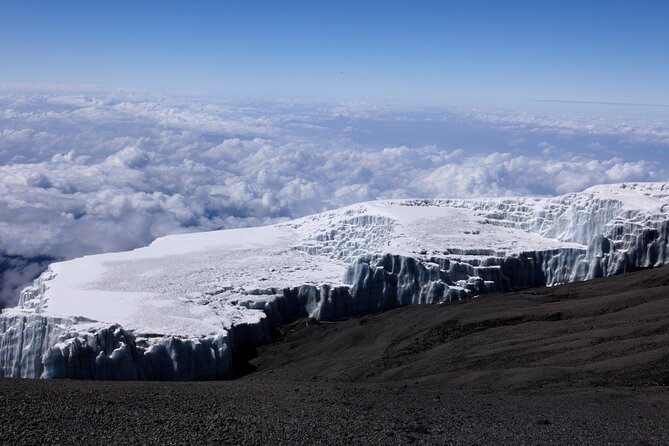
Along the way, you can see several of Kibo’s glaciers and pass the junction where the Mweka descent route connects with the Machame trail. You also pass the Heim, Kersten, and Decken Glaciers during this part of the climb.
Barafu Camp offers views of both Kibo and Mawenzi, but it is mainly a staging point for the hardest section ahead. The practical goal is to eat, organize your clothing and headlamp, and rest. Dinner comes before an early bedtime because the summit attempt begins around midnight.
The five-hour schedule may leave you with some spare time at camp, but do not spend it wandering around. Keep your gear ready and conserve energy. At this point, a small missing item or poorly organized layer can become a major nuisance during the cold night ascent.
Day six: Uhuru Peak and the long return to Mweka
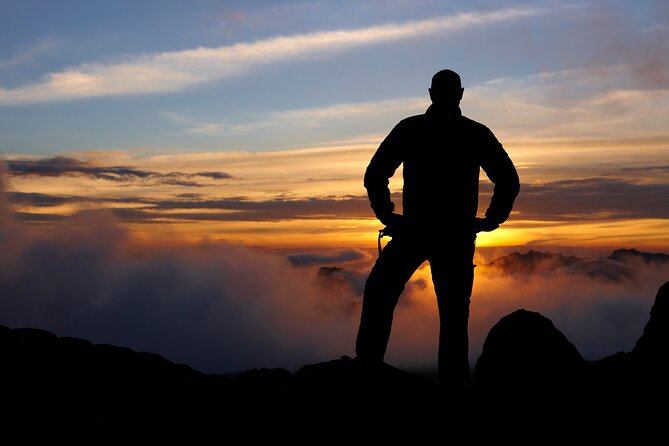
Summit day begins around midnight. You climb by headlamp for roughly six hours toward the crater rim at Stella Point. The trail is steep, and this is the most demanding part of the entire trek.
The darkness can make the climb feel oddly narrow and private, even though Machame is a popular route. You focus on the next step, your breathing, and the pace set by the guide. The altitude makes every task slower. At this stage, patience matters more than speed.
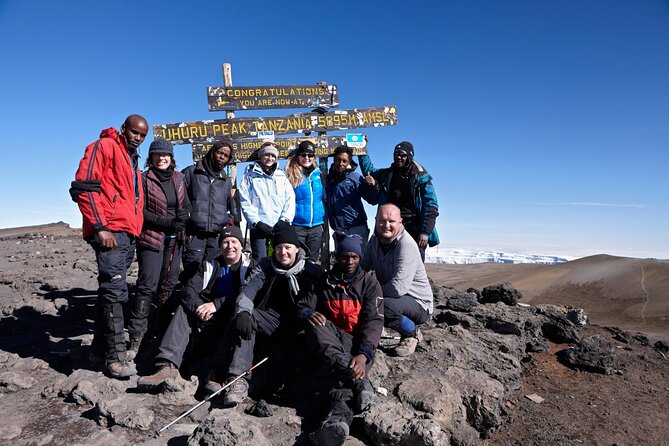
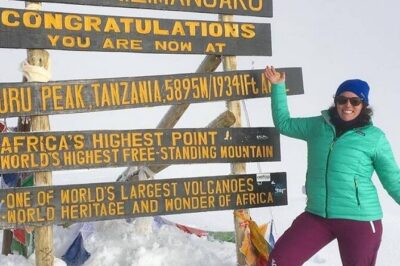
Stella Point marks the crater rim. From there, the route to Uhuru Peak is a gradual climb, though the altitude keeps it tiring. The crater-rim walk takes about an hour. At 5,895 meters, Uhuru Peak is the highest point in Africa, and the summit photos are a natural pause before the descent.
The way down brings views of the crater, clouds, mountain slopes, and glaciers. You return toward Barafu before continuing to Mweka Camp. The supplied schedule lists one hour beside this stop, but the actual day is clearly much longer because it includes the night ascent, the crater-rim section, and the descent to camp.
This is not the day to judge yourself by normal hiking standards. You may feel slow, tired, and less certain than expected. That is normal for a high-altitude summit attempt. Your guide’s decisions about pace, rest, and whether to continue are more important than any personal timetable.
Day seven: the forest descent and return to Arusha
After breakfast at Mweka Camp, you finish the trek by walking through the forest to Mweka Gate. The trail can be slippery after rain, so take care on the descent even though the summit is behind you.
The final hike is listed at about two hours. Vehicles meet you at the lower station of Mweka Gate and take you back to Arusha. After several days of walking, camping, and thin air, the return drive can feel like a sharp change of pace.
This last day is short, but it completes the route properly. You do not simply turn around after the summit. You descend through another band of vegetation, sign out at the gate, and leave the mountain by its established exit.
What the $2,699 price means
At $2,699 per person, this is not a budget mountain outing. The value comes from the scale of the operation. You are paying for a private climb with guides, porters, cooks, route planning, camping support, and high-end equipment, rather than only paying someone to point toward the trail.
The company has been arranging Kilimanjaro and Mount Meru climbs for almost twenty years. That history matters most in the less visible work: coordinating staff, preparing camps, managing the route, and responding to the practical demands of a multi-day climb.
The strongest praise attached to the operator centers on the people and organization. Climbers have singled out guides such as Colman, Ernest, Ema, Shaban, and Alika on different mountain trips, along with friendly and encouraging mountain crews. Those names should not be treated as a guarantee of your exact guide assignment, but they show the personal side of the service.
The company has also been praised for good equipment, meals, detailed planning, and family support. A large family group, including teenagers and a ten-year-old, completed a seven-day climb with the operator, but that should not lead you to assume the route is suitable for every child. The stated fitness requirement is strong, and the summit day remains demanding for adults.
Another positive point is the company’s connection with the Kilimanjaro Porters Assistance Project. Porters are central to making the climb work, and responsible treatment of the mountain crew should matter when you compare operators. Ask for current details about porter welfare, tipping, equipment, and staff support before you go.
Who should book this climb
This trip suits you if you want:
- A private mountain experience rather than a shared booking group
- A scenic route with major changes in vegetation and terrain
- A seven-day schedule with a useful acclimatization day
- Full support from guides, porters, and cooks
- A company with long-running Kilimanjaro experience
- A serious physical challenge with a clear summit goal
It is less suitable if you want quiet trails, hotel comfort, or a flexible start to each day. Machame is popular, and camping is part of the experience. You also need to be comfortable with early mornings, basic camp life, long walking days, and a midnight summit attempt.
Pickup is offered from Arusha, the start time is 9 a.m., and confirmation is provided at booking. The activity is private, but the mountain itself is not private. You will share the route with many other climbers.
You can cancel for a full refund up to three full days before the local start time. Cancellations or changes inside that window are not refundable or accepted. The operator also requires a minimum number of participants, with a different date, alternate experience, or full refund offered if that minimum is not reached.
Should you book the Machame Route?
I would choose this climb if your priority is a well-supported route with strong scenery and a sensible acclimatization pattern. The Barranco Wall adds character, the Shira Plateau opens the views, and the summit approach gives you a real sense of progression.
The price makes more sense if you value private planning, reliable mountain staff, cooks, porters, and equipment. Before booking, confirm exactly what is included, ask who will lead your group, and make sure you understand the summit-day schedule.
Book it if you are fit, patient, and ready for a demanding camping trek. Skip it if you are mainly looking for a scenic walk from Arusha. Kilimanjaro rewards steady preparation, and this itinerary gives you a solid structure for making the attempt.
FAQ
Where does the Kilimanjaro climb start?
The experience starts with pickup in Arusha at 9 a.m. You drive for about an hour and a half to Machame Gate, where the climb is registered and the mountain crew prepares for the trek.
Is this a private tour?
Yes. Only your group participates in the private activity, while guides, porters, and cooks support your climb.
How physically difficult is the trek?
The tour requires a strong level of physical fitness. The itinerary includes uphill hiking, a scramble over the Barranco Wall, high-altitude trekking, and a steep midnight ascent to Stella Point and Uhuru Peak.
When does the summit attempt begin?
The final ascent begins around midnight on day six. You hike by headlamp for about six hours to the crater rim, then continue toward Uhuru Peak.
What is the highest point reached?
The climb reaches Uhuru Peak at 5,895 meters, or 19,341 feet, above sea level.
Can I cancel for a full refund?
Yes, if you cancel at least three full days before the experience start time. Cancellations or changes made less than three full days before the start are not refunded or accepted.
More 7-Day Experiences in Arusha
- KILIMANJARO MACHAME ROUTE, (Climb 7days)
★ 5.0 · 16 reviews - 7 Day Kilimanjaro Climb Lemosho Route & 2 Day Safari
★ 5.0 · 16 reviews - 7 days Kilimanjaro climb via Machame route (Whiskey route)
★ 5.0 · 16 reviews - 7 Days Kilimanjaro Climb Machame Route
★ 5.0 · 15 reviews
Just added around Arusha
- Mt. Kilimanjaro: Shira plateau to Cathedral point 3872m Day hike★ 5.0 · 7 reviews
- 5 days safari, hiking & culture (Serengeti & kilimanjaro)★ 5.0 · 27 reviews
- One Day Hike from Kilimanjaro to Mandara★ 5.0 · 2 reviews
- 3 Days Mount Meru trekking★ 4.5 · 7 reviews
- climb the KILIMANJARO via Lemosho route★ 5.0 · 4 reviews
- 6 Day: Hiking Kilimanjaro via Machame Route★ 5.0 · 2 reviews
- Private 8 day Northern Circuit Kilimanjaro Climb★ 5.0 · 8 reviews
- Kilimanjaro Waterfalls Hike & Moshi Hot Springs Day Trip Tour★ 5.0 · 4 reviews
Kilimanjaro Climbs, compared.
8-Day Small-group Lemosho Kilimanjaro Summit Trekking
Read our review →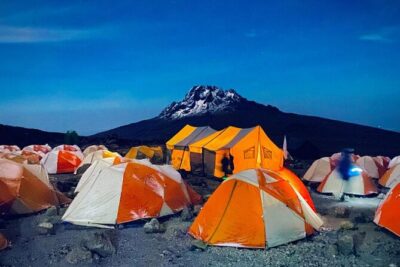
Climbing Kilimanjaro through 7 days Machame Route
Read our review →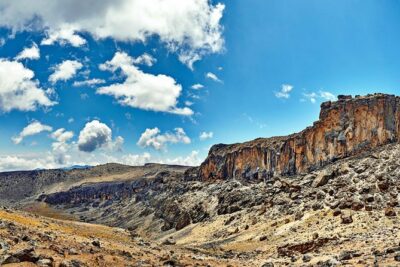
Browse the lists this trek appears in