
Review · ARUSHA
7 Day: Hiking Kilimanjaro via Lemosho Route
Lemosho gives you a quieter, more scenic way up Mount Kilimanjaro, Africa’s highest mountain. I like its gradual route design and the chance to cross rainforest, heath, moorland, and high volcanic ground before the summit push. The views toward Mount Meru and the Rift Valley add real drama.
I also like that this is a private trek, with a dedicated guide team, cook, porters, meals, park fees, and gate transfers included. The main drawback is the pace: seven days means long walking days and a very hard midnight summit attempt. Altitude, not technical climbing, is the test.
Key points to know before booking
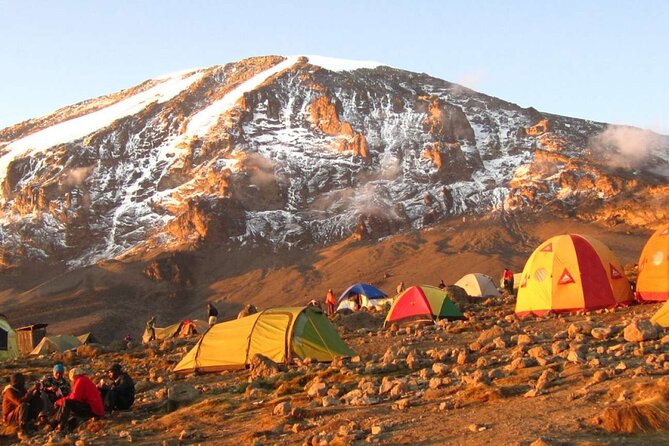
- Lemosho starts on Kilimanjaro’s western side, with a rainforest approach and generally quieter trails than some other routes.
- The route uses altitude training well, climbing to Lava Tower at about 4,640 meters before sleeping lower at Barranco Camp.
- Summit night begins around midnight to 2 a.m., with Stella Point, sunrise, and Uhuru Peak all packed into one demanding push.
- The $2,630 price includes major trek costs, including park fees, transfers, guides, porters, cook, breakfast, lunch, and dinner.
- This is a private hiking tour, so only your own group takes part, rather than joining a large shared party.
- The route ends at Mweka Gate, followed by a vehicle transfer from Mweka Village back to your hotel.
Why the Lemosho Route Works So Well
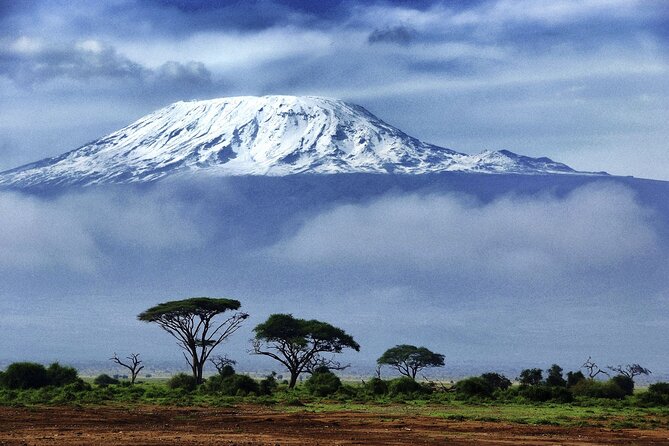
Lemosho is a strong choice if you want scenery and a sensible approach to altitude. The route begins at Londorossi Gate, about 2,250 meters above sea level, after a drive of roughly two and a half hours from the hotel pickup area.
The first walking section leads through thick rainforest to Mkubwa Camp at about 2,800 meters. This opening feels very different from the bare upper mountain. You walk beneath forest cover, on a moderately steep track, with the possibility of wildlife in the first two days. An armed ranger accompanies the trek during this early section.
From there, the route climbs through heath and moorland toward the Shira Plateau. You see the mountain change in stages, which makes Lemosho more rewarding than a route that rushes straight toward the upper slopes.
The route is described as having lower traffic, attractive scenery, and a strong summit success rate. That does not remove the risks of altitude, but it does give you a useful mix of walking time and gradual height gain.
More Kilimanjaro Climbs in Arusha
- 8-Day Small-group Lemosho Kilimanjaro Summit Trekking
★ 5.0 · 186 reviews - 7-Day Machame Kilimanjaro Summit Tour from Arusha
★ 5.0 · 125 reviews - Mountain Kilimanjaro Day Hike
★ 5.0 · 102 reviews
Day 1: Londorossi Gate to Mkubwa Camp
Your day begins with pickup at your hotel in the morning. The drive to Londorossi Gate takes about two and a half hours, where you complete Kilimanjaro National Park registration.
After registration, the vehicle continues into the rainforest to the trail drop-off point. The walk to Mkubwa Camp takes around four hours. It is a moderate first day, but the air and terrain already signal that this is a mountain trek rather than a casual forest walk.
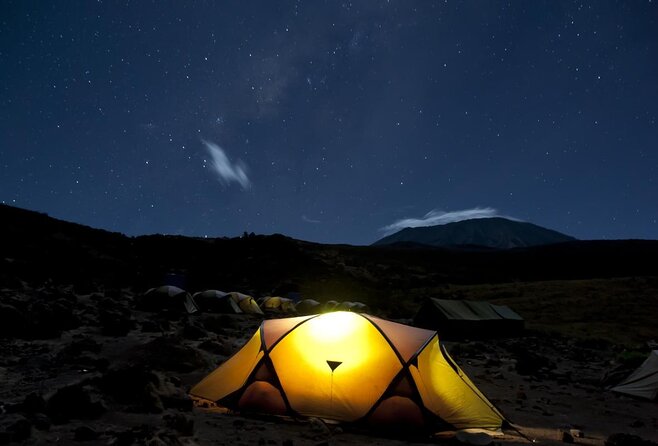
Mkubwa Camp sits at roughly 2,800 meters. The camp’s setting in the forest makes this a pleasant opening night, though you should not expect luxury. This is a practical mountain camp, and the early bedtime is part of the rhythm.
The wildlife possibility is worth noting, but it should not be treated as a safari stop. The ranger support during the first two days is there because the route passes through a natural area where animals may be present.
Day 2: From Rainforest to Shira Camp 2
Day two brings one of the most noticeable changes in scenery. The trail begins in the rainforest, then gradually moves into heath and moorland. Erica, lobelia, and other high-altitude plants replace the dense trees.
You cross the Shira Ridge and walk for about four to five hours before reaching Shira Camp 1. This is a useful lunch and rest point, with views toward Mount Meru and the Rift Valley. Those views give you a clear sense of how far above the surrounding country you are climbing.
The day continues upward, with another climb of about 400 meters before Shira Camp 2. The full walk takes around seven hours, moving from Mkubwa Camp at about 2,780 meters to Shira Camp 2 at approximately 3,900 meters.
This is a long day, and the height gain is real. Your best strategy is to keep a slow, steady pace and avoid treating the early forest section as a race. The route rewards patience.
Day 3: Lava Tower and the Barranco Valley
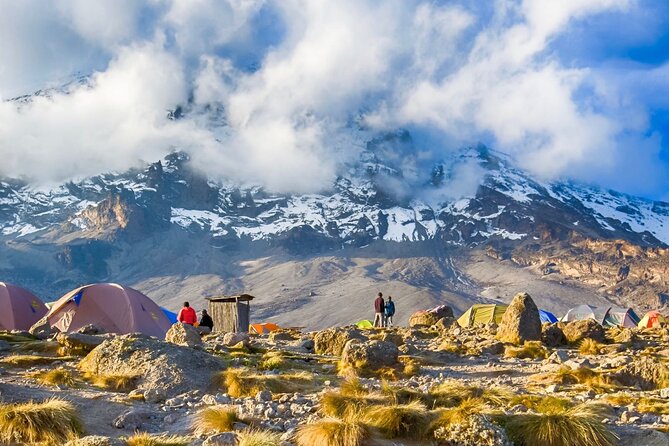
Day three is the key altitude day. You climb toward Lava Tower at about 4,640 meters, then descend to sleep at Barranco Camp, roughly 3,960 meters.
This climb-high, sleep-lower pattern is valuable because it gives your body time to adjust. You reach a height well above your sleeping elevation, then lose some altitude before night. It is one of the most important design features of the route.
The walk takes about six to seven hours. The trail crosses the Shira Plateau and heads toward Lava Tower before descending through the Barranco Valley. Giant senecio plants and lobelia make this section feel distinct from the forest and moorland below.
Barranco Camp is often considered one of the most attractive camps on Kilimanjaro, and the setting explains why. You are surrounded by high volcanic terrain, with the valley and upper mountain creating a strong sense of scale.
This day can be tiring even though you do not finish at the highest point reached. Do not judge the day by the final camp elevation. The climb to Lava Tower is the main work.
Same trailhead, a different route:
- 4 Days Mount Meru Trekking
★ 5.0 · 55 reviews - 4 days Best experience Kilimanjaro Hike, Serengeti &Ngorongoro
★ 5.0 · 54 reviews - From Arusha/Moshi: Kilimanjaro Hike Marangu Route Day Trip
★ 4.5 · 54 reviews - Mount Kilimanjaro Day Hike Through Marangu Route to Mandara Hut
★ 5.0 · 37 reviews
Day 4: Barranco Wall and Karanga Camp
After breakfast, you leave Barranco Camp and tackle the steep ridge beside the Barranco Wall. This is one of the route’s most memorable sections, but it is not described as technical climbing. You should still expect a steep, uneven trail and a slower pace.
The route continues to Karanga Valley and Karanga Camp at about 4,035 meters. The walk is listed at around three to four hours, although the day’s full activity is described as roughly seven hours when the route and rest periods are considered.
Karanga is also where the path connects with the Mweka Trail. In the afternoon, you have time to rest and stretch before the summit phase. That pause matters. At this point, the hardest walking is still ahead, and saving energy is more useful than squeezing in extra activity.
The short distance does not make this an easy day. You are already high, and high-altitude walking can make every slope feel longer than it looks.
Day 5: Karanga to Barafu Camp
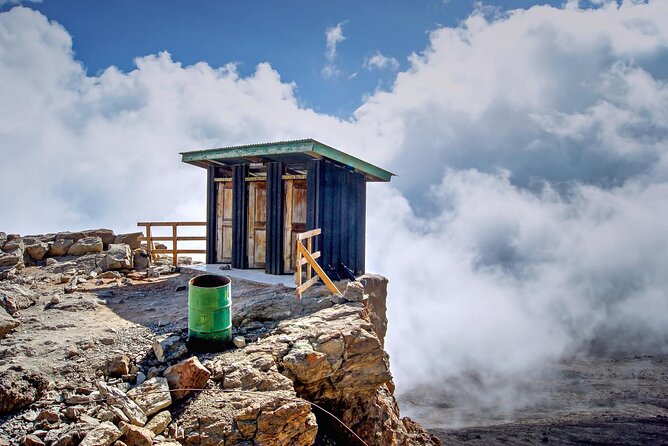
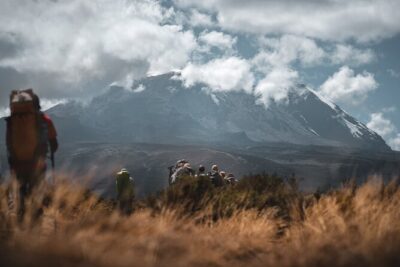
From Karanga, you continue upward to Barafu Camp at about 4,640 meters. At this point, you have completed the South Circuit, which gives you views of the summit from several directions.
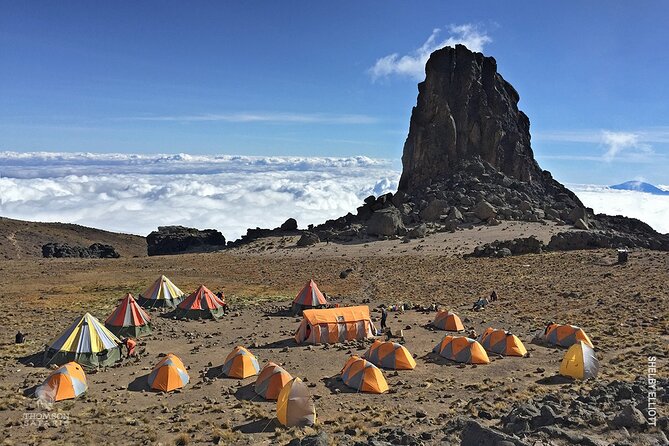
Barafu means ice in Swahili, and the camp is positioned in the high volcanic zone before the summit. From here, you can see the peaks of Mawenzi and Kibo, two of Kilimanjaro’s major volcanic features.
The listed walking time is about seven hours, though the route itself is relatively direct compared with the earlier days. The real purpose of this day is to reach camp, eat, rest, and prepare for the summit attempt.
You should keep your evening simple. Organize your warm layers, water, headlamp if you bring one, and any personal items before sleeping. The summit start comes very early, usually between midnight and 2 a.m., so there is little time for fussing around.
Day 6: Stella Point, Uhuru Peak, and the Long Descent
Summit day is the hardest part of the trek. You leave Barafu Camp around midnight to 2 a.m. and climb toward the crater rim between the Rebmann and Ratzel Glaciers.
The trail heads northwest over heavy scree toward Stella Point. This section is physically and mentally demanding. The loose ground can make each step feel inefficient, and the darkness removes much of the visual sense of progress.
At Stella Point, about 18,600 feet, you stop briefly. If the weather cooperates, sunrise provides one of the strongest moments of the entire climb. From Stella Point, snow may appear along the route for the remaining hour to Uhuru Peak.
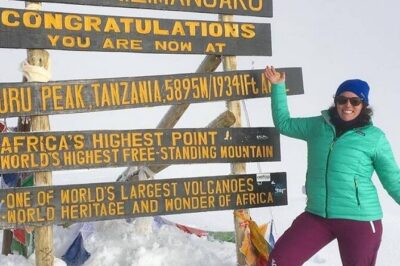
Uhuru Peak is the highest point on Kilimanjaro and the highest point in Africa. Reaching it is a serious achievement, but you should remember that the day is only partly finished. After photographs and a short pause, you begin descending.
The itinerary details for the final descent are abbreviated, but the route continues to Mweka Camp at about 3,080 meters. This is a long day, listed at around seven hours, and the combination of an overnight start, summit climb, and descent can leave you exhausted.
The smartest approach is to treat the summit as a controlled endurance day. Keep your pace steady, follow the guide’s instructions, and focus on the next section rather than the entire mountain.
Day 7: Mweka Camp to Mweka Gate
The final day takes you from Mweka Camp at about 3,080 meters down to Mweka Gate at approximately 1,630 meters. The route is listed at around seven hours, though the downhill movement usually feels very different from the climb.
At the gate, the group gathers, you can write in the guest book, and summit certificates are presented. From there, you continue for about one hour to Mweka Village, where a vehicle takes you back to your hotel.
This ending is practical rather than theatrical, which suits a mountain trek. You finish with paperwork, congratulations, and transport instead of being left to arrange your own way back.
What the $2,630 Price Covers
At $2,630 per person, this is not a low-cost walk, but Kilimanjaro has substantial park and support costs. The price includes all fees and taxes, transport to the gate, pickup after the trek, professional guides, a cook, and porters.
Meals are also included:
- Seven breakfasts
- Seven lunches
- Six dinners
That coverage matters because a seven-day climb requires a support system. You are not simply paying for trail access. You are paying for a team that handles food, camp support, guiding, and the required park arrangements.
The price does not include international flights, visa fees, travel insurance, personal items, or tips for the guides, assistant guides, cook, and porters. You should budget for those separately, especially tips, which are a normal part of the support crew’s income.
The private format also affects the value. Only your own group takes part, so the pace and arrangements are not built around strangers. A solo climber can also book this format, and the company has shown flexibility with personal requests according to the information provided.
Meals, Transfers, and Support on the Mountain
Pickup is offered, with the meeting information listing Moshi, Tanzania, as the starting point and an 8 a.m. start time. The tour information also places the wider operation in Arusha, so confirm the exact hotel pickup location before you travel.
The crew includes professional guides, assistant support, a cook, and porters. The listing does not provide individual guide names, so do not book expecting a named guide in advance.
Breakfast, lunch, and dinner are included for the stated trek schedule. You still need to bring your own personal items, and the exact packing list is not supplied in the tour details. Ask for that list before departure rather than guessing about clothing, bags, or personal medical supplies.
The first two days include an armed ranger because of possible wildlife in the forest area. This is a specific feature of the western approach and helps explain why the opening section is managed differently from the upper mountain.
Who Should Book This Kilimanjaro Trek?
This route suits you if you want a private climb with varied scenery and a planned altitude profile. It is also a good fit if you prefer a quieter route and value having transport, meals, park fees, and a support crew arranged in one package.
You should be comfortable with long walking days, steep ground, cold high-altitude conditions, and a summit departure between midnight and 2 a.m. Most travelers can participate according to the tour information, but that does not mean the climb is easy.
The tour is less suitable if you want a relaxed holiday with plenty of free time. The seven-day schedule is tightly focused on the mountain, and the summit day can test both your legs and your patience.
Communication before arrival is another point in its favor. One booking experience included quick, clear communication and flexibility for specific requests, with Anita helping arrange tickets. That detail suggests you should contact the company early if you need help with pre-trip arrangements.
The available rating information is limited, with only two ratings shown, so I would not treat it as a large statistical record. Still, the direct experience provided describes the climb as fun, safe, and easy to arrange, which fits the tour’s private format and included support.
Booking, Cancellation, and Weather
You can cancel up to 24 hours before the start time for a full refund. Changes made less than 24 hours before the start time are not accepted, and the cut-off uses local time.
The climb requires suitable weather. If poor weather causes cancellation, you are offered another date or a full refund. Since mountain conditions can change, this protection is useful, but you should still leave some flexibility in your wider Tanzania plans.
Confirmation is received when you book, and the activity ends back at the meeting point after the return transfer.
Should You Book It?
I would choose this Lemosho trek if I wanted a private Kilimanjaro climb with varied scenery, a quieter route, and a clear support package. The climb-high, sleep-lower day around Lava Tower is especially useful, and the route gives you time to see the mountain change from rainforest to high volcanic ground.
Book it if you accept that the $2,630 price is only part of the budget and that altitude, not technical skill, is the main challenge. Ask for the packing list, confirm the pickup location between Arusha and Moshi, and plan carefully for tips, insurance, visas, and personal equipment.
Skip it if you want short walks, a soft schedule, or a guaranteed summit. For a serious but organized seven-day attempt on Africa’s highest peak, though, this is a well-planned option with strong practical value.
FAQ
Where does the Kilimanjaro trek start?
The tour information lists Moshi, Tanzania, as the meeting point, with the wider activity based in Arusha. Pickup is offered, so confirm your exact hotel location before arrival.
How long is the trek?
The trek lasts approximately seven days.
What time does the tour start?
The stated start time is 8:00 a.m. Summit day begins much earlier, usually between midnight and 2:00 a.m.
Which Kilimanjaro route does the tour use?
It uses the Lemosho Route, which begins on the western side of Mount Kilimanjaro.
Is this a private tour?
Yes. Only your own group takes part in the hiking activity.
What is the highest point reached?
The trek reaches Uhuru Peak, the highest point on Mount Kilimanjaro and in Africa.
Are park fees included?
Yes. All fees and taxes are included in the listed price.
Are meals included?
Yes. The package includes seven breakfasts, seven lunches, and six dinners.
Is transport included?
Transport to the gate and pickup at the end of the trek are included. A vehicle collects the group from Mweka Village after the final walk.
What is not included in the price?
International flights, tips for the guides, assistant guides, cook, and porters, personal items, travel insurance, and visa fees are not included.
Can I cancel for a full refund?
Yes, if you cancel at least 24 hours before the experience start time. Cancellations made later are not refunded.
What happens if bad weather cancels the climb?
You are offered a different date or a full refund if the experience is canceled because of poor weather.
More 7-Day Experiences in Arusha
- KILIMANJARO MACHAME ROUTE, (Climb 7days)
★ 5.0 · 16 reviews - 7 Day Kilimanjaro Climb Lemosho Route & 2 Day Safari
★ 5.0 · 16 reviews - 7 days Kilimanjaro climb via Machame route (Whiskey route)
★ 5.0 · 16 reviews - 7 Days Kilimanjaro Climb Machame Route
★ 5.0 · 15 reviews
Just added around Arusha
- Mt. Kilimanjaro: Shira plateau to Cathedral point 3872m Day hike★ 5.0 · 7 reviews
- 5 days safari, hiking & culture (Serengeti & kilimanjaro)★ 5.0 · 27 reviews
- One Day Hike from Kilimanjaro to Mandara★ 5.0 · 2 reviews
- 3 Days Mount Meru trekking★ 4.5 · 7 reviews
- climb the KILIMANJARO via Lemosho route★ 5.0 · 4 reviews
- Private 8 day Northern Circuit Kilimanjaro Climb★ 5.0 · 8 reviews
- Kilimanjaro Waterfalls Hike & Moshi Hot Springs Day Trip Tour★ 5.0 · 4 reviews
- 6 Day: Hiking Kilimanjaro via Machame Route★ 5.0 · 2 reviews
Kilimanjaro Climbs, compared.
8-Day Small-group Lemosho Kilimanjaro Summit Trekking
Read our review →
Climbing Kilimanjaro through 7 days Machame Route
Read our review →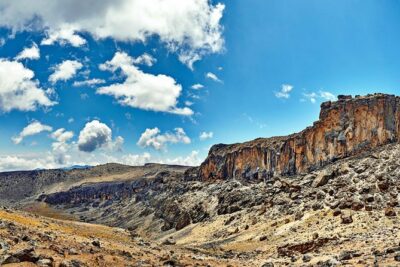
Browse the lists this trek appears in