
Review · ARUSHA
5 Days Marangu Route Kilimanjaro Trekking
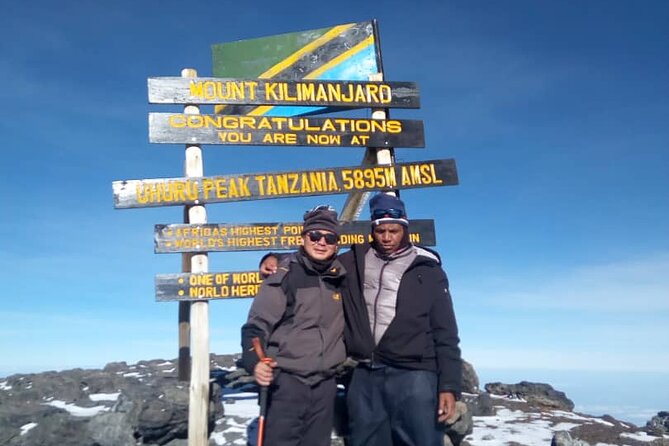
The Marangu Route gives you something unusual on Kilimanjaro: a bed in a mountain hut every night. You walk through rainforest, open moorland, and stark volcanic terrain before making the final push to Uhuru Peak, Africa’s highest point. It is the shortest and easiest route on paper, but the altitude still makes this a serious climb.
I like the simple hut setup, with solar lights, bunks, mattresses, and pillows. I also like the route’s changing scenery, from colobus monkeys and tall trees to giant lobelias and a bare moonscape between Kibo and Mawenzi. Guides William and Tuliza have been praised for friendly support and useful advice on summit day.
The main concern is the five-day schedule. It is compact, and altitude sickness can make the climb much harder than the trail’s reputation suggests. If you can spare one more day, the six-day version gives you time to rest at Horombo or climb toward Mawenzi.
Key points to know before booking
- Communal mountain huts: Sleep indoors at Mandara, Horombo, and Kibo rather than carrying a tent and camping outside.
- Five demanding walking days: Each day is listed at about eight hours, with the summit night being the toughest stretch.
- A short acclimatization plan: The five-day route reaches high ground quickly, so strong fitness and careful pacing matter.
- Maundi Crater side trip: Add this short outing near Mandara for views toward northern Tanzania and Kenya.
- Guides William and Tuliza: Their job is especially important during the slow, cold, headlamp-lit summit climb.
- Useful inclusions: Park fees, guides, purified water, mattresses, and arrival and departure transfers are covered.
Why the Marangu Route appeals to many climbers
Kilimanjaro is not a technical mountain climb on this route. You do not need ropes or climbing skills, but you do need endurance, patience, and a sensible attitude toward altitude. The trail rises from around 1,860 meters to 5,895 meters at Uhuru Peak, so the real challenge is oxygen, not rock climbing.
Marangu is often called the Coca-Cola Route because it is the most established and direct path up the mountain. That nickname can make it sound easy. I would not treat it as a casual walk. The five-day plan has long days, a rapid rise in altitude, and a summit attempt that begins between midnight and 2 am.
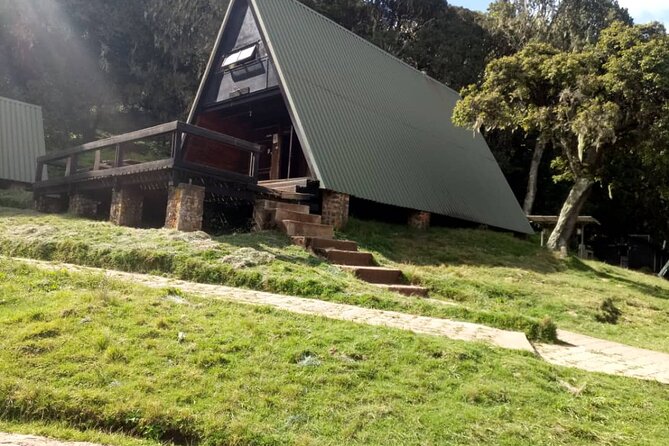
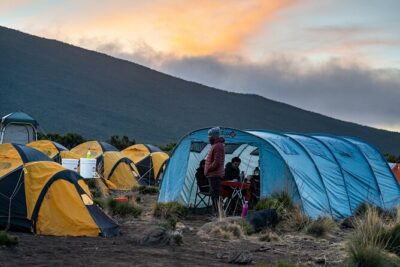
The big comfort advantage is the huts. At every campsite, you sleep on a bunk with a sponge mattress and pillow. Solar lights help with basic evening tasks, though the huts are communal, so privacy is limited. This arrangement suits you if you prefer a roof and bed to a tent, but it is less appealing if you want a quiet wilderness camp.
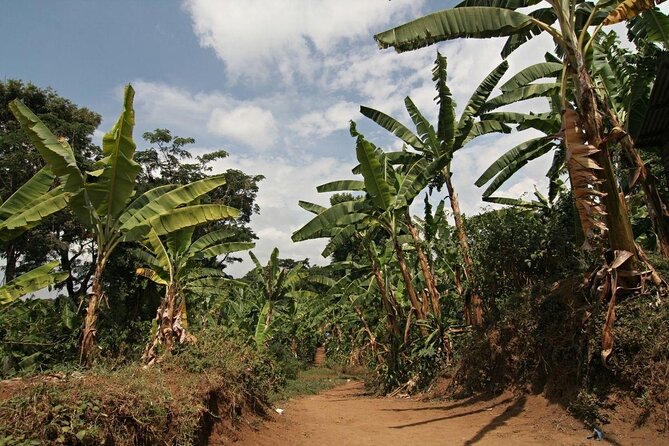
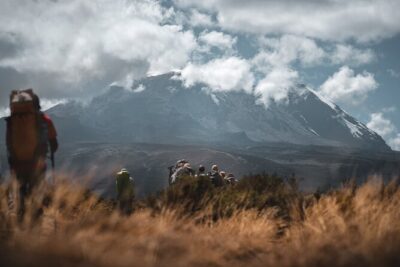
The route also gives you a clear sense of Kilimanjaro’s changing climate zones. The first day is green and shaded. By the third day, trees are gone, plants become sparse, and the area around Kibo feels dry and lunar. That variety gives the climb a strong visual rhythm.
More Kilimanjaro Climbs in Arusha
- 8-Day Small-group Lemosho Kilimanjaro Summit Trekking
★ 5.0 · 186 reviews - 7-Day Machame Kilimanjaro Summit Tour from Arusha
★ 5.0 · 125 reviews - Mountain Kilimanjaro Day Hike
★ 5.0 · 102 reviews
Day 1: Rainforest from Marangu Gate to Mandara
The morning begins with breakfast, a briefing, and a drive of about one hour to Kilimanjaro National Park Gate. Registration takes place here before you start walking from roughly 1,860 meters to Mandara Hut at about 2,700 meters.
The first section runs through rainforest. Look for towering eucalyptus trees, birdlife, and colobus monkeys. The forest can feel cool and damp, and the trail may be muddy, particularly during wet conditions. Good shoes and a rain layer are more useful here than heavy summit clothing.
At Mandara, you settle into the hut system for the first time. A side trip to Maundi Crater is a smart use of time if conditions and energy allow. It gives you views toward northern Tanzania and Kenya, along with a wider sense of the area around the mountain.
The listed walking time is about eight hours, including the day’s route and possible side trip. That is a long opening day, especially after the drive and registration. Keep your pace slow from the start. You do not win anything by racing through the forest.
Day 2: Moorland views on the way to Horombo
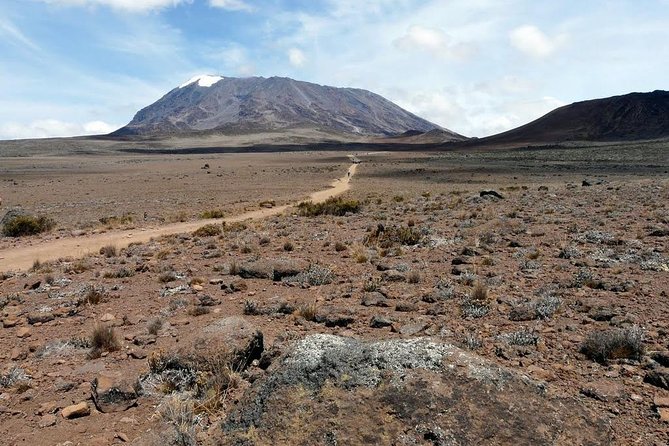
Day two leaves the rainforest behind and follows an uphill path across open moorland. The route rises from about 2,700 meters to 3,700 meters at Horombo Hut, with another listed walking time of roughly eight hours.
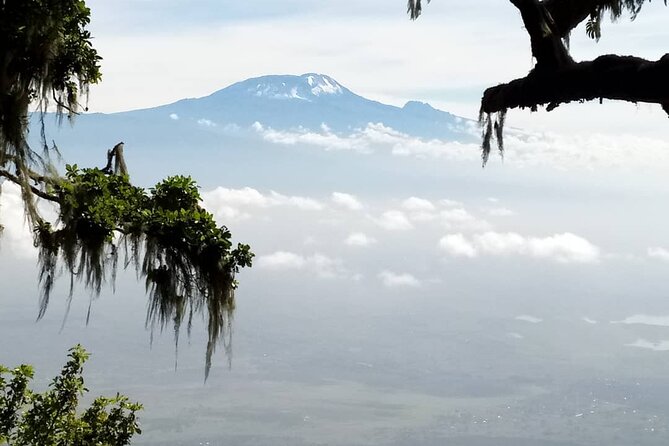
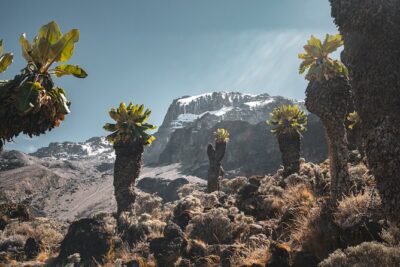
This is one of the most attractive sections of the climb. You get broad views toward Mawenzi and Kibo, the two major peaks of Kilimanjaro. Giant lobelias and groundsels give the high moorland a distinctive look, and the open setting lets you see how much ground you are gaining.
Horombo is also where altitude may begin to make itself known. You might notice a headache, unusual tiredness, or a slower walking pace. The practical response is simple: drink the supplied purified water, eat properly, walk slowly, and tell your guide if you feel unwell.
The huts are communal, so expect shared sleeping space rather than a private room. That can be a drawback after a long day, but the mattress and pillow are welcome comforts. This is also the point where I would begin judging whether the five-day schedule feels right for you.
Day 3: Across the saddle to Kibo
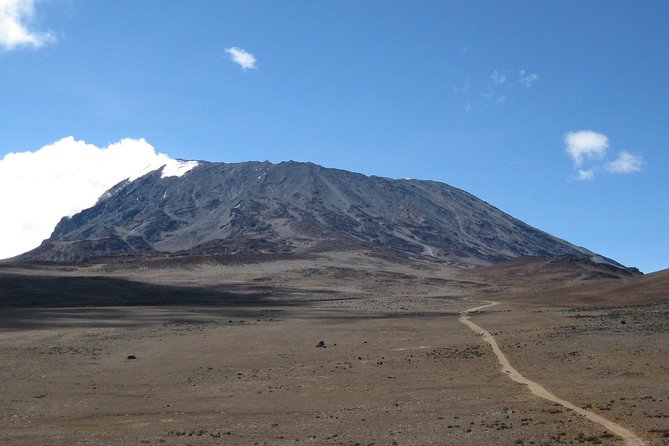
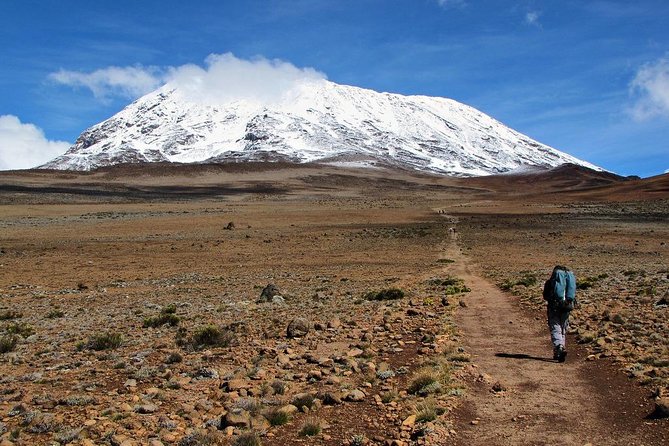
The third day is a major change in both scenery and feel. You pass the last watering point, then cross the broad saddle between Mawenzi and Kibo. The route climbs from about 3,700 meters to Kibo Hut at approximately 4,700 meters.
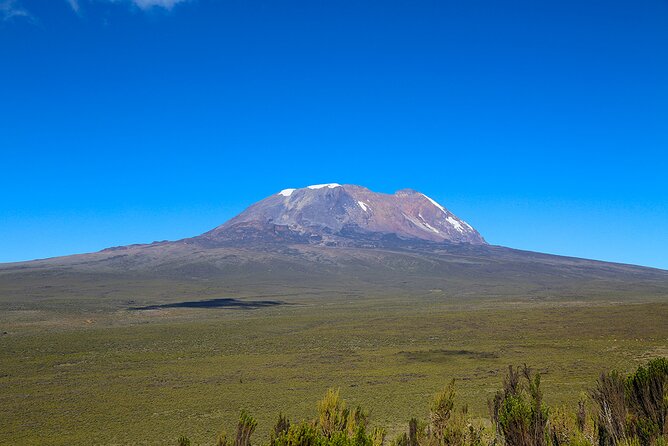
At first, some upper heathland remains. Soon, vegetation fades and the ground takes on a stark, barren character. This volcanic moonscape is one of the memorable parts of the Marangu Route, but it also makes the altitude feel more exposed. There is little shade and few visual distractions, so steady pacing matters.
Kibo is the staging point for the summit attempt. After dinner, you rest and prepare your clothing, headlamp, water, and other essentials. The plan calls for an early start between midnight and 2 am, so this is not a normal night of sleep.
The five-day itinerary gives you no separate acclimatization day here. That is the key weakness of the shorter plan. The six-day option adds a rest day at Horombo or a climb toward Mawenzi, which can help your body adjust before the highest section.
Same trailhead, a different route:
- 4 Days Mount Meru Trekking
★ 5.0 · 55 reviews - 4 days Best experience Kilimanjaro Hike, Serengeti &Ngorongoro
★ 5.0 · 54 reviews - From Arusha/Moshi: Kilimanjaro Hike Marangu Route Day Trip
★ 4.5 · 54 reviews - Mount Kilimanjaro Day Hike Through Marangu Route to Mandara Hut
★ 5.0 · 37 reviews
Day 4: The hard night to Gilman’s Point and Uhuru Peak
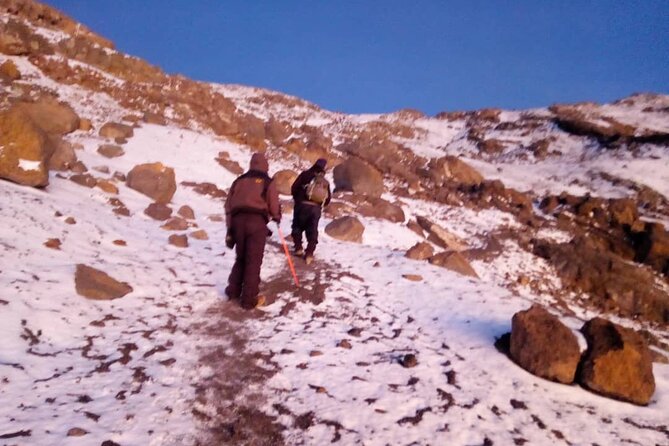
Summit day is the heart of the experience and its toughest test. You begin in darkness, using a headlamp or flashlight, and climb steep slopes covered with heavy scree or snow toward Gilman’s Point on the crater rim.
The cold can be severe before sunrise. Wear all your warm layers and keep rain protection close at hand. The trail includes many switchbacks, and progress can feel slow. The best approach is the local idea of pole pole, meaning slowly, with an optimistic and steady mindset.
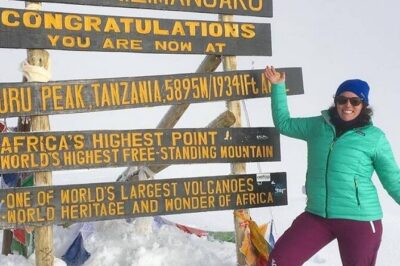
From Gilman’s Point, you continue along the crater rim toward Uhuru Peak. At 5,895 meters, this is the highest point in Africa. The route description promises striking views, but conditions can change quickly, and the peak itself is never guaranteed. Your guide will help judge your pace and condition.
This is where the experience of William and Tuliza matters most. Direct support, sensible advice, and encouragement can help you manage the cold, fatigue, and altitude. The previous praise for their friendly, professional approach is worth noting, but you should still understand that no guide can remove the physical demands of the climb.
After time at the summit, you descend to Kibo for lunch and rest, then continue to Horombo Hut. The descent may feel easier in terms of breathing, but the long day can be punishing on tired legs. The schedule lists about eight hours, though the midnight start makes this the day that feels longest.
Day 5: A wet forest descent to the park gate
After breakfast at Horombo, you descend through moorland to Mandara Hut, then continue through the rainforest to Marangu Gate. The listed elevation change is from about 3,700 meters to 1,700 meters, with roughly eight hours of walking.
The lower forest can be wet and muddy. Gaiters and trekking poles are useful here, even if you did not need them higher up. As you lose altitude, shorts and a T-shirt may be comfortable, but keep rain gear and warmer clothing within reach until you know what the weather is doing.
At the gate, a vehicle is scheduled to take you back to your hotel in Moshi, a drive of about one hour. Arrival and departure transfers are included, which removes some post-trek hassle. The tour begins in the Arusha area, so confirm the exact pickup and return arrangements when booking.
The final descent is less glamorous than the summit, but it is part of the value of the route. You see the mountain’s full range of zones in reverse, from bare high ground to thick forest. It also gives you a clear finish rather than leaving you to arrange transport after five hard days.
What the $1,700 price covers
At $1,700 per person, this is not a budget day hike. You are paying for a five-day national park trek with professional mountain guides, park fees and taxes, purified drinking water, sleeping mattresses, and arrival and departure transfers.
Breakfast, lunch, and dinner are shown as optional inclusions, so you should clarify exactly what the quoted price covers before paying. That point matters. Food on a five-day mountain trek is not a minor extra, and the wording leaves room for confusion.
The hut accommodation adds value if you dislike tent camping or want to avoid carrying a full sleeping setup. You still share communal rooms, but you receive a bed, mattress, pillow, and basic solar lighting at each campsite. For many people, that comfort is worth paying more for.
The price also includes the guiding support that becomes most important above Horombo. You are not simply buying access to a trail. You are buying route management, support at altitude, and organized transport at the beginning and end. The value is strongest for someone who wants a straightforward package rather than separate arrangements.
Who should choose this five-day climb
This trip suits you if you are fit, comfortable with long walking days, and willing to accept basic communal sleeping conditions. The operator specifically requires a strong physical fitness level, and that is a sensible standard.
It may suit you particularly well if you prefer huts to tents. It also works for a private group, since only your party participates in the activity. That gives you a more personal setup than a large shared departure, though the available information does not specify the maximum group size.
I would be cautious if this is your first high-altitude trek or if you have limited time for training. The route is called the easiest, but that comparison only applies to Kilimanjaro routes. The summit day remains cold, steep, dark, and physically demanding.
If your schedule allows six days, I would seriously consider the longer version. An extra day at Horombo can provide rest and better acclimatization. On a five-day plan, you need to be disciplined about pace and honest about how your body feels.
Practical details before you go
The scheduled start time is 8:00 am, after breakfast and briefing. Pickup is offered, and the experience provides a mobile ticket. Confirmation is received at booking, and the tour is near public transportation.
Bring warm layers for the summit, a headlamp or flashlight, rain gear, sturdy footwear, gaiters, and trekking poles. The supplied information specifically highlights the need for warm clothing at night and protection from mud in the lower forest.
Tipping is not included, and a Tanzania visa is also excluded. Free cancellation is available if you cancel at least 24 hours before the local start time. Poor weather may lead to a new date or a full refund.
The experience has a 5 out of 5 rating based on two submitted reviews. The most useful praise concerns the friendly team, professional handling, and practical summit advice from William and Tuliza. One detailed account, written in Czech, describes the hut comfort and the intense beauty of the route, which matches the main strengths of this climb.
Should you book the Marangu Route?
Book it if hut accommodation, a private group, and a direct five-day plan matter more to you than a slow acclimatization schedule. You get major scenery changes, organized transfers, experienced guides, and the chance to reach Uhuru Peak without camping.
Think twice if you want the best possible altitude adjustment or dislike communal sleeping. In that case, the six-day Marangu option is the wiser choice if available. For the five-day version, arrive fit, pack seriously for cold and rain, walk pole pole, and treat the mountain with respect.
FAQ
How long is the Marangu Route experience?
The trek lasts approximately five days, with about eight hours of walking listed for each day.
Where does the trek begin?
The climb begins at Kilimanjaro National Park Gate after breakfast, a briefing, and a drive of about one hour.
What time does the experience start?
The scheduled start time is 8:00 am.
Where do I sleep during the trek?
You sleep in communal mountain huts at the campsites. The huts have solar lights, bunks, sponge mattresses, and pillows.
Does the tour include meals?
Breakfast, lunch, and dinner are shown as optional inclusions. Confirm the exact meal arrangements before booking.
Is the summit attempt made at night?
Yes. The summit climb begins very early, between midnight and 2 am, and requires a headlamp or flashlight.
Is purified drinking water included?
Yes. Clean, purified drinking water is included.
Are park fees and taxes included?
Yes. All fees and taxes are included.
What is not included in the price?
A Tanzania visa and tips are not included.
More 5-Day Experiences in Arusha
- 5 days safari, hiking & culture (Serengeti & kilimanjaro)
★ 5.0 · 27 reviews - 5 Days Marangu Route – Mount Kilimanjaro Trek
★ 5.0 · 5 reviews - 5 Days Marangu Route Kilimanjaro Trekking
★ 5.0 · 4 reviews - 5 Days cheapest Kilimanjaro Marangu Route
★ 5.0 · 3 reviews
Just added around Arusha
- Mt. Kilimanjaro: Shira plateau to Cathedral point 3872m Day hike★ 5.0 · 7 reviews
- 5 days safari, hiking & culture (Serengeti & kilimanjaro)★ 5.0 · 27 reviews
- One Day Hike from Kilimanjaro to Mandara★ 5.0 · 2 reviews
- 3 Days Mount Meru trekking★ 4.5 · 7 reviews
- climb the KILIMANJARO via Lemosho route★ 5.0 · 4 reviews
- 6 Day: Hiking Kilimanjaro via Machame Route★ 5.0 · 2 reviews
- Private 8 day Northern Circuit Kilimanjaro Climb★ 5.0 · 8 reviews
- Kilimanjaro Waterfalls Hike & Moshi Hot Springs Day Trip Tour★ 5.0 · 4 reviews
Kilimanjaro Climbs, compared.
8-Day Small-group Lemosho Kilimanjaro Summit Trekking
Read our review →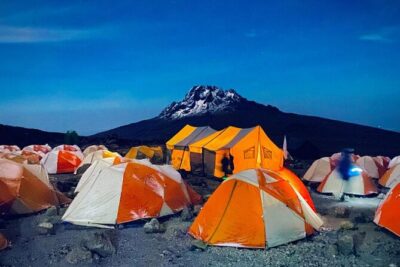
Climbing Kilimanjaro through 7 days Machame Route
Read our review →
Browse the lists this trek appears in