
Review · KATHMANDU
16 Days Island Peak Climbing With Everest Base Camp Private Trip
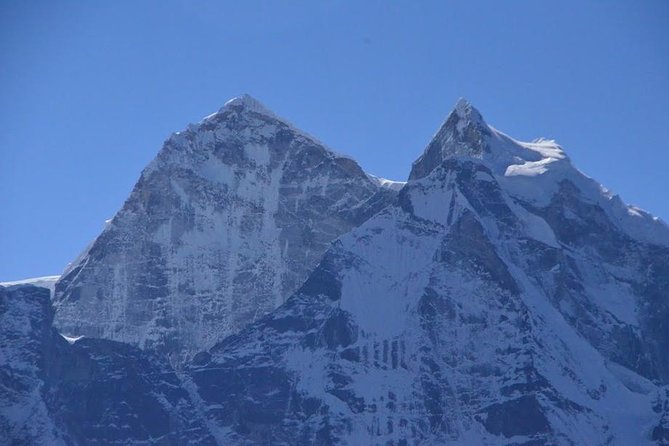
Island Peak gives you two very different Himalayan goals in one demanding trip: Everest Base Camp and a 6,189-meter summit climb. You trek through Sherpa villages first, then trade the teahouse trail for tents, ropes, crampons, and an alpine summit attempt.
I like the built-in acclimatization days and the practical support package, including a climbing permit, technical gear, meals, porter service, and an English-speaking guide. I also like the cultural side: you pass through the Sherpa heartland rather than treating the mountains as a simple backdrop.
The main caution is the schedule. The title says 16 days, but the day-by-day plan runs from Day 1 through Day 18. Weather can also delay flights or cancel the climb, so keep at least two spare days after the trip and arrive with real high-altitude fitness.
Key points at a glance
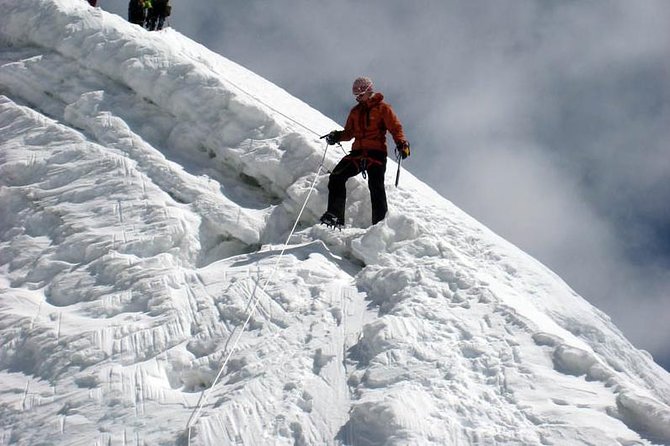
- Island Peak reaches 6,189 meters: The summit day is the hardest part, with a high camp, technical equipment, and a return to base camp.
- Everest Base Camp comes first: You visit Base Camp at 5,364 meters before heading toward Chhukung and Island Peak.
- Acclimatization is built into the plan: You spend an extra day in Namche, and another day is set aside near Island Peak.
- A Sherpa-region route: Namche, Tengboche, Pheriche, and Pangboche bring you close to local mountain culture and daily life.
- Much of the climbing kit is included: Tents, ropes, ice axes, crampons, harnesses, helmets, sleeping bags, and down jackets are supplied.
- Private trip format: Only your own group participates, with a professional climbing guide and a porter assigned for every two climbers.
What you are really signing up for
This is not simply a long walk to Everest Base Camp. It is a trekking and climbing expedition that uses the classic Everest route as an approach to Island Peak.
The first half feels like a high-altitude trek, with lodge stays, village trails, Buddhist culture, and long walking days. The second half becomes more serious. You sleep in a tented camp, use climbing equipment, and aim for a summit at 6,189 meters.
The company describes the required fitness level as moderate, but the altitude makes that phrase worth treating carefully. You need to handle repeated uphill days, cold nights, basic accommodation, and a demanding summit attempt. Previous mountaineering experience is not specifically stated as a requirement, but the trip clearly involves more than ordinary trekking.
The private format is useful here. Your guide can choose between different approaches from Island Peak Base Camp, including a high-camp plan or two nights at base camp before a single summit attempt. Weather and conditions decide which option makes sense.
More Everest Base Camp Treks in Kathmandu:
- Everest Base Camp Trek – 14 Days
★ 5.0 · 1,499 reviews - Everest Base Camp Trek
★ 5.0 · 842 reviews - Everest Base Camp Helicopter Tour landing at Everest View Hotel
★ 5.0 · 668 reviews
Kathmandu preparation and the Lukla flight
Day 1 begins with arrival and transfer in Kathmandu. You receive deluxe accommodation for three nights in the city, while breakfast is included there.
Day 2 is set aside for trek preparation. This is an important day, not dead time. You can check your personal clothing and climbing kit, confirm documents, and make sure you understand the plan before leaving the city.
The route begins with a short flight from Kathmandu to Lukla at 2,840 meters. The flight is part of the experience, since it follows a mountain route and delivers you straight into the Khumbu region. From Lukla, you walk to Phakding at 2,610 meters.
You should pack carefully for this section. The airline allows 15 kilograms of baggage per person, and excess luggage costs USD 1.50 per kilogram at the airport. That limit matters because you need warm clothing and climbing items without loading your bag with unnecessary extras.
Phakding to Namche, the first real test
The walk from Phakding to Namche Bazaar at 3,440 meters brings the first major altitude change. Namche is one of the key settlements in the Everest region, and it is also where the itinerary gives you time to adjust.
Day 5 is an acclimatization day in Namche. That pause is one of the strongest parts of the schedule. You are not simply rushing upward toward Everest Base Camp, and your guide has room to assess how you are responding to the altitude.
Namche is also a good place to notice the role of the Sherpa community. The Khumbu region is the traditional home of the Sherpas, who are known for their work as mountain guides and high-altitude support staff. This trip gives you time in their towns instead of reducing the region to a line on a map.
Tengboche, Pheriche, and Lobuche
From Namche, the route continues to Tengboche, listed as Thyangboche, at 3,680 meters. The itinerary highlights the settlement as part of the cultural side of the journey, and the stop helps break up the climb toward higher ground.
You then walk to Pheriche at 4,240 meters. At this point, the cold and thinner air become more noticeable, and your walking pace may need to slow. The next stage reaches Lobuche at 4,950 meters, a clear sign that the trek is moving into serious altitude.
Accommodation during the trekking portion is in basic teahouses. Rooms are generally shared, with toilets and bathrooms outside the room. This is a practical arrangement rather than a comfortable hotel stay, so prepare for simple facilities and bring patience for nights when warmth, privacy, and hot water are limited.
Three meals per day are included during the trek. You can choose breakfast, lunch, and dinner from the menu, but drinks, snacks, desserts, bottled water, tea, and coffee cost extra. Those small purchases can add up, especially when you are spending several days above the tree line.
A few more treks around Kathmandu worth a look
- 14-Day Private Annapurna Base Camp Trek
★ 5.0 · 180 reviews - 14 Days Private Tour Everest Base Camp Trek
★ 5.0 · 105 reviews - 15 Days Private Everest Base Camp Trek
★ 5.0 · 30 reviews - 5 Day Private Guided Trekking in Annapurna Base Camp
★ 5.0 · 25 reviews
Everest Base Camp and Kala Patthar
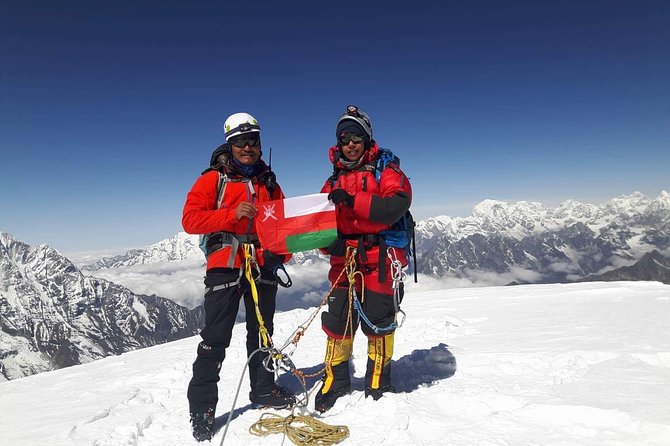
Day 9 takes you from Lobuche to Gorakshep at 5,160 meters, then onward to Everest Base Camp at 5,364 meters before returning to Gorakshep.
This is a long and important day. Reaching Base Camp is the headline moment for many people, but the return to Gorakshep means you do not stop at the destination and call it done. You need enough energy for the walk back.
The following day takes you from Gorakshep to Kala Patthar at 5,550 meters, then down to Chhukung at 4,730 meters. Kala Patthar is the highest point in the trekking portion of the route and gives you a major mountain viewpoint, while Chhukung positions you for Island Peak.
This sequence combines two valuable experiences: the famous Base Camp walk and a high viewpoint before the climbing phase. It is also physically demanding, since the itinerary asks you to reach Kala Patthar and then continue to Chhukung on the same day.
Chhukung and Island Peak Base Camp
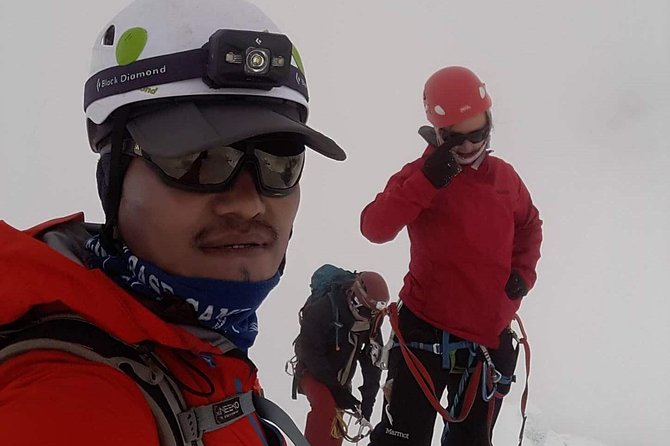
Day 11 leads from Chhukung to Island Peak Base Camp at 5,200 meters. Here the trip changes character.
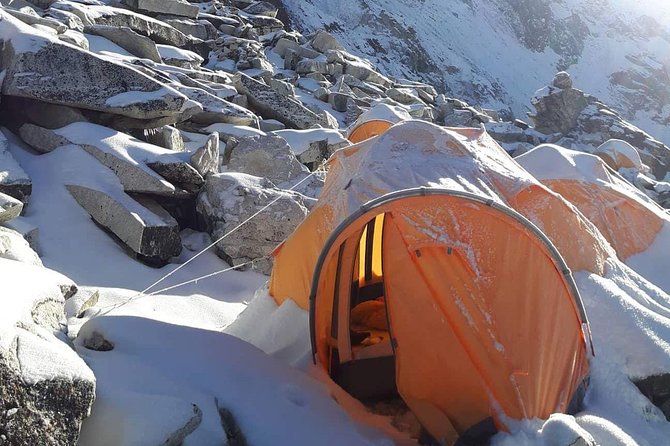
The company provides a tented camp during the climbing period, with twin-sharing arrangements. Meals are prepared by the guide during this stage rather than selected from a teahouse menu. A climbing camp is more basic than a lodge, so you should expect a functional setup focused on rest, food, and preparation.
Included equipment covers tents, ropes, ice axes, crampons, harnesses, helmets, sleeping bags, down jackets, a first-aid kit, and iodine-based water purification. This is a useful package, particularly if you do not own expedition equipment.
You still need to bring personal items. The exclusions specifically include trekking shoes, climbing boots, warm clothes, and other personal trekking and climbing equipment. The additional preparation notes also call for thermal underwear, fleece, warm hats, gloves, warm socks, a headlamp, and protection from sun and cold.
Do not assume that included climbing equipment means you can arrive with ordinary walking shoes. Ask the operator before departure which items are supplied in your size and which personal items you must rent or buy.
High camp, a rest day, and summit day
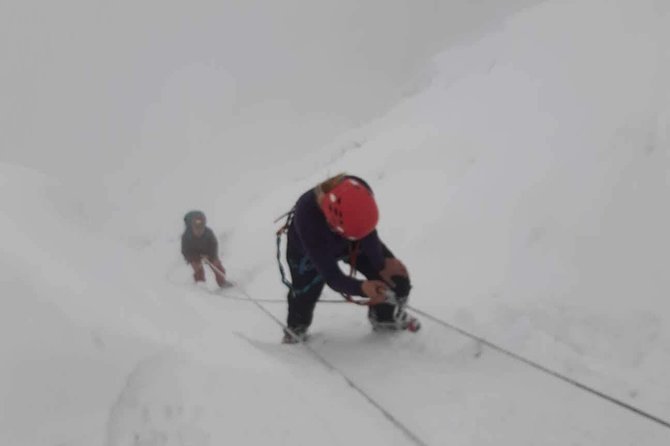
The plan moves from Island Peak Base Camp to High Camp at 5,600 meters on Day 12. Day 13 is listed as an acclimatization day.
That extra day matters because the summit reaches 6,189 meters. You are gaining only several hundred meters from High Camp to the top, but the altitude and cold can make a short distance feel slow and difficult.
Day 14 is the summit attempt. You climb from High Camp to the Island Peak summit, then return to Base Camp. This is the trip’s biggest physical test, and the return is part of the challenge. A summit day is not complete when you reach the top. You still need to descend safely and recover.
The guide chooses the final approach based on weather and other conditions. Some climbers use the high camp, while others spend two nights at base camp and make the summit in one push. That flexibility is sensible, but it also means the printed schedule is not a promise that every group will follow the same rhythm.
The summit offers a wide Himalayan panorama, but the practical reward is also the skills gained along the way. Island Peak is used by some mountaineers to practice climbing techniques and prepare for larger expeditions. You should view it as a real climb, not a sightseeing stop with a short uphill walk.
The return through Pangboche and Namche
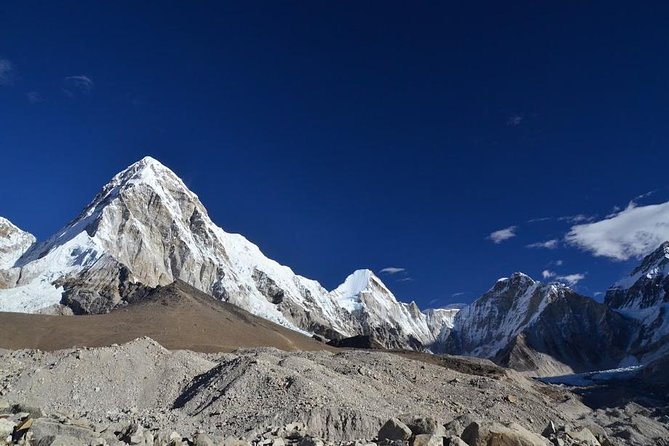
After the summit, you descend from Base Camp to Pangboche at 3,940 meters on Day 15. This is welcome relief after sleeping and working at extreme altitude.
Day 16 continues from Pangboche to Namche, followed by Namche to Lukla on Day 17. The return route gives you a second look at villages and trails that may have passed in a blur during the approach.
Day 18 is the flight from Lukla back to Kathmandu. This is another point where weather can alter the plan. The trip operates in all weather conditions, but flights and the climbing schedule remain subject to favorable conditions. Keep at least two spare days after the planned return if your international flight is important.
The supplied schedule creates a practical issue: the product is called a 16-day trip, the description also refers to a 19-day itinerary, yet the detailed plan ends on Day 18. Confirm the exact number of nights, return date, and included Kathmandu accommodation before paying for flights.
What the price includes, and what it does not
At USD 2,765 per person, the price covers more than a standard Everest Base Camp trek. You receive accommodation in Kathmandu, teahouses during the trek, tented camping during the climbing section, meals, the Island Peak special permit, climbing equipment, guide and porter costs, taxes, service charges, and a farewell dinner.
The porter arrangement is one porter for two climbers, carrying up to 25 kilograms. Guide and porter costs include their wages, accommodation, meals, transportation, and insurance. High-altitude workers’ special insurance is also listed.
That makes the price reasonable for someone who needs a complete support structure rather than a bare trekking package. You are paying for the permit, logistics, staff, food, and shared expedition equipment, not just a walking route.
Still, budget for extras. Drinks, snacks, bottled water, charging, hot showers, Wi-Fi, laundry, phone calls, photography charges, souvenirs, Nepal visa costs, travel insurance, international flights, and excess baggage are not included.
You also need your own travel insurance. The operator asks for your insurance details for emergency evacuation arrangements. Do not treat that as a substitute for buying suitable insurance before departure.
Guide support and the human side of the trip
The trip uses a professional English-speaking climbing guide and a porter for every two climbers. That support is especially important during the Island Peak phase, when the guide must manage equipment, timing, weather decisions, and the route between base camp and the summit.
The available feedback highlights repeated use of Outdoor Himalayan Treks for solo guided trips and expeditions, including Everest Base Camp, Manaslu, and Island Peak. One named guide is Arjun, who received direct praise for his help on an Everest Base Camp trek. Ram is also involved in the company’s guest communication.
Those details suggest a company accustomed to repeat business and longer expeditions, though you should still ask who your own guide will be before departure. The guide’s climbing background and experience on Island Peak matter more than a general trekking résumé.
The farewell dinner in Kathmandu includes Nepalese food and a live cultural show. It is a pleasant finish, but the strongest cultural contact comes earlier, through the Sherpa settlements and the daily rhythm of the Khumbu route.
Who should book this Island Peak trip?
You should consider this trip if you want Everest Base Camp but also want a genuine mountaineering objective. It suits people who can manage long uphill walks, basic teahouse facilities, cold conditions, and a high-altitude summit attempt.
It is a good fit if you value a private itinerary, included technical equipment, and a guide who can adjust the climbing plan. It also works well for someone who wants a structured expedition rather than arranging permits, porters, camps, meals, and flights independently.
Think twice if you want hotel comfort, a fixed timetable, or a simple trek with no technical climbing. You should also reconsider if your schedule has no room for weather delays or if you are unwilling to buy insurance and prepare personal climbing clothing.
Cancellation is free up to 24 hours before the experience starts, with a full refund. Inside that window, the amount paid is not refunded, and changes are not accepted.
FAQ
How long is the Island Peak and Everest Base Camp trip?
The title states 16 days, but the detailed schedule runs through Day 18, from arrival in Kathmandu to the flight back from Lukla. The description also refers to a 19-day itinerary, so confirm the final schedule with Outdoor Himalayan Treks before booking flights.
What is the price per person?
The listed price is USD 2,765 per person.
Is this a private trip?
Yes. Only your own group participates in the activity.
What fitness level is required?
The stated requirement is a moderate physical fitness level. The route includes high-altitude trekking, a summit attempt at 6,189 meters, and several demanding walking days.
Is Island Peak climbing equipment included?
Yes. Included equipment includes tents, ice axes, ropes, crampons, harnesses, helmets, sleeping bags, and down jackets.
What personal equipment must I bring?
Personal trekking and climbing equipment is not included. The preparation notes specifically recommend warm clothing, trekking and climbing boots, thermal undergarments, gloves, warm socks, a hat, a headlamp, and sun and cold cream.
Are meals included?
Breakfast is included in Kathmandu. During the trek, breakfast, lunch, and dinner are included, with menu choices. During the climbing period, meals are prepared by the guide.
Are flights to Lukla included?
The itinerary includes flights between Kathmandu and Lukla, but international airfares are not included. Excess luggage above 15 kilograms costs USD 1.50 per kilogram.
What happens if bad weather cancels the trip?
The experience is subject to favorable weather. If it is canceled because of poor weather, you are offered an alternative date, so keeping at least two spare days after the trip is recommended.
Should you book it?
Book this trip if you want the full Khumbu experience, including Everest Base Camp, Sherpa communities, and a serious Island Peak goal, and you are ready for basic facilities and weather uncertainty.
The strongest reasons to choose it are the included permit and climbing gear, built-in acclimatization, private format, and broad staff support. The biggest reasons to pause are the unclear 16-day versus 18 or 19-day schedule, the extra costs for personal gear and drinks, and the physical demands above 5,000 meters.
Before booking, confirm the exact dates, guide’s name, equipment sizes, tent arrangements, insurance requirements, and the number of included Kathmandu nights. If those details suit you, this is a practical way to combine Nepal’s best-known high-altitude trek with a real Himalayan summit attempt.
Just added around Kathmandu
- Everest Base Camp Trek★ 5.0 · 3 reviews
- Everest Base Camp Trek★ 5.0 · 7 reviews
- 15 Days Private Everest Base Camp Trek★ 5.0 · 30 reviews
- Everest Base Camp Trek★ 5.0 · 57 reviews
- 14 Days of Adventure Trekking to Everest Base Camp★ 5.0 · 2 reviews
- 14-Day Everest Base Camp Trek★ 5.0 · 20 reviews
- From Kathmandu: Private 14-Day Everest Base Camp Trek★ 5.0 · 20 reviews
- 14 Days Everest Base Camp Trek★ 5.0 · 4 reviews
Everest Base Camp Treks, compared.
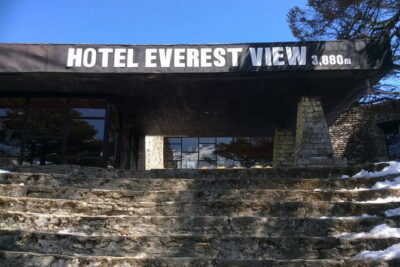
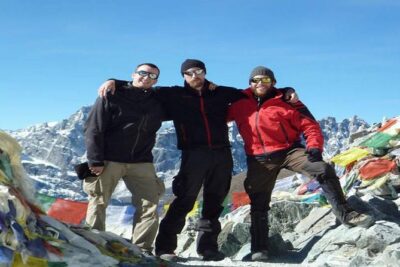
Everest Base Camp Helicopter Tour landing at Everest View Hotel
Read our review →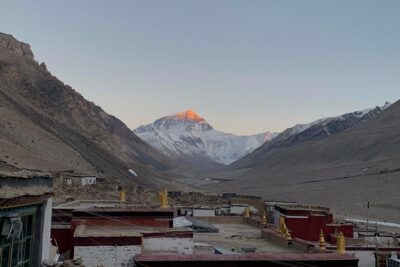
Tibet Tour 8 Days Lhasa to Everest Base Camp Small Group Tour
Read our review →
Dubai: Private Luxury Everest Yacht Cruise from Dubai Marina
Read our review →
Browse the lists this trek appears in