
Review · KATHMANDU
10 Days Annapurna Circuit Trek
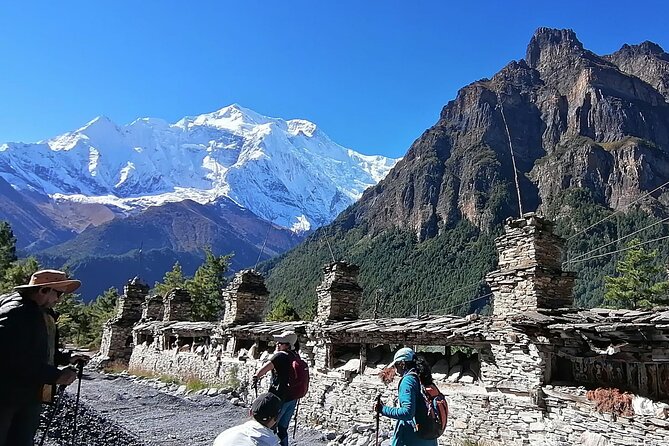
The great prize here is Thorong La Pass at 5,416 meters, reached after days of walking through pine forests, high valleys, Tibetan-style villages, and mountain country. You also get the satisfying change from green foothills to dry Mustang scenery, followed by a flight above the Kali Gandaki Gorge.
I like the mix of natural scenery and real village life, especially time in Manang and the visit to Gangapurna Lake. I also like the practical package: meals, a sleeping bag, guides, porters, transport, and the Jomsom to Pokhara flight are included. Guides named Babu and Resham have been praised for care and flexibility, while porter Rojit has also made a strong impression.
The main caution is the pace. Ten days is short for a route that reaches extreme altitude, and the itinerary includes long drives, demanding climbs, and a potentially tough pass day. You need moderate fitness, and you should confirm the exact daily walking times, overnight places, and transport details before paying.
Key points at a glance
- Thorong La at 5,416 meters: The trek’s biggest physical and scenic challenge, with views toward the Dhaulagiri range from the pass.
- Manang and Gangapurna Lake: A valuable rest and culture day that lets you experience mountain life instead of simply passing through.
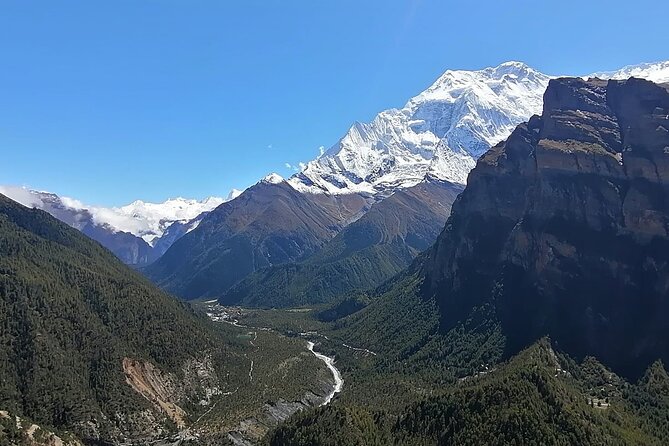
- A changing world of scenery: Expect forests, river valleys, high pasture, rocky ridges, arid Mustang, and Tibetan-style villages.
- Guides and porters included: One porter is assigned to every two people, with guides such as Babu and Resham named in the tour’s service record.
- Meals and gear covered: Breakfast, lunch, dinner, coffee or tea, and a sleeping bag are part of the price.
- Jomsom to Pokhara flight: The return flight saves a long road journey and gives you an aerial view of the Kali Gandaki Gorge.
Why the Annapurna Circuit still earns its reputation
The Annapurna Circuit works because the scenery keeps changing. You do not spend ten days looking at one type of mountain view. The route begins with a long overland approach from Kathmandu, then moves through river valleys and forest before reaching the dry, high country around Manang and Mustang.
That variety gives the trek its shape. Early sections feel more sheltered, with trees and rivers. Later, the air is thinner and the ground becomes rockier. By the time you reach Thorong La, the route feels properly alpine, with the pass serving as both a physical test and a clear turning point.
At $1,430 per person, this is not a budget walk with a guide added at the last minute. The fee covers private transportation, all stated fees and taxes, a guide, porter support, a sleeping bag, ten breakfasts, ten lunches, ten dinners, and the domestic flight from Jomsom to Pokhara. Coffee and tea are also included.
That package has real value, particularly because food and the return flight can otherwise add up quickly. The price does not include bottled water or alcoholic drinks, and an air-conditioned vehicle is not included. I would budget separately for drinks and personal expenses, and I would ask exactly how water purchases are handled along the route.
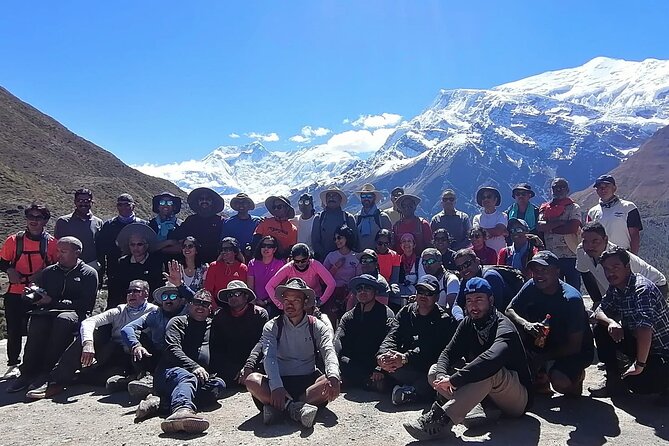
The group limit is 15 people. That is small enough to make guide support practical, though the experience can still feel different in a full group than on a private trek. The company has also handled larger groups on other journeys, but this particular activity is listed with a maximum of 15.
More Annapurna Treks in Kathmandu
- Annapurna Circuit Trek with Tilicho Lake
★ 5.0 · 368 reviews - Annapurna base camp trek 5 Days
★ 5.0 · 252 reviews - 14-Day Private Annapurna Base Camp Trek
★ 5.0 · 180 reviews
Day 1: Kathmandu to Besisahar by road
The day begins with pickup at about 7:00 am, with the formal start time listed as 7:15 am. The drive from Kathmandu to Besisahar is described as roughly seven hours over 185 kilometers. In Nepal, road time can feel longer than the distance suggests, so keep this day open and do not plan a tight evening appointment.
Manakamana Temple is listed as a stop on this first day. The temple adds a cultural note to what is otherwise a long transfer, and admission is listed as free. The schedule then continues toward Besisahar, where the mountain setting begins to replace the urban feel of Kathmandu.
There is a small point to clear up before departure: the day description focuses on the drive to Besisahar, while the Manakamana stop is listed separately. Ask the operator whether the temple visit is guaranteed, how long you will spend there, and where you sleep that night.
Day 2: Forest paths and the approach to Chame
The route climbs toward Tyanja at 2,360 meters, then continues through forest near the river toward Kopar at 2,590 meters. The trail eventually reaches Chame, headquarters of the Manang district.
The reward is the first major mountain drama, including views of Annapurna II. This is the sort of day that helps you settle into the rhythm of walking, but it is not simply a gentle stroll. The steady rise in altitude matters, especially because the trip is moving quickly toward much higher ground.
Chame has more importance than a stop on a map. It is a district center and a useful point in the trek’s progression. Your guide should help you understand where you are, how much height you have gained, and how the next days will affect your body.
Day 3: Bridges, rock walls, and Paungda Danda
The trail begins through forest in a narrow valley, then crosses a river on a long bridge at about 2,910 meters. Another bridge follows at approximately 3,040 meters, after which Paungda Danda’s huge rock face begins to dominate the view.
This is one of the route’s more dramatic walking days because the trail follows the river while the valley walls close in around you. The bridges also give the day a clear sense of movement. You are not just climbing steadily; you are passing from one mountain corridor to another.
Descriptions of this stage mention narrow routes and steep ground. That does not mean the trek is technical mountaineering, but it does mean you should take your time and follow the guide’s instructions. Good footwear and a measured pace matter more here than racing ahead for photographs.
Same trailhead, a different route:
- Everest Base Camp Trek – 14 Days
★ 5.0 · 1,499 reviews - Everest Base Camp Trek
★ 5.0 · 842 reviews - Everest Base Camp Helicopter Tour landing at Everest View Hotel
★ 5.0 · 668 reviews - Everest Base Camp Trekking
★ 5.0 · 485 reviews
Day 4: Pine forest and the first full Manang views
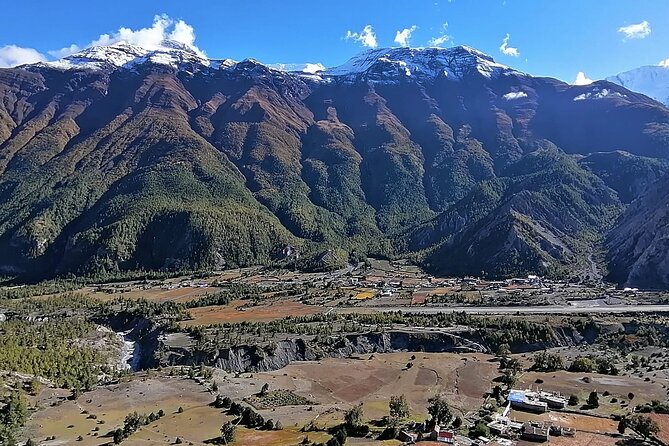
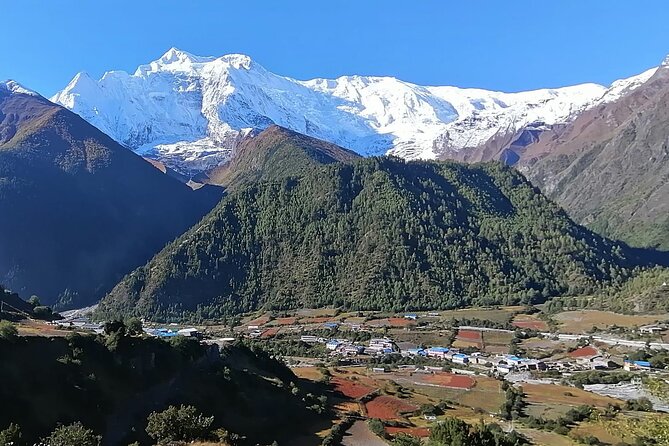
The trail passes through aromatic pine forest before approaching Manang. As you near the village, the views open toward Gangapurna, Annapurna II and III, Tilicho, Chulu East, and Pisang Peak.
This is where the trek’s mountain scale becomes easier to grasp. You have spent several days walking through valleys, and suddenly the surrounding peaks feel close and distinct. I would keep your camera ready, but I would also pause often. The best part of this day is not simply collecting names of peaks. It is seeing how the route has brought you into their orbit.
Manang is more than an overnight stop. It is one of the best places on the itinerary to notice the contrast between mountain scenery and local life. The village gives you a chance to slow down before the higher sections begin.
Day 5: Manang and Gangapurna Lake
The fifth day is set aside for exploring Manang and visiting Gangapurna Lake. That rest and acclimatization pause is one of the smartest features of the schedule. Instead of pushing higher every day, you get time to walk locally and adjust to the altitude.
The visit to Gangapurna Lake brings you close to a striking mountain setting without the pressure of a major pass crossing. You can interact with local people, see more of mountain life, and use the day to recover from the previous stages.
Do not treat this as a lost day. At this altitude, an easier day can help you enjoy the harder ones. The itinerary does not provide a detailed schedule for Manang, so ask your guide how much walking is planned and what time you need to return for meals or the next briefing.
Day 6: Manang to Yak Kharka and Ledar
After leaving Manang, the route climbs through the Marshyangdi Valley toward Gunsang, then continues to Yak Kharka and Ledar. The description specifically notes strenuous ascents, so this is where the trek begins to demand more from your legs and lungs.
The setting also becomes more open and exposed as you gain height. You are moving into the section where altitude, rather than distance alone, becomes the main issue. Keep your pace steady and tell your guide early if you feel unwell.
One strong reason to use a local guide here is simple: you should not have to make every route and safety decision while tired. The company’s guides have received praise for being helpful when altitude problems appeared. That does not remove the risk, but it gives you someone experienced to consult when your body is not cooperating.
Day 7: The narrow route to Thorung Phedi
The trail follows the east bank of the Jorsang Khola toward Thorung Phedi. This stage is described as tough, with narrow paths and unstable slopes. The final destination is the overnight stop before the pass.
Thorung Phedi is an important staging point. You are positioning yourself for the highest and hardest day, so conserving energy matters. I would keep this evening quiet, organize your clothing and water, and ask the guide what time the pass crossing begins.
The itinerary does not state the walking distance or exact start time for the pass day. That is one of the details worth confirming in advance. The pass is high enough that weather and energy levels can affect the day, and a clear briefing helps you know what to expect.
Day 8: Thorong La and the descent to Muktinath
This is the trek’s headline day. From Thorung Phedi, you climb toward Thorong La at 5,416 meters, following rocky ridges to the highest point of the journey. From the pass, you can look toward the Dhaulagiri range.
The views are the obvious prize, but the achievement is physical. The route reaches an altitude that should not be taken lightly, and the day follows several demanding stages in quick succession. You need to listen to your guide, walk at a controlled pace, and speak up if you feel sick.
After the pass, the route descends to Muktinath, one of the most important religious sites in the Mustang region. The temple visit is listed separately, with admission not included. Even if you are not visiting for religious reasons, this stop gives the day a strong cultural finish after the mountain crossing.
Because the schedule is tight, I would ask whether the pass and temple visit are both completed on the same day under normal conditions. The itinerary says they are, but exact timing can vary with the group and the mountain conditions.
Day 9: Through Mustang villages to Jomsom
The descent continues through the dramatic Kali Gandaki Valley, with its dry scenery and Tibetan-style villages. The route passes Jharkot and Khingar before following the valley floor toward Jomsom.
This is a sharp change from the pine forests and snowy mountain views earlier in the trek. The drier surroundings give the final walking day its own character, and the villages offer a glimpse of the cultural transition into Mustang.
The downhill direction may sound easy, but long descents can be hard on your knees after the pass. Use trekking poles if you have them, keep your pace even, and do not assume the altitude challenge is over simply because you are going down.
Jomsom is also the practical gateway to the final flight. Keep essential items in your day bag rather than burying them in porter luggage, since you will want easy access to documents, warm clothing, medication, and personal items.
Day 10: Flight from Jomsom to Pokhara
After breakfast, you take the morning flight to Pokhara. The route is described as passing above the Kali Gandaki Gorge, with views of Dhaulagiri and the Annapurna ranges.
This flight is a major benefit of the itinerary. Instead of spending another long day on the road after the trek, you get a quick transition to Pokhara and a final mountain view from the air. The schedule includes free time around Pokhara, including boating at Fewa Lake.
There is one logistical detail to clarify. The itinerary ends in Pokhara, while the meeting information says the activity ends back at the Kathmandu meeting point. Ask whether a later transfer to Kathmandu is included or whether the trip officially finishes in Pokhara. That answer affects your hotel and onward travel plans.
Guides, porters, meals, and comfort
The package includes a guide and porters, with one porter assigned for every two people. That ratio is useful on a high-altitude trek because you can carry a lighter personal load while still keeping essentials with you.
The named guides connected with the company include Babu and Resham. Babu has been praised for local explanations and for helping when altitude became a problem. Resham has been described as accommodating during the trek. Porter Rojit is also noted for friendly service.
Those names matter because a trek is shaped by the people leading it. Still, your exact guide and porter should be confirmed before departure. The included support is valuable, but you should know who is responsible for your group and how the company handles changes.
Breakfast, lunch, and dinner are included for the listed ten days, along with coffee or tea. A sleeping bag is also provided. Bottled water and alcoholic drinks are extra, so plan for those costs. The vehicle is not air-conditioned, which is most relevant during the long road transfer from Kathmandu.
Who should book this trek?
This trip suits you if you want a compact, supported Annapurna Circuit with meals, porter help, and transport arranged. It is also a good fit if you want more than mountain photographs, since Manang, Gangapurna Lake, Muktinath, and the Mustang villages add cultural interest.
You should have a moderate level of fitness and be ready for long walking days, steep climbs, narrow paths, and high altitude. This is not a relaxed sightseeing tour. The ten-day format offers a lot, but it leaves less spare time than a longer itinerary would.
The itinerary may suit a first multi-day trek if you accept the physical demands and use the guide’s support well. A first-time trekker has had a good experience with this company, but that does not mean the pass is easy. You still need preparation and honest communication about your health.
Should you book the 10-day Annapurna Circuit?
I would consider this a strong-value option for someone who wants the classic route in a short, organized format. The combination of Thorong La, Manang, Gangapurna Lake, Muktinath, Mustang scenery, included meals, porter support, and the Jomsom flight gives you a lot for $1,430.
I would book it if you are comfortable with the pace and can confirm the unclear details first. Ask about the exact Manakamana schedule, daily walking hours, pass-day timing, assigned guide, and whether the final destination is Pokhara or Kathmandu.
Choose a longer version instead if you want more rest or more time to adjust to altitude. But if your available time is limited and you want a supported route with the major Annapurna highlights, this trek has a sensible mix of scenery, culture, challenge, and practical inclusions.
FAQ
Where does the Annapurna Circuit Trek start?
The activity starts at Himalayan Trekking and Tours on Yapikhya Marg 17 in Kathmandu, Nepal.
What time does the trek start?
Pickup is scheduled for about 7:00 am, and the listed start time is 7:15 am.
How long is the Annapurna Circuit Trek?
The experience lasts approximately 10 days.
What is the highest point of the trek?
The highest point is Thorong La Pass at 5,416 meters.
Is a guide included?
Yes. A guide is included, along with porter support. One porter is assigned for every two people.
Are meals included?
Yes. The package includes 10 breakfasts, 10 lunches, and 10 dinners, as well as coffee or tea.
Is a sleeping bag included?
Yes. A sleeping bag is included in the tour price.
Is the flight from Jomsom to Pokhara included?
Yes. The domestic flight from Jomsom to Pokhara is included.
What is not included in the price?
Bottled water and alcoholic beverages are not included. An air-conditioned vehicle is also not included. Admission to Thorong La Pass and Muktinath Temple is listed as not included.
Can I cancel for a full refund?
Yes. You can cancel at least 24 hours before the experience start time for a full refund. Changes or cancellations made less than 24 hours before the start time are not accepted for a refund.
Just added around Kathmandu
- Everest Base Camp Trek★ 5.0 · 3 reviews
- Everest Base Camp Trek★ 5.0 · 7 reviews
- 15 Days Private Everest Base Camp Trek★ 5.0 · 30 reviews
- Everest Base Camp Trek★ 5.0 · 57 reviews
- 14 Days of Adventure Trekking to Everest Base Camp★ 5.0 · 2 reviews
- 14-Day Everest Base Camp Trek★ 5.0 · 20 reviews
- From Kathmandu: Private 14-Day Everest Base Camp Trek★ 5.0 · 20 reviews
- 14 Days Everest Base Camp Trek★ 5.0 · 4 reviews
Annapurna Base Camp Treks, compared.




Trekking in Annapurna/Langtang/Everest/Upper Mustang regions
Read our review →


Kathmandu to Annapurna Base Camp (ABC) 5-Day Trek
Read our review →Browse the lists this trek appears in