
Review · KATHMANDU
Gokyo to Everest Base Camp Trek
The best thing about this trek is its route. You do not simply walk to Everest Base Camp and turn around. You first reach the quiet, striking Gokyo Lakes, climb Gokyo Ri, cross the high Cho La Pass, and then approach Everest from the west. It is a demanding Everest Circuit with more scenery and fewer easy days than the standard route.
I like two things in particular. First, the package takes care of the hard logistics: Lukla flights, permits, airport transfers, porters, filtered water, meals, a sleeping bag, and a down jacket. Second, the guides are used to changing plans when snow and weather make the mountains disagree with the schedule. Guides such as Nima, Raj Kumar, Ramesh, Ganesh, and Lakpa Sherpa have led recent departures, though your guide will depend on the group.
The catch is simple: this is not a casual mountain holiday. You will reach 5,555 meters at Kala Patthar and cross Cho La at about 5,300 meters. Basic lodging, cold conditions, early starts, flight delays, and altitude make this a serious trek that calls for good fitness, travel insurance, and patience.
Key points to know before booking
- Gokyo comes before Everest Base Camp: You see the turquoise lakes, climb Gokyo Ri, and approach Everest by a less direct route.
- Cho La is the toughest link: The pass requires a pre-dawn start and can be affected by snow and poor weather.
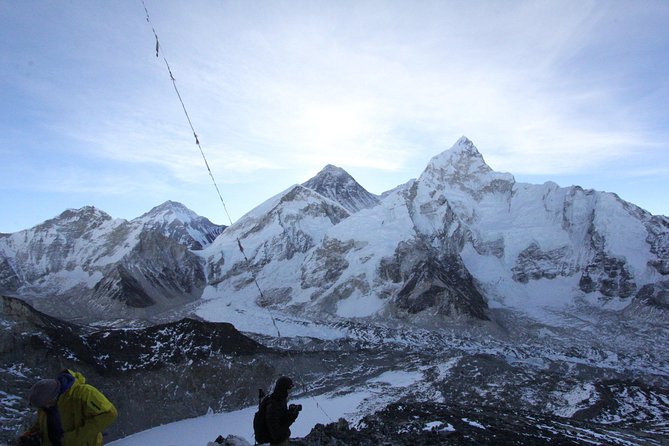
- Kala Patthar is the visual high point: At 5,555 meters, it offers the major mountain panorama of the trip.
- The price covers most trek costs: At $2,200, you receive flights, permits, guides, porters, lodging, meals, water, and gear.
- You walk with a small group: The maximum group size is 15, which keeps the trip more manageable on narrow trails.
- Weather can rewrite the plan: The operator has changed timing and route choices during snowstorms, and poor weather can cancel flights or the activity itself.
Why the Gokyo route is worth the extra effort
The usual Everest Base Camp route is already a major undertaking. This version adds Gokyo and Cho La, creating a loop through some of the Everest region’s finest scenery.
You follow the Dudh Koshi River toward its source at the Gokyo Lakes, then cross west to east over Cho La. After that, you join the route toward Lobuche, Everest Base Camp, and Kala Patthar. The result is a fuller mountain journey, not just a walk to one famous signpost.
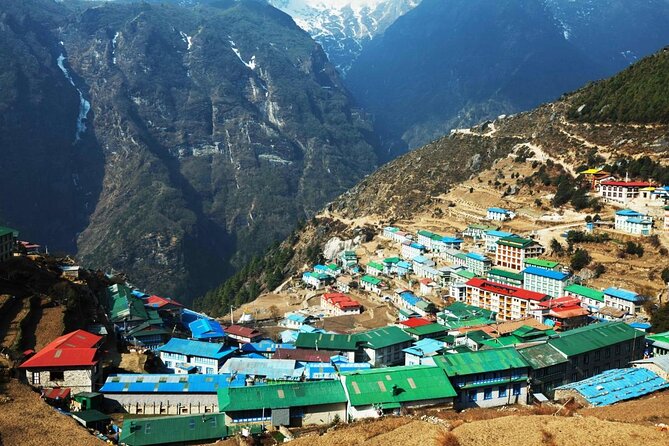
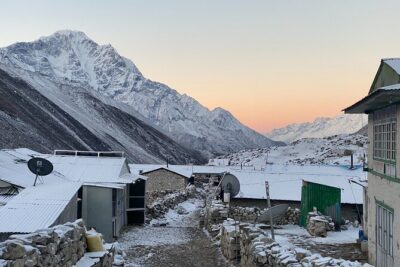
I like the change of mood along the way. Namche Bazaar feels like a mountain town with shops, lodges, and a busy trail culture. Gokyo feels more remote. Thangnag is even simpler, with dormitory-style lodging because of its isolation. Then the route becomes glacial and stark around Lobuche and Base Camp.
That variety comes at a cost. You spend more days at high altitude, and the pass adds a real technical and physical challenge. If you want the easiest possible route to Everest Base Camp, this is not it. If you want a broader trek with a stronger sense of distance and effort, the extra work pays off.
More Everest Base Camp Treks in Kathmandu:
- Everest Base Camp Trek – 14 Days
★ 5.0 · 1,499 reviews - Everest Base Camp Trek
★ 5.0 · 842 reviews - Everest Base Camp Helicopter Tour landing at Everest View Hotel
★ 5.0 · 668 reviews
Days 1 to 4: Kathmandu, Lukla, Phakding, and Namche
Your trip begins with an airport pickup at Tribhuvan International Airport in Kathmandu. An Ace the Himalaya representative meets you outside the terminal and transfers you to your hotel. Two nights in Kathmandu are included in a three-star hotel, one at the beginning and one at the end.
The next morning starts early with a roughly 35-minute flight to Lukla. The small Tenzing and Hillary Airport sits at 2,804 meters, and the flight is one of the key pieces of the trek. It saves days of overland travel and places you close to the trail, but mountain weather can disrupt the schedule.
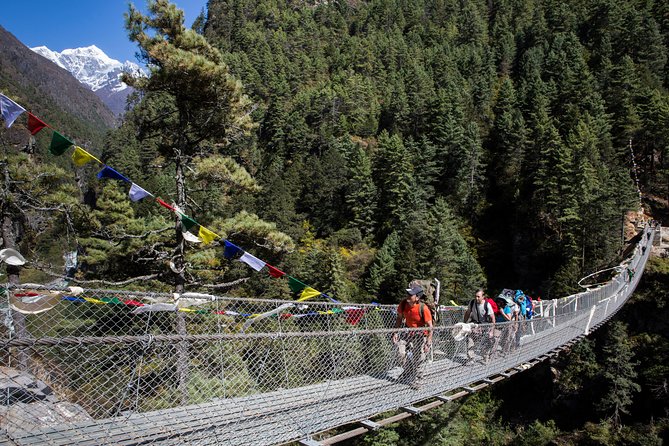
From Lukla, you walk to Phakding. The route follows the Dudh Koshi, crossing suspension bridges hung with prayer flags. This first day helps you settle into the rhythm of walking, eating, and sleeping at altitude.
The following day takes you toward Namche Bazaar. You enter Sagarmatha National Park and climb more steeply as the trail works toward town. Namche is at the center of trekking life in the region, and it is the right place to pause before the high route begins.
Day four is set aside for acclimatization. You take a shorter hike to a museum focused on Sherpa customs and local life. This is not a wasted rest day. It gives your body time to adjust and helps reduce the risk of moving too fast into thinner air.
Days 5 to 7: Phortse, Machhermo, and Gokyo Lakes
Leaving Namche, the trail climbs through rhododendron forest. As you gain height, juniper and large conifers replace much of the lower vegetation. In spring, the forest can make this section especially appealing, though the trip is still governed by altitude rather than flowers or easy walking.
You pass Yak Kharka before reaching Phortse. The village is a useful stop between the busier lower route and the more remote Gokyo valley. The walking day is long, and the trail climbs and falls enough to test your legs.
The next section leads toward Machhermo. You climb a ridge with views back toward Kengtega and ahead toward Cho Oyu. The route then drops to a river before climbing again toward the terminal moraine of the Ngozumpa Glacier.
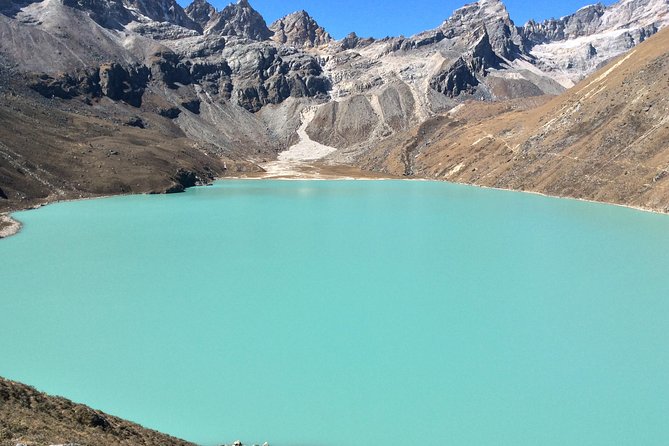
By day seven, you reach Gokyo at 4,790 meters. This is one of the main rewards of the trip. The village sits beside the famous Gokyo Lakes, with high peaks and glacier country surrounding it.
You stay two nights in Gokyo, which gives you time for a major viewpoint hike instead of rushing straight onward. This is also one of the places where the circuit feels different from a standard Base Camp trek. You are not simply passing through on the way to Everest. Gokyo gets the attention it deserves.
Day 8: Gokyo Ri at 5,483 meters
The climb to Gokyo Ri begins early and rises steeply. At 5,483 meters, it is a serious ascent, especially after several days of trekking. The route is short in distance compared with a full transfer day, but the altitude makes every step count.
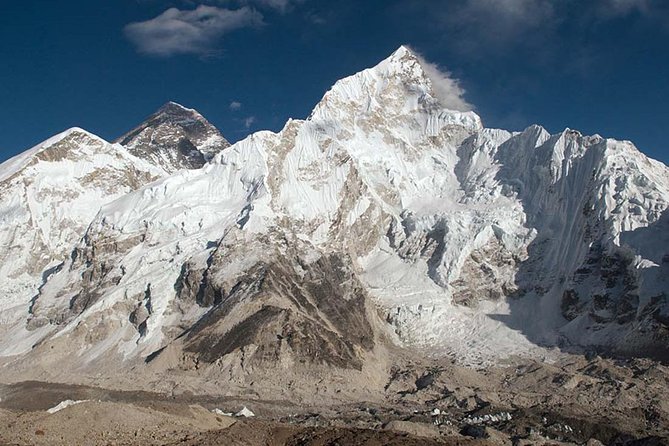
The reward is a broad view over the Gokyo valley, the lakes, Cho Oyu, Everest, and Makalu. I would treat this as one of the most important viewpoints on the whole trek. You see several major Himalayan peaks at once, and the high position helps you understand the route ahead.
Do not mistake the short listed duration for an easy morning. At this altitude, you may move slowly, stop often, and need to turn around if you feel unwell. Your guide should help you judge the pace and conditions.
A few more treks around Kathmandu worth a look
- Everest Base Camp Trekking
★ 5.0 · 485 reviews - Annapurna Circuit Trek with Tilicho Lake
★ 5.0 · 368 reviews - Everest Base Camp Trekking – 13 Day
★ 5.0 · 365 reviews - Everest Base Camp Trek
★ 5.0 · 350 reviews
Days 9 to 11: Thangnag, Cho La, and Lobuche
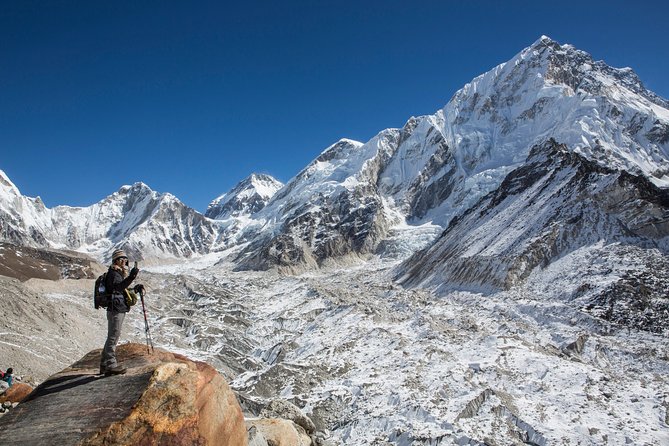
After Gokyo, you walk to Thangnag, a small and remote settlement near Cho La. Accommodation here is basic and dormitory-style. Attached bathrooms and comfortable rooms should not be expected at this stage of the route.
The next morning begins around 4:00 or 5:00 am. This early start is practical, not dramatic. The aim is to reach Cho La around 9:00 or 10:00 am, before afternoon weather becomes less reliable.
Cho La rises to roughly 5,300 meters. Snow and ice may affect the crossing, depending on the season and conditions. The pass is the hardest part of the trek for many people, and you should be ready for a slow, tiring day. Good boots, warm layers, gloves, and a safe pace matter here.
The trip includes a down jacket and sleeping bag, but you still need your own personal trekking equipment. Travel insurance must cover high-altitude emergency rescue and evacuation. That is not an optional detail for this route.
After Cho La, the trail leads to Lobuche. This is described as a shorter and easier day, which is welcome after the pass. You are now on the approach to Everest Base Camp, but the altitude remains high and recovery still matters.
Days 12 and 13: Everest Base Camp and Kala Patthar
Day twelve is the long walk to Everest Base Camp. You follow the Khumbu Glacier toward Base Camp at 5,365 meters. The trail can feel rough and tiring, and the altitude makes this a difficult day even if the distance does not look extreme on paper.
Base Camp is the emotional target of the trek. During the spring climbing season, you may see expedition activity in the area, although the exact conditions vary. You do not climb Everest, of course. Base Camp is the closest point to the mountain available on this route without mountaineering equipment.
The next morning brings Kala Patthar. At 5,555 meters, it is higher than Base Camp and often more demanding than people expect. The climb is tough, but this is where you get the clearest major views of Everest and the surrounding peaks.
I would not choose between Base Camp and Kala Patthar. They offer different rewards. Base Camp gives you the destination and the glacier setting. Kala Patthar gives you the high viewpoint and the best chance for a wide Everest panorama.
The schedule makes this a demanding pair of days. You should keep your expectations flexible. Weather, fatigue, snow, and altitude can affect how far you go and how long you stay.
Days 14 to 17: Returning through Namche and Lukla
After Base Camp and Kala Patthar, the route turns back toward Namche Bazaar. You pass through Pangboche and Tengboche before reaching Namche in the afternoon.
This descent is easier on breathing but can still be hard on knees and feet. The long downhill sections are not free miles. Trekking poles may be useful, though personal equipment is not included and must be arranged by you.
Day fifteen is the last walking day, from Namche to Lukla. It is a chance to look back at the full circuit, from the first suspension bridges to Gokyo, Cho La, Base Camp, and Kala Patthar.
The return flight to Kathmandu is scheduled for day sixteen. Like the outbound flight, it depends on mountain weather. Once back in Kathmandu, you transfer to your hotel. Day seventeen is departure day, with an airport transfer included.
The extra Kathmandu time at the end is useful if the flight from Lukla shifts. Still, you should not plan an important international connection too tightly after the trek. The provided information does not promise a weather-proof flight schedule.
What the $2,200 price really covers
At $2,200 per person, this is not a budget walk, but the included services add up quickly. You receive airport transfers, two hotel nights in Kathmandu, trekking accommodation, domestic flights, permits, a licensed English-speaking guide, and one porter for every two clients.
The food package covers breakfast for 16 days, lunch for 14 days, and dinner for 14 days. Seasonal fruit is included during the trek, as is filtered trail water using a Katadyn Pocket Water Filter. That water service can reduce the need to buy bottled water along the route.
You also receive a duffel bag, sun hat, down jacket, and sleeping bag. The jacket and sleeping bag must be returned, while the duffel and hat are provided as part of the package.
The price does not cover Kathmandu lunches and dinners, drinks, international airfare, Nepal’s entry visa, personal trekking equipment, insurance, or tips. Tipping for trekking staff and the driver is expected, so you should add that to your real budget.
For me, the value is strongest if you want a managed trip rather than a do-it-yourself trek. The guide, porter setup, flights, permits, meals, and water remove much of the planning burden. The price is less attractive if you already have local contacts, equipment, and experience arranging Himalayan treks on your own.
Guides, porters, and group size
The maximum group size is 15. That is large enough to create a social atmosphere but small enough for a guide to keep track of people on difficult sections.
The staff are a major part of the experience. Recent departures have included guides named Nima, Raj Kumar, Ramesh, Ganesh, and Lakpa Sherpa, along with porters such as Biroj, Haym, and Sonam. Your actual team will vary, but the service includes one porter for every two clients.
The strongest practical pattern is flexibility. Guides have adjusted timing and route choices during heavy snow, blizzards, rain, and flight problems. That matters most at Cho La and on the approach to Base Camp, where a rigid timetable can be unsafe.
You should still ask questions before setting out. Confirm how your luggage will be divided, what personal gear you need, how the group handles altitude symptoms, and what happens if a flight is delayed. Good communication will make the trek easier for everyone.
Who should book this trek?
I would recommend it to a fit hiker who wants more than the standard Everest Base Camp route. You need to be comfortable walking for many hours, sleeping in basic lodges, starting before sunrise, and adjusting plans when conditions change.
It suits people who value mountain scenery, Sherpa culture, Buddhist monasteries, and a route with several major goals. Gokyo Ri, Cho La, Everest Base Camp, and Kala Patthar each give the trek a different purpose.
I would not choose it for a first mountain holiday with no preparation, for anyone unwilling to carry personal equipment, or for anyone needing a fixed daily schedule. The route is physically demanding, and altitude sickness cannot be solved by enthusiasm.
You also need insurance that covers emergency high-altitude rescue and evacuation. The operator requires that coverage, and this is one of those cases where the paperwork protects your holiday and your finances.
Should you book the Gokyo to Everest Base Camp Trek?
Book it if you want the fuller Everest experience and accept the hard work that comes with it. The Gokyo Lakes and Gokyo Ri add beauty, while Cho La adds real adventure. Base Camp and Kala Patthar then provide the famous finish.
Choose a standard Everest Base Camp itinerary instead if you want fewer high passes and a simpler route. For this 17-day circuit, prepare properly, allow extra time around the Lukla flights, budget for tips and drinks, and bring insurance that covers evacuation. With those points handled, the $2,200 package offers a well-supported way to tackle one of Nepal’s great long-distance treks.
FAQ
How long is the Gokyo to Everest Base Camp Trek?
The scheduled trip lasts approximately 17 days, including arrival and departure in Kathmandu, the Lukla flights, the trek, and the return to Kathmandu.
What altitude does the trek reach?
The route reaches about 5,483 meters at Gokyo Ri, 5,300 meters at Cho La, 5,365 meters at Everest Base Camp, and 5,555 meters at Kala Patthar.
Is airport pickup included?
Yes. An airport representative meets you at Tribhuvan International Airport in Kathmandu, and airport transfers are included at the start and end of the trip.
What meals are included?
Breakfast is included for 16 days. Lunch and dinner are included for 14 days each. Lunch and dinner in Kathmandu are not included.
Are flights between Kathmandu and Lukla included?
Yes. The Kathmandu to Lukla and Lukla to Kathmandu airfares are included. Flights depend on mountain weather.
What happens if bad weather cancels the activity?
If poor weather causes the activity to be canceled, you are offered a different date or a full refund. Cancellation by you has separate deadlines, with a full refund available when you cancel at least six full days before the start time.
Just added around Kathmandu
- Everest Base Camp Trek★ 5.0 · 3 reviews
- Everest Base Camp Trek★ 5.0 · 7 reviews
- 15 Days Private Everest Base Camp Trek★ 5.0 · 30 reviews
- Everest Base Camp Trek★ 5.0 · 57 reviews
- 14 Days of Adventure Trekking to Everest Base Camp★ 5.0 · 2 reviews
- 14-Day Everest Base Camp Trek★ 5.0 · 20 reviews
- 14 Days Everest Base Camp Trek★ 5.0 · 4 reviews
- From Kathmandu: Private 14-Day Everest Base Camp Trek★ 5.0 · 20 reviews
Everest Base Camp Treks, compared.
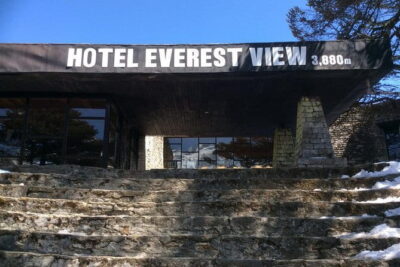
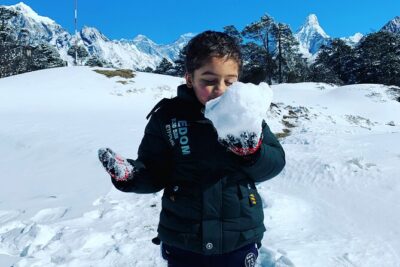
Everest Base Camp Helicopter Tour landing at Everest View Hotel
Read our review →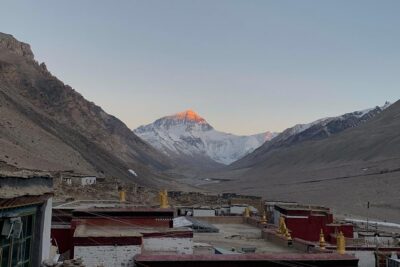
Tibet Tour 8 Days Lhasa to Everest Base Camp Small Group Tour
Read our review →
Dubai: Private Luxury Everest Yacht Cruise from Dubai Marina
Read our review →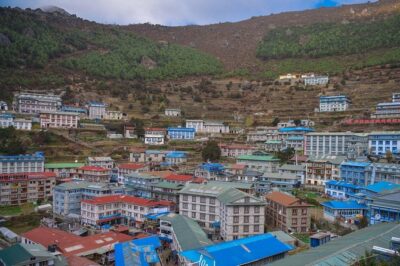
Browse the lists this trek appears in