
Review · KATHMANDU
Everest Base Camp Trekking
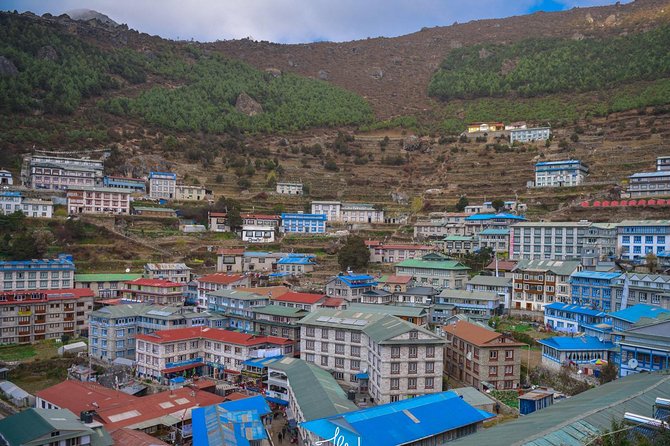
The real prize here is not just reaching Everest Base Camp. It is having the hard planning handled while you walk through Sherpa villages, cross the high Khumbu region, and watch the world’s highest peaks grow larger each day. The route includes Namche Bazaar, Tengboche Monastery, Khumbu Glacier, and the famous Kala Patthar viewpoint.
I like that the $1,350 price covers the pieces that can quickly become costly: tea-house lodging, meals, permits, Lukla flights, a guide, and a porter. I also like the small-group limit of 15, plus a porter ratio of two trekkers to one porter. Guides including Ram Dhakal and Dillip have been singled out for careful support and strong communication.
The catch is that this is a serious high-altitude trek, not a sightseeing stroll. You need strong physical fitness, and the price does not cover personal medical or rescue insurance, Kathmandu lodging, hot showers, Wi-Fi, battery charging, bottled water, or emergency evacuation.
Key details before you book
- 12 days from Kathmandu: The plan includes the trek, domestic flights, and airport pickup and drop-off, with the activity beginning at 6:15 a.m. in Thamel.
- Namche Bazaar and Kala Patthar: You see both a major Sherpa trading town and the classic high viewpoint for Everest.
- Tea-house travel: Eleven nights of basic accommodation are included, giving you a practical place to sleep rather than a polished hotel experience.
- Porter support: One porter is provided for every two trekkers, with porter insurance, food, wages, and lodging included.
- Tengboche and Khumbu Glacier: The route brings together Buddhist culture and the stark ice of the high valley.
- Group size up to 15: Small enough for personal attention, though not necessarily a private trek.
Why this trek works for first-time Everest hikers
Everest Base Camp is famous, but fame does not make the route simple. You are dealing with long walking days, thin air, basic rooms, changing weather, and a flight route that can be affected by mountain conditions. The value of an organized trek is that you do not need to arrange each permit, lodge, porter, meal, and internal flight yourself.
This package is built for people who want a guided route without paying for a luxury expedition. Your guide stays with the group, explains the natural and cultural importance of the route, and helps manage the practical details. That lets you focus on walking steadily and paying attention to how your body feels.
The English-speaking guide is especially useful in the high villages. You are not simply following a path to a famous sign. You are passing through Sherpa communities and learning about local life as you go. The operator has used guides such as Ram Dhakal and Dillip, both associated with highly praised departures, though you should confirm your assigned guide before booking if that matters to you.
The group cap of 15 is a sensible middle ground. You get the structure and safety of a group, without the feel of a giant procession. The porter arrangement is also practical. With one porter for two trekkers, you can avoid carrying the full load while still keeping the baggage system manageable.
More Everest Base Camp Treks in Kathmandu:
- Everest Base Camp Trek – 14 Days
★ 5.0 · 1,499 reviews - Everest Base Camp Trek
★ 5.0 · 842 reviews - Everest Base Camp Helicopter Tour landing at Everest View Hotel
★ 5.0 · 668 reviews
The early route and the flight to Lukla
The trek starts from Thamel in Kathmandu at 6:15 a.m. Airport pickup and drop-off are included, and the airfare is listed as Kathmandu, or Ramechhap, to Lukla and back. That wording matters. Ask the operator how the transfer between Kathmandu and Ramechhap is handled for your departure, since the flight departure point may not be central Kathmandu.
The Lukla flight is part of the adventure. It is also one of the least predictable parts of the plan. The tour describes the flight as a thrilling experience, but you should think of it as a practical mountain connection rather than a sightseeing flight with a guaranteed schedule. Keep some flexibility in your wider Nepal plans if possible.
Once you arrive in the Everest region, the route begins its steady change from ordinary mountain walking to high-altitude trekking. The path follows the route made famous by Sir Edmund Hillary and Tenzing Norgay Sherpa. That connection gives the walk a sense of place, but the bigger reward is seeing how the trail still functions as a working route for local communities.
Namche Bazaar, the high-altitude market town
Namche Bazaar is one of the most memorable stops on the route. It is known as the gateway to Everest and serves as a high-altitude market town for the surrounding area. You get your first strong sense that this is not just a route built for sightseeing. It is part of daily life in the Khumbu.
I like Namche because it gives the trek a human center. After the quiet of the trail, the town offers a change of pace, with Sherpa culture and mountain commerce in the same place. The stop also helps you understand how supplies, people, and visitors move through this remote region.
The altitude is the main consideration. You may find the walking here more demanding than the distance alone suggests. Follow your guide’s pace, drink enough water, and do not treat a comfortable early day as proof that the higher sections will feel easy.
Sherpa culture and Tengboche Monastery
The trek includes a visit to Tengboche Monastery, where you have the chance to seek blessings from a monk and learn more about the Buddhist traditions of the region. This is one of the route’s most meaningful cultural stops because it gives context to the villages and mountains around you.
I prefer this kind of stop to a quick photo break. A monastery changes the rhythm of the trek. You are asked to slow down, observe, and show respect for a living religious place. The experience is not separate from the mountain journey. It is part of how the local community understands the Khumbu.
The information provided does not promise a specific ceremony or guaranteed meeting at the monastery, so keep your expectations modest. You will have an opportunity to explore the site and seek a blessing, but the exact experience can depend on timing and local conditions.
A few more treks around Kathmandu worth a look
- Everest Base Camp Trekking
★ 5.0 · 485 reviews - Annapurna Circuit Trek with Tilicho Lake
★ 5.0 · 368 reviews - Everest Base Camp Trekking – 13 Day
★ 5.0 · 365 reviews - Everest Base Camp Trek
★ 5.0 · 350 reviews
The high mountain views and Khumbu Glacier
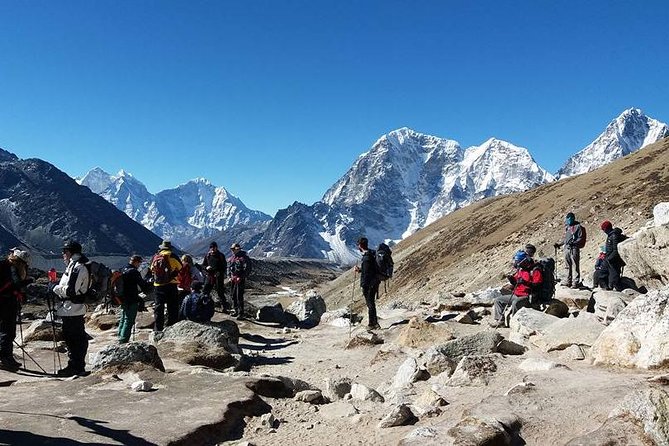
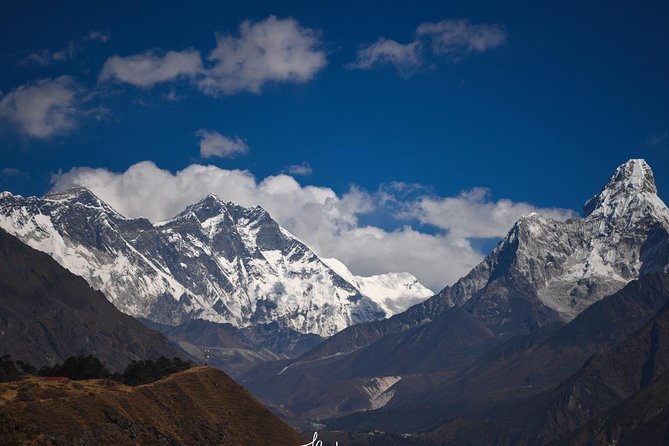
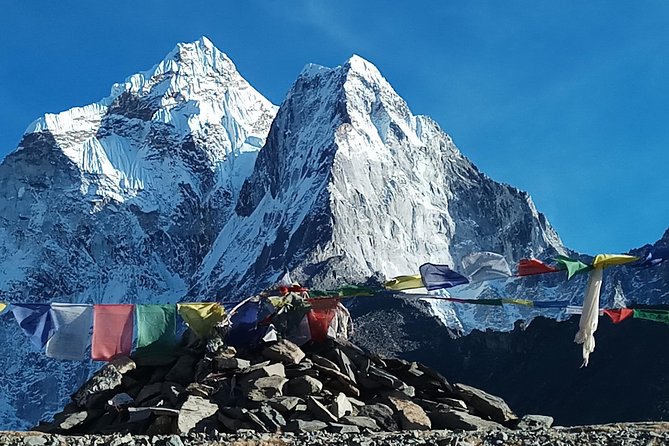
The route is designed around views of peaks above 8,000 meters. You will not see the same mountain scene at every turn, but the steady appearance of enormous peaks is one of the trek’s strongest rewards. The scale changes as you climb. Villages become smaller, the air feels thinner, and the mountains take over more of your attention.
Khumbu Glacier adds a different kind of drama. The glacier is not simply a scenic backdrop. It shows the rough, shifting character of the high valley and helps explain why this route demands care. You should expect a rugged setting rather than a smooth walking path.
A guide adds real value here by pointing out cultural and natural features that you might otherwise pass without understanding. The package specifically promises explanations of the route’s cultural and natural values, not just navigation from one lodge to the next.
Reaching Everest Base Camp
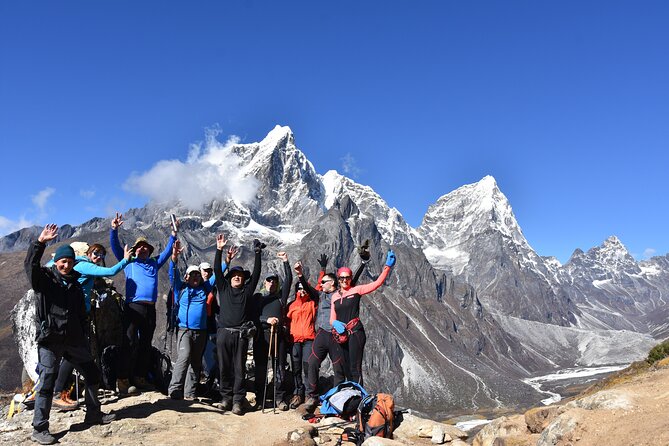
Everest Base Camp is the emotional high point for most people on this trek. The tour allows a visit to the base camp area and lists about five hours for the stop. That gives you time to take in the setting, photograph the famous destination, and appreciate the route you have completed.
It is useful to be clear about what this means. Reaching Base Camp does not mean climbing Mount Everest, and you should not expect to stand on the summit or enter an active climbing expedition. You are visiting the famous staging area at the foot of the mountain.
The base camp itself may not provide the grand, unobstructed view of Everest that many people imagine. That is why Kala Patthar is so important. Base Camp gives you the achievement and the glacier setting. Kala Patthar gives you the classic high mountain panorama.
The listed five-hour stop also reminds you that this is not a quick photo stop. You will want warm clothing, water, and enough energy for the return part of the day. Follow the guide’s timing rather than lingering simply because you have reached the goal.
Kala Patthar and the memorial hill
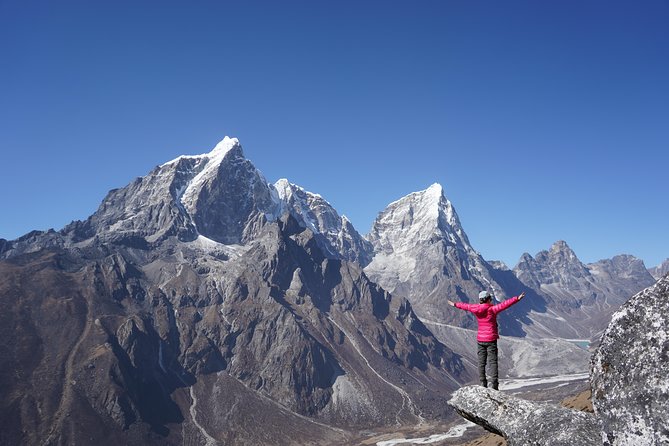
Kala Patthar is the famous viewpoint included on the route. It is valued for close mountain views, including Everest, and it may provide the image you had in mind when you first considered this trek. The viewpoint is one of the strongest reasons to choose a full Everest Base Camp route rather than stopping at the lower villages.
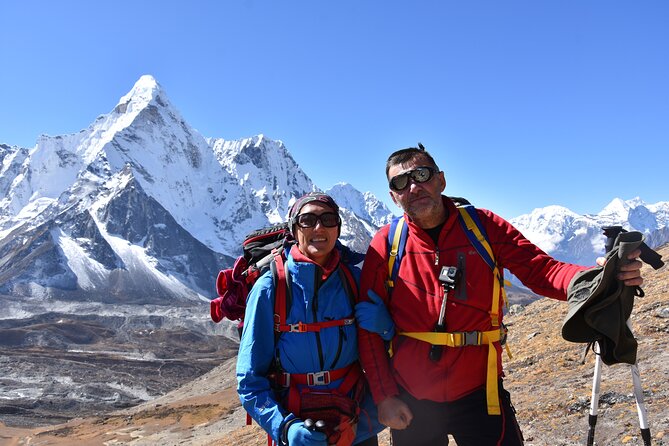
The climb to a viewpoint at this altitude can feel harder than a similar walk at home. You may need to move slowly and take regular pauses. I would judge the experience by the quality of the view and the meaning of the effort, not by speed.
The route also includes a memorial hill for climbers who died in the mountains. This is a sobering stop. It brings the risks of the Himalaya into focus and adds respect to what might otherwise feel like a personal achievement walk. Take time there, but do not treat it as a casual photo opportunity.
What the $1,350 price really covers
At $1,350 per person, the package offers solid value for a guided 12-day trek, provided you understand what is and is not included. You receive 11 nights of basic tea-house accommodation, breakfast, lunch, and dinner during the trek. You also receive national park fees, VDC and TIMS fees, applicable taxes, domestic flights, a guide, a porter, a trekking map for the group, and a trekking certificate.
The guide and porter package is more than a name on the itinerary. Their food, salary, accommodation, and insurance are included. That gives you a clearer picture of where the money goes and avoids some of the surprise costs that can appear on a self-arranged trek.
Sleeping bags, duffel bags, and a down jacket are available on request. Ask for these before departure rather than assuming they will automatically be waiting for you. The provided gear can reduce what you need to pack, but personal trekking equipment remains your responsibility.
The exclusions are important:
- Kathmandu accommodation is not included.
- Meals in Kathmandu are not included.
- Personal medical, accident, and rescue insurance are not included.
- Emergency evacuation costs are not included.
- Hot showers, hot water, Wi-Fi, and battery charging cost extra.
- Bottled water, laundry, telephone use, alcoholic drinks, and tips are personal expenses.
- Personal trekking equipment is your responsibility.
The biggest financial warning is rescue coverage. The package includes insurance for the guide and porters, but not your own medical or helicopter rescue insurance. You should arrange suitable personal coverage before setting out. Without it, a medical emergency could turn a well-priced trek into a major expense.
Tea houses, meals, and daily comfort
Eleven nights in basic tea houses means you are choosing function over comfort. You will have a bed and meals along the route, but you should not expect hotel-style rooms, reliable hot showers, constant electricity, or strong internet access.
That tradeoff is part of the appeal for some people. Tea-house travel keeps you close to the communities along the route and avoids the cost and environmental burden of a fully supported private camp. It also means you need to pack with restraint and patience.
Breakfast, lunch, and dinner are included during the trek. Vegetarian food is available if you request it at booking. Since bottled water is not included, plan for your personal water costs and ask the operator what refill options are available for your departure.
The basics can matter more than the scenery at the end of a long day. Bring personal items that help you sleep, keep warm, and manage minor discomfort. The tour supplies some gear on request, but it does not replace your own preparation.
Who should book this Everest Base Camp trek?
I would recommend this trip to a fit hiker who wants a guided experience and prefers having the major logistics bundled together. It suits solo participants, couples, and small groups who want porter support without arranging a fully private expedition.
It is also a good fit if you want cultural stops along with mountain views. Namche Bazaar and Tengboche Monastery give the route more depth than a simple march toward a famous sign. The guide’s role is useful for understanding both the Sherpa way of life and the natural setting.
I would hesitate to recommend it to anyone looking for luxury, a relaxed walking holiday, or guaranteed flight times. The physical demands are real, and the schedule is not built around comfort. You also need to handle your own personal insurance, Kathmandu lodging, equipment, and extra mountain expenses.
The operator requires a strong level of physical fitness. That is not a throwaway note. You should prepare well before arrival and be honest about how you handle long walks and high altitude. Your guide can support the group, but no guide can remove the physical demands of the route.
Booking details and cancellation
Confirmation is provided at booking, and passport name, passport number, expiry date, and country are required for every participant. The group can include up to 15 people, and the activity starts in Thamel at 6:15 a.m.
You can cancel for a full refund if you do so at least 24 hours before the local start time. Cancellations or changes made inside that 24-hour window are not accepted for a refund. Given the flight and permit arrangements, booking about a month ahead is sensible, and this experience is booked around 33 days in advance on average.
Should you book it?
I would book this trek if I wanted the classic Everest route with the main logistics already arranged, while still accepting basic accommodation and personal responsibility for insurance and equipment. The strongest value comes from the combination of flights, meals, permits, guides, porters, and tea houses in one price.
I would not book it simply because the price looks low. Add Kathmandu lodging, rescue insurance, personal gear, showers, charging, water, tips, and possible flight-related changes to your budget. If you prepare for those extras and arrive fit, this is a practical way to reach Base Camp, see Everest from Kala Patthar, visit Tengboche, and experience the Sherpa heartland with steady support.
FAQ
How long is the Everest Base Camp trek?
The experience lasts approximately 12 days and includes 11 nights of basic tea-house accommodation during the trek.
What is included in the price?
The price includes tea-house accommodation during the trek, breakfast, lunch, dinner, Kathmandu or Ramechhap to Lukla flights and return, a licensed English-speaking guide, porter support, guide and porter expenses, permits and applicable fees, a group trekking map, a trekking certificate, and domestic airport pickup and drop-off.
Are meals in Kathmandu included?
No. Breakfast, lunch, and dinner in Kathmandu are not included. Meals during the trek are included.
Is personal insurance included?
No. Personal medical, accident, and rescue insurance are excluded. Emergency evacuation expenses are also excluded, so you should arrange suitable personal coverage before departure.
Is a vegetarian option available?
Yes. A vegetarian option is available, but you should request it when booking.
Where does the trek start?
The meeting point is in Thamel, Kathmandu, and the stated start time is 6:15 a.m. The activity ends back at the meeting point.
Just added around Kathmandu
- Everest Base Camp Trek★ 5.0 · 3 reviews
- Everest Base Camp Trek★ 5.0 · 7 reviews
- 15 Days Private Everest Base Camp Trek★ 5.0 · 30 reviews
- 14 Days of Adventure Trekking to Everest Base Camp★ 5.0 · 2 reviews
- 14-Day Everest Base Camp Trek★ 5.0 · 20 reviews
- Everest Base Camp Trek★ 5.0 · 57 reviews
- From Kathmandu: Private 14-Day Everest Base Camp Trek★ 5.0 · 20 reviews
- 14 Days Everest Base Camp Trek★ 5.0 · 4 reviews
Everest Base Camp Treks, compared.
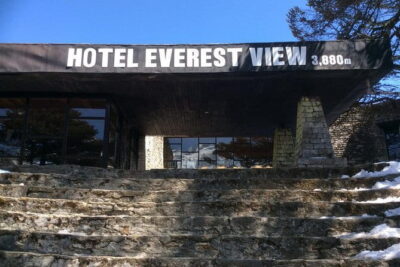
Everest Base Camp Helicopter Tour landing at Everest View Hotel
Read our review →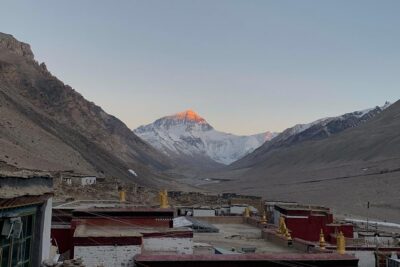
Tibet Tour 8 Days Lhasa to Everest Base Camp Small Group Tour
Read our review →
Dubai: Private Luxury Everest Yacht Cruise from Dubai Marina
Read our review →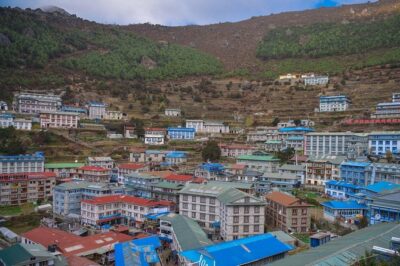
Browse the lists this trek appears in