
Review · KATHMANDU
Everest Base Camp Trek with Chopper Return to Lukla
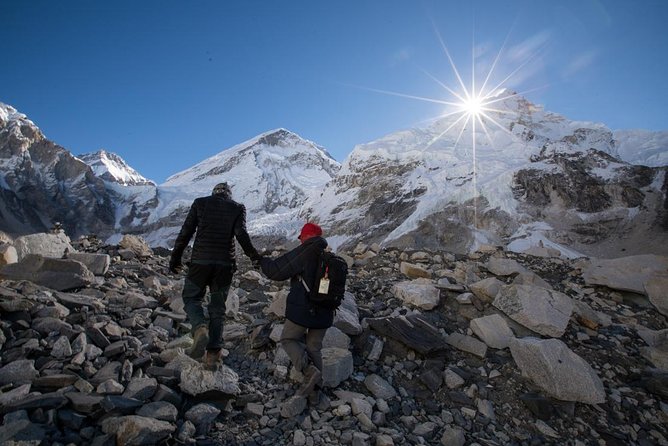
The big draw here is simple: you walk to Everest Base Camp, then avoid retracing the entire route by taking a helicopter from Gorekshep to Lukla. That saves time, reduces the strain of a return trek, and gives you a dramatic final look at the high Himalaya.
I like the practical package, which includes flights, meals, guesthouses, a licensed English-speaking guide, shared porter support, and a sleeping bag. I also like the human side of it. Guides named KB and Raj have been singled out for their care, while the porters have earned praise for their good humor and hard work. The main concern is the pace: nine days at high altitude is demanding, and weather can disrupt both the Lukla flights and helicopter return.
Key points to know before booking
- A fast Everest Base Camp plan: The nine-day schedule is designed for people who want the famous trek without walking back to Lukla.
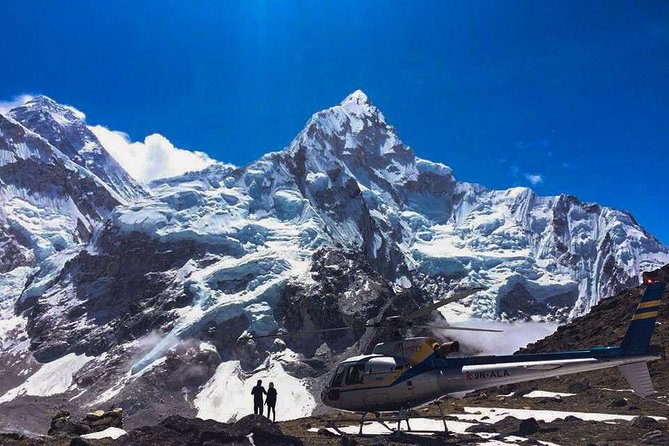
- Helicopter return from Gorekshep: Your return flight begins after the high-altitude section, subject to weather and operating conditions.
- Lukla flight included: Domestic air travel between Kathmandu and Lukla is part of the package.
- Shared porter arrangement: One porter is shared between two people, so pack with care and keep personal essentials in your day bag.
- Small group format: The maximum group size is 15, large enough for support but still manageable on the trail.
- A demanding mountain trip: Moderate physical fitness is required, and cold temperatures, strong winds, bridges, and altitude all add difficulty.
What this Everest Base Camp trip is really offering
At $2,000 per person, this is not a simple walk with a guide. You are paying for a tightly packed Himalayan journey with transport, food, accommodation, equipment support, and a helicopter transfer built into the price.
That package matters in Nepal. Flights to Lukla can be complicated to arrange, and the helicopter ride from Gorekshep is a major cost on its own. Add the guide, porter, guesthouses, meals, sleeping bag, duffel bag, map, airport transfers, farewell dinner, and emergency helicopter standby, and the price becomes easier to understand.
Still, value depends on what you want. If you are looking for a slow, flexible trek with extra rest days, this plan may feel rushed. If you have limited time and want to reach Everest Base Camp without walking the entire return route, it is a sensible format.
The trip begins and ends at the Kathmandu meeting point. Hotel pickup is offered, with the airport roughly 20 minutes from Thamel by car, depending on traffic. The listed start time is 6:00 am, so expect an early morning and have your bags ready the night before.
More Everest Base Camp Treks in Kathmandu:
- Everest Base Camp Trek – 14 Days
★ 5.0 · 1,499 reviews - Everest Base Camp Trek
★ 5.0 · 842 reviews - Everest Base Camp Helicopter Tour landing at Everest View Hotel
★ 5.0 · 668 reviews
Flying from Kathmandu to Lukla
The first major step is the flight from Kathmandu to Lukla, the usual gateway for the Everest region. After checking out, you fly to Lukla and have breakfast there before setting off on foot.
The flight is more than a transfer. It shifts you quickly from city streets to a mountain trail, with little time to adjust mentally to the change. That speed is convenient, but it also means the trek begins almost at once. You should arrive rested and ready to walk.
Lukla is the place to check your day bag, adjust your boots, and listen carefully to your guide. Keep water, warm layers, rain protection, medication, documents, and valuables with you rather than in the duffel carried by a porter.
Flight schedules in the Himalaya can change because of weather. The package includes Kathmandu to Lukla and the return flight from Lukla to Kathmandu, but the exact timing is not something you should treat as fixed. Leave room in your wider Nepal plans if you have an international flight or another tour immediately afterward.
The first walk beside the Dudh Koshi River
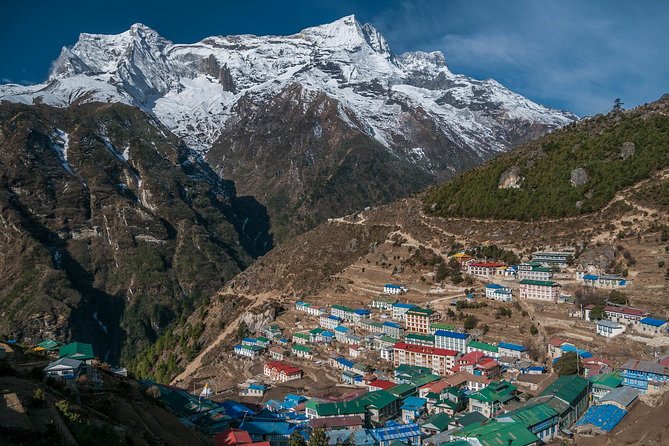
After breakfast in Lukla, the route follows the Dudh Koshi River toward Phakding. This opening walk takes about three to four hours.
It is a useful introduction to the rhythm of the trek. You begin with a shorter day rather than being thrown straight into a long mountain march. The river, changing air, and first suspension bridges help you settle into the route, while the guide sets the walking pace for the days ahead.
The bridges are part of the appeal, but they also make the trail feel adventurous from the start. Wind can add bite to the air, and cold temperatures become more noticeable as you gain height. Wear layers you can remove or add easily instead of relying on one heavy jacket.
Phakding is your first guesthouse stop. The accommodation is basic mountain lodging, not a hotel with city-style comforts. Guesthouse stays are valuable because they keep you close to the trail and local communities, but you should expect simple rooms and shared facilities rather than privacy and luxury.
The high-altitude route to Everest Base Camp
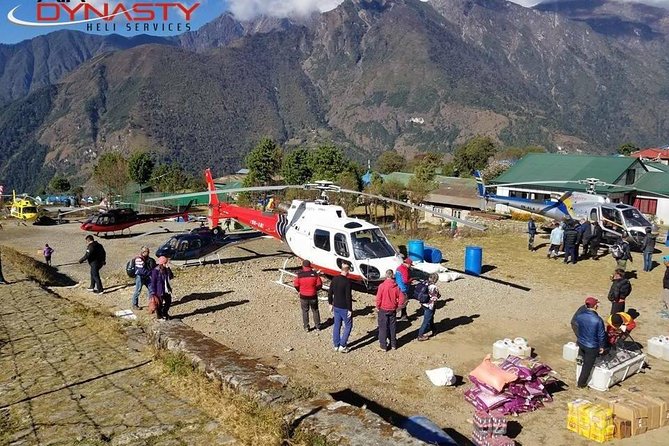
The supplied schedule highlights the Lukla to Phakding section, but the purpose of the trip is the continued trek toward Everest Base Camp. The package describes the route as a challenging Himalayan walk with suspension bridges, cold weather, strong winds, and exposure to Sherpa culture and daily mountain life.
That combination is what makes the trip more than a viewpoint visit. You move on foot through the region, staying in local guesthouses and eating meals along the route. The pace gives you time to notice practical details that disappear when you travel only by vehicle or helicopter.
You should also take the physical demands seriously. The operator asks for moderate fitness, but the cold, wind, high altitude, uneven trail, and repeated walking days can make this feel harder than a normal hiking holiday. You need to be comfortable walking for several hours and managing your own layers, water, and personal items.
A guide is especially useful here. A licensed English-speaking guide handles route decisions, keeps the group together, and helps communicate at guesthouses and along the trail. The trip has included guides named KB and Raj on previous departures. If having one of them matters to you, ask the operator before booking rather than assuming a specific guide is guaranteed.
A few more treks around Kathmandu worth a look
- Everest Base Camp Trekking
★ 5.0 · 485 reviews - Annapurna Circuit Trek with Tilicho Lake
★ 5.0 · 368 reviews - Everest Base Camp Trekking – 13 Day
★ 5.0 · 365 reviews - Everest Base Camp Trek
★ 5.0 · 350 reviews
Porters, duffel bags, and what you carry
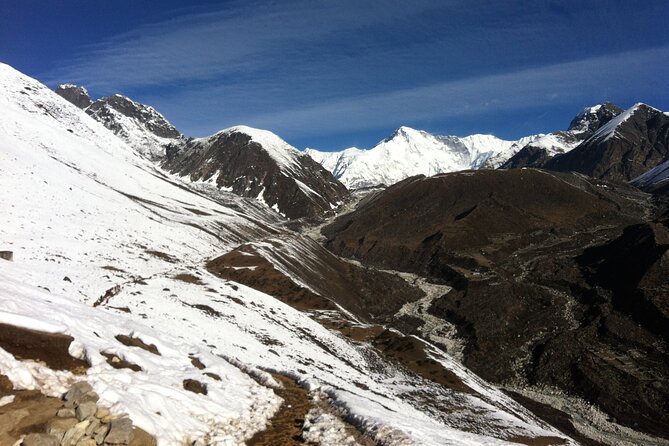
One porter is shared between two people. This can make the trek much easier, but it does not mean you can bring everything from home.
The package includes a duffel bag, and the porter carries the shared load. You should keep your day-to-day needs in your own small pack, including warm clothing, water, personal medication, snacks if you use them, a phone, passport, and anything you may need during the day.
The arrangement also affects packing decisions. If you are traveling alone, confirm how the porter arrangement works and whether you will be paired with another person. Personal porters and extra porter service are not included, and extra porters are listed among the personal expenses.
The strongest human praise connected with this trip has gone to the guides and porters. That is important. On a demanding trek, a calm guide and hardworking porter can affect your comfort more than a polished brochure or a fancy room.
Guesthouses and meals on the trail
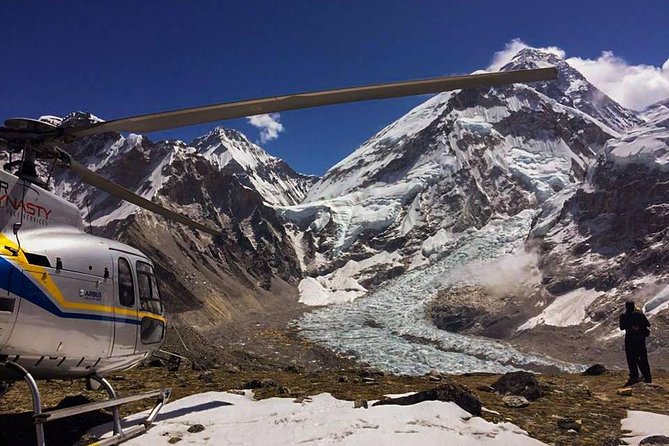
All meals during the trek are included, along with guesthouse accommodation. Breakfast, lunch, and dinner are covered during the walking portion.
This makes budgeting easier. You will not need to pay separately for each main meal, although drinks, alcohol, and personal purchases are excluded. Kathmandu meals are also not included, so plan for food and accommodation in the capital before and after the trek.
Guesthouse food is about fuel and convenience. You should not book this trip expecting a restaurant-focused holiday. The real benefit is having meals arranged after a long day, without needing to search for a place to eat or negotiate each stop.
Dietary requirements should be provided when you book. That is worth doing early, not after you arrive in Nepal. Drinks are not included, and bar bills, laundry, phone calls, souvenirs, and other personal costs come from your own budget.
Everest Base Camp and the helicopter return
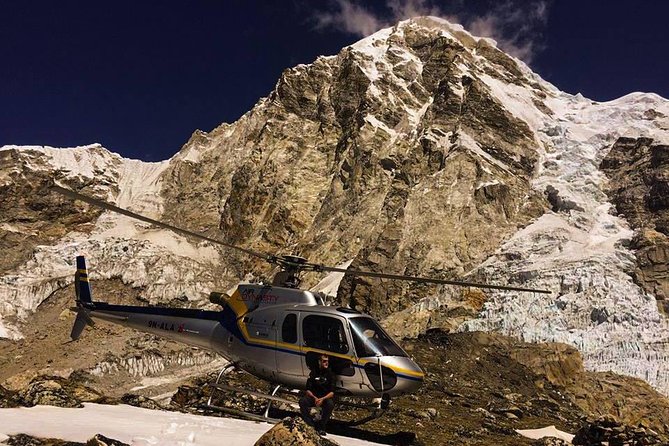
The special feature comes after the high-altitude trek. From Gorekshep, the return to Lukla is by helicopter rather than on foot.
This changes the character of the trip. A traditional return route would require more walking days, while this version gives you a faster exit from the high mountains. It is a strong choice if your time is limited or if the thought of repeating the same trail does not appeal to you.
The helicopter is also a practical safety feature, but you should not treat it as a guaranteed sightseeing flight at a guaranteed time. Weather and mountain conditions can affect operations. The package includes standby helicopter support for emergencies, while the planned Gorekshep to Lukla transfer is also included.
You may find the return flight physically easier than the trek, but it is not a substitute for preparation. Keep your schedule flexible, and do not arrange a tight same-day connection from Lukla without checking the operator’s current flight plans.
What the $2,000 price includes
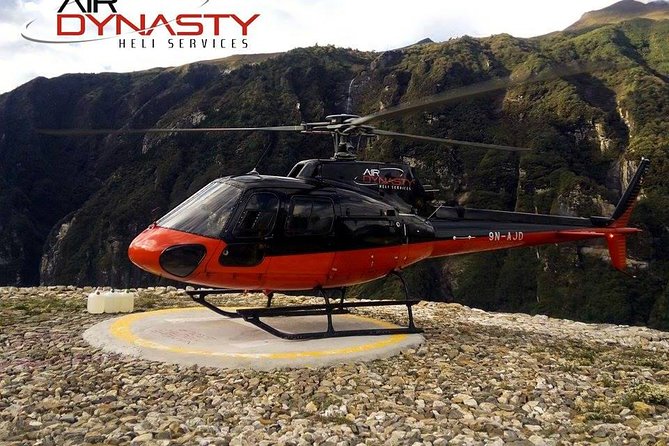
The price is strongest when you use most of the included services. The package covers:
- Hotel pickup and drops
- Pre-trek coffee meeting
- Kathmandu to Lukla and Lukla to Kathmandu domestic flights
- Licensed English-speaking guide
- One shared porter for every two people
- Guesthouse accommodation during the trek
- Breakfast, lunch, and dinner during the trek
- Sleeping bag, duffel bag, and trekking map
- Helicopter from Gorekshep to Lukla
- Emergency helicopter standby
- Farewell dinner
- Trek completion certificate
That is a substantial list. It reduces the number of small arrangements you need to make yourself, which is useful for a first Himalayan trek.
The exclusions still matter. Kathmandu accommodation and meals are not included. Travel insurance is not included, and it should be treated as essential for a high-altitude trip. Alcohol, drinks, laundry, calls, souvenirs, tips, extra porters, excess baggage, and optional sightseeing all cost extra.
Also confirm the payment conditions before arrival. One past account associated with this departure raised a concern about an additional 4 percent card charge. That may depend on the booking method, but it is worth asking directly so the final price does not surprise you.
Group size, age, and practical suitability
The maximum group size is 15 people. That is not a private trek, but it is small enough for a guide to keep a reasonable eye on the group. Your experience will still depend on the mix of walking speeds and fitness levels.
The minimum age is 10. The activity is not recommended for children under four, and the operator asks participants to have moderate physical fitness. Those age limits do not remove the need for adult judgment. A younger participant must still be ready for cold, wind, long walking days, bridges, and basic guesthouse accommodation.
Service animals are allowed, and the minimum drinking age is listed as 16. Passport name, passport number, expiry date, and country are required for every participant at booking.
Pickup is offered, and the meeting point is in Kathmandu 44600, Nepal. The activity ends back at the meeting point. Confirm the exact pickup address and time with the operator before departure, especially if your hotel is outside the central area.
Who should book this trek
I would consider this trip if you want the Everest Base Camp achievement but have only about nine days. The helicopter return removes several walking days and gives you a more efficient route.
It also suits people who prefer having the key logistics bundled together. Flights, meals, guesthouses, guide service, porter support, equipment, and the high-altitude return are all arranged in one booking.
I would be more cautious if you dislike early starts, basic lodging, uncertain flight times, or physically demanding routes. The word quickest should not be confused with easy. You still have to walk to Everest Base Camp, handle cold and wind, and spend time at altitude.
You should also think carefully about insurance and schedule flexibility. Insurance is not included, and the mountain transport arrangements can change. A little spare time before your international departure is a smart safeguard.
Should you book the Everest Base Camp trek with helicopter return?
Book it if your priority is reaching Everest Base Camp while avoiding the full trek back to Lukla. The package offers strong practical value, especially because the helicopter, domestic flights, guide, porter support, meals, and guesthouses are included.
Before paying, confirm the exact day-by-day walking plan, the guide assigned to your group, card charges, baggage limits, flight arrangements, and what happens if weather delays the helicopter. Ask about dietary needs at the same time.
This is a demanding but efficient Himalayan trip. The guides and porters appear to be its strongest feature, while the compressed schedule and weather risk deserve respect. For a fit person with limited time, it can be a smart way to experience Everest Base Camp. For a slower, more flexible mountain holiday, choose a longer trek instead.
FAQ
How long does the Everest Base Camp trek with helicopter return take?
The activity lasts approximately nine days.
Where does the tour start and finish?
It starts in Kathmandu at the listed meeting point in Kathmandu 44600, Nepal, and ends back at the meeting point.
What time does the activity begin?
The listed start time is 6:00 am.
Is hotel pickup available?
Yes. Hotel pickup and drop-off are included, and the airport is about 20 minutes from Thamel by car.
Are flights between Kathmandu and Lukla included?
Yes. Domestic flights from Kathmandu to Lukla and from Lukla to Kathmandu are included.
Where does the helicopter return begin?
The planned helicopter transfer begins at Gorekshep and goes to Lukla.
Are meals included?
Breakfast, lunch, and dinner are included during the trek. Meals in Kathmandu are not included, and drinks and alcoholic beverages cost extra.
What type of accommodation is provided?
Guesthouse accommodation is provided during the trek. Accommodation in Kathmandu is not included.
What is the minimum age and group size?
The minimum age is 10, and the activity can have a maximum of 15 participants.
Just added around Kathmandu
- Everest Base Camp Trek★ 5.0 · 3 reviews
- Everest Base Camp Trek★ 5.0 · 7 reviews
- 15 Days Private Everest Base Camp Trek★ 5.0 · 30 reviews
- Everest Base Camp Trek★ 5.0 · 57 reviews
- 14 Days of Adventure Trekking to Everest Base Camp★ 5.0 · 2 reviews
- 14-Day Everest Base Camp Trek★ 5.0 · 20 reviews
- From Kathmandu: Private 14-Day Everest Base Camp Trek★ 5.0 · 20 reviews
- 14 Days Everest Base Camp Trek★ 5.0 · 4 reviews
Everest Base Camp Treks, compared.
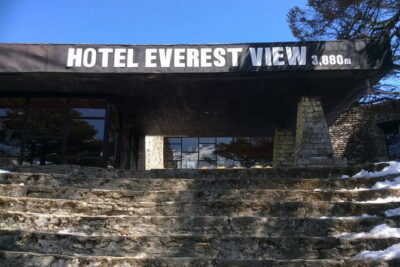
Everest Base Camp Helicopter Tour landing at Everest View Hotel
Read our review →
Tibet Tour 8 Days Lhasa to Everest Base Camp Small Group Tour
Read our review →
Dubai: Private Luxury Everest Yacht Cruise from Dubai Marina
Read our review →
Browse the lists this trek appears in