
Review · KATHMANDU
Everest Base Camp trek in 14 days
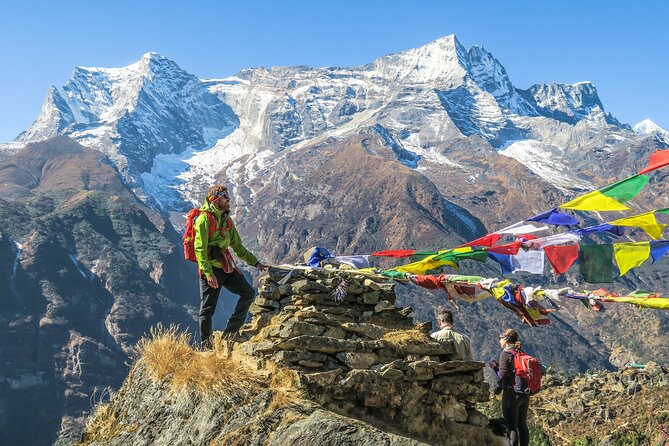
Everest Base Camp is the headline, but the real reward comes on the way there: Sherpa villages, prayer wheels, monasteries, suspension bridges, and huge Himalayan views. I like that this 14-day route allows an acclimatization day in Namche Bazaar, and I like that permits, domestic flights, Kathmandu transfers, and a licensed English-speaking trek leader are included.
The main caution is simple: this is a hard, high-altitude trek, not a sightseeing stroll. Food, drinks, porter service, insurance, and emergency evacuation are extra, and the long days above Dingboche demand steady pacing and a reasonable level of fitness.
Key points before you book
- Reach Everest Base Camp and Kala Patthar: The route includes both the famous expedition base and the 5,450-meter viewpoint above Gorak Shep.
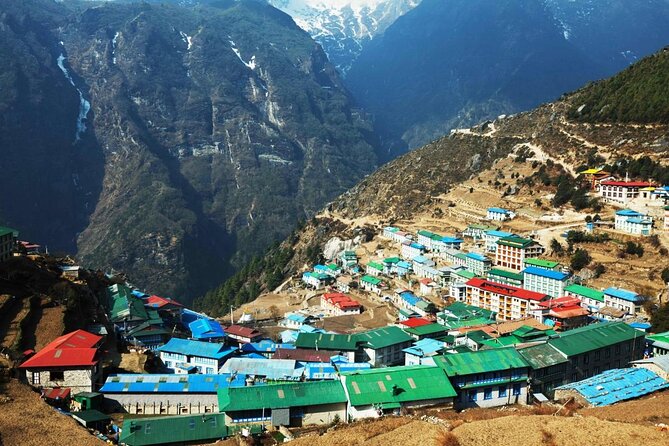
- Acclimatize in Namche Bazaar: A full rest day gives you time to adjust, explore the Sherpa capital, and see Everest, Ama Dablam, and Thamserku.
- Fly into Lukla: The short mountain flight is part of the experience, but weather can change the schedule.
- Sleep in local lodges: Eleven trekking nights are included on a room-only basis, giving you a practical taste of life along the Khumbu route.
- Small group format: The maximum group size is 12, with an experienced, government-licensed trek leader.
- Budget carefully: The $1,450.19 price covers major trip elements, but meals, porters, tips, bottled water, hot showers, and rescue insurance are not included.
What the $1,450.19 Everest trek really gives you
At $1,450.19 per person, this trek is priced as a package rather than a bare guiding service. You get two nights in Kathmandu at Yatri Suites & Spa or a similar four-star hotel, 11 nights in local lodges, permits, TIMS registration, domestic flights between Kathmandu and Lukla, private ground transportation, and a licensed trek leader.
That is a useful bundle. Organizing Lukla flights, national park permits, airport transfers, and lodging on your own can be a nuisance, especially when flight schedules depend on mountain weather. Here, those core arrangements are handled together.
Still, read the inclusions closely. Only two breakfasts are specified in the package. Meals during the trek are not included, and neither are drinks. You pay separately for food, hot water, drinking water, telephone use, laundry, tips, donations, personal purchases, and any room or service upgrades.
Porter service is also excluded. One porter can carry up to 20 kilograms shared between clients, but you need to arrange and pay for that separately if you want it. I would budget for this before arrival rather than treating it as an afterthought.
More Everest Base Camp Treks in Kathmandu:
- Everest Base Camp Trek – 14 Days
★ 5.0 · 1,499 reviews - Everest Base Camp Trek
★ 5.0 · 842 reviews - Everest Base Camp Helicopter Tour landing at Everest View Hotel
★ 5.0 · 668 reviews
Kathmandu arrival and the quiet first day
Your first day begins with an airport welcome from an Asian Heritage Treks and Travels representative. A private vehicle takes you to the hotel, with brief outside views of Pashupatinath Temple, the Narayanhity Royal Palace Museum, and the Garden of Dreams on the way.
This is not a full Kathmandu sightseeing day. Think of it as a soft landing after an international flight, followed by a trip briefing and time to explore nearby areas on your own. The hotel stay includes breakfast, and the operator handles the initial formalities.
The practical value of this day is preparation. You can settle in, meet the local team, confirm your plans, and make sure your passport details and gear are in order before heading into the mountains.
Lukla flight and the start of the Khumbu route
The next stage is the flight from Kathmandu to Lukla. The journey takes about 40 minutes, and the route offers Himalayan views before landing at Lukla airport, the usual starting point for treks in the Everest region.
The arrival is abrupt in the best and hardest sense. You feel the altitude soon after stepping off the aircraft, and Lukla has a compact, mountain-town feel. The schedule allows time to walk around the village, but do not expect a long cultural tour. The point is to get your bearings and begin adjusting to the altitude.
Weather matters here. The return flight from Lukla is scheduled before 10:00 am on Day 13, but flight times can change because of conditions. Keep this in mind when arranging an international flight out of Kathmandu. A little flexibility is wise.
Lukla to Manjo beside the Dudh Koshi
The first serious walking day follows the Dudh Koshi, also called the Milky River. You pass through rhododendron and evergreen oak forest, cross suspension bridges, and walk past Buddhist stupas and prayer features.
The trail reaches the Manjo area after about four hours. This is a useful introduction to the rhythm of the trek: river crossings, gradual gains in height, village stops, and changing vegetation. The snowy peaks begin to feel closer, even though the route still has a long way to go.
The early stages may feel manageable, but avoid racing ahead. The itinerary itself stresses slow and steady progress, and that advice becomes more important each day. Your body needs time to adjust before the route climbs into the thinner air.
A few more treks around Kathmandu worth a look
- Everest Base Camp Trekking
★ 5.0 · 485 reviews - Annapurna Circuit Trek with Tilicho Lake
★ 5.0 · 368 reviews - Everest Base Camp Trekking – 13 Day
★ 5.0 · 365 reviews - Everest Base Camp Trek
★ 5.0 · 350 reviews
Namche Bazaar and the essential acclimatization day
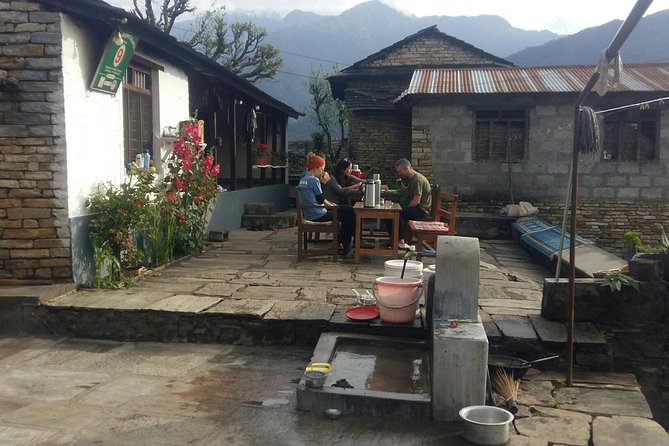
The walk from Manjo toward Namche Bazaar takes about six hours. The trail begins gently, then becomes steeper as you gain altitude. You get an early glimpse of Everest while crossing the Dudh Koshi, but the effort increases on the approach to Namche.
Namche is known as the Sherpa capital, and it is more than an overnight stop. Its position makes it the first major place to pause, rest, and adjust. The following day is reserved for acclimatization, which is one of the strongest features of this schedule.
You can explore the surrounding area, take in views of Everest, Thamserku, and Ama Dablam, and visit the Saturday market if your dates line up. The itinerary also suggests trying salt-butter tea and champa, a barley food associated with Sherpa life. These details matter because Namche gives you a cultural break from the walking and a chance to see how the mountain communities live.
Do not treat this as a wasted day. It is a practical part of reaching Base Camp safely and with more energy. Getting up before sunrise may bring the clearest mountain views, but you can also use the day to sleep, wash clothes, and prepare for the tougher stages ahead.
Tengboche brings monasteries and a hard climb
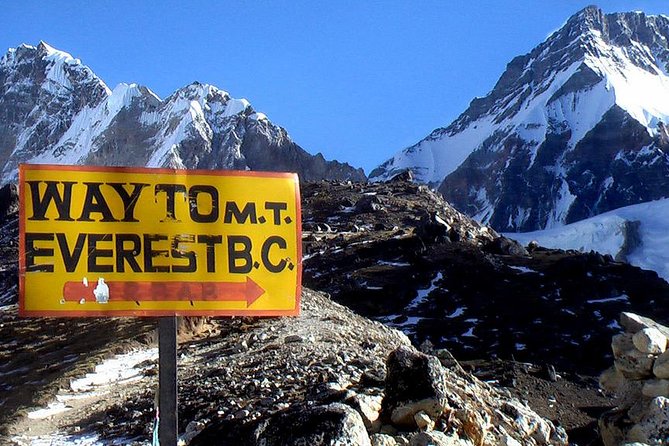
The five-hour route from Namche to Tengboche includes a major gain in height, around 1,200 meters. That makes it one of the more demanding days even though the walking time is shorter than some later stages.
The payoff is the mountain view. You see the Everest range, and Tengboche adds a spiritual dimension through its hilltop monastery setting. The route is not only about collecting dramatic peaks. Buddhist stupas, prayer wheels, and monasteries help explain the culture of the region you are walking through.
You need to pace yourself here. A short day on paper can still feel exhausting when the trail climbs sharply. Take the guide’s advice seriously, drink regularly, and do not mistake enthusiasm for acclimatization.
Dingboche, Ama Dablam, and the upper valley
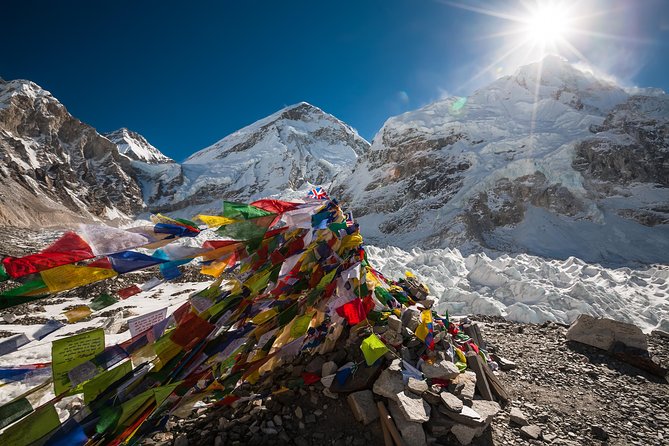
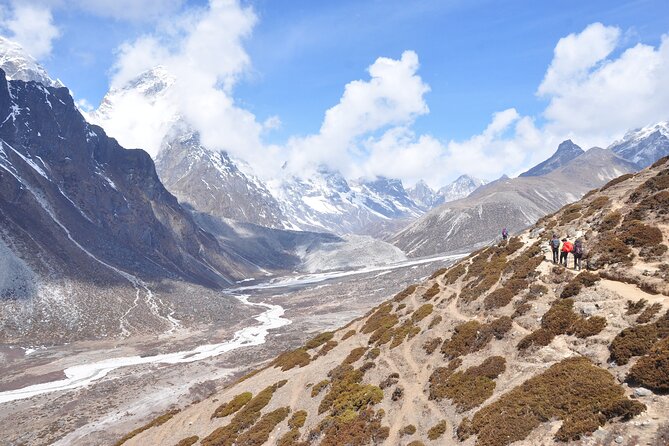
The seven-hour walk from Tengboche to Dingboche follows a beautiful valley with a glacier river below and snow-covered peaks ahead. You pass Pangboche and get memorable views of Ama Dablam, one of the most distinctive mountains on the route.
Dingboche marks a clear change in the trek. The vegetation becomes sparser, the air feels thinner, and the days become more physical. You are now well above the lower villages, so small tasks can take more effort than expected.
The schedule does not identify a separate full acclimatization day in Dingboche. That makes careful pacing especially important. The guide’s job is not simply to lead the line, but to watch how the group is coping and keep the pace sensible.
Lobuche and the memorials at Thukla
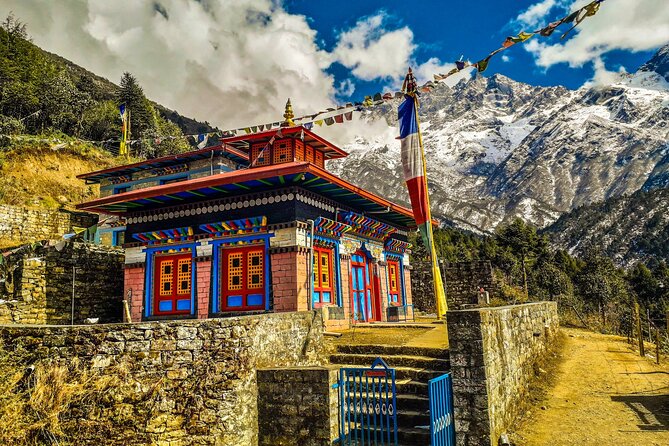
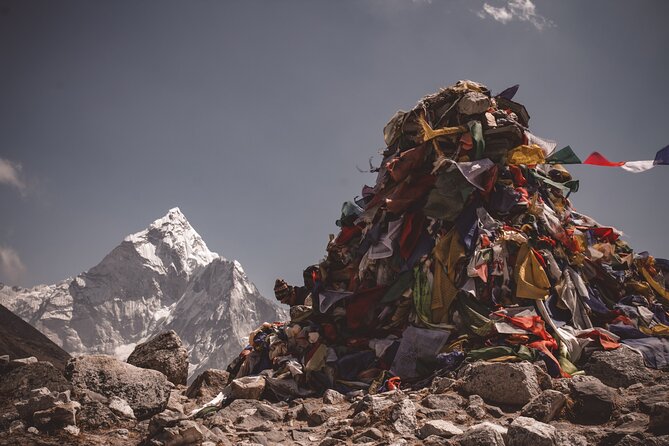
The route from Dingboche to Lobuche takes about seven hours. The section from Thukla up toward the memorial area is described as the hardest part of the full Base Camp trail. The climb is demanding, but the memorials and prayer flags give it real emotional weight.
You pass tributes to mountaineers who died in the Himalayas. This is a place to slow down, look around, and remember that Everest is not just a scenic backdrop or a bucket-list symbol. The mountain has a serious human cost.
Lobuche is one of the highest villages on the route. Accommodation here is basic local lodge lodging, and the cold and altitude can make sleep difficult. That is not a flaw unique to this package. It is part of the setting, but you should know what you are signing up for before booking.
Gorak Shep, Kala Patthar, and Everest Base Camp
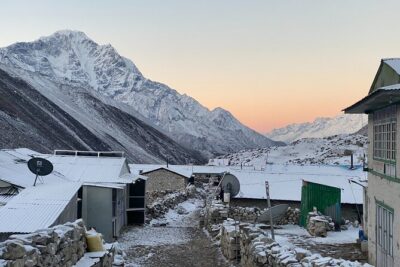
The trail from Lobuche to Gorak Shep takes about six hours. At this height, the route is sparse and may be snow-covered. The surrounding peaks open into broad views, but the walking becomes slower and more tiring.
The plan allows a visit to Kala Patthar on the same day if you still have enough energy, possibly for sunset. The following day includes Kala Patthar at 5,450 meters and a visit to Everest Base Camp before returning to Gorak Shep for the night.
The itinerary headings contain a small inconsistency here: one day is labeled Lobuche while the description sends you to Gorak Shep, and the next day also begins from Gorak Shep. Confirm the exact night-by-night plan with the operator before departure. The overall route is clear, but high-altitude schedules should not be left vague.
Kala Patthar is often the better viewpoint for seeing Everest itself, while Base Camp offers the symbolic satisfaction of reaching the starting point for expeditions. You get both experiences on this trip. The route to Base Camp is not a permanent city of tents year-round, and views can vary with season and conditions, but reaching the site remains the central achievement of the trek.
The long descent through Namche and Lukla
After the high point, the route returns toward Namche Bazaar in about eight hours. You follow the Dudh Koshi, pass water-driven prayer wheels, and walk through pine and cedar forest.
The descent is easier on your lungs but not always on your legs. Long downhill sections can be tiring, especially after several days at altitude. You may also find yourself walking faster than is sensible because the air feels easier. Keep control of your pace.
The return to Lukla takes about six hours the next day. The trail passes Chumoa, Phakding, riverside sections, and more forest before the snowy peaks begin to fade in the distance. That change in scenery signals that the toughest part is behind you.
What the guiding and group setup add
The group maximum is 12 people, which is small enough for a guide to keep track of the group without making the trek feel like a procession. The package provides an experienced, English-speaking, government-licensed trek leader.
Past customers specifically praised guides and staff for careful pacing, organization, and attention to health. Rohit is one guide named in the feedback, while Devi and Nilam handled planning and communication for some bookings. You should not assume you will be assigned Rohit, but these names show the sort of personal service associated with the operator.
The guide also helps with the practical details that become more important at altitude: keeping the group together, setting a manageable pace, and helping you decide when rest is needed. You remain responsible for your own health and insurance, but a strong guide can make a major difference on a route this demanding.
Accommodation, food, and what to budget
The two Kathmandu nights are in a four-star hotel, listed as Yatri Suites & Spa or a similar property, with breakfast. The 11 trekking nights are in local lodges and are room only.
That means you should budget separately for every meal and drink in the Khumbu. Hot water and drinking water cost extra, as can phone service and laundry. Tipping is not included, and neither is emergency rescue evacuation insurance.
The package also excludes international flights and personal expenses. These are easy costs to overlook when the headline price looks attractive. I would compare the full expected budget, not just the tour fee.
A useful packing and planning question is whether you want to carry your own luggage. Porter service is not included, and the stated limit is one porter carrying 20 kilograms shared among clients. Confirm the porter arrangement and cost before you go.
Who this trek suits best
This Everest Base Camp trek suits you if reaching Base Camp is your main goal and you want the standard Khumbu route rather than a longer circuit. It is a good fit for someone who values included permits, flights, transfers, lodging, and a local guide more than a fully custom itinerary.
You need moderate physical fitness and comfort with a large amount of walking. The itinerary includes several six- to eight-hour days, steep climbing, cold conditions, and altitudes up to 5,450 meters.
It is less suitable if you want a relaxed Nepal holiday, private rooms with hotel-style comforts throughout, or a package with meals and porters already folded into the price. It also demands flexibility because Lukla flights can change with weather.
The operator offers free cancellation if you cancel at least 24 hours before the experience start time. Cancellations or changes made later are not accepted for a refund.
Should you book this Everest Base Camp trek?
I would book this trip if you want the classic Everest Base Camp route with the main logistics arranged and a small group capped at 12. The Namche acclimatization day, licensed guide, Kala Patthar visit, and return by the same famous route make it a strong choice for a first Himalayan trek.
I would not book it without first confirming the detailed day-by-day schedule, porter costs, meal expectations, and rescue insurance. If you are fit, patient, and ready for basic lodge conditions, this package offers a direct and memorable way to walk through Sherpa country to the foot of Everest.
FAQ
How long is the Everest Base Camp trek?
The experience lasts approximately 14 days, including arrival and departure days in Kathmandu, the Lukla flights, the trek to Base Camp, and the return journey.
What is included in the $1,450.19 price?
The price includes private land transportation, two Kathmandu hotel nights with breakfast, 11 nights in local lodges, Sagarmatha National Park permits, TIMS and other required permits, Kathmandu to Lukla and Lukla to Kathmandu flights, a licensed English-speaking trek leader, and government and local taxes.
Are meals included during the trek?
No. Food and drinks are not included during the trekking portion. The package specifically includes two breakfasts, while trekking lodge accommodation is provided on a room-only basis.
Is porter service included?
No. Porter service is an additional cost. The stated porter limit is 20 kilograms shared between different clients.
What is the highest point on the itinerary?
Kala Patthar is the highest named point, at 5,450 meters. The itinerary also takes you to Everest Base Camp after reaching the upper Khumbu villages.
How many people can join the group?
The maximum group size is 12 travelers.
Can the Lukla flight schedule change?
Yes. The return flight from Lukla is scheduled before 10:00 am, but flight times can change because of weather conditions.
What fitness level is required?
You should have a moderate level of physical fitness and be comfortable with a large amount of walking. Several trekking days last six to eight hours, with steep climbs and high-altitude conditions.
Just added around Kathmandu
- Everest Base Camp Trek★ 5.0 · 3 reviews
- Everest Base Camp Trek★ 5.0 · 7 reviews
- 15 Days Private Everest Base Camp Trek★ 5.0 · 30 reviews
- Everest Base Camp Trek★ 5.0 · 57 reviews
- 14 Days of Adventure Trekking to Everest Base Camp★ 5.0 · 2 reviews
- 14-Day Everest Base Camp Trek★ 5.0 · 20 reviews
- 14 Days Everest Base Camp Trek★ 5.0 · 4 reviews
- From Kathmandu: Private 14-Day Everest Base Camp Trek★ 5.0 · 20 reviews
Everest Base Camp Treks, compared.
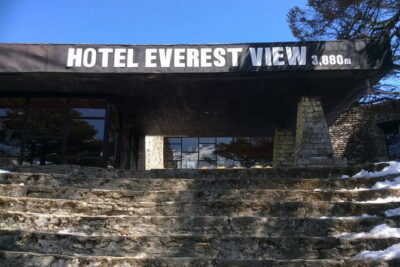
Everest Base Camp Helicopter Tour landing at Everest View Hotel
Read our review →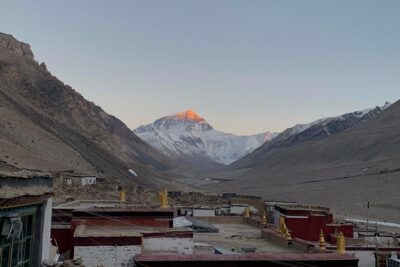
Tibet Tour 8 Days Lhasa to Everest Base Camp Small Group Tour
Read our review →
Dubai: Private Luxury Everest Yacht Cruise from Dubai Marina
Read our review →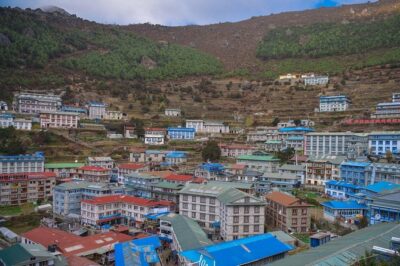
Browse the lists this trek appears in