
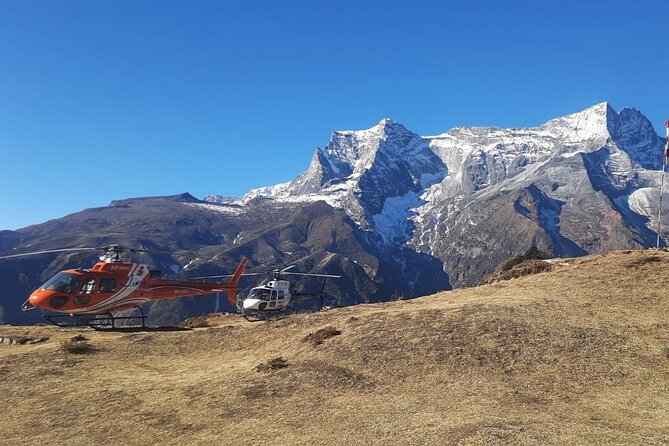
Review · KATHMANDU
Everest Base Camp Trek and Kathmandu Tour: 15 Days
The big draw is simple: you walk toward Everest Base Camp through Sherpa villages, rhododendron woods, suspension bridges, and high mountain valleys, then climb Kala Patthar for one of the finest views of Everest. I like that the trip also gives you two useful acclimatization stops, in Namche Bazaar and Dingboche, rather than treating altitude as an afterthought.
I also like the practical package. Flights to Lukla, a licensed guide, a porter for every two people, meals, permits, airport transfers, and three Kathmandu hotel nights are included. The main catch is the 15-day schedule, which leaves little room for weather delays, and you must bring your own trekking gear and insurance.
Key points at a glance
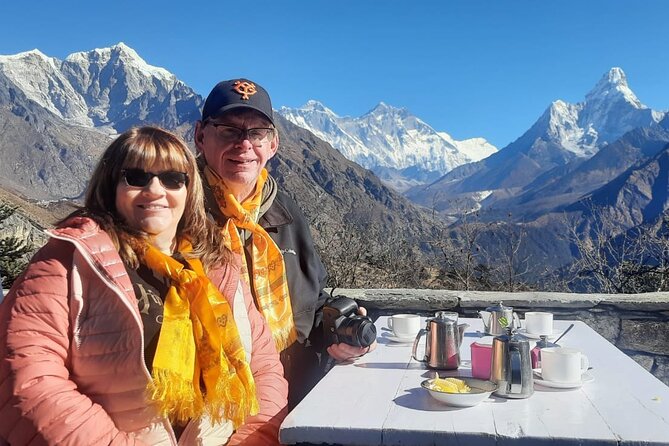
- Kala Patthar at 5,644 meters: The high point is the sunrise or summit walk with views toward Everest, Lingtren, Khumbutse, and Changtse.
- Namche acclimatization day: You spend a full day resting and adjusting before going higher.
- Kathmandu’s four major sights: Swayambhunath, Patan Durbar Square, Pashupatinath, and Boudhanath add culture before the mountain trek.
- Lukla flight included: The short mountain flight is thrilling, but weather can affect the timetable.
- Porter arrangement included: One porter carries the baggage of two people, while you carry your daypack.
- Small maximum group: The group can include up to 15 people, enough for company without becoming a large walking crowd.
What the $1,799 price really covers
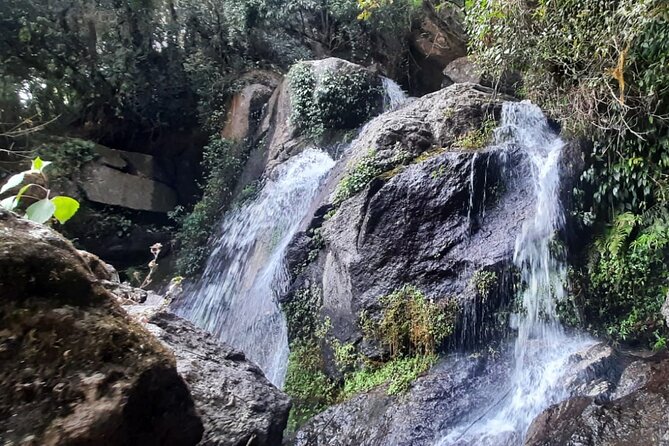
At $1,799 per person, this is not just a walking tour. The cost includes airport arrival and departure, three nights in Kathmandu with breakfast, the Kathmandu sightseeing day, the Everest National Park permit, return flights to Lukla, a licensed trekking guide, porter support, and most meals during the trek.
That package removes several costly pieces you would otherwise need to arrange yourself. A return flight to Lukla, park paperwork, a guide, and porter support are central to the trek, not small extras. The porter ratio is one porter for two people, so you should still pack carefully and keep your personal daypack light.
The meal plan lists 13 breakfasts, 11 lunches, and 11 dinners. Drinks are limited, with one cup of tea a day included, so budget separately for other beverages. Alcohol, additional drinks, trekking equipment, Nepal’s visa, travel insurance, and the entrance fees for Kathmandu’s heritage sites are not included. The stated heritage-site fee is $20 per person.
The price offers good value if you need a guided package and want the transport handled. It is less attractive if you already have gear, local contacts, and experience arranging high-altitude treks yourself. You are paying for organization and support, not luxury. The mountain portion uses the usual basic trekking setup, and the schedule asks you to accept long walking days and simple arrangements.
More Everest Base Camp Treks in Kathmandu:
- Everest Base Camp Trek – 14 Days
★ 5.0 · 1,499 reviews - Everest Base Camp Trek
★ 5.0 · 842 reviews - Everest Base Camp Helicopter Tour landing at Everest View Hotel
★ 5.0 · 668 reviews
Kathmandu begins with four very different sacred places
Day one is deliberately light. After landing at Tribhuvan International Airport, a representative takes you to your hotel. You have time to check in, freshen up, and rest, which is sensible after an international flight.
Day two is a packed cultural circuit. At Swayambhunath, commonly called the Monkey Temple, you visit one of Kathmandu’s best-known Buddhist sites. The hilltop setting and religious activity make this more than a quick photo stop, though one hour gives you only a first look.
Patan Durbar Square follows. Patan is known for fine arts, and the square is filled with temples and monuments. The entrance fee is not included, so keep cash available or confirm the current payment method before departure.
At Pashupatinath, you see a major Hindu temple dedicated to Shiva and the Bagmati River beside it. The open cremation ceremonies on the riverbank can be confronting. Treat the area as a place of worship and mourning, not as a spectacle. The stop lasts about an hour, and the temple entrance fee is also extra.
The final visit is Boudhanath Stupa, a major Buddhist center and one of Nepal’s largest stupas. Together, these four places give you a useful introduction to Kathmandu’s Hindu and Buddhist traditions before you head into the Khumbu region.
The drawback is pace. Four major sites in one day is efficient, but not leisurely. If you want long visits, quiet photography, or time to explore side streets, this itinerary will feel brisk.
Lukla starts the real mountain work
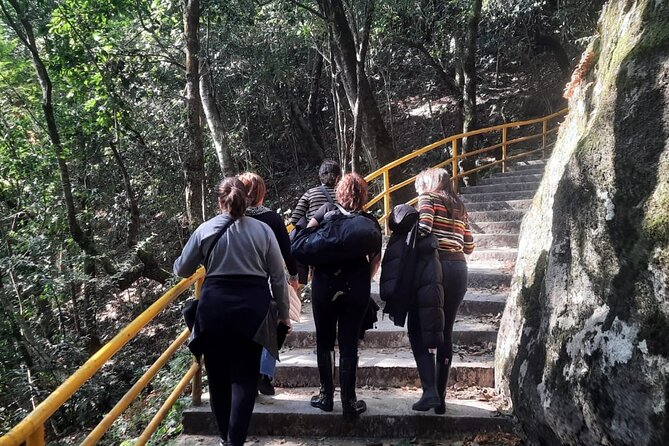
On day three, you fly from Kathmandu or Ramechhap to Lukla, then trek toward Manjo. The flight is only listed as about 30 minutes, but its importance is much greater than its duration. It takes you from the Kathmandu Valley into the trekking route at high elevation and places you directly into the mountain rhythm.
The flight is also the schedule’s weak point. The tour requires good weather, and the plan has limited spare time. If the flight is delayed, day 14’s return flight or your international departure may be affected. Keep your final day flexible if you can, and do not plan an important connection immediately after the advertised return.
From Lukla, the route heads toward Manjo through the lower part of the Khumbu. You begin with a short flight, then a real walking day. The contrast is part of the appeal, but it also means you should not treat day three as a gentle arrival day.
Namche gives you the first real altitude pause
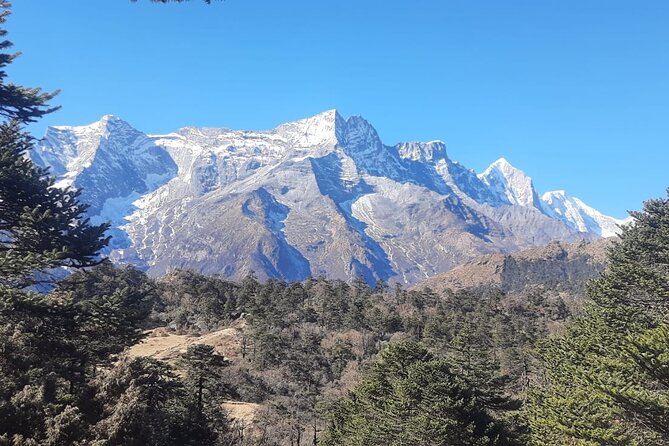
Day four follows the trail from Manjo toward Namche Bazaar. You pass through woods of rhododendron, magnolia, and large fir trees, then cross suspension bridges on the way uphill. The walking time is listed at roughly four hours, though actual time depends on the group and trail conditions.
Namche is set in a large bowl-shaped area and functions as the main settlement on this part of the route. Day five is reserved for acclimatization, with about two hours of activity listed. That rest day is one of the strongest parts of the plan. You need time to adjust before pushing above 4,000 meters.
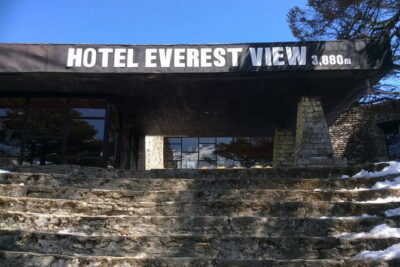
The itinerary points to the Everest View area and Hotel Everest View as highlights of the region. These stops offer a chance to see Everest and the surrounding peaks without waiting until Base Camp. You should still expect the acclimatization day to involve some walking rather than complete inactivity.
Altitude affects everyone differently. The schedule supports adjustment, but it cannot guarantee that you will feel well. Take the rest day seriously, drink as directed by your guide, and tell the guide promptly if you feel unwell.
A few more treks around Kathmandu worth a look
- Everest Base Camp Trekking
★ 5.0 · 485 reviews - Annapurna Circuit Trek with Tilicho Lake
★ 5.0 · 368 reviews - Everest Base Camp Trekking – 13 Day
★ 5.0 · 365 reviews - Everest Base Camp Trek
★ 5.0 · 350 reviews
Tengboche adds a monastery to the mountain route
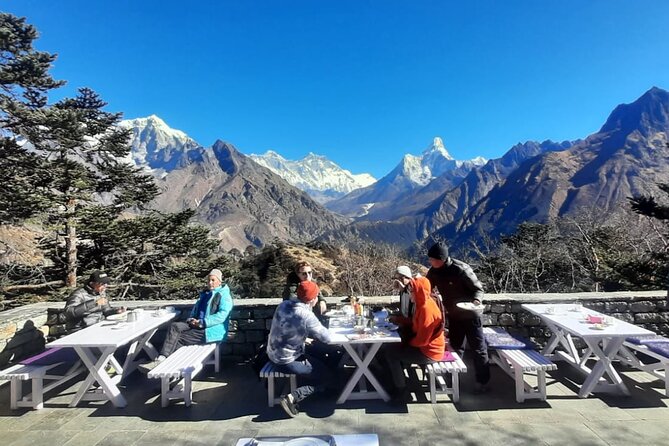
On day six, the trail from Phunki to Tengboche begins easily, then climbs toward the village. The walk lasts about six hours. Tengboche is known for its monastery, described as the largest in the Everest region, and this is one of the trek’s most meaningful cultural stops.
The route is not only about mountain views. The monastery gives you a place to see how Buddhism remains part of daily life in the high valleys. Respect local customs, keep your voice low, and follow any instructions about photography.
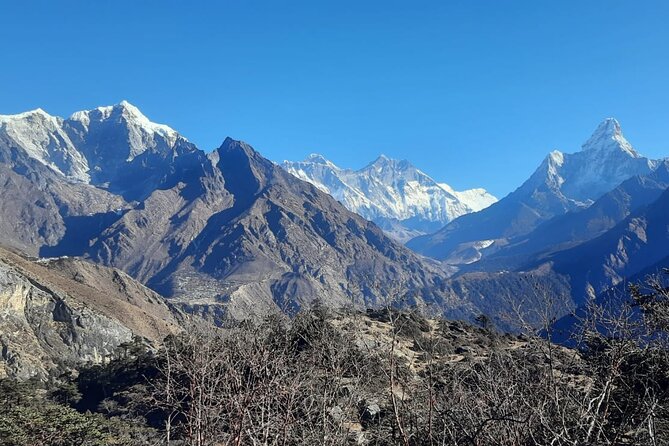
The trail passes through birch and rhododendron woods. Views of Everest, Lhotse, and Ama Dablam become more prominent as you continue. This is a full walking day, but it remains one of the more varied sections because woodland, village life, religious architecture, and large peaks appear close together.
Dingboche and Lobuche mark the harder half
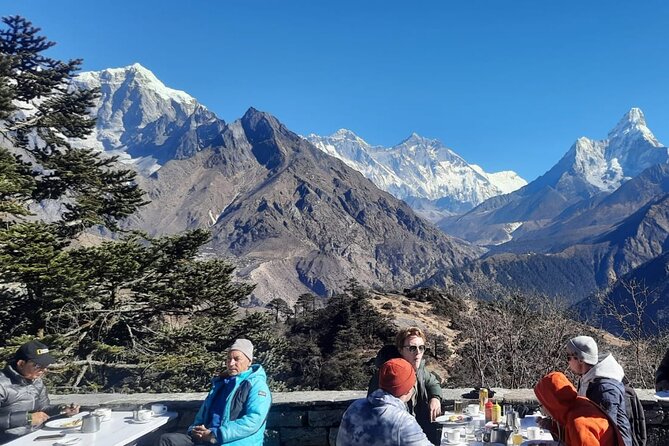
Day seven descends through birch and rhododendron before continuing toward Dingboche. The walking time is about five hours. You can expect broad views of Everest, Lhotse, and Ama Dablam, but the air is thinner and the route becomes more demanding.
Dingboche is an important point in the schedule because it breaks up the climb. The itinerary does not list a separate full rest day here, so ask the operator how the daily walking plan is handled and how much time is available for acclimatization.
Day eight leads toward Lobuche, again for about five hours. The route becomes harder at this elevation. After Dungla, you make a steep climb where memorial stupas honor climbers who died in the mountains. This section adds emotional weight to the trip. Everest is not simply a scenic backdrop, and the memorials make that clear.
The practical lesson is to keep your pace steady. The goal is not to win the trail. A slower group can preserve energy for the high point of the trek, while rushing here may make the next day much harder.
Everest Base Camp requires rough, high-altitude walking
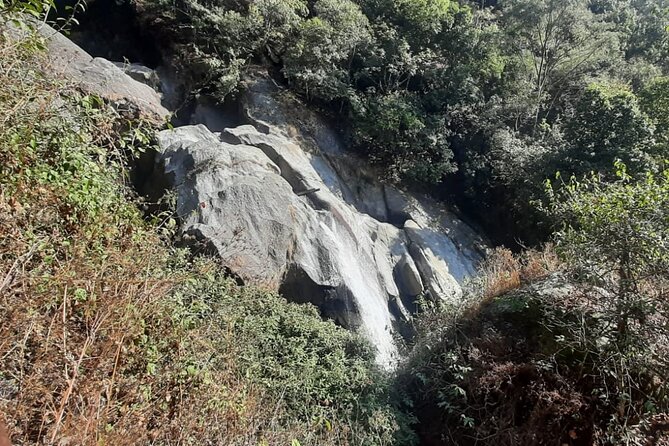
Day nine brings you toward Gorak Shep and Everest Base Camp. The route includes both ascents and descents, with rough ground and sections described as glacier path. The walking time is about five hours, but this is likely to feel like one of the toughest days because of altitude and uneven footing.
Reaching Base Camp is the symbolic center of the trip. You get close to the Khumbu Glacier and Khumbu Icefall, and the scenery becomes stark and immense. Base Camp itself is not a conventional town or a comfortable sightseeing site. It is a high mountain staging area, and conditions can be rough.
The next day is listed under Everest Base Camp and includes the climb toward Kala Patthar. The trail is fairly steep, but you move at a comfortable pace. From the upper route, views open toward Lingtren, Khumbutse, and Changtse.
Kala Patthar reaches 5,644 meters, making it the highest point in this program. The summit gives you a close view toward Everest and the Himalayan range. Another morning outing is described on day 11, when sunrise from Kala Patthar turns the peaks golden. Because the two days appear to overlap in their descriptions, ask for the exact plan before departure: some groups may make the summit walk on one morning, while others may split the approach and return.
This is also where the trek’s demands become clear. At more than 5,600 meters, cold, thin air, and fatigue matter. You need solid boots, warm layers, sun protection, gloves, and a sleeping setup suitable for high mountain conditions, but the tour does not supply trekking equipment.
The return route is quicker but not effortless
Day 11 continues to Pheriche after the Kala Patthar section. The return route does not mean easy walking. You still deal with rough ground, tired legs, and repeated uphill sections, even while losing altitude.
Day 12 returns to Namche Bazaar. The trail has many ups and downs and loses nearly 2,000 feet overall. You cross the Dudh Koshi River and descend through rhododendron country. The lower air should help, but downhill walking can be hard on knees after the high route.
Day 13 heads back to Lukla over rocky paths and suspension bridges, followed by a surfaced section. The air feels warmer as you descend. This is the final mountain walking day, with about four hours listed, and it gives you a chance to appreciate the same route from a different direction.
Day 14 is reserved for the return flight to Kathmandu, scheduled early in the morning. Once you reach the city, you return to the hotel and have the remaining time to explore if the flight arrives on schedule. A farewell dinner is also mentioned.
The final day is the airport transfer, with a recommendation to leave for your flight at least three hours before departure. Since the trip ends with a flight and an airport drop-off, do not assume you will have time for extra sightseeing on departure day.
Guides, group size, and the practical setup
A government-licensed trekking guide leads the mountain section. Guide Rajan is specifically associated with a successful Everest Base Camp trip, and strong guide support matters here because pace, weather, route decisions, and altitude symptoms cannot be handled well from a printed schedule alone.
The group can have up to 15 people. That is small enough for a shared experience without the feel of a large tour convoy, though walking speeds may vary. You should be ready for the group to move at a measured pace and for the guide to adjust the day when conditions require it.
One porter carries the baggage of two people. Pack with that limit in mind. You should carry only what you need during the day, but you also need to bring all personal trekking equipment because it is not included.
The operator provides airport pickup and departure service, and confirmation is issued at booking. You need moderate physical fitness. This is not a sightseeing holiday with a few optional walks. Several days last five to six hours, and the route reaches 5,644 meters.
The experience is non-refundable and cannot be changed for personal reasons. If poor weather cancels the trip, you are offered another date or a full refund. If the minimum group size is not met, you are offered a different date or experience, or a full refund. Travel insurance is not included, and you should arrange it yourself.
Who should book this trek
I would recommend this program if you want the classic Everest route with the major cultural stops handled in one booking. It suits you if you value a licensed guide, porter support, included flights, and a clear day-by-day structure more than private flexibility.
It is also a good fit if you want Kathmandu included rather than treating the city as a short airport stop. The combination of Swayambhunath, Patan, Pashupatinath, and Boudhanath gives the mountain trip a stronger sense of place.
I would pause before booking if you have no experience with long mountain walks, are unwilling to carry personal gear, or have an international flight that cannot tolerate a delay. The schedule is compact, the return flight depends on weather, and the high-altitude days are serious.
Before paying, confirm the exact Kala Patthar timing, the airport used for your Lukla flight, current heritage-site fees, the hotel names, and the group’s planned acclimatization routine. Those details can change how comfortable the trip feels without changing its basic route.
Should you book it?
Book it if you want a guided, all-in-one Everest Base Camp trip with Kathmandu culture, porter support, flights, meals, permits, and a maximum group of 15. The strongest parts are the Namche acclimatization day, the Sherpa villages and monastery, and the chance to reach both Base Camp and Kala Patthar.
Think twice if you need a generous weather buffer, private pacing, or included equipment. At $1,799, the package is a practical value for the core services, but you must budget for insurance, gear, drinks, visa costs, and Kathmandu entrance fees. For a first high-altitude trek, that honest preparation matters as much as the view.
FAQ
How long is the Everest Base Camp and Kathmandu tour?
The tour lasts approximately 15 days, including Kathmandu sightseeing, the trek from Lukla to Everest Base Camp, the return walk to Lukla, and flights back to Kathmandu.
What is the price per person?
The listed price is $1,799 per person.
Is airport pickup included?
Yes. Airport arrival and departure transfers are included.
Are flights to Lukla included?
Yes. The package includes a return flight from Kathmandu or Ramechhap to Lukla.
Is a guide provided?
Yes. A government-licensed trekking guide is included. Guide Rajan is specifically associated with the mountain portion of this experience.
Is porter service included?
Yes. One porter is provided for every two people to carry baggage.
How large can the group be?
The maximum group size is 15 people.
Are meals included?
The package includes 13 breakfasts, 11 lunches, and 11 dinners. A cup of tea each day is included, but other drinks are extra.
Are trekking clothes and equipment provided?
No. You must bring your own trekking equipment.
Is travel insurance included?
No. Travel insurance is not included in the tour price.
Are Kathmandu sightseeing entrance fees included?
No. Entrance fees for the Kathmandu UNESCO World Heritage sites are extra. The stated cost is $20 per person.
What happens if bad weather cancels the tour?
If poor weather causes cancellation, you are offered a different date or a full refund.
Can I cancel for a personal reason and receive a refund?
No. The experience is non-refundable and cannot be changed for personal reasons.
Just added around Kathmandu
- Everest Base Camp Trek★ 5.0 · 3 reviews
- Everest Base Camp Trek★ 5.0 · 7 reviews
- 15 Days Private Everest Base Camp Trek★ 5.0 · 30 reviews
- Everest Base Camp Trek★ 5.0 · 57 reviews
- 14 Days of Adventure Trekking to Everest Base Camp★ 5.0 · 2 reviews
- 14-Day Everest Base Camp Trek★ 5.0 · 20 reviews
- From Kathmandu: Private 14-Day Everest Base Camp Trek★ 5.0 · 20 reviews
- 14 Days Everest Base Camp Trek★ 5.0 · 4 reviews
Everest Base Camp Treks, compared.
Everest Base Camp Helicopter Tour landing at Everest View Hotel
Read our review →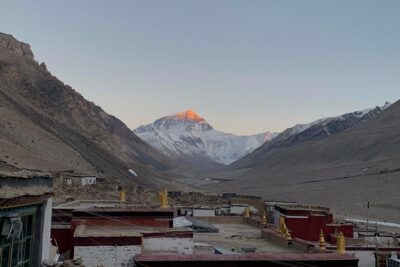
Tibet Tour 8 Days Lhasa to Everest Base Camp Small Group Tour
Read our review →
Dubai: Private Luxury Everest Yacht Cruise from Dubai Marina
Read our review →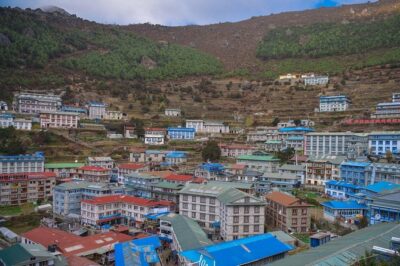
Browse the lists this trek appears in