
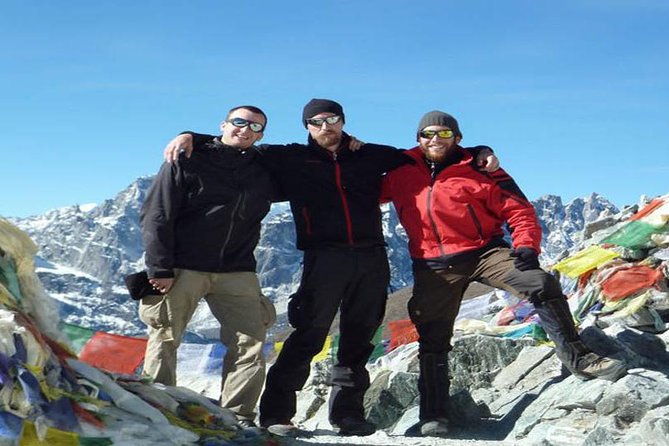
Review · KATHMANDU
Everest Base Camp Trek
The Everest Base Camp Trek takes you from Kathmandu to the foot of the world’s highest mountain, with the approach on foot doing much of the storytelling. You fly into Lukla, walk through Sagarmatha National Park, pass Sherpa settlements and monasteries, and spend days earning those first clear views of Everest, Lhotse, Ama Dablam, and Cho Oyu.
I like two things right away: the price includes the big logistical pieces, including Kathmandu hotels, Lukla flights, lodge accommodation, meals, guide, porters, and ground transfers; and this is a private trip, so your group is not folded into a large tour. Guides such as Bal, Sabin, Raju, and Gelu have been singled out for patience, care, and steady support.
The main catch is Lukla. Flights operate in the morning and can be delayed or canceled by weather, even in the best season. You need spare days, flexible plans, and insurance that covers trekking and emergency evacuation.
Key points before you book
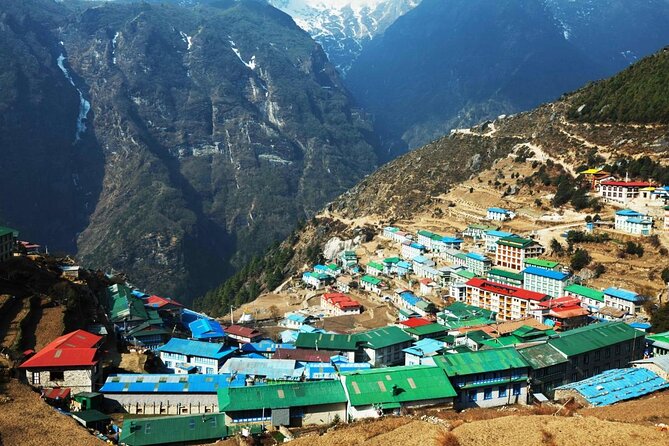
- Lukla flights shape the whole trip: Weather can delay or cancel flights for a day or longer, so build buffer time into your Nepal plans.
- The $2,500 package covers a lot: Domestic airfare, three Kathmandu hotel nights, lodge stays, meals during the trek, guide, porters, permits, and transfers are included.
- You sleep in local lodges: Expect standard accommodation with shared bathrooms rather than hotel comfort in the mountains.
- The cultural side matters: Sherpa villages, monasteries, and highland communities are as important to the experience as the mountain views.
- Support is a real strength: The guides and porters are central to the trip, with past groups praising Bal, Sabin, Raju, and Gelu for calm help on difficult days.
- This is a serious physical trip: You need moderate fitness and must be ready for high-altitude walking over many days.
Why the walk to Everest matters
Seeing Everest from a viewpoint is one thing. Walking for days toward its base gives the mountain a different meaning. The route is not simply a transport service to a famous photo stop. It is a gradual change from Kathmandu’s urban setting to Lukla’s high mountain air, then to forest, rock, snow, Sherpa villages, and broad Himalayan views.
The trek reaches some of the highest places accessible on foot in the region. You follow trails through Sagarmatha National Park, with views toward Everest at 8,848 meters, Lhotse at 8,586 meters, Cho Oyu at 8,188 meters, and Ama Dablam at 6,812 meters. The exact view depends on weather, but the route is built around these large Himalayan peaks.
I also like that the trip is not only about reaching a numbered destination. The highland Sherpa settlements and monasteries give the walk a human scale. You see how villages, religion, local guides, porters, and mountain tourism fit together. That cultural contact is one reason this route has remained such a major Himalayan journey.
Still, you should not mistake an organized trek for an easy holiday. The trip lasts about 15 days, and the high altitude makes ordinary walking feel harder. A guide can set the pace, help with route choices, and watch for trouble, but no company can remove the physical demands.
More Everest Base Camp Treks in Kathmandu:
- Everest Base Camp Trek – 14 Days
★ 5.0 · 1,499 reviews - Everest Base Camp Trek
★ 5.0 · 842 reviews - Everest Base Camp Helicopter Tour landing at Everest View Hotel
★ 5.0 · 668 reviews
Starting in Kathmandu and flying to Lukla
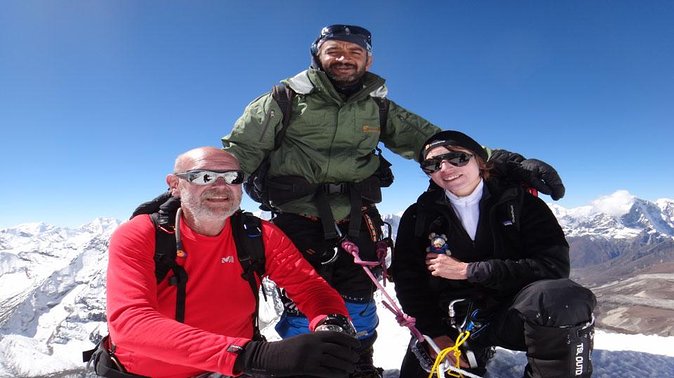
The trip starts at Tribhuvan Airport in Kathmandu. Pickup is offered, and three nights of accommodation at a three-star hotel with breakfast are included. You will need to pay for your own Kathmandu lunches and dinners, so set aside money for meals in the capital.
Kathmandu gives you a useful opening and closing point. Before and after the mountain section, you have time to handle practical matters, meet the local team, and recover from the trek. The package includes surface transfers as listed in the plan, which removes some of the usual arrival-day guesswork.
The flight to Lukla is one of the most memorable parts of the trip, but also one of the least predictable. Lukla Airport, also called Tenzing-Hillary Airport, sits at roughly 2,845 to 2,860 meters. Flights are generally scheduled in the morning because weather conditions are more suitable then.
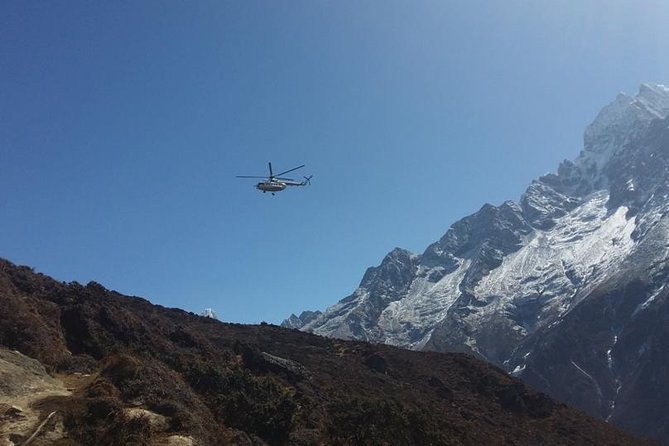
That timing has a practical effect: a delayed flight can affect every part of the route. If the flight is canceled, the operator will try to arrange the next available flight, but you may lose one or more days. Helicopter transport may be arranged for an additional charge, subject to availability and the current supplement.
I would not book this trek with a tight international flight connection at either end. Keep spare days in your wider Nepal schedule. The operator says it cannot refund unused services or cover expenses caused by flight cancellations, so your insurance and backup funds matter here.
Lukla and the first mountain days
Lukla is the gateway to the Everest region. From here, the trail begins its steady movement into the mountains and away from road-based travel. The first part of the walk introduces you to the pace of a Himalayan trek: a simple daily routine of walking, eating, resting, and preparing for the next day.
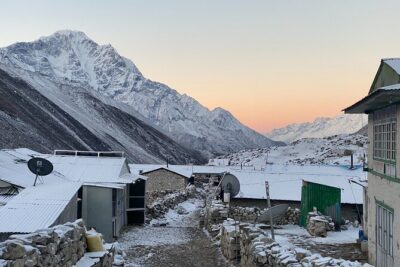
The trek passes through the floral and animal life of Sagarmatha National Park. You should expect changing scenery rather than one constant view. Lower sections are different from the higher country, and the route gradually feels more remote as you move toward the base camp area.
The local lodge stays are part of the experience. These are standard lodges with shared bathrooms, not private rooms with full hotel facilities. The tradeoff is clear: you give up comfort and privacy in exchange for staying close to the trail and using the kind of accommodation that supports trekking in the region.
Three meals a day are included during the trek, along with hot drinks. That is a useful part of the package because food costs and meal planning can become tiring on a long walk. Table drinks, snacks while walking, and other personal purchases are not included, so carry some spending money.
Sherpa villages, monasteries, and the human side of the route
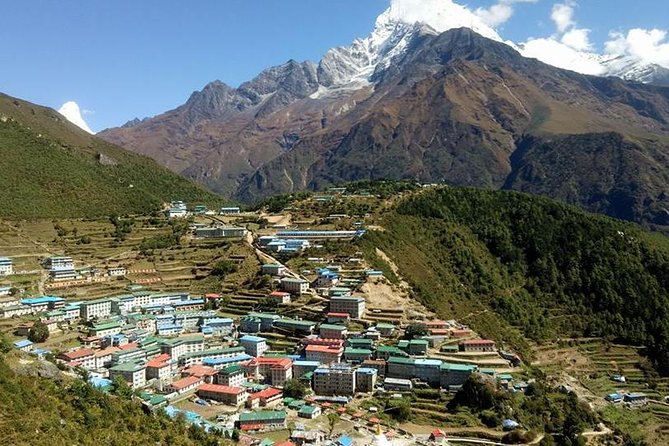
As the trail rises, the cultural character becomes stronger. You move through highland Sherpa settlements and pass monasteries, with the mountains forming a powerful backdrop. The route is not only a test of stamina. It is also a chance to see how people live in a demanding environment shaped by altitude, weather, and trekking.
I would encourage you to give these villages your attention rather than treating them as rest stops between mountain photographs. Your local guide can add context to the places you pass, and the reviews of this operator repeatedly point to the value of the guiding team. Bal and Sabin were praised for their work with private groups, while Raju and Gelu were noted for patience, care, and explanations along the route.
The porters also matter. Past groups have described porters carrying day bags when someone was hurt or struggling, and offering encouragement when the pace became difficult. That does not mean you should plan to hand over all your responsibilities. Pack sensibly, follow the weight guidance from the operator, and remember that porters are doing demanding work of their own.
A private group can make this part more comfortable. If one person needs a slower pace or extra support, the guide can respond more directly than a large fixed group might. The trip is still guided by the needs of the route, but the private format gives you more personal attention.
A few more treks around Kathmandu worth a look
- Everest Base Camp Trekking
★ 5.0 · 485 reviews - Annapurna Circuit Trek with Tilicho Lake
★ 5.0 · 368 reviews - Everest Base Camp Trekking – 13 Day
★ 5.0 · 365 reviews - Everest Base Camp Trek
★ 5.0 · 350 reviews
The mountain views: Everest, Lhotse, Ama Dablam, and more
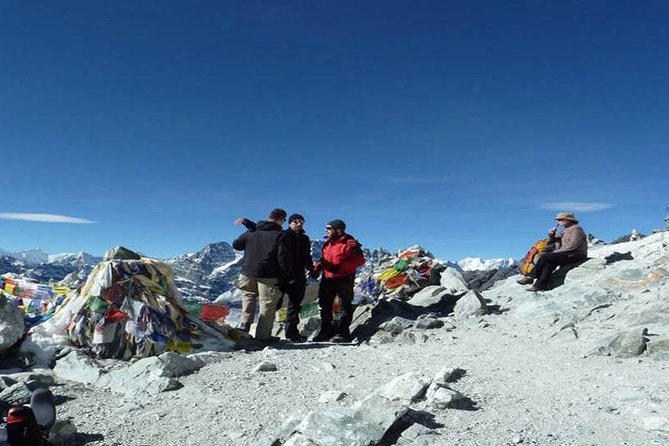
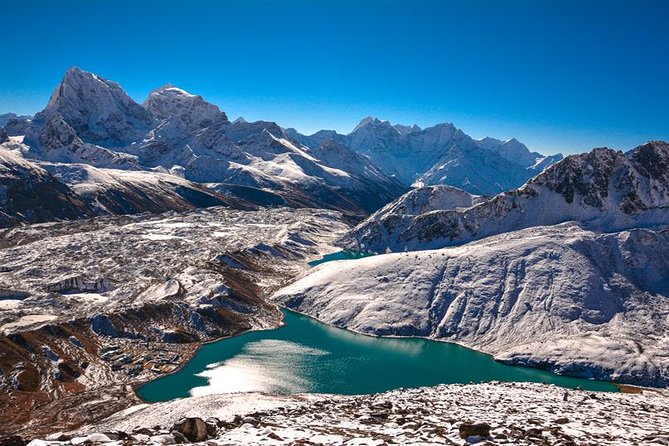
The scenery is the reason most people choose this route, and it delivers a succession of major Himalayan peaks. Everest is the headline, but Lhotse, Cho Oyu, Makalu, and Ama Dablam all add to the scale of the journey.
Ama Dablam is especially memorable for its distinctive shape, while Everest has a different power because of its height and reputation. The views are not guaranteed at every point. Cloud, wind, snow, and flight disruption are part of mountain travel, so you should come for the full route rather than a single perfect photograph.
The supplied information describes the trip as reaching the base of Everest, while several participants also completed Kala Patthar. Because the detailed day-by-day schedule is not provided here, I would ask the operator directly if Kala Patthar is part of your specific departure. It is also worth asking how the guide handles poor visibility and lost walking days after a delayed Lukla flight.
One past group described the route as about 65 kilometers one way and reaching roughly 17,600 feet, but distances and high points can vary with the exact itinerary. Treat those figures as useful scale, not a promise of identical mileage for every departure.
Meals, lodges, and daily comfort
The included three-course breakfasts, lunches, and dinners with hot drinks are a strong part of the package. You do not have to negotiate every meal price or search for food after a long day. That matters more as the trek continues and your energy drops.
The lodges are basic. Shared bathrooms are specifically included, so you should expect a practical mountain stay rather than a polished hotel. Bring the clothing and personal items that help you stay warm and comfortable, but do not expect the operator to provide medical care, insurance, or all personal supplies.
Kathmandu accommodation is more comfortable, with three nights at a three-star hotel and breakfast on a twin-sharing basis. Lunch and dinner in Kathmandu are excluded. You also pay separately for snacks, table drinks, visa costs, insurance, and medical expenses.
The visa listed in the package is a multiple-entry 30-day Nepal visa at $40. Check the current entry rules before departure, since government fees and procedures can change.
What the $2,500 price really buys
At $2,500 per person, this is not a cheap walk, but the package includes many costly and important pieces. Kathmandu hotel nights, Kathmandu and Lukla flights, all listed ground transfers, trek accommodation, three daily meals during the trek, a local English-speaking guide, porters, and Trekkers Information Management System fees are included.
That makes the price easier to judge than a bare trek quote. You are paying for planning, local staff, transport, food, and support in a region where weather can disrupt the schedule. A private trip also gives your group its own guides and porters rather than placing you in a large shared departure.
The exclusions are significant. Emergency evacuation, road blocks, medical expenses, insurance, Kathmandu meals, snacks, table drinks, and the Nepal visa are outside the package. A helicopter from or to Lukla also costs extra if you choose that option after a flight problem.
For me, the value is strongest if you want a managed trip and do not want to arrange every part yourself. It is less appealing if you already have extensive Nepal trekking experience, your own local contacts, and a strong preference for arranging lodges and transport independently.
Fitness, altitude, and the real level of difficulty
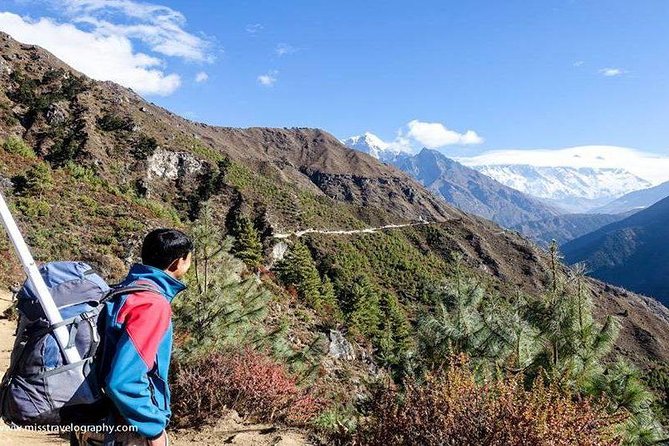
The stated requirement is a moderate level of physical fitness. That sounds reasonable, but the duration and altitude make this more than a casual holiday. You will walk for many days, often on uneven mountain trails, and the air becomes thinner as you gain height.
The most useful preparation is steady endurance work, regular uphill walking, and practice carrying the daypack you intend to use. You should also be willing to slow down. The goal is not to win each day. It is to keep moving safely and give your body time to adjust.
A guide cannot guarantee that you will avoid altitude problems. You should discuss medical concerns with a qualified professional before booking, arrange suitable trekking insurance, and tell the operator about relevant health conditions. Insurance is not included, and the package does not cover emergency medical or evacuation costs.
The private format may help if your group includes different fitness levels. Past groups included older hikers and people recovering from minor injuries, with guides and porters offering extra support. That is encouraging, but it should not be read as proof that the trek suits every age or medical condition.
Planning around Lukla delays
Lukla is the central planning risk. Flights can be delayed or canceled for one day, several days, or longer because of bad weather. This can happen at the start or end of your trek, even during the preferred trekking season.
Keep buffer days before your international departure. If the flight is canceled for a long period, the operator says alternative trips to Annapurna, Langtang, or Upper Mustang may be possible because those areas are more accessible by road. If you want to keep the Everest plan, a helicopter may be available for an added fee.
Ask the operator about current flight procedures before you leave Kathmandu. Also keep your phone charged, remain flexible, and avoid spending your entire contingency budget before reaching the mountains. This is not a flaw in the route so much as a fact of flying into a small mountain airport.
Who should book this Everest Base Camp Trek
You should consider this trek if you want a guided, private route with major logistics already arranged. It suits people who value a local team, prefer included meals and accommodation, and want cultural contact with Sherpa communities as well as views of Everest.
It is also a good match for families or private groups that want personal support. The guiding team has handled groups with different ages and abilities, and names such as Bal, Sabin, Raju, and Gelu come up in connection with patient, encouraging service.
You should think twice if you need fixed schedules, luxury accommodation, or a guaranteed flight timetable. The lodge bathrooms are shared, Kathmandu meals are partly extra, and weather may change the plan without compensation for unused services.
The activity has free cancellation up to 24 hours before the local start time. Changes or cancellations inside that window are not accepted, and the amount paid is not refunded. Read that condition carefully before booking flights and other nonrefundable arrangements.
Should you book it?
I would book this trek if the included logistics match what you need and you can protect your schedule with extra days. The combination of domestic flights, local guides, porters, meals, lodges, Kathmandu hotels, and private-group support gives the $2,500 price solid practical value.
Before paying, ask three direct questions: Is Kala Patthar included in your exact plan, what happens if Lukla flights are delayed, and what insurance level is required for evacuation? If you accept the basic lodges, demanding walking, and weather risk, this is a well-supported way to reach Everest Base Camp while seeing the Sherpa communities along the way.
FAQ
How long does the Everest Base Camp Trek last?
The experience lasts approximately 15 days, including time in Kathmandu, the Lukla flights, the trek, and the return to the meeting point.
Where does the trek start and end?
It starts at Tribhuvan Airport in Kathmandu, Nepal. The activity ends back at the same meeting point.
Are flights between Kathmandu and Lukla included?
Yes. Kathmandu to Lukla and Lukla to Kathmandu airfare is included in the listed package.
What happens if my Lukla flight is canceled?
The operator will try to schedule the next available flight. A helicopter may be arranged if available, but it requires an additional supplement. Alternative treks toward Annapurna, Langtang, or Upper Mustang may also be possible during a longer disruption.
Are meals included?
Breakfast, lunch, dinner, and hot drinks are included during the trek. Lunch and dinner in Kathmandu, snacks while walking, and table drinks are not included.
What type of accommodation should I expect?
You receive three nights at a three-star hotel in Kathmandu with breakfast and twin sharing. During the trek, you stay in local lodges with shared bathrooms.
Is a guide and porter included?
Yes. An English-speaking local guide and porters are included.
What is not covered by the $2,500 price?
The price does not include the Nepal visa, Kathmandu lunch and dinner, snacks while walking, table drinks, insurance, medical expenses, or costs caused by emergency evacuation or road blocks. Helicopter flights from or to Lukla are also extra.
What fitness level is required?
The stated requirement is a moderate physical fitness level. This is a long, high-altitude trek, so you should be prepared for sustained walking and changing weather conditions.
Just added around Kathmandu
- Everest Base Camp Trek★ 5.0 · 3 reviews
- Everest Base Camp Trek★ 5.0 · 7 reviews
- 15 Days Private Everest Base Camp Trek★ 5.0 · 30 reviews
- Everest Base Camp Trek★ 5.0 · 57 reviews
- 14 Days of Adventure Trekking to Everest Base Camp★ 5.0 · 2 reviews
- 14-Day Everest Base Camp Trek★ 5.0 · 20 reviews
- 14 Days Everest Base Camp Trek★ 5.0 · 4 reviews
- From Kathmandu: Private 14-Day Everest Base Camp Trek★ 5.0 · 20 reviews
Everest Base Camp Treks, compared.
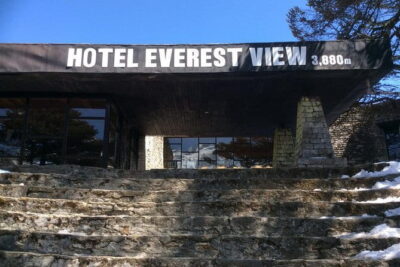
Everest Base Camp Helicopter Tour landing at Everest View Hotel
Read our review →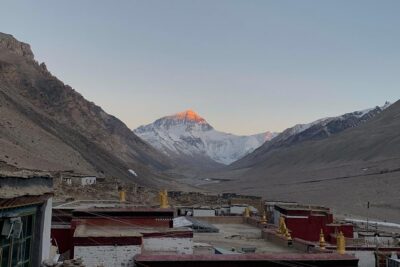
Tibet Tour 8 Days Lhasa to Everest Base Camp Small Group Tour
Read our review →
Dubai: Private Luxury Everest Yacht Cruise from Dubai Marina
Read our review →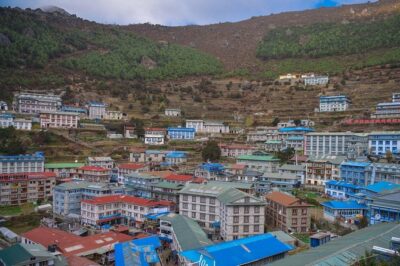
Browse the lists this trek appears in