
Review · KATHMANDU
Everest Base Camp Trek
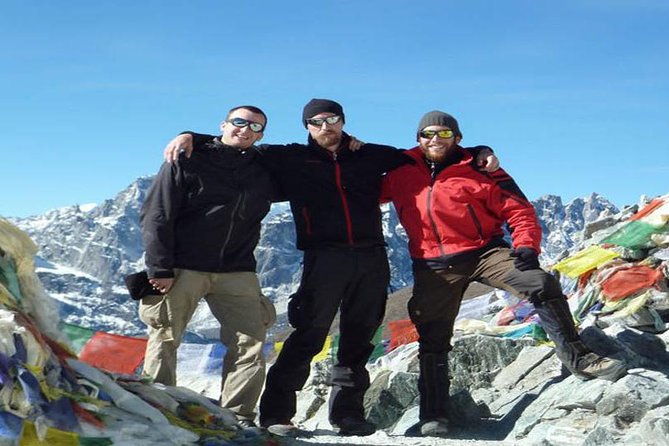
Everest Base Camp is less about one grand moment than the steady climb toward it. Over 14 days, you walk from Lukla through Sherpa villages, suspension bridges, monasteries, glacial valleys, and high mountain lodges until Everest’s base camp and Kala Patthar come into view. I like the built-in acclimatization days at Namche and Dingboche, and I like that the price includes flights, permits, meals, gear, and a licensed guide. The main catch is the demanding altitude, plus the fact that porters, insurance, Kathmandu lodging, and many mountain expenses cost extra.
This is a private trek, so your group gets the guide’s attention rather than following a large crowd. Guides named in the supplied feedback include Buddhi and Pawan, with Buddhi repeatedly praised for steady support and positive leadership. Plan for cold, sun, thin air, basic lodging, and possible flight disruption. Bring sunscreen every day, as one happy finisher sensibly advised.
Key points before you book
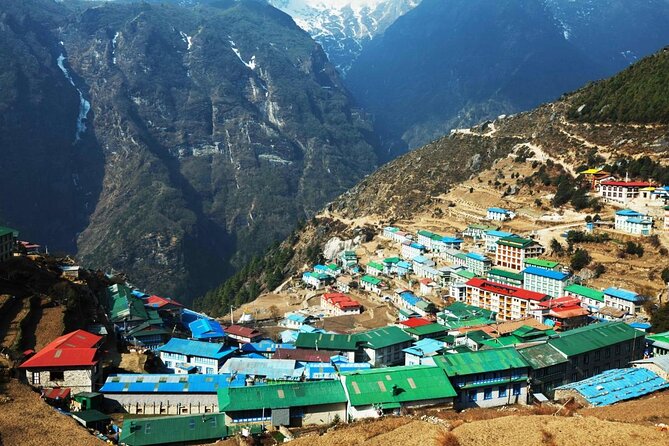
- 14 days from Kathmandu: The route includes Lukla, Namche Bazaar, Tengboche, Dingboche, Lobuche, Gorak Shep, Everest Base Camp, and Kala Patthar.
- Acclimatization is built in: You spend an extra day at Namche and another at Dingboche instead of racing straight uphill.
- Major costs are covered: Lukla flights, 12 breakfasts, 12 lunches, 11 dinners, permits, 11 trekking nights, a sleeping bag, down jacket, and duffel bag are included.
- The strongest support is personal: Buddhi and Pawan are among the guides associated with this experience, and guide care is a major part of its appeal.
- You must be fit: This is a walking and mountain flight trip at high altitude, not a sightseeing holiday with a few easy walks.
- Budget for extras: Porter service, travel and rescue insurance, Kathmandu hotel, showers, hot water, laundry, phone use, battery charging, bottled water, and tips are not included.
Why the Everest Base Camp route earns its reputation
I love the gradual change in scenery. You begin near Kathmandu, then fly to Lukla and walk through lower valleys before reaching exposed high-altitude terrain. The route gives you time to notice the small changes: cooler air, taller peaks, stone villages, prayer sites, monasteries, and increasingly stark slopes.
The goal is famous, but the route has several worthwhile stops before base camp. Namche Bazaar gives you your first proper pause. Tengboche adds a spiritual dimension. Dingboche lets your body adjust. The Khumbu Glacier and the memorials for climbers who died in nearby peaks add a serious note before the final push.
The cost of $1,799.27 per person is not pocket change, but it covers several costly pieces of a Nepal trek. Two Lukla flights, national park and local entrance fees, food, trekking accommodation, guide service, airport transfers, and cold-weather gear can add up quickly when arranged separately. The value is strongest if you want one company handling the main moving parts.
Still, this is not an all-inclusive mountain holiday. You pay for your Kathmandu hotel, porter, insurance, drinks, hot showers, laundry, phone calls, battery charging, bottled water, and tips. Flight delays or cancellations caused by weather can also create extra costs beyond the planned schedule. Read the inclusions carefully before comparing the price with another operator.
More Everest Base Camp Treks in Kathmandu:
- Everest Base Camp Trek – 14 Days
★ 5.0 · 1,499 reviews - Everest Base Camp Trek
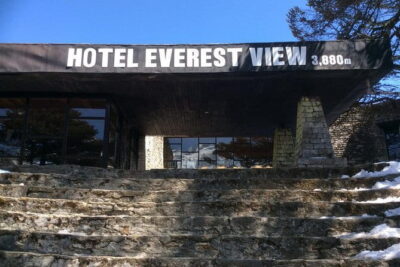
★ 5.0 · 842 reviews - Everest Base Camp Helicopter Tour landing at Everest View Hotel
★ 5.0 · 668 reviews
Day 1: Kathmandu arrival and a useful first briefing
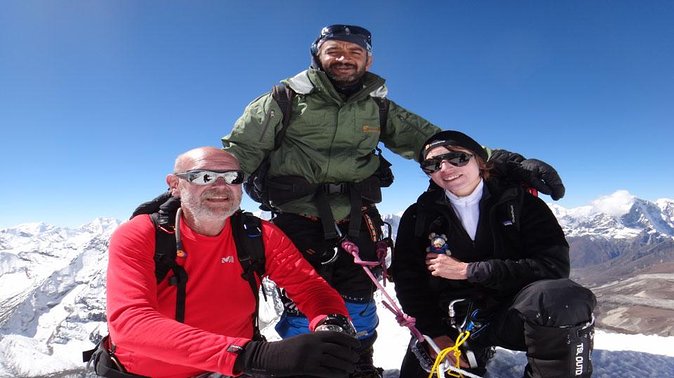
After you land at Tribhuvan International Airport, a representative from Nepal High Trek and Expedition meets you and transfers you to the arranged hotel. The supplied schedule refers to a welcoming dinner, which gives you a chance to meet the team and ask last-minute questions.
This first day is more important than it looks. You are not yet trekking, but you are shifting into mountain mode. Check your bags, make sure you understand what goes into the duffel, and confirm the plan for the early domestic flight. Airport pickup and drop-off are included for both domestic and international arrival and departure points.
Kathmandu hotel accommodation is not included, so confirm exactly where you will stay and for how many nights. The schedule includes a Kathmandu night before departure and another after returning from the mountains, but the lodging cost remains yours.
Day 2: The short flight to Lukla
The morning transfer takes you to Kathmandu’s domestic terminal for the flight to Lukla. Lukla is the starting point for the trek, and the flight is part of the adventure rather than a simple transfer. Once you arrive, you begin walking toward Phakding.
The route is short enough to serve as a gentle introduction. You will have time to meet the pace of the group, test your boots, and settle into the rhythm of walking and resting. The first night on the trail also makes clear that mountain accommodation will be simpler than a city hotel.
Weather matters here. The operator says poor weather may lead to a changed date or full refund if the experience is canceled, but delays and cancellations outside that policy can bring extra expenses. Keep some flexibility in your schedule and do not book a tight onward connection after the trek.
Day 3: Phakding to Namche Bazaar
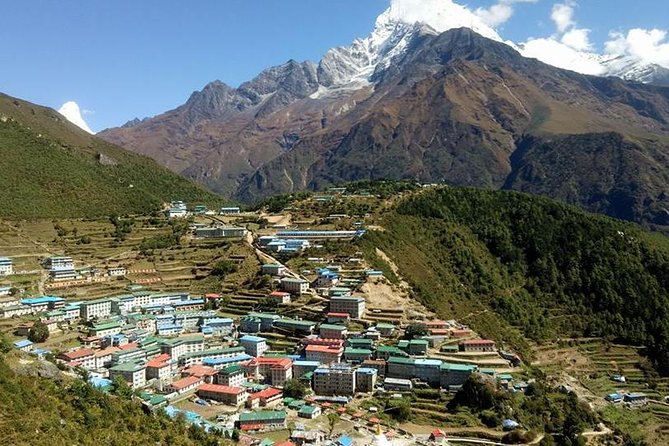
From Phakding, the trail climbs toward Namche Bazaar beside the Dudh Koshi River. You cross several suspension bridges and gain views of Mount Thamserku, listed at 6,618 meters.
Namche is a major turning point. You are no longer simply walking through a lower valley. The route becomes steeper, and the air begins to feel thinner. The key advice here is simple: walk slowly. The guide’s job is not to win a race. It is to keep the group moving at a pace your body can handle.
Namche is also a practical stop. The village has banks, ATMs, internet cafes, and other services. That does not mean you should rely on everything being available, so carry the cash and supplies you need. Charging, hot water, showers, and bottled water are separate expenses.
A few more treks around Kathmandu worth a look
- Everest Base Camp Trekking
★ 5.0 · 485 reviews - Annapurna Circuit Trek with Tilicho Lake
★ 5.0 · 368 reviews - Everest Base Camp Trekking – 13 Day
★ 5.0 · 365 reviews - Everest Base Camp Trek
★ 5.0 · 350 reviews
Day 4: Acclimatization around Namche
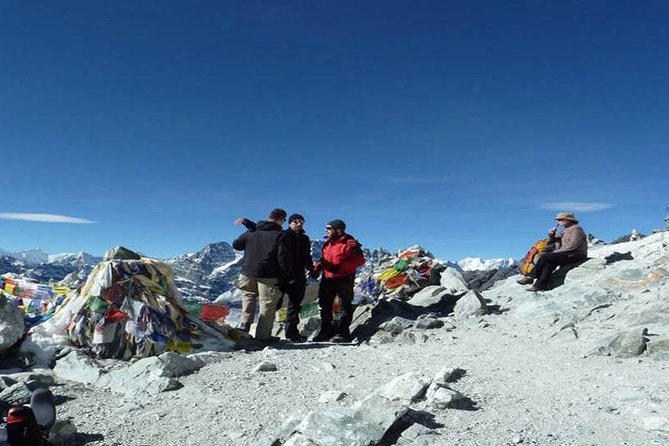
You spend the day around Namche rather than climbing onward. The schedule includes time at an Irish pub and exploration of the surrounding area, but the real purpose is acclimatization.
This is one of the route’s smartest features. At altitude, a rest day does not mean lying still all day. A short outing helps your body adjust while keeping the walk manageable. You also get time to see Namche as a living Sherpa trading center rather than treating it as a bed for the night.
I like this pause because it gives you breathing room. You can organize your pack, check your clothing, and watch for signs that the altitude is affecting you. Your guide is the right person to tell if you should slow down or change plans. Do not hide symptoms to keep the schedule.
Day 5: Tengboche and its mountain views
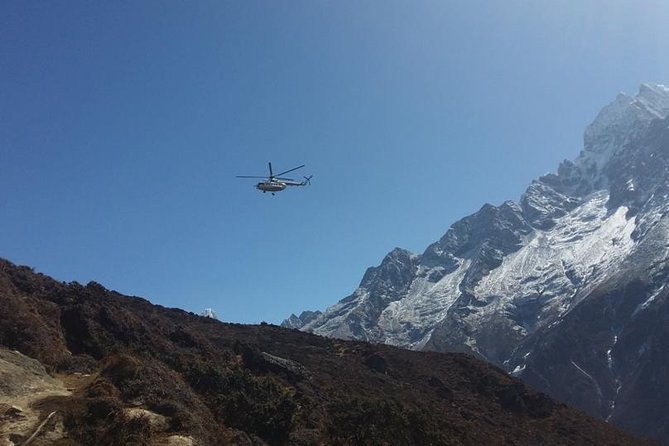
The trail leaves Namche and heads toward Tengboche. On the way, you may see Everest, Nuptse, Lhotse, Ama Dablam, and other major peaks. The views are a major reason to choose this route, but the walk still demands concentration.
Tengboche Gompa gives the day a strong sense of place. This monastery is more than a scenic photo stop. It connects the trek to the Buddhist traditions of the Khumbu and offers a quiet contrast to the physical effort of the trail.
The schedule lists a short stop at the monastery, followed by the walk onward. You should not expect a long cultural program. The value is in having a meaningful site built into the route, with snowy peaks behind it and mountain settlements ahead.
Day 6: Tengboche to Dingboche
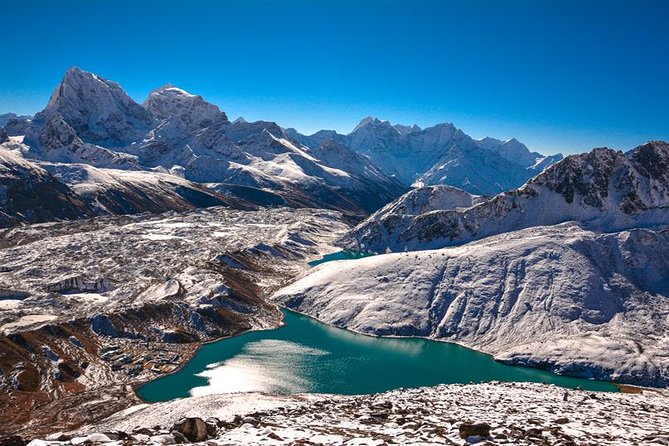
You make a short morning visit to Tengboche and then continue toward Dingboche. The day includes a viewpoint and broad views of the white peaks.
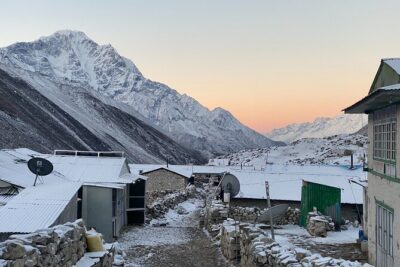
Dingboche sits at a point where altitude becomes a central concern. The route is more exposed, and the surroundings feel less like a green valley and more like high Himalayan terrain. You will want warm layers, sun protection, and water close at hand.
The supplied schedule calls this a three-hour stop at Dingboche View Point, but it does not give a full walking time for the day. Treat the timing as approximate. Mountain conditions, rest breaks, and group pace can change the plan.
Day 7: Dingboche acclimatization and the Imja Khola valley
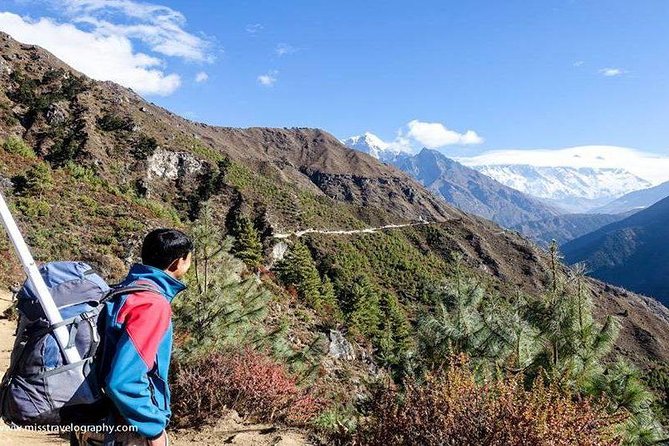
You spend another acclimatization day at Dingboche, with a short hike toward Chhukung through the Imja Khola valley. The day includes a stupa and views toward Lhotse.
This is another strong feature of the schedule. The route does not simply add rest days at the start and then push hard at the end. It gives you a second high-altitude pause before Lobuche, Gorak Shep, and base camp.
The Chhukung outing is meant to be short, but altitude can make short walks feel long. Keep your pace calm and let the guide set the rhythm. You are gaining more than scenery here. You are preparing your body for the highest part of the trek.
Day 8: Lobuche, memorials, and the Khumbu Glacier
The trail follows the lateral moraine of the Khumbu Glacier and passes stone memorials honoring climbers who died on nearby summits. This is one of the most sobering parts of the journey.
The memorials change the tone. Everest is often presented as a trophy or a dream, but the stones remind you that high-altitude climbing carries real danger. Take your time here and treat the site with respect.
The route continues toward Lobuche, where the terrain becomes stark and demanding. You are now approaching the high point of the trip, and even ordinary tasks can take more effort. The operator provides a sleeping bag and down jacket, which helps reduce the amount of specialist gear you must buy or rent.
Day 9: Gorak Shep and Everest Base Camp
After breakfast, you walk to Gorak Shep and then continue toward Everest Base Camp. The route brings you close to the Khumbu Glacier and offers views of the high peaks, including Everest.
Reaching base camp is the emotional center of the trip, but the setting may not match a picture-perfect idea of a permanent village. It is a base for climbing activity, and conditions vary. The real reward is standing at the point used by expeditions on the south side of Everest and seeing the glacial terrain at close range.
The schedule lists only a brief stop at Everest Camp II, so do not read the listed minutes as a realistic full trekking duration. The total day involves walking at high altitude, and your guide will set the practical timing according to conditions and the group’s pace.
Day 10: Kala Patthar and the best Everest viewpoint
You rise early for Kala Patthar. The climb is the hardest visual punctuation of the trek, but the reward is a wide mountain view as sunlight reaches the snow and clouds.
For many people, Kala Patthar offers a clearer Everest view than base camp itself. That makes this morning especially valuable. You can see the surrounding peaks in a broad arrangement rather than looking mainly at the glacier and nearby moraine.
The schedule also mentions Gorak Shep. This is a high, cold place, and the early start means you need warm clothing ready before bed. The listed 30-minute stop does not describe the whole day. Expect the plan to depend on weather, energy, and altitude.
Day 11: The long descent through Pheriche and Pangboche
You descend from the high country toward Pheriche, then take a slightly different route through Orsho and Pangboche. The schedule allows up to seven hours for this day, making it one of the longer walking sections.
The route includes Pangboche’s old monastery, associated with a story about the scalp and bones of the yeti. Treat that tale as local folklore, but enjoy the chance to connect the trail with the stories that give these villages their character.
Descending is easier for your lungs, but it can be hard on knees and feet. Keep your walking poles, if you use them, close at hand. The guide and support team are especially important on a long day like this. The main praise attached to this company centers on guides who stay attentive, encouraging, and helpful when the trail gets tough.
Day 12: Namche to Lukla
From Namche, you retrace the route toward Lukla. The schedule allows about three hours for the walking portion and gives you leisure time in Lukla before an overnight stay at a guesthouse.
This is a useful buffer before the flight back to Kathmandu. You can review the trek, rest your legs, and prepare for the airport. Do not assume the next flight will operate exactly on time. Weather can affect mountain aviation, and the terms specifically exclude extra costs caused by delays, strikes, or canceled flights.
Day 13: Return to Kathmandu
You fly back to Kathmandu and have time to visit the city. The schedule includes Kathmandu Durbar Square, a strong choice for a final cultural stop after days in the mountains.
The contrast is striking. After stone paths, thin air, and simple lodges, Kathmandu brings traffic, dense streets, temples, and more services. The planned two-hour visit is enough for a brief look, though not a full city tour.
Your Kathmandu hotel is not included, so arrange it in advance. You may also want a little extra time in the city if your international flight does not leave immediately.
Day 14: Airport transfer and departure
After a final night in Kathmandu, you transfer to Tribhuvan International Airport. The plan asks you to arrive three hours before your flight and includes a small farewell program.
The airport transfer is included, which is helpful after a long trek when your luggage may be heavier and your sleep schedule may be uneven. Check your departure time carefully and keep travel documents, valuables, and any medication in your hand luggage.
What the $1,799.27 price really covers
The package includes:
- Round-trip Kathmandu to Lukla flights
- A government-licensed mountain guide from Kathmandu
- Sagarmatha National Park permits
- Khumbu and Pasang Lhamu Rural Municipality entrance fees
- Eleven nights of trekking accommodation
- Twelve breakfasts, twelve lunches, and eleven dinners
- A sleeping bag, down jacket, and duffel bag
- Three cups of hot tea during the trek
- A medical kit
- Domestic and international airport transfers
- An emergency helicopter arrangement, with payment handled by your travel insurance company
The meal count is written inconsistently in the supplied details, with additional entries showing thirteen lunches, fourteen breakfasts, and thirteen dinners. Confirm the final meal schedule before booking, especially for Kathmandu nights and departure day.
The package does not include a porter, so you should ask how much luggage you are expected to carry. It also excludes travel and rescue insurance. That insurance is not optional in practical terms for a high-altitude trek, especially since the helicopter arrangement depends on your insurer paying.
Who should book this trek?
You should consider it if you want a structured private trek with a guide, built-in acclimatization, and the main transport and permits handled for you. It suits someone who enjoys a physical challenge and accepts basic mountain accommodation, changing weather, and a demanding walking schedule.
It is less suitable if you want luxury lodging, fixed flight times, short easy walks, or a trip where every cost is included. You also need strong physical fitness, as the operator states directly. The route is by plane and on foot, with high-altitude walking at its center.
The company’s strongest praise concerns guide support. Buddhi is repeatedly singled out for care, encouragement, and a positive approach, while Pawan is associated with leading a Gokyo and Cho La variation. Those names do not guarantee who will lead your departure, so ask for the guide assignment before you go.
Free cancellation is available when you cancel at least 24 hours before the start time. Poor weather may result in a different date or a full refund, but late changes are not accepted. The local time cutoff applies.
Should you book the Everest Base Camp Trek?
I would book this trek if you want the standard Everest Base Camp route with real support and a sensible acclimatization plan. The included Lukla flights, permits, meals, gear, and trekking nights give the $1,799.27 price solid value, especially for a private group.
I would not book it without confirming the porter arrangement, Kathmandu hotel, insurance requirements, flight-delay costs, and final meal count. If you are fit, patient, and ready for cold mornings and thin air, this is a strong way to reach base camp without arranging every moving part yourself.
FAQ
How long is the Everest Base Camp Trek?
The experience lasts approximately 14 days, beginning and ending in Kathmandu.
Are flights to Lukla included?
Yes. Round-trip flights between Kathmandu and Lukla are included.
Is airport pickup provided?
Yes. Airport pickup and drop-off are included for domestic and international airports.
Is accommodation in Kathmandu included?
No. Kathmandu hotel accommodation is not included.
Are meals included during the trek?
Yes. The package includes meals during the trekking portion, listed as 12 breakfasts, 12 lunches, and 11 dinners. Other meal entries contain different counts, so confirm the final schedule with the provider.
Is a guide included?
Yes. A government-licensed mountain guide from Kathmandu is included. Guides associated with this experience include Buddhi and Pawan, but the assigned guide may vary.
Is a porter included?
No. Porter costs are not included.
Do I need travel and rescue insurance?
Yes. Travel and rescue insurance are not included, and the emergency helicopter arrangement is to be paid by your travel insurance company.
Just added around Kathmandu
- Everest Base Camp Trek★ 5.0 · 3 reviews
- Everest Base Camp Trek★ 5.0 · 7 reviews
- 15 Days Private Everest Base Camp Trek★ 5.0 · 30 reviews
- Everest Base Camp Trek★ 5.0 · 57 reviews
- 14 Days of Adventure Trekking to Everest Base Camp★ 5.0 · 2 reviews
- 14-Day Everest Base Camp Trek★ 5.0 · 20 reviews
- From Kathmandu: Private 14-Day Everest Base Camp Trek★ 5.0 · 20 reviews
- 14 Days Everest Base Camp Trek★ 5.0 · 4 reviews
Everest Base Camp Treks, compared.
Everest Base Camp Helicopter Tour landing at Everest View Hotel
Read our review →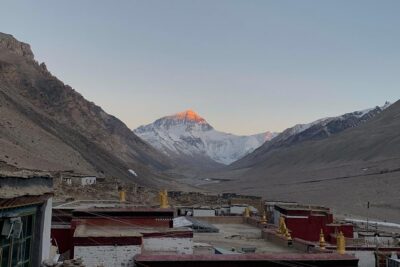
Tibet Tour 8 Days Lhasa to Everest Base Camp Small Group Tour
Read our review →
Dubai: Private Luxury Everest Yacht Cruise from Dubai Marina
Read our review →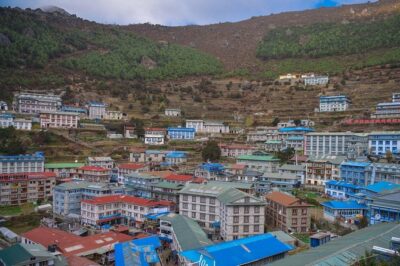
Browse the lists this trek appears in