
Review · KATHMANDU
Everest Base Camp Trek
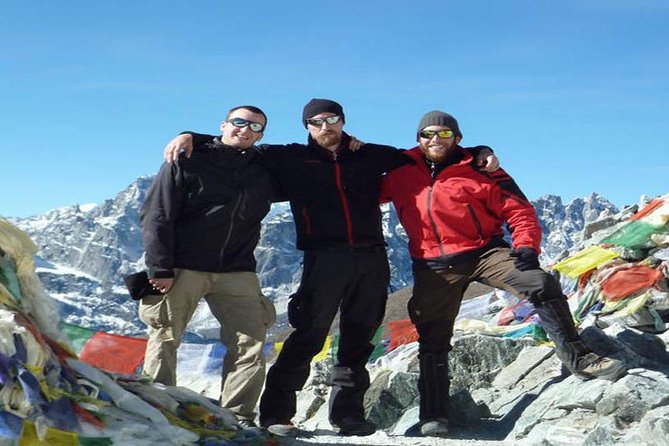
The prize here is Kala Patthar at sunrise, where Mount Everest, Khumbu Glacier, Nuptse, and nearby peaks fill the horizon. Before that final viewpoint, you walk through rhododendron forest, Sherpa villages, Buddhist monasteries, suspension bridges, and Sagarmatha National Park.
I like the sensible acclimatization day in Namche Bazaar and the fact that the price includes a guide, porter support, tea house lodging, three meals a day, hot soup at higher elevations, permits and local taxes. The catch is the altitude: you reach 5,364 meters at Everest Base Camp, and the schedule asks you to walk several hours on most days.
Key points to know
- Kala Patthar is the main viewpoint: The early climb gives you the clearest planned view of Everest.
- The itinerary includes one acclimatization day: You spend Day 3 around Namche Bazaar before going higher.
- Lukla flights are built into the plan: The flight from Kathmandu takes about 25 minutes each way.
- The package covers useful basics: Tea house rooms, meals, guide, porter service, transfers, taxes, and a farewell dinner are included.
- The highest nights are simple: Gorakshep and Lobuche are mountain stops with basic lodging and limited personal services.
- The trip is private: Only your own group participates, rather than joining a large shared departure.
What the $2,500 Everest Base Camp Trek really buys
At $2,500, this is not simply a walking holiday. The package combines domestic flights, airport transfers, a 12-day mountain itinerary, accommodation, food, staff, porter support, government taxes, and local transport.
That matters in Nepal, where a trek involves more moving parts than a standard hotel-to-hotel tour. The company handles airport pickup in a private vehicle for both international and domestic flights, arranges the Lukla route, provides a professional guide, and assigns one porter for every two trekkers.
The price also includes three meals during the trek, hot soup in the high mountain area, a farewell dinner in Kathmandu, a trekking map, a company T-shirt, and a completion certificate. Hot showers, battery charging, laundry, bar bills, bottled water, tips, visa fees, international flights, and personal travel insurance are extra.
I see the value in the package, especially if you prefer one booking rather than arranging each part yourself. Still, you should ask exactly what room arrangements, food choices, guide qualifications, and backup plans apply to your departure before paying. The published plan is clear about the route, but not every operating detail.
More Everest Base Camp Treks in Kathmandu:
- Everest Base Camp Trek – 14 Days
★ 5.0 · 1,499 reviews - Everest Base Camp Trek
★ 5.0 · 842 reviews - Everest Base Camp Helicopter Tour landing at Everest View Hotel
★ 5.0 · 668 reviews
Day 1: Kathmandu to Lukla, then Phakding
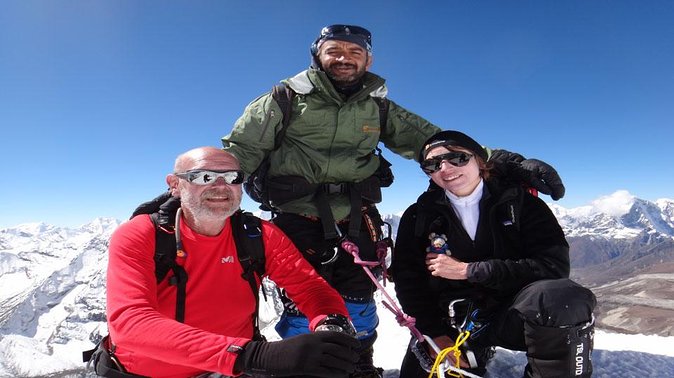
The trip begins early, with a 5:15 am meeting time at Tribhuvan Airport. The 25-minute flight to Lukla is short, but it is an important part of the journey because the trail begins almost immediately after landing.
From Lukla, you walk for about three hours to Phakding at 2,650 meters. The route passes through forests, Buddhist monasteries, and local settlements. If the weather is clear, you may catch a view of Kanguru Peak, which rises to 6,367 meters.
Phakding is a useful first night because the walking day is relatively short compared with what comes later. You get your first taste of tea house accommodation and mountain meals without beginning at a high altitude.
The practical issue is the early airport start and the need for suitable weather for the Lukla flight. The itinerary allows no spare day, so ask the operator how flight delays are handled before you go.
Day 2: Phakding to Namche Bazaar
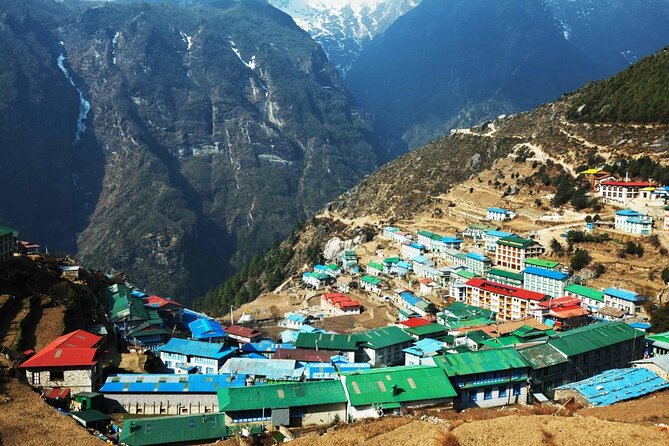
The walk to Namche Bazaar takes about six hours. You follow the Dudh Koshi River, cross suspension bridges, pass waterfalls, and move through villages toward the main commercial center of the Khumbu region.
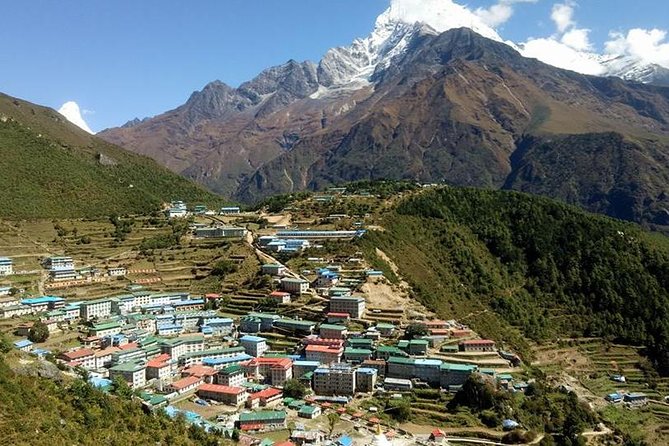
Namche sits at about 3,440 meters. The approach is demanding because the trail climbs more sharply toward town, but the destination gives the route a clear sense of progress. You may see Everest from Top Danda near Namche if the conditions are good.
Lunch is planned around Monjo or Jorsalle. These stops break up the day and give you time to eat before the final climb. This is also where you begin to notice how much the altitude affects your pace. Walk slowly, drink regularly, and do not treat the six-hour estimate as a race.
Namche is more than a sleeping stop. It is where the trek shifts from a lower mountain walk to a high-altitude route.
Day 3: Acclimatization around Namche Bazaar
The third day is set aside for acclimatization, which is one of the strongest features of the plan. You explore Namche and its nearby viewpoints rather than climbing straight toward the high camps.
Possible hikes include the Everest View Point and views toward Kusum Kanguru, Taboche Peak, and Khonde Peak. You can also visit the Sagarmatha National Park museum and shop for souvenirs in Namche Bazaar.
I like this day because it gives your body time to adjust while keeping you active. The itinerary does not require you to sit indoors all day, and the surrounding viewpoints make the slower schedule worthwhile.
The plan says Namche Bazar in several places, but the town is commonly written Namche Bazaar. Either way, this is the place to check your clothing, batteries, water, and personal supplies before the trail gets more remote.
A few more treks around Kathmandu worth a look
- Everest Base Camp Trekking
★ 5.0 · 485 reviews - Annapurna Circuit Trek with Tilicho Lake
★ 5.0 · 368 reviews - Everest Base Camp Trekking – 13 Day
★ 5.0 · 365 reviews - Everest Base Camp Trek
★ 5.0 · 350 reviews
Day 4: Namche Bazaar to Tengboche
The five-hour walk to Tengboche takes you through rhododendron forest and along river country. The route has a pleasant variety of vegetation and mountain scenery before reaching Tengboche at about 3,860 meters.
The main reason to stop here is Tengboche Monastery. You can visit the monastery and see monks and local people following long-standing Buddhist rituals and traditions.
This is one of the most meaningful cultural parts of the trip. The monastery is not just a photo stop, and your guide can help you understand how it fits into life in the Khumbu area. Be respectful during visits, particularly if a ceremony is taking place.
Tengboche is also a reminder that the trek is not only about reaching a famous altitude. The route connects settlements, religious sites, forests, rivers, and high mountain viewpoints.
Day 5: Tengboche to Dingboche
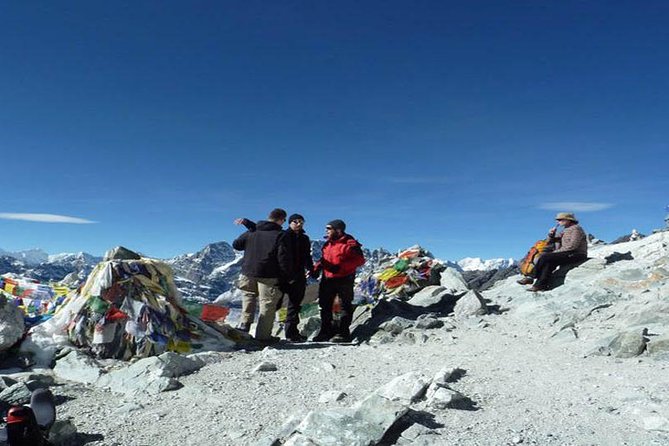
The walk to Dingboche takes about five hours and climbs to roughly 4,400 meters. Breakfast is planned at Tengboche, lunch around Pangboche or Somare, and dinner at Dingboche.
The steady rise is the important detail here. At this height, a schedule that looked easy on paper can feel slow. You will see high peaks around the route, but the best approach is to focus on an even pace rather than trying to cover ground quickly.
Dingboche is a high village and a key stage before Lobuche. The itinerary does not list a separate acclimatization day here, so you should pay close attention to how you feel. If you develop serious altitude symptoms, tell your guide immediately.
Day 6: Dingboche to Lobuche
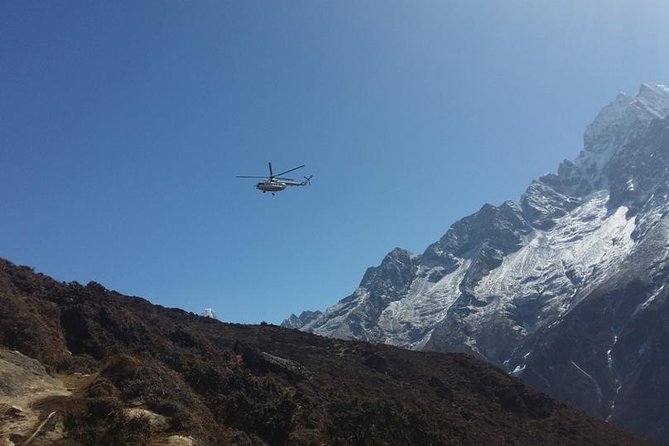
The published schedule gives this walk four to five hours, with the detailed plan using about five. Lobuche sits at approximately 4,910 meters, so the altitude is the real challenge.
Along the way, you get views of Nuptse, Island Peak, Lobuche Peak, and Taboche Peak. These mountain names become familiar as the route closes in on Everest Base Camp.
Lobuche is a practical overnight stop rather than a place for comfort or entertainment. Tea house lodging at this height is basic, and personal extras such as hot showers and battery charging cost extra. Keep your essential clothing, medication, and electronics close at hand.
Day 7: Lobuche to Gorakshep and Everest Base Camp
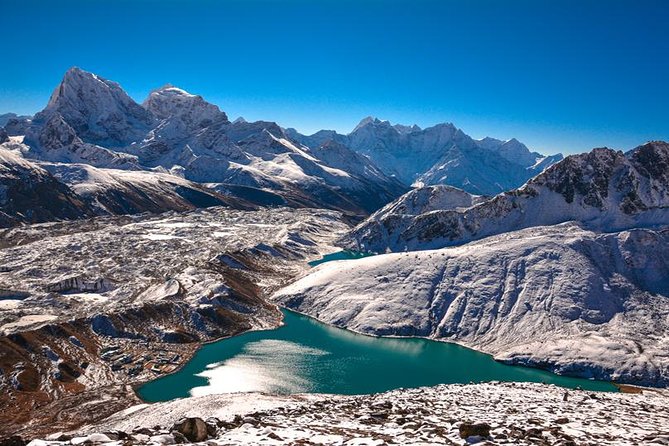
This is the big day. You walk for about three and a half hours from Lobuche to Gorakshep at 5,150 meters, following a steep route with views of Khumbu Glacier, Kala Patthar, and Mount Everest.
After lunch in Gorakshep, you continue to Everest Base Camp at 5,364 meters. The route crosses rough high mountain ground, including a small glacier and a lake area. The base camp is the emotional high point for many people, but the journey there is physically serious.
You should keep your expectations realistic. Everest Base Camp is a destination at the foot of the climbing route, not a summit viewpoint. The best broad view of Everest comes on the next morning from Kala Patthar.
After visiting Base Camp, you return to Gorakshep for the night. The combined walking time, altitude, and cold make this one of the hardest days in the schedule.
Day 8: Kala Patthar and the descent to Lobuche
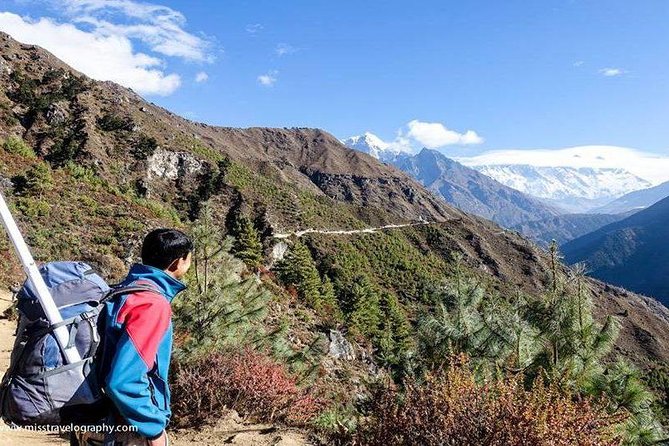
The day starts early with a roughly three-hour climb to Kala Patthar. This timing is designed for the best mountain views, and the viewpoint is described as the finest planned viewing platform on this route.
From Kala Patthar, you can look toward Everest, Nuptse, nearby peaks, and the Khumbu Glacier. Conditions matter, of course, so cloud or poor visibility can change what you see. Still, this is the part of the trip that gives the clearest visual payoff.
You descend to Gorakshep for breakfast and then continue to Lobuche, taking about two and a half hours from Gorakshep. The morning includes a climb, a descent, breakfast, and another walk, so it is not an easy recovery day.
The reward is that you begin losing altitude after reaching the highest points of the trek. That change usually feels welcome, even though the knees may complain on the downhill sections.
Day 9: Lobuche to Tengboche
The return to Tengboche takes about five and a half hours. You pass through Pangboche and Deboche, with lunch planned around those villages.
The downhill direction changes the physical challenge. Breathing may feel easier as you descend, but long downhill stretches can be hard on your legs. Bridges, rivers, stupas, monasteries, and village paths give the day plenty to look at.
Returning to Tengboche also gives you another chance to appreciate the monastery area without the pressure of the upward schedule. If you missed something on the way up, ask your guide about visiting again.
Day 10: Tengboche to Monjo through Namche
This six-hour route begins through rhododendron forest. You return to Namche Bazaar for lunch, then continue through Jorsalle toward Monjo.
The day has a satisfying feeling of retracing ground with a lighter step. You have already passed these villages, but the route can look different in reverse, especially as your attention shifts from altitude and weather to the details of village life.
Monjo is lower than the upper stops and gives you another night in a more manageable setting. The trail remains active, however, and the schedule still requires several hours of walking.
Day 11: Monjo to Lukla
The final walking day takes about five hours. You pass through Phakding, cross the Dudh Koshi River on a suspension bridge, and continue along the route to Lukla.
The path is described as descending, though the route can include short uphill sections. Do not assume the last day will be effortless. After nearly two weeks of walking, even a moderate trail can feel long.
You spend the night in Lukla before the flight back to Kathmandu. This overnight is important because the flight is scheduled for the next day rather than immediately after reaching town.
Day 12: Lukla to Kathmandu
The flight back to Kathmandu takes about 25 minutes. After landing, a company representative escorts you to a hotel in a private car, and you can spend time in Thamel after refreshing.
The published itinerary describes hotel accommodation after the flight, but the included section specifically guarantees accommodation during the trek and a farewell dinner. Confirm whether the Kathmandu hotel night is included in your booking, especially if weather causes a delay or you plan to stay longer.
Tea houses, meals, porters, and daily comfort
Tea house lodging is part of the classic Everest route. It gives you simple accommodation along the trail and keeps the group connected to local settlements rather than placing you in isolated camps.
Three meals a day are included, along with hot soup in the higher areas. Personal extras are not included. You should budget for hot showers, charging devices, laundry, bar bills, and water.
The porter arrangement is one porter for every two trekkers. Pack carefully and keep valuables, travel documents, medicine, and anything you need during the day in your own daypack. The information provided does not state a baggage weight limit, so ask before departure.
Guide and porter insurance is included, but your own travel and rescue insurance is not. That distinction matters. A personal policy should be checked for high-altitude trekking and evacuation before you leave home.
The guide question and private-group format
This is a private activity, so only your own group participates. That can make the pace and daily decisions more personal than a large shared departure, although the schedule remains fairly fixed.
The available feedback includes positive references to guides named Ajay and Jangbu, but those comments relate to other Himalayan trips and do not assign either guide to this 12-day Everest Base Camp route. Ask for the name and experience of your guide before booking.
The operator is Himalayan Holyland Treks and Expedition. A professional guide is included, but the supplied information does not specify a guide’s language skills, certifications, or years on this particular route. Those are sensible questions to raise directly.
Who should book this trek?
I would consider this trip if you want a classic Everest route with the major stops already organized. The itinerary gives you Namche Bazaar, Tengboche Monastery, Dingboche, Lobuche, Everest Base Camp, and Kala Patthar without asking you to arrange separate accommodation or local transport.
It suits someone with a moderate level of physical fitness who accepts long walking days and basic mountain lodging. It is not a casual sightseeing tour. Several days last five to six hours, and the route reaches more than 5,000 meters.
The trip may also suit a first-time Himalayan trekker who wants guide and porter support. The package reduces some planning work, but it does not remove the physical demands or the need for proper insurance.
Booking details, cancellation, and practical checks
Confirmation is received at booking, and mobile tickets are offered. Pickup is available, with the stated starting point at Tribhuvan Airport in Kathmandu at 5:15 am.
Free cancellation is available if you cancel at least 24 hours before the local start time. Changes or cancellations inside that 24-hour period are not accepted for a refund.
Before booking, I would confirm four points: the Kathmandu hotel night after returning from Lukla, the baggage allowance for porters, the plan for delayed flights, and the exact guide assigned to your group. None of these questions changes the appeal of the route, but clear answers make a high-altitude trip easier to manage.
Should you book the Everest Base Camp Trek?
Book it if you want the full classic route, prefer a private group, and value having flights, food, tea houses, guide support, porter service, and transfers handled together. The strongest parts are the Namche acclimatization day, the cultural stop at Tengboche Monastery, and the early Kala Patthar climb.
Think twice if you want flexible pacing, extra rest days, or a soft-comfort holiday. The $2,500 price is reasonable for the listed inclusions, but you still need money for personal expenses, tips, insurance, visa costs, and possible delays.
For a fit and prepared trekker, this is a focused way to reach Everest Base Camp and see the mountain from its best planned viewpoint. Just treat the altitude seriously, confirm the operating details, and arrive ready for simple rooms, early starts, and long days on foot.
FAQ
How long is the Everest Base Camp Trek?
The itinerary lasts 12 days, including flights from Kathmandu to Lukla and back. The walking route begins in Lukla and ends there before the return flight.
What is the price of the trek?
The listed price is $2,500. It includes the services and items described in the package, but not international flights, a Nepal visa, personal travel and rescue insurance, tips, or personal expenses.
Where does the trek start?
The meeting point is Tribhuvan Airport in Kathmandu, Nepal. The stated start time is 5:15 am.
Are flights between Kathmandu and Lukla included?
Yes. The itinerary includes a flight from Kathmandu to Lukla on Day 1 and a flight from Lukla to Kathmandu on Day 12. Each flight is listed as taking about 25 minutes.
Is accommodation included?
Tea house accommodation during the trek is included. The information also describes a hotel transfer after returning to Kathmandu, but you should confirm whether that extra Kathmandu night is included in your booking.
Are meals included?
Yes. Three meals a day are included during the trek, along with hot soup in the high mountain areas. Personal drinks, water, bar bills, and some other food-related expenses are not included.
Is a guide and porter included?
Yes. A professional trekking guide is included, along with porter service at a ratio of one porter for every two trekkers. Insurance for the guide and porters is also included.
What fitness level is required?
The experience states that participants should have a moderate physical fitness level. The schedule includes walking days of roughly three to six hours and reaches Everest Base Camp at 5,364 meters.
Can I cancel for a full refund?
You can cancel for a full refund if you cancel at least 24 hours before the local start time. Cancellations or changes made less than 24 hours before the start are not accepted for a refund.
Just added around Kathmandu
- Everest Base Camp Trek★ 5.0 · 3 reviews
- Everest Base Camp Trek★ 5.0 · 7 reviews
- 15 Days Private Everest Base Camp Trek★ 5.0 · 30 reviews
- Everest Base Camp Trek★ 5.0 · 57 reviews
- 14 Days of Adventure Trekking to Everest Base Camp★ 5.0 · 2 reviews
- 14-Day Everest Base Camp Trek★ 5.0 · 20 reviews
- From Kathmandu: Private 14-Day Everest Base Camp Trek★ 5.0 · 20 reviews
- 14 Days Everest Base Camp Trek★ 5.0 · 4 reviews
Everest Base Camp Treks, compared.
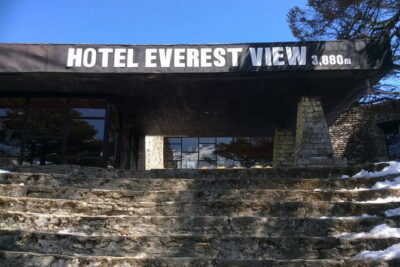
Everest Base Camp Helicopter Tour landing at Everest View Hotel
Read our review →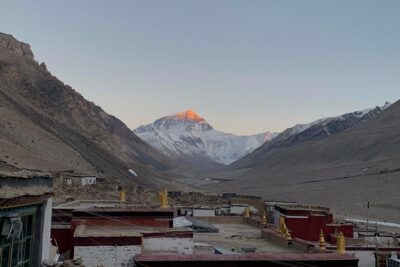
Tibet Tour 8 Days Lhasa to Everest Base Camp Small Group Tour
Read our review →
Dubai: Private Luxury Everest Yacht Cruise from Dubai Marina
Read our review →
Browse the lists this trek appears in