
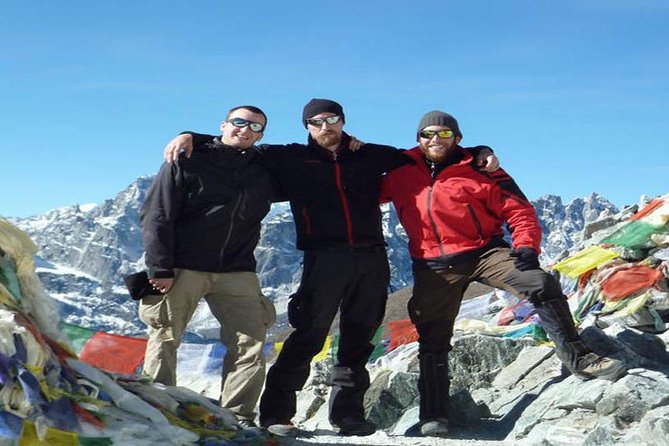
Review · KATHMANDU
Everest Base Camp Trek
The big draw here is the full Everest Base Camp route in 12 days, with flights from Kathmandu to Lukla, lodge stays, meals, permits, and a trekking guide included. You move from pine forests and river crossings to high Himalayan villages, monasteries, glaciers, and the final walk to Base Camp.
I like the two planned acclimatization days, one at Namche Bazaar and one at Dingboche. I also like the practical support: airport transfers, both Lukla flights, three lodge meals each day, and a private trip for your own group. The main consideration is the pace. You need moderate fitness, and high altitude can make even a short walking day feel hard.
- 12 days from Kathmandu: The route includes Namche Bazaar, Tengboche, Dingboche, Lobuche, Gorakshep, Everest Base Camp, and Kala Patthar.
- Two acclimatization stops: Rest days at Namche and Dingboche give your body time to adjust before the highest sections.
- Private group format: Only your own group takes part in the activity.
- Included mountain logistics: Lodge accommodation, 33 meals, guide expenses, permits, taxes, airport transfers, and round-trip Kathmandu to Lukla flights are covered.
- Cultural and natural variety: Expect Buddhist monasteries, chortens, mani walls, prayer flags, Sherpa settlements, fir and pine forests, waterfalls, rocky trails, and glaciers.
- Strong guide support: The operating team includes Hari, Ongchhu, and Nima, with pre-trip planning and checklist help highlighted as a major strength.
Why This Everest Trek Works
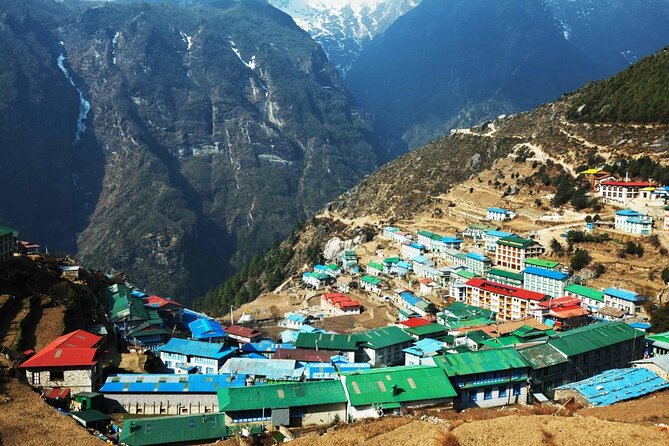
Everest Base Camp is not simply a walk toward a famous signpost. It is a gradual change in climate, scenery, and daily rhythm. You leave Kathmandu by air, follow the Dudh Kosi area through forest and village country, then climb into a colder, more open world where stone buildings, prayer flags, and glaciers replace city comforts.
I like that this plan does not rush straight from Lukla to the high country. Namche Bazaar gets an acclimatization day, and Dingboche gets another. That matters because altitude is the central challenge here, not technical climbing. You will still need to pay attention to how you feel, but the schedule gives your body a reasonable chance to adjust.
The tradeoff is that the itinerary is tightly packed. It gives you only one night at Everest Base Camp’s gateway, Gorakshep, and the route turns around soon after reaching Base Camp. You get the major sights, but this is not a slow Himalayan retreat.
What the $1,390 Price Covers
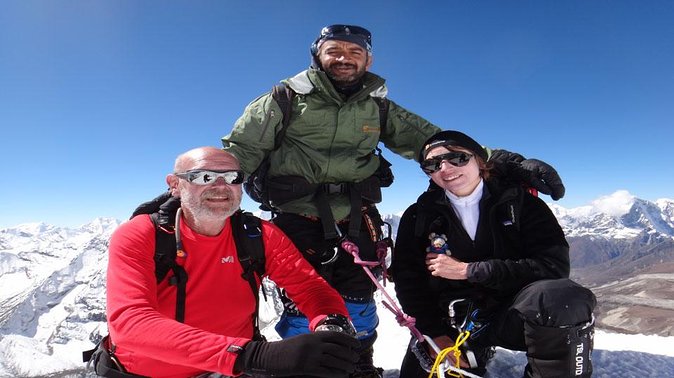
At $1,390 per person, the cost is easier to judge when you separate the expensive mountain logistics from the extras you pay yourself. The package includes airport pickup and drop-off in a private vehicle, both flights between Kathmandu and Lukla, lodge accommodation, three meals on each trekking day, a guide and the guide’s salary and insurance, permits, and taxes.
That is a useful bundle. Lukla flights alone are a major part of the transport plan, and arranging the permits and guide separately would add work and cost. The listed meal total is 11 breakfasts, 11 lunches, and 11 dinners, which matches the 12-day schedule with the first and final days tied to air travel.
You still need to budget for Kathmandu hotels and meals, alcoholic and non-alcoholic drinks, travel insurance for trekking, and tips for guides, porters, and drivers. Services not specifically listed are also outside the price. I would read the inclusions carefully and carry a clear personal budget for drinks and gratuities.
The private format adds value if you want control over the pace and company. It may cost more than joining a large fixed group, but it gives your own party the trip space rather than placing you with strangers.
More Everest Base Camp Treks in Kathmandu:
- Everest Base Camp Trek – 14 Days
★ 5.0 · 1,499 reviews - Everest Base Camp Trek
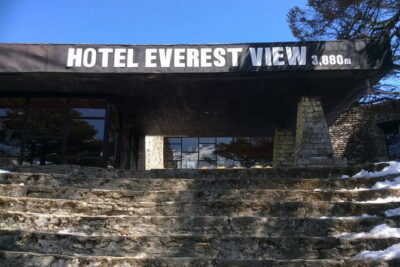
★ 5.0 · 842 reviews - Everest Base Camp Helicopter Tour landing at Everest View Hotel
★ 5.0 · 668 reviews
Day 1: Kathmandu to Lukla, Then Phakding
The trip begins at Tribhuvan Airport at 6:00 am. You fly from Kathmandu to Lukla, then start walking toward Phakding. This first day gives you the quick change that makes the Everest route so memorable: a city morning becomes a mountain trail within hours.
Phakding is an early stopping point rather than a major high-altitude test. The short opening trek helps you begin adjusting to the walking routine before the route climbs more sharply toward Namche.
The early start is important. You should be ready at the meeting point on time, with your passport details already supplied during booking. Flights and trekking operate in all weather conditions, so proper clothing matters from the first morning.
Day 2: Phakding to Namche Bazaar
The walk from Phakding to Namche Bazaar is where the route begins to feel like a serious Himalayan trek. You follow the trail toward the famous Sherpa market town, with forests, river scenery, rocky paths, and settlements along the way.
Namche is more than a place to sleep. It is the main commercial and social center of the Khumbu area, and its position makes it a natural first acclimatization stop. You have a chance to slow down, look around, and prepare for higher ground.
Expect this day to feel more demanding than the first. The route gains altitude, and the combination of uphill walking and thinner air can change your pace. I would focus on steady steps rather than speed.
Day 3: Acclimatization at Namche Bazaar
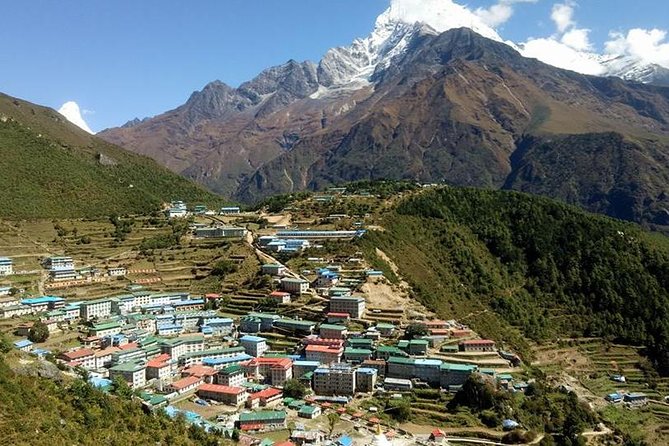
The first acclimatization day is one of the strongest parts of the schedule. You stay at Namche instead of climbing higher immediately, giving your body time to respond to the change in altitude.
This is also a valuable cultural pause. The route passes Buddhist details that become increasingly important as you climb, including chortens, mani walls, monasteries, and prayer flags. Namche lets you see the human side of the trek before the trail becomes more remote.
The day is not simply spare time. You should use it to rest, check your clothing and day pack, eat well, and pay attention to your physical condition. The next stages will take you into colder and higher country.
A few more treks around Kathmandu worth a look
- Everest Base Camp Trekking
★ 5.0 · 485 reviews - Annapurna Circuit Trek with Tilicho Lake
★ 5.0 · 368 reviews - Everest Base Camp Trekking – 13 Day
★ 5.0 · 365 reviews - Everest Base Camp Trek
★ 5.0 · 350 reviews
Day 4: Namche Bazaar to Tengboche
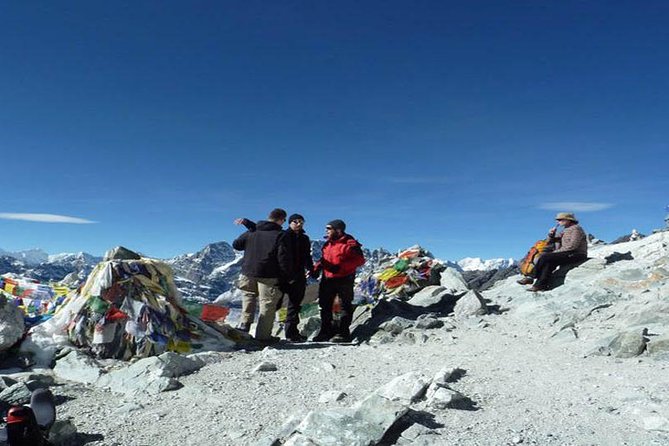
From Namche, the route continues to Tengboche, known for its Buddhist monastery and mountain setting. This is one of the itinerary’s most meaningful cultural stops. Prayer flags, religious structures, and the quiet presence of the monastery add a spiritual note to what could otherwise be treated as a race toward Base Camp.
The trail also changes as you gain height. Fir and pine forests, rocky paths, river views, and mountain scenery keep the day varied. You are no longer just walking between villages. You are moving through a setting where the natural and religious details work together.
Tengboche can feel like a major reward after the climb from Namche, but you should not mistake the beauty for ease. The route is still building toward much higher elevations.
Day 5: Tengboche to Dingboche
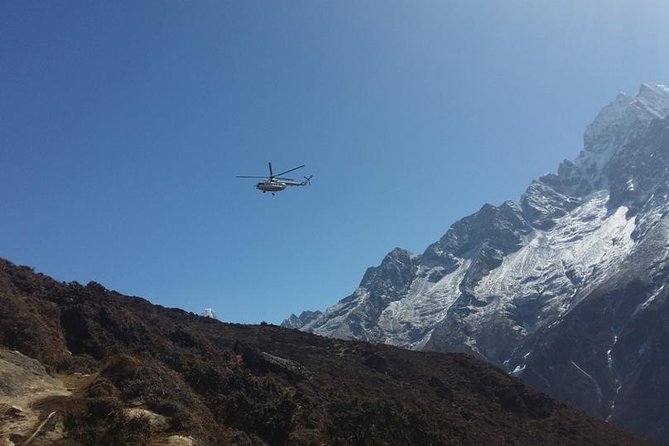
The walk to Dingboche takes you farther into the high country. The forests begin to give way to more open surroundings, and the cold becomes a more important part of the day.
Dingboche is a key stop because it is the second planned acclimatization point. It is also the last place in the itinerary where you get a dedicated pause before the route heads toward Lobuche and Gorakshep.
I like the placement of this rest day. It breaks up the upward push at a sensible point, before the highest part of the trek. You will still need to walk carefully and stay aware of altitude symptoms, but the schedule does not ask you to climb from Namche directly to the Everest Base Camp area.
Day 6: Acclimatization at Dingboche
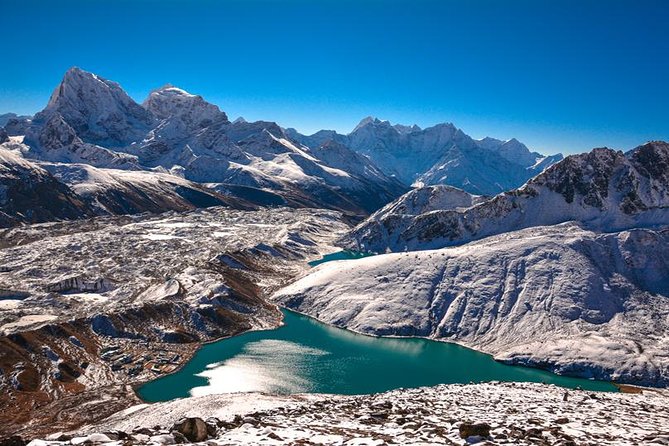
The second acclimatization day gives you a chance to recover and prepare for the hardest section. Dingboche is where the trek starts to feel less like a village-to-village walk and more like a high mountain journey.
Use this day for practical tasks. Check that your clothing is suitable for colder conditions, keep your personal items organized, and ask the guide about the next walking stages. The guide’s role matters more here because the route becomes physically tougher and your group must manage its energy well.
A moderate fitness level is required, but that phrase should not make you complacent. You will be walking for many days, often on rocky trails, and altitude can affect people differently. This trip is best for someone who already accepts a sustained physical challenge.
Day 7: Dingboche to Lobuche
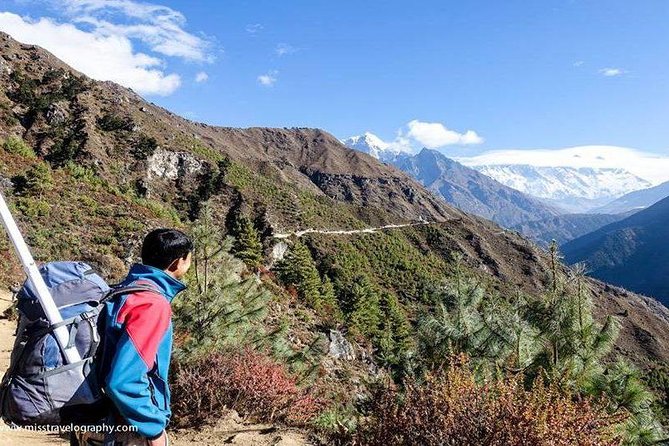
After Dingboche, you head toward Lobuche. The setting becomes more stark, with fewer trees and a greater sense of exposure. The earlier forests and lush river areas now feel far away.
This is a day for patience. You are approaching the main goal, but the walk is not a quick final push. The high altitude, rocky trail, and cold conditions can make the distance feel longer than it looks on paper.
Lobuche serves as an important overnight stop before Gorakshep. A private group can make this portion more comfortable by allowing the guide to keep the pace suited to your party, but private does not mean easy. You still need to prepare for basic lodge living and limited comforts.
Day 8: Lobuche to Everest Base Camp and Gorakshep
This is the headline day. You walk from Lobuche to Gorakshep, continue to Everest Base Camp, then return to Gorakshep for the night.
Reaching Base Camp is the emotional center of the trek. The route brings you close to the glaciers and the high Himalayan world that has been building since Lukla. It is a major achievement, but it is worth keeping expectations realistic: this is a trek to Everest Base Camp, not a climb of Mount Everest.
The return to Gorakshep makes the day demanding. You do not simply reach Base Camp and finish. You walk back to the lodge area after reaching the destination, so you should save energy and follow the guide’s pace.
The overnight at Gorakshep also shows the limits of the experience. High mountain lodges are functional places to sleep and eat, not city hotels. Your comfort comes from shelter, food, and a warm place to rest, not from luxury.
Day 9: Gorakshep to Kala Patthar, Then Pheriche
The morning begins with Kala Patthar, followed by a trek down to Pheriche. This is one of the best viewpoints in the itinerary and a strong reason to keep this day in the plan.
Kala Patthar gives you a higher vantage point for Himalayan views, while the walk to Pheriche begins the return to lower ground. After the exertion of Base Camp, the descent should bring some relief, though the morning climb can still be hard.
I would treat this as a two-part day. The climb to Kala Patthar demands effort, and the descent to Pheriche demands steady knees and attention on rocky ground. The reward is that you see the high route from a different angle and begin the physical recovery process.
Day 10: Pheriche to Namche Bazaar
The trek continues from Pheriche to Namche Bazaar. Returning along part of the same route lets you notice details that were easy to miss while climbing higher, including villages, prayer flags, forests, and river scenery.
The lower altitude should help, but fatigue may now be your main issue. Ten days into the trip, your legs have done a lot of work. Keep your pace controlled and use the support of the guide.
Namche is a welcome return point because it reconnects the high route with a larger settlement. It also gives you a final mountain-town night before the last walking stages.
Day 11: Namche to Phakding and Lukla
The penultimate day takes you from Namche to Phakding and onward to Lukla. This is a full return toward the airport town, so it is not merely a short farewell walk.
By now, you will have crossed a wide range of scenery, from dense fir and pine areas to rocky high-altitude trails and glacier country. The return gives you time to appreciate that change without the pressure of reaching Base Camp.
Lukla is the staging point for the flight back to Kathmandu. Because the itinerary ends with a flight, you should keep important personal items organized and follow the guide’s instructions about the departure process.
Day 12: Lukla to Kathmandu
The final day is the flight from Lukla to Kathmandu. The airport transfer in Kathmandu is included, and the activity ends back at the original meeting point.
This structure is convenient because the experience handles the major movement between the capital and the trailhead. You do not need to arrange a separate return transfer as part of this package.
The schedule can also be affected by weather because the trip operates in all conditions. That is not a reason to avoid the trek, but it is a reason to keep your wider Nepal plans flexible.
Guides, Group Size, and Daily Support
The team connected with this trek includes Hari, Ongchhu, and Nima. One particularly useful detail is the pre-trip preparation: questions were answered in advance, and a nearly two-hour checklist meeting helped clarify what to bring and how to prepare.
That kind of contact is valuable on a trek where small mistakes can become uncomfortable. I would use the pre-trip exchange to ask about clothing, insurance, personal spending money, meal needs, and the expected daily rhythm.
The experience is private, meaning only your own group participates. That suits families, couples, and friends who want a shared trip without joining a larger party. It also gives the guide a clearer view of your group’s pace, though the published details do not promise a custom route or flexible extra days.
Vegetarian food is available if you request it when booking. Alcoholic and non-alcoholic drinks are not included, and you should also arrange trekking insurance yourself.
Who Should Book This Trek?
I would recommend this trek to you if you want the classic Everest Base Camp route with the main logistics organized in advance. It suits people who value a guide, included lodge meals, airport transfers, permits, and private group travel more than they value luxury.
It is also a good fit if you want cultural detail along with mountain scenery. Monasteries, chortens, mani walls, prayer flags, and Sherpa settlements are not side notes here. They are part of what makes the walk more than a long uphill journey.
I would hesitate if you have very limited walking experience, dislike basic lodge accommodation, or expect a relaxed holiday. The trip requires moderate fitness, long days, high-altitude walking, and sensible preparation. You also need travel insurance for trekking, which is not included.
The cancellation terms are simple: you can receive a full refund if you cancel at least 24 hours before the start time. Cancellations or changes made later are not accepted for a refund, and cut-off times use local time.
Final Call: A Practical Route to Everest Base Camp
I would book this trek if you want a well-organized private route and appreciate having the main transport, meals, permits, lodging, and guide costs gathered into one price. The two acclimatization stops are a real strength, and the itinerary includes both Everest Base Camp and Kala Patthar rather than cutting the high section short.
I would not book it expecting a soft adventure. You will trade city comforts for mountain lodges, walk in all weather, and face a demanding schedule at altitude. For a fit trekker who wants the classic route with direct support from a team that helps with preparation, the $1,390 package offers solid practical value.
FAQ
Where does the Everest Base Camp Trek start?
The trek starts at Tribhuvan Airport in Kathmandu, Nepal. The meeting time is 6:00 am.
How long is the trek?
The experience lasts approximately 12 days, including the flights from Kathmandu to Lukla and back.
Are flights between Kathmandu and Lukla included?
Yes. Round-trip flight tickets between Kathmandu and Lukla are included.
Are meals and accommodation included?
Yes. Guesthouse or lodge accommodation during the trek is included, along with 11 breakfasts, 11 lunches, and 11 dinners.
Is travel insurance included?
No. Travel insurance for trekking is not included and must be arranged separately.
Can I request vegetarian meals?
Yes. A vegetarian option is available, but you should advise the operator at the time of booking.
Just added around Kathmandu
- Everest Base Camp Trek★ 5.0 · 3 reviews
- Everest Base Camp Trek★ 5.0 · 7 reviews
- 15 Days Private Everest Base Camp Trek★ 5.0 · 30 reviews
- Everest Base Camp Trek★ 5.0 · 57 reviews
- 14 Days of Adventure Trekking to Everest Base Camp★ 5.0 · 2 reviews
- 14-Day Everest Base Camp Trek★ 5.0 · 20 reviews
- From Kathmandu: Private 14-Day Everest Base Camp Trek★ 5.0 · 20 reviews
- 14 Days Everest Base Camp Trek★ 5.0 · 4 reviews
Everest Base Camp Treks, compared.
Everest Base Camp Helicopter Tour landing at Everest View Hotel
Read our review →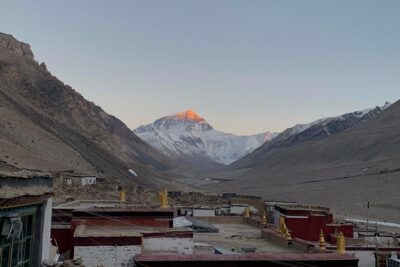
Tibet Tour 8 Days Lhasa to Everest Base Camp Small Group Tour
Read our review →
Dubai: Private Luxury Everest Yacht Cruise from Dubai Marina
Read our review →
Browse the lists this trek appears in