
Review · KATHMANDU
Everest Base Camp Trek 15 Days
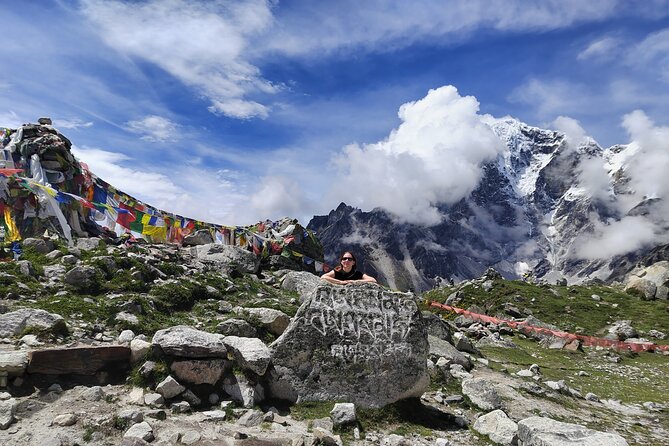
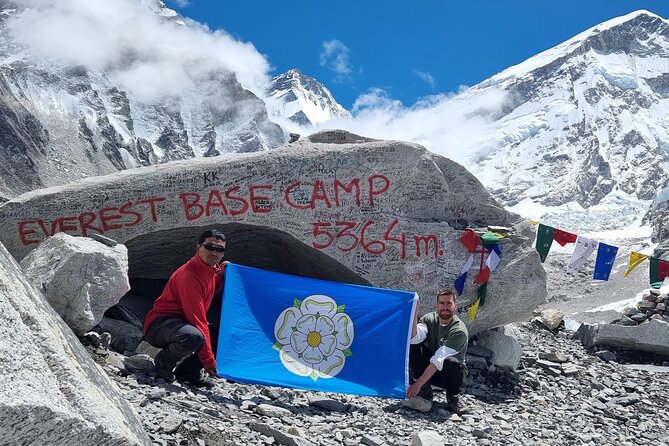
The real prize here is not simply reaching Everest Base Camp at 5,364 meters. It is the slow change from Kathmandu streets to Sherpa villages, Buddhist monasteries, pine and rhododendron forests, and finally the stark Khumbu icefall region. You walk into the mountains instead of just looking at them from a viewpoint.
I like the private group format, which keeps the trip personal, and I like that meals, a sleeping bag, and a duffel bag are included. Guides named in past bookings include Lakpa, Pasang, Nima, Buddha Tamang, Gumbo, and Tendi. The main caution is altitude: a 15-day schedule is still physically demanding, and moderate fitness alone does not remove the need to pace yourself carefully.
Key points to know before booking
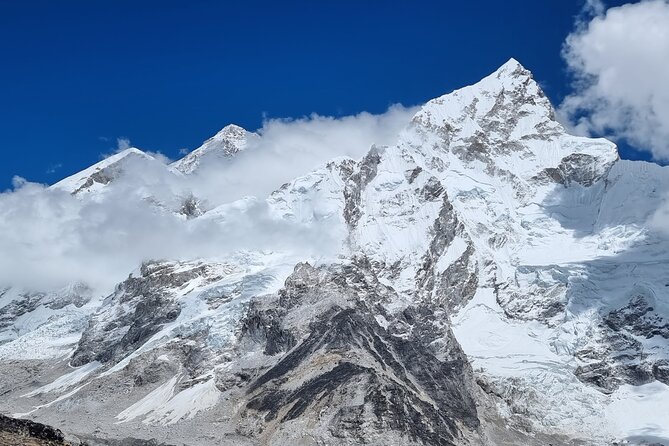
- Everest Base Camp at 5,364 meters: The trek finishes at the foot of the world’s highest mountain, in the Khumbu icefall region.
- Private group experience: Only your party takes part, giving you a more direct relationship with your guide and porters.
- Sherpa culture along the trail: Traditional villages, Buddhist customs, old heritage sites, and monasteries are central to the trip.
- Lodge-based mountain nights: You sleep in clean scenic lodges, with a sleeping bag and duffel bag supplied.
- Meals are included: Breakfast, lunch, and dinner are covered, while snacks, soda, and alcohol cost extra.
- Strong guide support: Past bookings have praised guides such as Lakpa, Pasang, Buddha Tamang, Gumbo, and Tendi for care, communication, and help at altitude.
The 15-day route, from Kathmandu to the Khumbu
This is a serious mountain trek, not a quick scenic outing. The 15-day length gives you time to move through several distinct settings, from Kathmandu and Sherpa settlements to high alpine terrain and the base camp area.
The published plan does not provide a full day-by-day schedule, so you should ask the operator for the exact overnight stops before paying. That matters because daily distances, acclimatization time, and lodge locations shape how hard the trip feels. Still, the overall experience is clear: you travel from Kathmandu into the Everest region, spend nights in mountain lodges, and walk toward base camp through villages, forests, and glacier country.
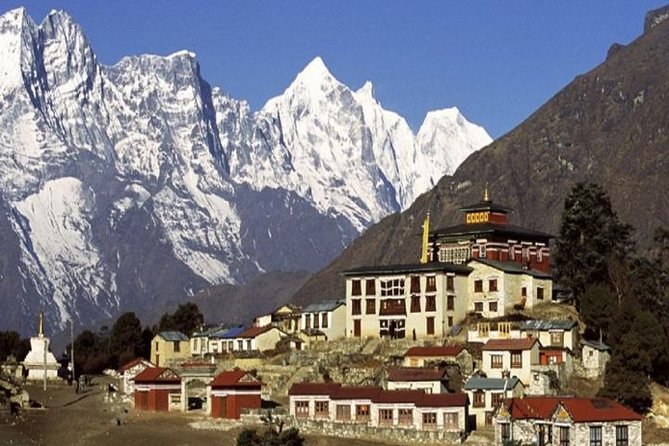
The early portion is the cultural warm-up. You pass through Sherpa communities shaped by Buddhist traditions, where monasteries, prayer customs, and older heritage sites are part of daily life rather than isolated museum pieces. This is one of the strongest reasons to choose a trek rather than a simple mountain flight. You have time to notice how the region’s culture fits its geography.
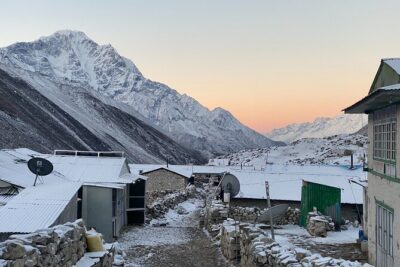
As you gain height, the scenery changes. Alpine rhododendrons and pine forests give way to colder, barer ground. The route becomes less about trees and village life and more about rock, ice, open slopes, and enormous Himalayan peaks. That change gives the trek a satisfying rhythm. You can feel the mountain environment tightening around you.
The final approach to Everest Base Camp is the most demanding part. At 5,364 meters, every uphill section can feel slower than expected. The reward is not comfort or convenience. It is the sense of arriving at a place tied to one of the world’s great mountaineering goals, with the Khumbu icefall glaciers and high peaks forming the setting.
More Everest Base Camp Treks in Kathmandu:
- Everest Base Camp Trek – 14 Days
★ 5.0 · 1,499 reviews - Everest Base Camp Trek
★ 5.0 · 842 reviews - Everest Base Camp Helicopter Tour landing at Everest View Hotel
★ 5.0 · 668 reviews
What the private format changes
This is a private activity, so only your own group participates. That is useful on a trek where people often walk at different speeds and react differently to altitude. A private guide can focus on your group rather than trying to manage a large mixed party.
It also gives you a direct line to the company and guide. One booking account describes strong communication with Ram during trip planning and flexibility after a delayed arrival in Kathmandu. That sort of pre-trip contact is valuable because a trek like this involves more than showing up at a meeting point. You need clear advice about equipment, luggage, fitness, timing, and altitude.
The private format does not make the route easy. It simply gives you more room to ask questions, adjust your walking pace, and speak up when something feels wrong. You should still ask how many porters will accompany your group, how luggage is divided, and what happens if someone cannot continue.
Guide quality is especially important here. Names connected with successful trips include Lakpa, Pasang, Nima, Buddha Tamang, Gumbo, and Tendi. Past descriptions give particular weight to careful altitude checks, emotional support, route knowledge, and practical help, including carrying day packs when someone was exhausted. Guide assignments can change, so ask who is scheduled for your departure rather than assuming you will get a particular person.
Sherpa villages and Buddhist heritage
The cultural side of the trek deserves equal billing with Everest. You are not simply walking through empty mountain country. The route passes through traditional Sherpa villages where Buddhist culture and local customs shape the architecture, religious sites, and daily pace.
I like this part because it gives the journey a human scale. The great peaks can seem almost unreal, but monasteries and villages remind you that people have built lives in this difficult region for generations. Old heritage sites and religious buildings also break up the physical effort. A quiet stop at a monastery can be more meaningful than rushing from one viewpoint to the next.
Do not treat these places as scenery alone. Dress and behave respectfully, follow your guide’s instructions, and ask before photographing people or religious activity. The tour description promises visits to old heritage sites and interesting monasteries, but it does not name each one, so get a precise list if particular sites matter to you.
Forests, glaciers, and the changing mountain view
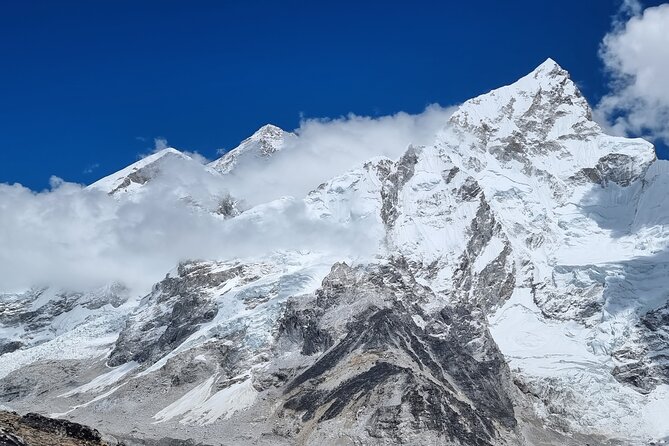
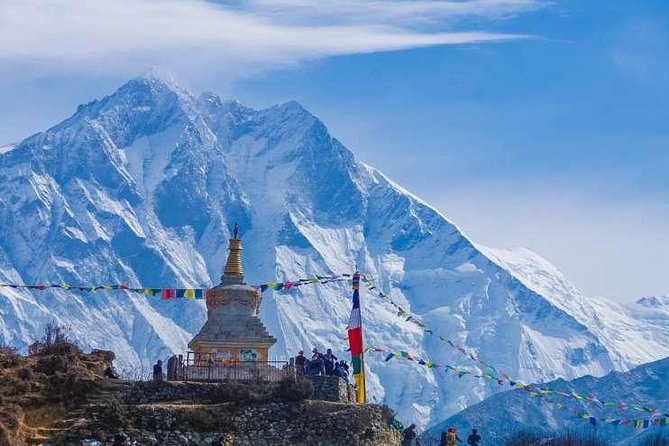
One pleasure of the trek is the steady shift in scenery. Lower sections feature pine forests and alpine rhododendrons. Higher sections become more exposed and spare, with barren ground, ice, and the Khumbu glacier system.
The views are not one single postcard scene. They change with the weather, your altitude, and the direction of the trail. You may spend one stretch surrounded by trees, then reach a more open section where high peaks dominate the horizon. The route’s visual variety helps justify the long walking days.
The glacier and icefall areas also make the final stage feel more serious. You are near the terrain used by mountaineering expeditions, but this is not a climbing trip. The experience is a trek to base camp, and the focus is reaching the destination on foot, taking in the mountain setting, and returning safely.
Weather can affect the experience. The operator states that poor weather may lead to a different date or a full refund if the activity is canceled. That policy is useful, but it does not mean the mountains will provide clear views every day. You should be ready for changing conditions and accept that some of the best scenery may appear briefly.
A few more treks around Kathmandu worth a look
- Everest Base Camp Trekking
★ 5.0 · 485 reviews - Annapurna Circuit Trek with Tilicho Lake
★ 5.0 · 368 reviews - Everest Base Camp Trekking – 13 Day
★ 5.0 · 365 reviews - Everest Base Camp Trek
★ 5.0 · 350 reviews
Lodge nights and what is included
At the end of each walking day, you stay in clean scenic lodges. This is not a luxury hotel journey, but lodge accommodation provides warmth, shelter, and a chance to recover without camping equipment. A sleeping bag and duffel bag are included, which reduces the amount of specialist gear you must arrange yourself.
Meals included in the price are breakfast, lunch, and dinner. That is a meaningful part of the package value because you do not need to budget separately for three main meals each day. The listing does not specify menus, dietary options, room arrangements, or whether drinks are included, so ask those questions before departure if they affect your planning.
Alcoholic drinks, soda, and snacks are not included. These costs can add up during a 15-day trip, particularly when you are tired and want something extra at the lodge. Bring a realistic spending budget rather than treating the advertised price as the complete cost of the holiday.
The included sleeping bag is also worth clarifying. Ask about its temperature rating, cleanliness, and whether you should bring a personal liner. The supplied duffel bag is useful for porter-carried belongings, while you will still need a day pack for water, layers, documents, and personal items.
Is $2,400 a fair price?
The price is $2,400 per person. On paper, that is a substantial amount, but the value depends on what you would otherwise need to arrange yourself. This package includes the main meals, sleeping bag, duffel bag, fees, taxes, and a private guide-and-porter setup. It also removes much of the planning burden.
The strongest value is convenience and support. You are not left to organize every meal, lodge night, gear transfer, and mountain fee on your own. A private group can also be worth paying for if you want closer contact with your guide and a schedule built around your own party.
The price does not cover a Nepal visa, travel insurance, tips for the guide and porters, alcoholic drinks, soda, or snacks. Those exclusions are normal items to see in a trek package, but they still belong in your real budget. Insurance is particularly important for a high-altitude trip, so check that your policy covers the full activity and the elevations involved.
I would compare the package on inclusions, not just the headline price. Ask for the exact lodge plan, porter support, guide-to-client ratio, emergency procedures, meals, and what happens if weather disrupts transport or the walking schedule. A lower quote may leave you paying for items that this package already covers.
Fitness, altitude, and the real difficulty
The activity is marked as suitable for people with a moderate physical fitness level. That does not mean easy. Walking for many consecutive days at increasing altitude is a different challenge from a long weekend hike at home.
Your legs need endurance, but altitude is the bigger unknown. You may find that ordinary uphill walking becomes slow and tiring. A responsible guide should monitor how you are adapting, and past accounts specifically credit guides with paying close attention to physical condition and altitude response.
You should prepare with regular walking, hill training, and time carrying a day pack. The tour information does not give daily distances or elevation gains, so ask for those details. They will help you judge if the plan fits your current fitness.
Build patience into your expectations. The goal is not to race to base camp. It is to keep moving at a manageable pace, eat and drink regularly, and tell your guide early if you feel unwell. A private format helps with this, but it cannot replace honest communication from you.
Meeting point, timing, and planning details
The activity begins at 6:15 a.m. at Sherpa Expedition and Trekking, Chaksibari Marg, Kathmandu 44600, Nepal. It ends back at the meeting point. Pickup is offered, so confirm the pickup area and time directly with the operator rather than assuming it covers every Kathmandu address.
The meeting point is near public transportation, which is handy if you are making your own way there. Confirmation is provided at booking. Since the trek lasts about 15 days, keep your arrival plans flexible enough to attend the early start and complete any preparation with the guide.
The operator also states that a minimum number of participants may be required. If that minimum is not met, you can choose another date or experience, or receive a full refund. Poor weather can trigger the same choice. Read those terms before booking flights that cannot be changed.
Cancellation is free up to 24 hours before the experience start time for a full refund. Changes or cancellations inside that 24-hour period are not accepted for a refund, and the cutoff follows local time.
Who should book this trek?
This trip suits you if Everest is a major personal goal and you want a supported trek rather than a self-organized route. It also fits people who care about the journey through Sherpa villages, monasteries, forests, and glaciers, not only the photograph at base camp.
The private setup is a good match if you value personal attention or are traveling with family and friends. It may also suit a solo participant who wants a dedicated arrangement, though you should confirm the exact solo supplement or group terms before booking.
I would hesitate if you dislike basic lodge accommodation, cannot commit to repeated long walking days, or want a relaxed sightseeing holiday. The scenery is spectacular, but the physical effort is not a side note. The 15-day schedule requires patience, fitness, and flexibility.
Should you book the Everest Base Camp Trek?
I would book this trek if you want a well-supported route to Everest Base Camp and value having meals, core gear, fees, guides, and porters handled in one package. The combination of Sherpa culture, monasteries, changing forests, glaciers, and high mountain views gives the trip more depth than a simple out-and-back walk to a famous sign.
Before paying, ask for the full day-by-day itinerary, guide assignment, altitude plan, lodge standards, porter arrangements, meal details, and emergency procedures. If those answers are clear and you are ready for the physical demands, $2,400 can be a reasonable price for the support included. If you want comfort, low exertion, or guaranteed clear views, choose a different Nepal experience.
FAQ
How long is the Everest Base Camp trek?
The trek lasts approximately 15 days.
Where does the activity start?
It starts at 6:15 a.m. at Sherpa Expedition and Trekking, Chaksibari Marg, Kathmandu 44600, Nepal. Pickup is offered, so confirm the exact arrangement with the operator.
Where does the trek end?
The activity ends back at the meeting point in Kathmandu.
Is the trek private?
Yes. Only your group participates in this private activity.
What meals and gear are included?
Breakfast, lunch, dinner, a sleeping bag, and a duffel bag are included. Snacks, soda, and alcoholic drinks are not included.
What is not included in the price?
The price does not include a Nepal visa, travel insurance, tips for the guide or porter, alcoholic drinks, soda, or snacks.
Just added around Kathmandu
- Everest Base Camp Trek★ 5.0 · 3 reviews
- Everest Base Camp Trek★ 5.0 · 7 reviews
- 15 Days Private Everest Base Camp Trek★ 5.0 · 30 reviews
- Everest Base Camp Trek★ 5.0 · 57 reviews
- 14 Days of Adventure Trekking to Everest Base Camp★ 5.0 · 2 reviews
- 14-Day Everest Base Camp Trek★ 5.0 · 20 reviews
- From Kathmandu: Private 14-Day Everest Base Camp Trek★ 5.0 · 20 reviews
- 14 Days Everest Base Camp Trek★ 5.0 · 4 reviews
Everest Base Camp Treks, compared.
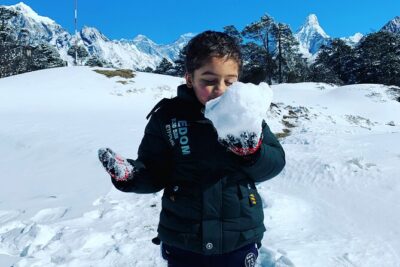
Everest Base Camp Helicopter Tour landing at Everest View Hotel
Read our review →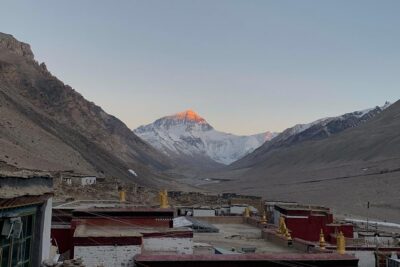
Tibet Tour 8 Days Lhasa to Everest Base Camp Small Group Tour
Read our review →
Dubai: Private Luxury Everest Yacht Cruise from Dubai Marina
Read our review →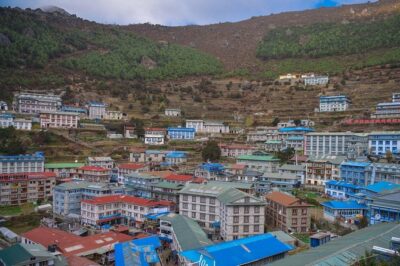
Browse the lists this trek appears in