
Review · KATHMANDU
Everest Base Camp Trek
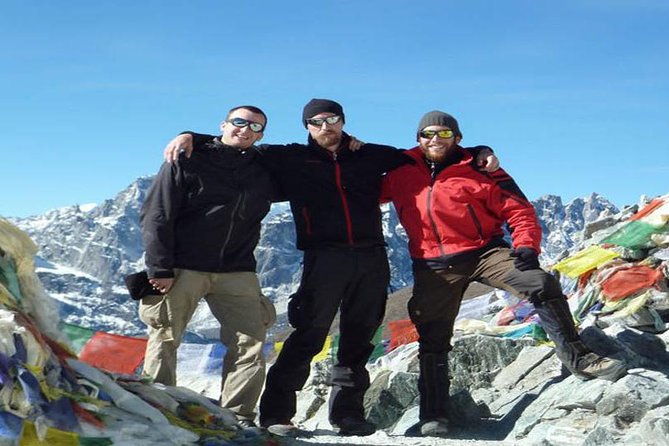
The Everest Base Camp trek is less about reaching one famous marker than living for two weeks in the high Himalaya. You fly into Lukla, walk through Sherpa villages, cross swaying bridges, sleep in simple lodges, and slowly trade city comforts for huge mountain views. Namche Bazaar and Kala Patthar are two of the trip’s best moments.
I like the careful pace, with acclimatization days in Namche and Dingboche, and I like that the $1,600 price includes flights, lodging, meals, permits, guide service, airport transfers, and trekking equipment. Guides such as Keshab, Ganesh, Krishna, and Prakash have been singled out for patience, planning, and steady support. The main drawback is clear: this is a demanding high-altitude trek, and weather, flight delays, basic lodging, and altitude sickness can all affect your plans.
Key points before you book
- Lukla flights begin the real adventure: The 35-minute flight from Kathmandu or Ramechhap gives you sweeping views before the walking starts.
- Two acclimatization days help: You spend a full day in Namche and another in Dingboche, with short hikes rather than total rest.
- Kala Patthar may be the visual high point: The summit gives broad views of Everest, Nuptse, Pumori, Ama Dablam, and surrounding glaciers.
- The price covers a lot: Round-trip domestic flights, local lodge rooms, three daily meals, permits, a certified guide, airport transfers, and two Kathmandu hotel nights are included.
- The route uses simple mountain lodges: Expect twin-sharing rooms and practical meals, not polished hotels or city comforts.
- Altitude is the serious issue: You need moderate fitness, patience, and the willingness to turn back if your body is not adapting.
Why this 14-day Everest trek works
This route follows the classic approach to Everest Base Camp through the Khumbu region. You begin in Kathmandu, fly to Lukla, walk to Phakding and Namche Bazaar, then continue through Tengboche, Dingboche, Lobuche, Gorakhshep, and Base Camp before returning by the same general route.
The schedule gives you two important adaptation stops. Namche sits at about 3,440 meters, while Dingboche is around 4,410 meters. Those rest days are not filler. They give your body time to adjust before the route climbs higher.
You also get a fully guided private trip, meaning only your group participates. That can be useful if you want the pace adjusted within reason, need help with logistics, or prefer not to manage lodges, flights, permits, and meals yourself.
The company has received a five-star rating from 58 reviews, with 100 percent recommendation shown in the supplied information. The repeated strengths are organization, airport support, guide care, and help from the trekking crew. Names that appear in the feedback include Keshab, Ganesh, Krishna, Prakash, and Prakash Gurung. The exact guide depends on your departure, but you can ask who will lead your group before booking.
More Everest Base Camp Treks in Kathmandu:
- Everest Base Camp Trek – 14 Days
★ 5.0 · 1,499 reviews - Everest Base Camp Trek
★ 5.0 · 842 reviews - Everest Base Camp Helicopter Tour landing at Everest View Hotel
★ 5.0 · 668 reviews
Kathmandu arrival and the flight to Lukla
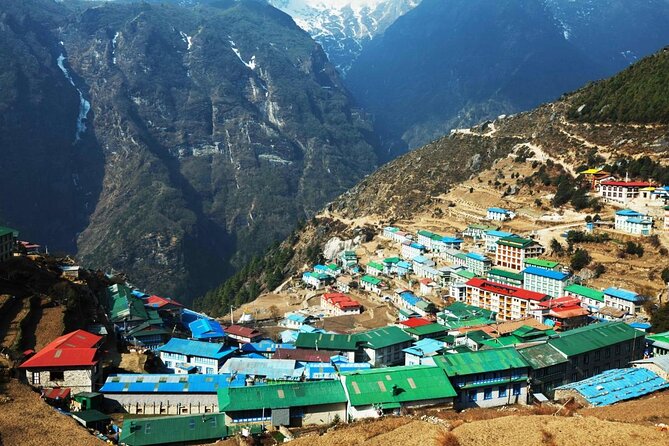
Day one is deliberately easy. A Glorious Himalaya representative meets you at Kathmandu airport, using a company identification paper, and transfers you to your hotel. Two nights of Kathmandu accommodation with buffet breakfast are included in the package, one at the start and one after the trek.
On day two, your guide collects you early for the flight toward Lukla. The flight lasts roughly 30 to 35 minutes and is part of the experience, not just a transfer. You see hills, river valleys, settlements, and Himalayan peaks from above before landing in the small mountain town.
From Lukla, you meet the porters and begin the walk to Phakding. This first four-hour section is a gentle introduction, with mani walls, prayer wheels, suspension bridges, villages, and forest. The route follows the Dudh Koshi River and ends at a local guesthouse.
The short opening day helps you settle into the rhythm. You will already notice the trade-off: the scenery is superb, but the accommodation is simple and the walking surface can be uneven.
Namche Bazaar and your first big peaks
Day three takes you upstream toward the meeting point of the Bhote Koshi and Dudh Koshi rivers. You cross the Hillary Bridge, then climb toward Namche Bazaar. The six-hour walk is harder than the Phakding section, especially as the trail rises toward town.
This is where the trip begins to feel properly Himalayan. Everest, Lhotse, Nuptse, Ama Dablam, and other peaks can appear if the weather is clear. The mountain views are not constant, so keep your camera ready and your expectations sensible. Cloud and changing conditions are part of the route.
Namche is the main service center of the Everest region. You can find bakeries, restaurants, tea shops, souvenir stores, ATMs, money exchanges, internet cafes, and government offices. There is also a visitor center near the Sagarmatha National Park headquarters.
Day four is an acclimatization day. The smart choice is to stay active with a short uphill walk rather than spend the whole day in bed. You can also explore Namche itself. This is one of the few points on the route where you can handle practical errands before heading into more remote country.
Tengboche, Pangboche, and Dingboche
The trail to Tengboche takes about five hours. It rises and falls through forest and open sections, with repeated views of Everest, Nuptse, Lhotse, and Ama Dablam. The route may offer sightings of musk deer, Himalayan thar, and colorful pheasants, though wildlife is never guaranteed.
Tengboche is especially memorable for its monastery and mountain setting. This is a good place to slow down for a moment. You are not simply walking toward a base camp. You are moving through villages and religious sites that give the Khumbu its character.
The next section passes through the Imja Valley and dense forest before reaching Pangboche, at about 3,985 meters. Its monastery is associated with the early spread of Buddhism in the Khumbu region. You then continue to Dingboche, around 4,410 meters.
Dingboche gets another full acclimatization day. You may choose the optional hike toward Chhukung, beginning around 8:30 in the morning after breakfast. The walk is described as manageable, with excellent Ama Dablam views, but strong winds can make the return feel tougher.
I like this part of the plan because it gives you a chance to move higher without rushing onward immediately. At altitude, a rest day can be the difference between enjoying the next stage and struggling through it.
A few more treks around Kathmandu worth a look
- Everest Base Camp Trekking
★ 5.0 · 485 reviews - Annapurna Circuit Trek with Tilicho Lake
★ 5.0 · 368 reviews - Everest Base Camp Trekking – 13 Day
★ 5.0 · 365 reviews - Everest Base Camp Trek
★ 5.0 · 350 reviews
Lobuche and the memorials above Pheriche
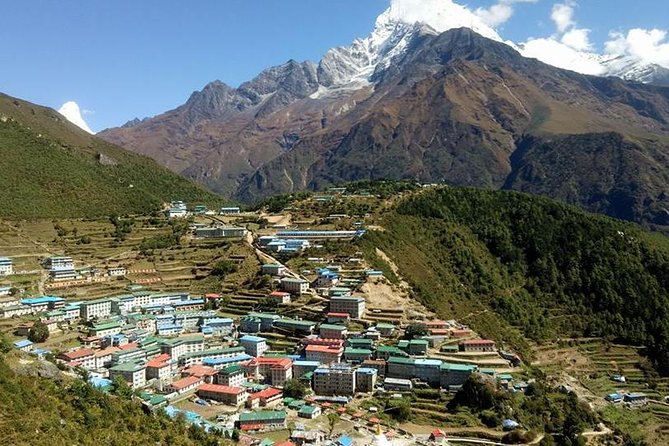
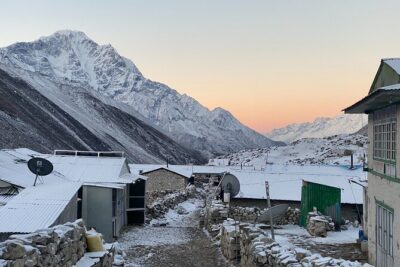
Day eight leads toward Lobuche, usually about five hours of walking. The villages become smaller against the surrounding peaks, and the route feels more exposed and remote.
You pass near Pheriche, where a trekkers’ aid post is staffed by volunteer Western doctors. The itinerary then describes a short, steep climb to Chukpo Lari, an area filled with memorials to climbers who died on Everest expeditions.
This is a quiet and sobering part of the trek. Everest is often presented as a dream destination, but these memorials remind you that the mountain is serious. The route is beautiful, yet it asks for respect, patience, and careful attention to your health.
Lobuche is not a place for long evening activities. Rest, eat, prepare your clothes for the next morning, and keep your expectations realistic. The following day is the physical centerpiece of the itinerary.
Everest Base Camp and the long day to Gorakhshep
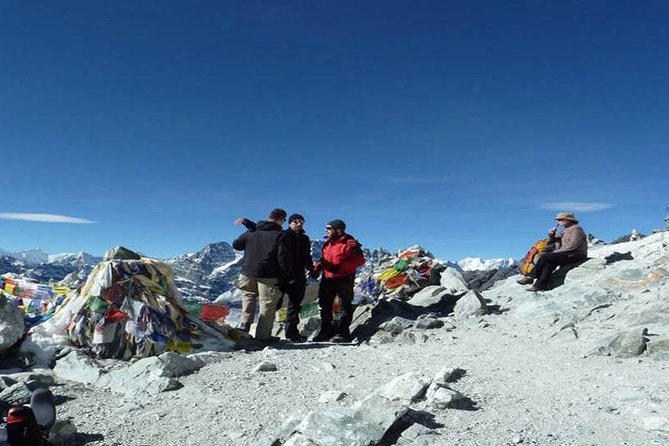
Day nine is an eight-hour walking day to Everest Base Camp and back to Gorakhshep. You follow rocky ground beside glacial ponds and ice formations, then cross meadows and moraine sections toward Gorakhshep.
From there, the route either continues to Base Camp or includes an ascent of Kala Patthar depending on timing and conditions. The itinerary mentions both options, then schedules the main Kala Patthar climb for the following morning. Ask your guide how the day will be arranged, since weather, pace, and daylight matter here.
Everest Base Camp itself is a major personal achievement, but it may not provide the broadest view of Everest. The camp sits among moraine and glacier terrain, and the famous summit can be partly hidden from this angle. You will still see ice, rock, expedition infrastructure in season, and the dramatic setting that climbers use before heading higher.
The return to Gorakhshep makes the day tiring. At this altitude, even a short-looking path can take time. Your guide’s job is important here, especially in keeping the group together, monitoring energy levels, and making sensible decisions.
Kala Patthar gives you the mountain panorama
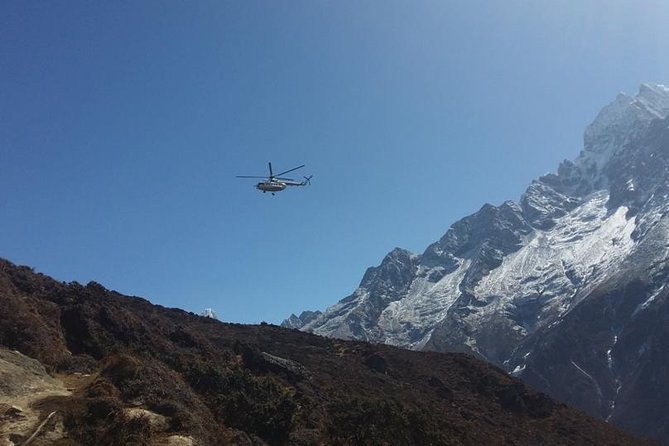
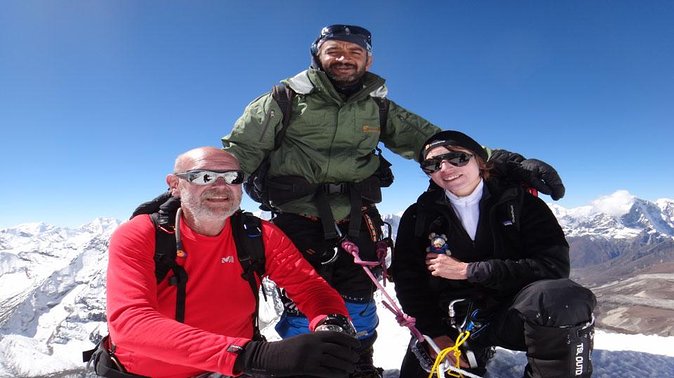
The following morning begins early with the climb to Kala Patthar, listed at about 5,550 to 5,555 meters. It is a steep and strenuous ascent, but the reward is the clearest mountain panorama on the route.
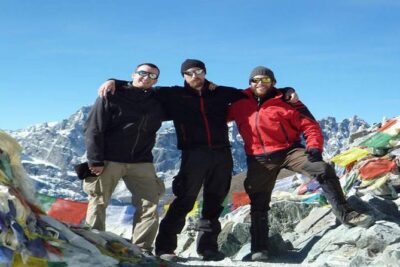
At the top, you may see Everest, Nuptse, Pumori, Changtse, Ama Dablam, Taweche, Kantega, glaciers, prayer flags, cairns, a small stupa, and a weather station. This is the point where the scale of the Himalaya becomes easiest to understand.
You return to Gorakhshep for breakfast, then descend to Pheriche for the night. Going downhill helps your breathing as the air becomes denser, though tired legs can make the descent surprisingly demanding.
If you must choose between extra time at Base Camp and Kala Patthar, I would protect the Kala Patthar morning if weather and health allow. Base Camp is the goal written on the itinerary, but Kala Patthar is often the stronger viewpoint.
The return through Tengboche and Lukla
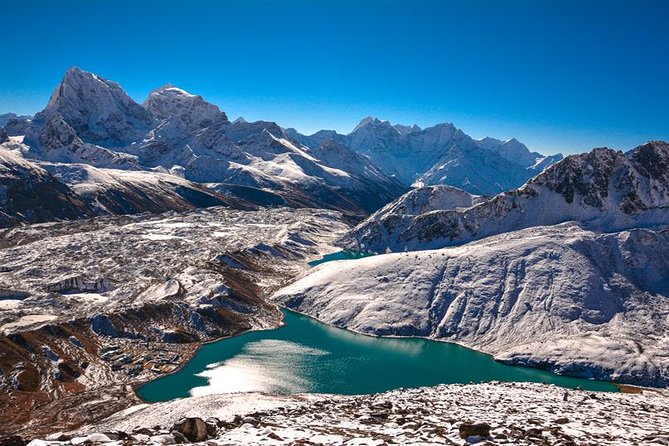
The return is not just a repeat. Descending brings easier breathing, warmer temperatures, and a different view of villages and forests. You pass through valleys and pastureland toward Namche, with rhododendron and juniper trees, mountain scenery, and possible wildlife sightings.
The supplied schedule labels day eleven as Namche Bazaar, but its description also refers to continuing toward Lukla. Day twelve is clearly the Lukla arrival day. Because the route details are not perfectly consistent, confirm the exact overnight stops with Glorious Himalaya before departure.
The final walking stretch to Lukla takes about seven hours and can be steep downhill. You cross suspension bridges, follow the Dudh Koshi River, pass Sherpa villages and forest, and return to the Tenzing Hillary bridge area.
Lukla gives you a natural place to mark the end of the trek. You can explore the bazaar, shop for local items, and celebrate with your guide and crew before the flight back.
What the $1,600 price really includes
At $1,600 per person, this is not a bare-bones walking package. The cost includes:
- Airport pickup and drop-off by private vehicle
- Two Kathmandu hotel nights with buffet breakfast
- Round-trip domestic flights
- Twin-sharing local lodge accommodation
- Breakfast, lunch, and dinner during the trek
- Seasonal fruit after dinner
- Trekking permits and entrance fees
- Government and local taxes
- A certified trekking guide
- Company duffel bag and sleeping bag, if needed
- First-aid kits with an oximeter
- An achievement certificate
That package gives you solid value if you would otherwise need to arrange each part separately. The guide, permits, domestic flights, meals, lodging, and airport transfers cover the main costs of a classic Everest Base Camp trek.
The price does not include your Nepal entry visa, international flights, or a porter. Porter service is available at an extra cost. Ask exactly what luggage the guide team will carry and what weight limit applies before you arrive.
Food, lodging, safety, and altitude
The lodges are described as the best available local properties with twin-sharing rooms. You should picture simple mountain accommodation rather than private bathrooms and full hotel services. The package includes three meals each trekking day, which is useful because food options become more limited as you climb.
A first-aid kit and pulse oximeter are included. That is helpful, but it does not remove the need to take altitude symptoms seriously. The itinerary includes acclimatization days, yet no schedule can guarantee that your body will adjust.
One important lesson comes from the supplied experiences: a trekker was unable to continue toward the summit because of acute mountain sickness, while the guide provided support and took the safe option. That is exactly the attitude you need. Reaching Base Camp is never more important than descending when your health requires it.
The listed requirement is moderate physical fitness. You should be ready for repeated days of four to eight hours of walking, steep climbs, rocky paths, suspension bridges, cold conditions, and thin air. Fitness helps, but pacing and acclimatization matter just as much.
Who should book this Everest Base Camp trek
I would recommend this trip to someone who wants a classic guided route and values logistics being handled from arrival to departure. It suits solo participants, couples, families with appropriate fitness, and private groups that want a local guide throughout.
The included Kathmandu transfers and domestic flights are useful if you do not want to arrange the trip in separate pieces. The company has also handled solo women, family groups, and older participants, including one 73-year-old who completed a demanding extended itinerary. That does not mean the route is easy. It shows that pace, preparation, and good support matter.
I would hesitate to recommend it to anyone looking for comfort, flexible sightseeing, or a low-risk holiday. The route is long, the accommodation is basic, and flights to and from Lukla can be affected by conditions. Drone use inside Sagarmatha National Park also requires special permits.
You can cancel for a full refund if you do so at least 24 hours before the start time. Cancellations within 24 hours are not refunded, and changes inside that period are not accepted.
Should you book it?
Book this Everest Base Camp trek if you want the classic Khumbu route with a local guide, included domestic flights, meals, permits, accommodation, and airport support at a clear package price. The strongest reasons are the sensible acclimatization plan, the mountain views from Kala Patthar, and the repeated emphasis on attentive guides such as Keshab, Ganesh, Krishna, and Prakash.
Before paying, confirm the assigned guide, porter cost, flight routing through Ramechhap or Kathmandu, and the exact day eleven overnight stop. If you are fit, patient, and ready for basic conditions, this is a well-supported way to reach one of the world’s great trekking destinations.
FAQ
How long does the Everest Base Camp trek take?
The full experience lasts approximately 14 days, including arrival and departure in Kathmandu, the trek, domestic flights, and two Kathmandu hotel nights.
What is included in the $1,600 price?
The price includes private airport transfers, local lodge accommodation, airport and departure tax, trekking permits, entrance fees, local and government taxes, a certified guide, round-trip domestic flights, a duffel bag and sleeping bag if needed, first-aid supplies, an achievement certificate, two Kathmandu hotel nights with buffet breakfast, and three daily meals during the trek.
Are international flights included?
No. Nepal entry visa costs and international flights are not included.
Is a porter included?
No. Porter service is available for an additional cost.
What fitness level do I need?
The stated requirement is moderate physical fitness. The itinerary includes walking days of about four to eight hours, steep sections, rocky paths, suspension bridges, and high altitude.
Are acclimatization days included?
Yes. You have an acclimatization day in Namche Bazaar and another in Dingboche. The plan recommends short hikes and staying active rather than spending the entire day resting.
Is the trek guided?
Yes. This is a fully guided private activity, with a trained local guide accompanying your group throughout the trek.
Are meals included during the trek?
Yes. Breakfast, lunch, and dinner are included each trekking day. Seasonal fruit is also provided after dinner.
Can I use a drone in Sagarmatha National Park?
You need special permits to use a drone inside Sagarmatha National Park.
What is the cancellation policy?
You can cancel at least 24 hours before the experience starts for a full refund. Cancellations and changes made within 24 hours are not accepted, and the amount paid is not refunded.
Just added around Kathmandu
- Everest Base Camp Trek★ 5.0 · 3 reviews
- Everest Base Camp Trek★ 5.0 · 7 reviews
- 15 Days Private Everest Base Camp Trek★ 5.0 · 30 reviews
- Everest Base Camp Trek★ 5.0 · 57 reviews
- 14 Days of Adventure Trekking to Everest Base Camp★ 5.0 · 2 reviews
- 14-Day Everest Base Camp Trek★ 5.0 · 20 reviews
- From Kathmandu: Private 14-Day Everest Base Camp Trek★ 5.0 · 20 reviews
- 14 Days Everest Base Camp Trek★ 5.0 · 4 reviews
Everest Base Camp Treks, compared.
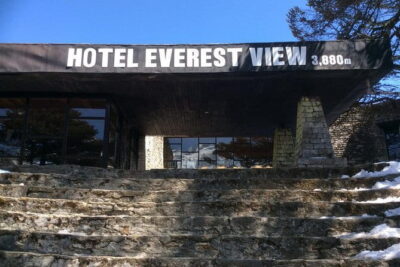
Everest Base Camp Helicopter Tour landing at Everest View Hotel
Read our review →
Tibet Tour 8 Days Lhasa to Everest Base Camp Small Group Tour
Read our review →
Dubai: Private Luxury Everest Yacht Cruise from Dubai Marina
Read our review →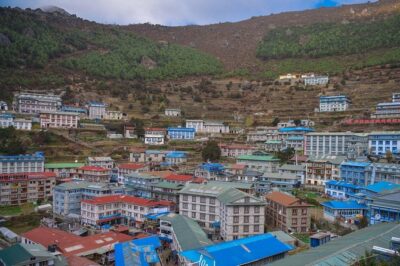
Browse the lists this trek appears in