
Review · KATHMANDU
Everest Base Camp Trek 12 Days – Best Himalayan Adventure
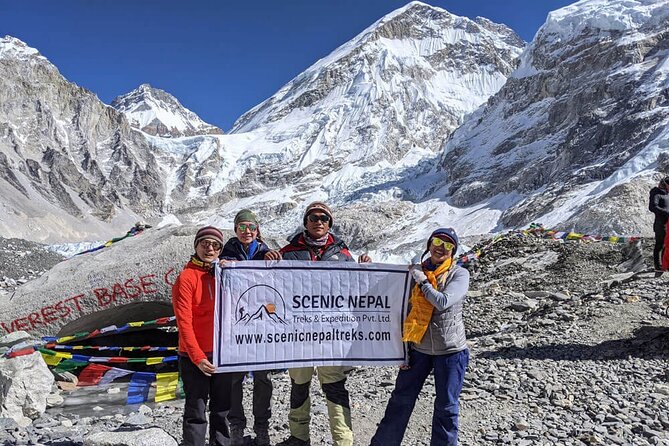
Everest Base Camp is the headline, but the real reward comes earlier: suspension bridges, Sherpa villages, Buddhist monasteries, and the first sight of Ama Dablam above the trail. I like the private format, which lets your guide adjust the pace, and I like that the trek includes permits, domestic flights, tea-house lodging, and staff support in one package.
The strongest praise goes to the local crew. Guides such as Shankar, Binod, Ramjee, Santosh, and others are repeatedly singled out for patience, care, and safety. The main caution is physical: this is a demanding high-altitude trek, not a sightseeing stroll. Also clarify meals, porter arrangements, flight departure airport, and group size before paying.
Key details to know before you book
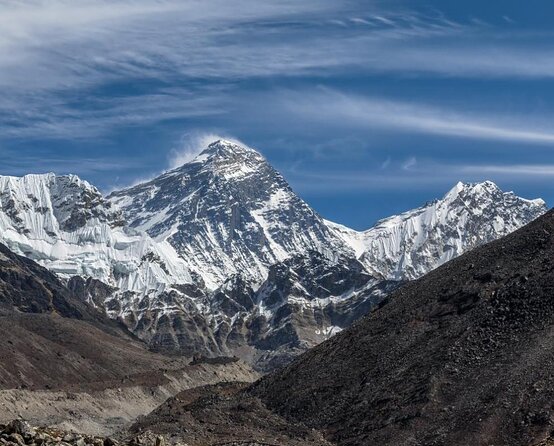
- A 5,364-meter goal: Everest Base Camp is reached after walking through the Khumbu region, with Kala Patthar offering one of the finest views of Everest.
- Private from two people: You need at least two hikers to book, with a stated maximum of 10 in one section of the details and 15 elsewhere.
- Sherpa-led support: An experienced local guide leads the trek, with staff insurance, basic medication, equipment, and a first-aid kit included.
- Tea-house nights: You stay in twin-sharing tea houses for 11 nights during the hike, a practical way to experience mountain life.
- Porter help is built in: The package states that two hikers share one porter, though the booking information also describes porter support as an option, so confirm this point.
- Flight plans can change: The return domestic flights may operate through Ramechap Airport rather than Kathmandu, depending on the season and operating conditions.
Why the Everest Base Camp route still earns its fame
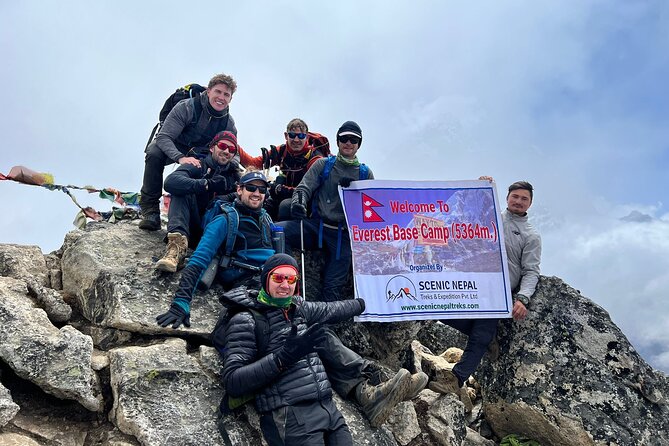
The route from Kathmandu to Everest Base Camp gives you a steady change of scenery. You begin in Nepal’s capital, then fly toward Lukla and walk into the Khumbu, where mountain villages replace city streets and the peaks become part of your daily view.
The trek is not only about reaching a famous sign at Base Camp. You will see how people live in a high mountain region, sleep in simple tea houses, cross bridges above river valleys, and pass through communities shaped by Sherpa culture and the demands of altitude.
I especially like the way this trip combines structure with local contact. You have a guide, permits, flights, lodging, and basic support arranged, but you still move on foot and stay in tea houses rather than being sealed away in a resort. That balance gives you a more direct feel for the Khumbu.
The 12-day schedule is compact. It suits a fit hiker who wants the classic route but does not have weeks to spare. The tradeoff is that you have less spare time if weather, flight delays, or altitude problems interrupt the plan. High mountain schedules are never as firm as a city tour timetable.
More Everest Base Camp Treks in Kathmandu:
- Everest Base Camp Trek – 14 Days
★ 5.0 · 1,499 reviews - Everest Base Camp Trek
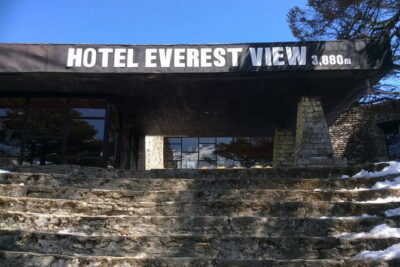
★ 5.0 · 842 reviews - Everest Base Camp Helicopter Tour landing at Everest View Hotel
★ 5.0 · 668 reviews
Kathmandu preparation at Scenic Nepal Treks
The experience starts at Scenic Nepal Treks and Expedition in Bhagwati Marg, Kathmandu. This is the point for meeting the team, checking documents, sorting equipment, and getting ready for the flight and walk ahead.
Your passport name, number, expiry date, and country are required for every person at booking. That is routine for a trek involving domestic flights and permits, but it is worth checking every detail carefully before submission.
The company provides a sleeping bag and silk liner, a duffel bag, and a medical and first-aid kit. You still need to bring the personal gear that makes a major difference in comfort: broken-in trekking boots, spare laces, warm hat, gloves, waterproof jacket, thermal underwear, fleece, down jacket, sunglasses, sunblock, water bottle, and a backpack.
A down jacket rated to minus 10 degrees Celsius is suggested depending on when and where you trek. That wording matters. Conditions vary, so ask the operator what clothing is suitable for your planned dates rather than treating the packing list as a fixed winter uniform.
The flight toward Lukla
Lukla is the gateway to the walking portion of the trek. The package includes return domestic flights, though flights may use Ramechap Airport rather than leaving directly from Kathmandu. You should ask about this before arrival, since a Ramechap departure changes the ground transport plan and may require an earlier start.
The flight is part of the adventure, but it is also one of the less predictable pieces. Mountain weather can affect schedules. The tour includes the flights, yet you should not build a tight international connection around the return leg.
From Lukla, the character of the trip changes quickly. You are no longer moving between urban transport stops. You are walking from village to village, carrying your day pack while the porter handles the larger shared load if that arrangement is confirmed.
Namche Bazaar and the first real altitude test
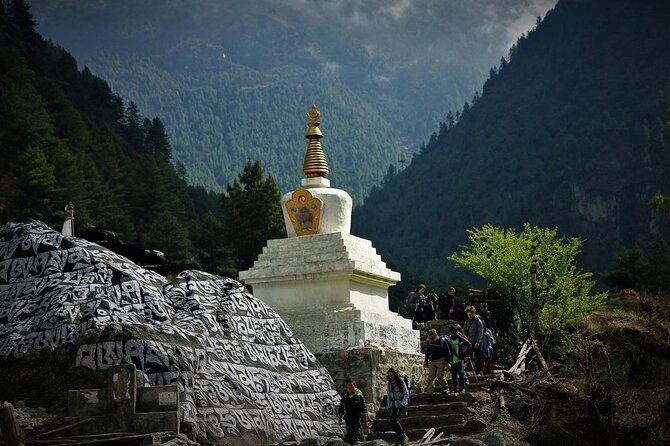
Namche Bazaar is one of the key stops on the route and a natural place to pause, rest, and adjust to the thinner air. The horseshoe-shaped settlement is known for its mountain setting and its role as a trading and supply center for the Khumbu.
This is where the trek begins to feel serious. The walking may not always be technically difficult, but the altitude changes how hard ordinary slopes feel. Your Sherpa guide’s job is important here. A good guide watches your condition, keeps the pace sensible, and helps you make safe choices if symptoms appear.
The private setup is useful at this point. You are not tied to a large group moving at one fixed speed. That does not remove the physical work, but it can make the day less stressful.
A few more treks around Kathmandu worth a look
- Everest Base Camp Trekking
★ 5.0 · 485 reviews - Annapurna Circuit Trek with Tilicho Lake
★ 5.0 · 368 reviews - Everest Base Camp Trekking – 13 Day
★ 5.0 · 365 reviews - Everest Base Camp Trek
★ 5.0 · 350 reviews
Tengboche, monasteries, and the best early views
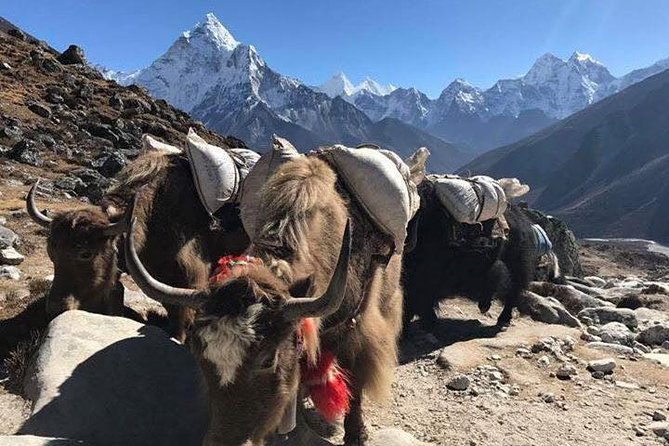
The trail continues to Tengboche, a high settlement associated with its monastery and wide mountain views. The setting brings together forested trail sections, open ridges, and some of the most memorable peaks in the region.
Ama Dablam is a major visual highlight. It has a sharp, distinctive shape that makes it easy to pick out among the surrounding mountains. Lhotse, Nuptse, Everest, and Pumori also become part of the view as you move higher.
Tengboche is not simply a place to sleep on the way to Base Camp. It gives you a strong sense of the region’s spiritual life and mountain culture. The schedule lists the stop, but the exact sightseeing time can depend on the walking pace and trail conditions.
Dingboche and the value of acclimatization
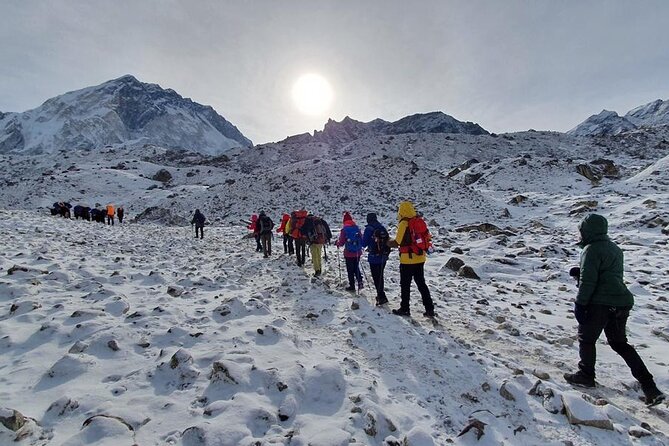
Dingboche is another important stage in adjusting to altitude. The itinerary includes acclimatization days for safety, a feature I consider essential rather than optional on this route.
An acclimatization day does not mean doing nothing. You may take a short walk, rest, and allow your body to adjust before climbing higher. The details do not state a particular side hike or viewpoint, so you should not assume a named excursion is included. Ask your guide what the day will involve.
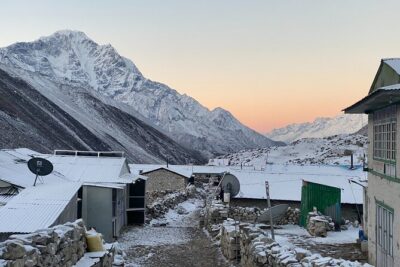
Dingboche also marks the point where the surroundings feel more alpine and exposed. Trees become less central, the air is thinner, and every climb takes more effort. This is where a steady rhythm matters more than speed. Eat, drink, rest, and tell your guide promptly if you feel unwell.
Gorak Shep and the final push to Base Camp
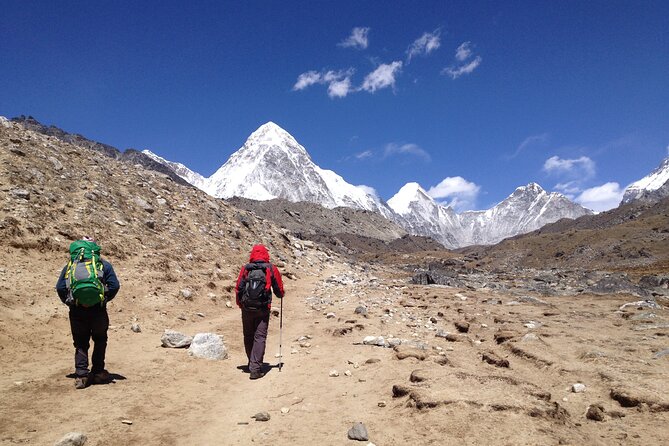
Gorak Shep is the high settlement used before the walk to Everest Base Camp and Kala Patthar. It is a basic place, and you should expect simple tea-house accommodation rather than comfort on the level of a city hotel.
The walk to Base Camp is emotionally important, but the camp itself may not look like the dramatic postcard image you imagine. The glacier, ice, rocks, and surrounding peaks create the setting. Everest is not always the clearest or most dominant peak from the Base Camp area itself, which is why Kala Patthar is such an important part of the route.
You will need to manage your expectations about pace and conditions. Snow can slow the trail, and one account describes a two-day snowstorm near Lobuche before the group reached Base Camp. That is a useful reminder that the goal is not guaranteed simply because it appears on the schedule.
Kala Patthar and the view that makes the effort worthwhile
Kala Patthar is the major viewpoint on this trek. It is known for panoramic views of Mount Everest, Lhotse, Nuptse, Ama Dablam, and Pumori, with sunrise often treated as the special moment.
The climb can be tough because of the altitude and early start, but the reward is a broad mountain panorama rather than a single close-up view. If you want the clearest possible understanding of Everest’s position among the surrounding peaks, this is often the stronger viewpoint.
Your guide can help judge the pace and conditions. Keep your camera ready, but do not let photographs distract you from the simple experience of standing above the valleys with the great peaks in front of you.
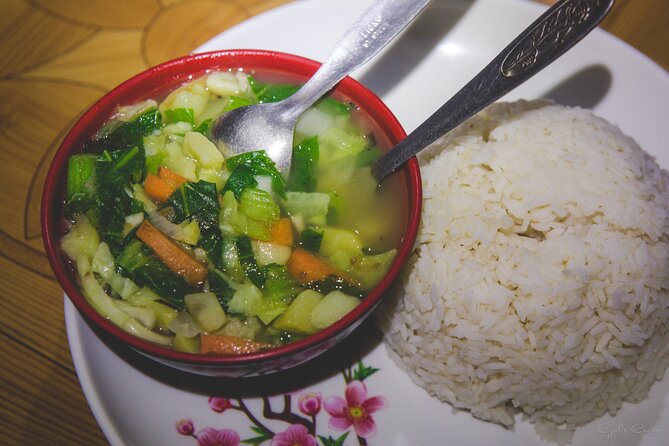
Tea houses, meals, and what the price really covers
The listed price is $1,439 per person. For a private 12-day trek, that can represent solid value because the package includes the experienced Sherpa guide, domestic flights, trekking permits, twin-sharing tea-house accommodation, porter support as described, staff insurance, medication and equipment, and a first-aid kit.
The price does not include international airfare, Nepal’s entry visa, personal travel or trekking insurance, personal trekking equipment, tips, or gratuities for staff and drivers. Those extras can add a meaningful amount, especially if you need to buy cold-weather gear.
There is also an important wording issue about food. The overview refers to meals as part of the trek, while the detailed exclusions say personal expenses and meals during the trek are not included. Do not guess. Ask for a written clarification of exactly which meals, if any, are covered.
Tea-house lodging is part of the appeal, but it also means shared mountain facilities and basic rooms. Twin sharing keeps the cost down. If you want private rooms or higher-comfort lodging, ask whether that is possible and what it costs.
Guides, porters, and the human side of the trek
The strongest pattern in the feedback is praise for the crew’s care and organization. Shankar is described as an outstanding chief guide, while Binod is noted for patience and attention to safety and comfort. Ramjee is praised for looking after first-time hikers, and Santosh is credited with taking excellent care of a group’s needs.
Those details matter because a guide is not just someone who points toward the next village. On a high-altitude trek, your guide helps manage pace, communication, route decisions, lodging, and problems that are difficult to solve alone.
The package says two hikers receive one porter, but the highlights also describe porter service as an add-on. Confirm whether the porter is included in your quoted price, how much luggage can be carried, and what you must keep in your day pack.
You should still pack lightly. A porter makes the walk easier, not effortless. Keep water, warm layers, rain protection, medication, documents, and valuables with you.
Who should choose this 12-day trek
This trip is best for someone with moderate physical fitness who is comfortable walking for several hours a day in changing conditions. You do not need to be an expert mountaineer, since this is a guided trek rather than a technical climbing expedition, but you do need patience and stamina.
It can suit a first-time high-altitude hiker if you train beforehand and take the altitude warnings seriously. One first-time hiking pair credited the guide and porter with making the experience manageable, but that should encourage preparation, not replace it.
The private format works well for couples, friends, siblings, or a small family group. It gives you more control than a large fixed group, though the two-person minimum means solo hikers cannot book this version alone.
Vegetarian food can be requested at booking. Service animals are allowed, and the starting point is near public transportation, but the trek itself takes you far beyond normal urban access.
Booking details worth checking twice
Confirmation is provided at booking, and cancellation is free if you cancel at least 24 hours before the local start time. Within 24 hours, the amount paid is not refunded, and late changes are not accepted.
Ask these questions before you commit:
- Will the flight leave from Kathmandu or Ramechap?
- Are meals included, and which meals?
- Is the porter included or an add-on?
- Is the group maximum 10 or 15?
- What happens if weather delays the flight?
- What exact acclimatization days and walks are planned?
The supplied details give both a maximum of 15 people and a maximum of 10. That may reflect different booking limits, but you should get the current figure in writing.
Should you book the Everest Base Camp Trek?
I would consider this a strong choice if you want the classic Everest Base Camp route with a local Sherpa guide and most of the major arrangements handled for you. The crew’s reputation for care, safety, and friendly support is the clearest reason to take this company seriously.
I would not book it without clarifying the meal policy, porter cost, group size, and Ramechap flight plan. The 12-day schedule is also demanding, so build in patience for weather and altitude rather than treating Base Camp as a guaranteed appointment.
Book this trek if you want mountain scenery, Sherpa villages, tea-house nights, and a well-supported first high-altitude adventure. Choose a longer itinerary if you prefer a slower pace with more spare time for acclimatization and delays.
FAQ
How long is the Everest Base Camp trek?
The experience lasts approximately 12 days, beginning and ending at the Scenic Nepal Treks and Expedition office in Kathmandu.
What is the minimum group size?
A minimum of two people is required per booking.
Is a Sherpa guide included?
Yes. The package includes a highly experienced Sherpa trekking guide.
Are domestic flights included?
Yes. Return domestic flights are included, but the flight may operate from Ramechap Airport rather than Kathmandu.
Is tea-house accommodation included?
Yes. Twin-sharing tea-house accommodation is listed for 11 nights during the hike.
What does the cancellation policy allow?
You can cancel at least 24 hours before the local start time for a full refund. Cancellations or changes made less than 24 hours before the start are not accepted for a refund.
Just added around Kathmandu
- Everest Base Camp Trek★ 5.0 · 3 reviews
- 15 Days Private Everest Base Camp Trek★ 5.0 · 30 reviews
- Everest Base Camp Trek★ 5.0 · 7 reviews
- Everest Base Camp Trek★ 5.0 · 57 reviews
- 14 Days of Adventure Trekking to Everest Base Camp★ 5.0 · 2 reviews
- 14-Day Everest Base Camp Trek★ 5.0 · 20 reviews
- From Kathmandu: Private 14-Day Everest Base Camp Trek★ 5.0 · 20 reviews
- 14 Days Everest Base Camp Trek★ 5.0 · 4 reviews
Everest Base Camp Treks, compared.
Everest Base Camp Helicopter Tour landing at Everest View Hotel
Read our review →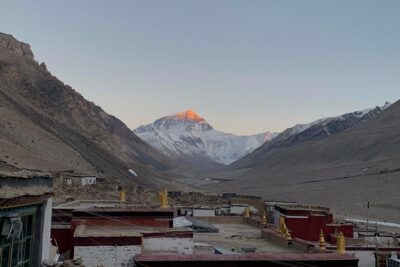
Tibet Tour 8 Days Lhasa to Everest Base Camp Small Group Tour
Read our review →
Dubai: Private Luxury Everest Yacht Cruise from Dubai Marina
Read our review →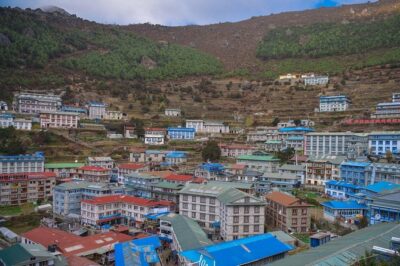
Browse the lists this trek appears in