
Review · NEPAL
Everest Base Camp Trek 12 Days
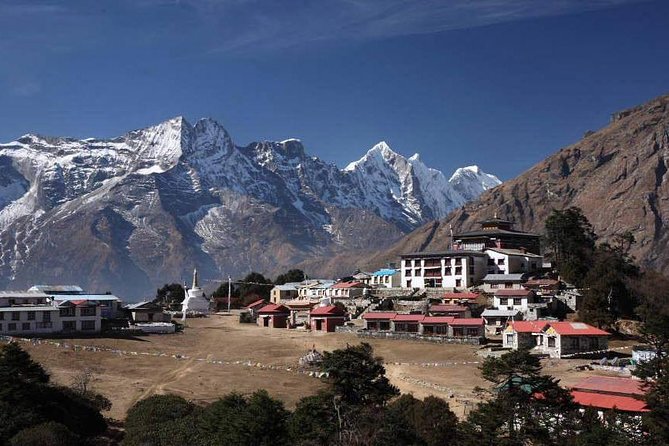
Everest Base Camp is the headline, but the real reward is the steady climb through Nepal’s high mountain country. This 12-day route takes you from Lukla through Namche Bazaar, Tengboche, Dingboche, Lobuche, Gorak Shep, and finally to Everest Base Camp and Kala Patthar.
I like the practical pacing, with acclimatization days in Namche Bazaar and Dingboche. I also like that the price includes the Lukla flights, permits, guide, guesthouse lodging, sleeping bag, and staff costs. The main catch is altitude: you reach more than 5,000 meters, and meals are not included, adding about $300 to $350 for the trek.
Key Points Before You Book
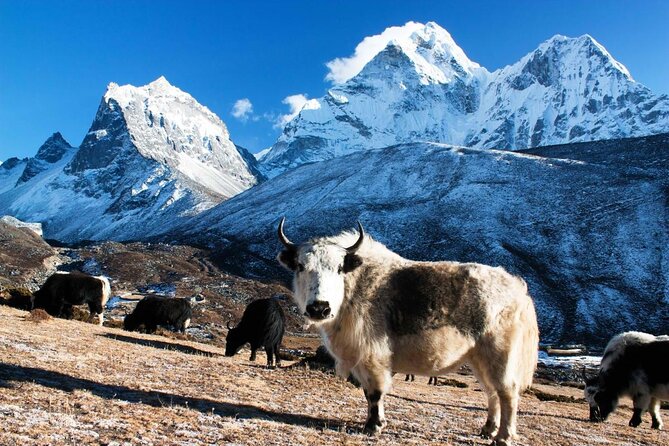
- Kala Patthar is the high point: The early morning climb from Gorak Shep offers the trek’s major mountain viewpoint.
- Two acclimatization stops help: You spend a rest day in Namche Bazaar and another in Dingboche, with a climb to Nangkartshang Peak.
- The $1,111 price covers major logistics: Lukla flights, permits, guide support, accommodation, sleeping bag, and staff expenses are included.
- Meals cost extra: Plan on roughly $300 to $350 for food during the 12-day trek.
- Guide support is a strong part of the package: The English-speaking guide Armit was specifically praised for setting a good pace and helping with practical needs.
- Porters are not included: You need to carry your own main bag unless you arrange porter service separately.
Why This Everest Route Earns Its Place on a Bucket List
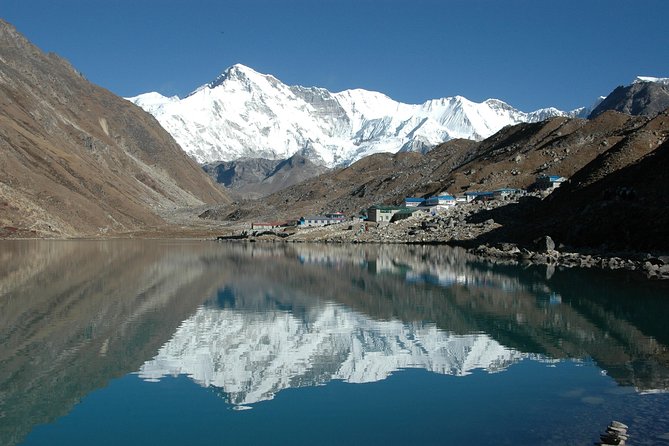
The Everest Base Camp Trek is not a quick mountain outing. It is a demanding walk through the Solukhumbu district of northeastern Nepal, with long days, thin air, basic accommodation, and a steady gain in altitude.
What makes this route special is the progression. You begin with a flight into Lukla, then walk through lower mountain villages before reaching the stark high-altitude country around Lobuche and Gorak Shep. The views change as you go, and the changing scenery helps make the physical effort feel worthwhile.
The journey also gives you several different goals. Namche Bazaar offers a useful acclimatization stop and a chance to see the Everest region’s trading center. Tengboche adds a major cultural stop. Dingboche gives you a second pause before the highest section. Then come Everest Base Camp and Kala Patthar, the two big prizes.
The route is best for someone who wants a classic Everest trek in a compact time frame. It is not designed for a relaxed stroll. You should expect altitude to affect your energy, and you should be comfortable walking several days in a row.
More Everest Base Camp Treks in Nepal:
- Everest Base Camp Trek – 14 Days
★ 5.0 · 1,499 reviews - Everest Base Camp Trek
★ 5.0 · 842 reviews - Everest Base Camp Helicopter Tour landing at Everest View Hotel
★ 5.0 · 668 reviews
Lukla Flight and the First Walk to Phakding
Your trip begins with airport and hotel transfers by private tourist vehicle. You then fly from Kathmandu to Lukla, or from Manthali to Lukla, depending on the operating arrangement for your departure.
The Lukla flight is part of the appeal. You get an aerial view of the Himalayan wilderness before landing at the gateway for the trek. It is also a key practical detail, since your walking route starts in Lukla rather than at a road-accessible trailhead.
After landing, you trek to Phakding. This first day is relatively short compared with the harder stages ahead, but it introduces the basic rhythm of the trip: walk, eat, rest, and adjust to the mountain setting.
You stay in a standard guesthouse on a twin-sharing basis. That keeps the price within reach, but you should not expect hotel comforts. The accommodation is functional and tied to the demands of a remote mountain route.
Namche Bazaar and a Needed Rest Day
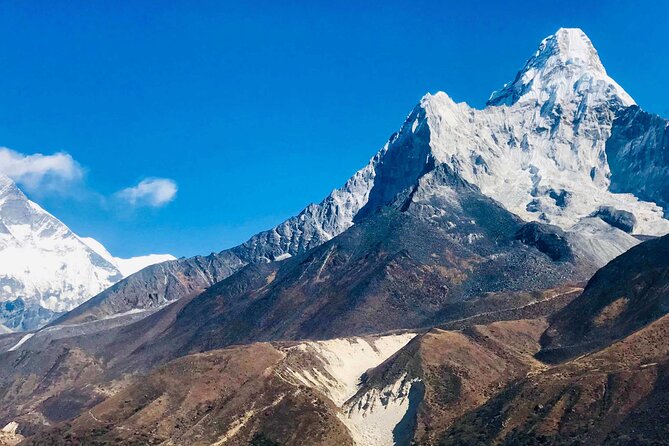
On Day 2, you walk from Phakding to Namche Bazaar. This is where the route begins to feel more serious, with a greater gain in elevation and a longer day on foot.
Namche Bazaar is an important stop because it gives you time to adjust before going higher. Day 3 is set aside for acclimatization, rather than pushing onward. That is good planning for a trek that later reaches Everest Base Camp and Kala Patthar.
The itinerary includes spectacular views from Everest View Hotel during this part of the route. The stop gives you a chance to look toward the high peaks without yet committing to the most demanding section of the trek.
I would treat the Namche rest day as working time for your body, not as a wasted day. Keep your schedule easy, pay attention to how you feel, and use the stop to organize your bag and clothing. The guide’s role matters here. Armit, the guide named in the feedback, was praised for setting a good pace and helping with practical needs. That is exactly the kind of support you want when energy levels change from day to day.
Tengboche Brings a Change of Pace
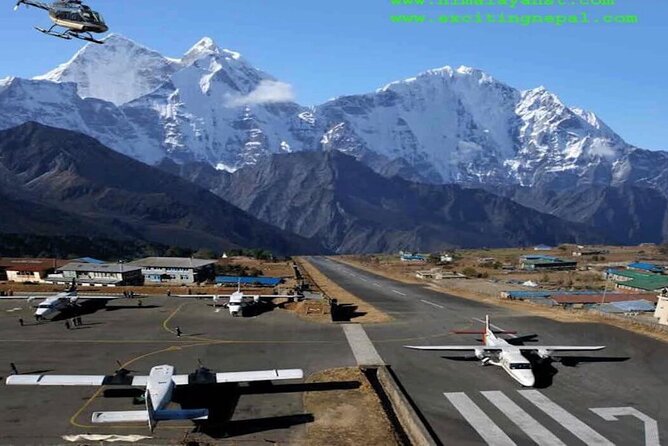
Day 4 takes you from Namche Bazaar to Tengboche. This section gives the trek a new character as you continue higher through the Everest region.
Tengboche is one of the route’s main cultural and scenic stops. The itinerary does not promise a separate sightseeing program, so think of it primarily as a mountain village stop and an overnight point along the trail.
The benefit of this stage is that the route remains broken into manageable sections. The drawback is that your body is still adjusting, and even a day that looks reasonable on paper can feel tiring at altitude.
This is where a good guide pace can make a real difference. You do not want to race ahead early in the trip and pay for it later. A steady rhythm is more useful than speed, especially when the route still has Dingboche, Lobuche, Gorak Shep, and Kala Patthar ahead.
A few more treks around Nepal worth a look
- Everest Base Camp Trekking
★ 5.0 · 485 reviews - Annapurna Circuit Trek with Tilicho Lake
★ 5.0 · 368 reviews - Everest Base Camp Trekking – 13 Day
★ 5.0 · 365 reviews - Everest Base Camp Trek
★ 5.0 · 350 reviews
Dingboche and the Nangkartshang Peak Climb
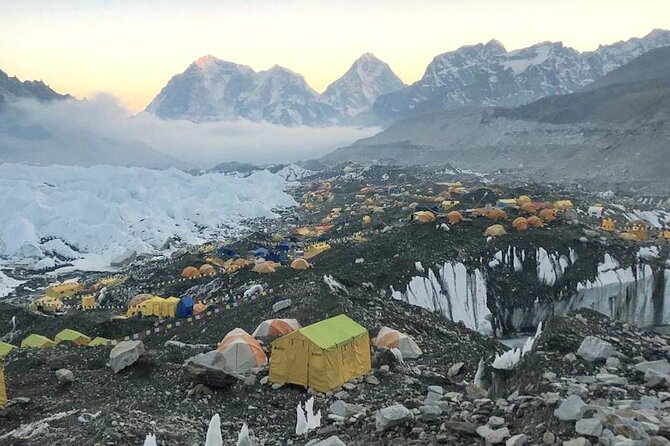
Day 5 takes you from Tengboche to Dingboche. Dingboche is another major acclimatization point, and Day 6 is reserved for adjusting to the higher elevation.
The planned activity is a climb to Nangkartshang Peak. This gives you a useful high-altitude walk without advancing to a new overnight location. It also lets you see how your body responds before the final push toward Everest Base Camp.
This is one of the strongest parts of the schedule. The trek is short enough to fit into 12 days, but it does not simply charge uphill every day. The two acclimatization days show that the route has been arranged around altitude, not only around sightseeing.
Still, the climb to Nangkartshang Peak is not a free afternoon. You are already in high country, and the effort can be demanding. Follow the guide’s pace and do not treat the rest day as a chance to prove how fast you can climb.
Lobuche and the Road to Gorak Shep
On Day 7, you trek from Dingboche to Lobuche. This is the approach to the highest and most demanding part of the route.
At this stage, the scenery becomes more severe and open. The simple pleasure is that the goal is now close. The harder truth is that your body has less spare energy, and ordinary walking can take longer than expected.
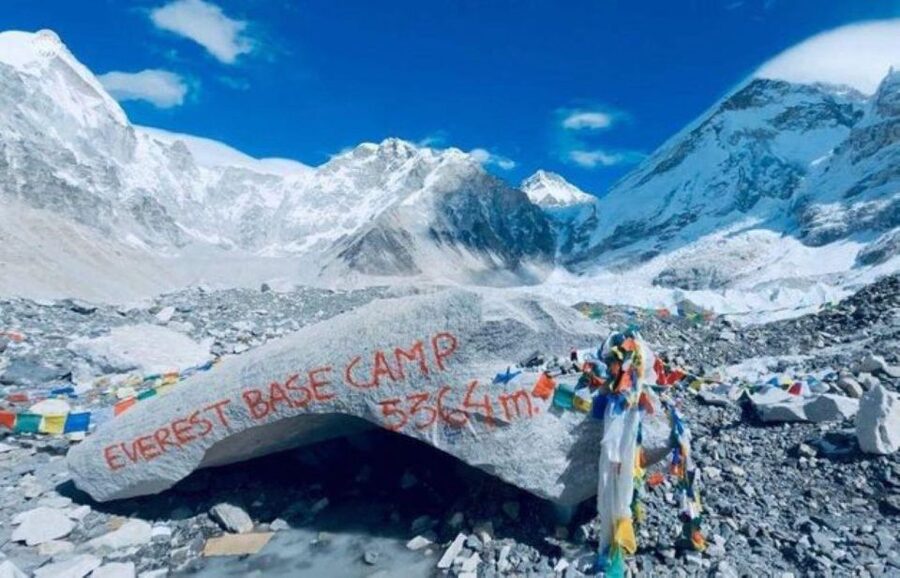
Day 8 is the big walking day. You go from Lobuche to Everest Base Camp and then return to Gorak Shep for the night. That combination makes this one of the toughest sections of the 12-day plan.
The route is not simply a walk to Base Camp followed by a comfortable finish. You still need to return to Gorak Shep after reaching the destination. Plan your expectations around endurance rather than speed.
Everest Base Camp is the emotional center of the trek. You reach the base camp of Mount Everest, listed at 8,848.86 meters in the tour information. The base camp itself is the goal, but the surrounding high mountain setting is what gives the stop its power.
You should also understand that Base Camp and the best broad viewpoint are not the same thing. The next morning’s climb to Kala Patthar is designed to give you the major panoramic view.
Kala Patthar at Sunrise, Then Down to Pheriche
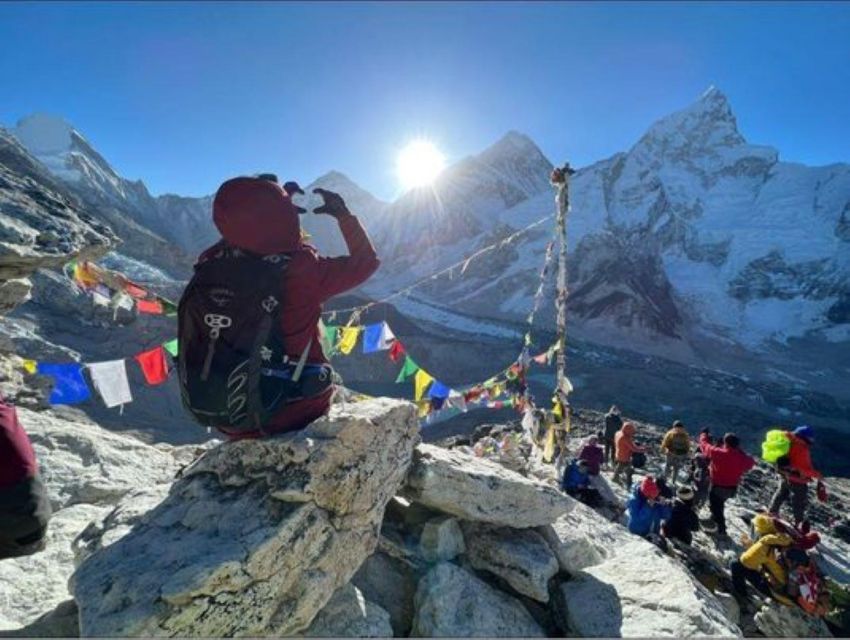
Day 9 begins early with a hike from Gorak Shep to Kala Patthar. The early start is important because the itinerary is built around morning views from this high point.
Kala Patthar is the trek’s scenic high point and one of its most memorable objectives. You have already reached Everest Base Camp, but this climb gives you a different way to appreciate the surrounding peaks.
After Kala Patthar, you trek down to Pheriche. The descent is welcome, but do not assume it is effortless. Going downhill still takes time, especially after the previous day’s long walk and the early morning climb.
Pheriche also marks the beginning of the return rhythm. You are no longer gaining altitude toward the goal. From here, the itinerary gradually brings you back through the route you used on the way up.
The Return Through Namche Bazaar and Lukla
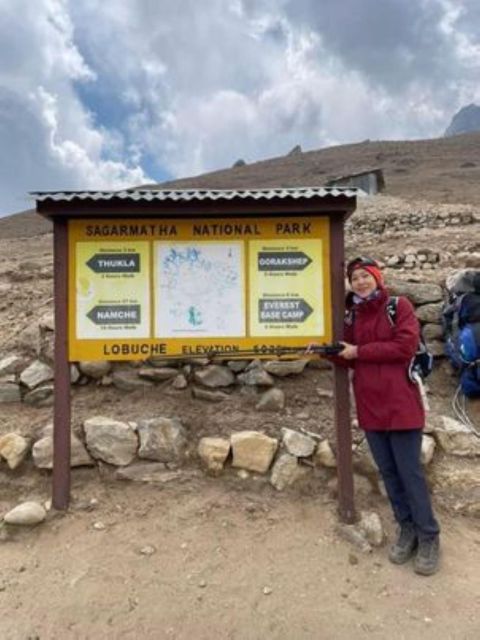
Day 10 takes you from Pheriche to Namche Bazaar. The return journey is quicker in spirit, but you still have a full walking schedule.
Day 11 continues from Namche Bazaar to Lukla. This is your final trekking day, and it brings you back to the airport town where the trip began.
The route does not include a separate spare day for delays. That matters because mountain flights can affect plans, and the package specifically depends on flights between the Kathmandu or Manthali area and Lukla. The information provided does not promise a backup day, so you should avoid scheduling an important international connection immediately after the trek.
On Day 12, you fly back to Kathmandu. Airport transfers are included, which makes the final day simpler once you are back in the city.
What the $1,111 Price Really Covers
At $1,111 per person, the price is attractive for a guided Everest Base Camp package, mainly because the internal flights are included. You also get Everest National Park permits and TIMS, standard twin-sharing guesthouse accommodation, an English-speaking government-licensed guide, a duffel bag, and a sleeping bag.
The package also covers food, accommodation, salary, insurance, and equipment for the staff. Government, hotel, and other applicable taxes are included as well.
But the headline price is not the complete cost of your trek. You need to budget separately for:
- Trekking meals, estimated at $300 to $350
- International airfare and taxes
- Nepal entry visa
- Personal travel insurance
- Porter service
- Meals in Kathmandu
- Personal spending
- Tips for guides, porters, and drivers
The porter point deserves attention. Porter service is not included, so you should be ready to carry your own bag or arrange a porter separately. The provided duffel bag is returned after the trek, but that does not mean a porter carries it for you.
Insurance is also your responsibility. The operator can arrange rescue service if needed, based on your travel insurance. That makes a proper policy especially important for a high-altitude trek.
Guide Support and the Feel of the Trip
The package includes a live English-speaking guide from Lukla to Lukla. The guide is an important part of the value, not just someone who walks at the front.
The clearest practical praise goes to Armit of Mount Glory Treks. He was specifically credited with setting a good pace and providing help with whatever was needed. For this route, those details matter more than grand promises. A guide who watches the pace and stays helpful can make long days more manageable.
The group size is not provided, so you should ask before booking if that affects your decision. The same applies to the exact guesthouse names and daily walking times. The broad schedule is clear, but those finer details can vary.
The experience is offered in English, and alcohol and drugs are not allowed. That rule fits the serious nature of the route, where altitude, exertion, and safety need your full attention.
Who Should Book This Trek?
I would recommend this trek to you if Everest Base Camp is a priority and you want a guided package that handles flights, permits, accommodation, and staff arrangements.
It suits an active person who can manage multiple walking days and accepts basic guesthouse conditions. It is also a good match if you value a structured route, since the itinerary gives you clear daily goals and two acclimatization days.
I would be more cautious if you want luxury lodging, private transport throughout the route, or a slow schedule with extra rest days. The 12-day format is efficient, but it leaves little room for delays or personal recovery time.
The trip also makes more sense if you are prepared for the full budget. Add meals, insurance, visa costs, tips, personal spending, and possibly porter service before comparing this package with others.
Is the 12-Day Everest Base Camp Trek Worth Booking?
Yes, if you want the classic Everest route and understand what the price does and does not include. The package gives you the main logistical pieces, including Lukla flights, permits, guide support, a sleeping bag, and guesthouse lodging.
The strongest reasons to book are the sensible acclimatization stops, the full route to Base Camp and Kala Patthar, and the guide support associated with Armit’s steady pacing and practical help.
Before paying, confirm the departure airport, group size, meal arrangements, porter options, insurance requirements, and flight-delay plan. If you are comfortable with the altitude, basic accommodation, added food costs, and demanding walking days, this is a focused way to reach Everest Base Camp without arranging every piece yourself.
FAQ
How long is the Everest Base Camp Trek?
The trek lasts 12 days, including flights from Kathmandu or Manthali to Lukla, the walk to Everest Base Camp, the return trek to Lukla, and the flight back to Kathmandu.
What places does the route visit?
The route includes Lukla, Phakding, Namche Bazaar, Tengboche, Dingboche, Nangkartshang Peak, Lobuche, Gorak Shep, Everest Base Camp, Kala Patthar, and Pheriche.
Are flights between Kathmandu and Lukla included?
Yes. Airfare from Kathmandu to Lukla and back is included, along with the stated airport departure taxes in Kathmandu and Lukla. The itinerary also allows for travel from Manthali to Lukla.
Are meals included during the trek?
No. Trekking meals are listed as an extra cost of about $300 to $350 for the 12-day trek. Breakfast, lunch, and dinner in Kathmandu are also not included.
Is a guide included?
Yes. The package includes an English-speaking, government-licensed, experienced trek leader or guide from Lukla to Lukla.
Is porter service included?
No. Porter service is not included in the price. You need to arrange it separately if you do not want to carry your own main bag.
What accommodation is provided?
The trek includes standard guesthouse accommodation on a twin-sharing basis. The package also provides a duffel bag and sleeping bag, which are returned after the trek.
Can I cancel for a full refund?
You can cancel up to 24 hours in advance for a full refund. The activity also offers a reserve-now-and-pay-later option, subject to availability and booking conditions.
Just added around Nepal
- Everest Base Camp Trek★ 5.0 · 3 reviews
- Everest Base Camp Trek★ 5.0 · 7 reviews
- 15 Days Private Everest Base Camp Trek★ 5.0 · 30 reviews
- Everest Base Camp Trek★ 5.0 · 57 reviews
- 14 Days of Adventure Trekking to Everest Base Camp★ 5.0 · 2 reviews
- 14-Day Everest Base Camp Trek★ 5.0 · 20 reviews
- From Kathmandu: Private 14-Day Everest Base Camp Trek★ 5.0 · 20 reviews
- 14 Days Everest Base Camp Trek★ 5.0 · 4 reviews
Everest Base Camp Treks, compared.
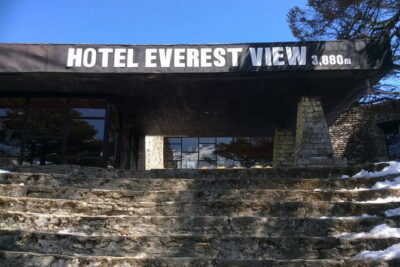
Everest Base Camp Helicopter Tour landing at Everest View Hotel
Read our review →
Tibet Tour 8 Days Lhasa to Everest Base Camp Small Group Tour
Read our review →
Dubai: Private Luxury Everest Yacht Cruise from Dubai Marina
Read our review →
Browse the lists this trek appears in