
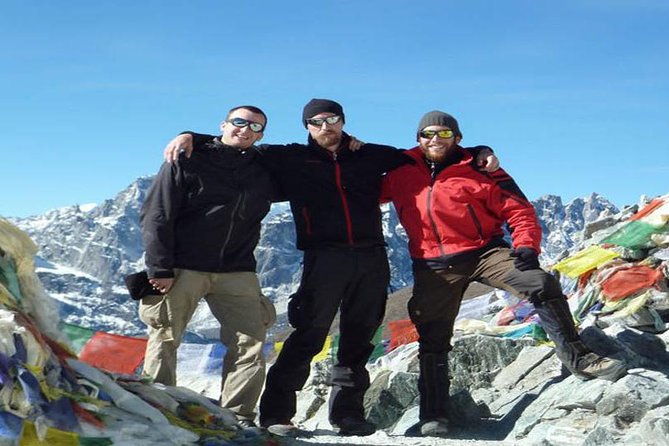
Review · KATHMANDU
Everest Base Camp Trek
Everest Base Camp is the headline, but the real reward is the steady change in scenery and culture as you walk higher into the Himalayas. This 12-day small-group trek takes you through mountain villages, past historic monasteries, and into the Sherpa world, with tea-house stays instead of resort-style comfort.
I like that the $1,590 price includes meals, permits, national park fees, accommodation, guide service, and hotel transfers. I also like the small maximum of 10 people. That is large enough to share the walk, but small enough for a guide to keep an eye on the group.
The main caution is the physical demand. You should expect to hike about six to seven hours each day, often on high mountain trails, and sleep in basic tea houses. This is not a sightseeing holiday with a short walk tacked on. It calls for good fitness, patience, and a willingness to accept changing weather and simple conditions.
Key points to know before booking
- Six to seven hours of hiking daily: Expect a serious trek, not a gentle mountain stroll.
- Tea-house accommodation: You stay in local mountain lodges, giving the trip a useful connection to everyday Sherpa life.
- Maximum group size of 10: Small enough for personal attention and a friendlier pace.
- The package covers major trek costs: Accommodation, meals as listed, permits, park fees, guide, and hotel pickup and drop-off are included.
- Mountain villages and monasteries: The route offers more than views of Everest, with local culture built into the walk.
- Strong operator support: Rajesh and guides such as Dinesh and Resham have been praised for clear communication, patience, and careful handling of changing plans.
What the 12-day Everest Base Camp trek is really like
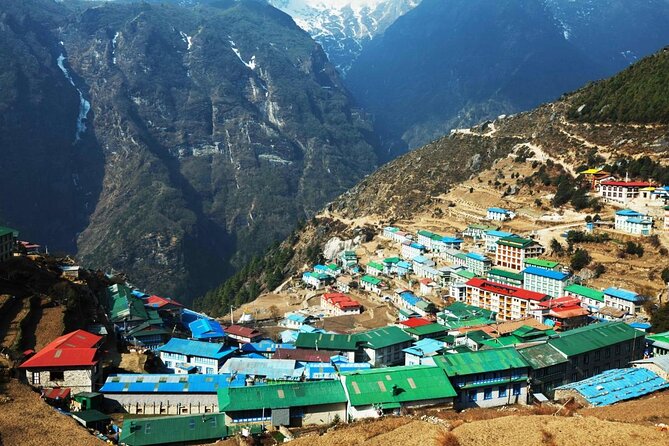
This is a high-altitude walking trip in the Everest region, beginning with arrangements in Kathmandu and continuing into the mountains. The exact day-by-day route is not supplied, so you should ask the company for the current schedule before paying. That matters because weather, flights, acclimatization plans, and trail conditions can affect the order of the days.
The broad pattern is clear. You spend the trip hiking between mountain settlements, stopping for meals and overnight stays in tea houses, and gradually moving toward Everest Base Camp. The route is as much about the journey as the destination. Base Camp gives you the famous goal, but the villages, monasteries, people, animals, and changing views fill most of your days.
A guide is especially useful here. The mountains are not simply a backdrop. You will need help with pacing, route decisions, local customs, and any change caused by weather. The company has used guides including Dinesh, Resham, Prakash, Ganesh, and Orsun on different treks and departures. Rajesh, the company manager, is also frequently involved in planning and airport arrangements.
More Everest Base Camp Treks in Kathmandu:
- Everest Base Camp Trek – 14 Days
★ 5.0 · 1,499 reviews - Everest Base Camp Trek
★ 5.0 · 842 reviews - Everest Base Camp Helicopter Tour landing at Everest View Hotel
★ 5.0 · 668 reviews
Starting in Kathmandu and getting organized
Kathmandu is the stated location, and hotel pickup and drop-off are included. The tour is available every day during the stated operating period, with listed hours from 6:15 AM to 10:45 PM.
The first stage is practical rather than scenic. You need to provide each participant’s passport name, number, expiry date, and country when booking. Confirmation is issued at the time of booking, which is helpful when you are arranging flights, hotels, and insurance around a tight mountain schedule.
Do not assume every expense in Kathmandu is covered. Food and drinks in the city are excluded, as are temple and monastery entrance fees. The package is designed around the trek itself, not as a full Kathmandu sightseeing program.
One useful strength is the company’s willingness to handle disrupted plans. A delayed flight once required Rajesh to meet a group at the airport and help them make their connection to Lukla. That does not remove the risk of mountain travel, but it suggests you will have a real person managing the problem rather than an anonymous booking desk.
Walking through villages and Sherpa country
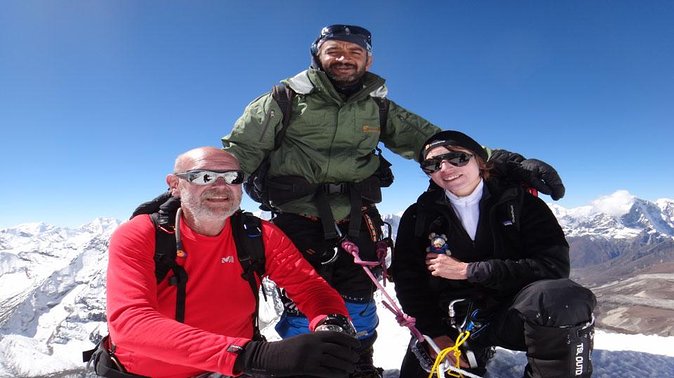
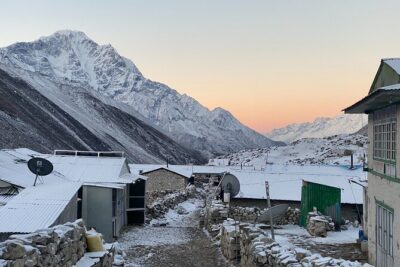
The cultural side of this trek is one of its best features. You will pass through mountain villages and visit historic monasteries, with time to see how people live in a region shaped by altitude, weather, livestock, trade, and trekking.
The information provided does not name each settlement or monastery, so you should not expect a fixed sightseeing list from this description alone. Ask for the precise route if particular villages or religious sites matter to you. Still, the promise of village visits and monasteries gives the trip more depth than a simple march toward a viewpoint.
Tea-house accommodation also brings you closer to local life. These are practical mountain lodges, not luxury hotels. You sleep in the same type of small accommodation used by many people walking the route, and meals are served along the way. The tradeoff is comfort. Facilities may feel basic, and the daily routine is built around walking, eating, resting, and preparing for the next day.
I like this arrangement because it keeps the trek tied to the communities along the route. You are not sealed inside a large camp or transported from one scenic stop to another. You walk in, eat locally, and spend the night where the trail leads you.
Six to seven hours on the trail each day
The daily hiking time is the clearest measure of difficulty. Six or seven hours can feel manageable at home, but mountain trails add climbs, descents, uneven ground, weather changes, and altitude. Even fit people may find the pace tiring.
The operator specifically asks for a strong level of physical fitness. Take that seriously. You should be comfortable walking for long periods and dealing with several demanding days in a row. The tour description does not promise a gentle pace, private rooms, medical support, or porter arrangements, so ask about those points before booking.
A guide can help you manage effort, but a guide cannot make high altitude disappear. Walk steadily, keep your expectations sensible, and avoid treating the first few days as a race. Your goal is to arrive at Base Camp in good shape, not to win the trail.
The scenery rewards the work. The description promises some of the world’s best mountain views, and the route provides time to see them gradually rather than from a single roadside stop. You will also learn about mountain plants, wildlife, and local culture as you walk. The result is a fuller experience than simply taking a photo at the final destination.
A few more treks around Kathmandu worth a look
- Everest Base Camp Trekking
★ 5.0 · 485 reviews - Annapurna Circuit Trek with Tilicho Lake
★ 5.0 · 368 reviews - Everest Base Camp Trekking – 13 Day
★ 5.0 · 365 reviews - Everest Base Camp Trek
★ 5.0 · 350 reviews
Reaching Everest Base Camp
Everest Base Camp is the emotional high point of the trip. It is the famous staging area at the foot of the world’s tallest mountain, and reaching it gives the trek a clear purpose.
Keep your expectations measured. Base Camp is a working mountaineering site, not a polished attraction. Its appearance can change with season and expedition activity, and the mountain views do not always cooperate with your arrival. The value is in getting there on foot through the high Himalayas.
The surrounding views are a major part of the payoff. Even when clouds hide the highest peaks, the route still offers high mountain scenery, exposed ridges, villages, and a strong sense of distance from normal city life. I would treat the final destination as one important moment within a demanding 12-day story.
The tour description does not provide exact elevation figures, rest days, or a detailed acclimatization schedule. Those details are important enough to request in writing. A sensible plan should explain how the itinerary handles altitude and what happens if weather changes the schedule.
What is included for $1,590
At $1,590 per person, this is not a bare-bones walking package. The price includes:
- Accommodation according to the itinerary
- Meals according to the itinerary
- Local taxes
- National Park fees
- Trekking permits
- Professional guide
- Hotel pickup and drop-off
The inclusion of permits, park fees, meals, and accommodation makes the price easier to judge. You are paying for a managed trek rather than arranging each major element on your own. That can save time and reduce stress, especially if this is your first Himalayan trek.
Still, all-inclusive has limits here. Drinks during the trek are not included, including mineral water, cola, and Fanta. Alcohol is available to buy but is also excluded. Food and drinks in Kathmandu are your responsibility, as are monastery or temple entrance fees and souvenir photographs.
Budget extra money for those items. You may also want to confirm the treatment of flights, luggage, insurance, porter service, and personal trekking equipment, since those details are not listed in the supplied inclusions. Do not assume that a cost is covered simply because the package is called all-inclusive.
The value of a small group and a local guide
A group maximum of 10 is a useful middle ground. A solo departure can feel quiet and expensive, while a large coach-style group would be awkward on a narrow mountain trail. With 10 or fewer, the guide can give more direct help and the group can usually keep a more natural rhythm.
The company’s strongest reputation is its personal service. Rajesh is repeatedly associated with quick communication, detailed planning, airport help, and sensible advice when choosing between treks. Dinesh has been praised for patience, humor, and support during harder stretches. Resham has handled trek logistics with care, while Prakash has guided demanding high-pass routes.
Names and assignments can change, so you should not book this package expecting one particular guide unless the company confirms it. What you can reasonably look for is a local team familiar with the Everest region and used to helping people through difficult days.
The best guides do more than point out mountains. They explain the flora, wildlife, customs, and religious sites, notice when someone is struggling, and help the group make good decisions. That service is a major part of the price.
What you pay for outside the package
The exclusions are ordinary for a Himalayan trek, but they can add up. Drinks are a daily cost, and the higher you go, the less convenient it may be to buy supplies. You also need to pay for city meals and drinks, alcoholic beverages, and entrance fees for temples or monasteries.
The description does not state the full equipment list. Ask what you must bring and what can be rented before you arrive. You should also confirm the luggage policy, guide-to-group ratio, emergency procedures, and whether insurance is required or recommended.
Weather is another practical concern. The operator says the experience requires good weather. If poor weather causes cancellation, you are offered another date or a full refund. That is reassuring, but it does not guarantee that a flight or trail delay will fit neatly into your wider holiday schedule.
The cancellation rule is simple: cancel at least 24 hours before the start time for a full refund. Cancellations or changes made less than 24 hours before the start are not accepted for a refund.
Who should book this trek
You should consider this trek if you want a guided Himalayan challenge with a clear goal, local accommodation, included meals, and a small group. It suits people who would rather have one company coordinate permits, guides, lodging, and transfers than piece the trip together alone.
It is also a good fit if you care about more than mountain photos. Village visits, monasteries, Sherpa hospitality, local food, and lessons about mountain plants and wildlife give the trip a cultural side.
You should think twice if you want hotel comfort, short walking days, a fixed luxury schedule, or a holiday with little physical strain. This is not suitable for someone who is unprepared for six to seven hours of hiking each day. The lack of a detailed published itinerary also means you should ask more questions before booking.
Should you book the Everest Base Camp trek?
I would book this trek if you want a serious but organized route to Everest Base Camp and value reliable local support. The strongest reasons are the small group size, broad range of inclusions, tea-house accommodation, and the company’s hands-on approach to communication and changing travel plans.
Before booking, request the full daily itinerary and confirm flights, altitude planning, porter arrangements, equipment, and every item not clearly included. If the answers suit you, $1,590 looks like a fair price for a guided 12-day package.
Book it for the walking, the villages, and the sense of place, not just for one photograph at Base Camp. Bring good fitness, flexible expectations, and enough money for drinks and personal expenses, and this can be a powerful introduction to the Everest region.
FAQ
How long does the Everest Base Camp trek last?
The trek lasts approximately 12 days.
How many people can join the group?
The maximum group size is 10 participants.
Is hotel pickup and drop-off included?
Yes. Hotel pickup and drop-off are included in the package.
What meals are included?
Meals are included according to the itinerary. The meal plan uses B for breakfast, L for lunch, and D for dinner.
Are drinks included during the trek?
No. Drinks such as mineral water, cola, and Fanta are not included. Alcoholic drinks are also excluded but can be purchased.
Do I need to provide passport details when booking?
Yes. You must provide each participant’s passport name, number, expiry date, and country at the time of booking.
What happens if bad weather cancels the experience?
If poor weather causes cancellation, you will be offered a different date or a full refund. For a standard cancellation, you must cancel at least 24 hours before the start time to receive a full refund.
Just added around Kathmandu
- Everest Base Camp Trek★ 5.0 · 3 reviews
- Everest Base Camp Trek★ 5.0 · 7 reviews
- 15 Days Private Everest Base Camp Trek★ 5.0 · 30 reviews
- Everest Base Camp Trek★ 5.0 · 57 reviews
- 14 Days of Adventure Trekking to Everest Base Camp★ 5.0 · 2 reviews
- 14-Day Everest Base Camp Trek★ 5.0 · 20 reviews
- From Kathmandu: Private 14-Day Everest Base Camp Trek★ 5.0 · 20 reviews
- 14 Days Everest Base Camp Trek★ 5.0 · 4 reviews
Everest Base Camp Treks, compared.
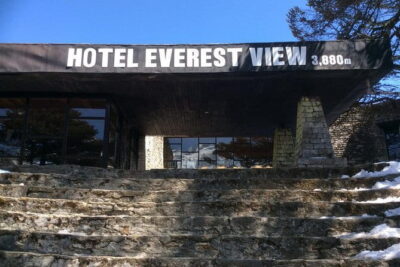
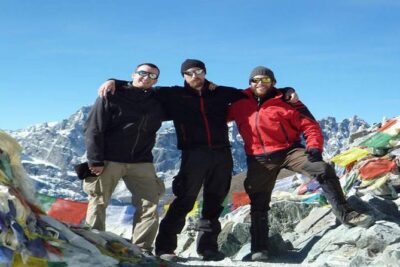
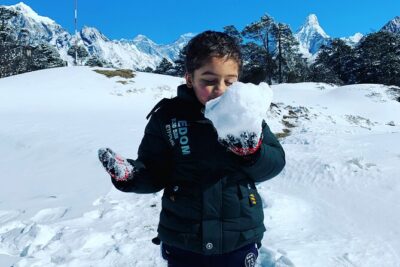
Everest Base Camp Helicopter Tour landing at Everest View Hotel
Read our review →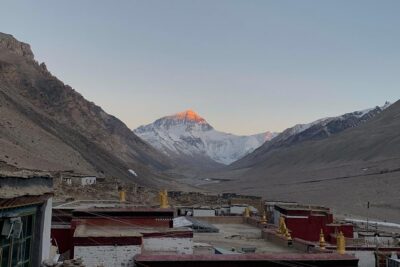
Tibet Tour 8 Days Lhasa to Everest Base Camp Small Group Tour
Read our review →
Dubai: Private Luxury Everest Yacht Cruise from Dubai Marina
Read our review →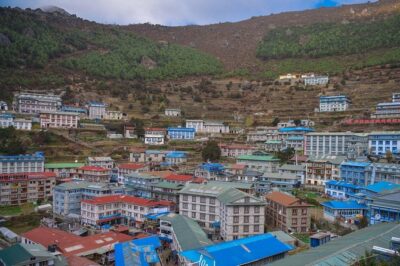
Browse the lists this trek appears in