
Review · KATHMANDU
Everest Base Camp Budget Trekking
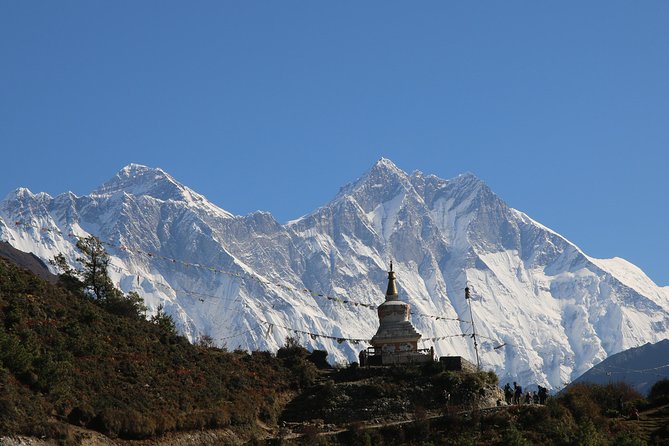
The best part of this Everest Base Camp trek is the steady route through Khumbu villages, pine forests, high mountain valleys, and the final walk to Base Camp at 5,160 meters. You also climb Kala Patthar, at 5,545 meters, for the clearest high-point view in the plan. I like the two built-in acclimatization days, and I like that airport transfers, permits, staff costs, and domestic flights are handled for you.
This is a serious high-altitude trek, not a casual mountain holiday. The $900 price looks strong for a private 14-day trip, but you should check exactly which trekking meals are covered, since the inclusions and exclusions describe food differently. Travel insurance, emergency rescue, drinks, hot showers, and weather-related helicopter costs are not included.
Key points before you book
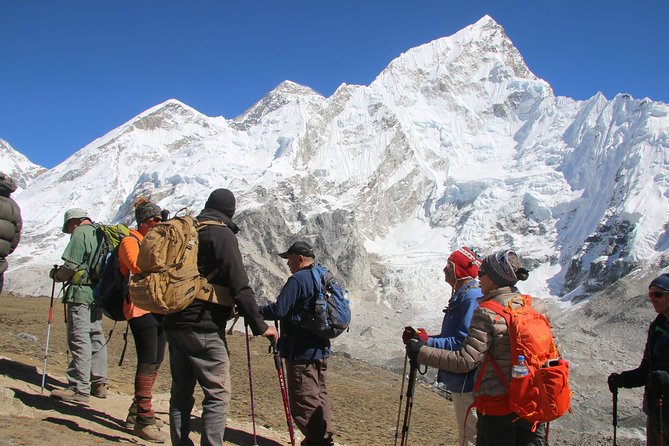
- Two acclimatization days: You rest in Namche Bazaar and Dingboche instead of racing straight to Base Camp.
- The classic high route: The itinerary reaches Everest Base Camp at 5,160 meters and Kala Patthar at 5,545 meters.
- Flights to Lukla included: Kathmandu to Lukla and return flights are covered, with a 15-kilogram luggage limit per person.
- Private group format: Only your own party takes part, giving you more control over walking pace and stops.
- Useful practical coverage: Airport transfers, permits, TIMS, staff costs, first aid, and sleeping bags are included.
- Main risk is altitude: You need moderate fitness, a slow pace, and a willingness to follow rest-day advice.
What the $900 price really buys you
At $900 per person, this is priced as a budget Everest Base Camp trek, but the package covers several costs that can quickly add up. You receive airport transport in Kathmandu, return flights to Lukla, an English-speaking trekking guide, porters, staff wages, staff insurance, equipment and medicine, national park permits, local community fees, and the TIMS card.
A sleeping bag is supplied during the trek and returned after the trip. You also receive a first aid kit and a farewell Nepali cultural dinner on the final evening. Those details matter because trekking equipment and local permits are not optional extras on this route.
The private format is another useful part of the price. You are not tied to a large group’s pace, and the trip can suit a pair, family, or small party that wants the guide’s attention focused on them. One past guest used a private Sherpa arrangement after finding a group trek too fast, and the ability to walk at a personal pace made a major difference. This is a good reminder that the mountain rewards patience more than speed.
There is one money question to settle before booking. The included section says food, accommodation, and staff costs are covered, but the excluded section says all food during trekking is not included. That is a genuine inconsistency, not a minor wording issue. Ask the operator to confirm in writing whether breakfast, lunch, and dinner in the Khumbu are included, and budget for meals until you have a clear answer.
You must also pay for drinks, alcoholic beverages, mineral water, boiled water, and hot showers. Lunch and dinner in Kathmandu are excluded, as are Nepal visa fees and international flights. Travel insurance and emergency rescue are your responsibility, which is especially important on a trek above 5,000 meters.
More Everest Base Camp Treks in Kathmandu:
- Everest Base Camp Trek – 14 Days
★ 5.0 · 1,499 reviews - Everest Base Camp Trek
★ 5.0 · 842 reviews - Everest Base Camp Helicopter Tour landing at Everest View Hotel
★ 5.0 · 668 reviews
Day 1 in Kathmandu: arrival without a scramble
Your first day begins with an international airport pickup and transfer to your hotel in Kathmandu. That simple service is useful after a long flight, particularly if you are unfamiliar with the city or arriving late.
Keep this day practical. Confirm your Lukla flight details, check your luggage weight, and make sure you understand what the guide and porter team will carry. The domestic flight allowance is 15 kilograms per person, so pack carefully and keep heavy extras in Kathmandu if the hotel can store them.
Kathmandu meals are not included apart from the farewell cultural dinner later in the trip. Plan for your own food and personal costs in the city.
Day 2: Lukla to Phakding at 2,652 meters
The trek starts with a flight from Kathmandu to Lukla, followed by a three to four-hour walk to Phakding. Lukla is already high enough to begin the altitude adjustment, but this first walking day is relatively short compared with what comes later.
Phakding, at 2,652 meters, is the right kind of first stop. You begin walking without pushing too high on day one, and you get a first taste of the trail and mountain lodges. Keep your pace easy. The goal is not to prove fitness at the start, but to preserve energy for the higher valleys.
Flight timing can be affected by mountain weather. The package covers the regular Lukla flights, but it does not cover helicopter charter fees if a flight is delayed, postponed, or canceled because of bad weather. A flexible attitude is essential.
Day 3: climbing to Namche Bazaar at 3,440 meters
The five to six-hour walk to Namche Bazaar is the first major test. You gain height and enter the main Khumbu trekking area, with more pronounced mountain scenery and a stronger sense that you are heading toward Everest.
Namche is a key stop because it is both a working mountain town and an acclimatization base. The climb can feel demanding, especially if you are still adjusting to the altitude. Drink according to your guide’s advice, walk slowly, and do not treat the first strong day as a race.
The town also gives you a chance to settle into the rhythm of lodge life. Conditions are basic compared with Kathmandu, and hot showers cost extra. Drinks and water also cost extra, so keep some local cash available for daily needs.
A few more treks around Kathmandu worth a look
- Everest Base Camp Trekking
★ 5.0 · 485 reviews - Annapurna Circuit Trek with Tilicho Lake
★ 5.0 · 368 reviews - Everest Base Camp Trekking – 13 Day
★ 5.0 · 365 reviews - Everest Base Camp Trek
★ 5.0 · 350 reviews
Day 4: the first acclimatization day in Namche
The rest day in Namche is one of the itinerary’s best features. You do not simply lose a day. You give your body time to adjust before climbing higher, where altitude problems become more serious.
A good acclimatization day usually involves staying in the Namche area and making some walking effort rather than spending the entire day lying down. The exact activity is not specified, so follow the guide’s plan and keep the effort controlled.
Acute mountain sickness can affect fit people as well as less active people. Watch for headache, nausea, unusual tiredness, dizziness, or trouble sleeping, and tell your guide early. The correct response to worsening symptoms may be rest, descent, or medical help. Pride is a poor medical plan.
Day 5: Namche to Tengboche at 3,860 meters
The route to Tengboche takes about five to six hours and brings you to 3,860 meters. This is a beautiful change in the trek, with the trail moving through the Khumbu hills toward one of the region’s best-known monastery settings.
Tengboche gives the trip a cultural dimension that mountain statistics cannot provide. You are not simply walking from one altitude figure to another. You are moving through communities shaped by Himalayan Buddhism, local trade, and the demands of life in a high valley.
The day is still a climb, and the effect of altitude may become more noticeable. Keep your daypack light, take regular pauses, and let slower walkers set the pace. At this point, a private group can be helpful because you are not being pushed to match strangers.
Day 6: Tengboche to Dingboche at 4,410 meters
The five to six-hour walk to Dingboche takes you above 4,000 meters. This is where the trek begins to feel genuinely high, and even a moderate walking day can seem harder than the distance suggests.
Dingboche is a major staging point before the final approach. The valley feels more open and exposed than the lower route, and the air is thinner. Your job is simple: walk slowly, eat what you can, drink appropriately, and tell the guide about any symptoms.
The itinerary places a second acclimatization day here, which is essential rather than decorative. Do not bargain with the schedule by skipping it. Many altitude problems begin when people feel strong in the morning and then climb too much, too quickly.
Day 7: the second acclimatization day
This is the last planned rest day before the route moves toward 5,000 meters. It gives you time to adjust at Dingboche before the demanding days around Lobuche, Gorakshep, Base Camp, and Kala Patthar.
The available plan does not specify a particular side hike or viewpoint for this day, so do not book it expecting a named excursion. The value lies in the pause itself. A careful guide can help decide how much walking is sensible for your group.
This is also the day to check clothing, batteries, water, snacks, and personal medication. Keep your essentials accessible rather than buried in a porter’s bag. Once you leave Dingboche, the margin for casual shopping and replacement gear becomes smaller.
Day 8: Dingboche to Lobuche at 4,910 meters
The five to six-hour walk to Lobuche brings you close to 5,000 meters. The distance may look manageable on paper, but thin air changes the work of every uphill step.
Lobuche is a practical overnight stop before the Base Camp push. Expect a basic mountain-lodge experience, not hotel comfort. Hot showers are not included, and you pay separately for water, drinks, and other personal extras.
This is a day when your guide’s judgment matters. You may be moderately fit and still need to slow down. The package includes an English-speaking guide and porters, along with staff equipment and first aid support, but no guide can remove the effects of altitude. Follow instructions and speak up early.
Day 9: Everest Base Camp and back to Gorakshep
The walk to Everest Base Camp reaches 5,160 meters and then returns to Gorakshep. The full walking time is listed at five to six hours, though the high altitude can make the day feel longer than the clock suggests.
Base Camp is the emotional center of the trek. You reach the place associated with expeditions to the summit, but do not expect to stand on the summit route itself or receive a climbing experience. This is a trekking visit to Base Camp, with the satisfaction coming from the approach, the altitude, and the setting.
Returning to Gorakshep the same day is important. It prevents you from spending an extra night at the highest accommodation point in the plan and positions you for the next morning’s Kala Patthar climb.
Day 10: Kala Patthar at 5,545 meters, then Pheriche
The morning hike to Kala Patthar is the highest point of the itinerary, at 5,545 meters. You then descend to Pheriche at 4,210 meters, with six to seven hours of walking listed for the day.
Kala Patthar is included because it provides the high viewpoint many people hope for on this route. The Base Camp visit puts you in the expedition zone, while Kala Patthar gives you the elevated mountain panorama. Reaching it is hard work, and the climb may feel slow, but the descent to Pheriche gives your body welcome relief.
This is a demanding day even for a fit trekker. You have already walked to Base Camp, slept at high altitude, and then climbed again. Take food, water, warm layers, and any approved personal medication in your daypack.
Days 11 and 12: returning through Namche to Lukla
Day 11 is the long six to seven-hour walk back to Namche Bazaar. Descending is generally easier on breathing, but it still puts pressure on knees and tired legs. Trekking poles can be useful, though the equipment list does not specifically provide them, so ask what is available.
Day 12 continues from Namche to Lukla, again taking six to seven hours. By now, the scenery is familiar but the mood changes. You have completed the high point of the trek, and the lower altitude usually feels welcome.
The return to Lukla does not guarantee a flight out the next morning. Weather can change quickly, and the package specifically excludes helicopter charter costs for canceled or postponed flights. Keep your schedule flexible after the trek rather than booking an important international connection too tightly.
Day 13: flying back to Kathmandu
You fly from Lukla to Kathmandu, with airport transport included according to the plan. The flight is short, but it depends on mountain weather and operational conditions.
Back in Kathmandu, you can return the sleeping bag and prepare for departure. The farewell Nepali cultural dinner is included on the final evening, giving the trip a social finish after the quiet routine of the trail.
Day 14: final departure
The final day is for onward travel. The itinerary does not include international airfare, so your own flight arrangements need to allow for possible changes earlier in the trip.
This is another reason not to place a critical international departure immediately after the scheduled Lukla return. A delayed domestic flight can affect the whole plan, and the provided package does not promise a helicopter alternative at no extra cost.
Fitness, altitude, and who should choose this trek
You do not need previous expedition experience, but you do need moderate physical fitness. Training with regular walking, running, and swimming is recommended, and you should be comfortable walking five to seven hours on several days.
The most important preparation is not speed. Build steady endurance, practice walking with a daypack, and prepare for repeated uphill and downhill effort. The altitude will be the main challenge, not technical climbing.
Anyone with a pre-existing medical condition should seek medical advice before booking. Bring suitable personal medication and discuss health concerns with the operator and guide before departure.
This trek is a good fit for you if you want:
- The classic Lukla to Everest Base Camp route
- A private trip rather than a large fixed group
- A budget package with flights, permits, staff, and airport transfers included
- Two planned acclimatization days
- A clear route with moderate daily walking times listed in advance
It is less suitable if you want luxury lodging, included hot showers, all drinks covered, guaranteed flights, or emergency rescue included in the price. It is also not right for anyone unwilling to change plans if altitude or weather creates a problem.
Booking advice and final verdict
I would consider this a good-value Everest Base Camp package for a fit trekker who wants logistical help without paying for a luxury operator. The private format, two acclimatization days, return Lukla flights, permits, porters, staff support, and sleeping bag give the $900 price real weight.
Before paying, get clear answers about the food contradiction, the exact lodging standard, luggage handling, and what happens if your Lukla flight is delayed. Confirm that your travel insurance covers high-altitude trekking and emergency evacuation, since those costs are excluded.
Book this trek if you value a steady itinerary, personal pacing, and a practical budget. Skip it if you need guaranteed transport, polished comfort, or a fully inclusive price. For the right person, the route offers the essential Everest experience: walk from Lukla through Khumbu, take the altitude seriously, reach Base Camp, climb Kala Patthar, and return with the hard-earned feeling that you went there under your own power.
FAQ
Where does the Everest Base Camp trek begin?
The experience begins in Kathmandu, where you receive airport pickup and transfer to your hotel. The trekking route begins after the flight from Kathmandu to Lukla.
How long is the trek?
The planned duration is approximately 14 days, including arrival in Kathmandu, the trek, the return flight from Lukla, and final departure.
What altitude does the trek reach?
The itinerary reaches Everest Base Camp at 5,160 meters and Kala Patthar at 5,545 meters. Kala Patthar is the highest point listed in the plan.
Are flights between Kathmandu and Lukla included?
Yes. Return flights between Kathmandu and Lukla are included for the trekker and guide. The luggage allowance is 15 kilograms per person.
Are acclimatization days included?
Yes. There is an acclimatization day in Namche Bazaar on day four and another in Dingboche on day seven.
Is previous trekking experience required?
No previous adventure experience is required, but you need a moderate level of physical fitness. Running, swimming, and walking are recommended as preparation.
Is travel insurance included?
No. Travel insurance and emergency rescue are excluded. You are also responsible for helicopter charter fees if bad weather delays, postpones, or cancels a flight.
Just added around Kathmandu
- Everest Base Camp Trek With Local Expert Sherpa Guide★ 5.0 · 15 reviews
- Everest Base Camp Trek with Helicopter Return – 10 Days★ 5.0 · 9 reviews
- Everest Base Camp Trek Via Salleri★ 5.0 · 9 reviews
- Everest Base Camp Trek★ 5.0 · 33 reviews
- Everest Base Camp Trek Via Gokyo Lake and Cho La Pass★ 5.0 · 8 reviews
- Everest Base Camp Trek – 16 Days★ 5.0 · 16 reviews
- Everest Base Camp Trek -17 Days★ 5.0 · 9 reviews
- 14 days Everest Base Camp Trek★ 5.0 · 18 reviews
Everest Base Camp Treks, compared.
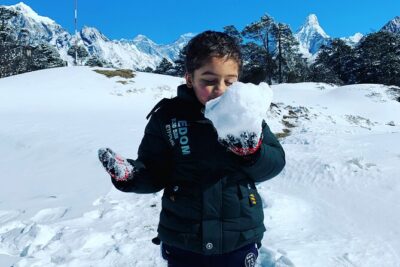
Everest Base Camp Helicopter Tour landing at Everest View Hotel
Read our review →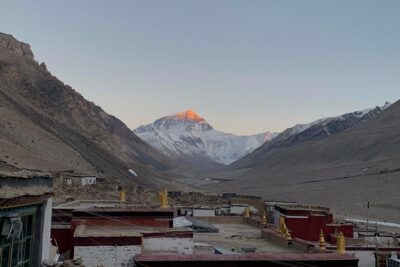
Tibet Tour 8 Days Lhasa to Everest Base Camp Small Group Tour
Read our review →
Dubai: Private Luxury Everest Yacht Cruise from Dubai Marina
Read our review →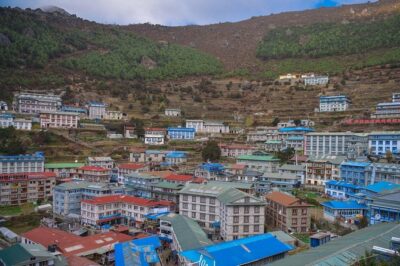
Browse the lists this trek appears in