
Review · KATHMANDU
Everest: 16 Day Trek to Everest Base Camp
Reaching Everest Base Camp is the headline, but the real prize is the steady climb through Sherpa villages, glacier valleys, and high mountain passes. You’ll fly to Lukla, walk for nearly two weeks, and finish with the broad Everest view from Kala Patthar.
I like the built-in acclimatization days in Namche and Dingboche, and I like that the $1,699 price includes flights, permits, a guide, porter, meals, and mountain lodging. The main consideration is altitude: this is a serious trek, not a gentle sightseeing walk, and the Lukla flight can require a change to Ramechhap Airport.
Key points to know before booking
- Everest Base Camp at about 5,364 meters: You reach the famous camp on Day 10, then return to Gorak Shep for the night.
- Kala Patthar is the great viewpoint: The climb reaches roughly 5,555 meters, offering the trip’s main close viewing point toward Everest.
- Two acclimatization days are included: Namche and Dingboche give your body time to adjust before the highest walking days.
- The package covers major trek costs: Flights, national park permit, teahouse lodging, meals, guide, porter, jacket, sleeping bag, and kitbag are included.
- You spend time in Sherpa villages: Namche, Pangboche, Dingboche, Tengboche, and other stops give the route its human side.
- The itinerary is demanding despite its relaxed pacing: You need warm clothes, hiking shoes, hiking pants, travel insurance, and a willingness to walk at altitude.
Why this 16-day route works for first-time trekkers
This itinerary follows the classic approach to Everest Base Camp, but it avoids rushing the ascent. You spend a full day acclimatizing in Namche and another in Dingboche. That matters because altitude is the main challenge here, not simply the number of miles walked.
The route begins in Kathmandu at 1,400 meters, rises to Lukla at 2,860 meters, then climbs in stages. You sleep at 3,440 meters in Namche, 4,410 meters in Dingboche, 4,940 meters in Lobuche, and 5,164 meters in Gorak Shep. Those numbers explain why the schedule gives you time to adjust.
I like this pacing for a first Himalayan trek. You still face long and tiring days, but you are not being pushed straight from Lukla to the highest points. The itinerary also includes food and tea during the trek, which makes it easier to keep your energy up without planning every meal yourself.
The phrase first-time trekker should not be confused with beginner-level walk. You need to be comfortable hiking for several consecutive days and walking at high altitude. The operator specifically says the trip is not suitable for people with mobility impairments or wheelchair users.
More Everest Base Camp Treks in Kathmandu:
- Everest Base Camp Trek – 14 Days
★ 5.0 · 1,499 reviews - Everest Base Camp Trek
★ 5.0 · 842 reviews - Everest Base Camp Helicopter Tour landing at Everest View Hotel
★ 5.0 · 668 reviews
Kathmandu gives you two useful starting days
You arrive in Kathmandu on Day 1 and spend the night in a three-star hotel. Airport and hotel transfers are included, which is useful after an international flight and saves you from arranging a taxi while carrying trekking gear.
Day 2 is set aside for sightseeing in Kathmandu. A guided Kathmandu tour is not included, so you have free time rather than a planned city program. You also pay for your own lunch and dinner in Kathmandu, while breakfast is included at the hotel.
This extra city time is practical. It gives you a chance to rest, sort your bags, and meet the English-speaking trekking guide before leaving for the mountains. The package also provides a kitbag and T-shirt, along with a jacket and sleeping bag for use during the trek. Those items must be returned after you finish.
Lukla and Phakding begin the walking route
On Day 3, you fly from Kathmandu to Lukla, at about 2,860 meters, then walk to Phakding, at about 2,610 meters. The flight is included in the price, as is the return flight to Kathmandu, but the operating plan may use Ramechhap Airport instead of Kathmandu Airport.
That possible airport change is worth taking seriously. It can affect your ground transfers and timing, so ask for the latest flight plan before departure. The mountain flight is part of the practical adventure, but it is also one of the least predictable pieces of the schedule.
The walk to Phakding is a sensible opening day. You begin walking without immediately sleeping at a higher altitude than Lukla. From here, the route follows valleys and rivers toward Namche, with the first taste of the region’s steep-sided mountain scenery.
Namche Bazaar is the first major altitude test
Day 4 takes you to Namche Bazaar, at 3,440 meters. Namche is one of the key Sherpa settlements on the route, and it is more than a place to sleep. It is your first real mountain stop where altitude, local life, and trekking logistics come together.
Day 5 is an acclimatization day in Namche. The itinerary does not specify a separate guided excursion, so you should confirm the exact plan with your guide. The important point is that you do not keep climbing immediately.
I especially like this pause. A rest day at this stage gives you time to handle the first symptoms of altitude, test your boots, and organize your layers before the route gets higher and colder. Do not treat it as wasted time. It is part of the safety plan.
A few more treks around Kathmandu worth a look
- Everest Base Camp Trekking
★ 5.0 · 485 reviews - Annapurna Circuit Trek with Tilicho Lake
★ 5.0 · 368 reviews - Everest Base Camp Trekking – 13 Day
★ 5.0 · 365 reviews - Everest Base Camp Trek
★ 5.0 · 350 reviews
Pangboche and Dingboche bring bigger views
On Day 6, you trek to Pangboche, at about 3,985 meters. This section takes you farther into the high mountain country and into Sherpa village life. The route is valuable because the scenery is not just about one famous peak. You see valleys, rivers, glaciers, and a growing wall of high summits.
Day 7 continues to Dingboche, at about 4,410 meters. This is another substantial gain in elevation, and you will feel the difference. The air is thinner, nights are colder, and simple tasks can take more effort.
Dingboche gets a full acclimatization day on Day 8. Again, the exact activities are not specified, so your guide will determine how the day is used. You can expect the day to support gradual adjustment before the route reaches Lobuche and Gorak Shep.
The included meals help here. Breakfast, lunch, dinner, and a cup of tea are covered during the trek. Mineral water, desserts, and Wi-Fi are not included, and personal expenses remain yours. Bring a budget for those extras rather than assuming every drink or snack is covered.
Lobuche and Gorak Shep mark the high point of the trek
Day 9 brings you to Lobuche, at about 4,940 meters. At this height, walking becomes slower and more deliberate. The route is now about conserving energy, staying warm, and following your guide’s advice.
On Day 10, you trek to Gorak Shep at about 5,164 meters, then continue to Everest Base Camp. The itinerary gives the camp’s height as about 5,364 meters, while other supplied figures list it slightly differently. In practical terms, you are walking above 5,300 meters, where cold, thin air, and fatigue are serious factors.
You return to Gorak Shep after reaching Base Camp. That makes this a long and demanding day, but it also keeps the route moving without adding another night at the highest point. The famous base camp is an important destination, though it is not the best place for a wide Everest view. The next morning provides that.
Kala Patthar supplies the grand Everest view
Day 11 starts with the climb to Kala Patthar, listed at about 5,555 meters. The itinerary also gives a viewing-point height of roughly 18,193 to 18,225 feet. Small differences in published altitude figures are common, but the practical message is clear: this is the highest and most strenuous morning of the trek.
Kala Patthar is included because it gives you the sweeping mountain view that Base Camp itself cannot always provide. You then descend to Pheriche, at about 4,371 meters. That descent is welcome, but it does not make the day easy. You are climbing high, then walking back down after several days above 4,000 meters.
Pay attention to how you feel. The itinerary provides a guide and porter, but no trek can remove the physical effects of altitude. The value of having experienced support is clearest if you become ill or need help making a decision.
One booking included a serious emergency when a participant fell at about 5,100 meters and had to return to Kathmandu. Sujan was described as kind and helpful during that situation, working with the guide and porter. That detail is important: mountain support is not just about carrying bags or finding the trail. It can matter when plans change suddenly.
The return through Tengboche and Namche
Day 12 takes you back to Tengboche, at about 3,860 meters. The return route lets you see familiar valleys from a different angle and gives your lungs a break as you lose altitude.
Tengboche is one of the route’s notable Sherpa village stops. The village setting adds cultural interest after several days focused on height and endurance. You are not simply ticking off a summit route. You are moving through communities where local life is tied to the mountains and the trekking path.
Day 13 brings you back to Namche Bazaar, at 3,440 meters. This is a pleasant psychological shift. After Gorak Shep and Kala Patthar, Namche feels lower, warmer, and more connected.
Day 14 continues to Lukla, at 2,860 meters. The final walking day is still a real trek, but the lower elevation makes it easier to breathe. The return route also gives you a chance to look back at how quickly the altitude changed from the first days near Lukla.
Flights, hotels, and teahouses: what the price covers
At $1,699 per person, this package offers solid value if you want a guided trek with major costs bundled together. The price includes three nights in a three-star Kathmandu hotel, 12 nights in teahouses, an English-speaking guide, a porter, meals during the trek, the Everest national park permit, and both flights between Kathmandu and Lukla.
That is a useful level of coverage. Domestic mountain flights can be a large expense, and the permit, guide, porter, sleeping bag, jacket, and food would be difficult to arrange separately for a first visit.
Teahouse lodging is practical rather than luxurious. The supplied information does not promise private rooms, upgraded rooms, or attached bathrooms, so you should ask about those details before booking. The appeal is simple: you sleep along the route instead of carrying camping equipment and setting up a full camp each night.
You pay extra for Nepal’s entry visa, international airfare, departure taxes, personal expenses, travel insurance, Kathmandu lunches and dinners, desserts, mineral water, and Wi-Fi. Travel insurance deserves special attention because the route reaches above 5,000 meters and one participant needed to return to Kathmandu after an accident.
What to pack and what to clarify
The required basics are a passport, warm clothing, hiking shoes, and hiking pants. You should also confirm the jacket and sleeping bag size before leaving, since both are supplied for the trek and returned afterward.
The operator provides a kitbag and T-shirt, but the full packing list is not stated. Ask about baggage weight, porter limits, laundry, charging, showers, and room arrangements before you go. These details can affect your comfort, but they are not specified in the trip information.
Also confirm the Kathmandu to Ramechhap transfer plan if that airport is being used. The flights are included, but the airport location can affect the day’s schedule.
Free cancellation is available up to 24 hours before the activity for a full refund, and you can reserve now and pay later. The tour has an English-speaking live guide.
Who should book this Everest trek?
I would recommend this trip if you want a structured route to Everest Base Camp without arranging permits, flights, meals, lodging, and porters yourself. It suits a first-time Himalayan trekker who is fit, patient, and comfortable with basic teahouse accommodation.
I would be more cautious if you dislike cold, long walking days, high altitude, or changes to domestic flight plans. The itinerary is thoughtfully paced, but no schedule can make 5,500 meters feel easy.
The perfect match is someone who wants the big mountain goal along with Sherpa villages, river valleys, glacier views, and local teahouse stops. The strongest parts are the two acclimatization days, the included support, and the chance to finish with Kala Patthar rather than stopping at Base Camp alone.
FAQ
How long is the Everest Base Camp trek?
The experience lasts 16 days, including arrival and departure days in Kathmandu.
What is the price per person?
The listed price is $1,699 per person.
Are flights between Kathmandu and Lukla included?
Yes. The price includes the flight from Kathmandu to Lukla and the return flight to Kathmandu. The operator notes that Ramechhap Airport may be used instead.
How many nights are spent in Kathmandu?
You receive three nights in a three-star hotel in Kathmandu, with complimentary breakfast.
Where do you sleep during the trek?
You stay in teahouses for 12 nights during the mountain portion of the trip.
Are meals included?
Breakfast, lunch, dinner, and a cup of tea are included during the trek. Lunch and dinner in Kathmandu, desserts, and mineral water are not included.
Is a guide provided?
Yes. The trek includes an experienced English-speaking trekking guide and a porter.
Does the trip include acclimatization days?
Yes. You have an acclimatization day in Namche on Day 5 and another in Dingboche on Day 8.
Can you cancel for a full refund?
Yes. You can cancel up to 24 hours in advance for a full refund.
Should you book it?
Book this trek if you want the main Everest Base Camp route handled for you, with flights, permits, meals, lodging, a guide, and porter included in one price. The plan gives you a sensible ascent, two acclimatization days, and both Base Camp and Kala Patthar.
Before paying, confirm the Ramechhap flight arrangement, teahouse room details, baggage limits, and what your insurance covers at altitude. If you are ready for cold mornings, thin air, and demanding walking, this is a well-priced way to reach one of the world’s great mountain destinations.
Just added around Kathmandu
- Everest Base Camp Trek★ 5.0 · 3 reviews
- Everest Base Camp Trek★ 5.0 · 7 reviews
- 15 Days Private Everest Base Camp Trek★ 5.0 · 30 reviews
- Everest Base Camp Trek★ 5.0 · 57 reviews
- 14 Days of Adventure Trekking to Everest Base Camp★ 5.0 · 2 reviews
- 14-Day Everest Base Camp Trek★ 5.0 · 20 reviews
- From Kathmandu: Private 14-Day Everest Base Camp Trek★ 5.0 · 20 reviews
- 14 Days Everest Base Camp Trek★ 5.0 · 4 reviews
Everest Base Camp Treks, compared.
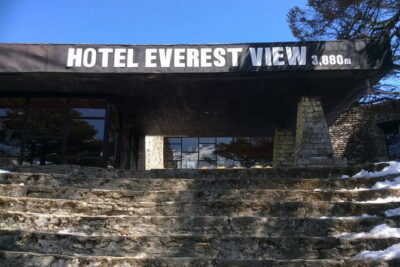
Everest Base Camp Helicopter Tour landing at Everest View Hotel
Read our review →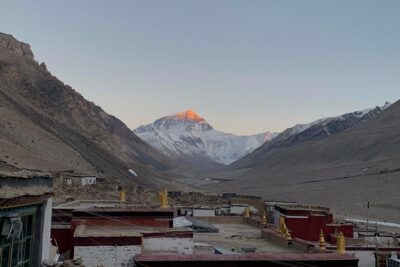
Tibet Tour 8 Days Lhasa to Everest Base Camp Small Group Tour
Read our review →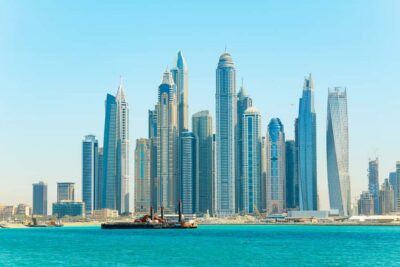
Dubai: Private Luxury Everest Yacht Cruise from Dubai Marina
Read our review →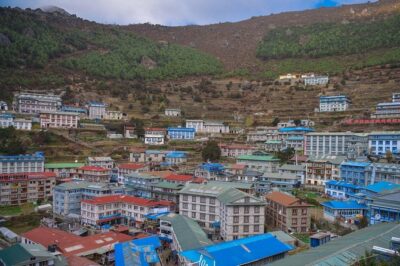
Browse the lists this trek appears in