
Review · KATHMANDU
From Kathmandu/Lukla: Everest Base Camp (EBC) 10-Day Trek
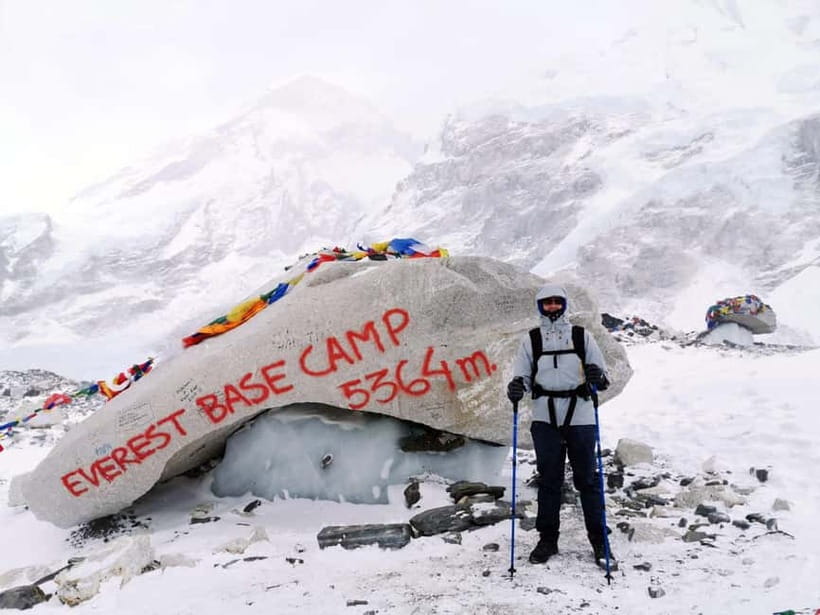
Reaching Everest Base Camp at 5,364 meters is the main prize, but the real story is the steady climb through Sherpa villages, rhododendron forests, stone-walled fields, and high mountain valleys. I like the built-in acclimatization day in Namche Bazaar, and I like that the trip includes a guide, permits, a sleeping bag, down jacket, and trekking poles.
I also like the sunrise walk to Kala Patthar, which gives you the best stated viewpoint of Everest on this route. The hard truth is altitude: one trekker reached Base Camp but needed a helicopter transfer down after becoming badly exhausted, so fitness, medication, insurance, and a backup plan matter.
Key points before you book
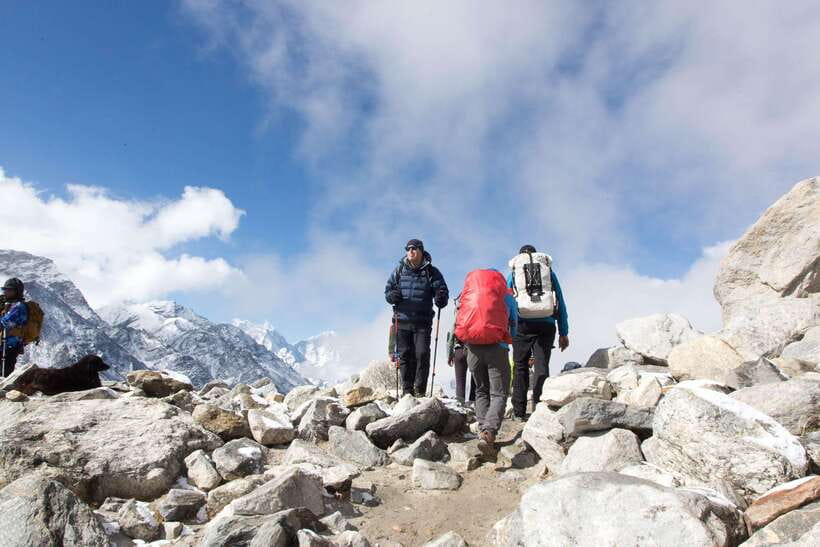
- Kala Patthar at 5,545 meters: The pre-sunrise climb is tough, but it is planned for the clearest Everest views.
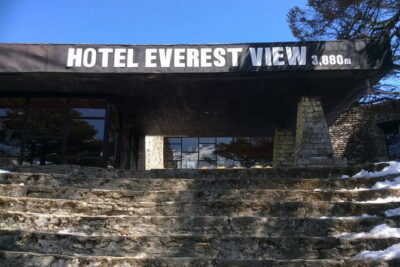
- Namche acclimatization: You spend a full day here and walk to Hotel Everest View at 3,880 meters.
- Private group format: You have an English or Hindi-speaking guide rather than joining a large shared group.
- Basic mountain gear included: A down jacket, sleeping bag, trekking poles, first aid, permits, and water purification tablets are provided.
- Meals cost extra: The $322 price does not include food, hot drinks, showers, Wi-Fi, charging, snacks, or a porter.
- Kathmandu and Lukla options differ: Flights are included from Kathmandu, but not when you choose the Lukla meeting option.
What the $322 price really covers
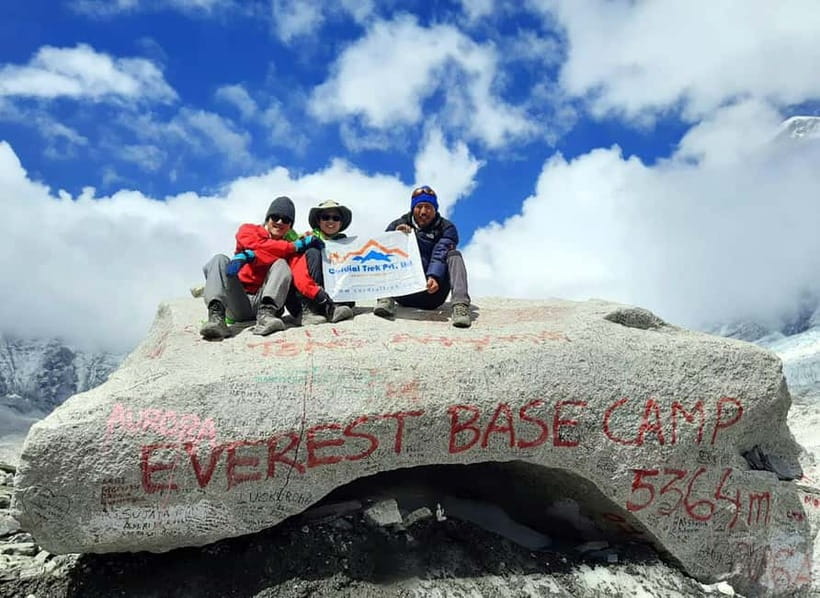
At $322 per person, this is a low starting price for a 10-day Everest Base Camp trek. The value comes from the practical pieces already arranged: mountain guesthouse accommodation, an experienced Sherpa guide, trekking permits, first aid if needed, a down jacket, trekking poles, a sleeping bag, and water purification tablets.
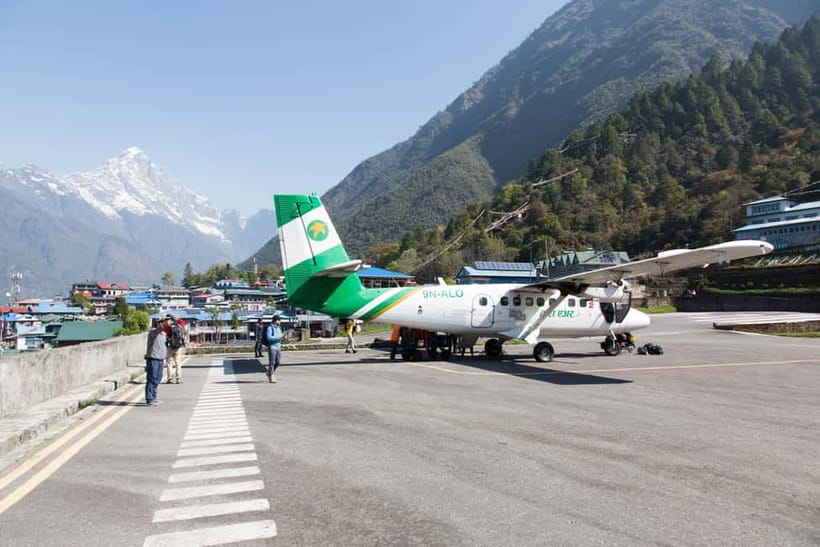
If you choose the Kathmandu option, airport transfers and Kathmandu to Lukla and Lukla to Kathmandu flights are included. If you choose to meet the guide at Lukla, those flights are not included unless you add them separately. Read that distinction carefully before booking, since the airfare can change the true cost of the trip.
Food is not included. Neither are hot showers, Wi-Fi, battery charging, hot or cold drinks, alcohol, snacks, or a porter. A duffle bag is provided if you select the porter option, but the porter itself costs extra.
For a budget trekker who already has suitable clothing and plans expenses carefully, the price can be good value. For someone expecting an all-inclusive package, it will feel less generous. I would set aside money for meals, drinks, charging, personal items, and insurance before you arrive.
More Everest Base Camp Treks in Kathmandu:
- Everest Base Camp Trek – 14 Days
★ 5.0 · 1,499 reviews - Everest Base Camp Trek
★ 5.0 · 842 reviews - Everest Base Camp Helicopter Tour landing at Everest View Hotel
★ 5.0 · 668 reviews
Starting at Lukla and walking to Phakding
Your first day begins with a flight from Kathmandu to Lukla if you choose the Kathmandu package. You can also arrange your own way to Lukla and meet the guide at the airport exit, where the guide will hold a naming card.
After a pre-trek briefing, you walk for about three to four hours to Phakding. The maximum altitude is 2,800 meters, so this is a sensible first walking day rather than a punishing start.
The route introduces you to the rhythm of the trek: several hours on foot, a mountain guesthouse at night, and a gradual change in air and scenery. You should keep your daypack light and carry only what you need during the walk. A 20 to 25 liter daypack is recommended.
Namche Bazaar and the first acclimatization day
The five to six hour walk from Phakding to Namche Bazaar is longer and more demanding. Namche sits at 3,440 meters and is often called the Gateway to Everest, a fitting name for the first major settlement on the route.
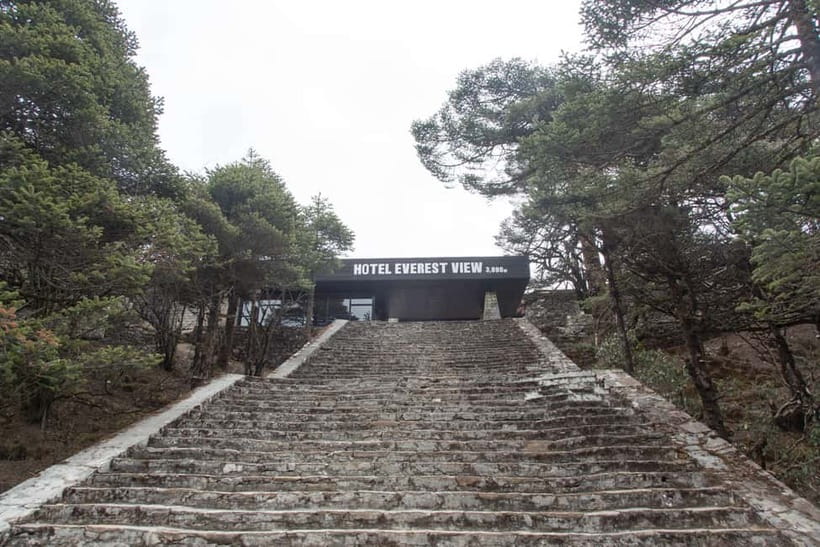
This is where the itinerary makes an important choice. Instead of pushing higher every day, you spend the next day acclimatizing. You explore Namche and take a short hike to Hotel Everest View at 3,880 meters before returning to town.
I like this part because it gives your body time to adjust while still giving you a worthwhile outing. The Hotel Everest View walk also provides a strong early look at the central Himalayas. You are not simply resting in a room. You are walking higher, then sleeping lower, which is the useful pattern for altitude adjustment.
Do not treat this day as optional sightseeing. It is part of the safety plan. Headaches, nausea, unusual exhaustion, or other altitude problems should be taken seriously, and you should tell your guide early.
Deboche, Tengboche Monastery, and forest trails
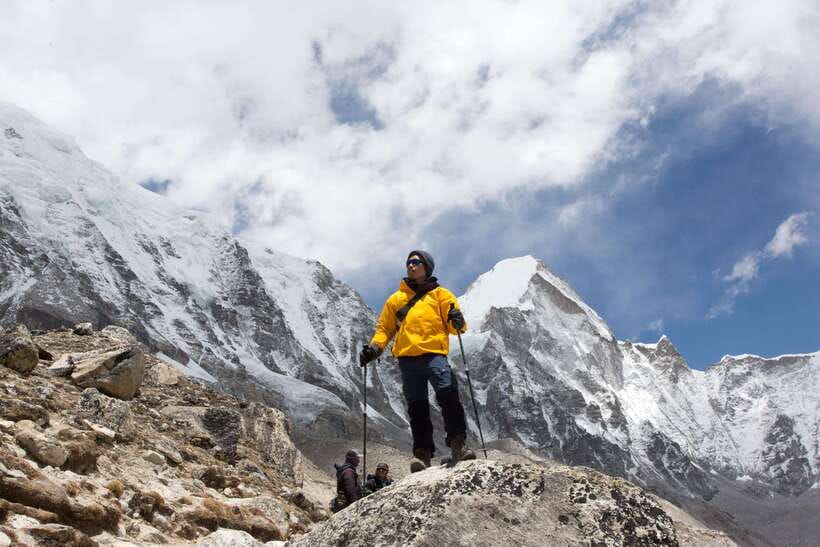
From Namche, the trek takes five to six hours toward Deboche at about 3,820 meters. The path passes through rhododendron forests and reaches the famous Tengboche Monastery along the way.
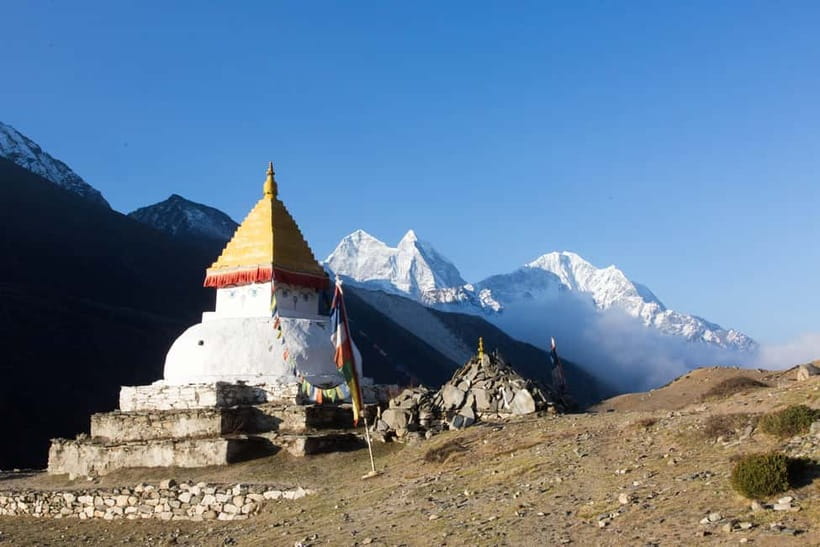
The monastery gives this section cultural weight. You are not only walking toward a famous mountain; you are passing through Sherpa communities and places important to local Buddhist life. The route also shifts from lower forest to higher, more open country.
Deboche is described as a quiet Sherpa village, which makes it a good contrast to Namche. The altitude number in the supplied plan includes a mismatched feet conversion, so use the meter figure as the useful reference. At these heights, even modest slopes can feel serious.
You will likely appreciate the guide most on this section. A local guide can help explain the villages and monastery, manage the daily pace, and notice when someone is struggling. The trip offers English and Hindi guiding, and the group is private.
A few more treks around Kathmandu worth a look
- Everest Base Camp Trekking
★ 5.0 · 485 reviews - Annapurna Circuit Trek with Tilicho Lake
★ 5.0 · 368 reviews - Everest Base Camp Trekking – 13 Day
★ 5.0 · 365 reviews - Everest Base Camp Trek
★ 5.0 · 350 reviews
Dingboche and the stone-walled fields
Day five takes you from Deboche to Dingboche in roughly five to six hours. Dingboche sits at 4,410 meters and is known for its traditional Sherpa setting, stone-walled fields, and views toward Ama Dablam.
The stone walls are not decoration. They show how people farm in a high, difficult environment, protecting cultivated ground from the mountain climate. This is one of the places where the trek feels more personal than a simple mountain photo trip.
You are now high enough that the schedule matters. The route does not add another full acclimatization day here, so pay attention to your body, walk slowly, drink regularly, and follow the guide’s advice. The included water purification tablets can help reduce the need to buy treated water along the way.
Dingboche is also a good point to check your equipment. Your boots, socks, gloves, hat, layers, and sleeping bag need to be working well now. Cold becomes a practical issue, not just a forecast.
Lobuche and the serious climb toward Base Camp
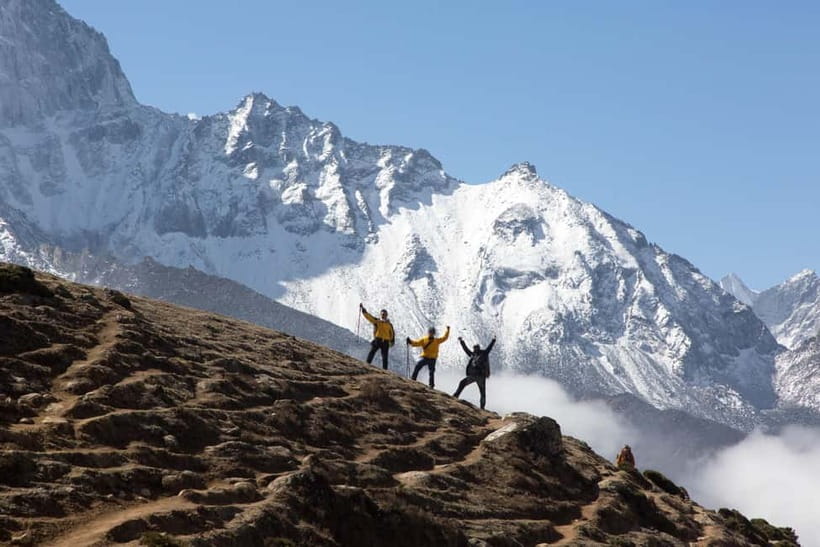
The walk from Dingboche to Lobuche takes five to six hours and climbs to about 4,940 meters. Lobuche is a small settlement, but it has major importance because it is the final overnight stop before Gorak Shep and Base Camp.
This is where the trek becomes especially demanding. You are gaining height quickly, the air is thin, and the route offers less room for casual pacing. Nuptse views add drama, but you should save energy rather than stop constantly for photographs.
I would use this evening to prepare for the next morning. Keep your headlamp handy, arrange your warm clothing, fill your water bottle, and keep snacks accessible. The headlamp, sunscreen, sunglasses, toiletries, and water bottle are your responsibility, so do not leave them behind in Kathmandu.
The supplied equipment covers several important items, but not everything. Bring thermal layers, warm socks, a beanie, gloves, a neck gaiter, hiking pants, and sturdy hiking boots. Crampons are only suggested if snow is expected, so ask about conditions before the trip rather than buying equipment automatically.
Gorak Shep and Everest Base Camp at 5,364 meters
Day seven starts with a four to five hour walk from Lobuche to Gorak Shep. After a break, you continue to Everest Base Camp, at 5,364 meters, and then return to Gorak Shep in another three to four hours.
This is the emotional high point of the trek, but it is not an easy photo stop. The round trip is long, the altitude is severe, and the terrain can make each step feel slow. The Khumbu Icefall is the major visual reward, with its ice formations and immense scale.
Base Camp itself is also seasonal in character, and the experience is about reaching the famous point at the foot of Everest rather than finding a permanent town or museum. Your guide helps keep the day organized, but no guide can remove the physical cost of the altitude.
You may feel proud, exhausted, or both. That is normal. Keep your schedule flexible enough to respond to symptoms, and do not confuse determination with safety. Travel insurance is mandatory, and the account of a trekker needing a helicopter transfer after reaching Base Camp is a useful warning. Insurance must be able to handle high-altitude trekking and emergency evacuation.
Kala Patthar at sunrise, then down to Pheriche
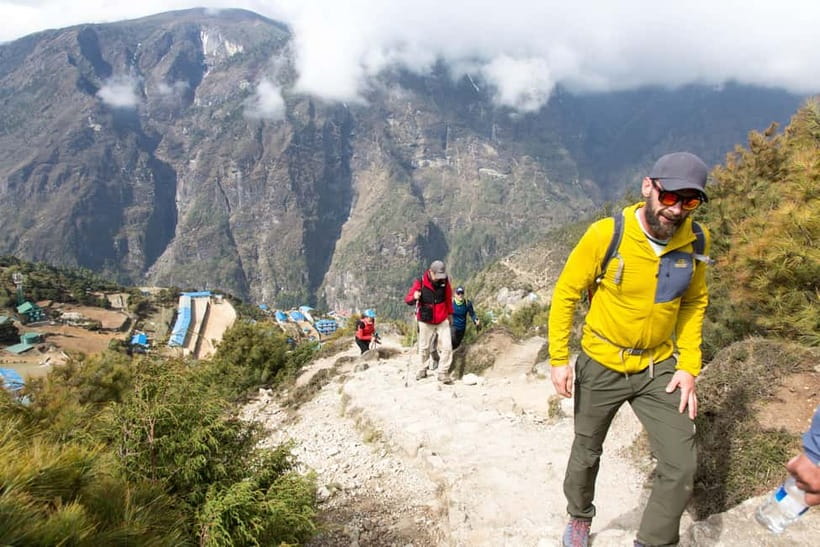
The next morning begins before sunrise with a two to three hour climb to Kala Patthar at 5,545 meters. This is the highest point on the route and the best stated place for broad Everest views.
The early start serves a purpose. Sunrise light can bring out the mountain shapes, and the air may be clearer in the morning. Still, this is the hardest short walk of the trip for many people. You are climbing above Base Camp after a demanding day, so do not underestimate it.
After returning to Gorak Shep for breakfast, you walk four to five hours down to Pheriche. The descent is welcome, but it is not effortless. Tired legs and uneven ground can cause problems, so trekking poles are especially useful here.
Pheriche gives you a lower night after the highest section. That change in altitude should feel helpful, but you still need rest. The schedule is not a free day, and you should resist the urge to race downhill.
Returning through Namche Bazaar to Lukla
Day nine takes five to six hours from Pheriche back to Namche Bazaar. The route retraces familiar ground, but the lower altitude and downhill direction usually change how it feels.
Namche is a welcome return point because you have already seen it, know the setting, and can mark your progress. The final night in the mountain villages comes on day ten, when you walk five to six hours from Namche to Lukla through Phakding.
The trek ends with a farewell to the team and an overnight stay in a guesthouse. If you have flights, the return to Kathmandu is scheduled for the next morning, with airport transfer provided. The flight schedule is not described in detail, so keep your wider Nepal plans flexible around the Lukla return.
Accommodation, food, and daily comfort
The package includes 10 nights in mountain guesthouses. That gives you a bed and a base at each stop, but it does not mean hotel-style comfort.
Hot showers, Wi-Fi, and battery charging cost extra. Hot, cold, and alcoholic drinks also cost extra, as do snacks. Meals are available as an add-on rather than part of the $322 base price.
This matters because small daily costs add up quickly on a long trek. Bring a spending plan and ask before ordering so you are not surprised. A portable charging solution may be useful, but the supplied information does not promise charging access at every stop.
The company provides a down jacket, sleeping bag, and trekking poles. You still need to bring your own warm layers and personal gear. The duffle bag is available with the porter option, so pack your daypack and porter bag according to the option you select.
Fitness, altitude, and who should book
This is a physically demanding trek, not a casual sightseeing tour. The schedule includes several five to six hour walking days, a Base Camp round trip from Gorak Shep, and the high point of Kala Patthar at 5,545 meters.
You should be comfortable walking for hours on uneven mountain paths and carrying a daypack. The provided information does not set a specific fitness test, so you should speak with a medical professional if you have concerns about high altitude or strenuous exercise.
Bring any needed medication and think through a contingency plan. The trekker who required a helipad descent after reaching Base Camp shows that success is not only about reaching the destination. You also need a safe way to respond if altitude affects you badly.
The activity is not suitable for people with mobility impairments or people over 95 years old. The private group format is a good fit if you want direct contact with your guide and a pace that is not tied to a large group.
Booking details worth checking twice
The provider offers free cancellation up to 24 hours before the activity and allows you to reserve now and pay later. You must provide a passport copy and a recent passport photograph at least one day before the trek so permits can be processed.
Alcohol and drugs are not allowed. Pickup from a Kathmandu hotel or residential apartment can be added for the domestic airport transfer when you choose the Kathmandu option.
At Lukla, meet the guide outside the airport exit and look for the naming card. The guide languages are English and Hindi, and the group type is private.
Should you book this Everest Base Camp trek?
I would book this trek if you want a budget-focused private itinerary with the key route, acclimatization in Namche, Kala Patthar, permits, basic gear, and a guide included. The route covers the essential places without padding the schedule with extra days.
I would not book it casually. You need to budget beyond $322, arrange mandatory travel insurance, prepare for altitude, and accept that meals, porter service, comfort extras, and some transport may cost more.
For a prepared hiker who values the Sherpa villages and the achievement of reaching Base Camp, this is a strong practical option. If you want a slower schedule, included meals, or more support at high altitude, ask about extra acclimatization days and evacuation arrangements before paying.
FAQ
How long is the Everest Base Camp trek?
The trek lasts 10 days. The walking route begins at Lukla and ends at Lukla, with a return flight to Kathmandu scheduled for the following morning for participants who have flights arranged.
Does the price include flights from Kathmandu?
Yes, Kathmandu to Lukla and Lukla to Kathmandu flights, along with airport transfers, are included for the from Kathmandu option. Flights are not included when you choose the from Lukla option unless added separately.
Where do I meet the guide in Lukla?
Meet the guide at the exit terminal of Lukla airport. The guide will be holding a naming card.
Are meals included?
No. Meals are not included in the stated price, though a meal add-on is available. Hot and cold drinks, alcohol, and extra snacks are also excluded.
Is this a private trek?
Yes. The activity is described as a private group experience with an English or Hindi-speaking live guide.
What accommodation is included?
The package includes 10 nights in mountain guesthouses.
Is a porter included?
No. Porter service is an add-on. A duffle bag is provided if you choose the porter option.
What equipment does the company provide?
The company provides a down jacket, sleeping bag, trekking poles, first aid if needed, water purification tablets as required, and a duffle bag with the porter option.
Is travel insurance required?
Yes. Travel insurance is mandatory. You should make sure your policy covers high-altitude trekking and emergency evacuation.
Can I cancel the booking?
You can cancel up to 24 hours in advance for a full refund. The activity also offers reserve now and pay later booking.
Just added around Kathmandu
- Everest Base Camp Trek★ 5.0 · 3 reviews
- Everest Base Camp Trek★ 5.0 · 7 reviews
- 15 Days Private Everest Base Camp Trek★ 5.0 · 30 reviews
- Everest Base Camp Trek★ 5.0 · 57 reviews
- 14 Days of Adventure Trekking to Everest Base Camp★ 5.0 · 2 reviews
- 14-Day Everest Base Camp Trek★ 5.0 · 20 reviews
- 14 Days Everest Base Camp Trek★ 5.0 · 4 reviews
- From Kathmandu: Private 14-Day Everest Base Camp Trek★ 5.0 · 20 reviews
Everest Base Camp Treks, compared.
Everest Base Camp Helicopter Tour landing at Everest View Hotel
Read our review →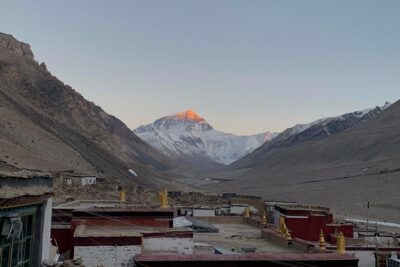
Tibet Tour 8 Days Lhasa to Everest Base Camp Small Group Tour
Read our review →
Dubai: Private Luxury Everest Yacht Cruise from Dubai Marina
Read our review →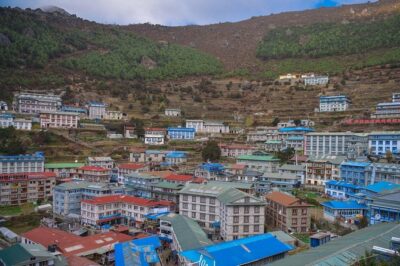
Browse the lists this trek appears in