
Review · KATHMANDU
From Kathmandu: Everest View from Nagarkot & hike to Changu
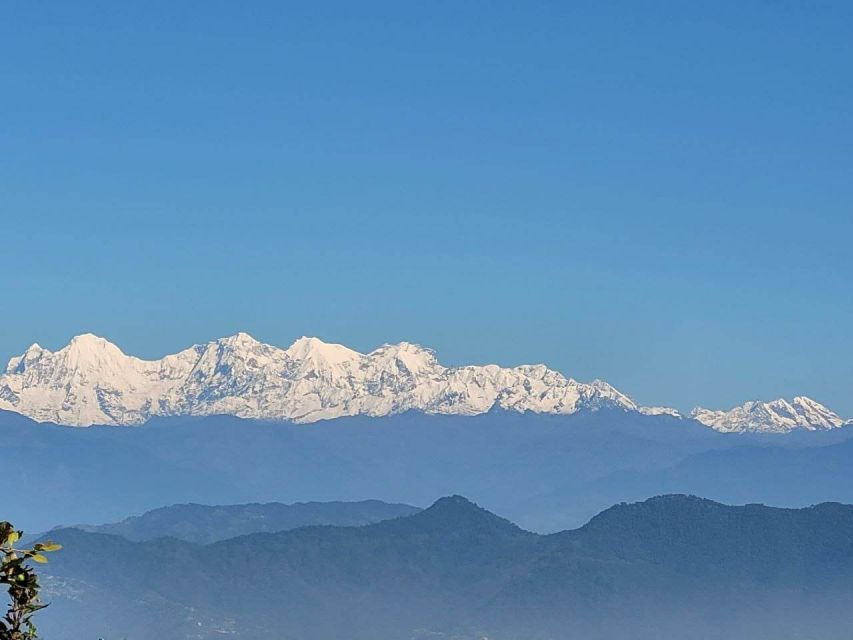
Nagarkot gives you a quick taste of Nepal’s high country without committing to a long trek. From the 2,175-meter viewpoint, you may see Everest, Gauri Shanker, Dorje Lakpa, Langtang, Ganesh Himal, and other peaks before walking through farms and villages to Changunarayan Temple, one of the Kathmandu Valley’s UNESCO World Heritage sites. The mountain view is the headline, but the village trail is the real substance.
I like two things especially: the quiet rural walk after the early drive, and the guides, particularly Sagar and Shekhar, who explain Nepalese religion, history, plants, and daily life rather than simply pointing out scenery. The main catch is weather. Everest is not guaranteed, and clouds, haze, or monsoon rain can hide the peaks completely.
Key points to know before booking
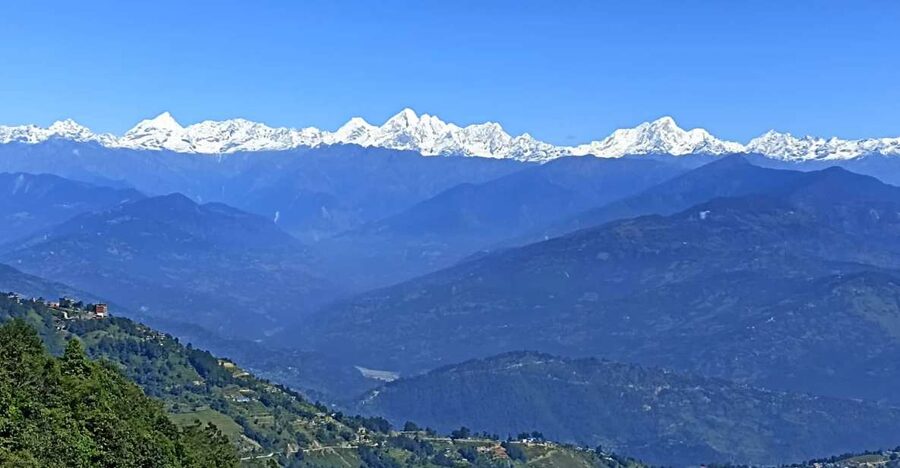
- Nagarkot sits at 2,175 meters, giving you a strong chance of a Himalayan panorama on a clear morning.
- The hike takes about three hours, with flat sections, a few uphill stretches, and some downhill walking near the end.
- The route passes farms, forests, villages, temples, goat herders, and local alcohol-making areas, making it more than a viewpoint excursion.
- Changunarayan Temple rewards the walk with detailed stone and wood carvings, religious images, and a historic setting.
- Sagar and Shekhar are especially strong guides, offering patient explanations and adjusting the walking pace.
- Bring money for lunch, drinks, snacks, and temple entry, since these are not included in the $43 price.
Why this Nagarkot day trip works
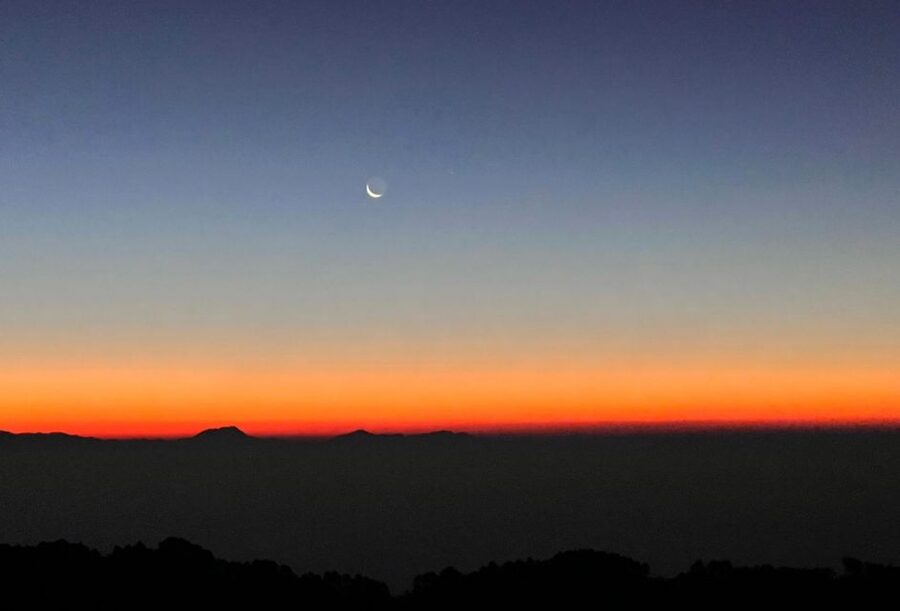
This is a good choice if you want mountain scenery and a moderate walk, but do not want to spend several days on a trekking route. The drive from Kathmandu takes about an hour and a half, usually beginning early enough for sunrise. One pickup recorded a 4:50 start, so you should expect a very early morning if sunrise is part of your plan.
The tour has a useful rhythm. First comes the high viewpoint, then a short drive onward, then a three-hour walk, lunch near Changunarayan, a temple visit, and the drive back. You get a broad look at the area without spending the whole day in a vehicle.
I also like the contrast. Nagarkot is built around wide mountain views, while the trail shows the working countryside around the Kathmandu Valley. You may see seasonal farming, goat grazing, forest paths, village homes, and people making local alcohol. This is a better introduction to everyday Nepal than a simple lookout stop.
Still, keep your expectations sensible. The title promises an Everest view, but the tour cannot control the sky. Clear winter and spring days offer the best odds. June, July, August, and rainy periods can bring low cloud and poor visibility, while haze can affect any season. Even then, the Kathmandu Valley, wooded trails, and village life give the outing a reason to continue.
More Everest Base Camp Treks in Kathmandu:
- Everest Base Camp Trek – 14 Days
★ 5.0 · 1,499 reviews - Everest Base Camp Trek
★ 5.0 · 842 reviews - Everest Base Camp Helicopter Tour landing at Everest View Hotel
★ 5.0 · 668 reviews
The early drive from Kathmandu to Nagarkot
Your guide collects you from your hotel in Kathmandu or Thamel in a private car. The drive takes about 90 minutes and climbs through increasingly quieter surroundings. The road is described as twisty in places, so a considerate driver matters, especially before dawn.
The early start has a practical purpose. Nagarkot is best known for sunrise and distant Himalayan views, and arriving early gives you the strongest chance of seeing the peaks before daytime haze builds. Bring a jacket or warm layer for the viewpoint. Temperatures can feel cool before sunrise, even when the walking portion later becomes warm.
The private transport is one of the clearest benefits of the $43 price. You do not need to arrange a taxi to the trailhead or find your way back from Changunarayan. The car also makes this workable on a short Kathmandu visit, since the activity begins and ends at your accommodation or the agreed pickup point.
Before leaving, eat a proper breakfast. The tour does not include lunch, tea, coffee, bottled water, or snacks, and a three-hour walk is long enough to make a missed breakfast unpleasant. Carry a light day pack with water, sunscreen, a hat, and an umbrella during the rainy season.
Nagarkot viewpoint and the Himalayan panorama
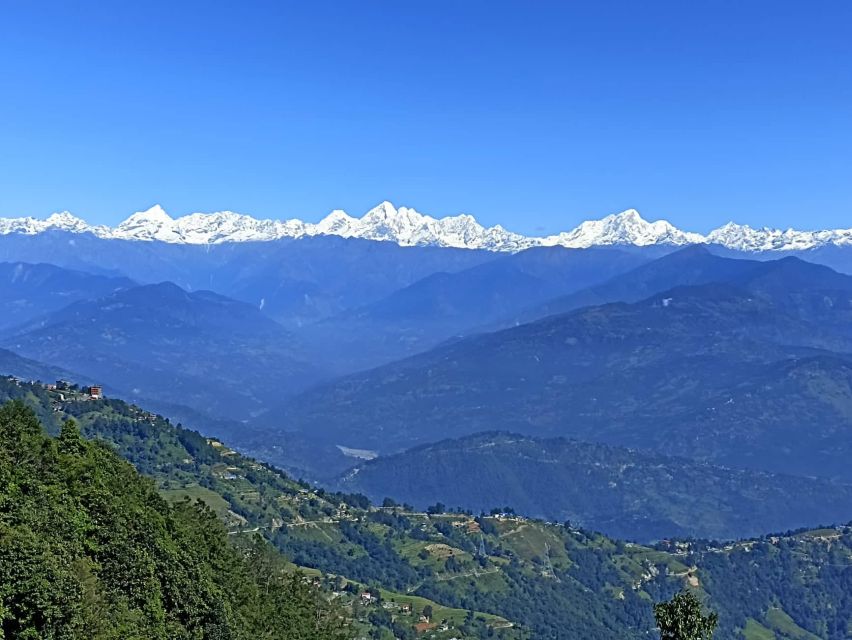
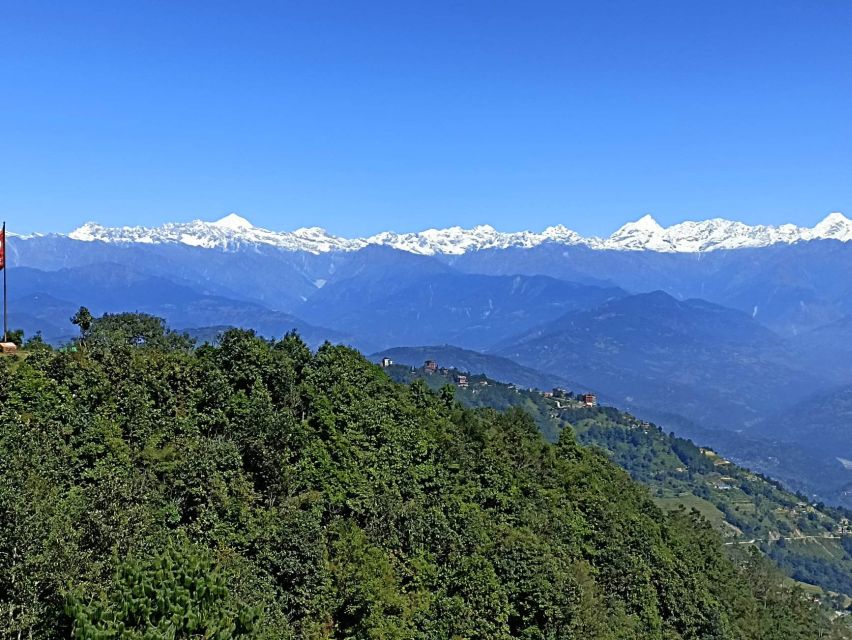
Nagarkot viewpoint is the scenic opening act. At 2,175 meters, it looks across the Himalayan range, with possible views of Everest, Gauri Shanker, Dorje Lakpa, Langtang, Ganesh Himal, and other snowy summits. Your guide can help identify the peaks, which makes the stop more useful than taking a few photographs and moving on.
On a clear morning, sunrise can be beautiful. One outing in late November produced an especially memorable sunset, while other early visits caught the mountains as the sun came up. The light changes quickly, so keep your camera ready, but do not spend the whole stop behind it.
The drawback is visibility. Several outings had no view of the Himalayan peaks because of cloud, fog, mist, or rain. In some cases, the Kathmandu Valley was still visible and made a worthwhile substitute. That is the honest way to judge Nagarkot: it is a mountain viewpoint with variable conditions, not a guaranteed Everest platform.
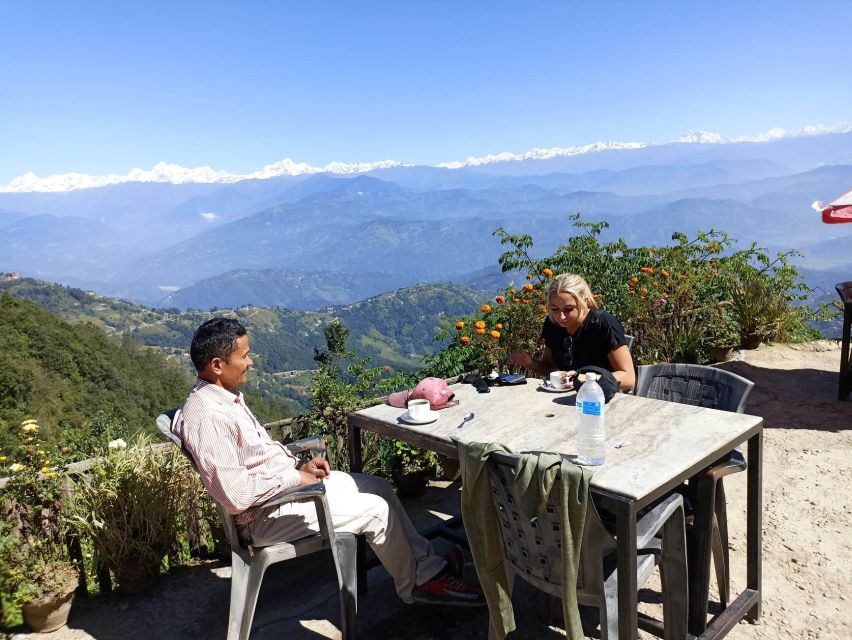
You may have a short break for tea or coffee and a toilet stop here, but the cost is your responsibility. Use this pause wisely. Once the walk starts, convenient facilities are not the focus of the route.
Trisul Dada and the start of the walk
After the viewpoint, the vehicle continues for roughly 15 minutes to the walking start. The itinerary identifies this area as Trisul Dada and allows about 20 minutes for a photo stop and guided look around.
The hike begins gently. The path is flat at first, followed by an uphill section, more level walking, and a little downhill walking toward the end. One account measured the route at about 7.5 kilometers, though the exact distance can vary with the path and stops.
Do not confuse gentle with effortless. Most people with ordinary fitness should manage it, but there are uphill stretches and a few more demanding parts. One person found the walk more challenging than expected and advised proper walking shoes. That is sound advice. Hiking shoes or sturdy walking shoes are more comfortable than casual trainers, especially after rain.
The pace is a major advantage of having a private guide. Sagar and Shekhar are repeatedly described as patient, friendly, and willing to walk at the visitor’s speed. You can ask questions, pause for photographs, or take a breather without being tied to a large group schedule.
A few more treks around Kathmandu worth a look
- Everest Base Camp Trekking
★ 5.0 · 485 reviews - Annapurna Circuit Trek with Tilicho Lake
★ 5.0 · 368 reviews - Everest Base Camp Trekking – 13 Day
★ 5.0 · 365 reviews - Everest Base Camp Trek
★ 5.0 · 350 reviews
Walking through farms, forests, and village life
This is the part I would value most if you want contact with Nepal beyond the major sights. The trail moves through rural areas rather than staying on a manicured tourist path. You may pass seasonal fields, forest, village homes, goat herders, and farmers at work.
The setting changes often enough to keep the three hours interesting. Some sections are wooded, with a cooler feel and shade. Other stretches open toward hills, fields, and valleys. You may also see local alcohol being made, a small but revealing detail about work and household life in the area.
Several guides use the walk to explain Nepalese culture, religion, local plants, and animals. Shekhar has been praised for teaching useful Nepali phrases and explaining the country’s Hindu and Buddhist traditions. Sagar is also described as an engaging guide who answers questions about Nepal and Hindi history and culture.
That added context is important. Without a guide, you would still have a pleasant walk, but you might miss why a shrine matters, what crops are being grown, or how the villages fit into the surrounding hills. The best part of the guiding here is not a rehearsed speech. It is the chance to ask about whatever catches your attention.
A suspension bridge is another memorable feature of the route. It is not the entire point of the walk, but it adds a little thrill and breaks up the quieter sections. If you dislike heights, you may want to take it slowly. The rest of the trail remains relaxed by trekking standards.
Temples along the way and Changunarayan
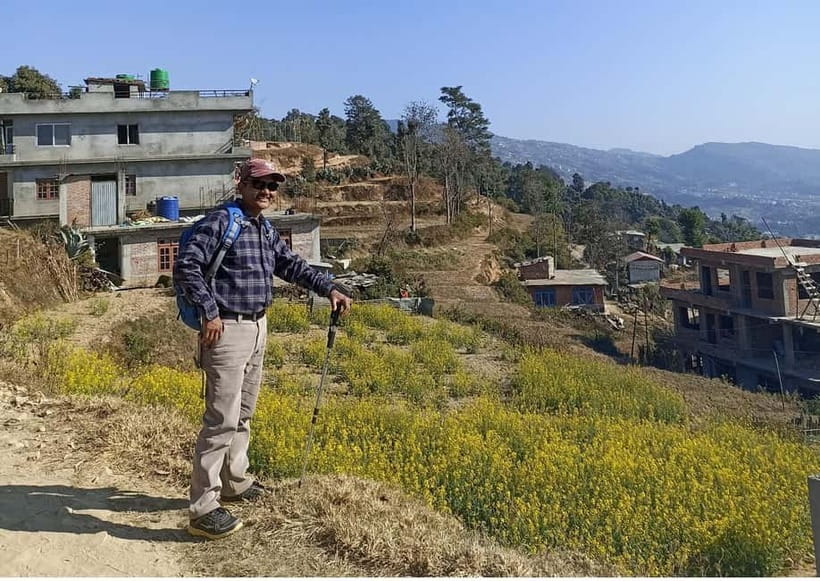
The route includes a Hindu temple before Changunarayan, giving you an early look at the religious character of the area. Your guide can explain the symbols and local traditions, but respectful dress and behavior are important. This is a living religious setting, not just a photo stop.
The final destination is Changunarayan village and its temple. The temple visit generally takes about 45 minutes, though you can spend longer if the carvings interest you. Entry is not included, so carry some cash, as well as money for lunch and drinks.
Changunarayan is the payoff for the walk. The site is known for fine Nepalese stone carvings, woodwork, and images of Hindu gods and goddesses. A historic Sanskrit pillar is also noted at the site, adding another layer for anyone interested in Nepal’s religious and artistic past.
The temple is not simply a beautiful building at the end of a trail. It shows how art, worship, and history remain connected in the Kathmandu Valley. After spending the morning among farms and village paths, you arrive somewhere with a much older public and religious role.
The surrounding village also offers time for sightseeing and possible shopping. Keep this modest. The activity is not designed as a major shopping trip, but you may find small local items near the temple area.
Lunch, drinks, and what the $43 price covers
The listed price is $43 per person, which is fair for a private or small-group day with hotel transport, a licensed guide, and a full half-day route. Private driving alone can make a Kathmandu day easier, and the guide adds real value if you want cultural explanations rather than just directions.
The price does not include lunch, tea, coffee, bottled water, snacks, drinks, or attraction entry. Plan for these extra costs. Lunch is taken at a local restaurant in or near Changunarayan after the walk, and several accounts describe the meal positively, but it is not part of the booking price.
The description also mentions enjoying a typical Nepali dinner with a family, but the detailed schedule places lunch at a local restaurant and then a temple visit. I would plan for lunch, not a guaranteed family dinner. If a home meal matters to you, confirm that directly before booking.
At $43, the experience offers good value if you want door-to-door transport and a guide who can explain the route. It is less attractive if your only goal is seeing Everest, since weather may block the mountains and a cheaper independent taxi and walk could be possible. The organized option earns its price through ease, interpretation, and the return transfer.
Best season, clothing, and fitness level
For the clearest mountain views, aim for the periods identified by local guidance and practical experience: February through April and September through November. Winter can be cold at sunrise but often gives crisp skies. Spring may bring warmer sunshine and strong ultraviolet exposure.
The wet season can still produce a pleasant walk, but rain and cloud can hide the peaks. Pack an umbrella or rain protection, and expect muddy or slippery conditions after heavy rain. One April outing reached 37 degrees Celsius with a UV level of 10, so do not underestimate the sun even when the morning begins cool.
Wear comfortable clothing that lets you move freely. A hat, sunscreen, sturdy walking shoes, water, snacks, and a camera are sensible basics. Bring a light jacket for Nagarkot and layers for the change from cool viewpoint to warmer trail.
The walk is moderate to low difficulty for many people, but not suitable for everyone. It is not recommended for pregnant women, wheelchair users, people with back problems, people with high blood pressure, or anyone over 70. Those limits are broad guidance rather than a substitute for your own medical advice, but you should take them seriously.
Who should book this experience?
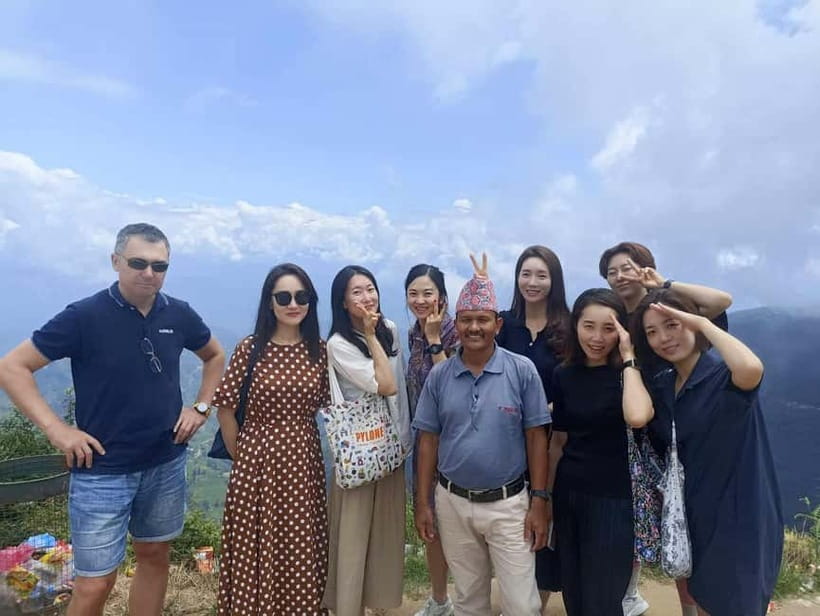
I would choose this trip if you want a manageable walk, real village scenery, a major temple, and a guide who can fill in the cultural details. It suits first-time visitors, couples, solo visitors who prefer private support, and anyone needing a break from Kathmandu’s traffic and fumes.
It also works well for people who want a taste of trekking without a multi-day commitment. You get hills, farms, forest, a bridge, temples, and a few uphill sections, but you return to your hotel the same day.
I would hesitate if you need a guaranteed Everest photograph, dislike early starts, or want a fully included meal and beverage package. I would also think twice if you are uncomfortable with uneven ground or expect a completely flat walk.
The live guide languages listed are English, Japanese, Hindi, and Chinese. Private and small-group arrangements are available, although the exact group format should be confirmed when booking. Cancellation is free up to 24 hours before departure, and you can reserve without paying immediately, which helps if your weather plans are uncertain.
Should you book the Nagarkot to Changunarayan hike?
Book it if your priority is a varied Nepal day with a chance of Himalayan views, a relaxed rural walk, and a strong cultural finish. The temple, village trail, suspension bridge, and patient guiding give the tour enough value even when clouds erase Everest.
Choose the clearest season you can, start with breakfast, carry water and cash, and wear real walking shoes. If the forecast is poor, ask about your options before setting out. The mountains may disappear, but the walk can still deliver a quiet and memorable change from Kathmandu.
FAQ
How long does the Nagarkot to Changunarayan experience take?
The experience lasts about 6 to 6.5 hours, including transport, the Nagarkot viewpoint, the hike, the temple visit, and the return drive.
How long is the hike?
The walk from the Nagarkot area to Changunarayan takes about three hours. The route includes flat sections, uphill walking, and some downhill walking.
Can I definitely see Mount Everest?
No. The mountains, including Mount Everest, are visible only when conditions are clear. Cloud, fog, haze, and rain can block the Himalayan range.
Is lunch included in the price?
No. Lunch, tea, coffee, bottled water, snacks, and other drinks are not included. Lunch is taken at a local restaurant near Changunarayan.
What languages can the guide speak?
Guides are available in English, Japanese, Hindi, and Chinese. Private and small-group options are available.
What should I bring?
Bring a hat, camera, snacks, drinking water, hiking shoes, comfortable clothing, and an umbrella during the rainy season. A light jacket is useful for the early morning at Nagarkot.
Just added around Kathmandu
- Everest Base Camp Trek★ 5.0 · 3 reviews
- Everest Base Camp Trek★ 5.0 · 7 reviews
- 15 Days Private Everest Base Camp Trek★ 5.0 · 30 reviews
- Everest Base Camp Trek★ 5.0 · 57 reviews
- 14 Days of Adventure Trekking to Everest Base Camp★ 5.0 · 2 reviews
- 14-Day Everest Base Camp Trek★ 5.0 · 20 reviews
- 14 Days Everest Base Camp Trek★ 5.0 · 4 reviews
- From Kathmandu: Private 14-Day Everest Base Camp Trek★ 5.0 · 20 reviews
Everest Base Camp Treks, compared.
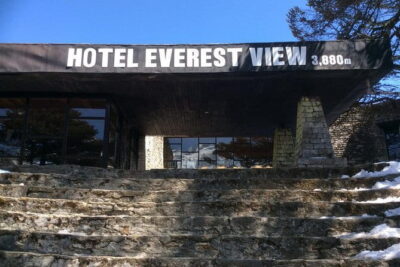
Everest Base Camp Helicopter Tour landing at Everest View Hotel
Read our review →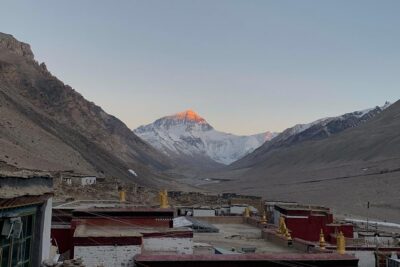
Tibet Tour 8 Days Lhasa to Everest Base Camp Small Group Tour
Read our review →
Dubai: Private Luxury Everest Yacht Cruise from Dubai Marina
Read our review →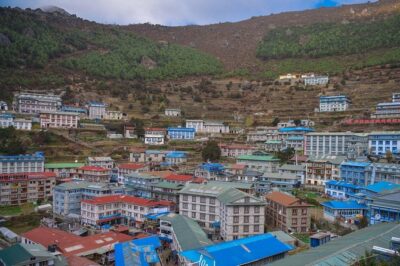
Browse the lists this trek appears in