
Review · KATHMANDU
From Kathmandu: 19 Day Everest Base Camp & Kalapathar Trek
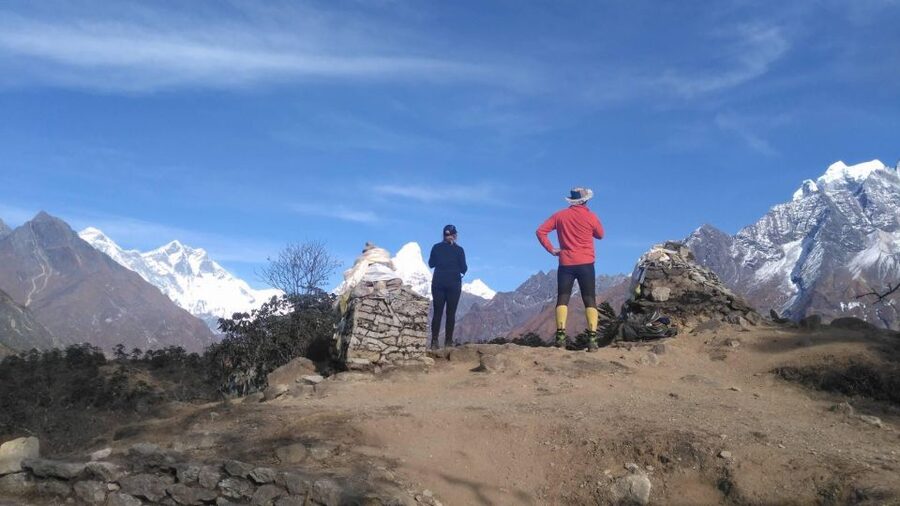
Everest Base Camp is only part of the story here. The route first carries you through Sherpa villages, forested valleys, high passes of daily walking, and the busy mountain hub of Namche Bazaar before you reach the foot of the Khumbu Icefall. The early departure from Kathmandu to Salleri is long, but it avoids a flight to Lukla and gives you a slower approach to the high country.
I like the two acclimatization days, which give your body a better chance to adjust before the hardest walking. I also like the trip’s flexible human touch: when altitude sickness stopped one participant from reaching Base Camp, guide Arjun and porter Tikaram acted quickly, and the unused time was put toward a Poon Hill trek instead. The main drawback is that you spend 12 to 13 hours each way on the Kathmandu to Salleri road, and high-altitude walking remains demanding even with a careful schedule.
Key points to know before booking
- Salleri replaces a Lukla flight: You reach the trailhead by shared bus or jeep, adding long road days but avoiding the flight segment.
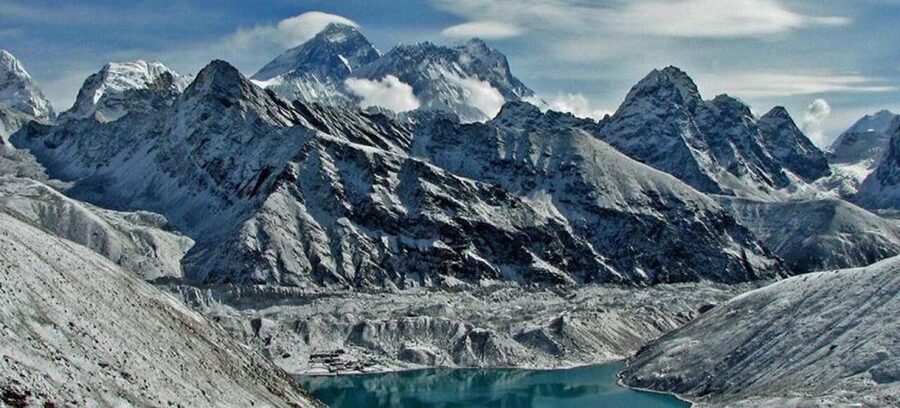
- Kala Patthar is the visual high point: At 5,545 meters, it offers views toward Everest, Lhotse, Nuptse, and the Khumbu Icefall.
- Two rest days are built in: Namche and Dingboche provide useful time for altitude adjustment.
- The trip uses tea houses: Accommodation is in guest houses or tea houses, while meals and drinks are purchased separately.
- Private group with a multilingual guide: English, Nepali, and Hindi are available, and the guide carries an emergency first aid kit.
- The plan can change for safety: Altitude sickness is a real concern, and the guide may adjust the route when needed.
Why the Salleri route changes the whole 19-day trek
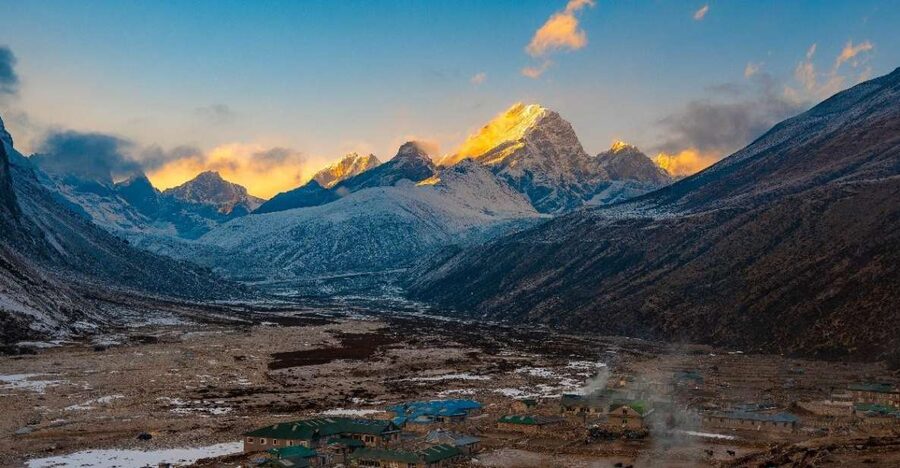
This is a classic Everest Base Camp route with one important difference: you travel from Kathmandu to Salleri by shared bus or jeep instead of flying directly to Lukla. The road journey takes about 12 to 13 hours, so Day 1 is not a gentle start. It is a long transit day, and you should be ready for a tiring ride before your boots even touch the trail.
The payoff is a gradual approach through the lower Solukhumbu region. The route avoids making the Lukla flight the opening gamble of your trek, though it replaces that with a demanding road trip. For many people, that is a fair trade. The schedule also uses the return trail through Bubsa and Nunthala, rather than simply ending at Lukla after the high-altitude section.
At $723 per person, the price covers a useful set of basics: trekking permits, company paperwork, an English-speaking guide, guide expenses, tea-house accommodation, trekking poles, emergency first aid carried by the guide, and transport between Kathmandu and Salleri. You still pay for food, drinks, travel insurance, rescue costs, and personal spending. That distinction matters because a 19-day trek produces many meal and drink purchases, and insurance with high-altitude rescue cover is essential.
More Everest Base Camp Treks in Kathmandu:
- Everest Base Camp Trek – 14 Days
★ 5.0 · 1,499 reviews - Everest Base Camp Trek
★ 5.0 · 842 reviews - Everest Base Camp Helicopter Tour landing at Everest View Hotel
★ 5.0 · 668 reviews
Days 1 to 5: Road travel and the lower Khumbu trail
On the first morning, the guide picks you up in the Kathmandu area. You then spend most of the day traveling to Salleri, at about 2,362 meters. The road day is the least glamorous part of the trip, but it sets up the walking section and gives you a direct overland route into the region.
Day 2 takes you from Salleri to Nunthala in roughly five to six hours. The elevation is around 2,500 meters, so this is a more manageable start to the walking portion. Nunthala is one of the first places where the pace of village life and the practical rhythm of a mountain trek become clear.
The next day continues from Nunthala to Bubsa, also around 2,500 meters, with five to six hours on foot. Day 4 runs from Bubsa to Surkhe, at about 2,400 meters. These stages are not the high Himalayan drama promised by the title, but they matter. You are building walking time before the trail climbs into thinner air.
Day 5 takes you from Surkhe to Phakding, a six to seven-hour trek at about 2,640 meters. This is a fairly long day, and the cumulative effect of four walking days can be noticeable. Take the early stages seriously. A steady pace now is more useful than trying to prove your fitness before the altitude becomes the main issue.
Days 6 to 10: Namche, Tengboche, and the first real altitude test
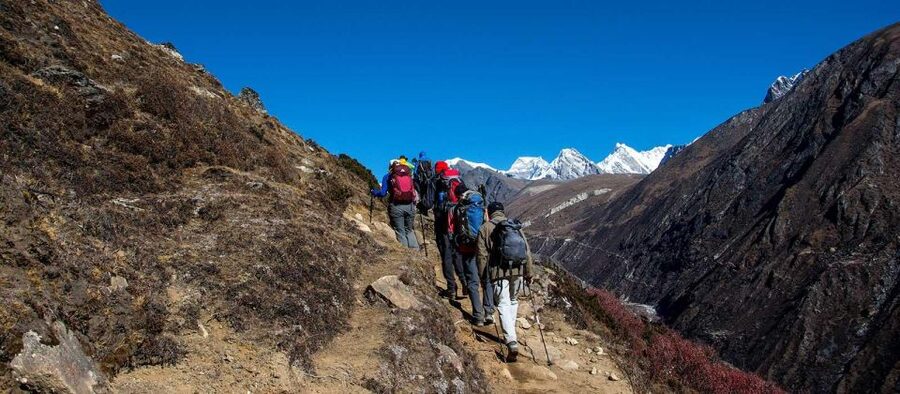
From Phakding, you trek to Namche Bazaar on Day 6. The walking time is listed at about five hours, and Namche sits at roughly 3,440 meters. This is a major stop because it is both a trading center for the Khumbu and the first scheduled acclimatization point.
Day 7 is an acclimatization day in Namche. You should think of it as a health and pacing day, not wasted time. The trip’s first participant who could not continue to Base Camp became ill at altitude, a useful reminder that fitness does not remove the need to adjust slowly. The views from the Tenzing Norgay memorial in Namche can be especially rewarding when visibility is clear.
Day 8 leads from Namche to Tengboche, at approximately 3,867 meters. The trek takes about five hours. Tengboche is known for its monastery and for its broad mountain setting, and it is one of the most memorable cultural stops on the route. Clear weather is never guaranteed, but the setting is one of the reasons this route feels like more than a long hike to a famous sign.
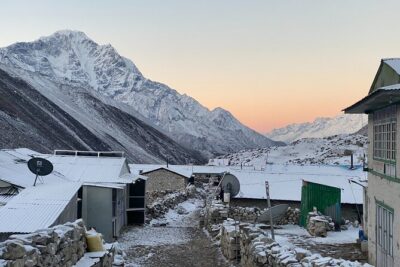
On Day 9, you walk from Tengboche to Dingboche, reaching about 4,260 meters after around five hours. The air will feel thinner here, and the pace should become deliberate. You are no longer just walking through mountain villages. You are preparing for the high section where cold, fatigue, and altitude can affect even strong walkers.
Day 10 is another acclimatization day in Dingboche. This second rest day is one of the strongest features of the schedule. The itinerary does not rush you from the lower valley to Base Camp, and that is valuable for both comfort and safety.
Days 11 to 13: Lobuche, Base Camp, and Kala Patthar
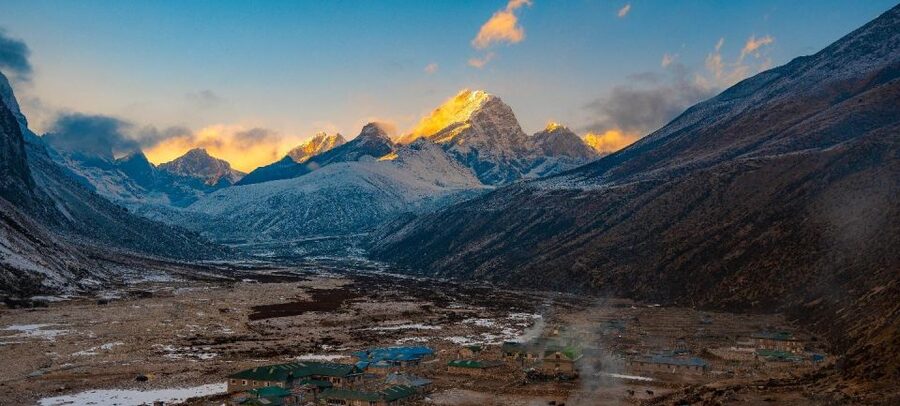
Day 11 runs from Dingboche to Lobuche, at about 4,930 meters. The five-hour walking time sounds modest, but altitude changes the effort. You will need warm clothing, good hiking shoes, hiking pants, cash, and a passport or accepted copy. A passport-sized photo is also listed among the required items.
The next day is the main goal: Lobuche to Gorak Shep, then onward to Everest Base Camp, followed by a return to Gorak Shep. The total walking time is about six hours. Gorak Shep sits at approximately 5,170 meters, while Everest Base Camp reaches 5,364 meters, or 17,598 feet.
Base Camp is a powerful destination because it places you beside the route used for Everest expeditions, with the Khumbu Icefall and surrounding peaks nearby. Keep your expectations sensible, though. The view toward the actual summit is often more impressive from Kala Patthar than from Base Camp itself. Base Camp is about reaching the place, feeling the altitude, and seeing the glacier environment up close.
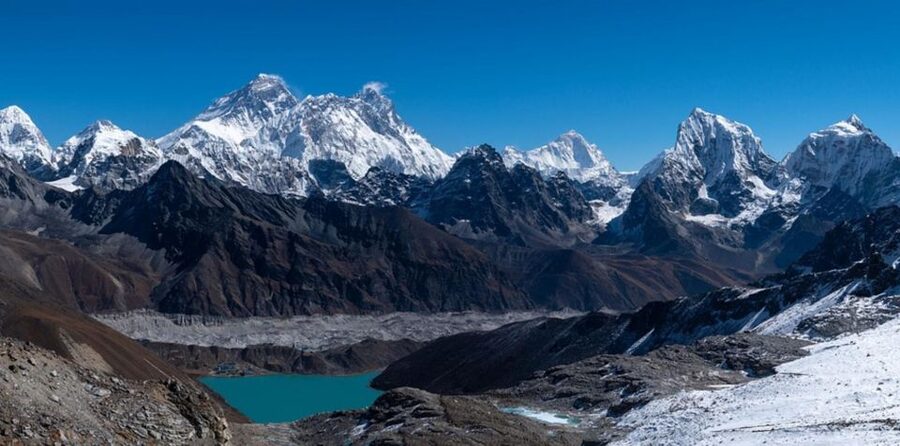
Day 13 begins early with the hike to Kala Patthar, at 5,545 meters. This is the highest point on the trip and the best viewpoint for Everest, Lhotse, Nuptse, and the surrounding peaks. An early start means cold conditions and tired legs, but it also gives you the best chance of seeing the peaks before cloud cover becomes a problem.
After Kala Patthar, you descend to Pheriche, at about 4,240 meters, in a five-hour walking day. The descent is welcome, but do not treat it as effortless. Going downhill on tired legs can be hard on knees and feet, and the combination of an early start and high altitude makes Day 13 one of the toughest days on the schedule.
Visibility can be uneven in April, as one early-April trip showed. Clear views are never guaranteed in the Himalayas. Namche and Tengboche may deliver sharp mountain scenery while other sections sit under cloud, so you should book this for the full journey, not for a promise of perfect photographs every day.
A few more treks around Kathmandu worth a look
- Everest Base Camp Trekking
★ 5.0 · 485 reviews - Annapurna Circuit Trek with Tilicho Lake
★ 5.0 · 368 reviews - Everest Base Camp Trekking – 13 Day
★ 5.0 · 365 reviews - Everest Base Camp Trek
★ 5.0 · 350 reviews
Days 14 to 19: A long return through the villages
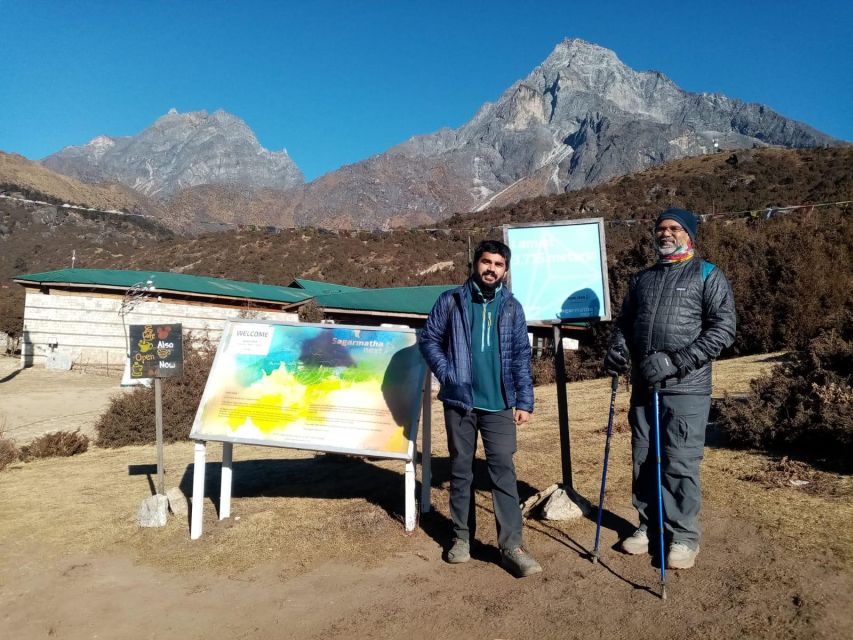
Day 14 takes you from Pheriche to Namche Bazaar in about six hours. This is a substantial descent and return walk, but Namche feels different on the way back. You have now crossed the high section, and the lower elevation can make eating, sleeping, and walking more comfortable.
On Day 15, you continue from Namche to Lukla, a six-hour trek. The plan does not finish here. Day 16 goes from Lukla to Bubsa in four to five hours, followed by Bubsa to Nunthala on Day 17, another five to six-hour stage.
Day 18 takes you from Nunthala back to Salleri in five to six hours. Day 19 is another 12 to 13-hour road journey to Kathmandu. The return is not a quick flight home, so you should avoid placing an important international departure immediately after the scheduled arrival without allowing room for delays.
This return route gives the trek a fuller shape. You see the lower villages twice, but the repetition also makes the trip feel less rushed. The tradeoff is that the final four days are still active, even after the main goal is complete.
Tea houses, food, guides, and practical comfort
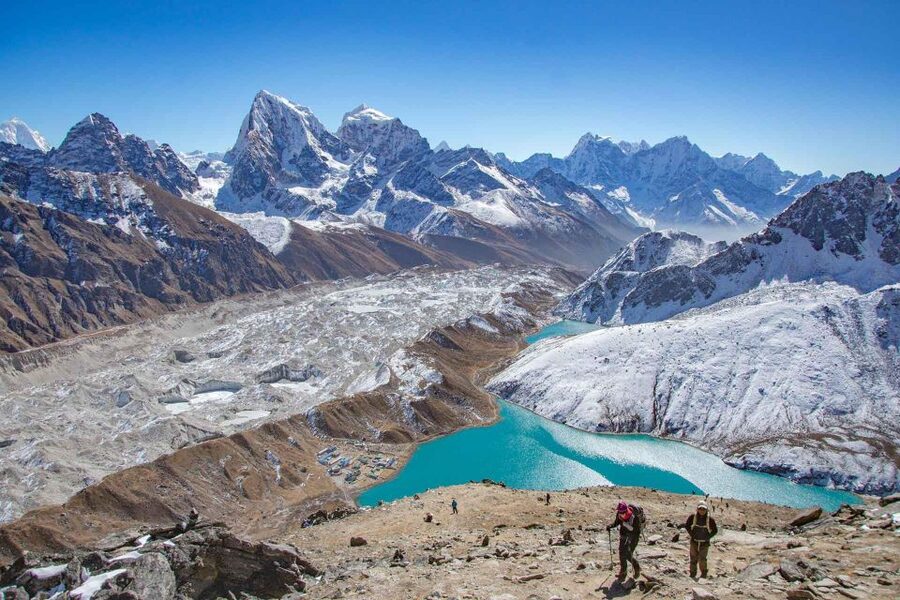
Accommodation is provided in guest houses or tea houses. This means a functional mountain stay rather than a hotel holiday. You should expect basic lodging and shared mountain-travel routines, while meals and drinks are purchased separately.
The guide speaks English, Nepali, and Hindi, and the group is private. A trekking assistance guide is included for groups of more than 10 people. The guide’s expenses are covered, and an emergency first aid kit and trekking pole are provided.
Guide quality matters more than small comforts on a route like this. The named guides associated with departures include Arjun, Tikaram, and Milan. Milan is described as friendly, helpful, and attentive to problems, while Arjun and Tikaram handled an altitude-related change responsibly. You should still ask at booking who will lead your departure, since the exact guide may vary.
Food and drinks are not included. Carry cash for purchases and personal expenses. Travel insurance is also not included, and emergency rescue must be covered by your policy. This is not a minor detail. Your insurance should specifically suit high-altitude trekking and rescue needs before you leave Kathmandu.
Who should choose this trek?
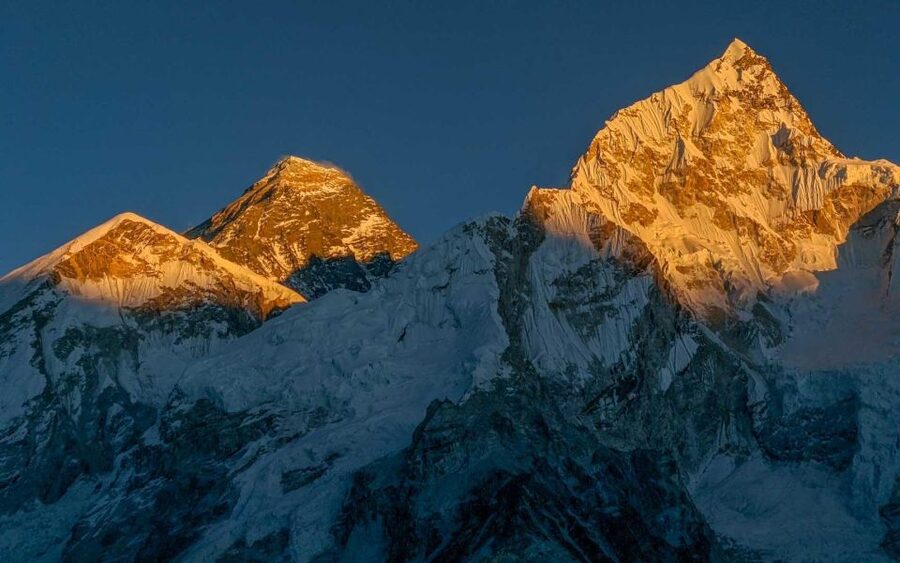
This trip suits you if you want the full Everest Base Camp route, have 19 days available, and prefer a private group rather than a large shared party. It is also a good fit if you want two scheduled acclimatization days and are comfortable with tea-house accommodation and paid meals.
You should be prepared for long walking days, cold weather, high elevation, and a long road journey at both ends. The tour is not suitable for pregnant women or wheelchair users, and pets are not allowed.
The itinerary is not designed for someone seeking a soft adventure. The Base Camp section reaches more than 5,000 meters, and Kala Patthar is higher still. If you are unsure about the altitude, the responsible choice is to discuss preparation and insurance before booking.
The flexible approach is a real advantage. One participant who developed altitude sickness did not reach Base Camp, but the guide helped keep the situation safe, and the unused days were used for a Poon Hill trek in the Pokhara region after another permit was arranged. That does not guarantee the same change for every departure, but it shows why a private, guide-led trip can be more adaptable than a rigid package.
Best season and what to pack
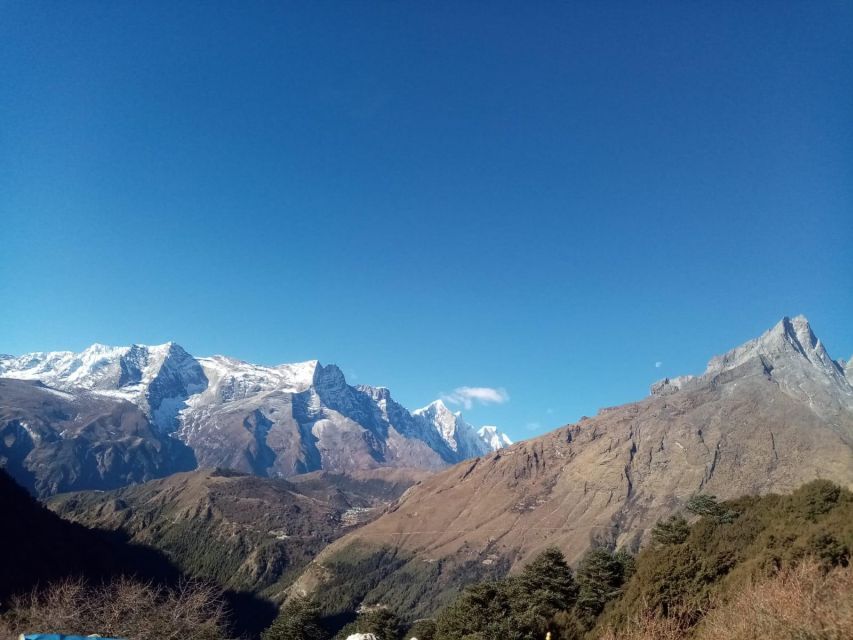
Spring, from March through May, and autumn, from September through November, are listed as the best seasons. These periods generally offer more stable conditions and clearer mountain views, though weather can still change quickly.
Bring warm clothing for the high section, sturdy hiking shoes, hiking pants, cash, a passport or accepted copy, and a passport-sized photograph. A trekking pole is supplied, but you may want to confirm whether you prefer to use the provided pole or bring additional support.
Plan for mixed visibility. Clear skies can reveal Everest and the surrounding peaks, while cloud may hide views on other days. That uncertainty is part of high-altitude travel, not a flaw that the operator can fully control.
Should you book the $723 trek?
Book it if you want a long, guided Everest route with permits, tea-house lodging, transport from Kathmandu to Salleri, a private group, and two acclimatization days included in the core price. At $723, the package offers solid value for those essentials.
Do not book it expecting an all-inclusive holiday. Meals, drinks, insurance, rescue, and personal costs are extra, and the Salleri road journey adds two very long travel days. You also need to accept that altitude or weather may change the plan.
For a fit and prepared walker who wants Base Camp and Kala Patthar without rushing the high section, this is a sensible option. Ask who your guide will be, confirm the insurance requirements, and keep your schedule flexible enough to handle a delayed return or a safer change of route.
FAQ
How long is the Everest Base Camp and Kala Patthar trek?
The full trip lasts 19 days, including road travel between Kathmandu and Salleri at the beginning and end.
How do I reach the trekking route from Kathmandu?
You travel from Kathmandu to Salleri by shared bus or jeep. The journey takes about 12 to 13 hours.
Are permits and accommodation included?
Yes. Necessary trekking permits and company paperwork are included, along with accommodation in guest houses or tea houses during the trek.
Are food and drinks included?
No. Food and drinks are available for purchase during the trek and are not included in the price.
What languages does the guide speak?
The live guide service is available in English, Nepali, and Hindi.
Can I cancel the booking?
You can cancel up to 24 hours in advance for a full refund. The activity also allows you to reserve now and pay later.
Just added around Kathmandu
- Everest Base Camp Trek★ 5.0 · 3 reviews
- Everest Base Camp Trek★ 5.0 · 7 reviews
- 15 Days Private Everest Base Camp Trek★ 5.0 · 30 reviews
- Everest Base Camp Trek★ 5.0 · 57 reviews
- 14 Days of Adventure Trekking to Everest Base Camp★ 5.0 · 2 reviews
- 14-Day Everest Base Camp Trek★ 5.0 · 20 reviews
- From Kathmandu: Private 14-Day Everest Base Camp Trek★ 5.0 · 20 reviews
- 14 Days Everest Base Camp Trek★ 5.0 · 4 reviews
Everest Base Camp Treks, compared.
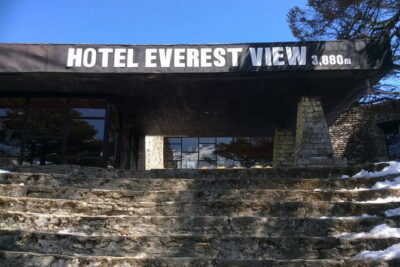
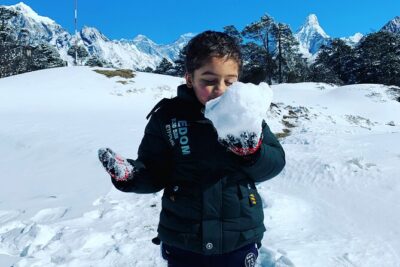
Everest Base Camp Helicopter Tour landing at Everest View Hotel
Read our review →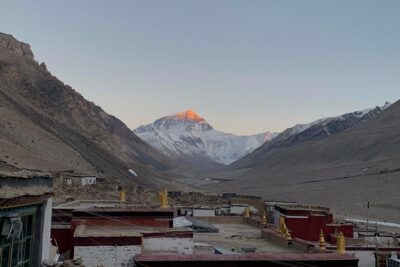
Tibet Tour 8 Days Lhasa to Everest Base Camp Small Group Tour
Read our review →
Dubai: Private Luxury Everest Yacht Cruise from Dubai Marina
Read our review →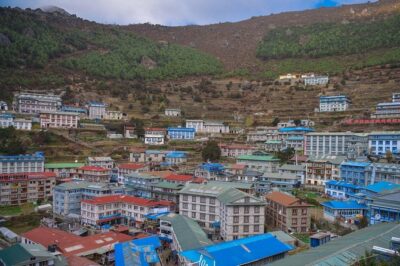
Browse the lists this trek appears in