
Review · KILIMANJARO
7 Days Kilimanjaro via Machame route affordable price
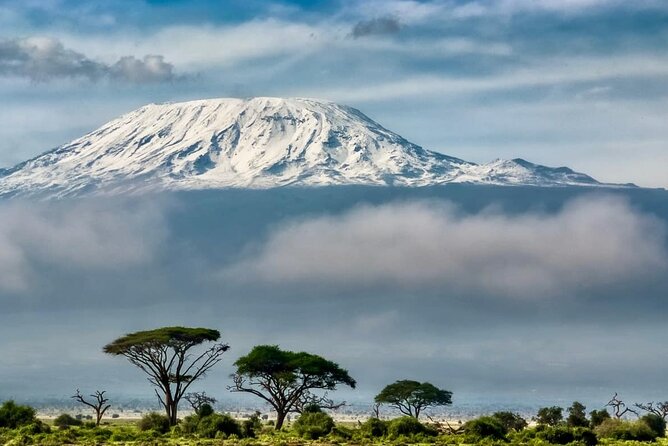
Kilimanjaro’s Machame Route gives you the mountain in changing chapters: wet rainforest, open high country, volcanic rock, glaciers, and a cold midnight push toward Uhuru Peak at 5,895 meters. The five climbing days move at a useful pace, with an acclimatization day that takes you high before bringing you lower to sleep.
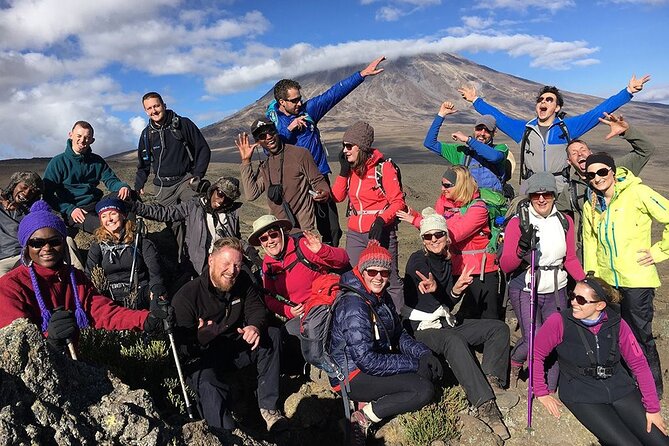
I like the private-group setup, since your guide can pay attention to your pace and the crew can shape the day around your condition. I also like the practical package: meals, camping equipment, transfers, park fees, and airport pickup are included, which removes much of the usual planning work.
The main caution is the schedule. The title says seven days, but the supplied itinerary describes six mountain days, followed by a lodge night. Confirm your exact dates and overnight arrangements before paying. The price is also reasonable for a private climb, but tips, insurance, visas, and rented personal gear remain your responsibility.
Key points before you choose the Machame Route
- Sunrise summit attempt: You leave Barafu Camp between midnight and 2 a.m. and aim for Stella Point and Uhuru Peak around sunrise.
- Scenic route with real variety: The path runs from rainforest to Shira Plateau, Lava Tower, Barranco Wall, high volcanic ridges, and glacial terrain.
- Private mountain experience: Only your own group participates, with round-trip hotel transfers from Moshi.
- Useful acclimatization day: Day 3 climbs toward Lava Tower before descending to Barranco Camp, helping your body adjust to altitude.
- Full meal support: Breakfast, lunch, and dinner are provided during the climb, along with camping equipment and a complimentary oxygen cylinder.
- Budget-friendly, but not all-inclusive: The $2,400 price covers major mountain costs, while tips, insurance, visas, and personal climbing gear are extra.
What the $2,400 price really covers
At $2,400 per person, this is not a bare-bones walk into the park. The package includes private transportation, park fees and other listed taxes, a professional guide, camping equipment, meals, gate transfers, and airport transfers. That matters because separate costs can add up quickly on Kilimanjaro.
You receive five breakfasts, six lunches, and six dinners according to the inclusions. The itinerary also includes a night at Kilele Lodge with breakfast after the descent. This gives you a proper place to clean up and sleep after the mountain, instead of going straight from the park gate to an airport or long drive.
The package also says the crew receives fair and sustainable wages. That is an important point on Kilimanjaro, where porters and support staff do much of the work behind the scenes. You should still budget for tips, since gratuities for the guide and crew are specifically excluded.
You also pay separately for a visa, international travel insurance, personal expenses, and rented climbing gear. The company may help you arrange or rent equipment, and past climbs included people who needed to hire much of their kit, but do not assume rental is included in this price.
The listing gives a five-star rating from 110 reviews and a 99 percent recommendation rate. Those figures are encouraging, but I would still ask for a written breakdown of crew size, gear rental prices, hotel nights, and the precise difference between the six-day itinerary and the seven-day title.
More Kilimanjaro Climbs in Tanzania:
- Kilimanjaro climb by Lemosho Route (7-day)
★ 5.0 · 651 reviews - Kilimanjaro climb, Machame Route (7-day)
★ 5.0 · 262 reviews - 8-Day Small-group Lemosho Kilimanjaro Summit Trekking
★ 5.0 · 186 reviews
Day 1: Machame Gate to the rainforest
Your morning begins with a roughly 45-minute drive from Moshi through the village of Machame to Kilimanjaro National Park. At the gate, the crew waits while permits are issued. This administrative pause is normal, but it can feel slow when you are eager to begin.
The first walking day climbs from 1,811 meters to about 3,021 meters. You spend much of it in rainforest, where the trail can be muddy, slick, and shaded. The walking time is listed at about six hours, though the actual day can vary with permit procedures, weather, and the pace of your group.
This section is not simply a warm-up. The trail gains about 1,210 meters, and wet ground makes each step less automatic. I would bring gaiters and trekking poles, both specifically recommended for this part of the route. Shoes that work well on dry paths may feel less useful in mud.
Your guide points out local plants, animals, and forest details as you climb. The forest is one of the most pleasant parts of the route, but it also sets the tone for the trek: this is a steady mountain walk, not a sightseeing stroll with long breaks between attractions.
Day 2: Leaving the forest for Shira Camp
After breakfast, you leave the rainforest and climb over a steeper, rockier ridge. The route crosses a valley before turning west toward a river gorge and Shira Camp. The day is shorter on paper, at about four hours, but it gains roughly 818 meters and reaches 3,839 meters.
This is where Kilimanjaro begins to feel like a high mountain rather than a forest hike. Temperatures drop, vegetation thins, and the open views become more important than shade. Keep a warm layer close, even if Moshi felt hot when you left.
The shorter walking time gives you space to eat, rest, and pay attention to how your body responds to altitude. Do not use the early success of Day 1 as proof that altitude will not affect you. Headaches, tiredness, and poor sleep can appear later.
A private group can help here. Your guide can set a slower walking rhythm and watch how each person is doing. On Kilimanjaro, a modest pace usually serves you better than trying to prove fitness on the first two days.
Day 3: Lava Tower and the route’s key acclimatization test
Day 3 is one of the most useful parts of the itinerary. You climb from Shira Camp at about 3,839 meters to approximately 3,986 meters for the night, but the route reaches Lava Tower at about 4,650 meters before descending to Barranco Camp.
That high point is why this day helps with acclimatization. You spend time walking at a serious altitude, then sleep lower than the highest point reached. The walking time is around six hours, and the day includes a junction toward Kibo Peak, the Lava Tower area known as Shark’s Tooth, and a junction toward the Arrow Glacier.
The numbers deserve attention. Although the overnight altitude rises only about 147 meters, your body still handles a major climb and a high pass before the descent. If you feel well at breakfast, that does not mean you should rush. Eat, drink, and report symptoms to your guide early.
Barranco Camp is a rewarding finish because the next day’s route begins with the Barranco Wall. You arrive tired, but the descent from Lava Tower makes the camp more manageable than sleeping at the day’s highest point.
A few more treks around Tanzania worth a look
- Climbing Kilimanjaro through 7 days Machame Route
★ 5.0 · 151 reviews - 7-Day Machame Kilimanjaro Summit Tour from Arusha
★ 5.0 · 125 reviews - Private Kilimanjaro Hike 7 Day Lemosho Route
★ 5.0 · 60 reviews - KILIMANJARO MACHAME ROUTE, (Climb 7days)
★ 5.0 · 16 reviews
Day 4: Barranco Wall and Barafu Camp
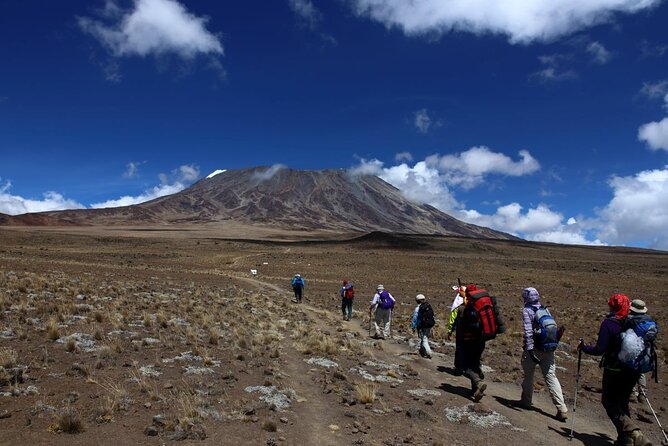
After breakfast, you tackle the Barranco Wall. This is one of the most memorable sections of the Machame Route, not because it requires technical climbing, but because the trail becomes steep, rocky, and hands-on in places. You need to concentrate on foot placement and follow the guide’s instructions.
The crew is often able to move quickly over this section while carrying supplies. You should not feel pressured to copy their pace. Let the porters and guides work at their speed, and focus on steady movement.
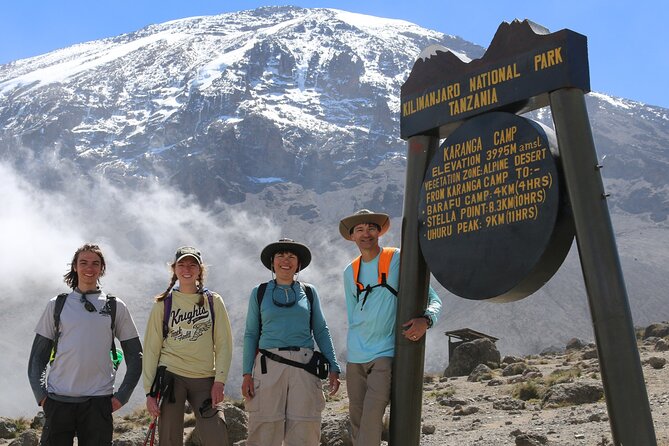
The route continues through the Karanga Valley and joins the Mweka Trail before climbing to Barafu Camp. The day is listed at around six hours, with the highest overnight point at about 4,662 meters. You gain roughly 676 meters from the day’s starting elevation.
Barafu means ice, and the camp’s exposed, high setting gives you a clear sense that the summit attempt is close. The itinerary calls for an early dinner and rest. That rest is not optional in practical terms. You may begin the summit push around midnight, so organize your clothing, water, headlamp, snacks, and gloves before lying down.
This is also the point where the physical design of the route becomes clear. You have completed the Southern Circuit, seeing the summit from several directions rather than walking straight up and down one ridge. The extra route variation adds scenery and supports acclimatization, but it also means four demanding days have already passed before summit night.
Day 5: The midnight climb to Uhuru Peak
Summit day is the hardest part of the trip. The start time is listed between midnight and 2 a.m., depending on your guide and group. You climb in darkness from Barafu Camp at 4,662 meters toward Stella Point on the crater rim.
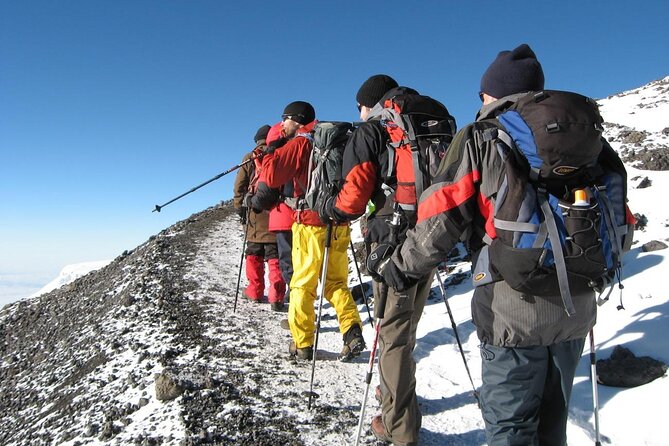
The route passes between the Rebmann and Ratzel glaciers before turning through switchbacks over heavy scree. The surface can shift under your boots, and the thin air makes every steep section feel longer. Your guide sets the pace, and the practical rule is simple: slow is good.
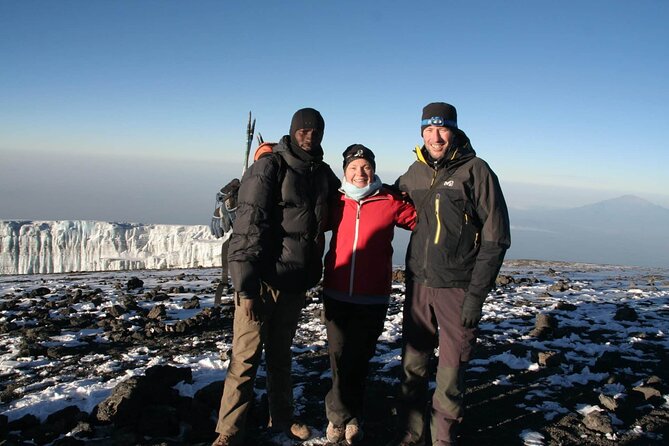
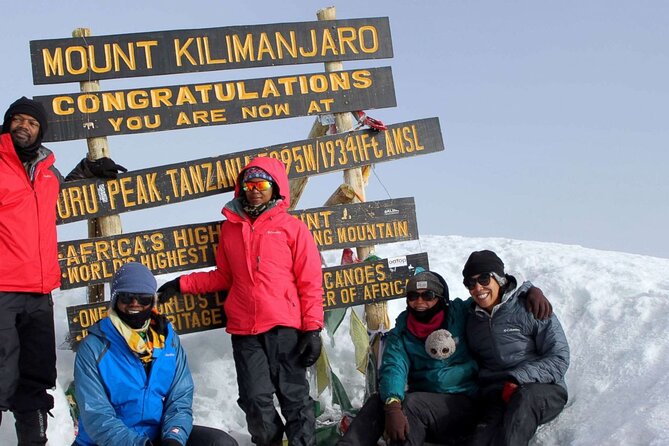
Stella Point is at roughly 5,739 meters. If timing and weather cooperate, you reach it around sunrise. The view of dawn from the crater rim is the emotional high point for many people, even before the final walk to Uhuru Peak.
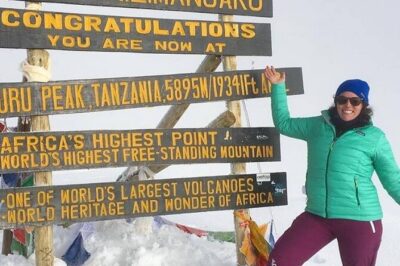
From Stella Point, you continue around the crater rim to Uhuru Peak, the highest point in Africa, at 5,895 meters, or 19,341 feet. The listing gives about five hours for the ascent, but your own time can be shorter or longer. Altitude, rest breaks, weather, and group pace all matter.
The summit is not the end of the day. After photographs and a short celebration, you descend to Barafu Camp and continue to about 3,106 meters. The total altitude loss listed for the full day is about 2,789 meters.
That long descent is easy to underestimate. Your legs may feel weak, and loose scree can punish tired knees. Trekking poles are useful, and you should keep drinking even though the descent may make you feel finished with the hard work.
The company provides a complimentary oxygen cylinder, but that does not make altitude sickness harmless. Oxygen support is not a substitute for careful monitoring or a guide’s decision to turn back. The safest summit plan is one that treats health as more important than reaching a particular point.
Day 6: Descent through wet forest and the return to Moshi
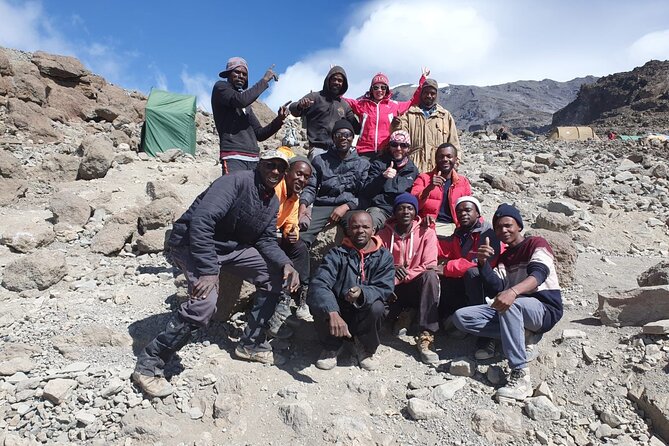
After breakfast at the lower camp, the crew holds a farewell and appreciation ceremony before you continue down to Mweka Gate. This can be a meaningful moment because the climb depends on the whole team, not only the person carrying a daypack.
The descent runs from about 3,106 meters to 1,633 meters and takes around three hours on the stated schedule. The lower trail is often wet, muddy, and steep, so do not pack away your gaiters and poles after summit day.
At Mweka Gate, you receive summit certificates. A vehicle then meets you at Mweka village for the roughly 30-minute drive back to your Moshi hotel. The planned reward is a hot shower, dinner, and a proper celebration.
The itinerary names Kilele Lodge for the overnight bed and breakfast before your next journey. That could mean an airport transfer, safari, or time in Zanzibar, but confirm the exact lodging nights included in your booking. The headline says seven days while the detailed route lists six, and this is the sort of small wording issue best settled before departure.
Guides, food, and the human side of the climb
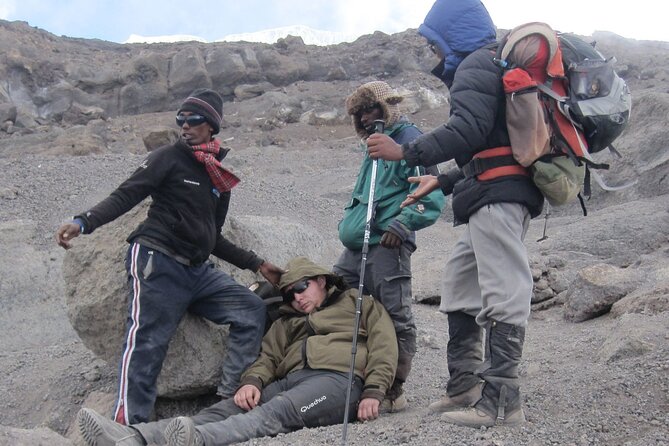
The company has used guides named Washington and Nicholas on past Kilimanjaro climbs. Washington is described as having reached the summit nearly 200 times, a useful sign of experience if he is assigned to your group. Names and assignments can change, so ask who will lead your departure.
The guide is not only there to point out the trail. Your guide controls the pace, watches for altitude problems, coordinates camps, and helps decide whether a summit attempt should continue. I would ask how often the group checks in on health and how the guide handles a climber who needs to stop.
Food is included throughout the mountain portion. That saves weight and removes the need to plan every meal, a real benefit on a long climb. The supplied information does not give a sample menu, so tell the company about dietary needs before you arrive and ask what snacks or drinking water arrangements you must provide yourself.
Past groups have praised the food, clear communication with owner Adidas, airport transfers at very early hours, and help checking equipment before departure. One especially useful detail is that the company has helped climbers who arrived without a full kit. That makes this a practical choice if you are new to high-altitude trekking, but you should still inspect every rented item before leaving Moshi.
Who this climb suits best
This Machame trip suits you if you want Kilimanjaro’s scenic route without planning each permit, meal, transfer, and camp detail yourself. It also works well for a solo climber who wants a private booking, though private does not necessarily mean you will walk alone if your booking includes companions.
You need a moderate level of fitness. The days are not technical mountaineering, but the elevation gain, rough trail, cold camps, and midnight summit start create a serious physical challenge. The final summit day combines a night climb with a very long descent, so regular walking and hill training would be sensible preparation.
The route may not suit you if you want lodge accommodation every night, a short summit day, or complete flexibility with dates. Camping is central to the experience, and the high camps are basic by their nature.
You should also leave room in your budget for tips, travel insurance, a visa, personal costs, and any gear rental. The free cancellation policy allows cancellation up to 24 hours before the start time for a full refund, but changes or cancellations inside that window are not accepted.
Should you book this Machame Route climb?
I would consider booking this trip if you value clear logistics and a private group more than luxury. The price includes the costly essentials, the Machame Route gives you excellent scenery, and the itinerary includes a proper high-altitude acclimatization day before the summit attempt.
Before booking, get four details in writing: the exact number of days, the included lodge nights, the crew and guide assigned to your group, and the price of personal gear rental. Also confirm the tipping expectations and what the airport transfer schedule covers.
Choose Chief’s Tours if the answers are clear and you like the sound of a supported camping climb with guides such as Washington or Nicholas. Skip it if the six-day route does not match your holiday schedule or if you want a slower seven or eight-day ascent. On Kilimanjaro, one extra acclimatization day can matter more than a lower price.
FAQ
How long is this Kilimanjaro experience?
The title describes a seven-day trip, while the detailed mountain itinerary lists six days. Day 6 ends with a return to Moshi and an overnight at Kilele Lodge with breakfast, so confirm the exact total duration when booking.
What route does the climb use?
The climb uses the Machame Route, traveling through rainforest, Shira Plateau, Lava Tower, Barranco Camp, Barafu Camp, and the Mweka descent route.
What altitude does the summit reach?
Uhuru Peak reaches 5,895 meters, or 19,341 feet.
Is this a private tour?
Yes. Only your own group participates in the private tour or activity.
Are meals included?
Yes. The package lists five breakfasts, six lunches, and six dinners.
Is camping equipment provided?
Yes. Kilimanjaro camping equipment is included. Personal climbing gear rental is not included, so ask the company about available equipment and rental costs.
What is included in the $2,400 price?
The listed inclusions are private transportation, taxes and fees, a professional guide, camping equipment, crew wages, gate transfers, a complimentary oxygen cylinder, airport transfers, and the specified meals. Tips, visa fees, international insurance, personal expenses, and rented climbing gear are excluded.
Just added around Tanzania
- Mt. Kilimanjaro: Shira plateau to Cathedral point 3872m Day hike★ 5.0 · 7 reviews
- 5 days safari, hiking & culture (Serengeti & kilimanjaro)★ 5.0 · 27 reviews
- One Day Hike from Kilimanjaro to Mandara★ 5.0 · 2 reviews
- climb the KILIMANJARO via Lemosho route★ 5.0 · 4 reviews
- 3 Days Mount Meru trekking★ 4.5 · 7 reviews
- 6 Day: Hiking Kilimanjaro via Machame Route★ 5.0 · 2 reviews
- Private 8 day Northern Circuit Kilimanjaro Climb★ 5.0 · 8 reviews
- Kilimanjaro Waterfalls Hike & Moshi Hot Springs Day Trip Tour★ 5.0 · 4 reviews
Kilimanjaro Climbs, compared.
8-Day Small-group Lemosho Kilimanjaro Summit Trekking
Read our review →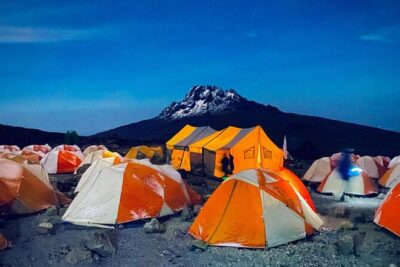
Climbing Kilimanjaro through 7 days Machame Route
Read our review →
Browse the lists this trek appears in