
Review · KATHMANDU
12 Days Everest Base Camp Trek
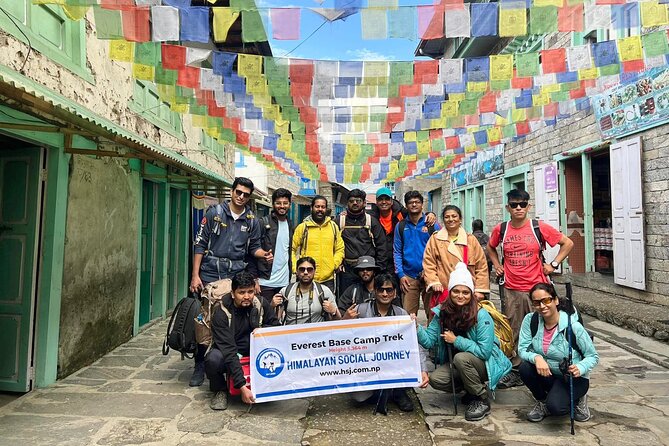
Reaching Everest Base Camp on foot is the main event here, but the journey matters just as much. You cross suspension bridges, pass Sherpa villages, sleep in tea houses, and watch the peaks grow larger each day. I like the included Lukla flights and permits, and I like having a licensed guide and one porter for every two hikers. The price also covers the basic moving parts that can be awkward to arrange alone.
The main caution is the altitude. This is not a sightseeing walk, and several days run long on paper. You need moderate fitness, patience with basic rooms, and enough flexibility for mountain weather. Also confirm the food and Kathmandu hotel arrangements before paying, since the details supplied here conflict in places.
Key points worth knowing
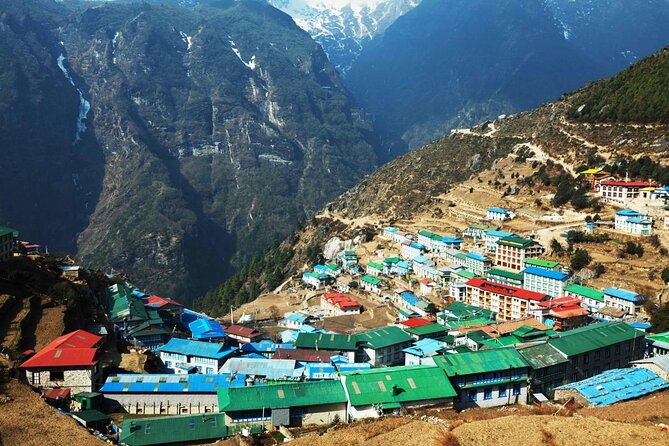
- Two acclimatization days: You spend time in Namche Bazaar and Dingboche, with optional hikes to Syangboche and Nangkartshang Peak.
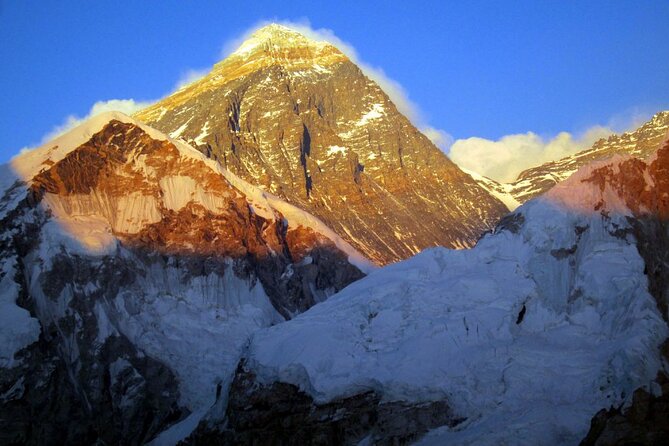
- Kala Patthar is included: The sunrise hike gives you one of the finest viewpoints of Everest on the route.
- Guided but still demanding: Your guide handles the route, permits, and daily support, but you still carry personal essentials and walk for many hours.
- Tea-house trekking: Lodging is generally on a twin-sharing basis, with breakfast included during the trekking days.
- Guide quality is a major strength: Guides named in trip feedback include Mingmar, Kilraj, Santosh, Sonam, Dawa, Indra, and others.
- Check the package details: The price is listed at $1,099 per person, but meals beyond breakfast and Kathmandu lodging need clarification.
What the 12-day Everest Base Camp trek really involves
This is a point-to-point high-altitude trek, not a luxury walking holiday. You fly toward Lukla, walk up the Khumbu Valley, reach Everest Base Camp, climb Kala Patthar, then retrace much of the route to Lukla.
The advertised duration is 12 days. One description also calls it a 16-day group tour, so I would treat the day-by-day schedule as the working plan and ask the operator to confirm the exact duration before booking. The itinerary itself has 12 listed days, including the return flight to Kathmandu.
At $1,099 per person, the package offers solid value if the flights, permits, guide, porter, and trekking accommodation are all handled as stated. Those items can add up quickly when arranged separately. The price is less attractive if you expect full meals, private rooms, or several nights of Kathmandu lodging, since those points are not consistently described.
The group limit is 30 people. That is a sizable group for a narrow mountain trail, though the actual walking group may be smaller. A larger group can bring useful company and reduce the cost, but it may also mean slower departures and less one-on-one time with your guide.
More Everest Base Camp Treks in Kathmandu:
- Everest Base Camp Trek – 14 Days
★ 5.0 · 1,499 reviews - Everest Base Camp Trek
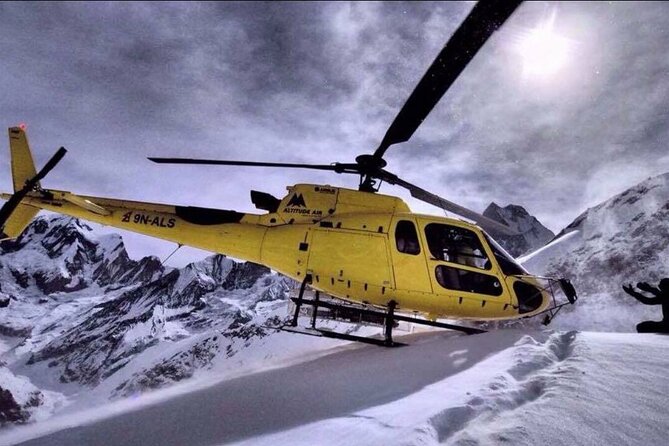
★ 5.0 · 842 reviews - Everest Base Camp Helicopter Tour landing at Everest View Hotel
★ 5.0 · 668 reviews
Day 1: The short flight to Lukla and the walk to Phakding
The first day combines a flight from Kathmandu, or possibly Ramechhap depending on current airport arrangements, with the first section of the trek. The flight to Lukla takes about an hour and delivers you to the main gateway for the Everest region.
From Lukla, the trail descends through pine forest and Sherpa villages toward Phakding. This is a pleasant introduction to the route, with enough time to settle into the rhythm of walking, eating, and resting. Phakding is much lower than the high camps, so the first night is not yet an altitude test.
The schedule describes a very long overall day, but the actual walking time is much shorter than the 12-hour listing suggests. Ask for the expected walking hours, not just the total daily schedule. Your first priority should be to eat well, drink steadily, and sleep.
Day 2: Suspension bridges and the climb into Namche Bazaar
The trail follows the Dudh Koshi River and passes through Monjo, where entry into Sagarmatha National Park is checked. You then continue through Jorsalle before crossing the Tenzing Hillary Suspension Bridge.
The approach to Namche is the first serious climb. The ascent is steep, and this is where the difference between ordinary fitness and mountain fitness becomes clear. Walk slowly. Your guide should set a pace that allows you to speak in short sentences without gasping.
Namche Bazaar is the commercial center of the Khumbu region. You can expect shops, restaurants, government offices, and ATMs, though services in the mountains should never be treated as guaranteed. Namche is also a welcome place to pause before the route climbs higher.
Day 3: Acclimatization around Namche and Syangboche
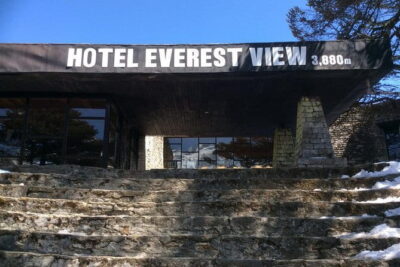
This is an important rest day, though rest does not mean lying in bed all day. The itinerary includes a hike toward Syangboche and the Hotel Everest View area, where you can see Everest and other major peaks.
The purpose is to gain height during the day and sleep lower at night. That pattern helps your body adjust to the thinner air. You may feel fine in Namche and still struggle later, so do not use a good morning here as proof that altitude will not affect you.
Namche is also a practical place to check your clothing, water supply, and personal equipment. If something is missing, this is a better place to address it than Gorakshep. The exact time spent walking depends on the group and your guide.
A few more treks around Kathmandu worth a look
- Everest Base Camp Trekking
★ 5.0 · 485 reviews - Annapurna Circuit Trek with Tilicho Lake
★ 5.0 · 368 reviews - Everest Base Camp Trekking – 13 Day
★ 5.0 · 365 reviews - Everest Base Camp Trek
★ 5.0 · 350 reviews
Day 4: Tengboche Monastery and an overnight in Deboche
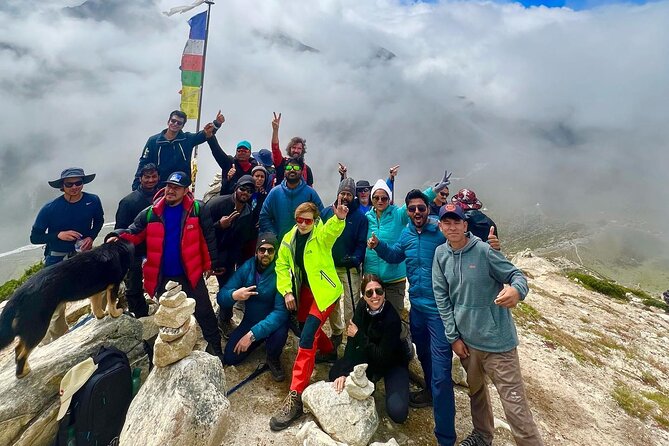
The route climbs toward Tengboche, home of the largest monastery in the Everest region. The monastery gives this day a cultural focus that balances the mountain views. You are not simply walking toward a famous camp; you are passing through communities shaped by Sherpa Buddhist traditions.
After Tengboche, the trail continues toward Deboche and crosses the Imja River. The forests here include birch, conifer, and rhododendron trees. Views of Ama Dablam and other peaks begin to feel more immediate.
The schedule lists a five to six-hour climb to Tengboche, followed by a move to Deboche. That makes this another full day, even if the walking time is manageable. Your overnight tea house will likely be simple, and you should expect shared facilities rather than hotel-style comfort.
Day 5: Dingboche and the higher Imja Valley
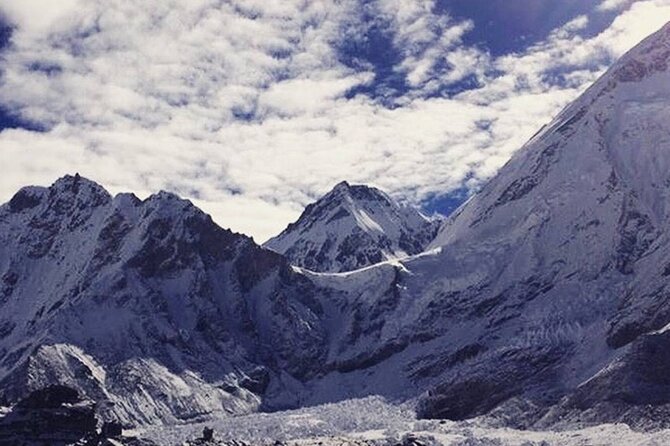
The route continues through forest before opening into the Imja Valley. You pass the Lobuche River and climb to Dingboche, a key settlement for acclimatization.
This is where the scenery becomes more exposed and the air noticeably thinner. Everest, Lhotse, and Ama Dablam remain the headline peaks, but the changing trail is part of the appeal. Forest gives way to a more rugged high-country setting.
Dingboche is not just a place to sleep. It is a planned pause before the route rises toward Lobuche and Gorakshep. Take the day’s pace seriously and avoid treating the high altitude like a race.
Day 6: Nangkartshang Peak and another acclimatization day
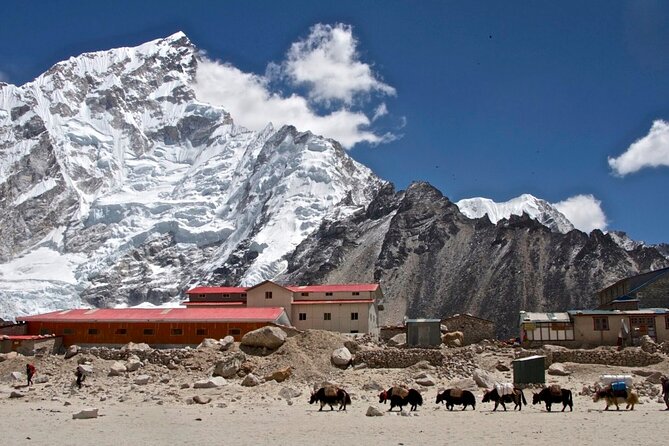
The second acclimatization day includes the option to hike toward Nangkartshang Peak. From there, the views can include Makalu, Lhotse, Cholatse, Tawache, and Ama Dablam.
This is a useful day, but it can be tiring. You are gaining height to help your body adapt, so keep the hike controlled and follow your guide’s advice. If you have a headache, nausea, unusual fatigue, or other altitude concerns, tell the guide rather than trying to prove your toughness.
I like that the plan does not rush directly from Namche to Base Camp. The two acclimatization stops are among the most important features of the route. They do not remove altitude risk, but they make the schedule more sensible than a nonstop climb.
Day 7: Thukla Pass and the approach to Lobuche
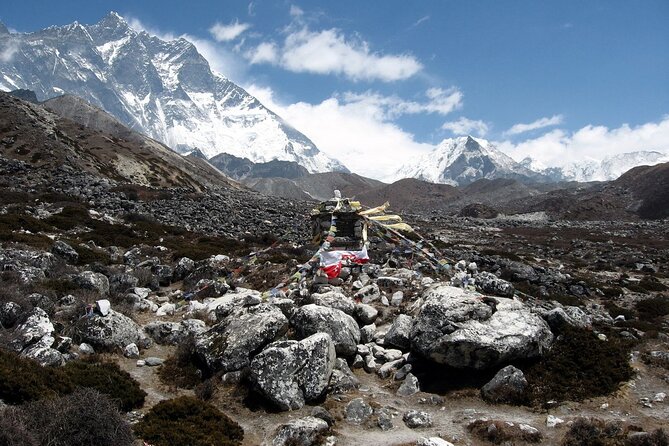
From Dingboche, the trail becomes rougher as you move toward Lobuche. The air is thinner, the ground is more demanding, and each uphill section takes longer.
A major feature of the day is Thukla Pass. You stop there for lunch and take in views toward Pumori and Nuptse. The pass also carries a solemn mood, with memorials connected to climbers and Sherpa workers who died on Himalayan expeditions. Your guide can provide context as you walk through this section.
Lobuche is a high settlement with basic lodging. This is not the place to expect a soft bed, broad menu, or reliable private space. It is a staging point for the final approach, and comfort becomes secondary to warmth, food, and a safe night.
Day 8: Gorakshep and Everest Base Camp
You leave Lobuche after breakfast and follow rocky ground toward Gorakshep, the last settlement before Everest Base Camp. After checking in and eating, you continue toward Base Camp through the Khumbu Glacier area.
Reaching Base Camp is a major personal achievement, but manage your expectations. During trekking seasons, the famous camp may not look like a permanent village, and access conditions can vary. The appeal is the route, the glacier setting, and the knowledge that you have walked here from Lukla.
The return to Gorakshep comes after an already demanding day. You need to keep enough energy for the walk back. The itinerary gives the Base Camp visit only about an hour, but your guide and local conditions determine how long you can safely remain in the area.
Day 9: Sunrise at Kala Patthar and the descent to Pheriche
Kala Patthar is arguably the visual high point of the trek. You start early for sunrise, when the Himalayan peaks can catch the first light. The viewpoint is known for strong views of Everest, and it gives you a different perspective from Base Camp itself.
The climb is short in distance but demanding at this elevation. Cold, darkness, wind, and thin air all matter. Bring warm layers, a headlamp if you have one, and enough patience to walk slowly.
After returning to Gorakshep for breakfast, you descend toward Pheriche, usually stopping around Lobuche or Thukla for lunch. Going lower should feel easier on your breathing, though your legs may be tired after the morning climb and long descent.
Days 10 and 11: Retracing the trail to Namche and Lukla
The route continues downhill from Pheriche to Namche Bazaar. You will recognize parts of the trail, but the direction changes the experience. Descending is easier on the lungs, yet steep downhill sections can be hard on knees and ankles.
On Day 11, you continue from Namche through familiar villages and forests toward Phakding, then onward to Lukla. Suspension bridges and repeated rises make this more than a simple stroll downhill. Plan for a full day, and use the tea stops to rest rather than rushing.
Your final night is in Lukla, generally in a tea house. This is a useful buffer before the flight, since mountain weather can affect air travel. The itinerary provides a flight back to Kathmandu on Day 12, but you should keep your wider Nepal plans flexible.
Guides, porters, and the value of organized support
The package includes a licensed English-speaking guide and one porter for every two hikers. That arrangement gives you route support while keeping the load system reasonably efficient. You remain responsible for your daypack and personal essentials, while the porter carries the larger duffel if you use the supplied equipment option.
Guide assignments vary. Names associated with this operator include Mingmar, Kilraj, Santosh, Sonam, Dawa, Indra, and Nema. Specific praise centers on daily briefings, help with accommodation and meals, steady support during difficult sections, and warm personal care.
That matters most around Namche, Dingboche, Lobuche, and Gorakshep, where a guide can help you judge your pace and respond to altitude concerns. Ask who your guide will be, what first-aid support is carried, and how the group handles a hiker who needs to stop or descend.
The first-aid kit is included. Your own travel insurance is not, and the operator requires your original passport and proof of travel insurance. Do not treat insurance as paperwork only. A high-altitude trek needs cover that applies to trekking and any evacuation terms required by the policy.
Accommodation, food, and what to pack
Trekking accommodation is in guesthouses on a twin-sharing basis, with breakfast included. The tea houses provide the authentic side of the route, but rooms can become increasingly basic at higher elevations. At around 5,000 meters, comfort is limited by location, weather, supplies, and infrastructure.
Bring personal clothing and equipment, since these are excluded. The operator can provide duffle bags if needed, but you still need suitable layers, trekking footwear, warm clothing, and personal items for changing conditions. The supplied information does not give a detailed packing list, so ask for one before departure.
Food details need special attention. One part of the description says meals are included, while the inclusions list says breakfast is provided and the exclusions list says breakfast, lunch, dinner, and drinks during the trip are not included. I would get a written answer about exactly which meals are covered.
Kathmandu lodging is also unclear. A one-night stay at Gokarna Forest Resort is described as included, while another section excludes accommodation in Kathmandu. Confirm the hotel name, number of nights, and whether airport transfers apply to your actual arrival and departure dates.
Who should book this Everest Base Camp package
This trek suits an active person who wants a planned route rather than a fully independent expedition. You do not need technical climbing skills to walk to Base Camp, but you do need moderate fitness and the ability to handle repeated long days at altitude.
It works especially well for someone who wants a guide, porter, permits, flights, and tea-house bookings arranged in one package. Solo hikers can also join a group, and the maximum group size is 30. If you prefer quiet walking, a smaller private departure may be worth asking about.
I would not choose this plan if you want polished hotels, guaranteed private rooms, or a relaxed holiday pace. I would also hesitate if you have no experience with long mountain walks and no time to prepare. The operator describes it as best for active people with some trekking experience, which is a fair warning.
Should you book the 12-day Everest Base Camp trek?
I would book it if your priority is a guided, cost-conscious route to Everest Base Camp and Kala Patthar, and if you are comfortable with tea houses and a demanding schedule. The included flights, permits, guide, porter arrangement, breakfast, and trekking lodging offer useful value at $1,099.
Before booking, get three points confirmed in writing: the 12-day or 16-day duration, Kathmandu accommodation, and the exact meal plan. I would also ask about current flight arrangements through Kathmandu or Ramechhap and the name of your assigned guide.
The strongest reason to choose this trip is the human support. Guides such as Mingmar, Kilraj, Santosh, Sonam, Dawa, and Indra are repeatedly associated with careful pacing, daily advice, and help when the trek becomes hard. The strongest reason to pause is the altitude and the basic accommodation. Know those limits, prepare properly, and this can be a sensible way to reach one of the world’s great mountain destinations.
You can cancel for a full refund at least six full days before the start time. A cancellation two to six full days before departure receives 50 percent, while cancellation less than two full days before the start time is nonrefundable. Poor weather may lead to a new date or a full refund.
FAQ
How long is the Everest Base Camp trek?
The day-by-day plan lists 12 days, including the return flight from Lukla to Kathmandu. Another description refers to a 16-day group tour, so confirm the exact duration before booking.
Is the flight to Lukla included?
Yes. The package includes domestic flights between Kathmandu or Ramechhap and Lukla, along with airfare for the trekking crew.
Is accommodation included?
Guesthouse accommodation during the trekking days is included on a twin-sharing basis. The Kathmandu arrangement is unclear because one section includes a night at Gokarna Forest Resort while another excludes Kathmandu accommodation. Confirm this before booking.
Are meals included?
Breakfast is listed as included with trekking accommodation, but the supplied details also say breakfast, lunch, dinner, and drinks are excluded. Ask the operator to confirm the exact meal plan.
Is a guide provided?
Yes. The package includes a professional, licensed English-speaking guide. Guide names associated with departures include Mingmar, Kilraj, Santosh, Sonam, Dawa, Indra, and Nema, though your assigned guide may differ.
Do I need travel insurance?
Yes. You must bring your original passport and travel insurance. The cost of insurance is not included in the tour price.
How large can the group be?
The maximum group size is 30 people. Group discounts are available, but the exact discount is not specified.
Just added around Kathmandu
- Everest Base Camp Trek★ 5.0 · 3 reviews
- Everest Base Camp Trek★ 5.0 · 7 reviews
- 15 Days Private Everest Base Camp Trek★ 5.0 · 30 reviews
- 14-Day Everest Base Camp Trek★ 5.0 · 20 reviews
- Everest Base Camp Trek★ 5.0 · 57 reviews
- 14 Days of Adventure Trekking to Everest Base Camp★ 5.0 · 2 reviews
- From Kathmandu: Private 14-Day Everest Base Camp Trek★ 5.0 · 20 reviews
- 14 Days Everest Base Camp Trek★ 5.0 · 4 reviews
Everest Base Camp Treks, compared.
Everest Base Camp Helicopter Tour landing at Everest View Hotel
Read our review →
Tibet Tour 8 Days Lhasa to Everest Base Camp Small Group Tour
Read our review →
Dubai: Private Luxury Everest Yacht Cruise from Dubai Marina
Read our review →
Browse the lists this trek appears in