
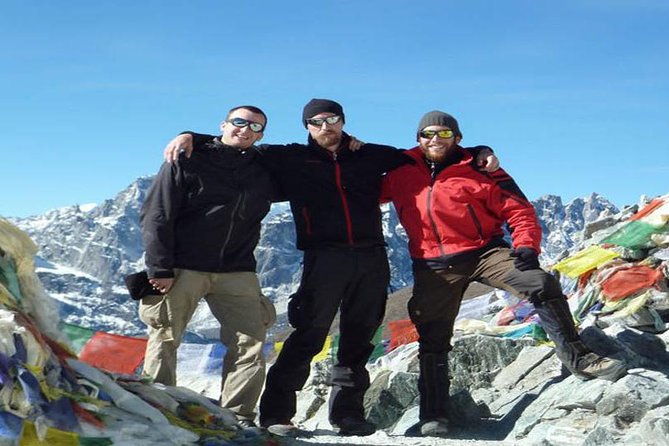
Review · KATHMANDU
Everest Base Camp Trek
The real prize here is not simply reaching Everest Base Camp. It is the steady climb from Lukla through Namche Bazaar, Tyangboche, Dingboche, and Lobuche, with two planned acclimatization days to give your body a fair chance at high altitude. You get guides, permits, meals, mountain lodging, flights, and ground transfers arranged for you.
I like the practical structure, especially the rest days at Namche and Dingboche. I also like that the group is limited to 14 people, small enough for a guide to keep track of the pace. The main catch is cost clarity: the details say Kathmandu lodging is included in one place, but later exclude Kathmandu hotels and food. Confirm that point before paying.
- A full 12-day Everest route: Lukla, Namche Bazaar, Dingboche, Lobuche, Base Camp, Kala Patthar, and the return to Lukla.
- Two acclimatization days: Rest stops at Namche Bazaar and Dingboche help break up the climb.
- Guided logistics: Domestic flights, permits, meals, tea-house lodging, transfers, and guide costs are handled.
- Kala Patthar viewpoint: The route includes a climb to 5,545 meters, the highest point on the schedule.
- Small maximum group: No more than 14 people are listed for the activity.
- Porter cost needs checking: A porter is not clearly part of the base price and is listed at $20 per day, or $220 total.
A serious Everest trek with the hard work planned for you
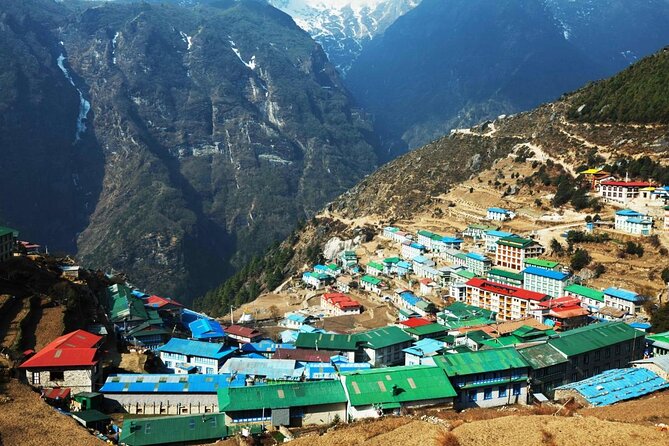
This is a guided Everest Base Camp trek based in Kathmandu, priced at $1,300 per person and lasting about 12 days. You begin with an early pickup at Tribhuvan International Airport, fly to Lukla, and walk back toward Kathmandu through the Khumbu region.
The appeal is simple: you do not have to arrange every permit, lodge, meal, flight, and transfer yourself. A guide accompanies the group, and the operator covers the guide’s salary, food, accommodation, transport, and insurance. You can focus on walking, eating enough, staying hydrated, and watching the mountains change as you gain altitude.
The trek is not easy. The itinerary includes several days of five to seven hours on foot, with a climb to 5,545 meters at Kala Patthar. You need a moderate level of fitness, and you should treat the altitude as the central challenge, not a minor detail.
The activity has a perfect 5 rating from 123 submitted reviews and a 100 percent recommendation figure. The strongest praise centers on the guides. Kiran was described as calm and effective during a difficult monsoon disruption, Dinish was credited with steady help during a 10-day trek, and Arjun was praised for patience and small thoughtful touches, including bringing fresh fruit for dessert. Guide quality matters greatly here, and those names suggest the company has staff who understand the human side of a demanding trek.
Day 1: Kathmandu to Lukla, then Phakding
Your day begins early, with a listed start time of 6:15 a.m. at Tribhuvan International Airport. The flight to Lukla takes you to 2,886 meters, then you walk downhill and along the trail to Phakding at 2,610 meters.
The first walking day is about four hours. It is a sensible introduction because you begin at altitude but do not immediately face the hardest climb. Lunch and dinner are included, and you sleep in a local lodge or tea house.
The flight is also one of the trip’s practical weak points. Mountain weather can affect domestic flights, and the cancellation policy specifically notes that the experience requires good weather. The company has dealt with severe monsoon disruption before, but you should still leave flexibility in your wider Nepal plans.
More Everest Base Camp Treks in Kathmandu:
- Everest Base Camp Trek – 14 Days
★ 5.0 · 1,499 reviews - Everest Base Camp Trek
★ 5.0 · 842 reviews - Everest Base Camp Helicopter Tour landing at Everest View Hotel
★ 5.0 · 668 reviews
Day 2: The long climb to Namche Bazaar
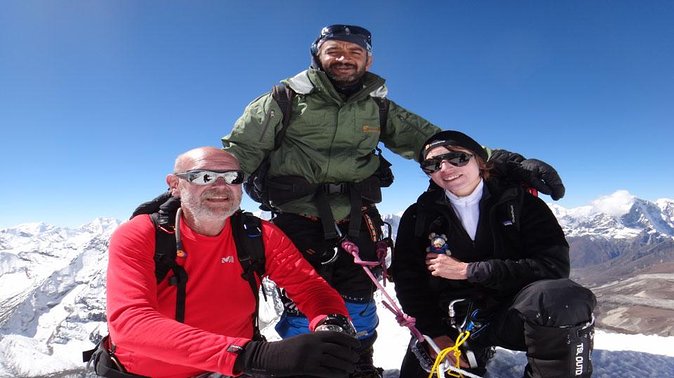
The walk from Phakding to Namche Bazaar takes about six hours and reaches 3,440 meters. This is where the route begins to feel like a true high-altitude trek rather than a scenic mountain walk.
Namche is an important stop because it is the main town on the route and your first planned acclimatization base. The path includes a substantial climb, so your pace matters more than speed. I would rather arrive late and steady than rush early and spend the evening feeling ill.
Your guide’s role becomes especially useful here. A good guide watches the group, helps set a manageable pace, and notices when someone is struggling. The group cap of 14 is helpful, although the actual number on your departure should be confirmed.
Day 3: Namche Bazaar acclimatization
You spend a rest day at Namche, still at roughly 3,440 meters. This is not a wasted day. It is one of the most important parts of the schedule.
The purpose is to let your body adjust before the route climbs higher. You may walk locally during the day, but the itinerary does not promise a specific side hike or excursion, so do not assume one is included. The key benefit is simply staying at altitude without adding another full day of forward progress.
Namche also breaks the trek into manageable sections. Without this pause, the next stages toward Tyangboche and Dingboche would be a much harsher jump.
Day 4: Namche Bazaar to Tyangboche
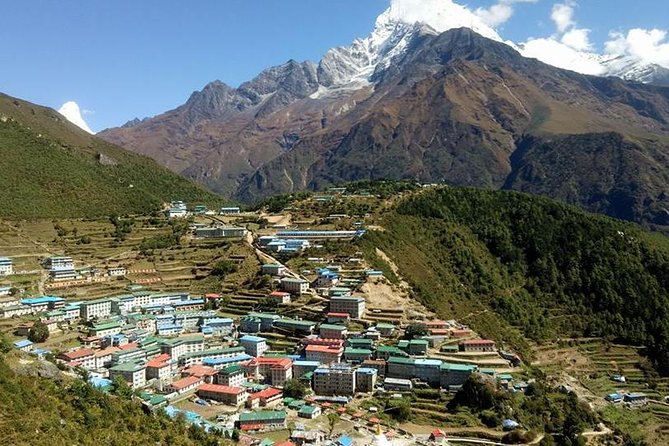
The route climbs from Namche to Tyangboche, also spelled Tengboche in many trekking references, at 3,867 meters. The walking time is about five hours.
This is a shorter day than the Namche approach, but you are now gaining altitude. The stop is known for its mountain setting and monastery area, though the supplied details do not promise a formal monastery visit. Treat that as something you might find along the way, not a guaranteed activity.
The accommodation remains in a tea house or lodge, with breakfast, lunch, and dinner included. Lodge standards in the mountains are practical rather than luxurious. Bring the right expectations: you are paying for shelter, food, and a base for sleep, not a hotel-style stay.
A few more treks around Kathmandu worth a look
- Everest Base Camp Trekking
★ 5.0 · 485 reviews - Annapurna Circuit Trek with Tilicho Lake
★ 5.0 · 368 reviews - Everest Base Camp Trekking – 13 Day
★ 5.0 · 365 reviews - Everest Base Camp Trek
★ 5.0 · 350 reviews
Day 5: Tyangboche to Dingboche
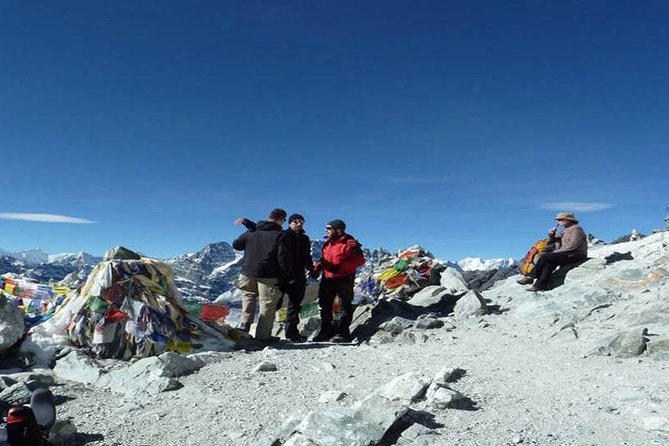
You walk for about five hours to Dingboche at 4,260 meters. This is a meaningful gain in elevation, and you may notice the thinner air even if the trail feels manageable.
Dingboche is another key pause in the route. The schedule does not try to push you directly from Namche to the high valleys without a break. That gradual pattern is one of the better features of the trek.
Food is included three times a day, but drinks are not. You also pay for drinking water, hot showers, battery charging, chocolate bars, and other personal items. Those costs can add up, so carry enough cash for mountain expenses rather than assuming the $1,300 covers everything.
Day 6: A second acclimatization day at Dingboche
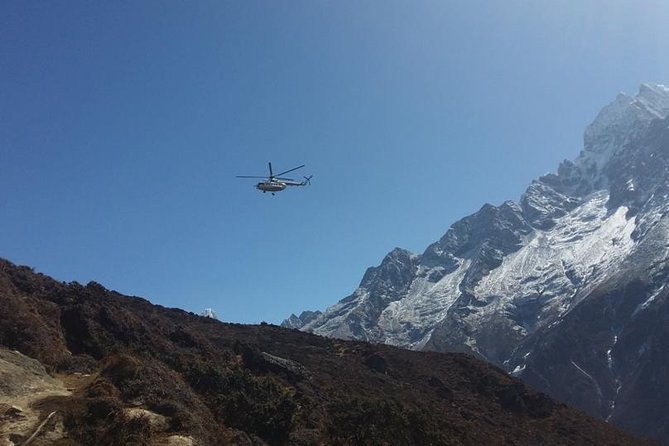
You rest at 4,260 meters before heading toward Lobuche. This is the second major acclimatization day, and it is vital because the next stages climb close to 5,000 meters.
The itinerary calls this a rest day, but rest does not have to mean staying inside all day. Any activity should follow your guide’s advice and your own condition. If you develop serious symptoms, the important thing is to report them early.
The operator says it can arrange emergency helicopter service, but the helicopter bill is to be paid by your travel insurance company. That makes travel insurance compulsory, not optional. Check that your policy covers high-altitude trekking and helicopter evacuation before departure.
Day 7: Dingboche to Lobuche at 4,930 meters
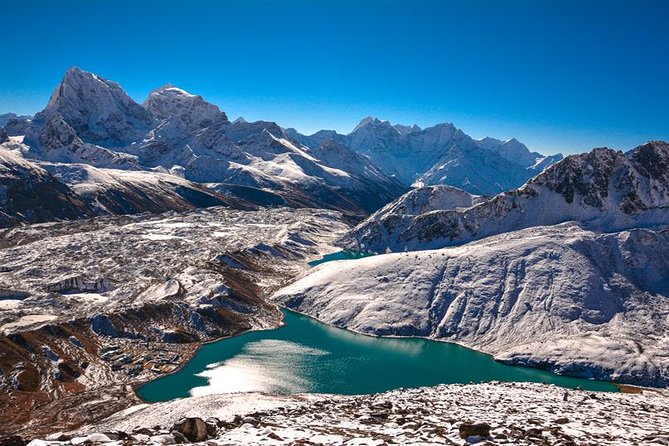
The walk to Lobuche takes about five hours and reaches 4,930 meters. By now, the scenery is only one part of the experience. The altitude, cold, and repeated walking become the main test.
Lobuche is a functional overnight stop before Base Camp. Your body may feel tired, and the next day is longer. This is where a porter can make a real difference if you prefer to walk with a lighter daypack.
The pricing information lists a porter at $20 per day, with a total of $220 per person. That appears to be an additional fee, even though the overview says guides and porters are included. Ask exactly what baggage service is included in your booking. The guide is clearly included; the porter arrangement is not equally clear.
Day 8: Lobuche to Everest Base Camp through Gorakshep
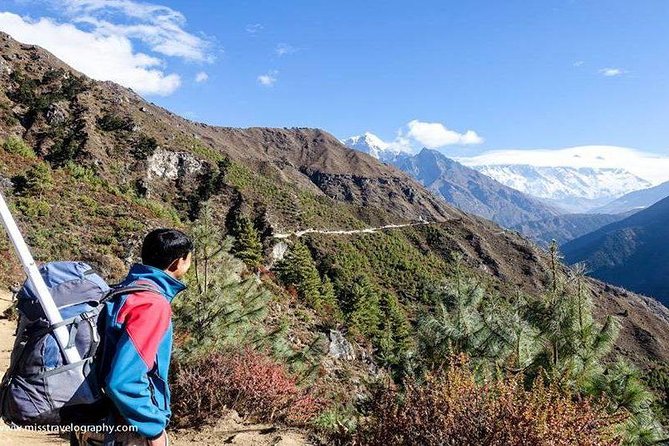
This is the main event, but it is not a quick photo stop. You walk from Lobuche to Gorakshep and continue to Everest Base Camp, with six to seven hours on foot in total.
The elevation is demanding, and the trail can feel slow. You should think of reaching Base Camp as the reward for many days of controlled effort rather than a single attraction. The route brings you into the Everest region’s famous high valleys, but the details do not promise a particular season, view, or condition at Base Camp.
You return to Gorakshep for the night. Breakfast, lunch, and dinner are included. At this height, simple comforts such as a hot meal and a warm sleeping bag matter a great deal.
Day 9: Kala Patthar, then down to Pheriche
You start with the climb from Gorakshep to Kala Patthar at 5,545 meters. This is the highest point named in the itinerary, and it can be the most physically demanding part of the entire trip.
After Kala Patthar, you descend to Pheriche at 4,243 meters. The total walking time is about seven hours. The descent helps, but it still follows the most strenuous morning of the trek, so you should not expect the day to feel easy simply because it finishes lower.
The route’s inclusion of Kala Patthar is a strong point. It gives you a high viewpoint in addition to Base Camp itself. The schedule does not promise a particular view of Everest, since weather and visibility change, but this is the day built around the biggest mountain scenery.
Day 10: Pheriche back to Namche Bazaar
You walk for about six hours from Pheriche to Namche Bazaar. The return route is not merely a repeat of the ascent. Downhill sections can be hard on tired knees, while the trail still includes climbs.
Returning to Namche gives you a welcome change in altitude and a more settled overnight base than the high lodges. The guide and group structure are still useful here because fatigue can lead to poor decisions.
This is also a good reminder that the trek is not finished at Base Camp. You still need to walk back to Lukla, catch the flight, and manage the final transfer to Kathmandu.
Day 11: Namche Bazaar to Lukla
The final full walking day takes about six hours, descending from Namche to Lukla at 2,886 meters. You finish where the mountain section began.
The route can feel long after so many days on foot, but the lower altitude should help. Your guide remains responsible for the group, and the included meals continue through dinner.
If you have extra plans after the trek, avoid scheduling an important international flight immediately after the Lukla to Kathmandu flight. The supplied terms only say that flights require good weather, so a delay remains possible.
Day 12: Lukla to Kathmandu
You fly from Lukla to Kathmandu and receive a hotel transfer. Breakfast is included that morning.
The price information says domestic flights, airport taxes, and all hotel or airport transfers by private vehicle are included. It also says four nights in Kathmandu are included in the overview, while the exclusions say hotel and food in Kathmandu are not included. This is the clearest point you should settle with Outfitter Nepal before booking.
Do not rely on a general tour summary when the detailed inclusions say something different. Ask how many Kathmandu nights are included, which hotel category applies, and if meals in Kathmandu are your responsibility.
What the $1,300 price really covers
At $1,300 per person, the package offers solid value if the listed inclusions are honored. It covers the Kathmandu to Lukla and Lukla to Kathmandu flights, domestic airport tax, tea-house lodging during the trek, all trekking meals, permits and government taxes, private airport transfers, a guide, and equipment such as a sleeping bag, down jacket, duffle bag, and trekking map.
It also includes the guide’s salary, meals, accommodation, transport, and insurance. That is important because guide costs are not being quietly added later.
You still need to budget for:
- Nepal entry visa, listed as $40 for a one-month visa
- Travel insurance, which is compulsory
- Kathmandu lodging and food, unless your booking confirms they are included
- Drinks and drinking water
- Hot showers and battery charging
- Chocolate and other snacks
- Tips for guides and staff
- International airfare and airport departure tax
- The $40 Everest Base Camp entrance fee
- A porter, listed at $220 if needed
The price is not an all-inclusive holiday. It is a guided trekking package with several mountain expenses left to you. That is normal for this type of trip, but you should make a written budget before you go.
Who should choose this Everest Base Camp trek
I would choose this trip if you want a structured route and do not want to arrange each lodge, permit, flight, and meal yourself. It suits someone with moderate physical fitness who is comfortable walking five to seven hours a day and sleeping in basic mountain accommodation.
It also works well for someone who values a guide and a smaller group over complete independence. The operator has received strong marks for staff care, and the named guides Kiran, Dinish, and Arjun point to an emphasis on patient, practical support.
I would not choose it if you want luxury lodging, flexible daily distances, or a guaranteed flight schedule. I would also hesitate if you dislike cold conditions, high altitude, or carrying some of your own expenses in cash.
The monsoon disruption described in the feedback is worth noting. Roads were damaged and people were stranded, yet the company worked through the problem openly and adjusted the trip. That does not remove the risk of weather, but it suggests that communication during disruption can matter as much as the original plan.
Booking advice before you pay
Confirm four points in writing: Kathmandu hotel nights, porter service, the exact Everest Base Camp entrance fee, and what happens if the Lukla flight is delayed. The published details contain a real contradiction about Kathmandu accommodation and a second one about porters.
The cancellation terms are strict. The experience is non-refundable and cannot be changed for any reason after booking. If poor weather cancels the trip, you are offered another date or a full refund. If the minimum group size is not met, you are offered another date or experience, or a full refund.
You receive booking confirmation within 48 hours, subject to availability. A mobile ticket is offered, and group discounts may be available.
Should you book it?
Book this trek if you want the classic Everest Base Camp route with flights, food, permits, guides, and mountain lodging arranged at a reasonable headline price. The two acclimatization days, 14-person maximum, and strong praise for guides are meaningful advantages.
Do not book until the Kathmandu lodging and porter questions are settled. You should also have suitable high-altitude travel insurance and enough money for water, drinks, showers, charging, tips, snacks, the entrance fee, and possible porter costs.
For an organized first visit to the Everest region, this is a practical choice. Just remember that the package reduces planning stress, not physical effort.
FAQ
How long is the Everest Base Camp Trek?
The trek takes approximately 12 days, including the flights between Kathmandu and Lukla.
Where does the trek start?
The listed meeting point is Tribhuvan International Airport in Kathmandu, Nepal. The start time is 6:15 a.m.
How many people can join the group?
The maximum group size is 14 travelers.
Are guides included?
Yes. An experienced guide is included, along with the guide’s salary, food, drinks, accommodation, transportation, and insurance.
Are porters included?
The details are not fully consistent. A porter is listed as an additional service at $20 per day, or $220 per person. Confirm this before booking.
Are meals included during the trek?
Yes. Breakfast, lunch, and dinner are included during the trekking portion.
Are domestic flights included?
Yes. The Kathmandu to Lukla and Lukla to Kathmandu flights, along with domestic airport tax, are included.
Is Kathmandu accommodation included?
The information gives conflicting details. One section says four nights in Kathmandu are included, while the exclusions say Kathmandu hotel and food are not included. Confirm the exact arrangement with the provider.
Is travel insurance required?
Yes. Travel insurance is compulsory. Emergency helicopter service can be arranged, but the cost is to be paid by your insurance company.
What is the cancellation policy?
The experience is non-refundable and cannot be changed for any reason. If poor weather or an insufficient minimum group causes cancellation, you are offered another date or a full refund.
Just added around Kathmandu
- Everest Base Camp Trek★ 5.0 · 3 reviews
- Everest Base Camp Trek★ 5.0 · 7 reviews
- 15 Days Private Everest Base Camp Trek★ 5.0 · 30 reviews
- Everest Base Camp Trek★ 5.0 · 57 reviews
- 14 Days of Adventure Trekking to Everest Base Camp★ 5.0 · 2 reviews
- 14-Day Everest Base Camp Trek★ 5.0 · 20 reviews
- From Kathmandu: Private 14-Day Everest Base Camp Trek★ 5.0 · 20 reviews
- 14 Days Everest Base Camp Trek★ 5.0 · 4 reviews
Everest Base Camp Treks, compared.
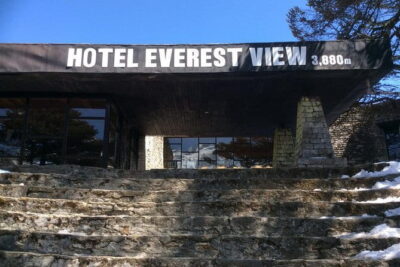
Everest Base Camp Helicopter Tour landing at Everest View Hotel
Read our review →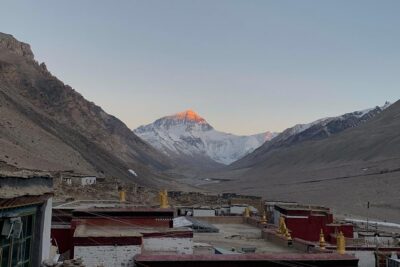
Tibet Tour 8 Days Lhasa to Everest Base Camp Small Group Tour
Read our review →
Dubai: Private Luxury Everest Yacht Cruise from Dubai Marina
Read our review →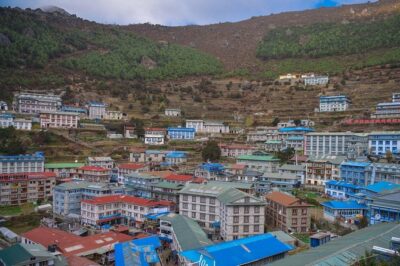
Browse the lists this trek appears in