
Review · KATHMANDU
Everest Base Camp Trek
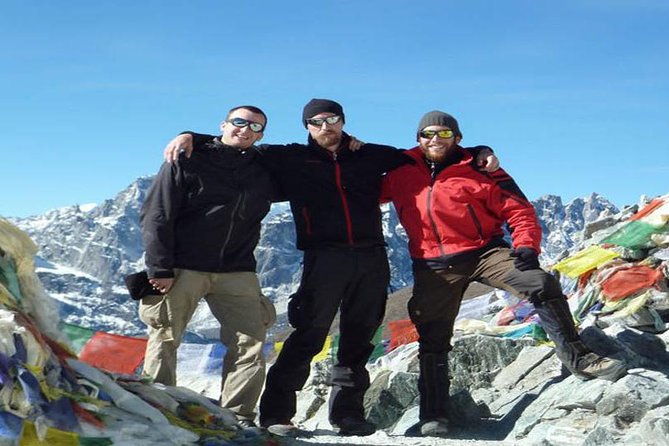
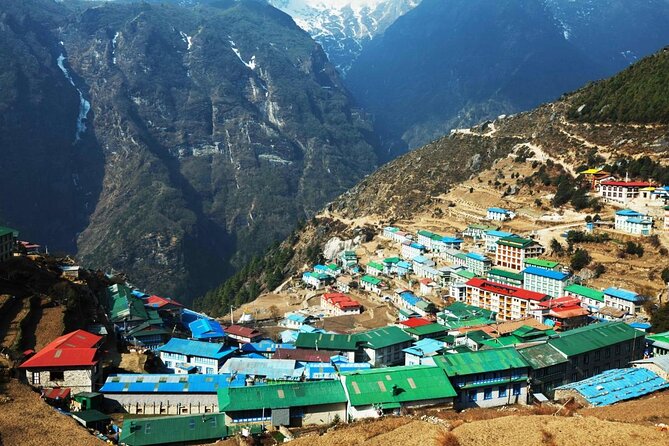
Everest Base Camp is the headline, but the real story is the slow climb through Sherpa country, from Namche Bazaar and its mountain views to Tengboche’s forested setting and the stark Khumbu Glacier. The route gives you two acclimatization days, a sensible feature at altitude, and enough time to reach both Base Camp and Kala Patthar.
I like the practical support: an English-speaking guide, one porter for every two hikers, airport pickup, and flights between Kathmandu and Lukla. I also like the company’s hands-on approach. Guides such as Dilli and Sambhu are praised for patience, cheerful help, and good judgment when weather or flight plans change.
The main caution is the price detail. At $1,800 per person, the package says meals and flights are included, yet another section says food, accommodation, permits, and several daily comforts are excluded. Get the final inclusions in writing before you pay.
Key points to know before you book
- Two acclimatization days: You spend recovery and exploration time in Namche Bazaar and Dingboche rather than rushing uphill.
- Classic Everest route: The trek passes through Lukla, Phakding, Namche, Tengboche, Lobuche, Gorakshep, and Everest Base Camp.
- Kala Patthar included: The early climb gives you a mountain-framed viewpoint after reaching Base Camp.
- Small private arrangement: Only your own group takes part, with one porter assigned for every two hikers.
- Flight-dependent itinerary: The Kathmandu to Lukla and Lukla to Kathmandu flights require good weather and can be disrupted.
- Extra costs need checking: Hot showers, battery charging, Wi-Fi, personal clothing, accommodation, and park fees are listed outside the package.
What the $1,800 Everest trek really gives you
This 13-day plan is built around the standard walking route to Everest Base Camp and back. You begin in Kathmandu, fly to Lukla, walk up the Dudh Koshi valley, spend time at altitude in Namche and Dingboche, reach Base Camp, climb Kala Patthar, and return to Lukla.
The package includes an English-speaking trekking guide and one porter for two hikers. That ratio matters. You can carry a daypack while the porter handles shared gear, but you should still pack lightly and confirm the porter’s baggage limit.
Round-trip flights between Kathmandu and Lukla are included, along with a shared vehicle. The supplied details also list 11 lunches, 11 dinners, and 12 breakfasts as included, but the exclusions section says all food and drinks, including those meals, are not included. This is too important to leave vague. Ask the operator for a current written price sheet.
Accommodation during the trek and Sagarmatha National Park permit fees are listed as extra. Hot showers, battery charging, Wi-Fi, tips, and personal equipment are also your responsibility. The advertised rate may still be good value if meals, lodging, permits, and flights are truly covered, but it is not possible to judge the final cost fairly until those points are settled.
More Everest Base Camp Treks in Kathmandu:
- Everest Base Camp Trek – 14 Days
★ 5.0 · 1,499 reviews - Everest Base Camp Trek
★ 5.0 · 842 reviews - Everest Base Camp Helicopter Tour landing at Everest View Hotel
★ 5.0 · 668 reviews
Day 1 in Thamel and Kathmandu Durbar Square
Your arrival day is deliberately light. A company representative meets you and transfers you to your hotel in Thamel. If your flight has left you tired, you can rest. If you still have energy, Thamel gives you an easy place to walk, eat, and make last-minute preparations.
Kathmandu Durbar Square is nearby and can be arranged as an optional visit. The square adds culture before the mountain days, but its admission fee is not included. Since the first morning begins early, keep this visit short if you need sleep or still have packing to do.
This is also the right time to meet your guide, check equipment, and confirm the flight plan. The company has used guides named Dilli and Sambhu on Everest trips, while Dipak Sapkota and Rishi are repeatedly associated with trip organization and communication. Your actual guide may be different, so ask for the name and phone number before departure.
Day 2: Lukla flight and the walk to Phakding
The day begins at Tribhuvan Domestic Airport. The flight to Lukla takes about 30 minutes, but the short duration does not make it routine. You get views of hills, greenery, lakes, and mountain ridges before landing, then begin walking soon after arrival.
The first walking day ends at Phakding. This is a useful introduction to the route because you begin at a lower elevation than Namche and avoid making the first day too long. Your guide gives a trip briefing, and the porter joins the group.
Flight timing is the uncertain part. The package requires good weather, and the route depends on air connections. A past customer described the company arranging a last-minute flight from Lukla toward Ramechhap when conditions affected the normal plan. That suggests active assistance can matter, but you should still allow flexibility around this trek rather than schedule a tight international connection immediately after the return flight.
Day 3: Dudh Koshi forests and Namche Bazaar
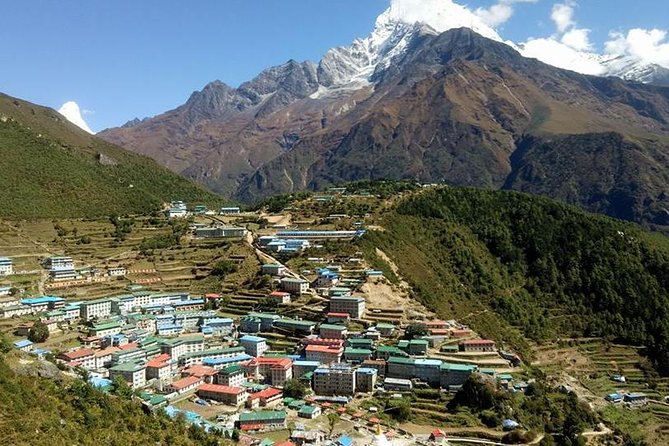
From Phakding, you follow the Dudh Koshi River toward Monjo. The path passes through rhododendron and pine forest before reaching the entrance to Sagarmatha National Park.
You then continue toward Namche Bazaar, the main settlement in the Khumbu region. Namche is more than a stopping point. It is where the trek begins to feel properly high and remote, with mountain culture, local shops, and a busy trail junction.
The climb can feel demanding because you gain height after the easier opening days. Walk slowly and let your guide set the pace. The point is not to arrive first. It is to arrive ready for the next stage.
A few more treks around Kathmandu worth a look
- Everest Base Camp Trekking
★ 5.0 · 485 reviews - Annapurna Circuit Trek with Tilicho Lake
★ 5.0 · 368 reviews - Everest Base Camp Trekking – 13 Day
★ 5.0 · 365 reviews - Everest Base Camp Trek
★ 5.0 · 350 reviews
Day 4: Acclimatization in Namche
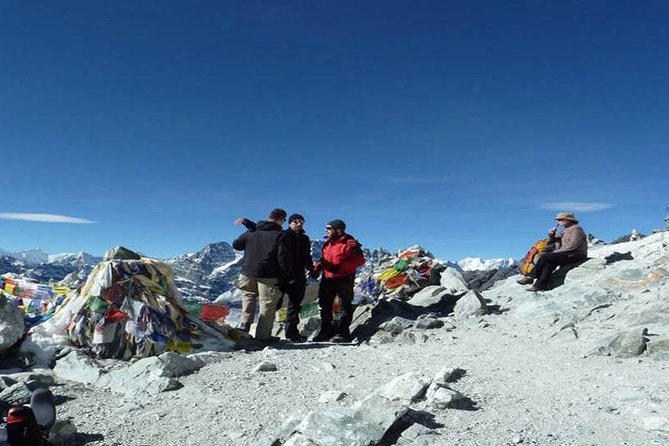
The Namche rest day is active rather than idle. You explore the town and visit Sagarmatha National Park, learning more about the area while giving your body time to adjust.
That pause is one of the strongest parts of the itinerary. Altitude problems are a serious concern on a high trek, and a schedule that simply marches uphill each day would be harder on your body. The program uses Namche as a buffer before the route climbs higher.
You should treat this as a real acclimatization day, even if the group takes a short walk. Drink water, move at an easy pace, and tell the guide if you feel unwell. The information provided does not promise medical evacuation or emergency insurance, so arrange suitable insurance separately.
Day 5: Tengboche through forest and open mountain views
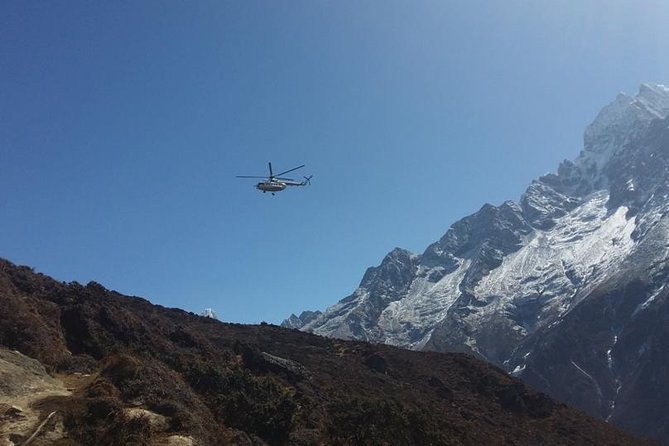
The route leaves Namche and crosses above the Dudh Koshi River. You walk through forest, see Nepal’s national bird, the danphe, and reach a trail section that drops toward Phunkitenga for lunch before climbing again to Tengboche.
This day has a classic mountain rhythm: climb, descend, eat, then climb again. That can be tiring, especially after Namche, but the changing views keep the walk interesting.
Tengboche is surrounded by hills and forest, with high peaks visible beyond. The setting is one of the most appealing stops on the route. You spend the night here, so you are not forced to hurry through it for a quick photograph.
Day 6: Rhododendron country and Dingboche
You continue toward Dingboche through more rhododendron forest, with white mountains and cooler air marking the change in altitude. The walking is scenic, but the thin air begins to make ordinary uphill sections feel more serious.
Dingboche is an important base for the next acclimatization stop. You are now well above the lower valley, so pace matters more than distance. Keep your daypack manageable and use layers that can be added or removed as the temperature shifts.
The description calls this one of the most enjoyable walks of the trek. That is fair as long as you understand the tradeoff: the views improve, but the physical effort also rises.
Day 7: Dingboche acclimatization and Nangkartshang Hill
The second acclimatization day takes place in Dingboche. You explore the village and climb Nangkartshang Hill before returning to the hotel.
This short uphill outing is useful because it lets you gain height during the day and sleep lower at night. It also gives you a chance to test your pace before the route becomes colder and more exposed.
The name appears in the itinerary as Nagarkshang, but Nangkartshang Hill is the commonly used spelling. Confirm the exact plan with your guide. The important point is the same: this is a controlled acclimatization walk, not a rest day spent entirely indoors.
Day 8: Khumbu Glacier views and Lobuche
The itinerary contains a typo, listing Douglas as the next destination, but the route description clearly points toward Lobuche and the Khumbu Glacier. You walk with views of Tawache and Cholatse before reaching Lobuche.
Lobuche is colder because of its position and elevation. Expect the day to feel more severe than the lower valley walks. The scenery becomes more open and stark, with less forest and more rock, ice, and high mountain air.
This is a good night to follow your guide’s advice closely. Keep warm, eat what you can, and prepare your clothing for the early start ahead. Personal jackets, trousers, gloves, and hats are not included, so your equipment needs to be ready before this stage.
Day 9: Everest Base Camp and Gorakshep
This is the goal day. You walk from Lobuche to Everest Base Camp, the staging area used by mountaineers preparing for Everest. Reaching it is a major personal milestone, but do not expect a city or a grand building. It is a high, rugged place shaped by glaciers, rock, weather, and seasonal climbing activity.
The approach is demanding because you are already at high altitude and still have to return toward Gorakshep. The itinerary places the overnight stop there after the Base Camp visit, which helps keep the main destination within the planned route.
Your guide’s role matters most here. The pace must remain steady, and the group needs to watch the clock, weather, and physical condition. Past visitors specifically praised guides Dilli and Sambhu for patience and practical help. Those qualities are more valuable on this day than a fast walking speed.
Day 10: Kala Patthar and the descent to Pheriche
You leave early for Kala Patthar. The climb is an effort, but it gives you the wide mountain view many people expect from an Everest trek, with peaks surrounding you in every direction.
After Kala Patthar, you descend to Pheriche. This is a long day with a strong contrast between the early climb and the relief of losing altitude. The descent is not automatically easy, since tired legs and uneven trails can make downhill walking uncomfortable.
The itinerary does not describe a helicopter return. Some company programs and customer experiences have included helicopter returns from the Everest region, but that is a separate option and should not be assumed here. If you want one, ask for a separate price and revised schedule.
Days 11 to 13: Tengboche, Namche, Lukla, and Kathmandu
The return route passes through Tengboche again before continuing to Namche Bazaar. You have a chance to see the familiar places from a new direction, and the lower altitude usually makes walking feel easier, even though the days remain long.
Day 12 covers a longer distance toward Lukla. The promise of Lukla Bazaar gives the final walking day a practical reward. You can look for a souvenir before spending the night there, but keep your purchases light since your baggage still has to travel.
On Day 13, you fly back to Kathmandu. The flight is listed at about 35 minutes, followed by time to walk around the city if schedules allow. A farewell dinner is offered by the company in the evening.
The return flight is another reason not to plan a same-day international departure. The schedule depends on aircraft availability and weather, and the itinerary gives no guarantee of an exact arrival time in Kathmandu.
Guides, porters, and the private group setup
This is a private activity, so only your group participates. That gives you more control than a large departure group, especially when someone needs a slower pace or a short break.
The guide is expected to speak English and manage the route, while one porter serves every two hikers. The strongest praise attached to this company focuses on attentive organization, quick replies from Dipak, and guides who stay patient when the trek gets difficult.
Do not treat a porter as a substitute for careful packing. Personal gear remains your responsibility, and the package does not include jackets, gloves, hats, trousers, or other equipment. Ask about baggage limits, guide qualifications, emergency procedures, and the exact number of staff assigned to your group.
Who should choose this trek
This itinerary suits you if you want the classic Everest Base Camp route without arranging flights, guide support, and porter service on your own. It is also a good fit if you prefer a private group and want two planned acclimatization days.
You need moderate physical fitness. The route includes long uphill and downhill walks, cold conditions, and high altitude. You do not need to be a technical climber based on the information provided, but you do need to prepare for sustained walking and unpredictable weather.
This is less suitable if you have only 13 tightly fixed calendar days, dislike basic mountain accommodation, or need every cost included upfront. The conflicting food and lodging details make a prebooking cost check essential.
Booking details and cancellation
Pickup is offered, mobile ticketing is available, and confirmation is provided at booking. The meeting time is 7:15 a.m., although the first flight day begins at dawn, so confirm the exact pickup time with the operator.
Free cancellation is available up to 24 hours before the start time for a full refund. Changes or cancellations within 24 hours are not refunded, and poor weather or failure to meet the minimum group size can lead to a new date, a different experience, or a full refund.
Should you book the Everest Base Camp Trek?
I would consider booking this trek if the operator confirms the inclusions clearly and you have flexibility around the Lukla flights. The route covers the essential stops, includes two useful acclimatization days, and provides the guide and porter support that make a high-altitude trek more manageable.
The strongest reasons to choose it are the private format, the classic itinerary, and the company’s active trip coordination. Before paying $1,800, ask for a written breakdown covering accommodation, meals, Sagarmatha National Park permits, baggage limits, tips, and flight disruption plans.
If those answers are clear, this is a sensible way to reach Everest Base Camp while keeping the planning burden low. If the food and accommodation exclusions remain unclear, compare the final price with another operator before committing.
FAQ
How long is the Everest Base Camp trek?
The experience lasts approximately 13 days, including arrival and return time in Kathmandu.
Where does the trek start?
The trip begins in Kathmandu. You then fly from Tribhuvan Domestic Airport to Lukla and start walking from there.
Is airport pickup available?
Yes. Pickup is offered, and a company representative transfers you to the hotel on arrival.
Is the trek private?
Yes. Only your own group participates in this private activity.
Is a guide included?
An English-speaking professional trekking guide is included.
Is a porter included?
Yes. One porter is provided for every two hikers.
Are flights to Lukla and back to Kathmandu included?
The package details say both flights are included, along with shared vehicle transport. Flight timing depends on weather and operating conditions.
Are meals included?
The details list 11 lunches, 11 dinners, and 12 breakfasts as included, but the exclusions also say food and drinks, including breakfast, lunch, and dinner, are not included. Confirm the current meal policy in writing before booking.
Are accommodation and national park permits included?
They are listed as not included, so you should confirm the additional cost before paying.
What happens if bad weather cancels the trip?
If poor weather causes cancellation, you are offered a different date or a full refund.
Just added around Kathmandu
- Everest Base Camp Trek★ 5.0 · 3 reviews
- Everest Base Camp Trek★ 5.0 · 7 reviews
- 15 Days Private Everest Base Camp Trek★ 5.0 · 30 reviews
- Everest Base Camp Trek★ 5.0 · 57 reviews
- 14 Days of Adventure Trekking to Everest Base Camp★ 5.0 · 2 reviews
- 14-Day Everest Base Camp Trek★ 5.0 · 20 reviews
- From Kathmandu: Private 14-Day Everest Base Camp Trek★ 5.0 · 20 reviews
- 14 Days Everest Base Camp Trek★ 5.0 · 4 reviews
Everest Base Camp Treks, compared.
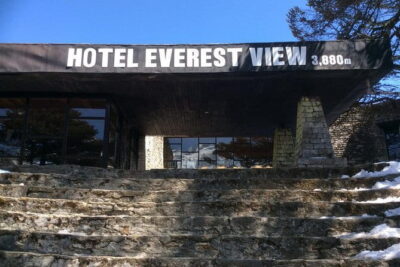
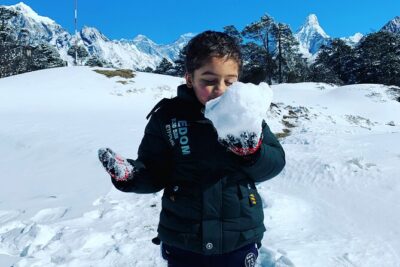
Everest Base Camp Helicopter Tour landing at Everest View Hotel
Read our review →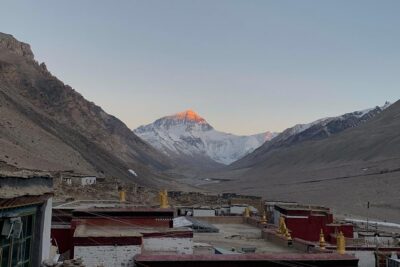
Tibet Tour 8 Days Lhasa to Everest Base Camp Small Group Tour
Read our review →
Dubai: Private Luxury Everest Yacht Cruise from Dubai Marina
Read our review →
Browse the lists this trek appears in