
Review · KATHMANDU
Everest Base Camp Trek with Kathmandu Valley Sightseeing Tour
The real prize here is not simply reaching Everest Base Camp. It is the long walk from Lukla through Sherpa villages, high valleys, forests, rivers, and mountain gorges, with the scenery changing as you gain height. Kala Patthar, at 18,519 feet, gives you the trip’s highest viewpoint and a powerful look toward Everest.
I like that the price includes porters, local support, permits, Kathmandu lodging, and breakfast, which removes several practical worries. I also like the strong focus on personal guidance. Kumar is named repeatedly as a trusted leader, and the team has handled groups as large as nine people.
The main catch is the altitude and the flight to Lukla. This is a real mountain trek, not a gentle sightseeing tour, and weather can delay or cancel the first flight. You should arrive with good fitness, buy rescue insurance before reaching Nepal, and leave spare days in your schedule.
Key points to know before booking
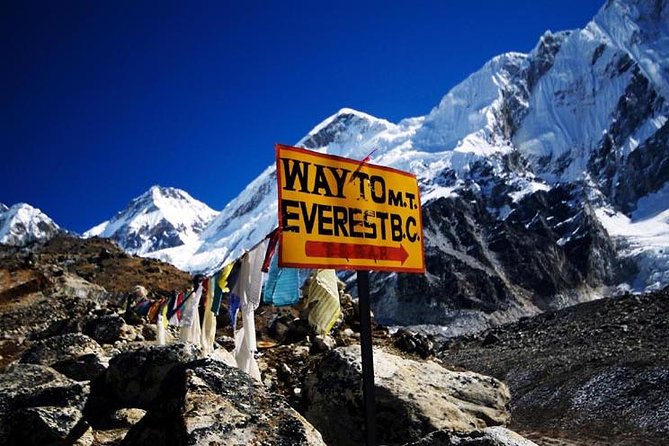
- Lukla is the true starting point: The trek begins with a weather-sensitive flight, so keep extra days free before and after the scheduled program.
- Kala Patthar reaches 18,519 feet: This is higher than Everest Base Camp and requires steady walking, rest, and careful attention to altitude.
- Kumar is a named guide to look for: He has led multiple groups, including a nine-person group and a team of American firefighters.
- Porters are included: One porter is provided for every pair of trekkers, along with local support staff.
- The route is cultural as well as scenic: You walk through Sherpa villages rather than simply arriving at a mountain viewpoint.
- The $1,500 price covers important basics: Kathmandu hotel accommodation, trekking guesthouses, breakfast in Kathmandu, permits, porters, and support are included, but equipment, flights, insurance, visas, and international airfare are extra.
What the 15-day Everest journey really involves
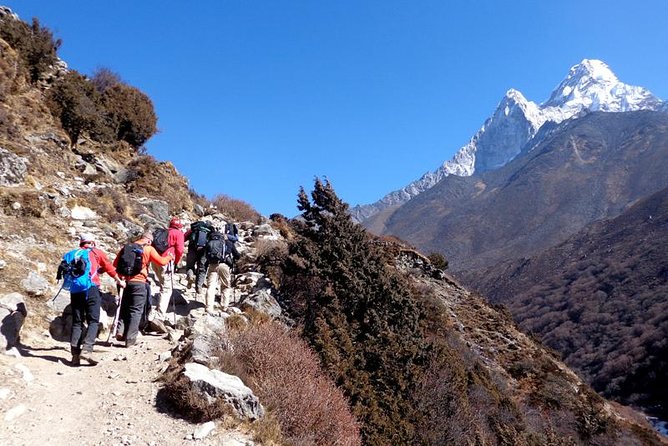
This experience combines Kathmandu Valley sightseeing with a demanding trek in the Everest region. The stated duration is about 15 days, giving you time to move through the mountains in short walking sessions with rest and sightseeing between harder stretches.
The route begins in Kathmandu at roughly 4,600 feet and reaches Kala Patthar at 18,519 feet. That is a major change in altitude. You are not just walking farther each day. You are asking your body to work in cold, dry air at heights where ordinary tasks feel harder.
The walk takes you through valleys, forests, rivers, deep gorges, and trails cut into mountainsides. Snow is part of the setting, and the route can feel exposed and unforgiving. The reward is a gradual approach to Everest, with each day giving you a stronger sense of the mountain region rather than a quick photo stop.
You should think of this as a physical trip with sightseeing woven into it. The itinerary allows short climbing sessions and rest periods, but the climbs still make up most of the journey. A moderate fitness level is required, and you should be comfortable walking uphill for repeated stretches.
More Everest Base Camp Treks in Kathmandu:
- Everest Base Camp Trek – 14 Days
★ 5.0 · 1,499 reviews - Everest Base Camp Trek
★ 5.0 · 842 reviews - Everest Base Camp Helicopter Tour landing at Everest View Hotel
★ 5.0 · 668 reviews
Kathmandu comes first, and that matters
Kathmandu is both the meeting point and the place where the tour begins to take shape. Pickup is offered, with the stated meeting point at Tribhuvan Airport and a start time of 5:45 am. That early start is tied to the flight toward Lukla, so you should be ready for a long travel day before your boots even hit the trail.
The package includes a three-star Kathmandu hotel on a twin-sharing basis, with breakfast included. That is useful at both ends of a demanding trek. You get a straightforward base for settling in, preparing equipment, and recovering after the mountains.
Kathmandu Valley sightseeing is part of the trip, although the supplied plan does not list each site or give a day-by-day city schedule. That means you should ask for the exact sightseeing plan before booking if particular temples, squares, or cultural sites matter to you.
The private format is another useful detail. Only your group participates, so there is more room to discuss the pace and make some itinerary changes if time allows and everyone agrees. This is not an open coach tour where you simply follow a fixed crowd.
The Lukla flight can shape the whole trip
Lukla is the gateway to the trek, and the flight is one of the biggest practical concerns. The schedule warns that bad weather commonly delays or cancels flights to Lukla. Mountain weather can change quickly, and this is outside the operator’s control.
Do not connect this trip tightly to an international flight or an important appointment. The sensible plan is to leave a few spare days before and after the trek. If the Lukla flight moves, the rest of the schedule may need to move with it.
This uncertainty is not a reason to reject the trek. It is a reason to plan honestly. A flexible schedule lets you enjoy the mountains instead of worrying about a missed flight home. Ask how the operator handles a disrupted flight, but understand that the itinerary may need improvisation.
The early pickup and mobile ticket make the basic arrival process simple. Confirmation is sent within 48 hours of booking, subject to availability. You should still check the meeting instructions carefully, especially if your international arrival time is close to the scheduled pickup.
Walking through Sherpa villages instead of chasing a viewpoint
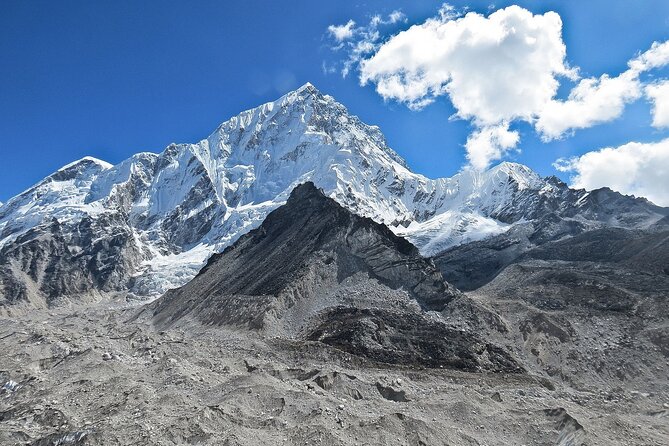
The best part of this trek is the route between the famous points. You pass through Sherpa villages on the way to Everest and again on the return. That gives the trip a human scale. You are not only looking at peaks from a distance. You are moving through communities that form part of the Everest region.
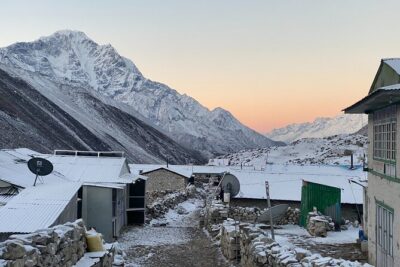
The route also changes under your feet. Expect forests lower down, rivers and gorges along the way, and colder, barer ground as you climb. Trails may be carved into steep mountainsides, and snowy sections are possible. The experience is physical, but it also gives you time to notice how the mountains alter the villages, paths, and daily rhythm around them.
The description promises rest and sightseeing between shorter climbing sessions. That helps, but it should not be mistaken for an easy pace. Reaching Base Camp requires sustained effort, and the return walk is still part of the challenge. You should conserve energy early rather than treating the first days as a race.
A local guide and support team make a meaningful difference here. The group’s past guide, Kumar, is specifically praised for leading several successful trips. A guide who knows the route can help with pace, local decisions, and the small changes that become necessary when weather or trail conditions interfere.
A few more treks around Kathmandu worth a look
- Everest Base Camp Trekking
★ 5.0 · 485 reviews - Annapurna Circuit Trek with Tilicho Lake
★ 5.0 · 368 reviews - Everest Base Camp Trekking – 13 Day
★ 5.0 · 365 reviews - Everest Base Camp Trek
★ 5.0 · 350 reviews
Everest Base Camp is a destination, not the summit
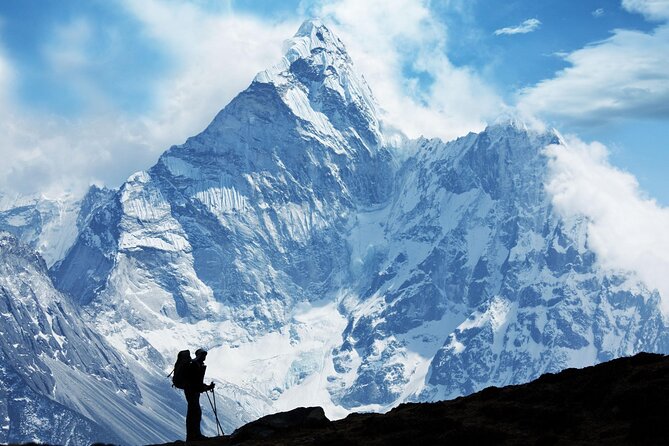
Everest Base Camp is where climbers begin their attempt on the world’s highest peak. On this tour, you do not climb Everest, but you do reach the base camp area and stand at the foot of the mountain. That distinction matters when setting expectations.
You will not receive a summit expedition. You will receive a demanding trek to a place that represents the start of one. For many people, that is enough. The approach gives the mountain its proper scale and lets you understand how much effort even reaching Base Camp requires.
The trip also includes a climb to Kala Patthar, listed at 18,519 feet. This is the highest point named in the program and one of the hardest parts of the route. It offers the chance to look toward Everest from a very high viewpoint, but the altitude can make every step feel slow.
You should not judge success only by the final photograph. The path through gorges, valleys, rivers, forests, and villages is the substance of the experience. Base Camp is the headline, but the journey is what gives that headline meaning.
The $1,500 price: useful coverage, but budget for extras
At $1,500 per person, the trip includes several costly and important services. You receive a three-star twin-share hotel in Kathmandu, guesthouse accommodation during the trek, breakfast in Kathmandu, one porter for every two trekkers, local support staff, the Sagarmatha National Park entry permit, and a Trekkers’ Information Management System card.
That is a solid package for someone who wants the main arrangements handled. The porter allocation is especially important because carrying every item yourself would add strain at altitude. Twin-sharing also keeps the advertised price lower than a private-room arrangement would.
The price does not include international flights, a Nepal visa, travel insurance, trekking equipment, or the flight to Lukla as a separately stated inclusion. You should ask the operator exactly what domestic transport costs are covered before paying, since the starting point is Lukla but the meeting point is Kathmandu.
Insurance is not optional here. It must include emergency rescue and evacuation, and you need to buy it before arriving in Nepal because the plan says it cannot be purchased there. Check that the policy covers the maximum altitude of this trek, not just ordinary medical care.
Equipment is also your responsibility. The supplied information does not provide a gear list, so ask for one before departure. You will need to know what clothing, footwear, sleeping equipment, and cold-weather items are expected. Do not assume the package supplies them.
Accommodation and porters: what the inclusions mean
The Kathmandu stay is at a three-star hotel, with twin-sharing rooms and breakfast. During the trek, you stay in guesthouses and again share with another person. This is practical mountain accommodation, not a luxury hotel program.
Guesthouse standards can differ along a high-altitude route, and no detailed room or bathroom information is provided. If comfort is a major concern, ask what facilities are available on the specific route and whether private rooms can be arranged at an added cost.
One porter for each pair of trekkers is included. Pack with that limit in mind. A porter is not a substitute for sensible packing, and you should keep personal essentials, medication, and anything needed during the day with you.
Local support staff are included as well. The operator says guides and support staff have basic medical training. That is useful, but it does not replace insurance, a doctor’s advice, or your own medication. Tell the guides about any medical condition that could affect your walk.
Who will enjoy this trek, and who should think twice
This trip suits you if you want a serious Himalayan walk with a cultural route, local support, and time in Sherpa villages. It is a good match if Base Camp matters to you but you also care about the valleys, rivers, villages, and changing trail conditions along the way.
It suits people with moderate fitness who can handle repeated uphill sections and long days at altitude. You do not need to be a technical mountaineer, since the tour does not attempt to summit Everest, but you do need to accept cold conditions, snow, steep paths, and basic guesthouse accommodation.
It may not suit you if your schedule cannot absorb flight delays. It is also a poor fit if you want a soft adventure with guaranteed transport or hotel comfort throughout. The route is remote, and the plan openly allows changes caused by weather, accidents, and natural hazards.
The private format helps if you prefer a smaller, more personal experience. Your group can discuss reasonable itinerary changes with the guides, provided there is enough time and everyone agrees. That flexibility is valuable in the mountains, where a perfect plan rarely survives every weather change.
Booking, cancellation, and practical preparation
You can cancel for a full refund if you do so at least 24 hours before the local start time. Cancellations or changes made inside that 24-hour window are not refunded or accepted, so check the local cut-off carefully.
Service animals are allowed, and the tour is near public transportation. The activity is private, with only your group taking part. Confirmation arrives within 48 hours, subject to availability.
Before booking, ask for four things in writing: the complete day-by-day route, the exact Kathmandu sightseeing plan, the current equipment list, and the handling of Lukla flight disruptions. These questions do not sound glamorous, but they tell you how prepared you are for the practical side of the journey.
Also speak with your doctor if you have a medical condition or take regular medicine. Carry needed medication with you, and make sure your insurance covers high-altitude evacuation. A small amount of preparation can prevent a serious problem later.
Should you book the Everest Base Camp trek?
Book it if you want the full approach to Everest, not just a mountain photo. The combination of Sherpa villages, high trails, Kala Patthar, Base Camp, porters, permits, and local support gives the $1,500 price useful value, though your total cost will rise with insurance, equipment, visas, and air travel.
I would be cautious if your schedule is tight, your fitness is limited, or you dislike uncertain transport. The Lukla flight can alter the plan, and the altitude is not a minor detail.
For a prepared walker with flexible dates, this is an appealing way to experience the Everest region. Look for Kumar or another named guide when confirming your booking, ask the unanswered practical questions, and leave enough time for the mountains to set the schedule.
FAQ
Where does the Everest Base Camp trek begin?
The trekking portion begins in Lukla. The tour meeting point is Tribhuvan Airport in Kathmandu, with a stated start time of 5:45 am.
How long does the tour last?
The experience lasts approximately 15 days and combines Kathmandu Valley sightseeing with the trek from Lukla to Everest Base Camp and back.
What is the highest altitude listed for the tour?
Kala Patthar is listed at 18,519 feet. Kathmandu is listed at about 4,600 feet.
Is travel insurance required?
Yes. Travel insurance is compulsory and must cover emergency rescue and evacuation. The information says you must arrange it at home because it cannot be purchased in Nepal.
Are porters included?
Yes. One porter is included for each pair of trekkers, along with local support staff.
What accommodation is provided?
You receive twin-sharing accommodation at a three-star hotel in Kathmandu, with breakfast included. During the trek, you stay in twin-sharing guesthouses.
Can the itinerary change because of weather?
Yes. Flight delays, accidents, natural hazards, and other conditions can require changes. The flight to Lukla is especially vulnerable to bad weather, so you should leave several free days around the trip.
Just added around Kathmandu
- Everest Base Camp Trek★ 5.0 · 3 reviews
- Everest Base Camp Trek★ 5.0 · 7 reviews
- 15 Days Private Everest Base Camp Trek★ 5.0 · 30 reviews
- Everest Base Camp Trek★ 5.0 · 57 reviews
- 14 Days of Adventure Trekking to Everest Base Camp★ 5.0 · 2 reviews
- 14-Day Everest Base Camp Trek★ 5.0 · 20 reviews
- From Kathmandu: Private 14-Day Everest Base Camp Trek★ 5.0 · 20 reviews
- 14 Days Everest Base Camp Trek★ 5.0 · 4 reviews
Everest Base Camp Treks, compared.
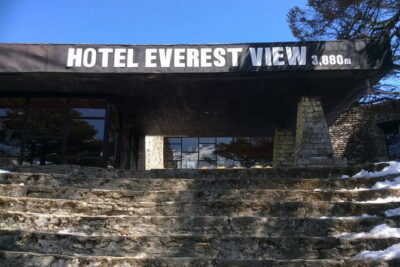
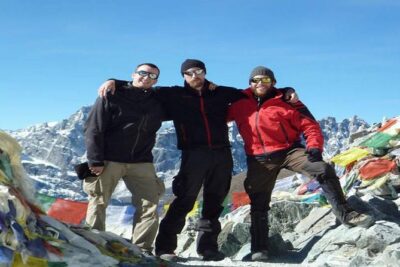
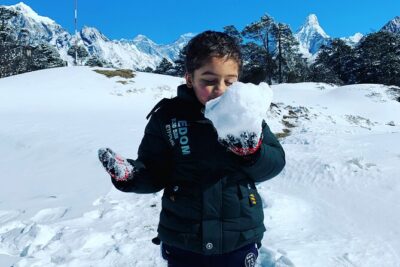
Everest Base Camp Helicopter Tour landing at Everest View Hotel
Read our review →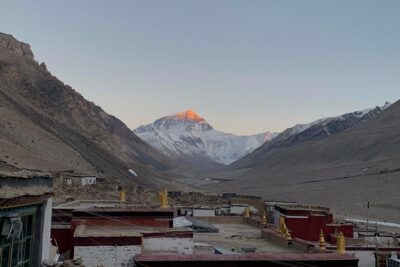
Tibet Tour 8 Days Lhasa to Everest Base Camp Small Group Tour
Read our review →
Dubai: Private Luxury Everest Yacht Cruise from Dubai Marina
Read our review →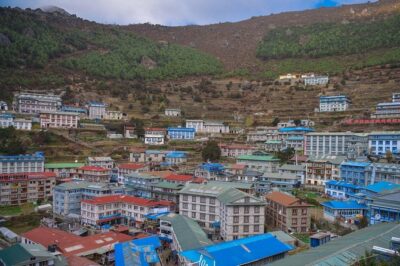
Browse the lists this trek appears in