
Review · KATHMANDU
Everest Base Camp Trek with Chopper Return To Kathmandu
The clever part of this Everest Base Camp trip comes at the end: you walk the classic route to Everest Base Camp, then skip the long return trek with a helicopter from Gorak Shep to Kathmandu. That saves several hard walking days while still giving you the full approach through Sherpa villages, monasteries, suspension bridges, and high alpine trails.
I like the private trekking arrangement, which gives your group more control over its pace, and I like that meals, permits, a porter, a sleeping bag, and a duffel bag are included. The main point to weigh is altitude: you reach Kala Patthar at 5,545 meters in only eight days, so this demands solid fitness and careful attention to how you feel.
Key points at a glance
- Classic route with a fast exit: Trek from Lukla to Base Camp, then return by helicopter instead of retracing the trail.
- One full acclimatization day: Namche Bazaar gives you time to adjust before the higher stages.
- High-altitude viewpoints: Kala Patthar offers views toward Everest, Nuptse, Lhotse, Pumori, and Lobuche West.
- Sherpa culture along the way: Tengboche Monastery, the Sherpa Culture Museum, Mani walls, and prayer flags add meaning beyond mountain scenery.
- Practical inclusions: Domestic airport transfers, Lukla airfare, permits, full-board trekking meals, tea-house lodging, porter support, and basic trekking gear are covered.
- Weather matters: The helicopter return depends on flying conditions, and the operator may require a minimum number of participants.
Why the helicopter return changes the trek
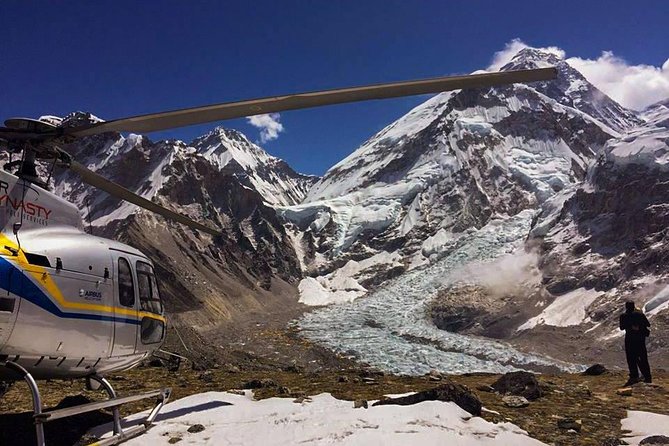
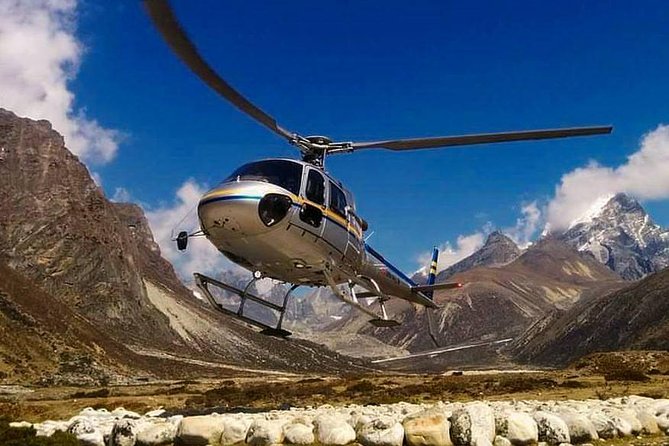
A standard Everest Base Camp walk usually requires a return over the same mountain trail. This version keeps the most memorable outward journey, then replaces the long descent with a helicopter flight from Gorak Shep to Kathmandu.
That is a meaningful saving of time and energy. Descending from Base Camp still takes several days, and the trail can feel demanding even when the air gets thicker on the way up. Here, you finish the walking portion at the top of the route and leave the Khumbu by air.
The helicopter is shared, while the trekking portion is described as private. That combination is worth understanding before you pay. Your walking group has its own guide and porter support, but the return flight may include other passengers and remains dependent on weather and operational conditions.
At $2,600 per person, the price is not low. The value comes from the number of services bundled into one arrangement: Kathmandu airport pickup and drop-off, the Kathmandu to Lukla flight, trekking permits and paperwork, an English-speaking guide, seven nights of dinner, eight breakfasts and lunches, tea-house accommodation, a shared porter, sleeping bag, duffel bag, staff costs, and the helicopter return.
You still pay separately for a Nepal visa, Kathmandu hotels and meals, drinks, laundry, phone calls, bottled or boiled water, and Kathmandu sightseeing entrance fees. You should also allow money for unexpected extra nights if flights or weather disrupt the plan.
More Everest Base Camp Treks in Kathmandu:
- Everest Base Camp Trek – 14 Days
★ 5.0 · 1,499 reviews - Everest Base Camp Trek
★ 5.0 · 842 reviews - Everest Base Camp Helicopter Tour landing at Everest View Hotel
★ 5.0 · 668 reviews
Day 1: Lukla flight and the short walk to Phakding
Your day starts early, with a 6:15 a.m. meeting time and a vehicle transfer to the airport. The drive from Thamel takes about 20 minutes, though early morning airport routines can still take time.
The flight to Lukla is the gateway to the trek. After landing, you have breakfast in Lukla and begin walking beside the Dudh Koshi River toward Phakding. The first trek takes about three to four hours, making it a useful introduction rather than an immediate test of high-altitude endurance.
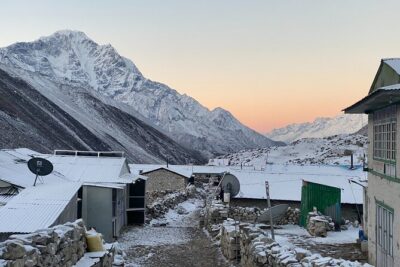
Phakding is low compared with the later stops, but do not treat this as an ordinary hiking day. You are already adapting to a new rhythm: early starts, simple tea-house lodging, changing weather, and a trail that rises and falls rather than climbing in one straight line.
The Lukla flight is an important practical detail. The tour includes the domestic airfare and departure taxes, but mountain flights depend on conditions. Keep your schedule flexible around the trek, especially if you have an international flight immediately after the helicopter return.
Day 2: Pine forests and the climb to Namche Bazaar
The walk from Phakding to Namche Bazaar takes about six hours. This is a fuller trekking day, with pine and rhododendron forest, river crossings, and views toward the Everest region.
The route also gives you an early look at the distinctive mountain profile around Nuptse and the Lhotse ridge. The trail gradually becomes more demanding as you approach Namche, and the change in altitude begins to matter more than the distance alone.
Namche Bazaar is the main trading and accommodation center of the Khumbu. Reaching it is a milestone because the village is both a practical supply point and a place where you begin to feel the scale of the mountains around you.
The day description includes a stop called Irish Pub, but the real value of this stage is the route itself rather than the named stop. Expect about six hours on foot, and use the evening to eat, drink fluids, and rest instead of pushing yourself around town.
Day 3: Acclimatization around Namche Bazaar
A full day in Namche is one of the strongest features of the schedule. Rather than climbing higher immediately, you explore nearby viewpoints and give your body time to adjust.
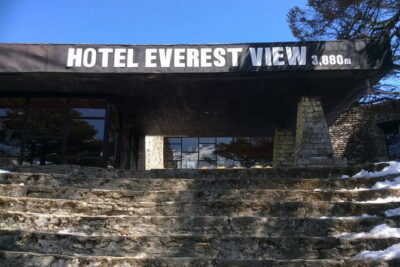
You may hike toward Syangboche Airport, described as one of the highest airports on Earth, and continue toward Hotel Everest View. From this area, the scenery can include Everest, Tawache, Lhotse, and Ama Dablam.
The day also includes the Everest Photo Gallery and Sherpa Culture Museum in the late afternoon. These stops help put the trek into human context. You are not simply collecting mountain views. You are passing through a region shaped by Sherpa culture, mountaineering, trade, and Buddhist practice.
The listed walking time is about five hours, so this is not a complete rest day. Still, the lower effort compared with the next stages makes it important. I would treat the acclimatization day as essential, not optional sightseeing.
A few more treks around Kathmandu worth a look
- Everest Base Camp Trekking
★ 5.0 · 485 reviews - Annapurna Circuit Trek with Tilicho Lake
★ 5.0 · 368 reviews - Everest Base Camp Trekking – 13 Day
★ 5.0 · 365 reviews - Everest Base Camp Trek
★ 5.0 · 350 reviews
Day 4: The trail to Tengboche Monastery
From Namche, you walk for roughly five hours to Tengboche, with the day taking about six hours overall. Tengboche is famous for its large monastery, regarded as the biggest in the Khumbu region.
The monastery gives this stop a different character from the mountain viewpoints. Prayer flags, Buddhist practice, and the surrounding peaks make Tengboche one of the most memorable cultural points on the route. The area is also associated with the Mani Rimdu festival, held in October.
Festival timing is not guaranteed by this tour, so you should not book specifically expecting to attend Mani Rimdu. Even outside the festival period, Tengboche remains an important stop and a welcome break between the lower forests and the more open high-altitude terrain ahead.
The day involves a steady climb and descent pattern rather than a simple uphill walk. That can surprise you. Trekking time estimates are approximate, and your pace, rest stops, trail conditions, and altitude can all change the schedule.
Day 5: Suspension bridges and Dingboche
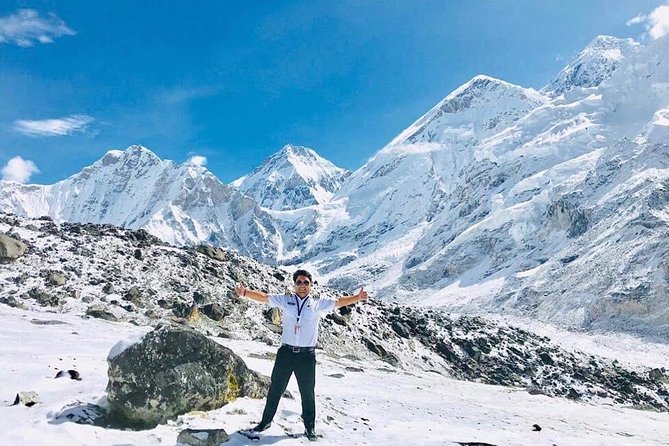
The walk to Dingboche takes about six hours, with the day listed at roughly seven hours. You cross an electrifying suspension bridge over the Imja Khola and pass long stretches of Mani walls.
Mani walls are stone structures carved with Buddhist prayers. They are not just scenic details. They mark the spiritual character of the route, and they encourage you to slow down and notice the trail rather than treating the day as a race toward Base Camp.
Dingboche is a major altitude step. The settlement sits in a more exposed part of the Khumbu, with less tree cover and a stronger sense that you are entering high mountain country. The itinerary names a Dingboche viewpoint, giving you a chance to take in the surrounding peaks before the next difficult stages.
This is where fitness becomes more than a general concern. The daily hours are manageable for a fit person, but altitude can make an ordinary climb feel unusually slow. Follow your guide’s pacing and speak up early if you develop symptoms that concern you.
Day 6: Dughla, memorials, and Lobuche
You leave Dingboche on a gentler climb through yak grazing areas and alpine vegetation. The route continues toward Dughla, with views of Tawoche, Cholatse, and Ama Dablam.
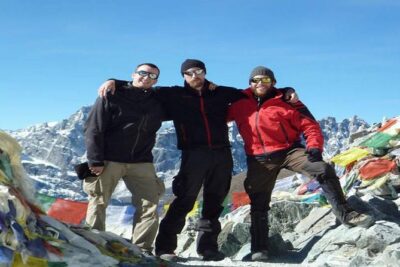
The hardest part comes at Thokla Pass, listed at 4,830 meters. The climb is short but steep, and it leads to a line of memorials for mountaineers who died during Everest expeditions. Prayer flags move in the wind around the stones, creating a solemn pause before you continue to Lobuche.
This is one of the most affecting sections of the route. It reminds you that the Everest region is not an adventure theme park. The mountain has a serious history, and the memorials give the high trail a quiet, respectful mood.
The day takes about six hours. The distance may not sound extreme, but the elevation makes it strenuous. You should expect the cold, wind, and thinner air to affect your pace.
Day 7: Gorak Shep and Everest Base Camp
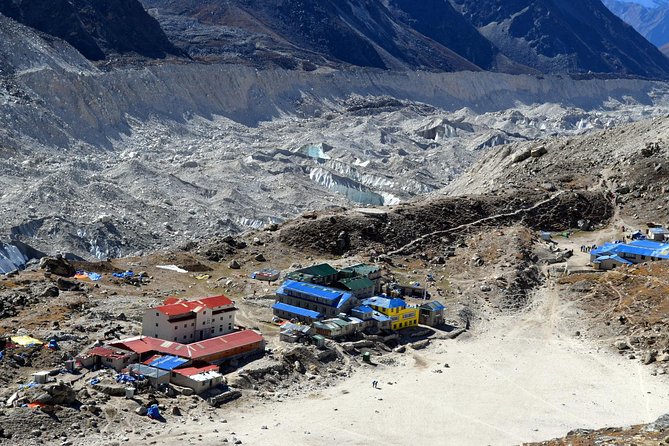
The six-hour walk from Lobuche to Gorak Shep brings you close to the Khumbu Glacier. You can see the glacier to the right of Gorak Shep, a huge tongue of ice descending from the upper mountain area.
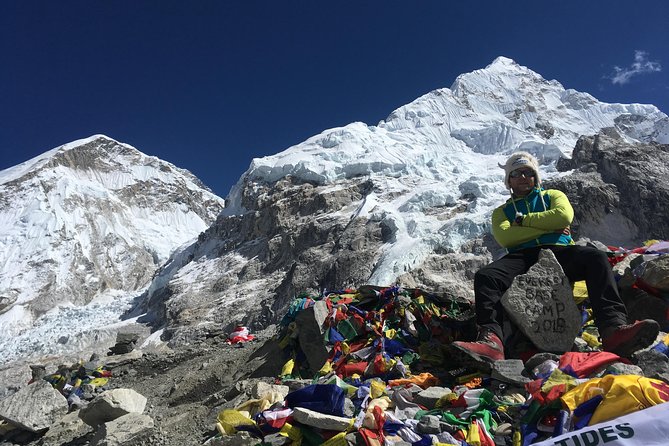
After lunch, you hike to Everest Base Camp. The schedule allows about 20 to 25 minutes at Base Camp because of the cold, windy conditions. That short stay is realistic for the altitude and weather, but it is also something to understand before booking.
Base Camp is not a warm, relaxed picnic stop. You reach it after several demanding days, and the air can be uncomfortable. The reward is the sense of arriving at the famous starting point for Everest expeditions, along with the surrounding ice, rock, prayer flags, and high peaks.
The trek does not list overnight accommodation at Base Camp itself. You return to Gorak Shep after the visit, where you eat and rest before the early morning climb to Kala Patthar.
Day 8: Kala Patthar and the flight back to Kathmandu
The final morning begins with a hike to Kala Patthar, followed by breakfast at Gorak Shep and the helicopter flight to Kathmandu. Kala Patthar reaches 5,545 meters and is marked by prayer flags.
The viewpoint is the visual high point of the trip. From here, you can look across a 360-degree panorama toward Pumori, Lobuche West, Nuptse, Lhotse, and Everest. The listed visit lasts about 40 minutes, which is enough for a focused viewpoint stop but not a long stay.
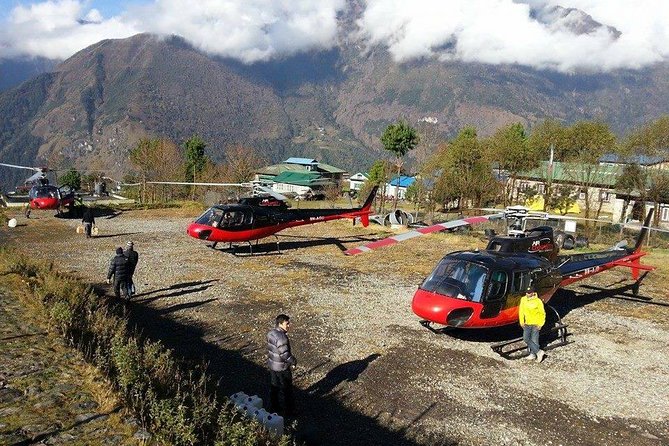
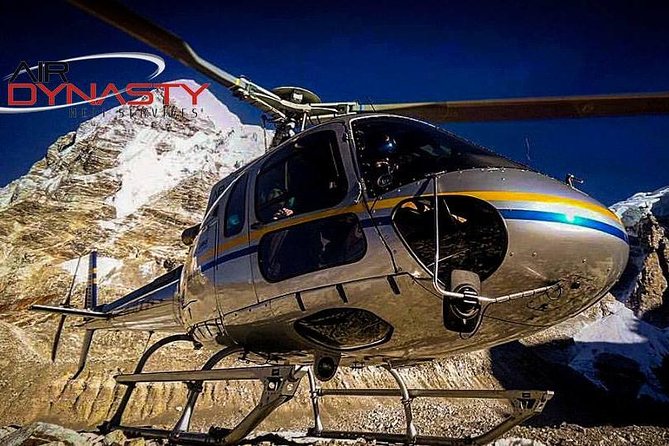
The helicopter flight is the practical payoff for the whole route. Instead of walking back through Lobuche, Dingboche, Tengboche, Namche, and Lukla, you fly from the high country to Kathmandu. The views from the air can add another perspective on the valleys and peaks, though the flight itself remains subject to weather.
The schedule is demanding. You hike to a very high viewpoint soon after reaching Base Camp, then fly out. If you are sensitive to altitude or feel unwell, the priority should be your health, not completing every listed stop.
What the $2,600 price includes
The package offers strong convenience for people who do not want to arrange each moving part separately. Included services are:
- Airport pickup and drop-off in an air-conditioned vehicle
- Kathmandu to Lukla domestic flight and departure taxes
- An English-speaking guide
- Trekking permits and required paperwork
- Breakfast, lunch, and dinner during the trek
- Tea-house accommodation on a twin-sharing basis
- One porter shared between two trekkers
- Sleeping bag and duffel bag for use during the trek
- Staff expenses, including food, accommodation, salary, equipment, and air tickets
- Helicopter return from Gorak Shep to Kathmandu
The twin-sharing tea-house arrangement keeps the trek practical, but it is not the same as booking private hotel rooms. Accommodation is described as the best available tea-house lodging, so you should expect a trekking setup rather than city-hotel comfort.
The porter is shared between two trekkers. That is common for this type of trip and helps reduce the load each person carries, but you still need to pack thoughtfully. Personal expenses remain yours, including drinks, laundry, phone calls, and water.
Who should book this Everest trek?
This trip suits you if you want the classic Everest Base Camp approach but have limited time for the return journey. It also works well if you prefer having transport, meals, permits, guides, lodging, and porter support organized in one booking.
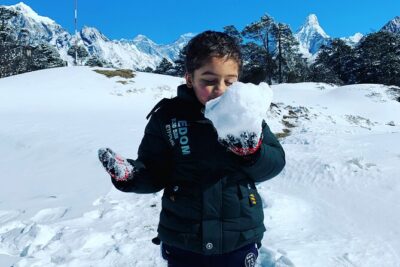
The private trekking format can suit a family or small group that wants to walk together without joining a large trekking party. One earlier arrangement handled a five-day Everest trek for a parent and son with airport transfers, hotel arrangements, helicopter flights, accommodation, and porter support. That shows the operator can adapt plans, but this particular program is advertised as approximately eight days, so ask before assuming the schedule can be shortened.
You should think twice if you dislike early starts, shared rooms, basic tea-house facilities, or high-altitude walking. The itinerary includes several six to seven-hour trekking days and reaches 5,545 meters. Moderate fitness is required, and the altitude is the serious part.
The experience also suits people who value the route itself, not only the Base Camp photo. Namche, Tengboche, Mani walls, Thokla Pass memorials, and the Khumbu Glacier give the trek depth. If you only want a quick mountain flight and a short stop at Base Camp, a different helicopter experience may be more suitable.
Booking details worth knowing
Pickup is offered, and the listed start time is 6:15 a.m. Confirmation is normally provided at booking, but bookings made within 12 hours of departure are confirmed as soon as possible, subject to availability.
The operator identifies this as a private activity for your group, while the helicopter return is shared. Minimum numbers apply, so the tour can be canceled after confirmation if there are not enough participants. In that case, you are offered an alternative or a full refund.
You can cancel up to 24 hours before the start time for a full refund. Changes made within 24 hours are not accepted, and cancellations inside that period are not refunded. Poor weather can also cancel the experience, with a different date or full refund offered.
Should you book it?
I would recommend this trek to a fit, time-conscious hiker who wants the full Lukla to Everest Base Camp route without walking all the way back. The combination of private trekking support and a helicopter return gives you more mountain time and less repetitive descent.
The price makes sense if you would otherwise need to arrange permits, flights, guides, meals, tea-house rooms, gear, porter support, and a return journey yourself. Before booking, confirm the exact helicopter arrangements, weather backup, and how your group will handle altitude concerns.
Book it if you want a serious but organized Everest experience and accept basic lodging, long walking days, cold conditions, and a high price. Skip it if you need a relaxed schedule or guaranteed flight timing. In the right conditions, this is a smart way to reach Base Camp, experience the Khumbu trail, and leave the high country by air.
FAQ
How long does the Everest Base Camp trek with helicopter return take?
The experience lasts approximately eight days, beginning with the flight from Kathmandu to Lukla and ending with the helicopter flight from Gorak Shep to Kathmandu.
Where does the trek begin?
The trek begins in Lukla after the domestic flight from Kathmandu. From Lukla, you walk toward Phakding and continue through Namche Bazaar, Tengboche, Dingboche, Lobuche, and Gorak Shep.
Is the helicopter return private?
The trekking activity is private for your group, but the helicopter return is described as shared. Confirm the exact flight arrangement with Master Himalaya before booking.
Is food included?
Yes. Breakfast, lunch, and dinner are included during the trek. The package includes eight breakfasts, eight lunches, and seven dinners.
Is accommodation included?
Yes. Tea-house accommodation on a twin-sharing basis is included during the trek. Accommodation and meals in Kathmandu are not included.
What equipment is provided?
A sleeping bag and duffel bag are provided for use during the trek. The package also includes a porter shared between two trekkers.
How fit do I need to be?
You should have a moderate level of physical fitness. The itinerary includes walking days of about six to seven hours and reaches Kala Patthar at 5,545 meters.
What happens if bad weather cancels the trip?
If poor weather causes cancellation, you are offered a different date or a full refund. The helicopter flight and other mountain transport depend on suitable conditions.
Just added around Kathmandu
- Everest Base Camp Trek★ 5.0 · 3 reviews
- Everest Base Camp Trek★ 5.0 · 7 reviews
- 15 Days Private Everest Base Camp Trek★ 5.0 · 30 reviews
- Everest Base Camp Trek★ 5.0 · 57 reviews
- 14 Days of Adventure Trekking to Everest Base Camp★ 5.0 · 2 reviews
- 14-Day Everest Base Camp Trek★ 5.0 · 20 reviews
- 14 Days Everest Base Camp Trek★ 5.0 · 4 reviews
- From Kathmandu: Private 14-Day Everest Base Camp Trek★ 5.0 · 20 reviews
Everest Base Camp Treks, compared.
Everest Base Camp Helicopter Tour landing at Everest View Hotel
Read our review →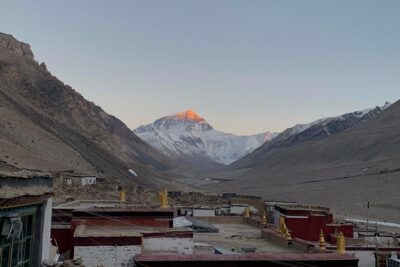
Tibet Tour 8 Days Lhasa to Everest Base Camp Small Group Tour
Read our review →
Dubai: Private Luxury Everest Yacht Cruise from Dubai Marina
Read our review →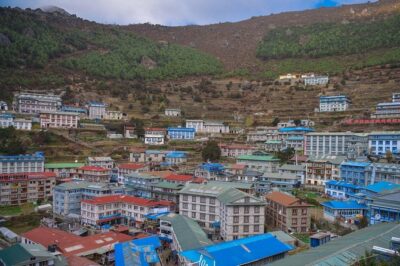
Browse the lists this trek appears in