
Review · KATHMANDU
12 Days Everest Base Camp Trek
The real prize here is not just reaching Everest Base Camp. It is the gradual climb from Lukla through Sherpa villages, suspension bridges, rhododendron woods, and the high valleys of Sagarmatha National Park. I like the sensible acclimatization stops in Namche and Dingboche, and I like that meals, permits, flights, a guide, and porter support are included. The Dudhkoshi River also gives the first few days a lovely sense of movement.
The main caution is the altitude. Base Camp sits at 5,364 meters, and Kala Patthar reaches 5,545 meters. This is described as suitable for beginners and seniors with moderate fitness, but it is still a demanding high-altitude trek, not a gentle holiday walk. Weather can also affect the short Lukla flights, so you need patience and a flexible attitude.
Key points to know before booking
- Kala Patthar is the visual high point: The early morning climb brings the best stated view of Mount Everest, though the path is steep and rocky.
- Two acclimatization periods help: You spend a rest day near Namche and another in Dingboche, with short hikes rather than complete inactivity.
- The price covers major trek costs: At $605 per person, the package includes Kathmandu to Lukla flights, three daily meals, lodge rooms, permits, a licensed guide, and a porter shared between two trekkers.
- The group can reach 20 people: That keeps the cost down, but the pace and personal attention may vary more than on a private trek.
- Guiding is a strong part of the package: Guides associated with this company include Rajesh Magar, Narayan Ntc, Gopal, and Bikram, with different departures assigned different staff.
- The return is quick but tiring: You descend from Kala Patthar, walk back through Namche to Lukla, then fly to Kathmandu on the final day.
Why this 12-day route works
A classic Everest Base Camp trek needs time. You cannot simply walk uphill for several days and expect your body to cooperate at 5,000 meters. This itinerary builds in two key pauses, one in Namche Bazaar and one in Dingboche, allowing you to climb higher, rest, and make short acclimatization hikes.
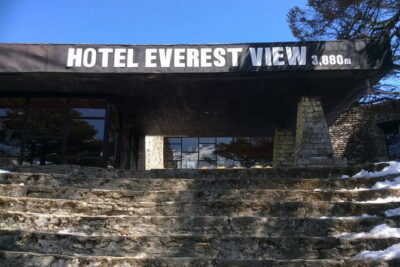
That structure is the best reason to consider this package. Day 3 is spent around Namche, including a hike to the Everest View Hotel. Day 6 gives you a short climb to Nagarjuna above Dingboche. These are not wasted days. They help your body adjust while still giving you mountain views and something to do.
The schedule is brisk in places. Day 2 takes about seven hours from Phakding to Namche. Day 9, including Kala Patthar and the start of the descent, is listed at about eight hours. You need to be comfortable walking for several hours on uneven, rocky trails.
The group limit is 20 people. That is a reasonable maximum for a shared trek, though it is larger than the small groups some trekkers prefer. A guide and one porter for every two trekkers are included, and walkie-talkies are available for group departures.
More Everest Base Camp Treks in Kathmandu:
- Everest Base Camp Trek – 14 Days
★ 5.0 · 1,499 reviews - Everest Base Camp Trek
★ 5.0 · 842 reviews - Everest Base Camp Helicopter Tour landing at Everest View Hotel
★ 5.0 · 668 reviews
Lukla to Phakding: the first taste of the trail
Your trek begins with a roughly 45-minute flight from Kathmandu to Tenzing-Hillary Airport in Lukla. The flight is part of the adventure, not just transport. From the air, you get an early look at the hills and valleys ahead.
After arriving in Lukla, you walk for about an hour before continuing toward Phakding. The route descends at first, then follows the Dudhkoshi River through small settlements. The river is often called the Milk River because of its pale, fast-moving water.
This first day is relatively short, which is useful after an early flight. You get your first look at local mountain life without being asked to cover a huge distance immediately. The trail also gives you a gentle introduction to the rhythm of the trek: walk, pause, cross a bridge, pass through a village, and keep moving beside the river.
Lodge accommodation is included on a twin-sharing basis, using the best available room at each stop. That wording matters. Mountain lodges are practical rather than polished, and availability can affect exactly where you sleep.
The long climb to Namche Bazaar
Day 2 is one of the first serious tests. From Phakding, you follow the Dudhkoshi, crossing several high steel suspension bridges and moving between both sides of the river. The walk takes about seven hours and finishes at Namche Bazaar.
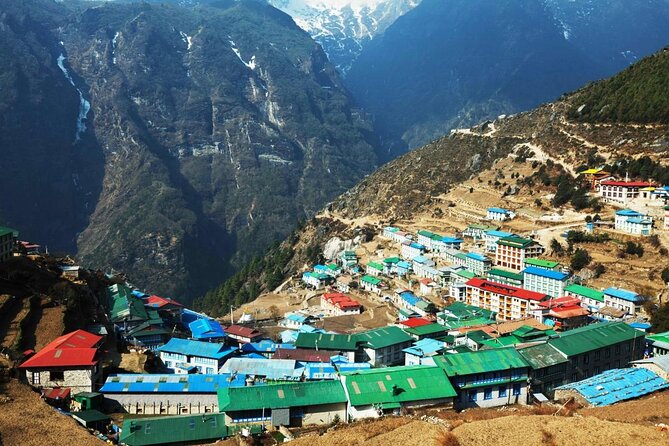
Namche is one of the most memorable settlements on the route. It is the main trading center for the Khumbu region, with a much stronger sense of activity than the smaller villages below. The climb into town is steady and can feel demanding, especially if this is your first high-altitude trek.
I would not rush this day. The point is not to arrive first. It is to reach Namche with enough energy to eat, drink, and rest. Your guide can help set the pace, and the porter arrangement means you do not need to carry the full weight of your main luggage.
The package includes breakfast, lunch, and dinner during the trek, along with 11 breakfasts, 11 lunches, and 11 dinners. Snacks, drinks, and personal purchases are not included, so keep money available for those extras.
Namche and the Everest View Hotel
The itinerary gives you a full day for acclimatization in Namche. After breakfast, you hike toward the Everest View Hotel by way of the Syangboche airstrip. The hike takes about two hours and includes an admission ticket.
The value here is simple: you climb higher during the day, then sleep back at Namche. That pattern helps prepare you for the greater elevations ahead. It also gives you a better chance to enjoy the views without carrying a pack on a long transfer day.
The Everest View Hotel stop is a natural place for tea and mountain scenery. You should still treat this as an acclimatization walk, not just a sightseeing outing. Go slowly and pay attention to how you feel.
Several guides connected with the company have been praised for their care and flexibility. Gopal, for example, has led high-altitude routes in Sagarmatha National Park and is known for explaining distant peaks and adjusting acclimatization plans. Bikram has also been noted for adapting the pace for a fast walker. Your own guide may be different, but this is the kind of support that matters more than a polished brochure at altitude.
A few more treks around Kathmandu worth a look
- Everest Base Camp Trekking
★ 5.0 · 485 reviews - Annapurna Circuit Trek with Tilicho Lake
★ 5.0 · 368 reviews - Everest Base Camp Trekking – 13 Day
★ 5.0 · 365 reviews - Everest Base Camp Trek
★ 5.0 · 350 reviews
Tengboche and the climb toward Dingboche
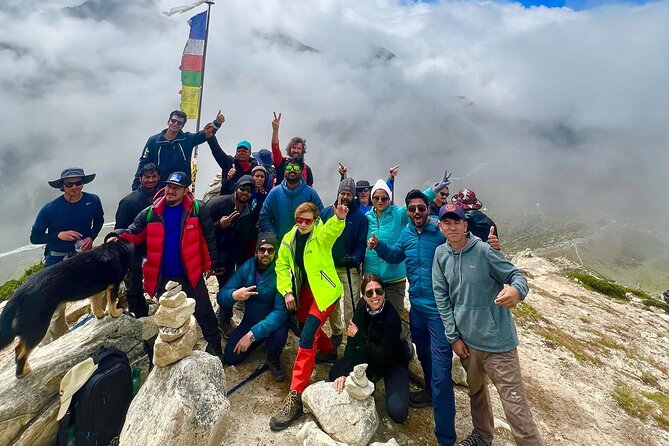
From Namche, the trail heads toward Tyangboche, also commonly written as Tengboche. The day begins with a steep climb, then settles into a more moderate walk of about five hours.
Tengboche is known for its monastery and its broad mountain views. The itinerary encourages an early start for sunrise from the monastery. That means an early morning, but it is one of the more worthwhile moments on the route. After breakfast, you descend through rhododendron forest toward Deboche at about 3,320 meters.
The next day takes you onward to Dingboche in about six hours. The route changes as you gain height. The forest becomes less dominant, the valley opens, and the air feels thinner. You will notice that the walking pace naturally slows.
Dingboche sits above 4,400 meters and is an important staging point before the highest part of the trek. The included lodge stays and meals are especially useful here because the next day is set aside for acclimatization.
A short hike above Dingboche
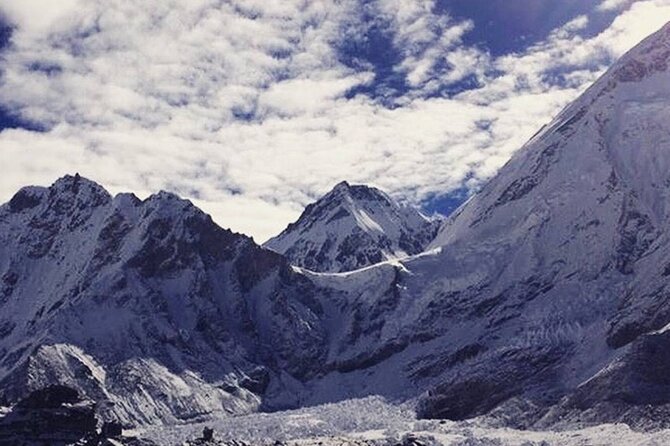
Day 6 is not a day for sleeping until noon. You take a leisurely walk to a nearby hill called Nagarjuna, gaining height before returning to Dingboche. The hike lasts about three hours.
This is another smart feature of the plan. You make a controlled climb, see the surrounding peaks, and return to the same lodge rather than moving higher for the night. That gives your body time to adjust before Lobuche, Gorakshep, and Base Camp.
Altitude affects people differently. Feeling fine at Namche does not guarantee that you will feel fine near 5,000 meters. The tour includes a first aid kit and an oximeter for checking pulse, oxygen saturation, and heart rate. Those tools do not replace medical judgment, but they give the guide useful information when someone is struggling.
You should still bring personal travel insurance that covers trekking and high-altitude evacuation. It is specifically excluded from the package.
Lobuche and the approach to Base Camp
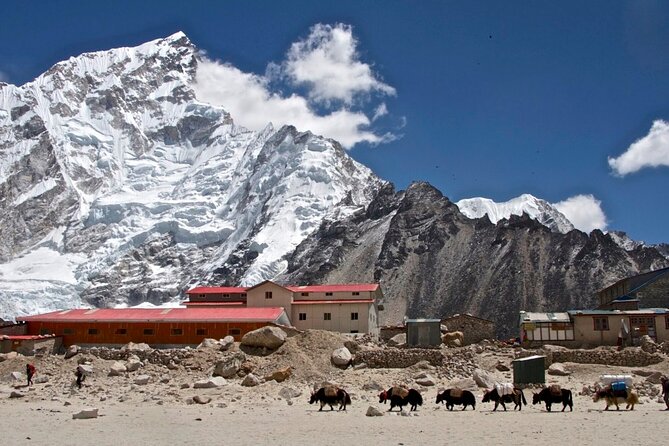
After Dingboche, you walk toward Lobuche in about six hours. The trail enters a broad high valley beneath the Cholatse and Tawache peaks. The scenery becomes more severe and open, with less vegetation and more exposed rock.
Lobuche is an important psychological point. You are now close to the goal, but the altitude makes even a modest distance feel serious. Save energy. The next day is not a simple stroll to a sign and back.
From Lobuche, you walk for about three hours to Gorakshep. The route follows rocky ground beside the Khumbu Glacier and passes the International Pyramid Laboratory. Gorakshep is the final base for the Base Camp visit and the Kala Patthar climb.
The path to Everest Base Camp takes another four hours, with rocky, downhill, and uphill sections beside the glacier. Base Camp itself sits at 5,364 meters. It is a major achievement, but do not expect a permanent camp full of climbing activity at every time of year. The importance comes from standing at the starting point used by expeditions heading toward the summit.
The trail can feel rough and slow. At this altitude, the glacier moraine is not a place for rushing or careless footing. Keep your expectations realistic, follow the guide, and allow time for photographs and a quiet moment at the destination.
Kala Patthar at sunrise
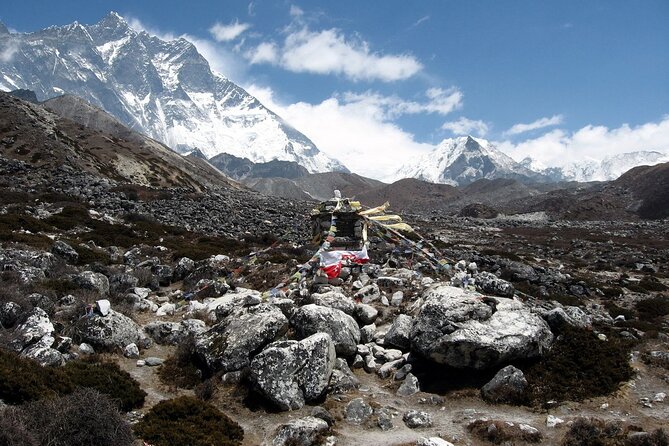
The next morning begins very early for the climb to Kala Patthar. The route is steep and rocky, and the total day is listed at about eight hours. This is the highest point of the trek, at 5,545 meters.
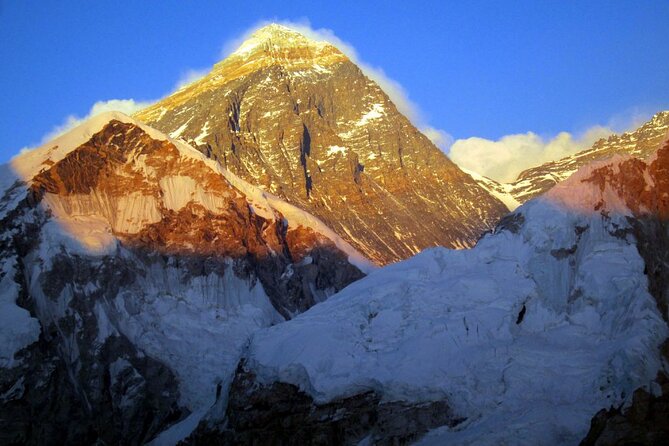
For many people, Kala Patthar provides a better Everest view than Base Camp. From the viewpoint, you can look across the surrounding peaks and watch the early light touch Mount Everest. The sunrise timing means an uncomfortable start, but the reward is the clearest mountain atmosphere described in this itinerary.
You need to be honest about your condition. Base Camp the previous day, a night at high elevation, and a steep early climb can make this the hardest part of the trip. The guide should help decide how quickly to go and whether you should continue, but the final decision must respect your health.
After Kala Patthar, you begin the long descent. The lower altitude helps, but the distance still takes effort.
The return through Namche and Lukla
Day 10 takes you back to Namche Bazaar in about six hours. The route follows the same general trail, but the direction changes how it feels. The descent is easier on your lungs, though it can be demanding on knees and ankles.
From Namche, Day 11 continues down through forest, villages, bridges, and streams before returning to Lukla. The walk takes about seven hours and passes back through Monjo and Phakding.
This return is not just a formality. It is your final chance to enjoy the lower valleys, greener vegetation, and familiar river crossings before the flight. After several days in the high country, the warmer air and denser plant life can feel like a real change.
The last day brings the flight from Lukla to Kathmandu, listed at about 35 minutes, followed by a drive to your hotel. The remaining time is free. You can use it to rest, but the schedule also allows time for your own plans in Kathmandu.
What the $605 price really covers
At $605 per person, the package offers solid value if you want an organized, shared trek rather than arranging each part yourself. The major costs are covered: domestic flights, airport pickup and drop-off, lodge accommodation, all three daily meals during the trek, a government-licensed high-altitude guide, porter support, Sagarmatha National Park entry, and the TIMS card fee.
You also receive a trekking map, hat, duffel bag, trekking pole, trip certificate, staff accident insurance, and access to basic health monitoring equipment. Local government tax is included as well.
The price does not cover personal travel insurance, snacks, drinks, personal gear, tips, or anything outside the listed inclusions. Those costs can add up, especially for a 12-day trip, so compare packages by what they include rather than looking only at the headline price.
One porter is provided for every two trekkers. Pack carefully and keep valuable or essential items with you. Tips are not included, and you should plan for gratuities for the guide, porter, and other support staff.
Who should book this trek?
This route suits you if you want the classic Everest Base Camp path with organized support and built-in acclimatization days. It can work for a first Himalayan trek, provided you have moderate fitness, prepare properly, and understand that high altitude brings real risk.
It may also suit older trekkers who are fit and comfortable walking for several hours. Age alone is not the deciding factor. Your ability to handle long, uneven days and adjust to altitude matters more.
The tour is less suitable if you want private guiding, a very slow pace, luxury lodging, or complete control over daily timings. A group of up to 20 can be good for company and cost, but it may not offer the same flexibility as a private departure.
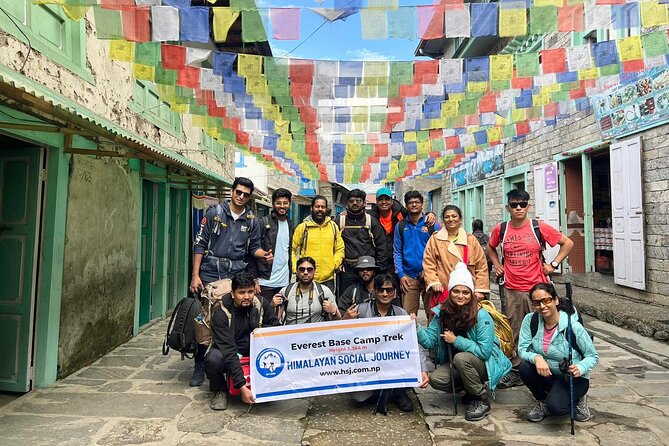
The company’s guides have been praised for kindness, responsibility, route knowledge, and adapting plans when someone struggles. That matters. One earlier group changed from seven people to a solo departure, showing that group size can shift. Ask for the expected group size and guide name before you pay.
Cancellation is free up to 24 hours before the local start time for a full refund. Inside 24 hours, the amount paid is not refunded, and late changes are not accepted.
Should you book it?
Book this trek if you want the main Everest Base Camp sights, a clear 12-day structure, included Lukla flights, and the reassurance of a licensed guide and porter. The strongest features are the two acclimatization days, the sunrise attempt at Kala Patthar, and the number of practical costs already covered in the $605 price.
Think twice if you are looking for an easy walk or if you dislike fixed group schedules. The distance, altitude, rocky trail, and early starts demand preparation. For a first trip to the Khumbu region, though, this is a well-organized way to reach Base Camp without having to arrange every permit, flight, lodge, meal, and support detail yourself.
FAQ
How long is the Everest Base Camp Trek?
The trek lasts approximately 12 days, including flights between Kathmandu and Lukla, the walk to Everest Base Camp and Kala Patthar, the return to Lukla, and the flight back to Kathmandu.
Where does the trek begin?
The walking route begins in Lukla after a roughly 45-minute domestic flight from Kathmandu to Tenzing-Hillary Airport.
How high is Everest Base Camp?
Everest Base Camp is listed at 5,364 meters above sea level.
How high is Kala Patthar?
Kala Patthar reaches 5,545 meters and is visited early in the morning for sunrise views of Mount Everest.
Are meals included?
Yes. Breakfast, lunch, and dinner are included during the trek, with 11 breakfasts, 11 lunches, and 11 dinners listed in the package.
Is accommodation included?
Yes. The package includes the best available twin-sharing lodge accommodation during the trek.
Is a guide included?
Yes. One government-licensed, high-altitude-trained guide is included. The company has used guides including Rajesh Magar, Narayan Ntc, Gopal, and Bikram on different departures.
Is a porter included?
Yes. One porter is included for every two trekkers.
What is not included in the price?
Personal travel insurance, snacks, drinks, personal trekking gear, tips, and anything not specifically listed in the inclusions are not covered.
What happens if I cancel?
You receive a full refund if you cancel at least 24 hours before the local start time. Cancellations or changes made within 24 hours are not accepted for a refund.
Just added around Kathmandu
- Everest Base Camp Trek★ 5.0 · 3 reviews
- Everest Base Camp Trek★ 5.0 · 7 reviews
- 15 Days Private Everest Base Camp Trek★ 5.0 · 30 reviews
- Everest Base Camp Trek★ 5.0 · 57 reviews
- 14 Days of Adventure Trekking to Everest Base Camp★ 5.0 · 2 reviews
- 14-Day Everest Base Camp Trek★ 5.0 · 20 reviews
- From Kathmandu: Private 14-Day Everest Base Camp Trek★ 5.0 · 20 reviews
- 14 Days Everest Base Camp Trek★ 5.0 · 4 reviews
Everest Base Camp Treks, compared.
Everest Base Camp Helicopter Tour landing at Everest View Hotel
Read our review →
Tibet Tour 8 Days Lhasa to Everest Base Camp Small Group Tour
Read our review →
Dubai: Private Luxury Everest Yacht Cruise from Dubai Marina
Read our review →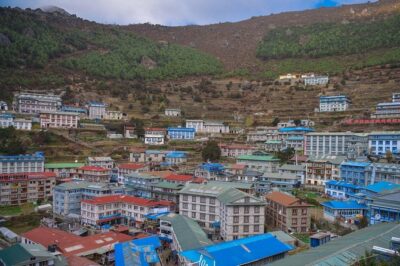
Browse the lists this trek appears in