
Review · KATHMANDU
Everest Base Camp Trek – 15 Days
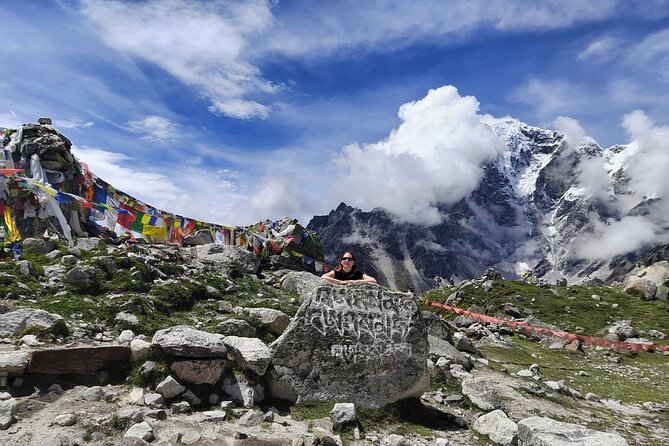
The real prize here is not simply reaching Everest Base Camp. It is the gradual approach through Sherpa villages, suspension bridges, rhododendron forests, Buddhist monasteries, and high mountain valleys. By the time you reach the Khumbu Glacier, you have earned the view one steady day at a time.
I like the careful acclimatization built into the route, with rest days at Namche Bazaar and Dingboche. I also like the practical package: domestic flights, permits, tea-house lodging, meals, a licensed guide, and one porter for every two clients are included in the $1,600 price.
The main drawback is the altitude and the long walking days. Everest Base Camp sits at 5,364 meters, or 17,598 feet, and Kala Patthar reaches 5,545 meters. The itinerary calls this trek manageable, but you still need strong fitness, patience, and travel insurance covering high-altitude rescue and evacuation.
Key points before you book
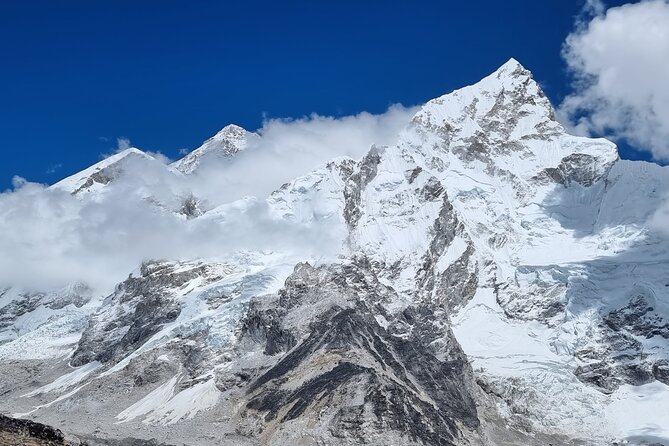
- The highest point is Kala Patthar at 5,545 meters, reached before sunrise for views of Everest, Pumori, Nuptse, Lhotse, Ama Dablam, and other Himalayan peaks.
- Two acclimatization days are built in, one at Namche Bazaar and one at Dingboche, which gives your body time to adjust before the highest walking days.
- The trek uses tea houses and lodges, mostly in twin-share rooms, with occasional dormitory-style accommodation.
- Domestic flights are included, taking you from Kathmandu to Lukla and back, along with airport departure tax.
- The group limit is 15 people, a useful size for keeping the guide’s attention without making the trip feel entirely private.
- The guide and porter system is practical, with one government-licensed English-speaking guide and one porter for every two clients.
What the $1,600 price really covers
At $1,600 per person, this is a solid package for a 15-day Everest Base Camp trip because several costly pieces are already included. You receive three nights in a three-star Kathmandu hotel, guesthouse lodging during the trek, the Kathmandu to Lukla flights, permits, staff costs, meals on the trekking days, and airport transfers.
The included staff arrangements matter more than they may first appear. The guide is first-aid trained and government licensed, while staff insurance, equipment, medicine, wages, and official charges are included. A porter for every two people also keeps you from carrying your full pack over the high passes and long climbs.
You still need to budget for international flights, a Nepal visa, travel insurance, personal trekking gear, drinks, lunches and dinners in Kathmandu, and tips. Tipping is expected, so do not treat it as an optional surprise at the end. Alcoholic drinks, hot drinks, and cold drinks are also outside the package.
The value is strongest if you want an organized trek rather than a trip assembled piece by piece. If you already have flights, gear, and an independent guide, you may find a cheaper route by arranging everything yourself. For a first visit to the Everest region, however, the included flights, permits, guide, and porter reduce a fair amount of planning work.
More Everest Base Camp Treks in Kathmandu:
- Everest Base Camp Trek – 14 Days
★ 5.0 · 1,499 reviews - Everest Base Camp Trek
★ 5.0 · 842 reviews - Everest Base Camp Helicopter Tour landing at Everest View Hotel
★ 5.0 · 668 reviews
Kathmandu arrival and the first night
Day 1 is deliberately simple. A representative meets you at Tribhuvan International Airport and takes you to a three-star hotel in Kathmandu, listed as either Thamel Eco Resort or The Address Kathmandu Hotel.
This first night is useful for more than sleeping. You can sort your gear, meet the guide, and prepare for the early start. The meeting time is 6:15 am, so do not plan a late evening of sightseeing after landing.
Kathmandu returns on Days 13 through 15. After flying back from Lukla, you have time for shopping and a farewell dinner at Bhojan Ghar, a traditional Nepali restaurant. The final full day can be used for rest or self-guided sightseeing at places such as Swayambhunath, Patan Durbar Square, Boudhanath, and Pashupatinath.
The Lukla flight and short walk to Phakding
The mountain portion begins with a morning flight from Kathmandu to Lukla, at 2,886 meters. The flight is included, and the listed flight time is about one hour, although the actual mountain schedule can be affected by conditions.
From Lukla, you walk to Phakding at 2,640 meters. This first trek takes about three hours and follows the Dudh Koshi River along a gentle climb. It is a sensible opening stage because you start walking at moderate altitude instead of going straight into a hard uphill day.
The tea-house overnight is part of the experience. Accommodation is functional, not polished. Expect a lodge-based trek with basic rooms and occasional dormitory-style sleeping arrangements. That is the trade-off for staying close to the trail and keeping the route practical.
Namche Bazaar and the first acclimatization day
Day 3 is longer, with about six hours of walking to Namche Bazaar at 3,440 meters. The trail crosses streams, passes through Monjo, and enters Sagarmatha National Park. You follow the Dudh Koshi and Bhote Koshi valleys before the route climbs toward the market town.
Namche is one of the most important stops on the trek. It is a Sherpa settlement and a natural place to rest before the higher valleys. Day 4 is set aside for acclimatization, with a walk toward Khumjung Monastery and a visit to the museum above town.
That rest day is not wasted time. You gain height during the day, see the Sherpa community around Khumjung, and return to sleep at Namche. The planned views include Everest, Ama Dablam, Thamserku, Nuptse, Lhotse, Tawache, and Kwangde.
I especially like this part of the schedule because it gives you a proper pause before the route becomes more demanding. The trek is not just a march toward Base Camp. The villages and local culture are part of its appeal.
A few more treks around Kathmandu worth a look
- Everest Base Camp Trekking
★ 5.0 · 485 reviews - Annapurna Circuit Trek with Tilicho Lake
★ 5.0 · 368 reviews - Everest Base Camp Trekking – 13 Day
★ 5.0 · 365 reviews - Everest Base Camp Trek
★ 5.0 · 350 reviews
Tengboche Monastery and the trail to Dingboche
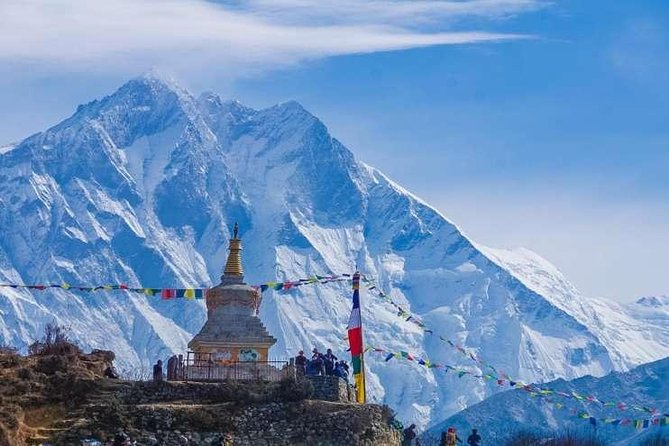
From Namche, the trek continues toward Tengboche, also written as Tyangboche, at 3,867 meters. The walking time is about five hours. The route passes above the Dudh Koshi and gives repeated views of Ama Dablam, Everest, Lhotse, Nuptse, and Tawoche.
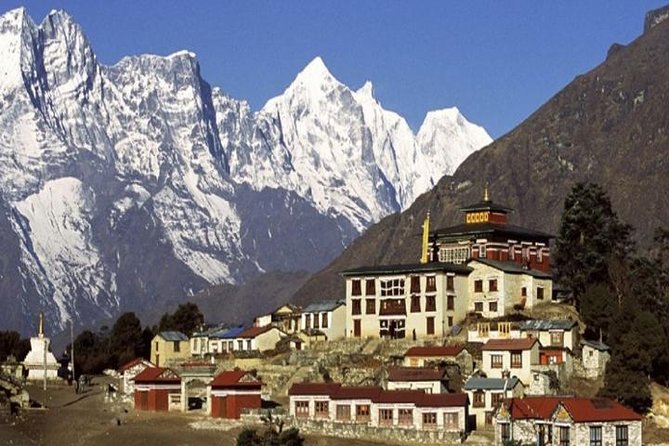
Tengboche Monastery is one of the spiritual highlights of the journey. The location also provides good sunrise and sunset views of Everest and Ama Dablam. This is the sort of stop that gives the trek more character than a simple high-altitude walking challenge.
Day 6 takes you from Tengboche to Dingboche at 4,260 meters. You descend through rhododendron forest toward Deboche, cross the Imja Khola by suspension bridge, and enter the Imja Valley beneath Ama Dablam, Nuptse, and Lhotse.
The walking time is about five hours, but altitude makes the day feel harder than the clock suggests. Take it slowly. The guide’s job here is not to push you to walk fast, but to help you reach the next lodge in good condition.
Dingboche gives your body time to adjust
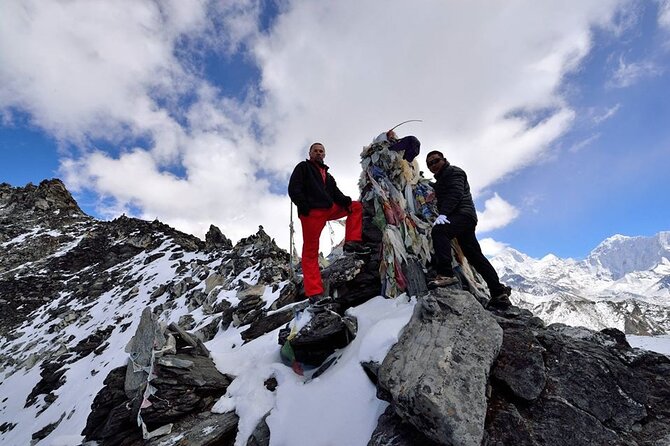
Day 7 is another acclimatization day. The plan includes walking around Dingboche and possibly hiking toward Chhukung before returning to the village.
The views from this side trip include Island Peak, Ama Dablam, Makalu, and Tawoche. You gain a little extra height, then sleep again at Dingboche. This follows the useful high-altitude rule of climbing higher during the day and returning to a lower sleeping point when possible.
The route is not designed as a race. If you feel tired, the rest day can be just as valuable without making the optional walk the main event. Good acclimatization is one of the strongest features of this itinerary, but it cannot remove the risk of altitude illness. That is why insurance with emergency evacuation cover is essential.
Lobuche, Gorakshep, and Everest Base Camp
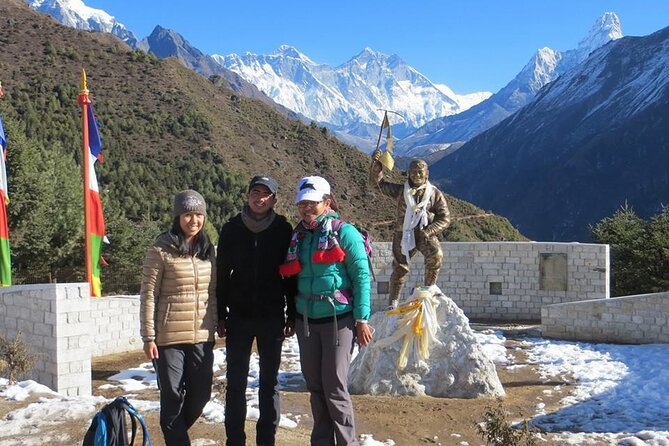
Day 8 leads from Dingboche to Lobuche at 4,910 meters, with around five hours of walking. The trail passes near Pheriche and continues toward Dugla, where lunch is planned at 4,595 meters.
The scenery becomes more severe here, with views of Tawoche, Ama Dablam, Pokalde, Kongma Tse, and the great wall of Nuptse. You are now entering the high section where cold, wind, thin air, and a rocky trail become more important than scenery alone.
Day 9 is the big push to Everest Base Camp and back to Gorakshep. The full day is listed at about eight hours. You walk through rocky ground beside the Khumbu Glacier, with Nuptse, Lho La, and Khumbutse close by.
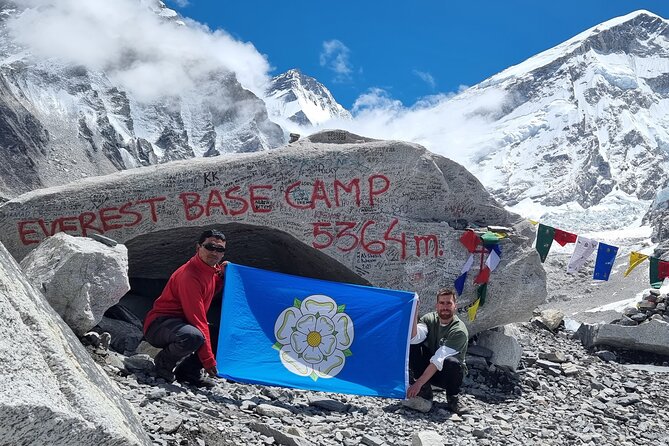
Base Camp itself is at 5,364 meters. It is a major achievement, but it is worth understanding what you are seeing. This is the staging area for climbers attempting Everest, not a summit viewpoint with a single perfect panorama. The route to Base Camp is rewarding because of the glacier, the surrounding peaks, and the effort required to reach it.
Gorakshep at 5,140 meters is a basic overnight stop. By this stage, even simple tasks can feel slow. Keep your expectations realistic and follow the guide’s advice about pace and rest.
Kala Patthar at sunrise
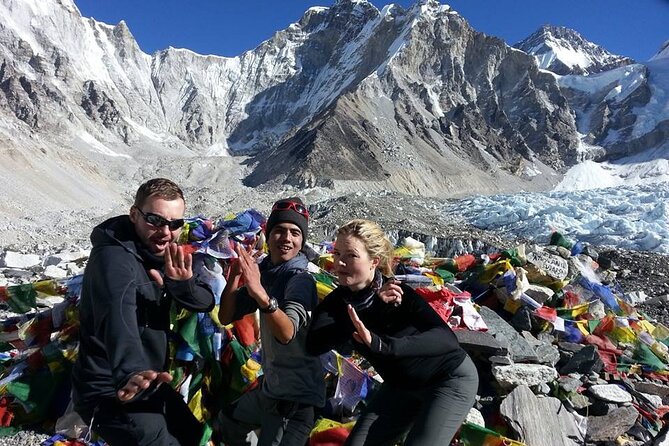
Day 10 begins early with the climb to Kala Patthar at 5,545 meters. This is the highest point on the route and, for many people, the best viewpoint of the entire trek.
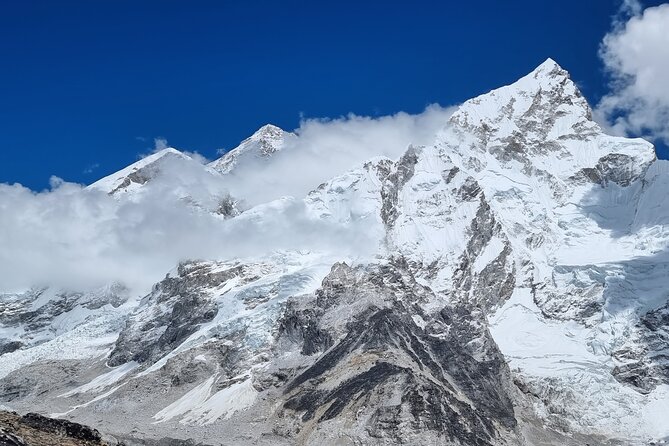
From the summit area, you can see Everest, Pumori, Lingtren, Khumbutse, Nuptse, Lhotse, Ama Dablam, and Thamserku. The sunrise timing adds to the experience, but it also means a cold and demanding start after sleeping at high altitude.
After Kala Patthar, you descend to Pheriche at 4,243 meters. The full day is listed at about seven hours. Pheriche is also home to a Himalayan Rescue Association aid post staffed by foreign volunteer doctors, which provides an important safety resource in this remote section.
The descent should feel welcome, but do not assume it is easy. Descending on tired legs after an early high-altitude climb still requires care, especially on rocky ground.
Returning through Namche and Lukla
The return route is quicker in places but still physically demanding. The schedule takes you back toward Namche Bazaar, with time around Tengboche, Khumjung, and Khunde. A visit to a monastery with a claimed Yeti scalp adds a light, unusual moment to the cultural side of the trek.
The listed plan describes about seven hours of walking on the return to Namche and another seven-hour day to Lukla. The exact sequence in the schedule has a small wording inconsistency around the Tengboche and Pheriche sections, so confirm the final day-by-day route with the operator before departure.
The last trekking day ends in Lukla, where you stay in a tea-house lodge. This is a good moment to appreciate the change from the high valleys back toward the lower trail towns. It is also wise to keep some flexibility in your plans after Lukla, since the return flight is an important part of the schedule.
Day 13 includes the early flight to Kathmandu, airport transfer, free time for shopping, and a farewell dinner. The final day is reserved for rest, shopping, or self-guided sightseeing before a private car takes you to the airport.
Guides, group size, and the human side of the trip
The group limit is 15 people, large enough to keep the price reasonable but small enough for the guide to manage the walking pace and check on people during the higher sections. You receive one licensed English-speaking guide and one porter for every two clients.
Specific guides named in the supplied material include Padam, Pralad Simkhada, and Hari Khadka. The guide assigned to your departure may be different, so treat those names as examples rather than a promise. Still, the praise for attentive planning, good humor, communication, and choosing suitable tea rooms points to the kind of support you should expect from a well-run departure.
This matters most on the long days. A guide who watches pace, helps with lodge choices, and handles arrangements can make the difference between a hard but rewarding trek and a badly managed one.
The local contact also appears to provide support when weather affects plans. That is especially important around Lukla, where the flight is a key link in the itinerary. You should still build patience into your schedule and avoid connecting the trek directly to an important international flight.
Who should book this trek?
I would recommend it to someone who wants a classic Everest Base Camp route with organized logistics, tea-house lodging, a guide, porter support, and planned acclimatization. It suits people who can handle several hours of walking per day and who are comfortable with basic accommodation.
You should think twice if you dislike early starts, shared or simple lodging, long uphill sections, or uncertain mountain transport. The highest days are not technical mountaineering, but the altitude is serious and the physical effort is real.
The six published ratings are all shown as five-star scores, and the strongest praise centers on the guides, organization, transportation, and sense of achievement. That is encouraging, but the route itself remains demanding regardless of how good the service is.
Should you book the Everest Base Camp Trek?
Book this trek if you want the classic Everest region in a structured 15-day plan and value having flights, permits, meals, lodging, a guide, and a porter arranged together. The $1,600 cost is reasonable for that level of support.
Before paying, confirm the assigned guide, the exact return-day sequence, flight arrangements, room-sharing expectations, and what happens if weather delays the Lukla flights. Buy high-altitude evacuation insurance, prepare for basic tea houses, and train for long walking days.
If you are fit, flexible, and willing to move slowly at altitude, this itinerary gives you the major stops: Namche, Tengboche, Dingboche, Everest Base Camp, and Kala Patthar. If you want comfort, private rooms, or a relaxed schedule, choose a different style of Nepal trip.
FAQ
How long is the Everest Base Camp Trek?
The experience lasts approximately 15 days, including arrival and departure days in Kathmandu, the trek, domestic flights, and two acclimatization days.
What is the highest point on the route?
Kala Patthar is the highest point at 5,545 meters. Everest Base Camp is at 5,364 meters, or 17,598 feet.
Are flights between Kathmandu and Lukla included?
Yes. The Kathmandu to Lukla and Lukla to Kathmandu flights are included, along with airport departure tax.
What type of accommodation is provided?
You receive three nights in a three-star twin-share hotel in Kathmandu. During the trek, accommodation is in guesthouses, mostly in twin-share rooms and occasionally in dormitory-style rooms.
Are meals included?
Breakfast is included 14 times, lunch 11 times, and dinner 12 times. Lunch and dinner in Kathmandu are not included, and alcoholic, hot, and cold drinks are also excluded.
Is travel insurance included?
No. You must arrange your own travel insurance, and it must cover emergency high-altitude rescue and evacuation.
How large is the group?
The group can include a maximum of 15 people. The package includes one English-speaking, government-licensed guide and one porter for every two clients.
Just added around Kathmandu
- Everest Base Camp Trek★ 5.0 · 3 reviews
- 15 Days Private Everest Base Camp Trek★ 5.0 · 30 reviews
- Everest Base Camp Trek★ 5.0 · 7 reviews
- Everest Base Camp Trek★ 5.0 · 57 reviews
- 14 Days of Adventure Trekking to Everest Base Camp★ 5.0 · 2 reviews
- 14-Day Everest Base Camp Trek★ 5.0 · 20 reviews
- From Kathmandu: Private 14-Day Everest Base Camp Trek★ 5.0 · 20 reviews
- 14 Days Everest Base Camp Trek★ 5.0 · 4 reviews
Everest Base Camp Treks, compared.
Everest Base Camp Helicopter Tour landing at Everest View Hotel
Read our review →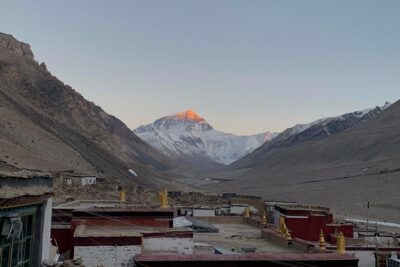
Tibet Tour 8 Days Lhasa to Everest Base Camp Small Group Tour
Read our review →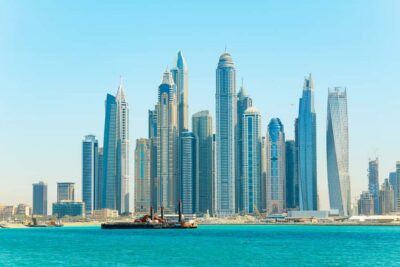
Dubai: Private Luxury Everest Yacht Cruise from Dubai Marina
Read our review →
Browse the lists this trek appears in