
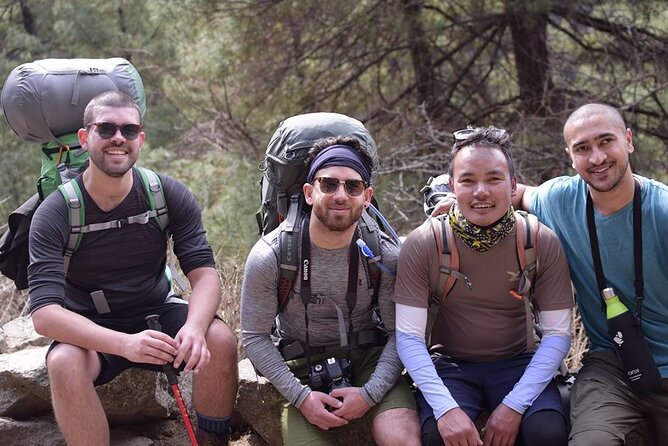
Review · KATHMANDU
14 Day – Everest Base Camp Trek
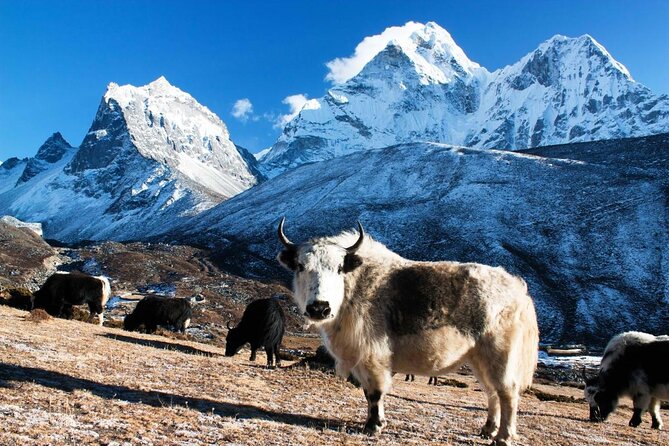
The big draw is simple: you fly into Lukla, walk through the Khumbu Valley, reach Everest Base Camp at 5,364 meters, then climb Kala Patthar for a sunrise view of Everest. Along the way, you pass through Namche Bazaar, Tengboche, Dingboche, Lobuche, and Gorakshep, with the peaks of Everest, Nuptse, Lhotse, Ama Dablam, and Thamserku around you.
I like the two acclimatization days, which give your body time to adjust instead of treating the trek as a race. I also like the practical package: airport transfers, permits, tea-house lodging, flights, a guide, porter support, meals, and a duffel bag are covered. The main caution is the altitude. This is a serious high-mountain trek, and the schedule leaves little spare time if flights or weather cause delays.
Key points before you book
- Lukla flights begin the trek: The 40-minute flight from Kathmandu takes you directly into the mountain route.
- Two acclimatization days: You pause in Namche Bazaar and Dingboche before heading higher.
- Kala Patthar is a major highlight: The early morning hike reaches 5,550 meters for sunrise views of Everest and the surrounding peaks.
- Private group format: Only your group takes part, with an English-speaking guide and porter service.
- A broad package at $2,000: Flights, permits, lodging, many meals, airport transfers, and staff support are included.
- Weather matters: Poor conditions can cancel flights or alter plans, so keep some flexibility if possible.
What this Everest trek is really like
This is not a sightseeing tour with a few short walks. It is a sustained mountain trek with long days, steep climbs, cold conditions, basic lodging, and thin air above 3,000 meters. You need a moderate level of physical fitness, and you need to be ready for the fact that the highest point of the trek, Kala Patthar, reaches 5,550 meters.
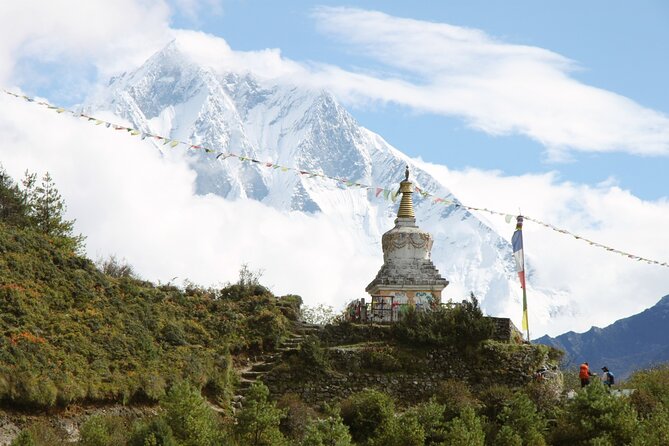
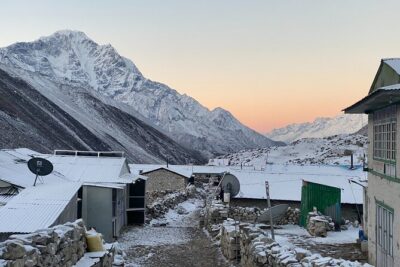
The route is well known, but that does not make it easy. You walk through Sherpa settlements, pass prayer sites and mountain lodges, and gradually trade lower valleys for bare, colder terrain. The reward is not just a photograph at Base Camp. It is the slow change in scenery and daily life as you move toward the mountain.
The package is run by Overland Trek Nepal and is designed for a private group. The company provides an English-speaking guide, one porter for every two people, a medical kit, medicine for staff, a company duffel bag, and a trip certificate. Names connected with the company and its related trekking groups include Nick, Unish, Tenjing, Pramish, and Lopsang, though your assigned guide should be confirmed before booking.
More Everest Base Camp Treks in Kathmandu:
- Everest Base Camp Trek – 14 Days
★ 5.0 · 1,499 reviews - Everest Base Camp Trek
★ 5.0 · 842 reviews - Everest Base Camp Helicopter Tour landing at Everest View Hotel
★ 5.0 · 668 reviews
Day 1: Kathmandu preparation and airport pickup
You arrive in Kathmandu, meet the pickup service, transfer to your hotel, and prepare for the trek. The package includes two hotel nights in Kathmandu, one at the beginning and one after returning from the mountains.
This first day matters more than it may seem. It gives you time to organize your pack, meet the guide, and check the details of the Lukla flight. The listed meeting point is Alpine Hotel & Apartment on Chaksibari Marg, opposite Manang Hotel, with a start time of 6:15 a.m. Airport pickup and drop-off by private car, van, or bus are included.
You should use this time to ask clear questions about luggage weight, the porter arrangement, meal coverage, and what happens if the Lukla flight is delayed. Flight disruption is a real practical concern on this route, and one past trek required helicopter arrangements after a cancellation. The package does not promise that every disruption will be covered at no extra cost, so ask before departure.
Day 2: Kathmandu to Lukla, then Phakding
The 40-minute flight to Lukla is the dramatic start. At 2,840 meters, Lukla feels very different from Kathmandu, and the mountain walk begins soon after breakfast.
You then trek to Phakding at 2,610 meters. This is a useful first walking day because it is shorter and lower than the days ahead. You begin learning the rhythm of the route: steady steps, regular water breaks, and a pack that should feel manageable.
Phakding is more than a place to sleep. It marks the change from city travel to trail life. Accommodation is in tea houses, and you should expect a simple setting rather than hotel-style comfort. Hot showers, bottled water, drinks, charging, and similar extras are not included.
Day 3: Phakding to Namche Bazaar
The walk to Namche Bazaar brings a major change in altitude, reaching 3,440 meters. This is one of the first demanding days because you gain height while following the trail toward the main Sherpa trading center.
Namche is an important stop for both practical and cultural reasons. It is a larger mountain settlement, a place where you can restock simple items and get a sense of daily life in the Khumbu. The route also begins to feel more remote and more dominated by the high peaks.
The climb here is a reminder that distance is not the main measure of difficulty. A short section uphill can take real effort at altitude. Your guide should set a calm pace, and you should not feel pressured to walk faster than your breathing allows.
A few more treks around Kathmandu worth a look
- Everest Base Camp Trekking
★ 5.0 · 485 reviews - Annapurna Circuit Trek with Tilicho Lake
★ 5.0 · 368 reviews - Everest Base Camp Trekking – 13 Day
★ 5.0 · 365 reviews - Everest Base Camp Trek
★ 5.0 · 350 reviews
Day 4: Acclimatization in Namche Bazaar
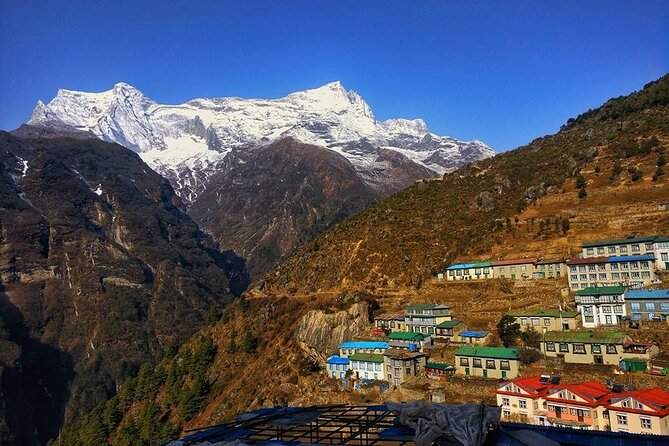
The first full rest day is in Namche. The schedule describes it as a day to rest, explore, relax, and enjoy the views. That flexibility is useful because different people respond to altitude in different ways.
Do not treat this as a wasted day. It is one of the most important parts of the trek. You are already higher than many visitors ever go, and the next stages rise much faster. A pause here helps you prepare for Tengboche, Dingboche, and the upper valley.
You can explore the settlement at an easy pace, but the exact activities are not specified. Keep the day gentle. The goal is to remain healthy and ready for the next climb, not to fill every hour.
Day 5: Namche Bazaar to Tengboche
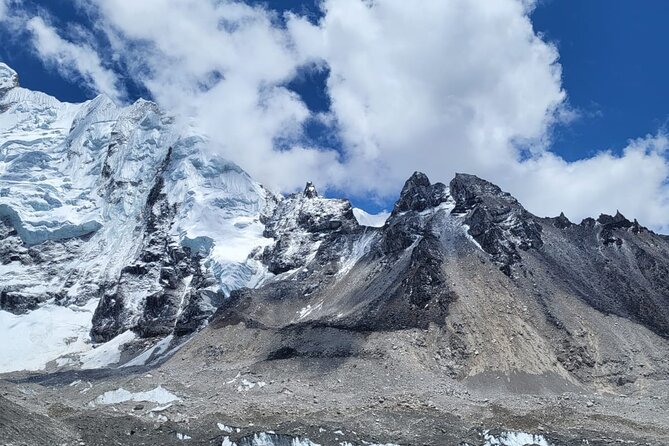
The route continues to Tengboche at 3,868 meters. The village is known for its mountain setting and monastery, although the package does not list a formal monastery visit as a separate activity.
This section is one of the most scenic parts of the route. You are moving deeper into the Khumbu, with views toward peaks including Ama Dablam, Thamserku, Everest, Nuptse, and Lhotse. The scenery becomes more open as the trail rises.
Tengboche is also where the cold can become more noticeable. Tea-house accommodation means warmth and comfort are basic, so pack clothing you can layer. Personal equipment is not included, and the company does not provide items such as personal trekking gear.
Day 6: Tengboche to Dingboche
You climb to Dingboche at 4,410 meters. This is a clear threshold day. The air is thinner, the trail feels more exposed, and your walking pace will probably slow.
Dingboche is a good place for the second acclimatization stop. It is high enough for your body to register the change, while still positioned before the trek reaches Lobuche and Gorakshep. You should expect the group to spend more time walking steadily and less time covering ground quickly.
At this height, small choices matter. Eat the meals provided, drink enough water, keep your pace even, and tell the guide early if you feel unwell. The supplied package includes staff medical support and a medical kit, but that is not a reason to ignore symptoms.
Day 7: Acclimatization in Dingboche
Dingboche gives you another full day to rest and adjust. This second pause is a strong feature of the schedule because the route rises from 4,410 meters to nearly 5,000 meters soon afterward.
The day is not described as a fixed excursion, so your guide can explain what is suitable for your group. The sensible approach is to keep activity light and save energy for the upper section. You are not trying to prove anything on an acclimatization day.
This is also a good point to check your layers, batteries, snacks, and personal equipment. The package provides Snickers, Oreo cookies, and peanuts during the trek, but you should not assume every personal preference is covered. Alcohol, cold drinks, hot water, charging, donations, and similar purchases are extra.
Day 8: Dingboche to Lobuche
The trail rises to Lobuche at 4,910 meters. By now, the route is firmly in high-altitude country. The surroundings become colder and less sheltered, and the walking day can feel longer than the map suggests.
This is where patience pays off. The trek is not a contest, and the best way to protect your energy is to walk slowly and consistently. Your guide and porter support should make the load easier, but you still need to carry your own day items and manage your clothing.
Lobuche is a staging point for the Base Camp push. Expect basic tea-house accommodation and limited extras. The price includes lodging, but not personal spending on showers, drinks, charging, or other services.
Day 9: Lobuche to Gorakshep and Everest Base Camp
This is the day many people have imagined for years. You walk from Lobuche to Gorakshep at 5,180 meters, continue to Everest Base Camp at 5,364 meters, and return to Gorakshep for the night.
The route is demanding because of both altitude and terrain. The achievement is not simply reaching a sign or taking a photograph. You have climbed from Lukla through a chain of mountain villages and spent days adapting to higher ground. Base Camp is the physical marker of that effort.
Keep your expectations realistic. From Base Camp, you do not get the same classic frontal view of Everest that you see from Kala Patthar. Base Camp is about being at the starting point used by climbers, surrounded by the Khumbu setting. The best broad mountain view comes the following morning.
Day 10: Kala Patthar sunrise and descent to Pheriche
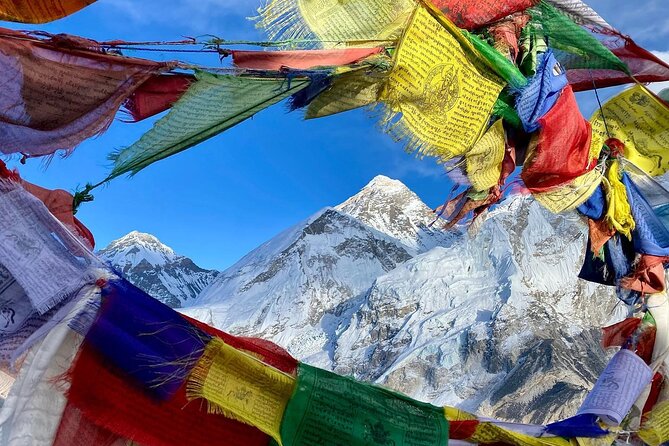
You start early for Kala Patthar, reaching 5,550 meters. The purpose is a sunrise view of Everest and the surrounding mountain range. This is the highest point on the listed route and likely the toughest effort of the trip.
The early start has a practical reason: morning conditions may offer clearer views, and the light can make Everest, Nuptse, Lhotse, Ama Dablam, and nearby peaks especially striking. After returning to Gorakshep for breakfast, you descend to Pheriche at 4,240 meters.
The descent is welcome, but it is not effortless. Your legs have already worked hard, and descending on uneven ground can be tiring. Pheriche also gives you a lower sleeping point after the high overnight at Gorakshep.
Days 11 and 12: Pheriche to Namche, then Lukla
Day 11 takes you from Pheriche back to Namche Bazaar. The drop in altitude should feel helpful, although the distance still requires stamina. You retrace part of the route, now with a different perspective because the highest goal is behind you.
Day 12 continues from Namche to Lukla at 2,840 meters. This is a long return section, and you should not assume it will feel easy simply because you are descending. The route includes repeated climbs and uneven trail sections.
Returning to Lukla puts you close to the final flight, but not yet home. The extra night matters because the next morning depends on weather and flight operations. Keep your schedule flexible instead of planning a tight international connection immediately after the domestic flight.
Day 13: Lukla to Kathmandu
The morning flight returns you to Kathmandu at 1,336 meters. After several days above 3,000 meters, the lower elevation can feel like a major change.
The package includes the round-trip domestic flight, airport tax, and airport transfers. Still, weather can affect the schedule. The cancellation terms say that poor weather may lead to a different date or a full refund if the experience itself is canceled, but they do not remove the need for personal flexibility around flights.
You spend the night in Kathmandu under the included hotel arrangement. That gives you a useful buffer before departure and a chance to collect your belongings and rest.
Day 14: Airport departure or extra time in Kathmandu
On the final day, you are dropped at Tribhuvan International Airport after breakfast if you have a scheduled flight. If you stay longer, the company can help with shopping, sightseeing, or another trip, though those plans are not part of the $2,000 trek price.
This final day is another reason not to treat the trek as a tight flight connection. Mountain weather, particularly around Lukla, can affect the timing of the return.
What the $2,000 price covers
At $2,000 per person, the package covers a substantial set of costs:
- Airport pickup and drop-off
- Two hotel nights in Kathmandu
- Round-trip Kathmandu to Lukla flights and airport tax
- Everest National Park entry permits
- TIMS card
- Tea-house accommodation
- English-speaking guide
- Porter service at one porter for two people
- Guide and porter food, salary, and insurance
- Trekking meals listed as 13 breakfasts, 11 lunches, and 11 dinners
- Medical kit and medicine for staff
- Company duffel bag, T-shirt, and trip certificate
- Snacks including Snickers, Oreo cookies, and peanuts
- Government and local taxes
That is good value if you want a supported trek rather than arranging every piece yourself. The guide, porter, permits, flights, and lodging are the expensive and important parts to organize, and they are bundled here.
The price does not cover the Nepal entry visa, international flights, personal equipment, tips, alcohol, cold drinks, hot showers, bottled water, hot water, battery charging, donations, or costs not named in the included section. Tipping is expected, so add it to your working budget.
Who should book this Everest Base Camp trek?
I would consider this a good match for you if you want a private, fully arranged trek and prefer having flights, permits, accommodation, food, and staff support handled together. It is also a sensible option if you want a standard Everest Base Camp route with two scheduled acclimatization days rather than a shorter, more rushed program.
It suits people with moderate physical fitness who are ready for long walking days and basic tea-house conditions. The trek has attracted people with different levels of experience, including a 61-year-old participant who completed the route with support, but that does not make altitude or effort predictable for everyone.
I would hesitate if you need luxury lodging, guaranteed flight times, or a relaxed schedule with several spare days. I would also ask detailed questions before booking if you have special dietary needs, a strict luggage limit, or medical concerns. The package offers support, but personal preparation still matters.
The strongest part of the experience is the combination of structure and real mountain travel. You get organized transport and staff assistance, but you still sleep in tea houses, walk between settlements, and experience the Khumbu at foot level. If that balance appeals to you, this is a solid way to reach Everest Base Camp.
FAQ
How long is the Everest Base Camp trek?
The experience lasts approximately 14 days, including arrival and departure days in Kathmandu, the trek between Lukla and Everest Base Camp, and the return flight.
Where does the trek begin?
The listed meeting point is Alpine Hotel & Apartment on Chaksibari Marg in Kathmandu, opposite Manang Hotel. The stated start time is 6:15 a.m.
Is airport pickup included?
Yes. Airport pickup and drop-off by private car, van, or bus are included, along with airport transfers.
Does the price include flights to Lukla?
Yes. The package includes the round-trip domestic flight between Kathmandu and Lukla, as well as airport tax.
What accommodation is included?
The package includes two hotel nights in Kathmandu and tea-house accommodation during the mountain trek.
Are meals included?
Yes. The package lists 13 breakfasts, 11 lunches, and 11 dinners.
Is a guide provided?
Yes. An English-speaking guide is included, along with guide food, salary, and insurance.
Is porter service included?
Yes. The package includes one porter for every two people.
What fitness level is required?
The experience states that you should have a moderate level of physical fitness. The route reaches Everest Base Camp at 5,364 meters and Kala Patthar at 5,550 meters.
What happens if bad weather cancels the experience?
The experience requires good weather. If it is canceled because of poor weather, you are offered a different date or a full refund. Cancellation at least 24 hours before the start time also qualifies for a full refund, while cancellations within 24 hours are not refunded.
Just added around Kathmandu
- Everest Base Camp Trek★ 5.0 · 3 reviews
- Everest Base Camp Trek★ 5.0 · 7 reviews
- 15 Days Private Everest Base Camp Trek★ 5.0 · 30 reviews
- Everest Base Camp Trek★ 5.0 · 57 reviews
- 14 Days of Adventure Trekking to Everest Base Camp★ 5.0 · 2 reviews
- 14-Day Everest Base Camp Trek★ 5.0 · 20 reviews
- From Kathmandu: Private 14-Day Everest Base Camp Trek★ 5.0 · 20 reviews
- 14 Days Everest Base Camp Trek★ 5.0 · 4 reviews
Everest Base Camp Treks, compared.
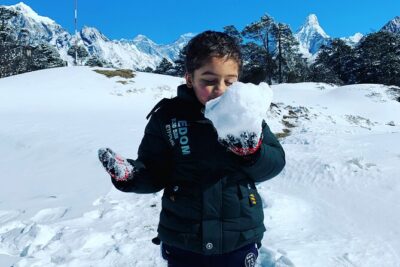
Everest Base Camp Helicopter Tour landing at Everest View Hotel
Read our review →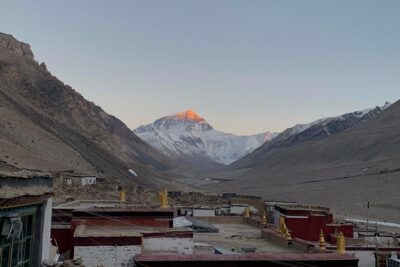
Tibet Tour 8 Days Lhasa to Everest Base Camp Small Group Tour
Read our review →
Dubai: Private Luxury Everest Yacht Cruise from Dubai Marina
Read our review →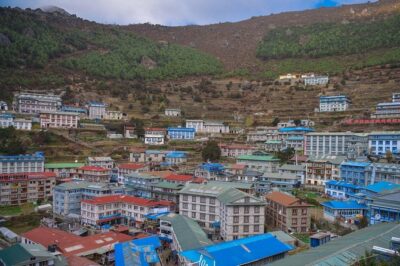
Browse the lists this trek appears in