
Review · KATHMANDU
Everest Base Camp Trek – 14 Days
Everest Base Camp is the headline, but the real reward is the slow change from pine forest and river valleys to the stark high country around the Khumbu Glacier. This 14-day trek combines Lukla flights, tea-house stays, Sherpa villages, Buddhist monasteries, and a demanding climb to Kalapathar for wide Himalayan views.
I like the careful rhythm of the route, with acclimatization days in Namche Bazaar and Dingboche. I also like the practical support: airport pickup, domestic flights, meals during the trek, prearranged lodging, and local guides such as Santosh Tamang, Raju, Biru, and Lila. The main caution is simple: this is a serious high-altitude walk, with several days lasting seven to eight hours and nights in basic mountain lodges.
Key points to know before booking
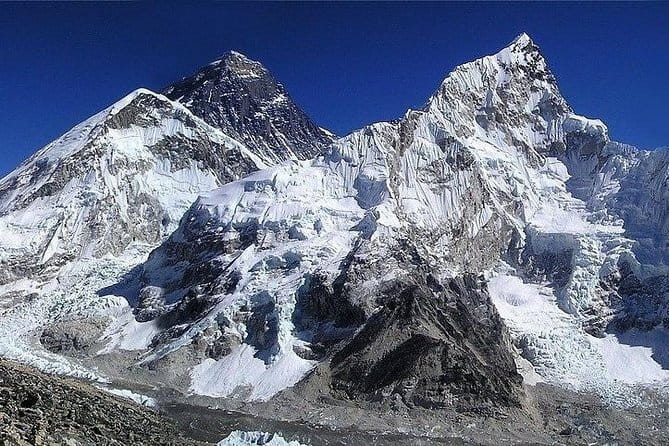
- Kalapathar reaches 5,545 meters, higher than Everest Base Camp itself.
- Two acclimatization days help you adjust in Namche Bazaar and Dingboche.
- Lukla flights are included, though the transport plan may use Ramechhap depending on current flight arrangements.
- Tea-house lodging and three meals daily are included during the mountain portion.
- The route combines famous stops with local life, including Tengboche Monastery, Pangboche, and Khumbu villages.
- The tour is private, so only your group takes part.
Why this Everest trek is worth your time
This route gives you the classic approach to Everest without turning the trip into a rushed photo stop. You walk through Sagarmatha National Park, cross suspension bridges, pass mani stones and prayer flags, and watch the mountains change as the air gets thinner.
The human side matters just as much. Namche Bazaar is a working Sherpa trading center, not simply a place to sleep. Tengboche brings one of the region’s largest Buddhist monasteries. Pangboche has an old monastery linked to a local yeti story. These stops give the trek a sense of place beyond the mountain views.
At $1,099.06 per person, the price is strong for what is included. You receive two nights in a three-star Kathmandu hotel with breakfast, mountain lodging, airport transfers, Lukla flights, meals during the trek, taxes, and handling charges. International airfare, a Nepal visa, Kathmandu meals, extra nights, and tips are separate.
The value is best for someone who wants the main logistics handled by a local company. You are not just paying for a route description. The company arranges rooms, food, transport, airport reception, and guides, while the private format gives your group more control over pace and daily decisions.
More Everest Base Camp Treks in Kathmandu:
- Everest Base Camp Trek – 14 Days
★ 5.0 · 1,499 reviews - Everest Base Camp Trek
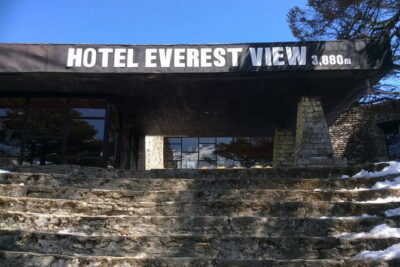
★ 5.0 · 842 reviews - Everest Base Camp Helicopter Tour landing at Everest View Hotel
★ 5.0 · 668 reviews
Kathmandu arrival and the early start to Lukla
Day 1 is deliberately easy. A representative meets you at Tribhuwan International Airport and takes you by private vehicle to your Kathmandu hotel. You can rest or visit the company office for a briefing about the trek.
That first night matters because Day 2 begins around 5:00 a.m. After breakfast, you transfer to the domestic airport for the flight toward Lukla. The flight lasts about 40 minutes and offers views of the sunrise over snow-covered peaks when conditions cooperate.
The transport notes also mention flights to Lukla from Ramechhap, with a shared bus or car connection available. This is worth clarifying before departure, since your early morning transfer may not always begin at Kathmandu’s main domestic terminal. A private Ramechhap transfer costs $85 for three people if you choose that option instead of shared transport.
Lukla’s Tenzing-Hillary Airport is the gateway to the trek. You meet the mountain crew there and begin walking almost immediately. Phakding is a short first-day walk, which is sensible after the flight. The night is in a lodge or tea house, and the gentle start gives your body time to adjust before the long climb toward Namche.
Phakding to Namche Bazaar, your first real test
Day 3 follows the Dudh Koshi River through pine forest and small settlements. You pass the Sagarmatha National Park checkpoint, then continue toward the meeting point of the Dudh Koshi and Bhote Koshi rivers.
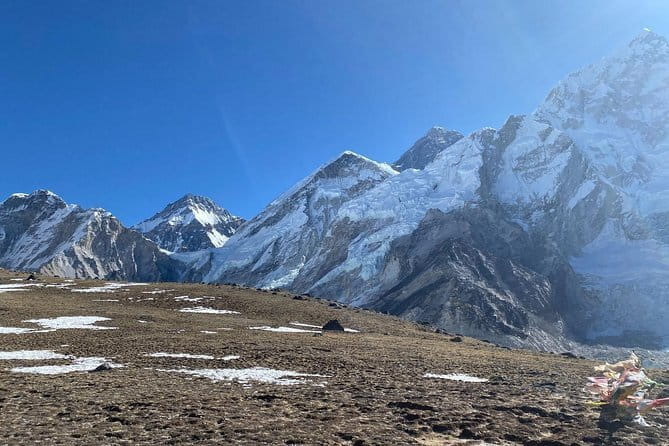
The final approach to Namche Bazaar is steep. This is the day when the trek begins to feel like a mountain expedition rather than a village walk. Pine trees, river crossings, and views of Thamserku fill the route, while the first views of Everest, Lhotse, and Nuptse appear near Namche.
Namche is the largest settlement in the Khumbu region and one of the most useful places on the route. You may find ATMs, internet cafes, restaurants, bakeries, and other supplies here. It is still a mountain town, so do not expect city comfort, but it offers more services than the smaller villages ahead.
The next day is set aside for acclimatization. Rather than simply spending the day in bed, the program includes a short hike toward a viewpoint such as Thame or Khunde. You also visit the Tourist Visitor Center, where you can learn about Everest climbing, Sherpa culture, local wildlife, and mountain plants.
This is one of the best features of the schedule. At altitude, a rest day does not mean wasting time. A short climb followed by sleep in the same village gives your body a better chance to adjust than a straight push upward.
Namche to Tengboche and the region’s great monastery
Leaving Namche, the trail passes through juniper and rhododendron forest. The route offers impressive views, but the walk still has plenty of ups and downs. In the Himalayas, a day that looks like a descent on the map may include a tiring climb before the final arrival.
Tengboche is special because it is home to Tengboche Gompa, described as the largest monastery in the Sagarmatha region. The setting is one of the trek’s memorable moments, with forested slopes opening toward high peaks.
This stop gives the route a cultural center. You are not simply passing through mountain settlements built for trekking. You are moving through a region shaped by Tibetan Buddhism, Sherpa communities, trade, farming, mountaineering, and religious practice.
The itinerary uses Tyangboche for this night, though the place is commonly written as Tengboche. It is worth checking the exact lodge name and daily walking time with the operator before departure, especially since some itinerary descriptions combine villages or use alternate spellings.
A few more treks around Kathmandu worth a look
- Everest Base Camp Trekking
★ 5.0 · 485 reviews - Annapurna Circuit Trek with Tilicho Lake
★ 5.0 · 368 reviews - Everest Base Camp Trekking – 13 Day
★ 5.0 · 365 reviews - Everest Base Camp Trek
★ 5.0 · 350 reviews
Dingboche, acclimatization, and the choice of a harder hike
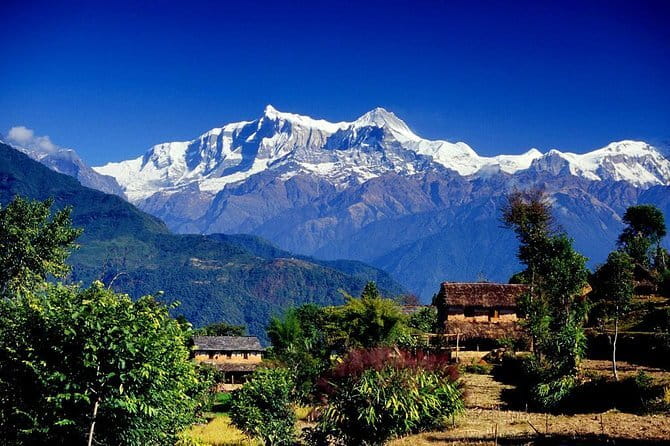
The walk from the Tengboche and Phorse area toward Dingboche can take about eight hours. You pass Pangboche, described as a large upper village, then continue through Shomare, Orsho, and Tsuro Wog along the Khumbila Khola and Imja Khola valleys.
The views become more dramatic here. Taboche, Thamserku, Ama Dablam, Nuptse, Cholatse, and Lhotse are among the peaks visible along the route. Ama Dablam is especially memorable for its sharply formed profile, but the scenery changes constantly as you move through the valley.
Dingboche brings the second major acclimatization day. The program lists several possible hikes, including Nagarjun Hill, Nangkartshang Peak, and Chhukung Ri. The stated elevations vary in the supplied schedule, with Chhukung Ri listed at about 5,546 meters and Nangkartshang Peak at 5,083 meters.
You should treat these as options, not obligations. The purpose of the day is to help you adjust and prepare for the higher route. A strong walker may choose a longer viewpoint hike, while someone feeling tired may prefer a short outing around Dingboche, Chhukung, or Imja and then rest.
The reward from the higher viewpoints can include Makalu, Lobuche, Thamserku, Ama Dablam, and other peaks. Still, altitude is not a contest. Your guide should help decide how far you go based on how you feel.
Lobuche and the first signs of the high country
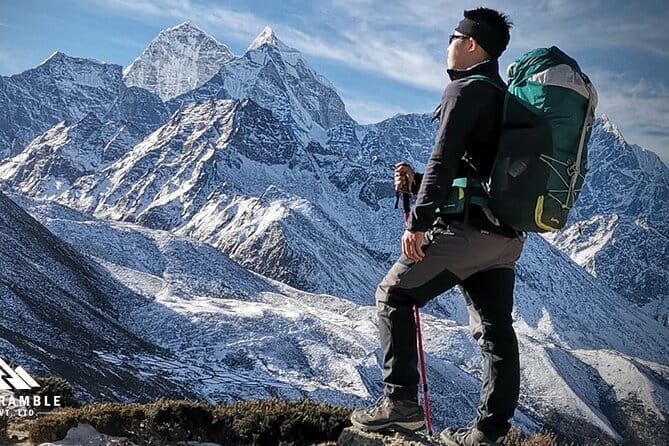
The walk to Lobuche takes about eight hours and leads you into a much colder, more exposed section of the route. You climb near the terminal moraine of the Khumbu Glacier and pass Chupki Lhara, where stone memorials and prayer flags honor mountaineers, including Scott Fischer and Babu Chhiri Sherpa.
This section carries emotional weight. The memorial stones remind you that Everest is not simply a scenic destination. The mountain has demanded serious skill and sacrifice from climbers, guides, and porters.
As the trail crosses the Khumbu Glacier area, you may notice early signs of altitude sickness. Headache, poor sleep, reduced appetite, and unusual tiredness should be taken seriously. The itinerary includes acclimatization, but no schedule can remove the risk. Walk slowly, drink regularly, and speak plainly with your guide if you feel unwell.
From the trail, you can see Khumbutse, Lingtren, Pumori, and other peaks. The high-country scenery is less wooded and more severe than the route below. That change is part of what makes the trek satisfying: you can see the route transform step by step.
Everest Base Camp and the long day from Gorakshep
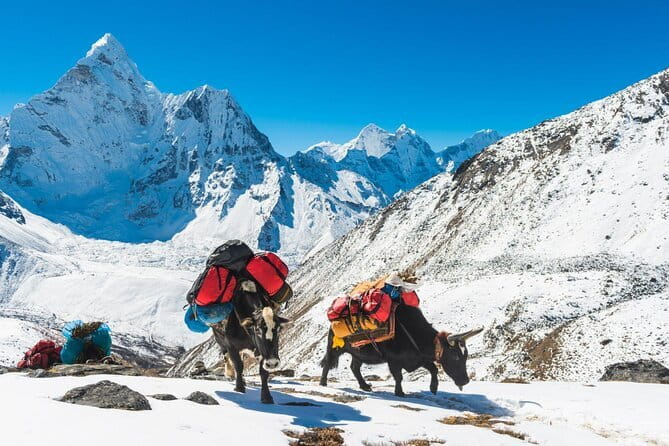
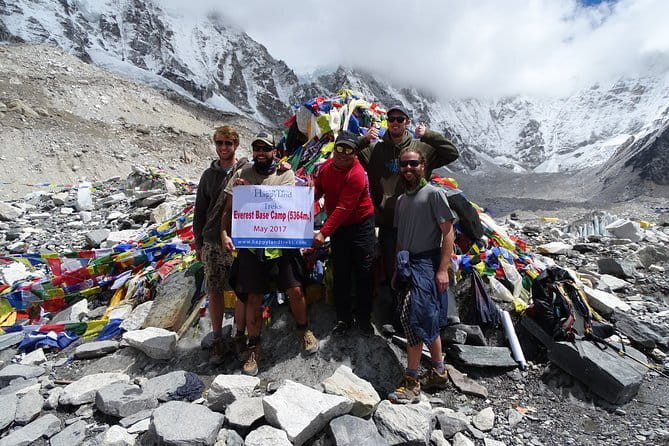
Day 9 is the central challenge. The route reaches Everest Base Camp at 5,364 meters and returns to Gorakshep, with a total walking time of about seven to eight hours.
The trail passes through the glacier and moraine country near Changri Glacier. At Thangma Riju, you can get a broad mountain panorama, though Mount Everest itself is not clearly visible from every point on this part of the route. Nuptse and Pumori are especially prominent.
That detail matters. If your main goal is a classic unobstructed view of Everest, Kalapathar is usually the key viewpoint on this itinerary. Base Camp itself is important because it is the staging area for Everest expeditions and the symbolic destination of the trek, but it is not necessarily the best place to see the summit pyramid.
The ground can be rough, rocky, and tiring. You are walking high above sea level, and the return to Gorakshep makes the day harder than the distance alone suggests. Keep your pace measured and save energy for the way back.
Kalapathar at 5,545 meters
Day 10 begins early so you can climb Kalapathar in the morning light. This is the highest stated point of the trip, at 5,545 meters, and the climb takes several hours with pauses for breath and photographs.
From the upper route, you can see peaks such as Lingtren, Khumbutse, and Changtse. The panorama around Gorakshep also opens toward the high Himalayas. The early start is practical because morning conditions often provide clearer views, and you want enough time for the descent.
After lunch, the route drops toward Pheriche. This is a long day, so the climb should not be treated as a casual viewpoint walk. Your guide can help set a steady pace, but you need to bring patience and accept that progress may be slow.
The itinerary mentions a dramatic morning view as daylight reaches the mountains. That is the moment many people imagine when they picture an Everest trek, but the effort is real. At this altitude, each step costs more than it would at home.
The return through Pangboche and Namche
The descent to Namche takes about seven hours. You pass Duglha, Pheriche, Orsho, Shomare, and Pangboche before crossing back through the Dudh Koshi valley.
Pangboche is a worthwhile stop because of its old monastery and the local story connected with a yeti scalp and bones. Treat the story as part of regional folklore, but do not skip the cultural setting. The monastery gives you another view of life in the Khumbu beyond its role as an Everest route.
The trail then passes through pine forest and follows the river gorge toward Sansa. After lunch, you continue to Namche, with views of Ama Dablam, Lhotse, the tip of Everest, and Tengboche along the way.
The descent is easier on the lungs but not always easy on the knees. Rocky steps, steep sections, and long downhill stretches can be tiring. Trekking poles may be useful, though the provided information does not specify equipment rental.
Lukla, Kathmandu, and what the package includes
Day 12 continues down through rhododendron forest and open ground, with a final suspension bridge over the Dudh Koshi. The trail to Lukla includes steep, rocky sections, so controlled steps matter even after the highest point is behind you.
You spend the night in Lukla before the return flight to Kathmandu on Day 13. Flight timing can be affected by mountain weather, so keeping your international departure separate from the same-day Lukla flight is a sensible precaution. The supplied schedule does not promise a backup day, so ask the company how it handles delays before booking.
Back in Kathmandu, you have time for shopping and walking around the city. The final evening is intended as a celebration of completing the trek. Day 14 is departure day, unless you choose to extend your stay.
The package includes 14 nights of accommodation as described, with 12 nights in the mountains and two in Kathmandu, though the day-by-day schedule itself lists 14 days. Confirm the exact number of nights and hotel dates when you reserve. Mountain lodging is in tea houses or lodges, while Kathmandu includes a three-star hotel with breakfast.
Three meals per day are included during the trek, with tea and coffee. The included meal count is also presented separately as 11 dinners, 13 breakfasts, and 10 lunches, so ask for the final meal plan if your dates or flight arrangements change.
Who should book this trek
You should consider this trip if you want a classic Everest Base Camp route with local support and a clear acclimatization plan. It suits people with moderate physical fitness who can handle several long walking days, steep trails, cold conditions, and high altitude.
The private format is useful if you want your own group rather than a large departure. The company has arranged guides including Santosh Tamang, Raju, Biru, and Lila, and the support described by past customers focuses on airport help, gear guidance, transport, and careful attention on the trail.
You should not book it simply because the price looks low. The cost is good, but the physical demand remains high. You also need to budget for tips, Kathmandu food, the Nepal visa, international flights, and any extra nights.
Cancellation is flexible up to 24 hours before the start time for a full refund. Changes or cancellations inside that 24-hour window are not refunded, and all times use local time in Nepal.
Should you book the Everest Base Camp Trek?
I would choose this trek if you want the full Khumbu experience without arranging every flight, lodge, meal, and transfer yourself. The strongest features are the sensible acclimatization days, the private format, the included Lukla flights, and the chance to reach both Everest Base Camp and Kalapathar.
Before paying, confirm the Ramechhap transport plan, the exact accommodation count, the meal schedule, and what happens if a Lukla flight is delayed. If you are ready for long days and altitude, the $1,099.06 price offers a practical way to reach one of the world’s great mountain destinations with local guides beside you.
FAQ
Where does the Everest Base Camp trek begin?
The experience begins in Kathmandu, where an airport representative meets you and transfers you to your hotel. The walking portion begins at Lukla after the domestic flight.
How long is the experience?
The stated duration is 14 days. The schedule includes Kathmandu arrival and departure days, the Lukla flight, the trek to Everest Base Camp, the return to Lukla, and the flight back to Kathmandu.
What is the highest point reached?
The highest stated point is Kalapathar at 5,545 meters. Chhukung Ri is also listed as an optional hike at about 5,546 meters in one part of the schedule.
Is the Lukla flight included?
Yes. Return flights to Lukla, or flights from Ramechhap depending on the arrangement, are included in the package.
Are airport transfers included?
Yes. Airport pickup and drop-off by private car are included. A shared bus or car connection to Ramechhap is also available if required.
Where do you sleep during the trek?
You stay in mountain lodges or tea houses during the trekking portion. Two nights in Kathmandu are listed at a three-star hotel with breakfast.
Are meals included?
Breakfast, lunch, and dinner are included during the trek, along with coffee and tea. Food in Kathmandu is not included.
Is this a private tour?
Yes. Only your group takes part in the activity.
What fitness level is required?
The experience is intended for people with a moderate physical fitness level. Several walking days last about seven to eight hours, and the route reaches very high altitude.
What is not included in the price?
International airfare, the Nepal visa fee, food in Kathmandu, extra days in Nepal, and tips for guides, porters, and drivers are not included.
Just added around Kathmandu
- Everest Base Camp Trek★ 5.0 · 3 reviews
- Everest Base Camp Trek★ 5.0 · 7 reviews
- 15 Days Private Everest Base Camp Trek★ 5.0 · 30 reviews
- Everest Base Camp Trek★ 5.0 · 57 reviews
- 14 Days of Adventure Trekking to Everest Base Camp★ 5.0 · 2 reviews
- 14-Day Everest Base Camp Trek★ 5.0 · 20 reviews
- From Kathmandu: Private 14-Day Everest Base Camp Trek★ 5.0 · 20 reviews
- 14 Days Everest Base Camp Trek★ 5.0 · 4 reviews
Everest Base Camp Treks, compared.
Everest Base Camp Helicopter Tour landing at Everest View Hotel
Read our review →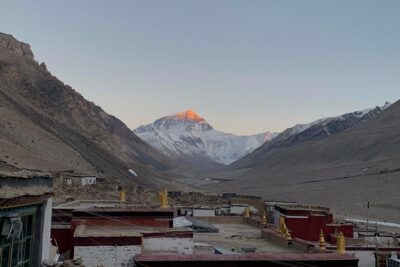
Tibet Tour 8 Days Lhasa to Everest Base Camp Small Group Tour
Read our review →
Dubai: Private Luxury Everest Yacht Cruise from Dubai Marina
Read our review →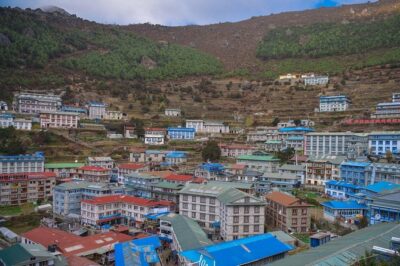
Browse the lists this trek appears in