
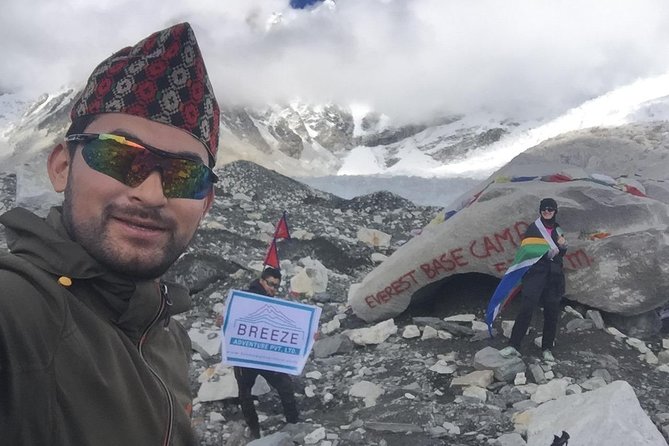
Review · KATHMANDU
Short Everest Base Camp Trek 10 Days
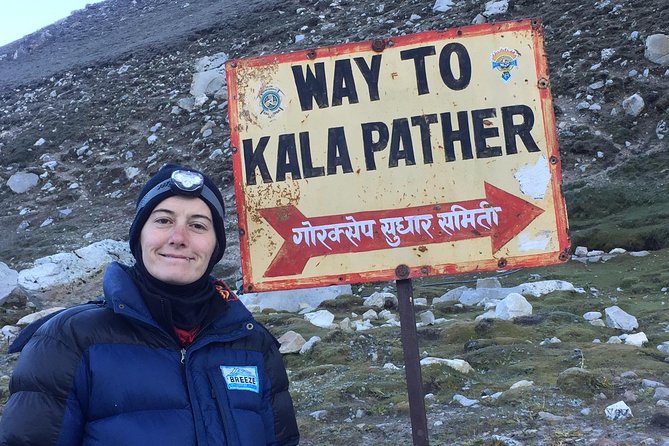
Everest Base Camp is the big prize here, but the sunrise from Kala Patthar at 5,545 meters may be the finest moment of the trip. You get ice, rock, giant peaks, Sherpa villages, and the famous Khumbu Glacier in one hard-driving mountain journey.
I like the included Kathmandu to Lukla flights and the guide support, especially since guides such as Padam, Anjan, AJ, and Mohan have earned strong praise for patience, route planning, and care with altitude. I also like the small maximum group size of 15, which keeps the trek more personal. The catch is simple: 10 days is a tight schedule, with little room for bad weather, slow acclimatization, or a rest day.
Key points at a glance
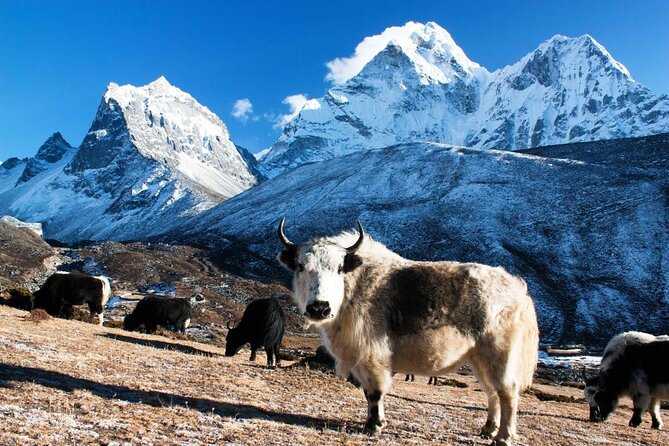
- Kala Patthar sunrise: Climb to 5,545 meters for views toward Everest, Pumori, Makalu, and the surrounding peaks.
- Lukla flights included: Domestic airfare, airport tax, and Kathmandu transfers are part of the package.
- Sherpa country on foot: Walk through Namche Bazaar, Khumjung, Tengboche, Deboche, Dingboche, and Pheriche.
- High-altitude pace: The route reaches Everest Base Camp at 5,364 meters in only six trekking days.
- Teahouse lodging: Nights are spent in local lodges and teahouses rather than mountain camps.
- Budget details matter: Meals, personal gear, insurance, porter service, and tips are extra.
What this 10-day Everest trek is really like
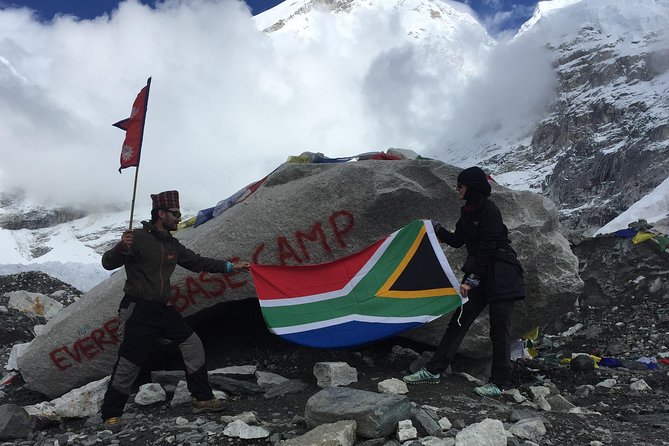
This is a compact Everest Base Camp trek from Kathmandu, priced at $1,400 per person. The route follows the classic approach through the Khumbu Valley, but it moves quickly. You fly to Lukla, walk to Base Camp, climb Kala Patthar, and return to Lukla in eight trekking days.
I would think of this as a hard physical challenge with guide support, not a relaxed mountain holiday. Your guide handles permits, lodging arrangements, route decisions, and the day-to-day rhythm. You handle the walking, altitude, cold, and personal packing.
The package includes private airport and hotel transfers, domestic flights, teahouse accommodation, trekking permits, government charges, and the guide’s salary, food, accommodation, equipment, transport, and insurance. A porter can be arranged for an extra charge, usually one porter for two people, and that may be a wise expense if you want to carry only a light daypack.
The main cost gap is food. Breakfast, lunch, and dinner are not included, so your final bill will be higher than the headline price. You also need travel insurance that covers high-altitude emergency rescue and evacuation. Helicopter rescue can be arranged, but your insurance company pays the bill.
More Everest Base Camp Treks in Kathmandu:
- Everest Base Camp Trek – 14 Days
★ 5.0 · 1,499 reviews - Everest Base Camp Trek
★ 5.0 · 842 reviews - Everest Base Camp Helicopter Tour landing at Everest View Hotel
★ 5.0 · 668 reviews
Day 1: Lukla flight and the walk to Phakding
The trip begins with an early start at 6:15 a.m. You fly from Kathmandu to Lukla with Tara, Summit, or Sita Air. The flight takes about 25 minutes, but the short time in the air does not make it a minor part of the day. Lukla is the gateway to the Khumbu, and weather can affect mountain flights.
After landing, you begin walking toward Phakding. The trek takes about three and a half hours, giving you a manageable first day on foot. That is useful after an early flight, though the route still introduces you to the constant up and down of Himalayan trails.
Phakding is your first teahouse night. You can expect a basic lodge setting and a chance to meet the guide who will set the pace for the days ahead. Keep this evening simple. Eat, drink plenty of fluids, and get used to sleeping at altitude.
Day 2: The long climb to Namche Bazaar
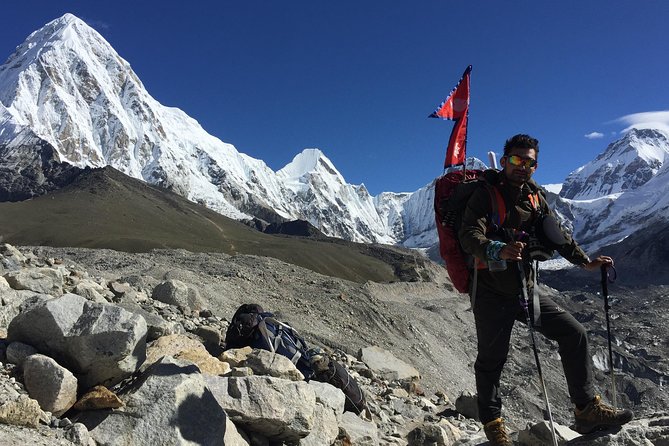
The trail follows the Dudh Koshi River toward Namche Bazaar, with Thamserku rising across the valley. The walking time is about six hours, and the day brings a more serious change in height as you reach Namche at 3,440 meters.
Namche is more than a stopping point. It is the main settlement of the Khumbu route, with a strong Sherpa character and a useful location for adjusting to the thin air. The final approach includes a sustained climb, so your guide’s pace matters here. A slow, steady rhythm is far better than rushing early in the day.
I like this part of the route because the scenery changes quickly. You move from river paths and forested sections toward wide mountain views and a high settlement built into the slopes. The drawback is that this is one of the first days when your legs and lungs may feel the altitude.
Day 3: Namche to Tengboche and its mountain views
The route continues from Namche to Tengboche, also written as Tyangboche, at 3,867 meters. The walk takes around five hours and follows a high trail above the Dudh Koshi before dropping and climbing again.
Tengboche is one of the memorable stops on the trek because of its mountain setting and Buddhist monastery. The view opens toward peaks including Ama Dablam, Thamserku, and Kangtega. The trail can feel exposed in places, with a steep drop toward the river below, so you will want to watch your footing rather than walk with your camera out every minute.
The day is shorter than the Namche stage, but it is still not easy. You gain more altitude, and the air becomes noticeably thinner. If your guide suggests slowing down, take the advice. On a schedule this short, careful pacing is one of the best forms of safety.
A few more treks around Kathmandu worth a look
- Everest Base Camp Trekking
★ 5.0 · 485 reviews - Annapurna Circuit Trek with Tilicho Lake
★ 5.0 · 368 reviews - Everest Base Camp Trekking – 13 Day
★ 5.0 · 365 reviews - Everest Base Camp Trek
★ 5.0 · 350 reviews
Day 4: Forest paths, Deboche, and Dingboche
You leave Tengboche through rhododendron forest and descend toward Deboche. After crossing a suspension bridge over the Imja Khola, the route climbs toward Dingboche at 4,260 meters. The walking time is about five hours.
This section gives you a nice mix of scenery. You get forest, river crossings, high open ground, and views toward Ama Dablam. Dingboche feels more remote and more severe than Namche, and the cold can be sharper once the sun drops.
Dingboche is an important point in the trip because you are now well above 4,000 meters. The plan does not include a separate acclimatization day here. That makes this trek faster than many standard Everest Base Camp programs, which often build in extra time around Namche or Dingboche.
Day 5: Dingboche to Lobuche
The walk from Dingboche to Lobuche takes about five hours. The trail is gentler at first as it heads toward Pheriche, then the setting grows more barren and high mountain in character.
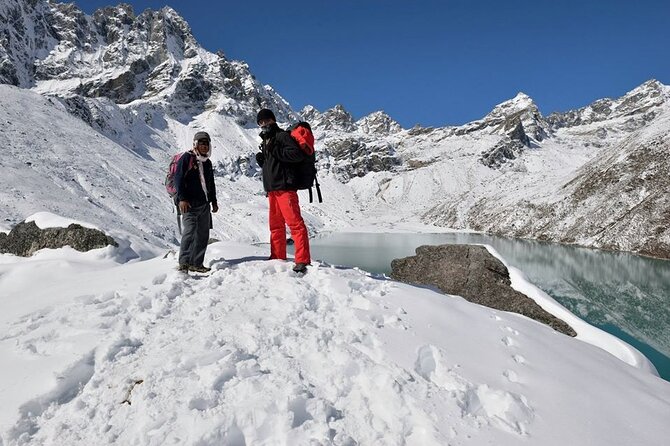
You will see the effects of altitude in the terrain. Trees thin out, the air feels dry and cold, and the path runs among rock, moraine, and broad Himalayan slopes. The peaks remain the main attraction, with views toward Nuptse and other high summits.
Lobuche is at roughly 4,940 meters, making this a demanding overnight stop even though the walking time is not extreme. Sleep may be less restful, and appetite can change. This is exactly when you should tell your guide about headaches, nausea, unusual tiredness, or shortness of breath. Do not treat altitude symptoms as something to hide so you can stay on schedule.
Day 6: Gorakshep and Everest Base Camp
This is the biggest day of the outward journey. You leave Lobuche for Gorakshep at about 5,140 meters, then continue toward Everest Base Camp. The full day is listed at about eight hours.
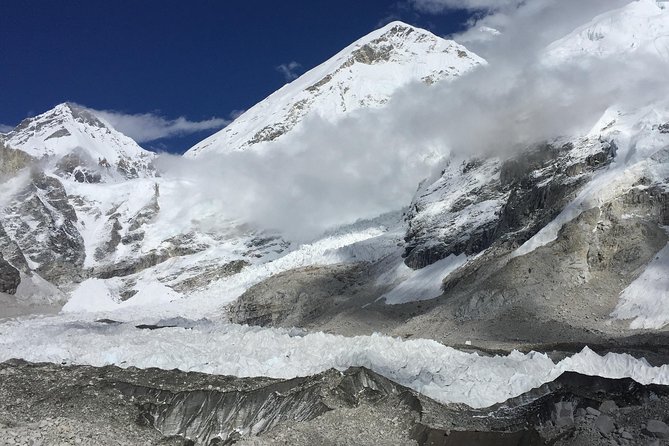
The trail becomes rocky and follows the Khumbu Glacier. You will see Nuptse and Pumori, along with the stark moraine that defines the approach to Base Camp. At 5,364 meters, Everest Base Camp is a major personal milestone, even though you do not climb Everest itself from here.
The route is rewarding, but the altitude makes every section slower. The distance on a map does not tell the whole story. Uneven rock, cold air, and fatigue can turn a short stretch into a serious effort. Bring a headlamp, warm layers, water, and only the items you truly need for the day.
Gorakshep is a functional high-altitude stop, not a place for comfort. Your night here is part of the price of reaching Base Camp, and conditions can be basic. Still, the sense of being deep in the Khumbu is hard to match.
Day 7: Kala Patthar and the descent to Pheriche
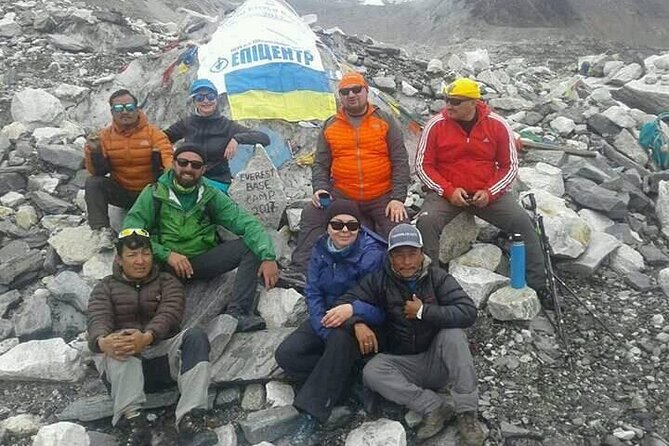
You start early for Kala Patthar, climbing to 5,545 meters for sunrise. This is usually the visual high point of the route. From the summit, you can see Everest, Pumori, Makalu, and a wide sweep of the surrounding Himalayan peaks.
The climb is short in distance but hard because of the height. Early morning cold adds another challenge. I would keep your warmest layer, gloves, hat, and water close at hand. The reward is the changing light on the mountains, something that Base Camp itself does not always provide.
After Kala Patthar, you descend toward Pheriche at 4,243 meters. The lower elevation should feel easier on your body, even though the day includes about seven hours of walking. Descending is not effortless. Your knees take the strain, and loose rock can make the trail awkward.
The published schedule places the trek from Gorakshep to Kala Patthar and then Pheriche on this day. Because route details can shift with weather, health, and lodge availability, confirm the precise overnight plan before departure.
Days 8 and 9: The return through Tengboche and Namche
The return route retraces the Khumbu Valley. The schedule describes a section from Tengboche to Namche, with visits to traditional villages such as Khumjung and Khunde. These villages offer a more grounded view of local life than simply passing through Base Camp.
The walking time is listed at about seven hours for this stage. You will lose altitude, which usually helps, but your legs may be tired from the high point and long descent. The return is not just a repeat of the outward route. Looking back down the valley gives you different views, and familiar villages feel different when you know how far you have come.
The schedule also lists a seven-hour walk from Namche to Lukla on Day 9. This is the final walking day, with lunch along the route and a night in a Lukla teahouse. It is a satisfying finish, but do not assume it will feel easy. The trail has plenty of ups and downs, even on the way out.
A practical point: the day descriptions contain a small overlap in the named stops, with one section referring to Tengboche to Namche before the later Namche to Lukla stage. Confirm the exact order with the operator before you pay, especially if you are coordinating flights or extra nights in Kathmandu.
Day 10: Lukla flight back to Kathmandu
You take an early flight from Lukla to Kathmandu. Once you arrive at Tribhuvan International Airport, a representative transfers you to your hotel. The day ends with a farewell dinner at Bhojan Griha.
The flight back is another reason to leave room in your wider Nepal plans. The tour includes the flight, but mountain aviation depends on conditions. The package itself is ten days, yet you should avoid scheduling an important international connection immediately after the return flight.
The farewell dinner adds a pleasant social finish after the physical work of the trek. If you have extra time in Nepal, combining the trek with Chitwan or another slower activity makes sense. After eight days of walking, a few days at a gentler pace can help you appreciate the country beyond the high mountains.
Guides, group size, and support on the trail
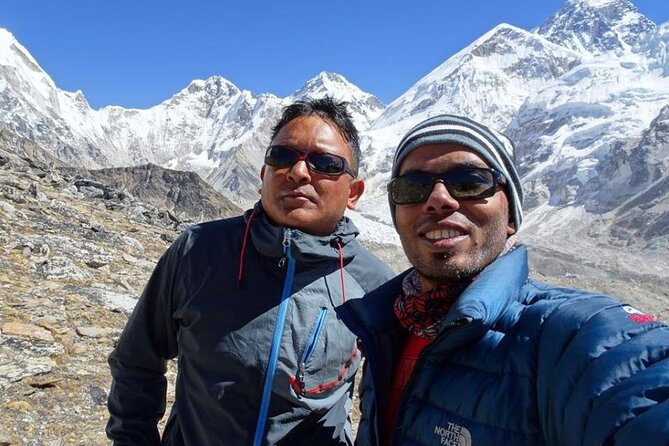
The group maximum is 15 people, and an English-speaking trekking guide is included. That is a useful size for a route where different people may walk at different speeds. A guide can also help with lodge arrangements, daily plans, and decisions when someone feels unwell.
Several guides connected with past departures received especially strong personal praise. Padam was valued for his patience, practical advice, and steady support. Anjan was credited with explaining the route and helping a solo trekker stay healthy by moving slowly. AJ was known for explaining the next day’s plan each evening, while Mohan was praised for his friendly manner and flexibility.
You should not assume a particular guide will lead your departure. Ask who is assigned and what level of support is included. Also clarify the porter charge. The guide’s expenses are included, but porters are listed as an extra-cost service. If you hire one, agree on the arrangement before the trek begins.
What the $1,400 price does and does not cover
At $1,400, the package can offer solid value if you want the main logistics handled. Flights, airport transfers, trekking permits, teahouse lodging, guide costs, taxes, and official charges cover many of the expensive and complicated parts of the route.
The price is not all-inclusive. You still need to budget for:
- Breakfast, lunch, and dinner during the trek
- Porter service, if you choose it
- Personal trekking clothing and equipment
- Travel insurance with high-altitude rescue coverage
- Tips for the guide and porter
- Personal expenses
That distinction matters. Food costs rise as you climb, and warm clothing or gear can add a large amount if you do not already own it. I would compare the total expected cost, not just the advertised tour price.
Who should book this trek?
I would recommend it to a fit hiker who wants Everest Base Camp but has limited time. You should be comfortable walking for five to eight hours on several consecutive days, carrying at least a daypack, and dealing with cold, basic lodging, rocky paths, and altitude.
This trip is a good match if you value a local guide, a small group, included flights, and a straightforward route. It is also useful for someone who wants a structured first Himalayan trek rather than arranging every lodge and permit alone.
I would be cautious if you are new to strenuous walking, uncertain about altitude, or hoping for a slow holiday. The short schedule leaves less room to adjust. You should also avoid booking it without proper insurance, since emergency helicopter evacuation is arranged through insurance rather than paid by the tour price.
Free cancellation is available when you cancel at least 24 hours before the start time. Inside that window, the payment is not refunded, and last-minute changes are not accepted.
Should you book it?
Book this trek if you want the classic Everest route in a compact package and you understand that compact means demanding. The included flights, permits, lodging, transfers, and guide support make the $1,400 starting price reasonable, but meals, gear, insurance, porter service, and tips will raise the real cost.
My biggest advice is to confirm three things before booking: the exact day-by-day route, the guide assigned to your group, and the full porter and meal budget. If you are fit, prepared, and willing to move slowly at altitude, this is a direct way to reach Everest Base Camp and see Kala Patthar without handling every detail yourself. If you need more acclimatization time, choose a longer version.
FAQ
How long is the Everest Base Camp trek?
The experience lasts approximately 10 days, including flights from Kathmandu to Lukla and back. The walking portion begins after landing in Lukla and ends there before the return flight.
Is the Kathmandu to Lukla flight included?
Yes. The package includes the Kathmandu to Lukla and Lukla to Kathmandu flights, along with domestic airport tax.
Are meals included during the trek?
No. Breakfast, lunch, and dinner during the trek are not included in the price. You must pay for standard meals separately.
Is a porter included?
No. Porter service is available for an additional cost. The package includes the guide’s expenses, but not the porter’s service.
What level of fitness is required?
You should have a strong physical fitness level. The schedule includes walking days of about five to eight hours and reaches Everest Base Camp at 5,364 meters and Kala Patthar at 5,545 meters.
What happens if I need emergency evacuation?
The operator can arrange emergency helicopter service, but the cost is paid by your travel insurance company. Your policy must cover emergency rescue and evacuation at high altitude.
Just added around Kathmandu
- Everest Base Camp Trek★ 5.0 · 3 reviews
- Everest Base Camp Trek★ 5.0 · 7 reviews
- 15 Days Private Everest Base Camp Trek★ 5.0 · 30 reviews
- Everest Base Camp Trek★ 5.0 · 57 reviews
- 14 Days of Adventure Trekking to Everest Base Camp★ 5.0 · 2 reviews
- 14-Day Everest Base Camp Trek★ 5.0 · 20 reviews
- From Kathmandu: Private 14-Day Everest Base Camp Trek★ 5.0 · 20 reviews
- 14 Days Everest Base Camp Trek★ 5.0 · 4 reviews
Everest Base Camp Treks, compared.
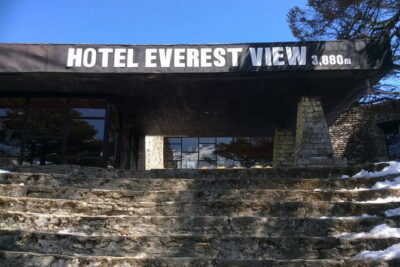
Everest Base Camp Helicopter Tour landing at Everest View Hotel
Read our review →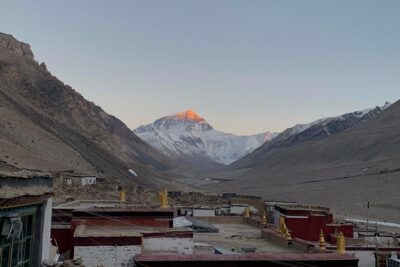
Tibet Tour 8 Days Lhasa to Everest Base Camp Small Group Tour
Read our review →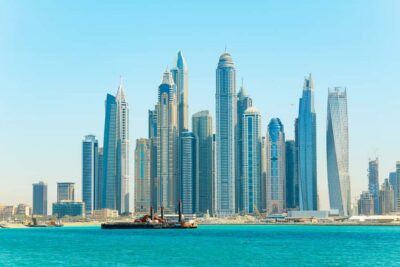
Dubai: Private Luxury Everest Yacht Cruise from Dubai Marina
Read our review →
Browse the lists this trek appears in