
Review · KATHMANDU
Everest base camp trek & Heli return
The clever part of this seven-day Everest Base Camp plan is that you trek into the Khumbu Valley and skip the long walk back. After reaching Base Camp and Kala Patthar, you fly from Gorakshep to Kathmandu by shared helicopter. That saves several days, but it also makes each hiking day demanding.
I like the direct route through Namche Bazaar and Tengboche, where the trail brings you into Sherpa country quickly. I also like that the price includes the Lukla flight, permits, six nights of lodge accommodation, meals, a licensed English-speaking guide, and the helicopter flight.
The main caution is altitude. You reach 5,364 meters at Base Camp and 5,545 meters at Kala Patthar on a very compressed schedule. You need good fitness, a flexible attitude about mountain weather, and travel insurance that covers trekking and emergency evacuation.
Key Points Before You Book
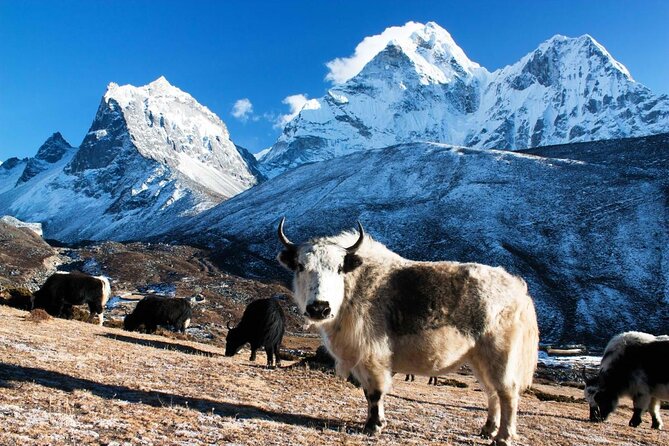
- Six days of uphill trekking: The route runs from Lukla to Phakding, Namche Bazaar, Tengboche, Dingboche, Lobuche, Gorakshep, and Everest Base Camp.
- A shared helicopter ends the trip: After Kala Patthar, you return to Gorakshep and fly to Kathmandu rather than retracing the trail.
- The early start matters: Pickup begins at 5:15 am at the TIA Domestic Terminal parking lot in Kathmandu.
- Meals and basic lodging are covered: Six breakfasts, six lunches, six dinners, and tea-house accommodation are included.
- The group can reach 15 people: That is small enough for a guided mountain trip, but it is not a private trek.
- Guide support is a real part of the value: Padam is one guide associated with the company, while Kesh has handled trip communication and changes for some bookings.
What the $3,195 Price Really Covers
At $3,195 per person, this is not a budget walk. The price makes more sense when you separate the cost of the mountain arrangements from the cost of the trekking itself.
You receive airport pickup and drop-off for the trek, the Kathmandu to Lukla flight, a licensed English-speaking guide, trekking permits, entrance fees, tea-house accommodation, six breakfasts, six lunches, six dinners, and the helicopter from Gorakshep to Kathmandu. Those items cover the main moving parts of the journey.
The helicopter return is the big cost driver. A normal Everest Base Camp trek usually requires several more walking days to get back to Lukla, followed by a flight to Kathmandu. Here, you pay to replace that return trek with a shared chopper flight.
Some costs remain yours. Kathmandu hotels before and after the trek are not included. You also pay for drinks, bottled or mineral water, hot showers, Wi-Fi, battery charging, personal gear, travel insurance, and emergency evacuation.
That last point matters. A helicopter ride included in the itinerary is not the same as emergency rescue insurance. You need a policy that specifically covers high-altitude trekking and evacuation costs.
More Everest Base Camp Treks in Kathmandu:
- Everest Base Camp Trek – 14 Days
★ 5.0 · 1,499 reviews - Everest Base Camp Trek
★ 5.0 · 842 reviews - Everest Base Camp Helicopter Tour landing at Everest View Hotel
★ 5.0 · 668 reviews
Day 1: Flying to Lukla and Walking to Phakding
Your day starts early, with a 5:15 am meeting time at the domestic terminal parking lot in Kathmandu. After the flight to Lukla, you begin walking to Phakding at about 2,600 meters.
The hike takes roughly three to four hours. Compared with the days ahead, it is a gentle opening, though the early flight and first hours on foot can still leave you tired.
Phakding is useful as a first overnight stop because it gives you a short introduction to the trail before the bigger climb toward Namche. You sleep in a tea-house lodge, with dinner and breakfast covered by the tour.
The practical issue is the Lukla flight. Mountain weather can interrupt schedules, and one of the strongest useful lessons from the company’s past service is to stay flexible. Kesh has helped manage weather delays and changes through direct communication, which is valuable when flights do not follow the original plan.
Day 2: The Long Climb to Namche Bazaar
After breakfast, you walk from Phakding to Namche Bazaar, at about 3,500 meters. The route takes four to five hours and gains a substantial amount of height.
Namche is the main trading center of the Khumbu region and an important stop on the way to Everest. Here, the trail feels more like a living mountain route than a simple point-to-point hike. You may have time in the late afternoon to explore the town.
There is no separate acclimatization day in this seven-day schedule. That is the trade-off for finishing quickly. You climb from Phakding to Namche, then continue higher the next morning. I would take this day slowly, drink regularly, and tell your guide at once if you feel unwell.
The schedule calls for moderate physical fitness, but I would treat that wording seriously. You need to be ready for several consecutive days of walking, not just one strong day on a local trail.
Day 3: Rhododendron Forests and Tengboche
The trek from Namche to Tengboche takes about four to five hours and reaches approximately 3,870 meters. The route passes through rhododendron forest, Mani walls, and chortens.
Tengboche is one of the most memorable stops on this route because the surroundings open toward wide Himalayan views. The trail also gives you a closer look at the religious character of the region, with Buddhist markers woven into the walking route.
The day is not as long as the trek to Dingboche, but the rising altitude makes it feel serious. I like this section because it balances scenery with a sense of place. You are not simply walking toward a famous viewpoint. You are moving through villages and sacred sites that give the route its character.
Your guide is especially useful here. Padam, one of the company’s guides, has been praised for his calm manner, mountain experience, and ability to answer questions in clear English. A good guide can help you set a sensible pace rather than letting excitement push you too hard.
A few more treks around Kathmandu worth a look
- Everest Base Camp Trekking
★ 5.0 · 485 reviews - Annapurna Circuit Trek with Tilicho Lake
★ 5.0 · 368 reviews - Everest Base Camp Trekking – 13 Day
★ 5.0 · 365 reviews - Everest Base Camp Trek
★ 5.0 · 350 reviews
Day 4: Crossing the Imja Khola to Dingboche
From Tengboche, you descend through rhododendron forest toward Deboche. Then you cross a bridge over the Imja Khola before climbing again toward Pangboche, Somare, and Dingboche.
This is the longest day so far, at about six hours. The pattern is typical of Himalayan walking: lose height, cross a river, then regain it. The bridge and roaring water below add a little drama, but the bigger challenge is the steady climb after the crossing.
Dingboche sits at roughly 4,400 meters, though the supplied schedule does not state its elevation. The air will feel thinner than it did at Namche and Tengboche. This is where your preparation starts to show.
I would keep your pack light and use the guide’s pace. The support team is one of the better reasons to choose an organized trek. The company has received praise for friendly, calm assistance, including help before flights and practical support when a participant forgot a pair of boots.
That does not mean the trek becomes easy. It means you have someone to help with route decisions, timing, and basic problems while you focus on walking.
Day 5: Mountain Views on the Way to Lobuche
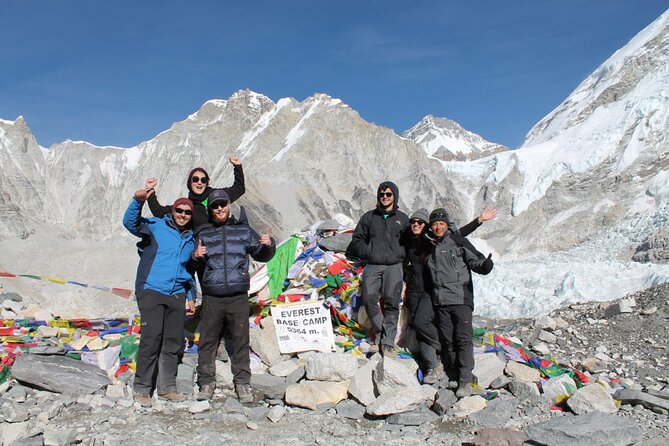
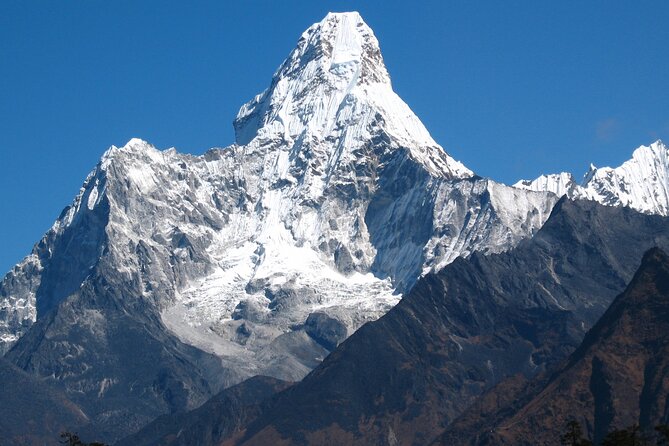
The trail from Dingboche to Lobuche takes about six hours. Along the way, you can expect views of Ama Dablam, Lhotse, Phortse Peak, and Cholatse.
The route reaches Dughla before continuing to Lobuche. This section can feel exposed and tiring, particularly after several days of climbing. You are now close to the high point of the trip, so a modest pace is more useful than trying to arrive early.
Lobuche is a functional overnight stop before the Base Camp push. Do not expect a long evening. Eat, prepare your clothing and gear for the next morning, and get as much rest as the altitude allows.
The included tea-house lodging keeps the arrangements simple. You get a bed and meals, but personal comforts cost extra. Hot showers, Wi-Fi, charging, and drinks are not included, so keep some money available for these services if you want them.
Day 6: Gorakshep and Everest Base Camp
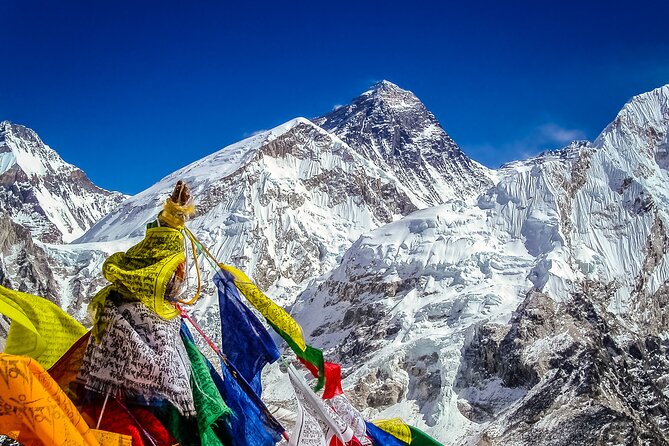
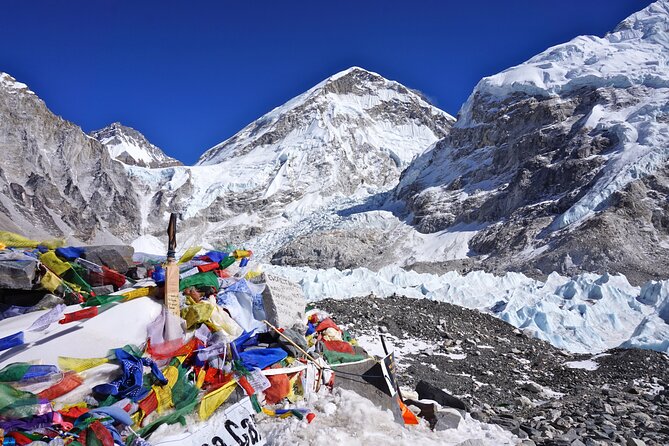
This is the key day. You leave Lobuche after breakfast and walk toward Gorakshep, then continue to Everest Base Camp at 5,364 meters before returning to Gorakshep for the night.
The full day takes about seven hours. The trail to Gorakshep is already demanding because of the altitude. After lunch there, you continue to Base Camp and then walk back.
Reaching Base Camp is a major achievement, but keep your expectations clear. This route takes you to the Everest Base Camp area, not to the summit of Everest. The value is in the approach, the height, the surrounding peaks, and the physical challenge of getting there.
The return to Gorakshep is not an afterthought. You have already walked for hours at high altitude, and the way back can feel slow. Follow the guide’s advice and save energy for the complete outing.
This is also the point where the compressed schedule becomes most obvious. A longer trek might give you more time to adjust to altitude. This version asks you to reach Base Camp quickly, so physical preparation and careful pacing matter greatly.
Day 7: Kala Patthar and the Helicopter Home
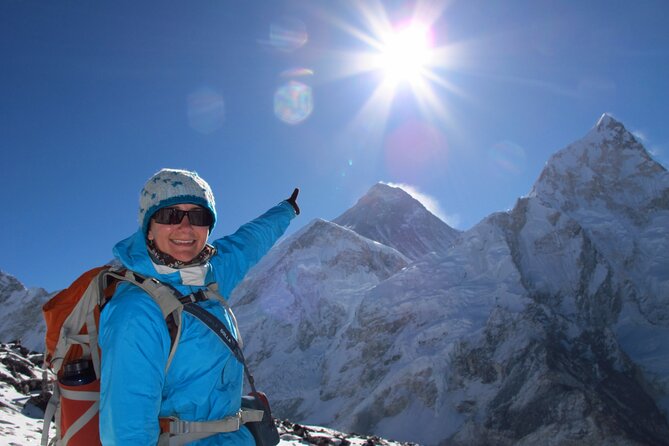
You start early for Kala Patthar, listed at 5,545 meters. The climb takes about two hours, followed by a return to Gorakshep for breakfast.
The reward is the view toward Mount Everest and the surrounding Himalayan peaks. Kala Patthar is the final high point of the walking program and, for many people, the best viewpoint of the trip.
After breakfast, you take a shared helicopter from Gorakshep to Kathmandu. The flight is listed at about two hours, though mountain aviation is always subject to weather and operating conditions.
The word shared matters. This is not a private helicopter charter. You may be traveling with other people, and the flight arrangement can depend on available space and conditions.
Still, it is a practical finish. You avoid several days of descending on foot and return to the capital on the same day. After six hard walking days, that convenience has real value.
Guide Support and Group Size
The maximum group size is 15 people. That is not a private experience, but it is small enough for a guide to manage a walking group without the feel of a mass tour.
The strongest service details involve personal communication and steady support. Kesh has handled WhatsApp communication, payment questions, weather changes, and last-minute needs. Padam has guided groups on the mountain and has been praised for his experience, calm attitude, and clear English.
You should still confirm who your guide will be before departure. The supplied information identifies Padam and Kesh through past arrangements, but it does not promise that either person will lead every departure.
A licensed English-speaking guide is included. Porters are not listed among the inclusions, so ask directly about baggage handling if you do not plan to carry your own gear.
What to Pack and What Costs Extra
Personal trekking gear is not included. You need to arrange suitable clothing, boots, and other equipment yourself.
The information does not provide a fixed packing list, so confirm the company’s current recommendations before you go. At a minimum, you should think carefully about footwear, warm layers, rain protection, gloves, a hat, and a day pack suitable for long mountain walks.
Budget for extras at the lodges. Battery charging, Wi-Fi, beverages, mineral water, and hot water showers all cost extra. These small charges can add up over several nights, so carrying spending money is sensible.
The tour includes meals, but it does not include Kathmandu hotel nights. Plan at least one hotel stay before the 5:15 am start and another after returning, unless your own travel plans cover those nights.
Cancellation, Weather, and Practical Risk
The booking is non-refundable and cannot be changed for personal reasons. If you cancel or request an amendment, the money paid is not returned.
There is one stated exception on the operator’s side. If the trip does not reach its minimum number of participants and is canceled, you can receive a full refund or choose another date or experience.
Weather is a separate concern. Lukla flights and helicopter operations can be delayed by conditions, so do not schedule an important international connection too soon after the planned return. The support team can help with changes, but flexibility remains part of the trip.
You also need to understand the altitude risk. This is a fast itinerary with no listed acclimatization day. The tour is intended for people with moderate fitness, but I would recommend a stronger base of fitness and honest communication with your guide if symptoms develop.
Who Should Book This Everest Trek?
I would choose this trip if you want the Everest Base Camp experience but cannot spend two or more weeks walking both ways. The helicopter return gives you a shorter total schedule while preserving the main route through the Khumbu Valley.
It suits people who value organization, included meals, permits, flights, and guide support. It is also a good fit if you prefer a small group rather than arranging every lodge and transfer yourself.
I would hesitate if you want a slow acclimatization schedule, private helicopter travel, or a soft comfort level. You should also think twice if you dislike early starts, basic lodge accommodation, weather delays, or carrying personal gear.
Should You Book It?
Book this trek if time is your main limitation and you are physically ready for a fast ascent. The price is high, but the included Lukla flight, mountain permits, six nights of meals and lodging, guide service, and shared helicopter return make it easier to justify than a simple guided walk with many add-on costs.
I would confirm four points before paying: the name of your guide, the luggage arrangement, the helicopter plan from Gorakshep, and the insurance requirements. If those details suit you, this is a focused way to reach Everest Base Camp, see Kala Patthar, and return to Kathmandu without walking the same trail back.
FAQ
How long does the Everest Base Camp trek and helicopter return take?
The experience lasts approximately seven days. You trek from Lukla to Everest Base Camp, climb Kala Patthar, return to Gorakshep, and fly to Kathmandu.
Where does the tour start?
The meeting point is the TIA Domestic Terminal parking lot in Kathmandu, Nepal. The start time is 5:15 am.
How many people can join the tour?
The maximum group size is 15 people.
Is the Kathmandu to Lukla flight included?
Yes. The Kathmandu to Lukla flight ticket is included in the price.
Is the helicopter flight from Gorakshep to Kathmandu included?
Yes. A shared helicopter flight from Gorakshep to Kathmandu is included.
Are meals included?
Yes. The package includes six breakfasts, six lunches, and six dinners.
Are Kathmandu hotels included?
No. Hotel accommodation in Kathmandu before and after the trek is not included.
Just added around Kathmandu
- Everest Base Camp Trek★ 5.0 · 3 reviews
- Everest Base Camp Trek★ 5.0 · 7 reviews
- 15 Days Private Everest Base Camp Trek★ 5.0 · 30 reviews
- Everest Base Camp Trek★ 5.0 · 57 reviews
- 14 Days of Adventure Trekking to Everest Base Camp★ 5.0 · 2 reviews
- 14-Day Everest Base Camp Trek★ 5.0 · 20 reviews
- From Kathmandu: Private 14-Day Everest Base Camp Trek★ 5.0 · 20 reviews
- 14 Days Everest Base Camp Trek★ 5.0 · 4 reviews
Everest Base Camp Treks, compared.
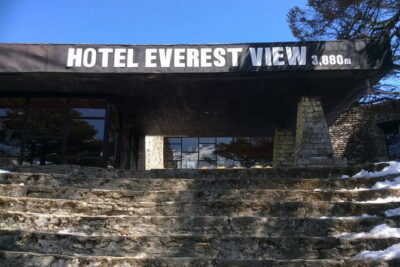
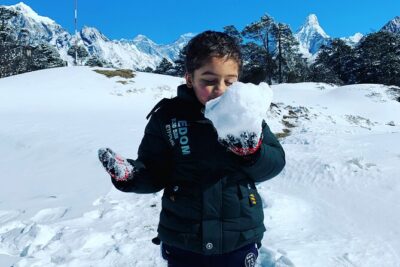
Everest Base Camp Helicopter Tour landing at Everest View Hotel
Read our review →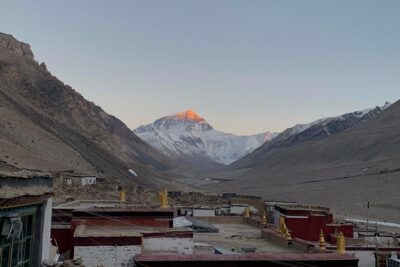
Tibet Tour 8 Days Lhasa to Everest Base Camp Small Group Tour
Read our review →
Dubai: Private Luxury Everest Yacht Cruise from Dubai Marina
Read our review →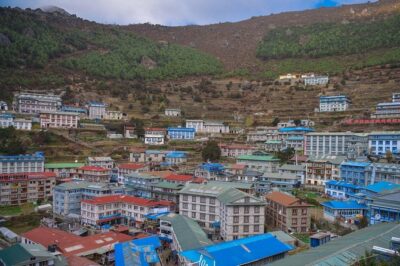
Browse the lists this trek appears in