
Review · KATHMANDU
12 Days Everest Base Camp Trek from Kathmandu
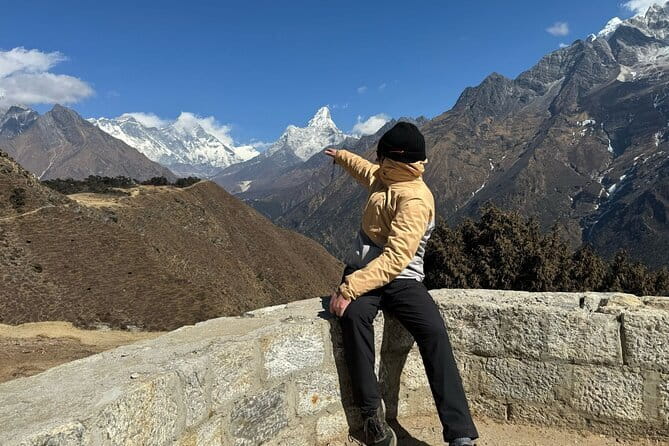
Everest Base Camp is the main event, but the walk there is what makes this trip memorable. You pass through rhododendron forests, prayer-flagged bridges, Sherpa villages, ancient monasteries, and high valleys framed by Everest, Lhotse, Nuptse, Ama Dablam, and Pumori. The route reaches both Everest Base Camp and Kala Patthar, the famous viewpoint above it.
I like the built-in acclimatization days at Namche Bazaar and Dingboche. I also like that the tour includes the Kathmandu to Lukla flights, permits, guesthouse lodging, transfers, and a private guide, which removes much of the planning work. The main caution is the pace: several days run six to eight hours, and the itinerary demands strong physical fitness at high altitude.
Key points to know before you book
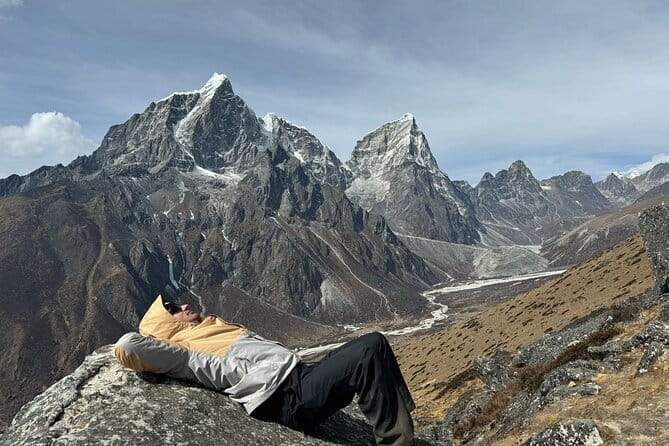
- Two major Everest views: Reach Everest Base Camp on Day 8, then climb Kala Patthar on Day 9 for broad views of Everest and the surrounding peaks.
- Useful acclimatization stops: Spend one day around Namche Bazaar and another around Dingboche before moving higher.
- Private guided format: Only your group takes part, with a government-licensed English-speaking trekking guide.
- Sherpa culture along the trail: Visit Namche Bazaar, Tengboche Monastery, Pangboche, Dingboche, and other mountain settlements.
- Flights are included: The package covers the Kathmandu to Lukla and Lukla to Kathmandu flights.
- Budget beyond the tour price: Food and drinks are extra, estimated at about $25 per day, and gratuities are optional.
What $1,380 covers on the Everest route
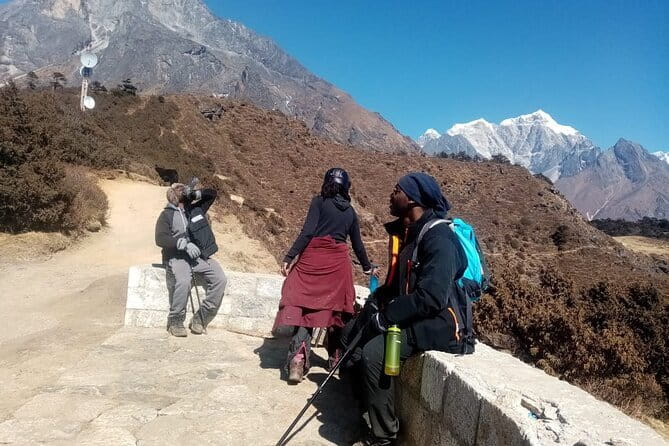
At $1,380 per person, this is not simply a guided walk. The price includes hotel pickup and drop-off, both domestic flights, official trekking permits and documents, guesthouse accommodation, a private tour, a licensed English-speaking guide, and a normal emergency first aid kit.
That package has real value because the Lukla flights and permit work are central parts of the trip. You are also paying for route support in a place where altitude, changing weather, and remote settlements make independent planning more demanding.
The price does not include meals or drinks. Allow about $25 per day for those purchases, which adds a noticeable amount across 12 days. Gratuities are optional. I would also treat the stated $1,380 as the core trip cost rather than your complete Nepal budget, since meals and personal spending sit outside it.
The private format is another point in its favor. You do not join a large shared group, so your own party takes part. That can make a demanding schedule easier to manage, though a private trip does not make the route easy. You still face long walking days and substantial altitude gain.
More Everest Base Camp Treks in Kathmandu:
- Everest Base Camp Trek – 14 Days
★ 5.0 · 1,499 reviews - Everest Base Camp Trek
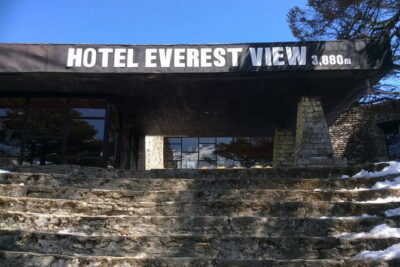
★ 5.0 · 842 reviews - Everest Base Camp Helicopter Tour landing at Everest View Hotel
★ 5.0 · 668 reviews
Day 1: Lukla flight and the walk to Phakding
The trek begins with a short flight from Kathmandu to Lukla. From the airfield, you meet the rest of the crew and start walking beside the Dudh Koshi River toward Phakding.
The first day lasts about six hours. The route introduces you to the rhythm of the trip without sending you straight into the highest country. You pass through green surroundings and small settlements, with the river providing a steady reference point.
Phakding is a practical first stop. It is close enough to Lukla for an opening walking day, yet it places you on the route toward Namche Bazaar. The tour does not charge a separate admission fee for this stop.
Day 2: Entering Sagarmatha National Park near Namche Bazaar
Day 2 is longer, at about seven hours. You leave Phakding, pass through Monjo, and enter Sagarmatha National Park. The trail crosses streams and small villages as it follows the route toward Namche Bazaar.
This is where the trip begins to feel more remote. The park is known for mountain wildlife and flowers, while the trail itself brings a mix of bridges, river crossings, and rising paths. You reach Namche Bazaar, the main gateway to the Everest region, after a solid day on foot.
Namche is more than a place to sleep. It is the point where many people first feel the altitude in a serious way. That makes the next day especially important.
Day 3: Acclimatization and the high views around Namche
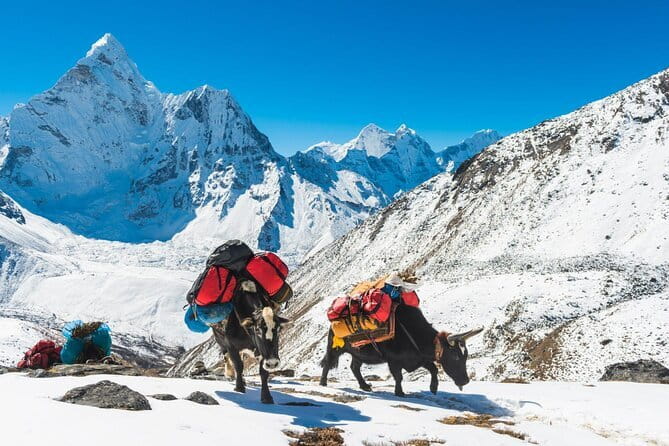
You spend Day 3 in Namche Bazaar rather than pushing onward. The schedule includes a shorter excursion toward the Syangboche Airstrip or Everest View Hotel, with about six hours of activity.
This is smart planning. Acclimatization works best when you gain height during the day and return to a lower sleeping point, and the Namche outing gives you a chance to adjust before the trail climbs farther up the valley.
The viewpoint excursion also gives you an early look at the mountains. You may see Everest and nearby peaks from a less severe height than the later stages. Namche itself offers a useful pause in the route, with time to explore the settlement before the trail turns more rugged.
A few more treks around Kathmandu worth a look
- Everest Base Camp Trekking
★ 5.0 · 485 reviews - Annapurna Circuit Trek with Tilicho Lake
★ 5.0 · 368 reviews - Everest Base Camp Trekking – 13 Day
★ 5.0 · 365 reviews - Everest Base Camp Trek
★ 5.0 · 350 reviews
Day 4: Forests and Tengboche Monastery
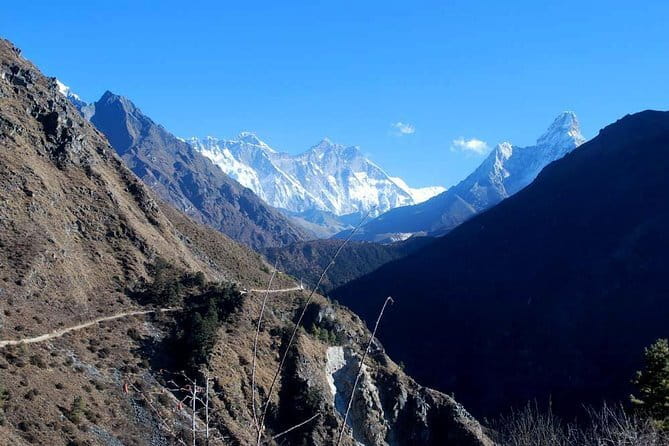
The path to Tengboche takes about six hours. It rises through rhododendron forest, crosses the Imja Khola, and reaches Tengboche village.
The main reason to look forward to this stop is Tengboche Monastery, described as the oldest monastery in the Khumbu region. You can explore the monastery, spin prayer wheels, and see Buddhist practice set against a powerful mountain backdrop.
This is one of the most meaningful days for culture, not just scenery. The monastery gives the walk a sense of place and shows that the Everest route is also a lived religious and community corridor. The combination of forest, mountain views, and Buddhist buildings makes Tengboche one of the strongest stops on the trip.
Day 5: Pangboche, chortens, and Dingboche
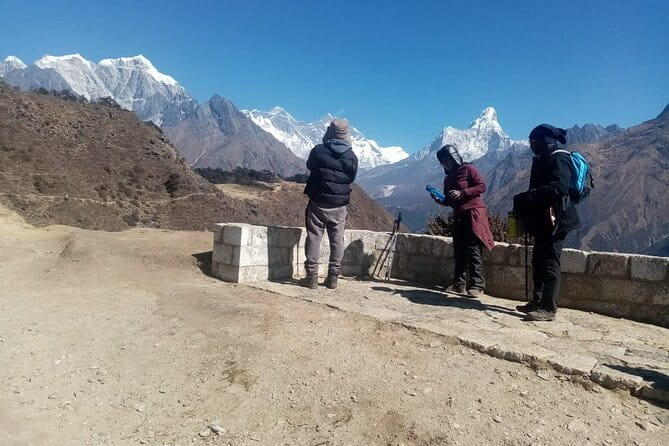
Day 5 takes about six hours as you continue toward Dingboche. The trail crosses suspension bridges and passes through settlements including Pangboche and Orsho.
Along the way, you see stupas, chortens, and mani walls. These are not just decorative features. They mark the spiritual character of the route, so pay attention to the symbols and prayer elements as you walk.
Dingboche is higher and more exposed than the earlier villages. The scenery begins to shift from wooded valleys to open mountain country, with fewer trees and more stark slopes. This change is a useful reminder that the route is now entering a tougher altitude zone.
Day 6: A second acclimatization day at Dingboche
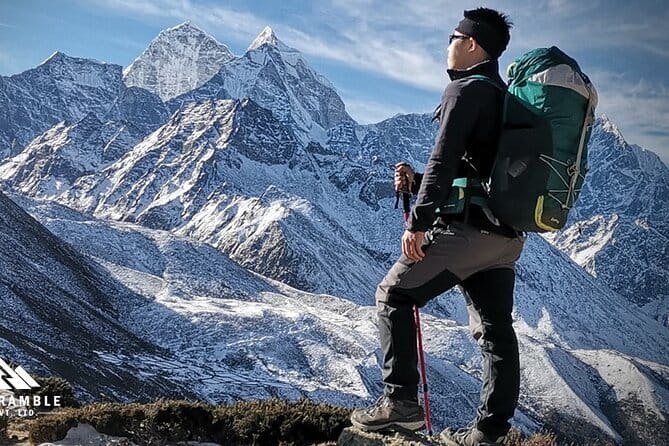
The itinerary pauses again at Dingboche. You take a hike toward Nagarjun Hill, with about six hours of walking, and gain views toward Everest, Lhotse, Ama Dablam, Nuptse, Thamserku, and Pumori.
I consider this one of the most valuable parts of the schedule. The body gets time to adjust before the route heads to Lobuche and Everest Base Camp, while the hill walk keeps the day active rather than turning it into a complete rest day.
Nagarjun Hill also gives you a chance to see how dramatically the scenery has changed since Lukla. The forests are now behind you, and the mountains feel much closer. Take this day at a measured pace. The goal is not to prove how fast you can climb.
Day 7: The changing ground around Lobuche
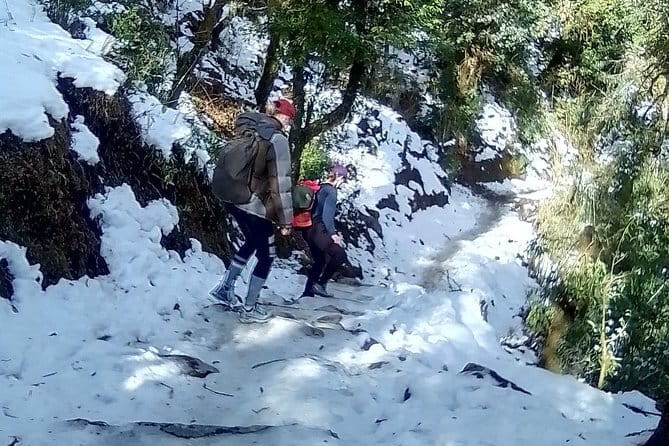
Leaving Dingboche, you climb gradually toward Lobuche. The day lasts about six hours, and the trail passes through smaller settlements before reaching the village at the foot of the higher route.
The vegetation becomes thinner, changing from forest to scattered shrubs. That shift is part of the visual story of the trek, but it also signals a practical challenge: the air is thinner and the trail offers less shelter.
Lobuche is an important overnight stop because it puts you within reach of Everest Base Camp. This is not the day to spend all your energy racing ahead. You need enough strength for the next morning, when the route reaches its main goal.
Day 8: Gorak Shep and Everest Base Camp
You start early for the walk to Everest Base Camp. The route passes through Gorak Shep, the last human settlement on the trail, before continuing toward Base Camp. The full day takes about eight hours.
Gorak Shep has a special place in the route because it marks the end of regular settlement. Beyond it, the feeling is more stark and high. The walk to Base Camp is not just a photo stop. It is the payoff for the steady climb from Lukla, with the trail now surrounded by glaciers, rock, and high Himalayan peaks.
At Everest Base Camp, you reach the foot of the mountain that has drawn climbers from around the world. The exact appearance of the camp can vary by season, but the location itself is the milestone. The tour includes admission for this stop.
The day is long, and altitude can make every hour feel longer. Keep your focus on steady progress. The value here is not speed, but reaching the place at the end of the route.
Day 9: Kala Patthar and the descent to Pheriche
Day 9 begins with a climb toward Kala Patthar, a famous viewpoint above Everest Base Camp. The outing takes about seven hours overall before you continue down to Pheriche.
Kala Patthar is often the strongest mountain-view moment of the trek. The route description highlights 360-degree views of Everest, and you can also expect the surrounding peaks to fill the horizon. The climb is above Base Camp, so it adds real effort after the previous day, but the viewpoint gives you a wider perspective than Base Camp itself.
After Kala Patthar, the route turns toward Pheriche. This change from ascent to descent brings some relief, but it does not make the day effortless. The high altitude remains a factor, so follow your guide’s pace and pay attention to how you feel.
Days 10 and 11: Returning through Tengboche, Namche, and Lukla
Day 10 takes about six hours and leads back toward Namche Bazaar. You follow the Imja River, pass Tengboche, descend to Phungki Thanka, and continue through forest toward Namche.
The return route lets you see familiar places from a different angle. The descent through greener country feels welcome after the open, spare ground above Dingboche. You also pass again through Tengboche, one of the most memorable cultural stops on the route.
On Day 11, you walk about seven hours from Namche to Lukla. The path descends through forest, crosses streams, and passes smaller villages before reaching Phakding and then Lukla.
This is a full walking day, not just a gentle exit. The downhill sections may feel easier for your lungs, but they can be tiring for your knees and legs. Plan to keep some energy in reserve. Your final day of walking still requires steady effort.
Day 12: Flight back to Kathmandu
The final day includes the return flight from Lukla to Kathmandu, followed by transport to the hotel. The scheduled activity is about five hours, and the trip ends with a farewell dinner and time to prepare for departure.
The flight is described as thrilling in both directions. It is also the transport link that makes this short 12-day schedule possible. By returning to Kathmandu rather than adding extra walking days, the tour keeps the full route within a compact timeframe.
Guides, lodging, and practical comfort
The trek uses guesthouse accommodation rather than hotels along the mountain route. That is the normal practical choice for this kind of journey, but you should expect simple lodging rather than polished city comfort.
A government-licensed English-speaking guide is included, along with a normal emergency first aid kit. The guide’s role matters most during the acclimatization days, long high-altitude walks, and decisions about pace. Guides named in the available material include Prakash, Milan, and Dev. Prakash is described as keeping close watch on safety and comfort, while Milan is praised for patience, local insight, and help with acclimatization. Dev is credited with caring for a family group throughout the route.
Those details point to the service you should value most: calm support when the trail gets hard. The tour has earned a perfect overall rating from four submitted reviews, with particular emphasis on guide care, punctual flights, accommodation, and transport. That is a small sample, so I would not treat it as a guarantee, but the repeated praise is specific and useful.
Who should book this trek
This tour suits you if you want the full Everest Base Camp route but prefer to have permits, flights, accommodation, and guiding arranged in one package. It is also a good fit if you value a private group and want built-in rest days at Namche and Dingboche.
You should be comfortable with six to eight hours of walking on several days. The operator specifically requires a strong physical fitness level, and the itinerary includes high-altitude climbs, long descents, suspension bridges, and changing terrain.
It may not suit you if you want a relaxed holiday, hotel-style accommodation, or a flexible schedule with many spare days. Twelve days is efficient, but it leaves limited room for unexpected changes. Before booking, check that you can manage the fitness demands and the added food budget.
You can cancel for a full refund if you do so at least three full days before the local start time. Cancellations or changes made within that period are not refunded or accepted.
Should you book the 12-day Everest Base Camp trek?
I would book this trip if you want a focused route with the major landmarks included: Namche Bazaar, Tengboche Monastery, Dingboche, Everest Base Camp, and Kala Patthar. The two acclimatization days, private format, included flights, and named guide support give the $1,380 price solid value.
Go in with clear expectations. This is a demanding mountain trek, not a sightseeing tour with short walks. If you are fit, accept simple guesthouses, budget separately for food, and want a guided route to Everest Base Camp without handling the logistics yourself, this package makes a practical choice.
FAQ
How long is the Everest Base Camp trek?
The experience lasts approximately 12 days, including the flights from Kathmandu to Lukla and back from Lukla to Kathmandu.
Are the Kathmandu to Lukla flights included?
Yes. The package includes the Kathmandu to Lukla and Lukla to Kathmandu flight tickets.
Is this a private tour?
Yes. Only your group takes part in the activity.
Is a trekking guide included?
Yes. The tour includes a government-licensed English-speaking trekking guide.
Where do you stay during the trek?
Accommodation is provided in guesthouses during the trek.
Are food and drinks included?
No. Food and drinks are available for purchase and are estimated at about US$25 per day.
What level of fitness is required?
You should have a strong physical fitness level. The itinerary includes walking days of about six to eight hours and high-altitude sections.
Can you cancel for a full refund?
Yes. You can receive a full refund if you cancel at least three full days before the experience start time. Cancellations made less than three full days in advance are not refunded.
Just added around Kathmandu
- Everest Base Camp Trek★ 5.0 · 3 reviews
- Everest Base Camp Trek★ 5.0 · 7 reviews
- 15 Days Private Everest Base Camp Trek★ 5.0 · 30 reviews
- Everest Base Camp Trek★ 5.0 · 57 reviews
- 14 Days of Adventure Trekking to Everest Base Camp★ 5.0 · 2 reviews
- 14-Day Everest Base Camp Trek★ 5.0 · 20 reviews
- From Kathmandu: Private 14-Day Everest Base Camp Trek★ 5.0 · 20 reviews
- 14 Days Everest Base Camp Trek★ 5.0 · 4 reviews
Everest Base Camp Treks, compared.
Everest Base Camp Helicopter Tour landing at Everest View Hotel
Read our review →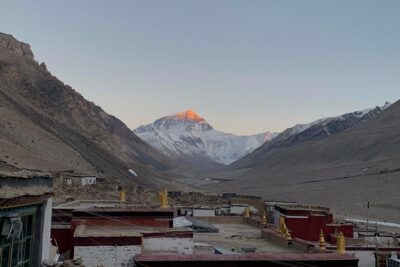
Tibet Tour 8 Days Lhasa to Everest Base Camp Small Group Tour
Read our review →
Dubai: Private Luxury Everest Yacht Cruise from Dubai Marina
Read our review →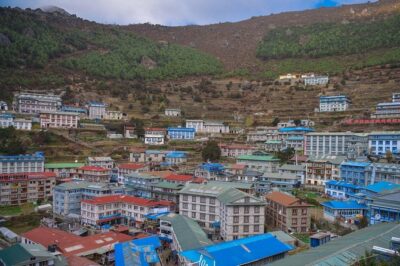
Browse the lists this trek appears in