
Review · ARUSHA
Climb Kilimanjaro – Marangu Route 8 Day Program
The Marangu Route gives you Kilimanjaro with a roof over your head each night. You hike through rainforest, heath, and high alpine desert, then make the final push to Uhuru Peak before sunrise. I especially like the extra acclimatization day at Horombo Hut and the practical hut lodging, which keeps this route simpler than camping routes.
I also like the mix of support: guides, porters, cooked meals, boiled water, transport, and park fees are included. Guides who have led recent climbs include John, Issa, Dustin, and Mmasa. The main catch is altitude, not technical climbing. Marangu is called the easiest route, but its short profile attracts many underprepared climbers, and the summit success rate can suffer.
Key points to know before you book
- Eight days gives you useful acclimatization time: The extra night at Horombo Hut is one of the best features of this itinerary.
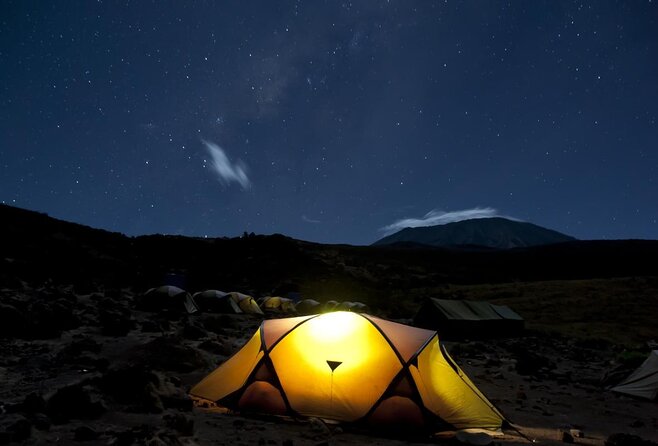
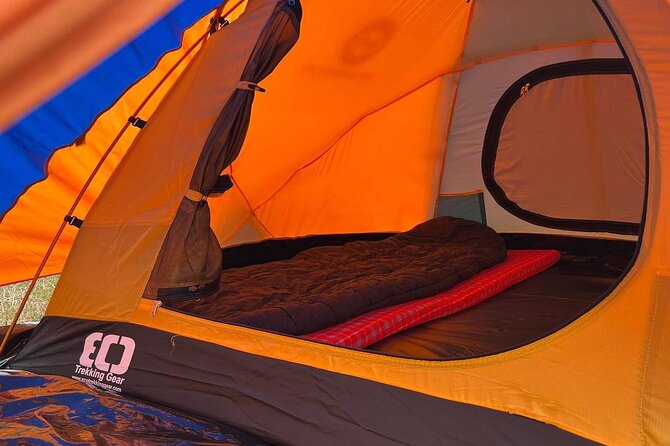
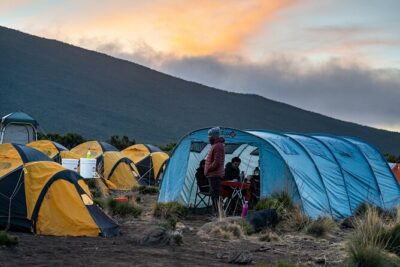
- You sleep in mountain huts: Mandara, Horombo, and Kibo provide more shelter than tent camping, though comfort remains basic.
- The summit day is long: Expect a midnight wake-up, a climb to Gilman’s Point, a further push to Uhuru Peak, and descent to Horombo.
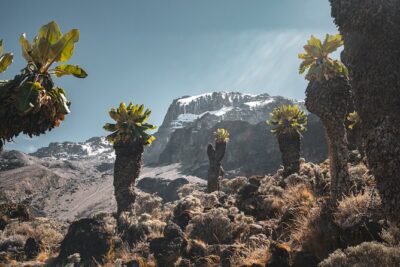
- The scenery changes fast: Rainforest gives way to heath, then a stark alpine desert between Mawenzi and Kibo.
- Meals and boiled water are included: You still need personal gear, health insurance, visas, and money for tips.
- The group is capped at 12 people: That is large enough for company but small enough for the guide team to monitor the group.
Why the Marangu Route feels different
Marangu is often called the tourist route because it has huts and established services along the way. That label can sound dismissive, but the route’s real appeal is practical. You do not carry camping shelter, and you return by the same trail, which makes the route easy to understand from a logistics point of view.
The tradeoff is scenery and traffic. Since the ascent and descent use the same path, you do not get a completely different route on the way down. The hut system also makes Marangu popular, so you should not expect solitude every day.
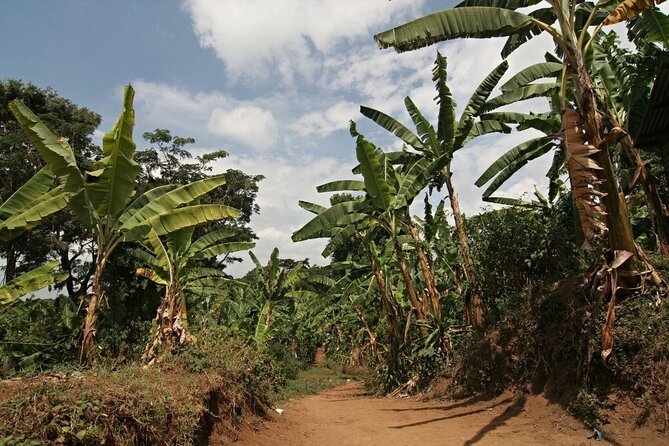
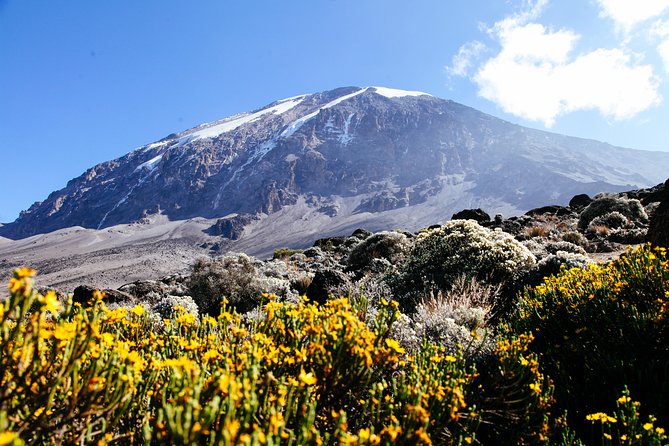
Still, the scenery has plenty of variety. The first walk passes through rainforest. Higher up, the vegetation thins into heathland, and then the trail crosses the broad saddle between Mawenzi and Kibo. That saddle is a dry, open stretch of alpine desert with a stark, almost lunar look.
You need moderate physical fitness, but this is not a technical mountaineering program. The hard part is sustained walking at altitude, cold, early starts, and listening to your body when the air gets thin. The itinerary gives you eight days, which is much more sensible for acclimatization than rushing up and down in five days.
More Kilimanjaro Climbs in Arusha
- 8-Day Small-group Lemosho Kilimanjaro Summit Trekking
★ 5.0 · 186 reviews - 7-Day Machame Kilimanjaro Summit Tour from Arusha
★ 5.0 · 125 reviews - Mountain Kilimanjaro Day Hike
★ 5.0 · 102 reviews
Day 1: Arrive in Moshi and keep the evening easy
Your climb begins with arrival at Kilimanjaro International Airport. Pickup is offered, and you are transferred to Springlands Hotel in Moshi, where the program begins and ends.
The transfer and hotel night matter more than they may seem. You have time to arrive, settle in, and prepare before the mountain schedule starts. Do not plan a packed sightseeing day here. Use the evening to check your clothing, organize your daypack, and make sure you have the personal items the package does not cover.
The tour lists Wi-Fi, but you should think of it as a convenience rather than your main reason for choosing the hotel. The key value is having a known base before and after the climb.
Day 2: Marangu Gate to Mandara Hut, 1,800 to 2,720 meters
The morning starts with a roughly 45-minute drive from Springlands Hotel to Marangu Gate on Kilimanjaro’s eastern side. Park registration and other paperwork take place at the gate, so the walking start is around 10:30 a.m.
The first section runs through rainforest. You walk for about four hours, with a lunch stop around the halfway point, before reaching Mandara Hut in the afternoon. The schedule allows time to unpack, rest, and have tea or coffee before dinner.
Mandara is a good first night because the route is still gentle compared with what follows. Bathrooms with running water are available here, a useful comfort after a warm forest walk.
If you have energy, take the short side trip to Maundi Crater. It takes about 15 minutes to reach and offers wider views toward Kenya and northern Tanzania. I would make the effort, since it gives you a first look beyond the trees without adding a demanding walk.
The biggest mistake on this day is treating the easy trail as a race. Your guide will be watching your pace, but you should also settle into slow, steady walking from the start. Kilimanjaro rewards patience.
Day 3: Mandara to Horombo Hut, 2,720 to 3,720 meters
After breakfast, you leave Mandara at about 8:30 a.m. The walk to Horombo takes roughly five to six hours, including a lunch stop.
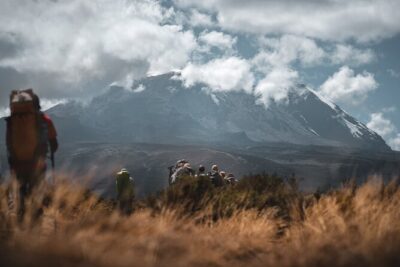
The rainforest gives way to lower heathland, where shrubs replace the taller trees. Mawenzi becomes an important part of the view, and the summit cone of Kibo can be seen from Horombo Hut. This is one of the most satisfying days visually because the mountain begins to feel wide and open.
Horombo is also where the altitude becomes a more serious part of the trip. At 3,720 meters, you may notice a headache, poor sleep, reduced appetite, or unusual tiredness. These signs should not be hidden. Tell your guide early, drink the boiled water provided, and follow the slow pace.
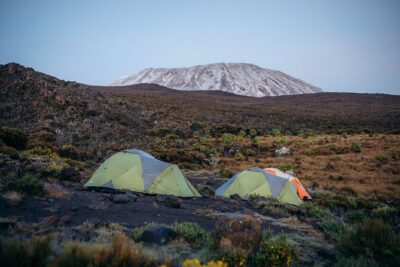
Bathrooms with running water are available at Horombo. That does not turn the hut into a hotel, but it makes this two-night stop easier. You unpack, rest, and prepare for dinner rather than immediately packing again.
Same trailhead, a different route:
- 4 Days Mount Meru Trekking
★ 5.0 · 55 reviews - 4 days Best experience Kilimanjaro Hike, Serengeti &Ngorongoro
★ 5.0 · 54 reviews - From Arusha/Moshi: Kilimanjaro Hike Marangu Route Day Trip
★ 4.5 · 54 reviews - Mount Kilimanjaro Day Hike Through Marangu Route to Mandara Hut
★ 5.0 · 37 reviews
Day 4: The Horombo acclimatization day
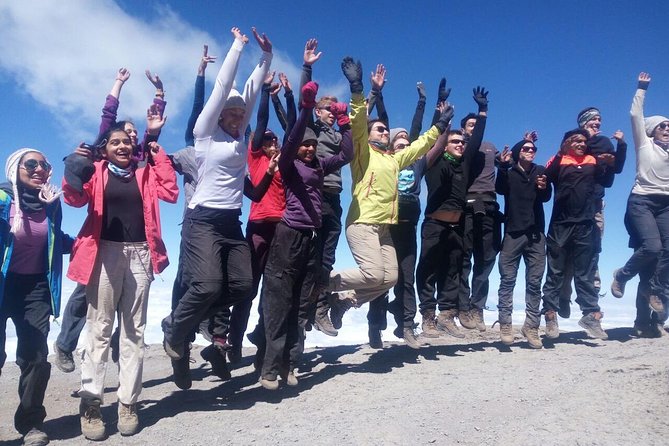
This is the day that makes the eight-day plan worth considering. You stay at Horombo and walk higher, toward Zebra Rocks at about 4,100 meters, before returning to the hut.
The point is not to cover a great distance. It is to give your body time at altitude while keeping your legs moving. You also get a chance to see the type of weather and terrain that may greet you higher on the mountain.
I would treat this as a training day, not a rest day in the usual holiday sense. Walk slowly, stay aware of your breathing, and use the outing to test your clothing and daypack. You will want to know how your layers work before summit night.
The extra day cannot guarantee that you will reach Uhuru Peak. It does, however, give you more time to adjust than a short itinerary. That matters because the Marangu Route is easy in terms of trail access but demanding in terms of altitude.
Day 5: Horombo to Kibo Hut, 3,720 to 4,720 meters
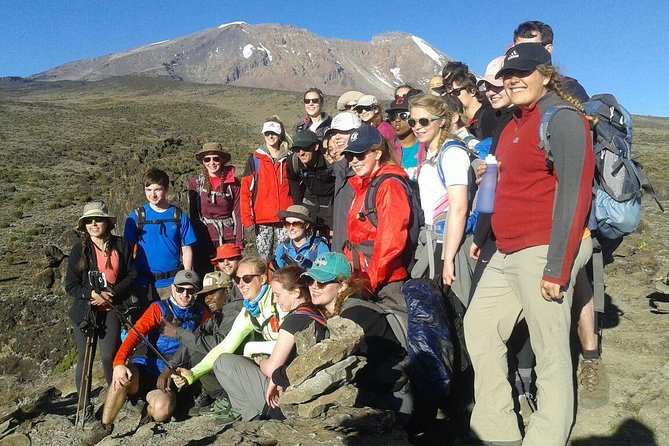
You leave after breakfast for a six to seven-hour walk to Kibo Hut. The first part crosses upper heathland. Then the vegetation fades as you enter the broad saddle between Mawenzi and Kibo.
This saddle is one of the most memorable sections of the climb. It is open, dry, and spare, with very little to distract you from the scale of the mountain. The terrain can feel like another world after the forest below.
Lunch comes during the hike, and the route continues to Kibo Hut. There is no running water at Kibo, so fill and manage your supplies carefully. Boiled water is included on the mountain, but the high hut is still basic, and you should expect a less comfortable night than at Horombo.
This is also the day to be honest about altitude symptoms. The itinerary specifically advises you to watch for signs of altitude sickness and communicate with your guide. Do not decide that a headache or severe weakness is something you must simply overcome. Your guide is there to help assess how you are doing.
You will likely spend only part of the night sleeping. The summit departure is around 1:00 a.m., so organize your clothes, headlamp, water, and small essentials before trying to rest.
Day 6: Midnight start and the push to Uhuru Peak
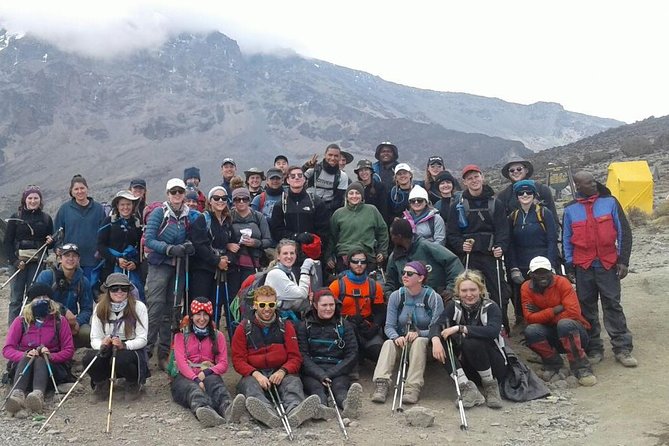
Summit day begins around midnight with a light breakfast. You leave Kibo at about 1:00 a.m., aiming to reach Gilman’s Point around 7:00 a.m.
This is the toughest day by far. The walking time to the summit area is listed at about seven hours, but the full day lasts roughly 12 hours because it includes the summit attempt, descent to Kibo, the return across the saddle, and the walk to Horombo.
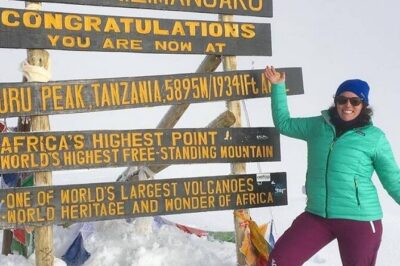
Reaching Gilman’s Point puts you on the crater rim at about 5,681 meters. From there, you continue for roughly two more hours toward Uhuru Peak at 5,895 meters. The route description aims for Uhuru at about 8:30 a.m., when the light can be excellent for views and photographs.
The summit is not the end of the day. You descend to Kibo Hut, collect your belongings, cross the saddle again, and continue to Horombo for dinner and sleep. That return section can feel surprisingly long after the excitement of the summit.
You should expect cold, darkness, slow movement, and a great deal of effort. This is where a patient guide and a supportive crew matter most. The company has used guides including John, Issa, Dustin, and Mmasa on past climbs, and guide attentiveness is a recurring strength of the operation. Ask who will lead your group and how the team handles altitude concerns before departure.
Day 7: Descend through the forest and return to Moshi
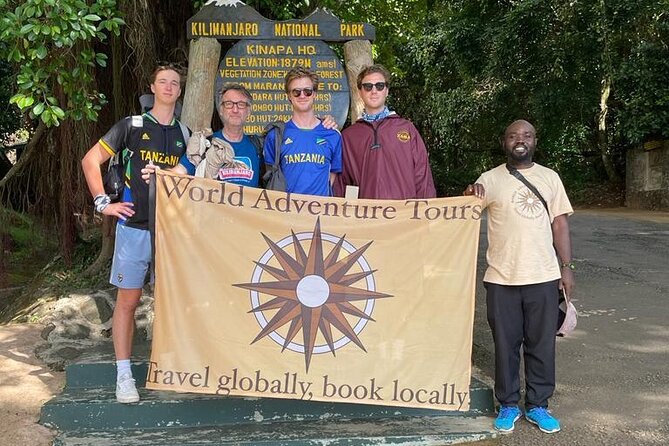
You descend from Horombo to Mandara Hut, stop for lunch, and continue to Marangu Gate. The walking portion takes about six hours, with arrival at the gate around 2 or 3 p.m.
The descent lets you see the vegetation change in reverse. The open high country gives way to heath and then rainforest. Your knees may complain, especially after summit day, so use your poles if you bring them and keep a controlled pace.
Transport meets you at the park gate and returns you to Springlands Hotel in Moshi. A hot shower and an overnight stay follow. This is also when successful climbers receive summit certificates.
Tips for guides, porters, and drivers are not included. The arrangement described allows you to give tips to the main guide at Springlands Hotel, with local representatives available to help organize this. Bring a clear tipping plan, since the mountain crew is central to the experience and gratuities are a normal part of the final day.
Day 8: Departure or time for another Tanzanian trip
The final day is for airport departure or onward travel. You can leave for another destination, arrange more activities around Moshi and Kilimanjaro, or continue toward a safari in Kenya or a beach stay in Zanzibar.
The tour does not include those extra trips, but the location makes them logical add-ons. If you are planning onward travel, leave enough time after the climb to recover before scheduling anything physically demanding.
What the $2,111 price covers
At $2,111 per person, the package is priced as a supported mountain climb rather than a simple hiking permit. The cost includes national park fees, mountain accommodation, meals, transport to the trailhead and back to Moshi, qualified guides, porters, boiled water, and Wi-Fi.
That bundle has real value. Park fees alone are a major part of any Kilimanjaro budget, and the crew handles food, water preparation, luggage support, and mountain logistics. Hut accommodation also removes the need for a tent and camping setup.
The meals are listed as breakfast, lunch, and dinner across the program, though the supplied meal counts are presented inconsistently. Confirm the exact meal schedule before booking, especially for airport arrival and departure days.
You still pay separately for visas, climbing gear, health insurance, personal items, and tips. Those extras can add up. The package also has a strict nonrefundable cancellation policy, so make sure your dates, insurance, and medical preparation are settled before paying.
Who should choose this climb?
This program suits you if you want a classic Kilimanjaro route with hut accommodation, organized transport, and a full acclimatization day. It is also a good fit if you prefer a clear support structure, since the crew manages the practical work while you focus on walking and altitude awareness.
It is less suitable if you want quiet trails, a different descent route, or camping in remote areas. It is also not a casual holiday walk. The route may be described as easy, but summit day is long and high, and moderate fitness is required.
A maximum group size of 12 keeps the experience from becoming a huge expedition. Ask about the guide-to-climber setup, porter arrangements, equipment rental, and exact hut conditions before you go. Those details can shape your comfort more than the route name alone.
Should you book the 8-day Marangu Route?
I would choose this program if hut lodging and extra acclimatization matter more to you than having a completely different descent trail. The combination of included park fees, meals, transport, guides, porters, and an eight-day schedule makes the price reasonable for a supported Kilimanjaro climb.
Book it with realistic expectations. Marangu is not effortless, the huts are basic, and the summit day is a serious physical test. If you train steadily, communicate quickly about altitude symptoms, and accept a slow pace, this route gives you a practical and scenic way to attempt Africa’s highest peak.
FAQ
Where does the climb start and end?
The meeting point is Springlands Hotel in Moshi, Tanzania. The activity ends back at the same meeting point after the descent.
Is airport pickup included?
Pickup is offered. On arrival at Kilimanjaro International Airport, you are transferred to your hotel in Moshi.
How long is the Marangu Route program?
The program lasts approximately eight days, including arrival in Moshi, the mountain climb, the return to Moshi, and departure or onward travel.
Where do you sleep on the mountain?
Accommodation on the Marangu Route is in mountain huts. You stay at Mandara Hut, Horombo Hut, and Kibo Hut during the ascent and descent.
Is there an acclimatization day?
Yes. Day 4 is an extra acclimatization day at Horombo Hut. The walk can continue toward Zebra Rocks at about 4,100 meters before returning to the hut.
What is included in the price?
The price includes boiled water on the mountain, qualified guides and mountain crew, national park fees, Wi-Fi, hut accommodation, transport, breakfast, lunch, and dinner.
What do I need to pay for separately?
Visas, climbing gear, health insurance, personal items, and tips for drivers, porters, and guides are not included.
Just added around Arusha
- Mt. Kilimanjaro: Shira plateau to Cathedral point 3872m Day hike★ 5.0 · 7 reviews
- 5 days safari, hiking & culture (Serengeti & kilimanjaro)★ 5.0 · 27 reviews
- One Day Hike from Kilimanjaro to Mandara★ 5.0 · 2 reviews
- 3 Days Mount Meru trekking★ 4.5 · 7 reviews
- climb the KILIMANJARO via Lemosho route★ 5.0 · 4 reviews
- 6 Day: Hiking Kilimanjaro via Machame Route★ 5.0 · 2 reviews
- Private 8 day Northern Circuit Kilimanjaro Climb★ 5.0 · 8 reviews
- Kilimanjaro Waterfalls Hike & Moshi Hot Springs Day Trip Tour★ 5.0 · 4 reviews
Kilimanjaro Climbs, compared.
8-Day Small-group Lemosho Kilimanjaro Summit Trekking
Read our review →
Climbing Kilimanjaro through 7 days Machame Route
Read our review →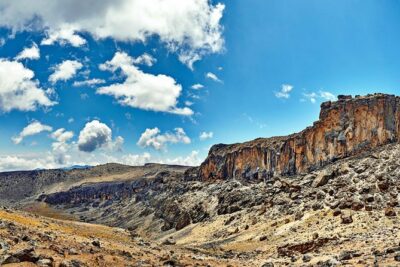
Browse the lists this trek appears in