
Review · ARUSHA
Kilimanjaro Climb Via Machame Route
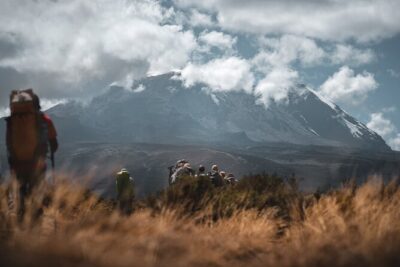
Kilimanjaro’s Machame Route gives you the mountain in bold strokes: rainforest on day one, open moorland soon after, volcanic rock, a steep Barranco Wall, and an Arctic summit under a dark sky. It is called the Whiskey route for good reason. This is not the gentle option. It is scenic, direct, and physically demanding.
I like two things here. First, the route uses the Southern Circuit, giving you changing views of Kibo and Mawenzi before the summit. Second, the climb includes useful acclimatization days, especially the high Lava Tower to lower Barranco section. The local Sirikwa Travel team, associated with people such as Ole and owner Oinoth, is also known for warm support and careful organization.
The tradeoff is clear: seven days is a short schedule for a mountain topping out at 19,341 feet. The trail is steep, the summit morning is long, and the altitude can defeat strong hikers who rush. You need to arrive ready to walk slowly, follow your guide, and accept that the summit is never guaranteed.
Key points to know before booking
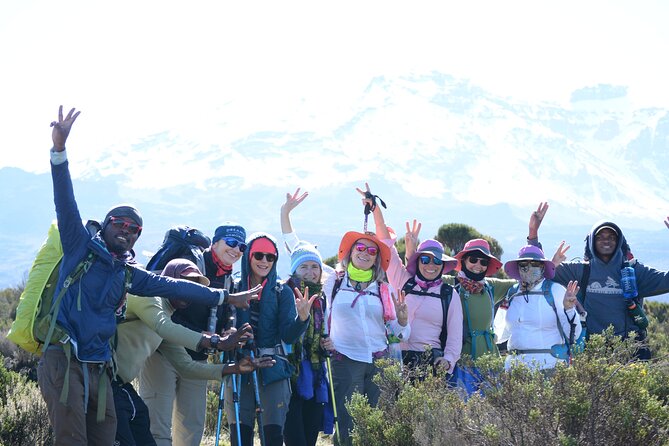
- The route changes scenery fast: You move from rainforest to heath, alpine desert, and Arctic terrain in less than a week.
- The Lava Tower day helps with acclimatization: You climb to 15,190 feet, then sleep much lower at Barranco Camp.
- Barranco Wall is steep but non-technical: It demands balance and steady footing, not rock-climbing skills.
- Summit day is the real test: The midnight start combines cold, darkness, thin air, and a long descent.
- Meals and transport are included: Breakfast, lunch, dinner, transportation, and a tour guide are part of the stated package.
- The group is capped at 10: That gives the trip a small-group feel, though you should confirm the final group size before departure.
Why Machame is Kilimanjaro’s scenic classic
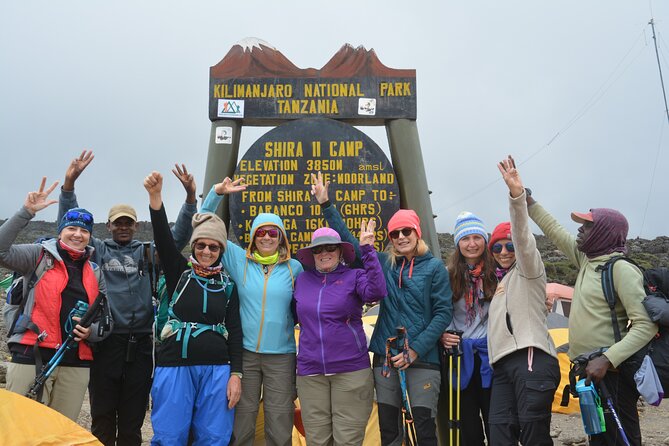
The Machame Route approaches Kilimanjaro from the south, starting at Machame Gate after a drive of about 50 minutes from Moshi. You pass through Machame village on the lower slopes before entering the national park and beginning the climb.
The appeal is variety. You do not spend seven days staring at the same rocky path. The trail climbs through thick forest, crosses open high country, winds below the Southern Ice Field, and reaches the summit from Barafu. You return by the Mweka Route, so the descent does not simply retrace the way up.
That variety comes with a price. Machame is considered difficult, especially on the seven-day version. It suits someone with hiking, backpacking, or high-altitude experience better than someone whose main exercise is an occasional weekend walk.
The package costs $2,550 per person. That is a substantial sum, but the price includes transportation, a guide, and seven breakfasts, seven lunches, and seven dinners. Those inclusions matter on a remote mountain, where carrying and preparing food is part of the operation.
Still, do not assume every possible expense is covered. The details specifically list only what is included, and accommodation before or after the trek is not clearly described in the package information. Ask about lodging, park and rescue arrangements, porter support, equipment, tips, transfers, and any required medical or insurance costs before paying.
More Kilimanjaro Climbs in Arusha
- 8-Day Small-group Lemosho Kilimanjaro Summit Trekking
★ 5.0 · 186 reviews - 7-Day Machame Kilimanjaro Summit Tour from Arusha
★ 5.0 · 125 reviews - Mountain Kilimanjaro Day Hike
★ 5.0 · 102 reviews
Day 1: From Moshi to Machame Camp
The first day begins with the drive from Moshi to Machame Gate. The trip takes about 50 minutes, allowing you to see the lower mountain before leaving the road behind.
From the gate, the path enters the rain forest. Expect a winding trail that climbs along a ridge, with dense vegetation around you and a steady gain in height. The day covers about 11 kilometers, or seven miles, and usually takes five to seven hours.
You begin at roughly 5,380 feet and finish at Machame Camp at about 9,350 feet. That is a sizable first gain, but the forest provides a more forgiving setting than the exposed upper mountain.
This is not a sightseeing stroll. Mud and wet conditions are possible in forest terrain, and your pace may feel slow from the beginning. That is exactly what you want. Slow walking helps conserve energy for the days ahead.
Day 2: Climbing onto the Shira Plateau
Day two is shorter in distance, about five kilometers, but the altitude makes it serious. You leave the forest behind and follow an ascending trail toward a steep, rocky ridge.
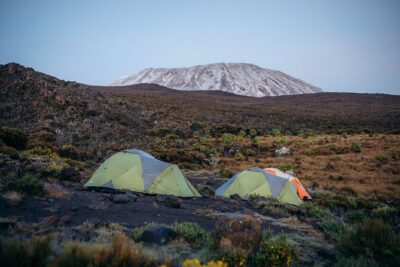
The setting changes to heath and open moorland. The trees thin out, the views open, and the mountain begins to feel less sheltered. You cross a large river gorge before reaching Shira 2 Camp at approximately 12,500 feet.
The listed hiking time is four to six hours. The day may look modest on paper, but altitude can make every uphill section feel longer. Drink regularly, keep your clothing adjustable, and resist the urge to race simply because the distance is short.
Shira Plateau is also important for the route itself. Several Kilimanjaro routes meet in this area, so you are now part of the mountain’s wider network of trails. The open terrain gives you a stronger sense of how high you have climbed.
Day 3: Lava Tower, alpine desert, and Barranco
This is one of the smartest days in the itinerary. You climb from Shira 2 Camp at 12,500 feet to Lava Tower at about 15,190 feet, covering seven kilometers in four to five hours. Then you descend three kilometers to Barranco Camp at roughly 13,044 feet.
The rule here is climb high, sleep lower. You spend time at a greater height, which gives your body useful exposure to the altitude, but you do not spend the night at the day’s highest point.
Lava Tower is a roughly 300-foot volcanic rock formation. The surroundings are alpine desert, with strange, spare vegetation and broad views. After Lava Tower, the trail drops toward Barranco through the unusual Senecio Forest.
The total day takes about eight hours. That makes it tiring, yet the descent gives your legs some relief after the climb. If you feel headache, nausea, unusual weakness, or other altitude problems, tell your guide promptly. A supportive guide can adjust the pace, but you need to speak up early.
Barranco Camp is one of the route’s memorable locations because the next day’s wall is already waiting above you.
Same trailhead, a different route:
- 4 Days Mount Meru Trekking
★ 5.0 · 55 reviews - 4 days Best experience Kilimanjaro Hike, Serengeti &Ngorongoro
★ 5.0 · 54 reviews - From Arusha/Moshi: Kilimanjaro Hike Marangu Route Day Trip
★ 4.5 · 54 reviews - Mount Kilimanjaro Day Hike Through Marangu Route to Mandara Hut
★ 5.0 · 37 reviews
Day 4: The Barranco Wall and Karanga Valley
Day four begins by dropping into a ravine at the foot of the Great Barranco Wall. Then you climb the nearly 900-foot cliff.
The wall is steep but non-technical. You do not need mountaineering ropes or rock-climbing training based on the information provided, but you do need to use your hands at times, watch your footing, and move carefully around other people on the trail.
This section is often more psychological than athletic. The trail rises sharply, and the rock can look intimidating from below. Your guide sets the pace, and patience matters more than strength. Do not treat the wall as a challenge to conquer quickly.
Once over the wall, you cross a series of hills and valleys before descending into Karanga Valley. One final steeper climb takes you to Karanga Camp at about 13,106 feet.
The day covers only five kilometers and takes about four to five hours, but the advertised duration is eight hours, likely allowing for slow movement, rests, and the rough route. It is meant as an acclimatization day. Take that purpose seriously. Rest, eat, drink, and keep your energy for Barafu.
Day 5: Barafu Camp and the final preparation
From Karanga, you reach the junction with the Mweka Trail, then continue over increasingly rocky ground to Barafu Hut. The distance is about four kilometers, with four to five hours of hiking.
Barafu Camp sits at approximately 15,331 feet. This is the last camp before the summit push, and the mood changes. You have completed the Southern Circuit, seen Kibo and Mawenzi from different angles, and now the summit schedule takes over.
The plan calls for an early dinner and rest. That sounds simple, but sleeping at this altitude can be difficult. You may not feel hungry, and you may not sleep well. Eat what you can, organize your summit clothing before bed, and keep essential items close.
The route description specifically notes views of Mawenzi and Kibo from Barafu. These two peaks give you a useful visual marker. Kibo is the summit cone, while Mawenzi forms the jagged companion peak. At this point, you are not merely approaching Kilimanjaro. You are preparing for its hardest hours.
Day 6: A midnight start and Uhuru Peak
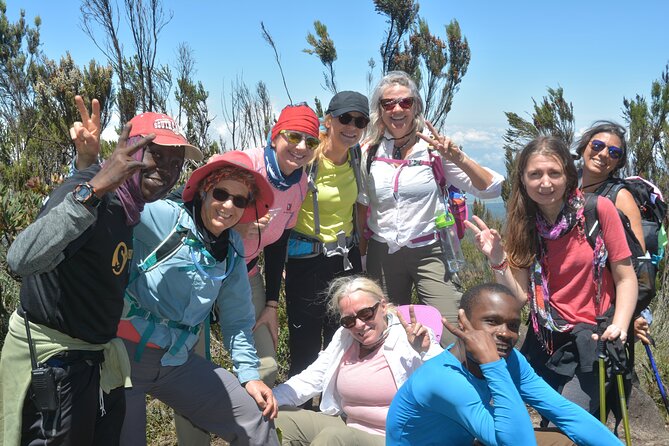
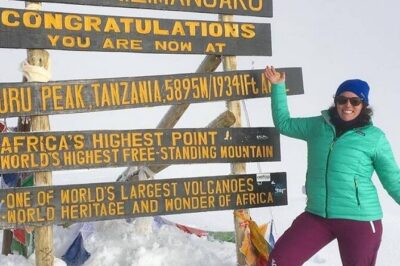
Summit day begins around midnight. You climb from Barafu at 15,331 feet to Uhuru Peak at 19,341 feet, gaining roughly 4,000 feet in about five kilometers.
This is the most difficult part of the trip. You walk in darkness for several hours, stopping for short breaks. The wind and cold can be severe, and the thin air makes a gentle slope feel demanding.
The route passes near Stella Point at about 18,900 feet. From there, you may see sunrise over Mawenzi, one of the great visual rewards of the climb. The final section continues around the crater rim to Uhuru Peak, the highest point on Kilimanjaro.
The listed ascent time is seven to eight hours, but your actual time can vary. The key is not speed. You need a measured pace, steady breathing, and close attention to your body. A fit person can still struggle at this altitude.
After the summit, you descend to Mweka Camp at about 10,065 feet. The descent covers 12 kilometers and takes another four to six hours. That makes this a very long day, listed at about 12 hours in total.
Many people focus only on reaching Uhuru Peak, but the descent is also demanding. Loose ground can punish tired knees, and the long drop can be surprisingly hard after a night without normal sleep. Keep drinking and follow your guide’s instructions even after the summit photographs are done.
Day 7: Descending through the forest to Mweka Gate
The final day drops from Mweka Camp at 10,065 feet to Mweka Gate at approximately 5,380 feet. The distance is about 10 kilometers, with three to four hours of walking through rainforest.
The trail may be wet and muddy at lower elevations. Use shoes with a firm grip and keep rain protection handy. After reaching Mweka Gate, you collect your summit certificate, then continue for about another hour to Mweka Village.
A vehicle meets you at Mweka Village for the drive back to your hotel in Moshi. This transfer is a small but important detail. After seven days on foot, the final road journey gives you a clear finish rather than leaving you to arrange your own return.
What the support and meals mean on the mountain
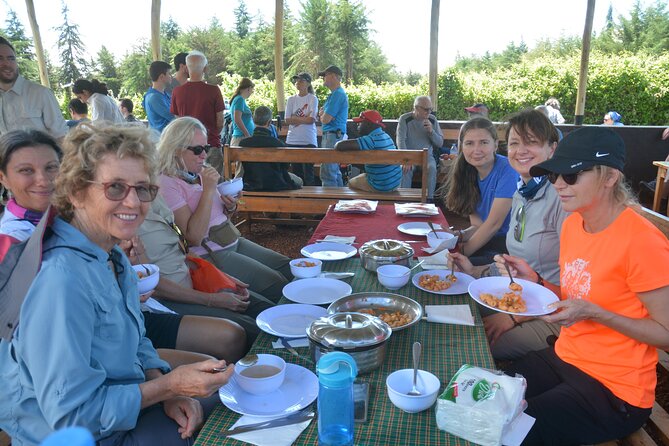
The package includes a tour guide, transportation, and three meals each day. On a climb like this, food is not a minor extra. Regular meals help you keep moving, and having the operator handle transport removes several practical worries.
The strongest praise connected with Sirikwa Travel centers on the staff. Ole and Oinoth are names associated with the company, and the team is described as friendly, patient, experienced, and encouraging. That matters most on the Barranco Wall and summit morning, when morale can drop quickly.
The operation also uses local guides and porters, according to the company information reflected in the experience details. Ask how porter loads are managed and how tipping is handled before you go. Those questions help you understand the working arrangement and avoid confusion at the end.
Dietary needs should be shared when booking. Vegetarian food is available, and specific dietary requirements can be advised in advance. Do not wait until the mountain to explain a serious allergy or food restriction.
Who should choose this seven-day climb?
I would point this trip toward an active hiker who wants Kilimanjaro’s most scenic route and accepts a demanding schedule. Prior hiking, backpacking, or high-altitude experience will make the steep sections and long summit day easier to manage.
The stated fitness requirement is moderate, but the route itself is described as difficult. Treat those two points together. You do not need to be a competitive athlete, yet you should be comfortable walking for several hours on consecutive days.
This is not the best fit if you want a relaxed mountain holiday, a short walking day, or a guaranteed summit. It is also a poor match if you dislike cold, rough ground, early starts, or shared group routines.
Children must be accompanied by an adult. The maximum group size is listed as 10 people, which is small enough for personal attention while still giving you company on the trail.
You need a current valid passport on the day of travel. The listed dress code is smart casual, though practical mountain clothing is the more useful priority during the climb. Ask the operator for a full packing list.
Is the $2,550 price fair?
The price is reasonable only if the included services match what you need. Seven days of guiding, meals, mountain transport, park access arrangements, and a working support team can make a package valuable, especially when compared with arranging every part alone.
The stated inclusions are transportation, tour guide, and breakfast, lunch, and dinner for seven days. The phrase anything extra if not mentioned is important. It means you should get a written list of exclusions before booking.
Ask specifically about:
- Accommodation in Moshi before or after the climb
- Airport transfers
- Park and camping fees
- Porter support
- Sleeping equipment and other gear
- Tips
- Travel insurance and evacuation cover
Free cancellation is available if you cancel at least 24 hours before the experience start time. Changes or cancellations within 24 hours are not accepted for a refund, and the cut-off follows local time.
Should you book the Machame Route?
Book it if you want dramatic scenery, a local support team, and a route that gives you several useful acclimatization stages before the summit. The Lava Tower day, Southern Circuit, Barranco Wall, and Mweka descent make this a varied and memorable seven-day plan.
Think twice if your main goal is the highest possible summit odds. Seven days is workable, but it remains a compressed schedule, and a longer Kilimanjaro itinerary may give your body more time to adjust.
For the right person, this is a strong choice: scenic, strenuous, and full of distinct mountain terrain. Go prepared, ask what the price leaves out, and treat the guide’s pace as part of the safety plan rather than a delay.
FAQ
How long is the Kilimanjaro Machame Route climb?
The climb lasts approximately seven days, including the final descent to Mweka Gate and transport back toward Moshi.
How difficult is the Machame Route?
The Machame Route is considered difficult, steep, and challenging, particularly because the seven-day schedule is relatively short. It is better suited to people with hiking, backpacking, or high-altitude experience.
What is the highest point reached on the trip?
The highest point is Uhuru Peak at 19,341 feet.
Is transportation included?
Yes. Transportation is included, including the drive from Moshi to Machame Gate and the vehicle transfer from Mweka Village toward the hotel in Moshi.
Are meals included?
Yes. The package lists seven breakfasts, seven lunches, and seven dinners. Vegetarian food is available if requested in advance.
What is the maximum group size?
The activity has a maximum of 10 travelers.
What happens if I need to cancel?
You can receive a full refund if you cancel at least 24 hours before the experience start time. Cancellations or changes made less than 24 hours before the start time are not accepted for a refund.
Just added around Arusha
- Mt. Kilimanjaro: Shira plateau to Cathedral point 3872m Day hike★ 5.0 · 7 reviews
- 5 days safari, hiking & culture (Serengeti & kilimanjaro)★ 5.0 · 27 reviews
- One Day Hike from Kilimanjaro to Mandara★ 5.0 · 2 reviews
- climb the KILIMANJARO via Lemosho route★ 5.0 · 4 reviews
- 3 Days Mount Meru trekking★ 4.5 · 7 reviews
- 6 Day: Hiking Kilimanjaro via Machame Route★ 5.0 · 2 reviews
- Private 8 day Northern Circuit Kilimanjaro Climb★ 5.0 · 8 reviews
- Kilimanjaro Waterfalls Hike & Moshi Hot Springs Day Trip Tour★ 5.0 · 4 reviews
Kilimanjaro Climbs, compared.
8-Day Small-group Lemosho Kilimanjaro Summit Trekking
Read our review →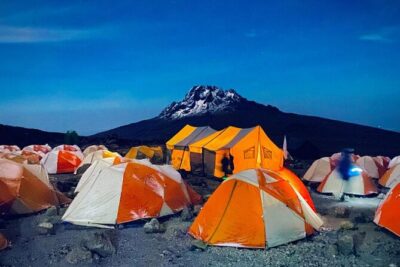
Climbing Kilimanjaro through 7 days Machame Route
Read our review →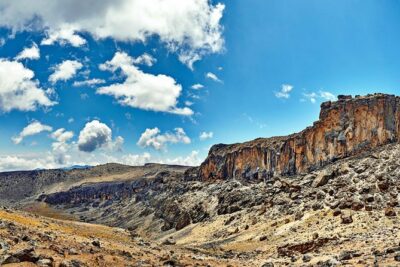
Browse the lists this trek appears in