
Review · ARUSHA
12 Days Safari Tour around Mt Kilimanjaro off the beaten
The best thing about this 12-day safari is its unusual route. You get the famous Serengeti and Ngorongoro Crater, but you also spend time in quieter places such as Enduimet Wildlife Management Area and Mkomazi National Park, where Kilimanjaro views, guided walks, rhinos, and African wild dogs share the bill.
I like the mix of walking and game drives, and I like that the group is capped at seven people. The open-roof Land Cruiser has a fridge, radio, binoculars, and drinking water, which matters on long days. The main drawback is the amount of driving. Several days run for six to ten hours, and the route is active rather than restful.
The safari is priced at $4,810 per person. That is a serious sum, but it covers 12 days, accommodation, a private-style safari vehicle, an English-speaking guide, park fees in some locations, meals listed in the program, and airport transfers. You should still check the exact lodging and meal plan before paying, since the inclusion details are not perfectly clear.
Key points before you book
- A rare northern route: Combine Arusha, Enduimet, Mkomazi, Lake Manyara, Lake Natron, Serengeti, and Ngorongoro instead of following only the usual safari circuit.
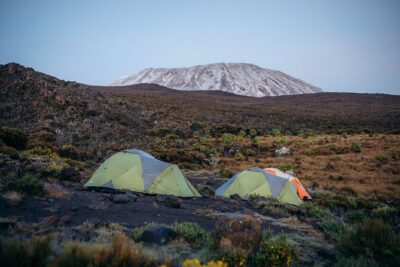
- Kilimanjaro from the ground: Enduimet offers game drives and a ranger-led walk with views toward Africa’s highest free-standing mountain.
- Small-group travel: The vehicle holds no more than seven people, giving you a better chance at a window or open-roof viewing position.
- Two full days in Mkomazi: Look for black rhinos, elephants, giraffes, African wild dogs, oryx, and more than 400 bird species.
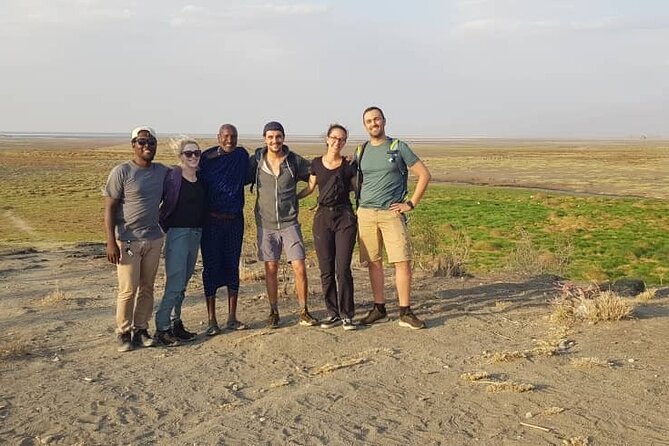
- A human connection at Lake Natron: A Maasai guide leads the walk to the lake shore, with bird watching and a visit to Engare Sero Gorge.
- Strong trip support: Ann handles arrangements, while guides such as Tuma have been singled out for careful support and field experience.
Why this safari feels different
Many Tanzania safaris rush toward the Serengeti and spend most of the trip in the same few famous parks. This route takes a longer view of northern Tanzania. It begins around Arusha, heads east toward Kilimanjaro and Mkomazi, returns to Arusha, then turns west toward Lake Manyara, Lake Natron, Serengeti, and Ngorongoro.
That variety is the central attraction. You see open plains, mountain country, forest, a volcanic crater, a salt lake, and wildlife areas with fewer vehicles. You also change the pace several times. One day may involve a ranger-led walk, while the next brings an early game drive and an evening outing.
The tradeoff is simple: this is not a lazy safari with a single lodge as your base. You pack, drive, unpack, and repeat. If you enjoy seeing how regions differ, the route earns its extra miles. If you want long afternoons beside a lodge pool, choose a shorter circuit.
More Kilimanjaro Climbs in Arusha
- 8-Day Small-group Lemosho Kilimanjaro Summit Trekking
★ 5.0 · 186 reviews - 7-Day Machame Kilimanjaro Summit Tour from Arusha
★ 5.0 · 125 reviews - Mountain Kilimanjaro Day Hike
★ 5.0 · 102 reviews
Days 1 and 2: Arusha and its national park
Your first day is deliberately easy. A representative meets you at Kilimanjaro Airport and transfers you to your Arusha hotel. After an international flight, that simple arrival matters. You can get settled, meet the local team, and prepare for the road without adding another activity.
The next morning, you head to Arusha National Park. It is much smaller than the Serengeti, covering about 137 square kilometers, but that compact size makes it a good introduction to Tanzania’s wildlife. The plan includes a guided walk with an armed ranger, followed by a game drive.
Walking changes what you notice. Instead of looking only for large animals from a vehicle, you pay attention to tracks, plants, sounds, and the shape of the forest. The walk is followed by views of Great and Small Momella Lakes and the forests around Ngurdoto Crater.
Giraffes, buffaloes, and baboon groups are among the animals you may see. The park is not being sold as a Big Five stop, and that is useful to understand. Its value is the combination of forest, lakes, mountain scenery, and a guided walk early in the trip.
The day lasts about six hours, so it is one of the gentler outings. You return to your lodge in the evening rather than sleeping in the park.
Day 3: Enduimet and the Kilimanjaro view
The drive to Enduimet Wildlife Management Area takes about ten hours, making this one of the harder travel days. The reward is a setting at the foot of Kilimanjaro, with a game drive and a ranger-guided walk.
Enduimet is sometimes described as southern Amboseli because of its position near the Kenya border and its excellent views of Kilimanjaro. The mountain is the star here, especially when the air is clear. You are not climbing it, but you get the rare chance to watch wildlife with the peak as a backdrop.
The walking element gives this day a different feel from the standard vehicle safari. Since a ranger accompanies you, you have structured guidance and added security. Still, this is a walking activity in a wildlife area, so follow the ranger’s instructions closely and wear practical shoes.
The long drive means you should not expect a full day of walking and viewing. You arrive at the lodge before nightfall, which is important on a route where road time can eat into sightseeing.
Days 4 and 5: Mkomazi’s rhinos, wild dogs, and birds
Mkomazi National Park is one of the least familiar stops on this route. Its area covers about 3,500 square kilometers and supports black rhinos, elephants, giraffes, oryx, impalas, elands, dik-dik, and African wild dogs.
Day 4 takes you there by way of the Kilimanjaro North scenic route. After arrival, you have an evening game drive and a chance to look for African wild dogs. These animals are not guaranteed, but the park is specifically known for them, so the search gives the outing a clear focus.
You camp before dark, then begin Day 5 with an early morning game drive. Early starts are worthwhile in safari country because animals may be more active before the heat builds. You return for a hot lunch and go out again for an evening drive.
That two-drive structure is one of the strongest parts of the trip. You have more time in the park than on a quick pass-through, and the changing light can show you different sides of the same area. Mkomazi also records more than 400 bird species, so bring patience if birds interest you. The open-roof vehicle and supplied binoculars are useful here.
The park is large, and sightings can require time on rough roads. You may spend stretches watching the scenery rather than animals. That is normal, not wasted time, but it is worth knowing before you book.
Same trailhead, a different route:
- 4 Days Mount Meru Trekking
★ 5.0 · 55 reviews - 4 days Best experience Kilimanjaro Hike, Serengeti &Ngorongoro
★ 5.0 · 54 reviews - From Arusha/Moshi: Kilimanjaro Hike Marangu Route Day Trip
★ 4.5 · 54 reviews - Mount Kilimanjaro Day Hike Through Marangu Route to Mandara Hut
★ 5.0 · 37 reviews
Day 6: Returning through Moshi to Arusha
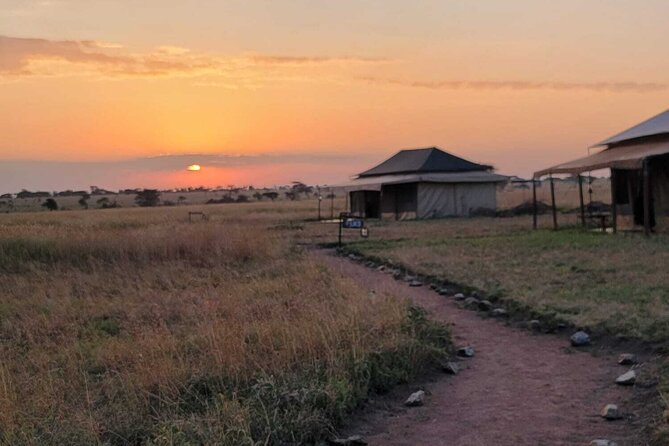
After breakfast, you drive back toward Arusha through Moshi. The journey takes about six hours, with a possible barbecue stop if conditions allow.
This is a transfer day, not a wildlife day. It breaks up the eastern section of the safari and positions you for Lake Manyara. If the barbecue happens, it adds a local food stop to an otherwise practical road day, but it should not be treated as a fixed feature.
The return to Arusha also gives you a chance to reset before the second half of the trip. Keep a small day bag within reach, since your main luggage may be packed away during the drive.
Day 7: Forest animals at Lake Manyara
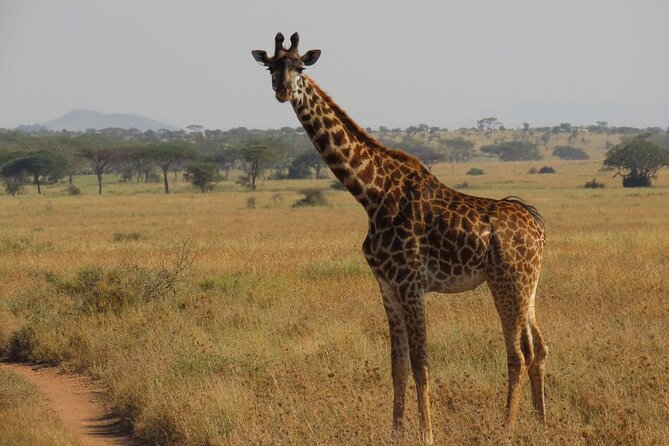
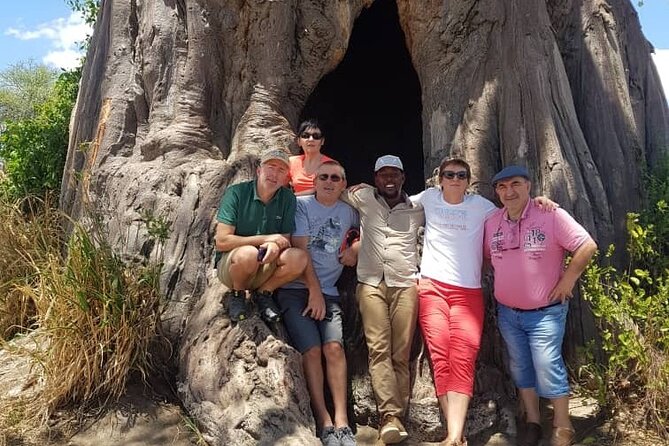
Lake Manyara National Park brings a change in scenery. The drive passes through a forest that feels almost storybook-like, with baboons, blue monkeys, elephants, and many bird species.
This is a good park for close observation. Forest wildlife can appear suddenly, and primates may be easier to spot here than in wide open country. Elephants moving among trees provide a different experience from elephants seen on open plains.
The day is listed at about eight hours, including the drive and game viewing. You stay at a hotel afterward, giving you a more settled night before the rougher route toward Lake Natron.
Lake Manyara is sometimes added as a short stop on a larger circuit. Here it has its own day, which gives you more time to appreciate the forest rather than simply checking off another park.
Day 8: Lake Natron, Engare Sero, and a Maasai-led walk
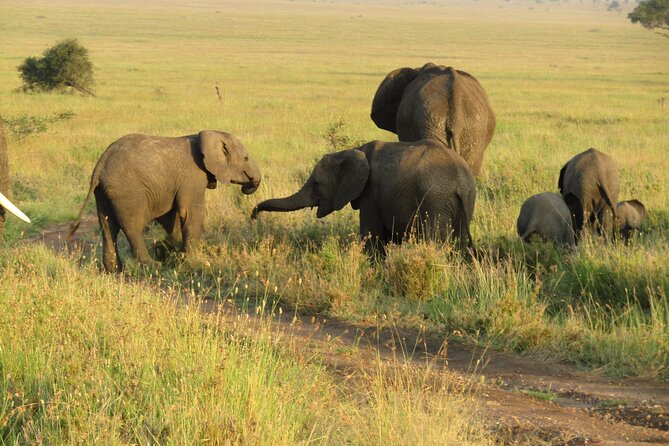
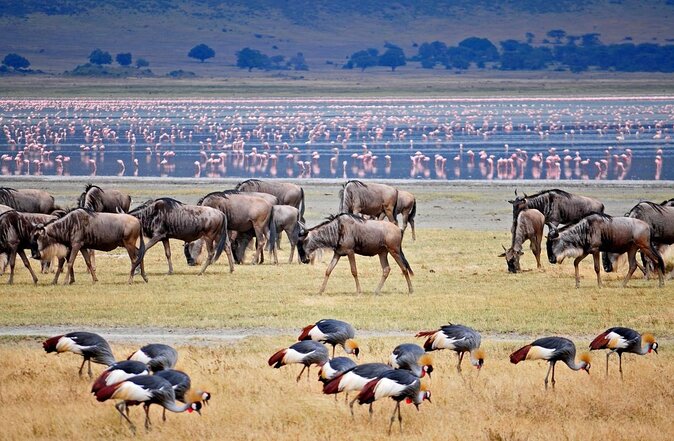
Lake Natron is one of the most unusual places on the route. It is a remote salt lake known for broad flamingo breeding grounds. The lake is not simply a scenic photo stop. It has a strong bird-watching purpose and a stark setting that feels very different from the forest and grassland parks.
You arrive in the afternoon and visit Engare Sero Gorge and its waterfalls. Later, a Maasai guide leads a walk to the lake shore. That local guiding adds context and gives you a more personal connection to the area than a vehicle stop alone.
The day lasts about seven hours. The combination of gorge, waterfall, walking, and bird watching makes it one of the most varied days, but the remote location also means you should expect basic conditions and a slower road journey.
Lake Natron is especially appealing if you like places that are not built around constant large-animal sightings. The flamingos may be the main attraction, while the geology, walking, and local guide shape the rest of the experience.
Days 9 and 10: Entering the Serengeti from the east
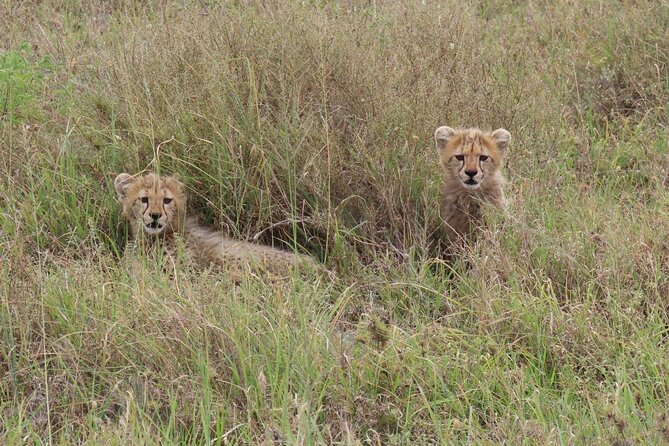
On Day 9, you drive toward Serengeti National Park through the eastern side, using Klens Gate. The route crosses the escarpment of the eastern branch of the Rift Valley and passes the Waso and Ololosokwan areas.
The approach matters. You do not simply appear in the middle of the park. The road introduces you to the changing terrain before you reach the plains, and you arrive around midday for a game drive.
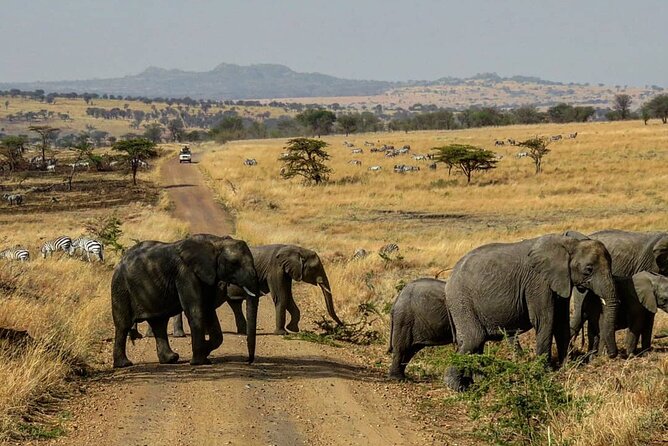
Serengeti is the trip’s major wildlife stage. It is known for large numbers of big cats and for the Great Wildebeest Migration. The timing of the migration changes during the year, so you should not assume a particular sighting on fixed dates. The park remains worthwhile outside the migration because of its predators, plains, and scale.
You camp before dark. Camping arrangements can vary, so ask exactly what type of camp is used and what facilities are provided. That question is especially sensible after several long days on the road.
Day 10 gives you another game-drive day in the Serengeti, with the Waso and Ololosokwan areas again part of the route. Having two days here is important. One afternoon is rarely enough to understand such a large park, and a second day gives your guide more time to search for cats and other wildlife.
The Serengeti can also mean long periods of driving between sightings. I would bring a hat, sunscreen, a light layer, and a camera battery pack. The open roof is excellent for viewing, but it leaves you exposed to sun and wind.
Day 11: Ngorongoro Crater and the Big Five possibility
The final major wildlife day takes you to Ngorongoro Crater. The crater formed when a volcano collapsed, leaving a broad enclosed ecosystem on the floor. You descend for a game drive, then climb back out and continue to a hotel in Karatu.
The crater’s compact setting gives you a real chance of seeing a wide range of animals in one afternoon, including the Big Five. That is a possibility, not a promise, but the concentration of wildlife makes this one of Tanzania’s most efficient game-viewing stops.
The scenery is a major part of the experience. From the rim and crater floor, the scale changes quickly, and the enclosed setting feels unlike the open Serengeti. The day lasts about eight hours, with a mix of road travel, descent, game viewing, and the climb to Karatu.
This is another place where road conditions and timing matter. You may feel tired by Day 11, but the crater is a strong final wildlife stop because it packs variety into a limited area.
What the $4,810 price gives you
At $4,810 per person, this is not a budget safari. The value comes from the length and range of the route. You are not paying only for park entry. You are also paying for a 4×4 Land Cruiser with an open roof, two-way radio, fridge, and binoculars, plus an English-speaking driver-guide and airport transfers.
Accommodation is included according to the program, along with dinner and breakfast. Drinking water is supplied at 1.5 liters per person per day. Parking fees, airport or departure tax, and some admission fees are also included.
The inclusion wording needs clarification. Breakfast is listed as 12 breakfasts, while dinner is not given with the same day-by-day precision. Ask which dinners are covered, which lodges and camps are planned, and whether all park fees are included. Drinks are not included, and neither are international or domestic flights, visas, or travel insurance.
For a group of no more than seven, the price may be fair for someone who wants a multi-region itinerary without arranging every transfer alone. It is less attractive if you prefer a basic trip, plan to spend little time in the vehicle, or do not care about visiting the quieter eastern parks.
Guides, group size, and daily comfort
The company uses local Tanzanian guides, and the information provided says the guides have more than ten years of experience. Ann is the trip contact who has handled changes and planning, while Tuma has served as a safari guide on this route. Abu is also named in connection with a particularly memorable trip. Ask who will lead your departure, since guide assignment may vary.
A maximum of seven people is a practical advantage. You are less likely to feel crowded, and communication with the guide should be easier. In an open-roof vehicle, seat position matters, so confirm how seating is handled.
The vehicle has a fridge, radio, and binoculars, but you should still bring personal water beyond the daily supplied amount if you need more. A small bag with sun protection, comfortable walking shoes, a light jacket, and spare camera storage will help on long days.
The tour runs daily from 7:00 a.m. to 5:30 p.m. during the stated operating period, but the itinerary includes early starts and evening game drives. Treat those hours as general operating information rather than a promise that every safari day ends at 5:30.
Who should book this route
I would choose this safari if you want variety over speed. It suits people who want Kilimanjaro views, guided walking, unusual parks, birds, Maasai-led activities, and the classic Serengeti and Ngorongoro combination.
It also suits repeat safari visitors who have already seen the standard northern circuit and want Mkomazi and Enduimet added to the mix. The route gives first-time visitors a broad introduction, but the long drives demand stamina.
I would hesitate if you have limited tolerance for road travel, need a slow pace, or want guaranteed luxury lodging. The itinerary is packed, and the accommodation style changes between hotels, lodges, and camping. Get the full lodging list before booking.
Cancellation is generous only when handled early. You can receive a full refund if you cancel at least six full days before the start time. Cancellations two to six days ahead receive 50 percent, while cancellations less than two days ahead are not refunded.
Should you book this Tanzania safari?
Book it if the unusual eastern route is the reason you are coming to Tanzania. The strongest combination is the small group, Enduimet walking, two days in Mkomazi, Lake Natron’s flamingos, and the classic finish in Serengeti and Ngorongoro.
Think twice if you want fewer transfers or a polished luxury safari with lots of free time. Before paying, confirm the guide’s name, accommodation, camping standard, dinner coverage, park fees, and airport drop-off details.
For an active 12-day trip that shows more than the usual postcard version of northern Tanzania, this is a well-rounded choice. You will work for the views, but the route gives you more than a quick parade of famous parks.
FAQ
Where does the safari begin?
The stated starting point is African View Lodge on Momella Road in Arusha, Tanzania. Airport pickup is provided upon arrival at Kilimanjaro Airport.
Where does the safari end?
The tour ends with a transfer to Kilimanjaro Airport for your international flight home.
How long is the safari?
The trip lasts approximately 12 days.
What is the maximum group size?
The maximum group size is seven people.
Is Kilimanjaro climbing included?
No. The itinerary includes views of Mount Kilimanjaro from Enduimet Wildlife Management Area, along with a game drive and ranger-guided walk.
Is a guide included?
Yes. An English-speaking driver-guide is included, and the guided walk in Arusha National Park includes an armed ranger.
Are flights included?
No. International and domestic flights are not included.
Is travel insurance included?
No. Travel insurance is not included and must be arranged separately.
What is included in the price?
The package includes accommodation as scheduled, dinner, 12 breakfasts, a 4×4 Land Cruiser with an open roof, two-way radio, fridge and binoculars, 1.5 liters of drinking water per person per day, an English-speaking driver-guide, parking fees, and airport or departure tax.
More Safaris in Arusha
- 5 days safari, hiking & culture (Serengeti & kilimanjaro)
★ 5.0 · 27 reviews - 6-day Private Camping Safari Tour from Kilimanjaro Airport
★ 5.0 · 27 reviews - 7 Day Kilimanjaro Climb Lemosho Route & 2 Day Safari
★ 5.0 · 16 reviews - 13 Days Adventure in Tanzania – Trekking and Wildlife Safari
★ 5.0 · 7 reviews
Just added around Arusha
- Mt. Kilimanjaro: Shira plateau to Cathedral point 3872m Day hike★ 5.0 · 7 reviews
- 5 days safari, hiking & culture (Serengeti & kilimanjaro)★ 5.0 · 27 reviews
- One Day Hike from Kilimanjaro to Mandara★ 5.0 · 2 reviews
- 3 Days Mount Meru trekking★ 4.5 · 7 reviews
- climb the KILIMANJARO via Lemosho route★ 5.0 · 4 reviews
- 6 Day: Hiking Kilimanjaro via Machame Route★ 5.0 · 2 reviews
- Private 8 day Northern Circuit Kilimanjaro Climb★ 5.0 · 8 reviews
- Kilimanjaro Waterfalls Hike & Moshi Hot Springs Day Trip Tour★ 5.0 · 4 reviews
Kilimanjaro Climbs, compared.
8-Day Small-group Lemosho Kilimanjaro Summit Trekking
Read our review →
Climbing Kilimanjaro through 7 days Machame Route
Read our review →
Browse the lists this trek appears in