
Review · KATHMANDU
12 days visit to Everest Base Camp via Lukla and Namche Bazar
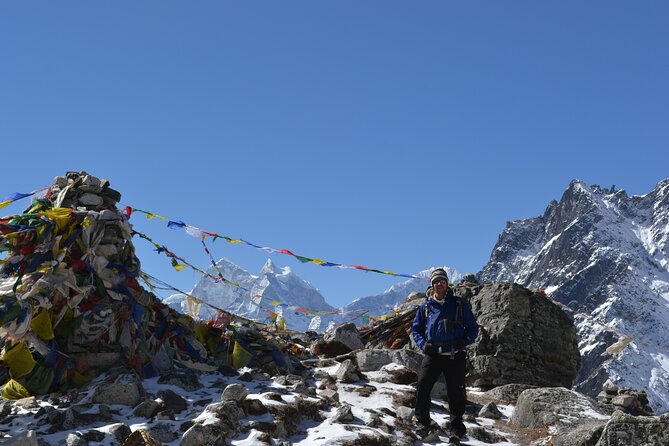
The big draw here is simple: in 12 days, you walk from the small airstrip at Lukla into Sherpa country, pass through Namche Bazaar and Tengboche, reach Everest Base Camp, and climb Kala Patthar for a close view of Everest. The route is demanding, but the plan includes two acclimatization days, which gives your body a fair chance to adjust.
I like the clear route through the Everest region and the practical package: flights, permits, mountain lodging, meals, guide service, and a shared porter are covered. I also like the human side. Guide Chethan has been praised for explaining local culture and handling the trail well, while porter Yuvraj received warm mention for his support.
The main caution is that the tour description calls this a comparatively easy glimpse trek, yet the day-by-day plan continues all the way to Everest Base Camp and Kala Patthar. At high altitude, this is not an easy walk. Long days, thin air, basic lodges, flight delays, and cold nights are all part of the bargain.
Key points to know before booking
- Everest Base Camp is included: The route continues beyond Tengboche to Dingboche, Lobuche, Gorakshep, Base Camp, and Kala Patthar.
- Two acclimatization stops matter: You spend a day in Namche and another in the Dingboche area before going higher.
- Lukla flights are weather-sensitive: Day 12 is set aside to wait for suitable flying conditions.
- Tengboche brings the cultural highlight: Its monastery sits at about 3,867 meters with views of Ama Dablam, Lhotse, Nuptse, Thamserku, and Kantega.
- The price covers the costly basics: At $1,620 per person, the package includes flights, permits, lodging, meals, guide service, and a shared porter.
- Expect a private group: Only your own party takes part, rather than joining a large public group.
What the $1,620 price really covers
At $1,620 per person, this trek is not a bare-bones walking package. You get airport pickup and drop-off, domestic flights to and from Lukla, mountain guesthouses, a professional guide, one shared porter for every two people, trekking permits, breakfast for 12 days, and lunch and dinner for 11 days.
That is a useful bundle in the Everest region, where transport and supply costs rise quickly as you walk higher. The shared porter arrangement also keeps the price below a fully porter-supported private trek, though you should understand that one porter is shared by two people rather than assigned to each person.
You pay separately for your Kathmandu hotel, food and drinks in Kathmandu, tea and coffee, other beverages, and trekking equipment such as a sleeping bag. Those exclusions matter. Before you book, price the equipment you need and allow money for drinks and personal purchases along the trail.
The package is private, which is a real benefit if you want your walking pace and daily routine to stay within your own group. It does not mean the mountain will feel private. The Everest route is popular, especially in the main trekking seasons, but your guide can focus on your group rather than managing a large mixed party.
More Everest Base Camp Treks in Kathmandu:
- Everest Base Camp Trek – 14 Days
★ 5.0 · 1,499 reviews - Everest Base Camp Trek
★ 5.0 · 842 reviews - Everest Base Camp Helicopter Tour landing at Everest View Hotel
★ 5.0 · 668 reviews
Day 1: A short flight to Lukla, then Phakding
Your day begins with a roughly 15-minute drive to Tribhuvan International Airport in Kathmandu. The flight to Lukla takes about 30 minutes and lands at approximately 2,804 meters.
Lukla is the dramatic gateway to the trek. From here, you begin walking toward Phakding at about 2,610 meters. Because Phakding is lower than Lukla, the opening walking day is relatively gentle compared with what follows. It is a useful introduction to the trail without immediately forcing you into a major altitude gain.
The important practical point is the flight. Weather can affect Lukla service, and the final day is reserved for waiting if conditions are poor. Keep your schedule flexible beyond the stated 12 days if you have an onward flight from Kathmandu.
Day 2: Following the Dudh Koshi to Namche Bazaar
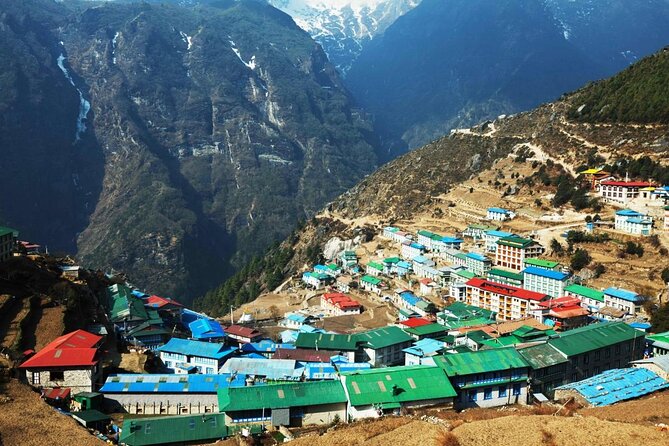
The trek to Namche Bazaar takes about six hours and follows the Dudh Koshi River. You walk through a changing mountain setting, with the river providing a steady landmark as the route rises toward the main Sherpa trading center.
Namche Bazaar sits at about 3,535 meters and is the gateway to the Everest region. Reaching it is a major step up from Phakding, so the pace should feel measured rather than rushed. You will likely notice the altitude here, even if the distance itself seems manageable.
Namche is more than a sleeping stop. It is the place where the route begins to feel properly high-mountain. The next day is intentionally lighter, and that pause is one of the strongest features of the itinerary.
Day 3: Acclimatizing in Namche Bazaar
This is an acclimatization day, not a day for doing nothing. You take a walk around the valley to help your body adjust to thinner air, then visit the Sherpa museum.
The museum adds useful context to the walking route. You are not simply passing through villages and looking at peaks. You get a chance to learn about Sherpa customs and the culture of the communities that have shaped this region.
Namche also offers mountain views, including Everest and other high peaks. The exact quality of the view depends on weather, but the stop is well placed. It breaks up the climb and lets you gain height more carefully.
Take this day seriously. Walk, drink what you can manage, and follow your guide’s advice. The route gets higher after Namche, and skipping rest or treating acclimatization as wasted time can make later days much harder.
A few more treks around Kathmandu worth a look
- Everest Base Camp Trekking
★ 5.0 · 485 reviews - Annapurna Circuit Trek with Tilicho Lake
★ 5.0 · 368 reviews - Everest Base Camp Trekking – 13 Day
★ 5.0 · 365 reviews - Everest Base Camp Trek
★ 5.0 · 350 reviews
Day 4: Tengboche and its famous monastery
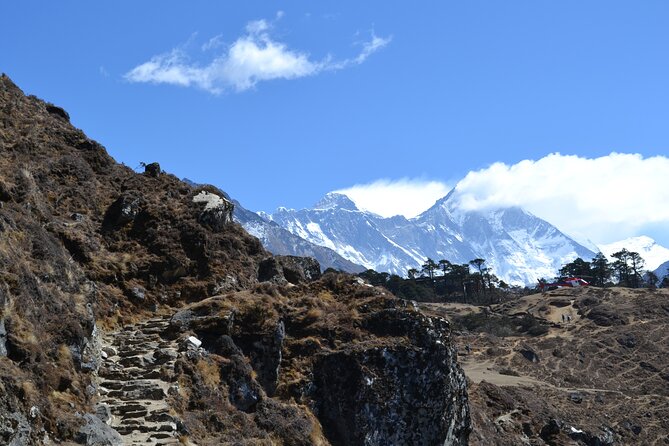
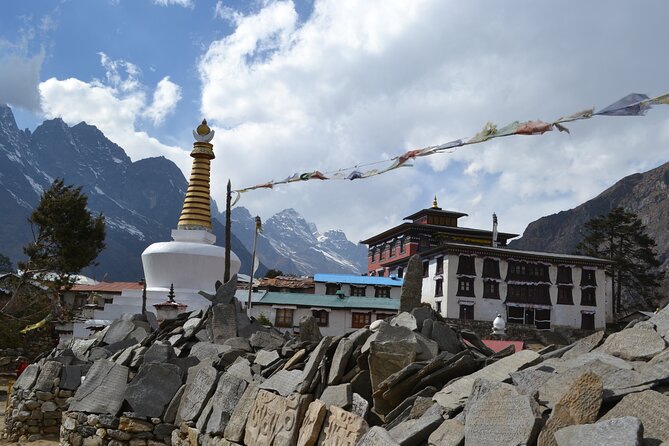
Tengboche sits on a ridge at about 3,867 meters. It is one of the most memorable stops on the route because the monastery and the surrounding mountain views work together so well.
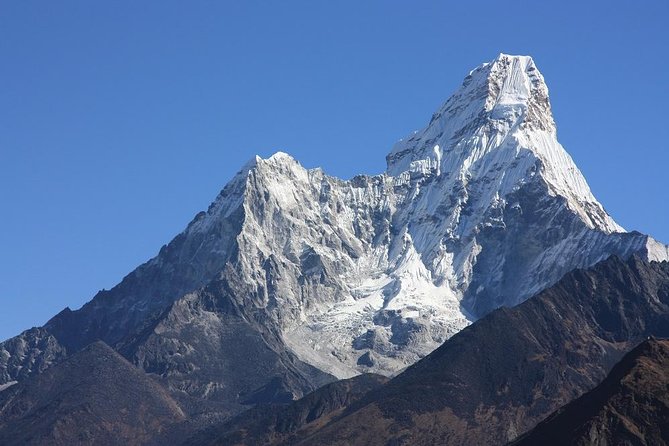
From here, you can look toward Ama Dablam, Nuptse, Lhotse, Thamserku, and Kantega. The high ice walls dominate the views, and the sound of avalanches may carry down from the glaciers. This is the point where the route feels especially grand, even before you reach Base Camp.
The monastery is freely accessible according to the supplied information, making it an important cultural stop rather than a photo stop only. Give yourself time to look around respectfully and absorb the setting.
There is a wording issue worth noting. The tour overview presents Tengboche as the endpoint of a shorter Glimpse of Everest Trek, but the detailed 12-day schedule continues to Everest Base Camp and Kala Patthar. The day-by-day itinerary is the more useful guide for what you are buying, but ask the operator to confirm the exact route before payment.
Day 5: Through Pangboche to Dingboche
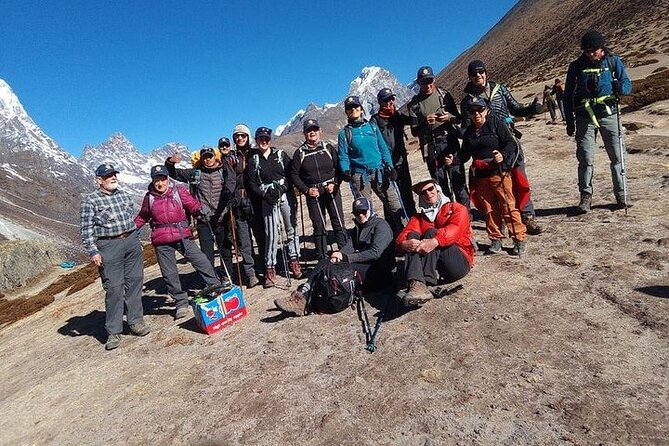
After breakfast, usually between 7 and 8 in the morning, you walk through the Dudh Koshi area, pass the small village of Pangboche, and continue to Dingboche. The stated walking time is about five to six hours.
Dingboche is at a higher elevation than Tengboche and sets you up for the next stage of the trek. The route is now less forgiving because every gain in height affects your breathing and energy.
The itinerary lists this as a long day in its stop details, despite the five to six hours of walking described. That mismatch is another reason to ask your guide for the expected daily schedule. The actual experience can depend on pace, stops, weather, and group condition.
Day 6: A second acclimatization day near Dingboche
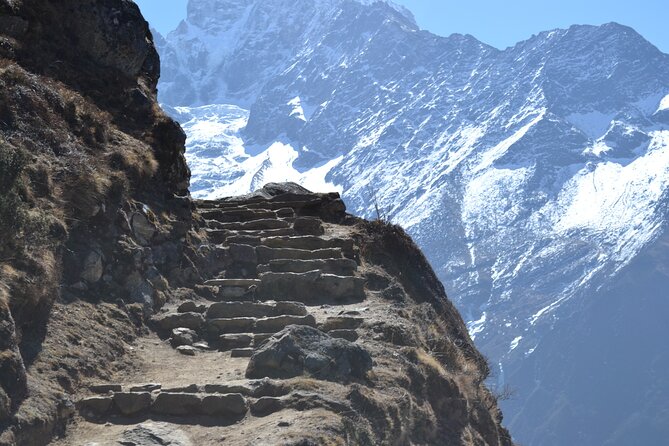
You spend this day taking a higher walk, either toward Chhukung Valley or as high as the group can comfortably go. The aim is to expose your body to more altitude before returning to sleep at the lower camp.
This is smart planning for the route ahead. You will soon walk to Lobuche, Gorakshep, Base Camp, and Kala Patthar, all at demanding elevations. A high daytime walk followed by a lower overnight stay gives you an important chance to adjust.
Do not judge this day by distance. Its value is preparation. You should tell your guide promptly if you develop serious altitude symptoms, since the schedule needs to respond to your condition rather than the printed plan.
Day 7: Dingboche to Lobuche
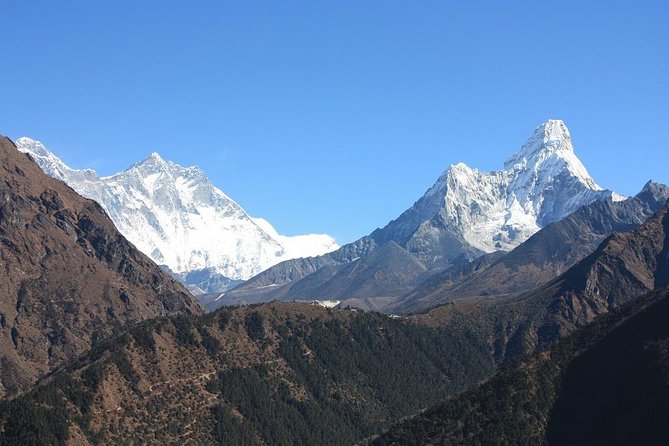
The walk to Lobuche takes about four to five hours. You look back toward Ama Dablam and down toward Pheriche, a village in the lower valley.
Lobuche is one of the last major overnight steps before Gorakshep and Base Camp. The views become more severe and more open as you move higher. You are now walking with the main goal close ahead, but the altitude makes even a moderate distance feel substantial.
The itinerary again lists this as a 10-hour stop, which appears to describe a full activity window rather than continuous walking. Confirm the expected start and arrival times with your guide, particularly if you are concerned about daylight or cold.
Day 8: Gorakshep and Everest Base Camp
You leave Lobuche early and reach Gorakshep in about three hours. Before continuing to Base Camp, you leave your luggage at the guesthouse, carrying only what you need for the walk.
That is a sensible arrangement. A lighter pack makes the high-altitude section more manageable, and you return to Gorakshep for the night rather than camping at Base Camp. The exact conditions at Base Camp vary by season, but reaching the site is the central achievement of this trek.
Gorakshep is a demanding overnight stop because of its elevation and basic mountain lodging. Do not expect comfort on the level of Kathmandu accommodation. The guesthouse system gives you shelter and meals, but the high route is still physically rough.
Day 9: Kala Patthar for the close Everest view
You start early for the roughly two-hour climb to Kala Patthar. This is the best viewpoint on the itinerary for a close look at Everest and a strong chance for photographs.
The timing matters. Early morning usually gives you the best chance of clear mountain views, though weather can change quickly. You then return toward Namche Bazaar, with the day described as a long return journey.
This is a demanding sequence: Base Camp on the previous day, an early climb to Kala Patthar, and a major descent afterward. The reward is that you see the Everest area from two different perspectives. Base Camp is the famous destination, while Kala Patthar provides the stronger viewing point for Everest itself.
Days 10 and 11: A long return through Namche and Lukla
Day 10 takes you back to Namche Bazaar, recalling the Base Camp and Kala Patthar sections as you descend. The listed activity time is 10 hours, so you should be ready for a long day on tired legs.
Day 11 continues through Jorsale and Phakding to Lukla. It is described as the final and longest day of trekking to the lower valley. Reaching Lukla gives you a welcome buffer before the flight, though you still need suitable weather for departure.
The return is not an afterthought. Downhill walking can be hard on knees, and fatigue can affect your footing. Good boots, trekking poles if you use them, and careful pacing are useful here.
Day 12: Waiting for the Lukla flight
The final day is reserved for hoping for good weather and waiting for the aircraft to land at Lukla airport. This is a plain but important detail. The flight is included, but an included flight is not the same as a guaranteed flight at a fixed hour.
If your international departure is soon after this trek, leave a generous time cushion. The tour provider offers a different date or a full refund if the experience is canceled because of poor weather, but that policy does not remove the need for your own flexible travel planning.
Guides, porters, and the human side of the trek
The quality of a high-altitude trek depends heavily on the people leading it. Chethan is specifically associated with this route as a guide praised for his terrain knowledge, professionalism, and explanations of local culture. Yuvraj, a porter, was also singled out for strong support.
You should request the names and roles of your own team before departure. The supplied experience promises a professional guide and one shared porter for two people, but it does not guarantee a particular guide or porter.
The company connected with this experience also operates Suite Home Kathmandu Hotel, described as comfortable and centrally located. Kathmandu accommodation is not included in the $1,620 price, so confirm whether you are booking lodging separately or adding it through the operator.
Who should book this Everest trek?
You should consider this trek if you have moderate physical fitness, limited time for a longer Nepal journey, and a clear desire to reach Everest Base Camp without arranging every permit, flight, meal, and lodge yourself.
It suits a private group that values a set plan and guide support. The route includes sensible rest days, but the altitude remains serious. The words comparatively easy should not lead you to expect a gentle holiday.
Families should note that children must be accompanied by an adult. Everyone in the group should be prepared for long walking days, simple mountain accommodation, cold conditions, and possible changes caused by weather.
Should you book it?
Book this trek if you want a well-organized 12-day route with Lukla flights, mountain lodges, meals, permits, a guide, and porter support already arranged. The Tengboche monastery, Sherpa museum, Ama Dablam views, Everest Base Camp, and Kala Patthar give the trip both cultural interest and big mountain scenery.
Think twice if you need fixed flight times, dislike basic lodging, or are looking for a truly easy walk. I would also ask the operator to confirm the apparent difference between the short Tengboche description and the detailed Base Camp itinerary.
Cancellation is flexible up to three full days before the start for a full refund. Late cancellations and changes are not refunded or accepted, and weather or minimum group requirements can alter the plan.
FAQ
Where does the trek start and finish?
It starts in Kathmandu, Nepal, at the stated meeting point in Kathmandu 44600. The activity ends back at the meeting point.
How long is the experience?
The planned duration is 12 days.
Is the Lukla flight included?
Yes. The package includes the local flight to Lukla and the return flight.
Is accommodation included?
Yes. Accommodation in mountain guesthouses and lodges is included. Kathmandu accommodation is not included.
Are meals included?
Breakfast is included for 12 days. Lunch and dinner are included for 11 days. Food and drinks in Kathmandu are not included.
Is a guide included?
Yes. A professional guide is included.
Is porter support included?
Yes. One shared porter is included for every two people.
Is Everest Base Camp part of the route?
Yes. The detailed schedule includes a walk from Gorakshep to Everest Base Camp, followed by a return to Gorakshep.
Is Kala Patthar included?
Yes. On Day 9, you take an early hike of about two hours to Kala Patthar for views of Everest.
Can the experience be canceled because of weather?
Yes. If poor weather causes cancellation, you are offered a different date or a full refund.
Just added around Kathmandu
- Everest Base Camp Trek★ 5.0 · 3 reviews
- Everest Base Camp Trek★ 5.0 · 7 reviews
- 15 Days Private Everest Base Camp Trek★ 5.0 · 30 reviews
- Everest Base Camp Trek★ 5.0 · 57 reviews
- 14 Days of Adventure Trekking to Everest Base Camp★ 5.0 · 2 reviews
- 14-Day Everest Base Camp Trek★ 5.0 · 20 reviews
- From Kathmandu: Private 14-Day Everest Base Camp Trek★ 5.0 · 20 reviews
- 14 Days Everest Base Camp Trek★ 5.0 · 4 reviews
Everest Base Camp Treks, compared.
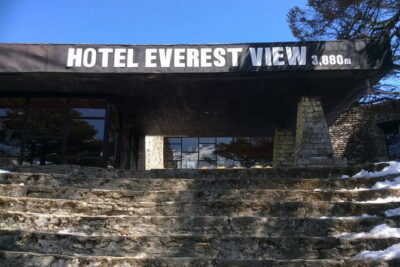
Everest Base Camp Helicopter Tour landing at Everest View Hotel
Read our review →
Tibet Tour 8 Days Lhasa to Everest Base Camp Small Group Tour
Read our review →
Dubai: Private Luxury Everest Yacht Cruise from Dubai Marina
Read our review →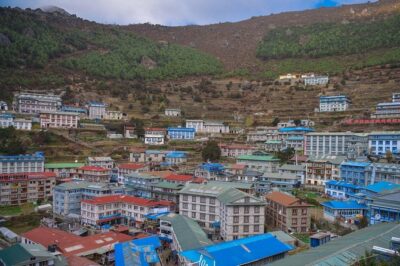
Browse the lists this trek appears in