
Review · KATHMANDU
12 Days Everest Base Camp Trekking
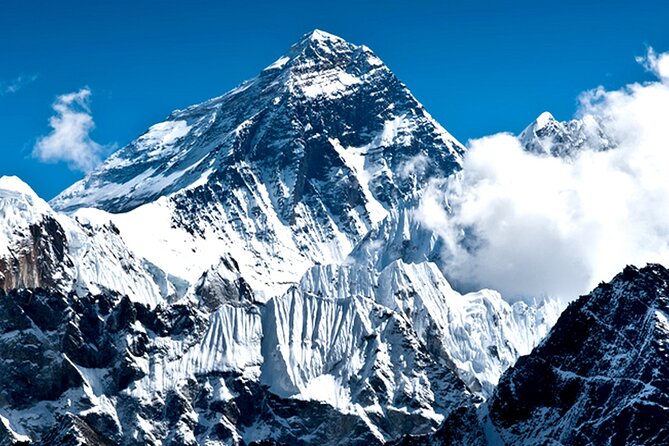
The prize here is not simply reaching a sign at Everest Base Camp. It is the gradual walk through the Khumbu, from the first suspension bridges near Lukla to the stark ice and rock around Gorak Shep. Namche Bazaar and Kala Patthar provide two very different highlights: one is a lively mountain trading center, the other is a cold, early climb for the best Everest views.
I like that the package includes the hard-to-arrange pieces, especially round-trip Lukla airfare, permits, meals, and a licensed guide. I also like the built-in acclimatization days in Namche and Dingboche. The main caution is the schedule: 12 days is efficient rather than leisurely, and the route reaches very high altitude quickly. You need good fitness, patience, and proper insurance.
Key points at a glance
- Lukla to Base Camp in 12 days: A compact schedule with daily walking times of roughly 6 to 9 hours.
- Two acclimatization days: Rest and optional hikes are planned in Namche Bazaar and Dingboche.
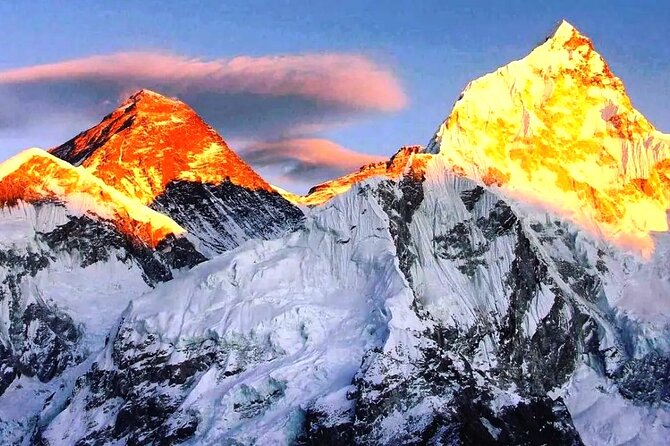
- Kala Patthar sunrise: The early climb offers the clearest stated viewpoint toward Everest, Lhotse, and nearby peaks.
- Private group format: Only your own group participates, with an English-speaking guide.
- Useful inclusions: Domestic flights, teahouse lodging, meals, permits, airport transfers, and a basic first aid kit are covered.
- Important extra cost: Porter service, insurance, hot showers, Wi-Fi, laundry, snacks, drinks, and tips are not included.
Why this Everest route works in 12 days
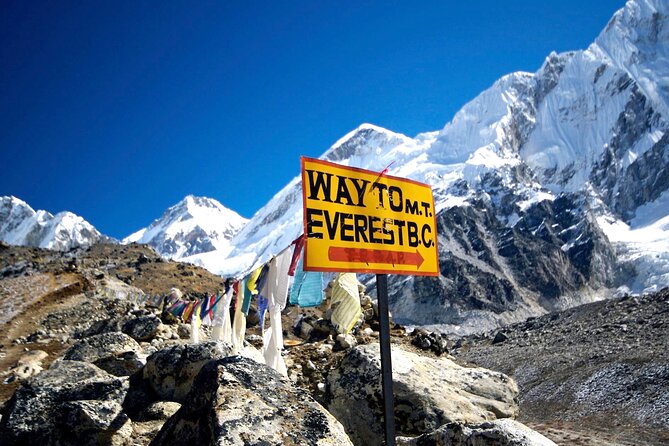
The classic Everest Base Camp route is a steady climb through several very different mountain zones. You begin in Lukla at about 2,800 meters, pass through Phakding and Namche, then continue toward Dingboche, Lobuche, Gorak Shep, and Base Camp.
This version allows two acclimatization stops, which is essential. You spend one full day in Namche and another in Dingboche instead of marching upward every day. Those pauses are not wasted time. They give your body a chance to adjust and help reduce the risk of altitude sickness.
Still, this is a demanding program. Several days list 8 hours of activity, and the Base Camp day can reach 9 hours. You should be comfortable with long uphill walks and uneven ground. The final approach is not a casual sightseeing stroll, even though the walking pace is guided.
A basic pulse oximeter is included in the first aid kit. That can help the guide monitor oxygen levels, but it does not replace good judgment. Tell your guide promptly if you feel unwell. Altitude problems can worsen quickly, and pushing ahead is never a badge of honor.
More Everest Base Camp Treks in Kathmandu:
- Everest Base Camp Trek – 14 Days
★ 5.0 · 1,499 reviews - Everest Base Camp Trek
★ 5.0 · 842 reviews - Everest Base Camp Helicopter Tour landing at Everest View Hotel
★ 5.0 · 668 reviews
Day 1: Lukla flight and the walk to Phakding
Your guide collects you from your hotel and takes you to the airport for the early flight to Lukla. This is one of the most memorable parts of the trip, as the journey moves from Kathmandu to a small mountain airstrip at 2,800 meters.
After landing, you begin walking toward Phakding. The first day is relatively short compared with the later stages, but the combination of an early start, a flight, and a first trek at altitude can still feel tiring.
The itinerary allows about 8 hours for the day, including the airport transfer and walk. Your first night is in a local teahouse. Twin-sharing accommodation is included, so expect simple mountain lodging rather than hotel comforts.
The Lukla flight is also one of the practical uncertainties of this trek. The program requires good weather, and flights can be affected by conditions. During peak periods, the flight may use Ramechhap instead of Kathmandu, which means an additional road transfer before takeoff. The package includes the domestic airfare, but you should keep some flexibility in your plans.
Day 2: Suspension bridges and Namche Bazaar
From Phakding, you follow the trail toward Namche Bazaar, the main trading center of the Khumbu region. The route passes several suspension bridges and climbs gradually through mountain scenery.
Namche is a fitting place for the first major pause. It is more than a sleeping stop. The settlement is the main social and trading hub on this route, and reaching it gives you a clear sense that the serious high-altitude section is beginning.
The day is scheduled for about 7 hours. The climb is steady, so you should avoid racing ahead even if you feel strong. The body can feel fine at one elevation and react differently a few hours later.
This is also where the guide’s role becomes especially useful. A good guide manages the pace, keeps the group together, and helps you recognize when tiredness is normal and when symptoms need attention. The company provides an experienced English-speaking guide, along with the guide’s meals, lodging, equipment, salary, and insurance.
Day 3: Acclimatization above Namche
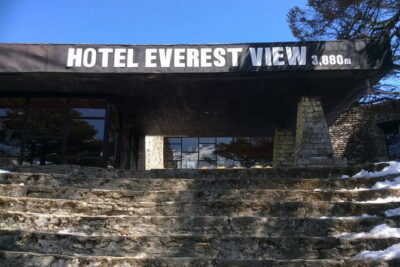
You stay another night in Namche to acclimatize. The optional hike to Everest View Hotel gives you a reason to walk higher during the day before returning to sleep at a lower elevation.
That pattern is useful because it adds uphill effort without forcing you to spend the night at the highest point reached. You also get time to explore Namche and adjust to the rhythm of trekking.
The schedule allows up to 8 hours, though your actual day depends on the optional hike and how you feel. Do not treat this as an easy day in the city. You are already at altitude, and an acclimatization walk still uses energy.
The trip’s private format is a plus here. Only your own group participates, so the pace and rest stops can be adjusted more easily than on a large shared departure. Past accounts connected with this experience specifically name guides Ramchandra and Ram, with personal support and thoughtful organization receiving strong praise. Guide quality matters greatly on a high route, though the individual guide assigned to you should be confirmed before booking.
A few more treks around Kathmandu worth a look
- Everest Base Camp Trekking
★ 5.0 · 485 reviews - Annapurna Circuit Trek with Tilicho Lake
★ 5.0 · 368 reviews - Everest Base Camp Trekking – 13 Day
★ 5.0 · 365 reviews - Everest Base Camp Trek
★ 5.0 · 350 reviews
Day 4: Sagarmatha National Park and the climb toward Tengboche
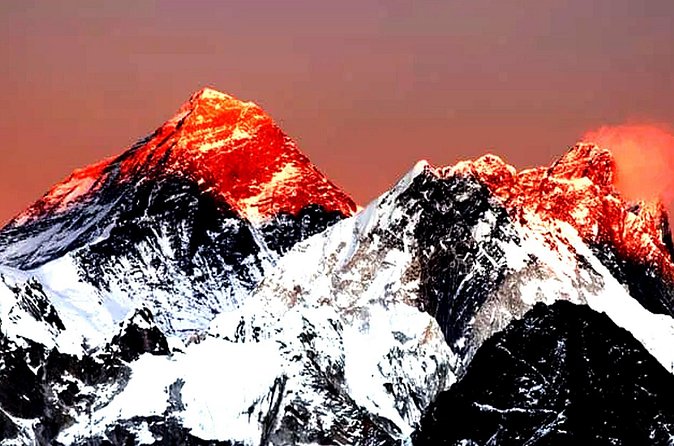
The trail leaves Namche and continues through Sagarmatha National Park. The route first descends for around two hours through rhododendron forest, then climbs again toward the next stop.
The views become more dramatic, with Everest, Nuptse, and Ama Dablam appearing along the way. Ama Dablam is especially striking because of its sharp profile, and it becomes a familiar companion as you move farther up the valley.
The descent at the beginning can fool you. You may feel that the day is getting easier, only to meet the long climb afterward. The total walking time is listed at about 8 hours, so conserve your energy and keep your water close.
This is a good example of why sturdy footwear and trekking poles are useful, although personal gear is not listed as part of the package. The trail includes forest paths, climbs, and uneven ground. You need to bring equipment suited to those conditions.
Day 5: Alpine scenery around Dingboche
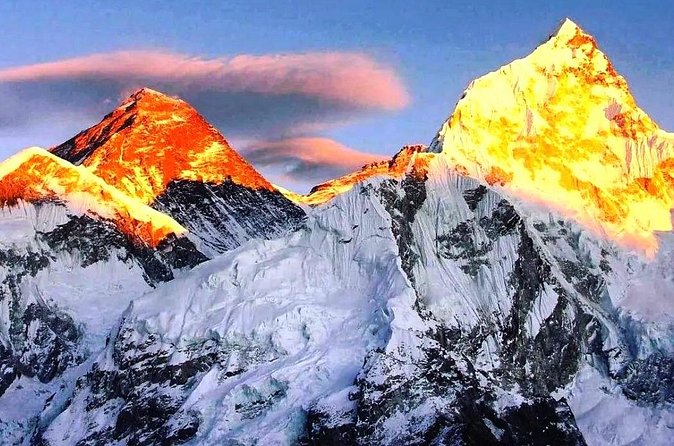
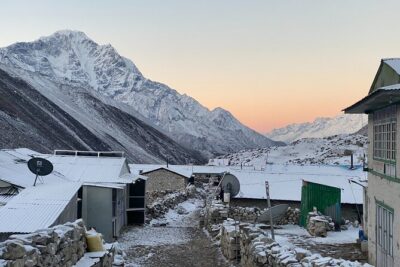
The route continues toward Dingboche, a high village in the Khumbu Valley. The setting changes as the forest thins and the trail crosses more open, barren ground.
Dingboche offers views toward Island Peak and other Himalayan summits. It is a beautiful place, but at this elevation the scenery should not tempt you into overexertion. The route is now less about covering distance quickly and more about staying healthy for the days ahead.
The day is planned for about 8 hours. You should expect a slower pace, more frequent pauses, and a stronger awareness of your breathing. Breakfast, lunch, dinner, and tea or coffee with breakfast are included during the trek, which removes much of the daily meal planning.
Food in a teahouse setting is practical rather than elaborate. Personal snacks and drinks are extra, so bring money for those purchases. Hot showers, Wi-Fi, and laundry also cost extra where available.
Day 6: Dingboche acclimatization and optional high hike
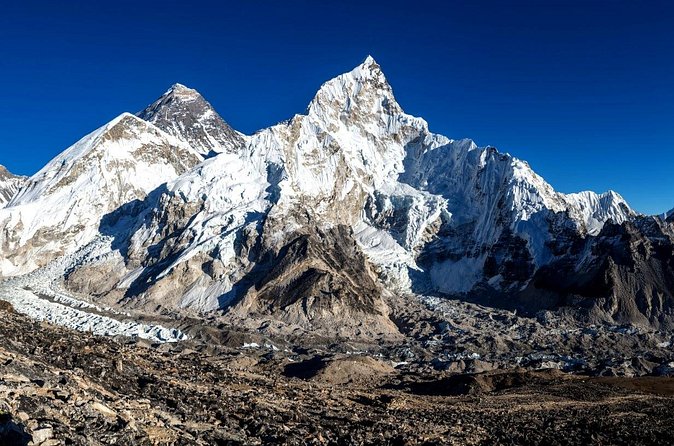
You spend a second acclimatization day in Dingboche. The optional hike to Nagarjun Hill or Chukhung gives you a chance to walk higher while returning to Dingboche for the night.
This is one of the most valuable days in the schedule. By now, the altitude is serious, and skipping the rest day would make the next stages harder. The itinerary still allows up to 8 hours because the optional hike can be substantial, but you should not feel obliged to complete the longest option.
Listen to your body. Headaches, nausea, unusual weakness, or breathing trouble deserve immediate attention from your guide. The included pulse oximeter can provide one more piece of information, but how you feel remains important.
The private group arrangement helps here. A guide can make a practical call based on your condition instead of following a fixed pace for a large crowd.
Day 7: Khumbu Glacier and Lobuche
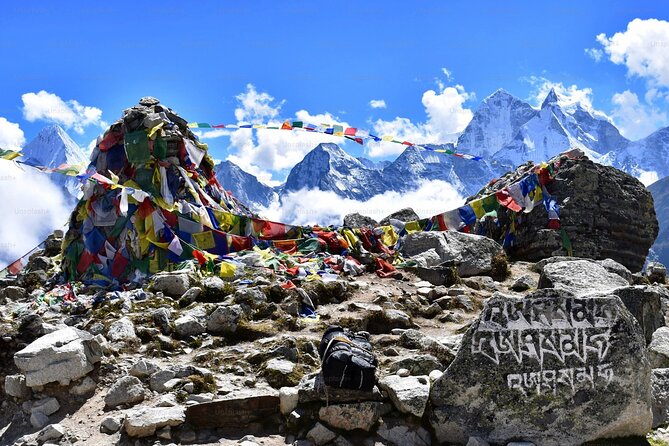
You start early, cross the Khumbu River, and climb over rocky ground and glacial moraines. The Khumbu Glacier becomes a major visual feature, surrounded by high peaks and rough, shifting terrain.
This is a more austere section of the route. The forest is gone, and the trail feels exposed and mineral-gray. The scenery is powerful, but the footing can demand concentration. An early start helps you make progress before the day becomes too tiring.
The walking time is about 8 hours, and the package includes admission connected with the Khumbu Glacier stop. Your destination is the Lobuche area, where accommodation remains in a local teahouse.
At this stage, you should keep your day simple. Eat what you can, drink regularly, and protect your sleep. Personal comfort becomes less important than maintaining enough strength for the Base Camp push.
Day 8: Gorak Shep and Everest Base Camp
This is the emotional center of the trek. You walk from Lobuche to Gorak Shep, the final settlement before Base Camp, where you leave your bags, eat lunch, and continue toward Everest Base Camp.
The day is listed at about 9 hours, making it one of the longest and most demanding parts of the route. The trail can feel slow because of the altitude and rough ground. You are not only walking toward a famous destination, you are doing so after a week of sustained effort.
At Base Camp, you have time to look around before returning to Gorak Shep. The exact appearance of the camp depends on the season and expedition activity, so do not expect a permanent village or a polished attraction. The real value is the setting: glacial terrain, enormous peaks, and the knowledge that mountaineers use this area as a staging point for Everest.
This is also why a flexible attitude helps. Weather, trail conditions, and your own energy may shape the timing. The package includes the required permits and guide support, but it does not remove the physical challenge.
Day 9: Kala Patthar at sunrise
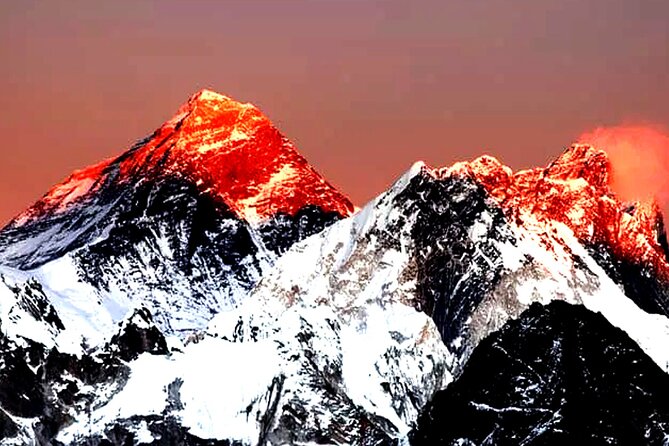
You rise early for the climb to Kala Patthar, described as the best place on this route for a clear view of Everest. From the high viewpoint, you can look toward Everest, Lhotse, and other peaks in the morning light.
The climb itself is short in distance but hard because of the elevation. Cold, wind, and thin air can make each step feel expensive. Bring warm clothing and be ready for a slow pace.
After returning to Gorak Shep, you eat breakfast and begin descending. This is a smart point in the schedule: the route pairs the sunrise climb with immediate loss of altitude.
The itinerary names a helicopter landing at Kala Patthar, but the detailed plan describes an early hike. You should clarify the exact arrangements before paying if a helicopter component matters to you. Based on the stated program, you should plan for a hike rather than assume a helicopter flight.
Days 10 and 11: The long return through Sagarmatha National Park
The descent begins in earnest on Day 10. Going downhill is usually easier on the lungs, but it can be rough on the knees. The itinerary specifically advises care with foot placement and balance, which is sound advice on uneven trails.
You retrace sections of the route through Sagarmatha National Park. The return gives you a different view of places you passed while climbing, and the lower elevation should gradually make breathing and sleep easier.
Day 11 is the final trekking day and is shorter, at about 6 hours. It is a natural time to celebrate with your guide, porters, and fellow hikers. Porter service is not included in the base price, but it can be requested, so ask about the current arrangement if you do not plan to carry your own main bag.
Tips and gratuities are also extra. They are customary and appreciated, so include them in your budget rather than treating the advertised price as the full cash cost.
Day 12: Flight back to Kathmandu
You take an early flight back to Kathmandu and transfer to your hotel. The remaining time is free for rest, exploring, or a massage, with a farewell dinner planned.
The package includes one night in a deluxe Kathmandu hotel with breakfast. This is a welcome contrast after teahouse lodging and a useful buffer before an international flight, especially if weather affects the return flight.
The stated package includes airport pickup and drop-off, all ground transport, and the return domestic airfare. International flights, Nepal’s entry visa, and personal spending remain your responsibility.
What the $1,399 price really covers
At $1,399 per person, the cost is not just a guiding fee. It includes the major route expenses:
- Airport pickup and drop-off
- One deluxe hotel night in Kathmandu with breakfast
- Round-trip domestic airfare to Lukla, or Ramechhap during peak periods
- Twin-sharing teahouse accommodation
- Breakfast, lunch, dinner, and breakfast tea or coffee during the trek
- Licensed English-speaking guide
- Guide salary, food, lodging, equipment, and insurance
- Sagarmatha National Park permit and TIMS card
- Basic first aid kit and pulse oximeter
- Government taxes and official service charges
That makes the price reasonable for a private, organized trek, particularly because domestic flights and permits can add a significant amount to an independent plan. You still need a separate budget for insurance, visa fees, porter service, snacks, drinks, showers, Wi-Fi, laundry, and tips.
Insurance deserves special attention. The provider strongly recommends travel and medical insurance, and you should check that your policy covers high-altitude trekking and evacuation before departure.
Who should book this trek
I would recommend this program to a fit hiker who wants a guided Everest Base Camp route without arranging every flight, permit, meal, and teahouse personally. It also suits a couple, family group, or group of friends who value a private departure and the ability to adjust the pace.
It is less suitable if you want long rest days, luxury lodging throughout, or a relaxed sightseeing trip. The 12-day plan is efficient, and several days last most of the daylight hours.
You should also ask about porter arrangements, the assigned guide, the Ramechhap flight plan during peak season, and the Kala Patthar wording before booking. Those questions will make the final cost and daily routine clearer.
Free cancellation is available if you cancel at least 24 hours before the local start time. Changes made inside that period are not accepted, and poor weather can lead to a new date or full refund. That protection is useful, since mountain flights depend on conditions.
Should you book the 12-day Everest Base Camp trek?
Book it if you want a well-organized, private route with strong practical inclusions and enough acclimatization to make the high sections more sensible. The combination of Namche, Dingboche, Base Camp, and Kala Patthar gives you the essential Everest experience without cutting out the most important mountain days.
Think twice if you dislike basic lodging, long walks, or early starts. This is a real trek, not a sightseeing package with a short hike added on. For a prepared hiker who accepts the physical demands, the price covers many of the details that are easy to underestimate, and the guide support can make the difference between a stressful trip and a successful one.
FAQ
How long is the Everest Base Camp trekking experience?
The program lasts approximately 12 days, including the flights from Kathmandu to Lukla and back, the trek to Everest Base Camp, the Kala Patthar hike, and the return to Kathmandu.
Is airport pickup included?
Yes. Ground transportation includes airport pickup and drop-off, along with other stated ground transfers.
Are flights between Kathmandu and Lukla included?
Yes. Round-trip domestic airfare is included. During peak season, flights may operate between Ramechhap and Lukla instead of Kathmandu and Lukla.
Are meals and accommodation included?
Yes. The package includes one night in a deluxe Kathmandu hotel with breakfast, twin-sharing teahouse accommodation during the trek, and meals during the trek. Breakfast, lunch, and dinner are included, with tea or coffee at breakfast.
Is a porter included?
No. Porter service is available upon request but is not included in the listed package. Personal expenses and tips are also separate.
What happens if bad weather cancels the experience?
Because the experience requires suitable weather, a cancellation caused by poor weather results in an alternative date or a full refund. For personal cancellations, you must cancel at least 24 hours before the local start time for a full refund.
Just added around Kathmandu
- Everest Base Camp Trek★ 5.0 · 3 reviews
- Everest Base Camp Trek★ 5.0 · 7 reviews
- 15 Days Private Everest Base Camp Trek★ 5.0 · 30 reviews
- Everest Base Camp Trek★ 5.0 · 57 reviews
- 14 Days of Adventure Trekking to Everest Base Camp★ 5.0 · 2 reviews
- 14-Day Everest Base Camp Trek★ 5.0 · 20 reviews
- 14 Days Everest Base Camp Trek★ 5.0 · 4 reviews
- From Kathmandu: Private 14-Day Everest Base Camp Trek★ 5.0 · 20 reviews
Everest Base Camp Treks, compared.
Everest Base Camp Helicopter Tour landing at Everest View Hotel
Read our review →
Tibet Tour 8 Days Lhasa to Everest Base Camp Small Group Tour
Read our review →
Dubai: Private Luxury Everest Yacht Cruise from Dubai Marina
Read our review →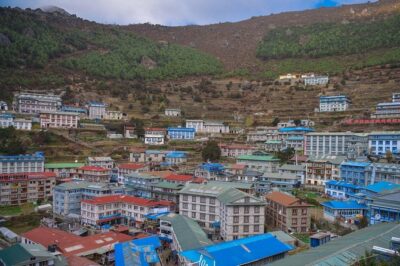
Browse the lists this trek appears in