
Review · KATHMANDU
10 Days Everest Base Camp Trek
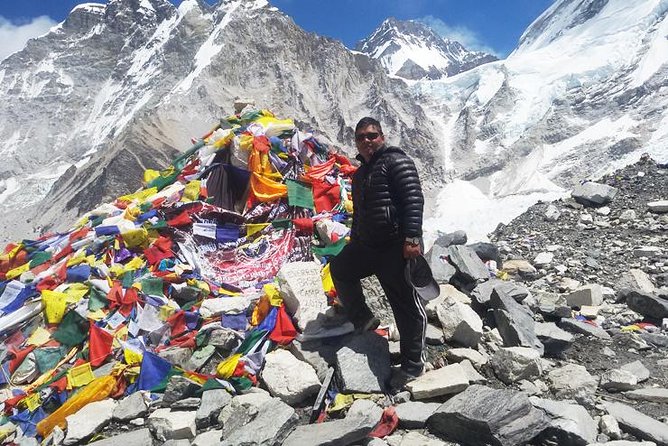
Everest Base Camp is the headline, but the real reward is the steady change from Kathmandu streets to high Himalayan paths, monasteries, glaciers, and Sherpa villages. You fly to Lukla, walk through Namche and Dingboche, then reach Base Camp at 5,364 meters before climbing Kalapatthar at 5,545 meters.
I like that the price includes both Lukla flights, nine nights in mountain tea houses, a licensed guide, permits, meals, and airport transfers. I also like the personal support reported from guides Dhansingh and assistant PJ, who helped one group handle fear of heights and the strain of the route.
The main thing to watch is the naming. It is sold as a 10-day trek, yet the supplied schedule runs for 12 days, including Kathmandu arrival, return, and departure arrangements. You should also budget for showers, Wi-Fi, hot drinks, bottled water, charging, insurance, and tips.
Key points to know before you book
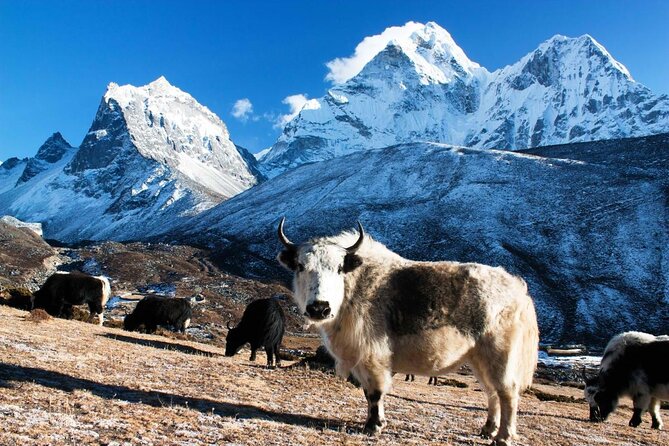
- Reach Everest Base Camp at 5,364 meters: The main goal comes after a long approach through Namche, Dingboche, Lobuche, and Gorakshep.
- Climb Kalapatthar to 5,545 meters: The next morning adds a demanding high-point hike before the route drops toward Pheriche.
- Fly both ways between Kathmandu and Lukla: Domestic flights save time, but the schedule depends on good weather.
- Sleep nine nights in mountain tea houses: This gives you a simple, local stay rather than a resort-style trip.
- Travel with a licensed guide: A private group format means only your party participates, with guide support throughout the walk.
- Plan for extra mountain costs: Hot showers, charging, Wi-Fi, bottled drinks, boiled water, and personal expenses are not included.
What the Everest Base Camp route feels like
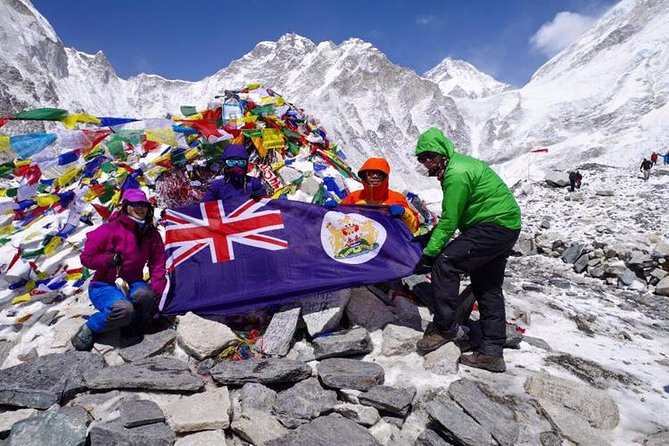
This is a serious Himalayan trek, not a sightseeing walk with a few uphill sections. The schedule includes repeated days of five to seven hours on foot, followed by two very high days around Gorak Shep and Kalapatthar.
I like the route because it gives you time to adjust as you gain height. You do not fly straight to Base Camp. You begin in Kathmandu, land at Lukla, walk to Phakding, and then build toward Namche before reaching the upper valleys.
The route also has a strong cultural side. The appeal is not limited to mountain views. You pass old monasteries, local villages, and tea houses, while the setting changes from green lower valleys to glacial country and bare high ridges.
The private format is useful if you want a trip shaped around your own group. The supplied information does not state the maximum group size, but it confirms that only your party takes part. That can make a hard route feel more manageable, especially if someone in your group needs a slower pace.
More Everest Base Camp Treks in Kathmandu:
- Everest Base Camp Trek – 14 Days
★ 5.0 · 1,499 reviews - Everest Base Camp Trek
★ 5.0 · 842 reviews - Everest Base Camp Helicopter Tour landing at Everest View Hotel
★ 5.0 · 668 reviews
Kathmandu Durbar Square and the early start
Day one begins with a short sightseeing stop at Kathmandu Durbar Square, followed by a 10-minute drive to the hotel. This is a light opening day, which is sensible before the early start and flight to Lukla.
Your meeting time is 6:15 am, so do not treat the first morning as a lazy hotel breakfast. The package includes two Kathmandu hotel nights with breakfast, but meals and extra accommodation in Kathmandu are not included beyond those stated nights.
Kathmandu Durbar Square gives you an early taste of Nepal’s cultural side before the route turns toward the mountains. The schedule allows only a short visit, so think of it as an introduction rather than a full city tour.
Lukla to Phakding on day two
Day two begins with a flight of about 30 minutes to Lukla, followed by the first trek to Phakding. The flight is one of the great practical advantages of this route because it places you near the start of the Everest trail without a long road journey.
It is also the part most exposed to weather. The cancellation terms specifically note that poor weather can cause a cancellation, with a different date or full refund offered in that situation. That policy does not remove the need for flexibility, so avoid building an important same-day connection around the flight.
The walk to Phakding is your first chance to settle into the rhythm of the trek. You stay in a mountain tea house, and dinner is included. The accommodation is simple, but it puts you close to the walking route and keeps the trip focused on the mountains rather than hotel comforts.
Namche after a six-hour walk
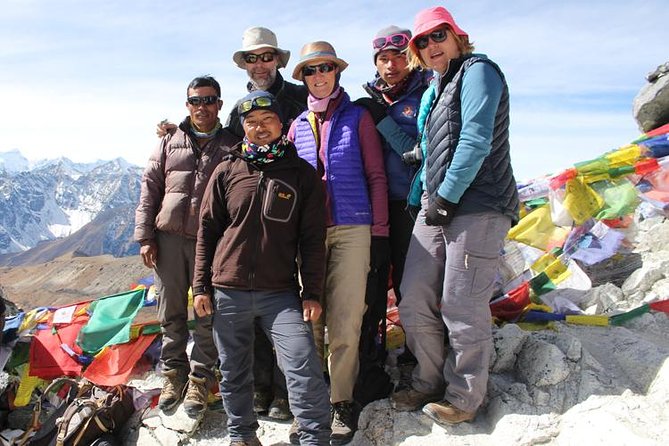
The third day takes you toward Namche after about six hours on foot. The listed stop is called Irish Pub, but the important point is the destination, not the label attached to the stop.
Namche is one of the major places on the route and a natural point to feel the change in altitude and terrain. The walk is long enough to test your legs, but it still comes before the highest sections near Base Camp.
The schedule does not list a separate acclimatization day in Namche. That matters. You should ask the operator how the guide handles pace and rest, particularly if you have limited high-altitude trekking experience. A licensed guide can adjust the walk within the private group, but the supplied schedule itself does not promise an additional rest day.
A few more treks around Kathmandu worth a look
- Everest Base Camp Trekking
★ 5.0 · 485 reviews - Annapurna Circuit Trek with Tilicho Lake
★ 5.0 · 368 reviews - Everest Base Camp Trekking – 13 Day
★ 5.0 · 365 reviews - Everest Base Camp Trek
★ 5.0 · 350 reviews
Phortse and the upper valley
Day four takes you to Phortse in about six hours. The named stop is River Resort, though the attraction here is the village setting and the gradual move deeper into the Everest region.
Phortse helps break up the route before Dingboche and the final approach. Each day brings more time above the lower valley, so the walk is not only about distance. You are also adapting to thinner air and a more exposed setting.
With ten lunches and ten dinners included, much of your main food is covered during the trek. You still pay for items outside the stated package, including desserts, larger portions of hot drinks, bottled drinks, and boiled water. Those small purchases can add up over nine nights, so carry a reserve of local currency.
Dingboche at six hours from Phortse
The fifth day reaches Dingboche after about six hours of walking, with Dingboche View Point listed as the stop. This is another demanding but important stage, since the route is now moving toward the high settlements before Lobuche.
A viewpoint stop can be one of the most useful moments on a trek like this. It gives you a reason to pause and take in the peaks rather than treating the day as a race to the lodge. You should still keep your effort measured. The next days are higher and more demanding.
Tea-house accommodation means you get a basic place to sleep along the route, not a private mountain hotel. Hot showers are not included, and neither is Wi-Fi. You also pay for electronic device charging, so you may want to limit phone use or plan your power needs before leaving Kathmandu.
Lobuche and the approach to Gorak Shep
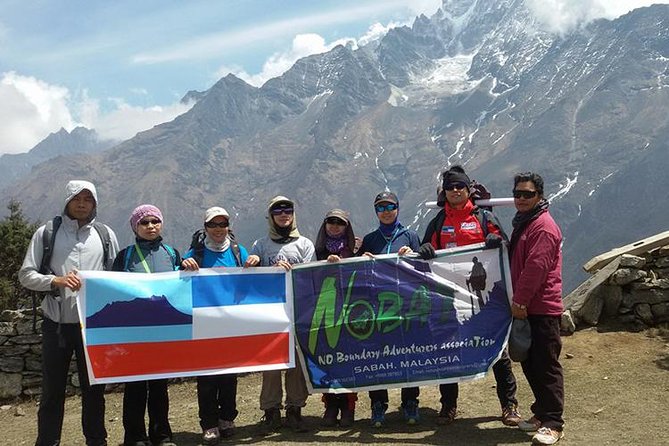
Day six takes five to six hours to Lobuche. This shorter walking estimate looks easier on paper, but the altitude makes time and effort difficult to compare with a low-level hike.
Lobuche is the last named overnight stage before Gorak Shep in this schedule. The route has now moved into the high part of the trek, where cold, fatigue, and thinner air can affect your pace. This is where guide support matters most, not as a substitute for fitness, but as a practical check on how your group is coping.
The tour requires a moderate level of physical fitness. That wording should be taken seriously. You do not need to be an elite athlete based on the information provided, but you should be ready for repeated six and seven-hour walking days, steep sections, and high altitude.
Gorak Shep and Everest Base Camp at 5,364 meters
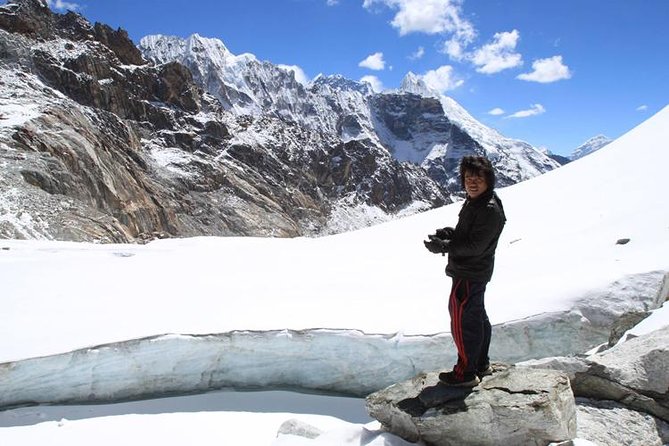
Day seven is the emotional center of the trip. You walk to Gorak Shep and continue to Everest Base Camp at 5,364 meters.
Base Camp is not reached by vehicle or a short viewing stop. It comes after the full approach from Lukla, with the route passing through Namche, Phortse, Dingboche, and Lobuche. That gradual build gives the destination its weight.
The scenery here includes glacial surroundings and high Himalayan peaks. The supplied description also points to monasteries and glistening summits, so the route offers more than a single mountain viewpoint. You should expect a demanding day and limited comfort at the end of it.
The schedule places you back at Gorak Shep after the Base Camp outing. This is an important practical detail: you are not finishing at Base Camp and leaving the area immediately. You spend the night at high altitude before the Kalapatthar hike.
Kalapatthar at 5,545 meters and the drop to Pheriche
Day eight adds the highest point of the trip, Kalapatthar at 5,545 meters, then descends to Pheriche. The extra climb is a major reason to choose this route instead of treating Base Camp as the only goal.
Kalapatthar is valued for its high mountain views, but reaching it requires an early, hard effort after the previous day. The supplied schedule does not give an exact start time for this hike, so ask the operator for the day’s plan before booking.
The descent to Pheriche is welcome after the high point, though going downhill for hours can be tough on knees and legs. One useful feature of this schedule is that the route does not simply turn around from Base Camp in one push. It gives you a separate high-point hike, then begins the return through Pheriche.
Seven hours back to Namche
Day nine is a long return to Namche, listed at about seven hours. The direction is downhill overall, but that does not make it an easy day. Tired legs, uneven paths, and the accumulated strain of the high route still count.
Pheriche is the starting point for this descent. By now, you have completed both major goals, Base Camp and Kalapatthar, so the challenge shifts from reaching the high point to walking steadily back toward Lukla.
This is where a private tour can be helpful. Your guide can keep the group together and respond to the needs of your party. The trip information names Dhansingh and assistant PJ in connection with past departures, including support for a participant who was afraid of heights. You should confirm who will guide your own departure, since specific guide assignment is not guaranteed in the supplied details.
Lukla on day ten, then Kathmandu
Day ten is another seven-hour walk, this time from Namche to Lukla, with an overnight stay in a lodge. It is a full final walking day, not a short stroll before the flight.
Day eleven includes the roughly 30-minute flight back to Kathmandu and free time around Thamel. This is a useful buffer in the schedule because you are not scheduled to fly home immediately after landing from Lukla.
Day twelve is the final departure from Kathmandu to your hotel. The wording is slightly unclear because the tour summary says the location is Kathmandu and the itinerary says Kathmandu to Hotel. Confirm exactly what final transfer is included and where the service ends.
Airport, hotel, and airport transfers by private car, van, or bus are included. That removes one common source of hassle, especially after an early Lukla flight or a long return walk.
What $1,470 includes, and what it does not
At $1,470 per person, the package has solid coverage for a guided Everest Base Camp trek. Included items are:
- Both domestic flights between Kathmandu and Lukla
- Nine nights of tea-house accommodation in the mountains
- Two Kathmandu hotel nights with breakfast
- Ten lunches and ten dinners
- Eleven breakfasts as listed
- Trekking permit
- Licensed trekking guide
- Airport and hotel transfers
- Government taxes
- An adventure certificate after a successful trip
That list makes the price easier to judge. The flights alone are a major part of the logistics, while the guide, permits, transfers, and mountain lodging cover the core structure of the trip.
You still need to pay for Kathmandu meals and extra accommodation, desserts, larger hot drinks, bottled drinks, boiled water, showers, Wi-Fi, device charging, and personal expenses. Travel insurance and evacuation insurance are also your responsibility, as is tipping the guide and porter.
The key value is convenience, not luxury. You pay for a ready-made route with flights and a guide, then cover the extras that vary by personal preference. If you want hot showers, frequent charging, bottled drinks, or regular Wi-Fi, your final cost will be higher than the headline price.
Guides, private groups, and the human side
The trip includes one licensed guide, and only your group participates. That private setup is a strong fit for friends, colleagues, or families who want to walk at their own pace within the limits of the schedule.
The named guides connected with previous trips are Dhansingh and assistant PJ. Personal support was a repeated theme in the supplied feedback, including help for a participant who feared heights and strong assistance during a group of seven. That suggests the guiding can be attentive and practical, though you should confirm whether Dhansingh and PJ are assigned to your dates.
The cultural side also matters. You pass local settlements and ancient, ornate monasteries, not just mountain viewpoints. The hospitality along the route is part of the appeal, but remember that tea-house life is basic and the trip asks you to accept fewer comforts as you go higher.
Practical details that can change your decision
Confirmation is provided at booking, and service animals are allowed. The meeting point begins at 6:15 am, and the tour is near public transportation, though airport and hotel transfers are included.
The experience requires moderate physical fitness. The itinerary contains multiple six-hour days and two seven-hour days, with the highest point above 5,500 meters. If you have concerns about altitude, ask the operator how the guide manages pace, symptoms, and schedule changes before paying.
The booking is non-refundable and cannot be amended. If you cancel, the amount paid is not returned. Poor weather is treated differently: if the experience is canceled for that reason, you are offered another date or a full refund.
Who should book this trek?
I would choose this trip if you want a structured Everest Base Camp route with the major transport, permits, lodging, meals, and guide support arranged in advance. It suits people who value a private group and want both Base Camp and Kalapatthar rather than only a short mountain excursion.
I would be more cautious if you need a flexible cancellation policy, hotel-style comfort, or a guaranteed short itinerary. The 10-day name does not match the 12-day schedule, and the route includes demanding high-altitude walking with several long days.
Before booking, confirm three points: the exact trip length, the guide assigned to your dates, and the final Kathmandu transfer. Also ask for the expected costs of water, showers, charging, Wi-Fi, and tips.
Should you book the Everest Base Camp trek?
Book it if you want the classic Everest route with a licensed guide, Lukla flights, tea-house nights, Base Camp, and Kalapatthar included in one package. The $1,470 price is reasonable for the core services, provided you are comfortable paying extra for mountain comforts and insurance.
Skip it if you need a soft adventure or a simple cancellation policy. For a fit walker who accepts basic lodging and a little schedule uncertainty, this trip offers a direct, well-supported way to reach one of the world’s great high-altitude destinations.
FAQ
How long is the Everest Base Camp trek?
The experience is marketed as a 10-day trek, but the supplied schedule runs for 12 days. It includes Kathmandu arrival and sightseeing, the trek from Lukla to Base Camp and back, the return flight to Kathmandu, and final departure arrangements.
What time does the experience start?
The stated start time is 6:15 am.
Are flights to and from Lukla included?
Yes. Both domestic flights between Kathmandu and Lukla are included.
How high is Everest Base Camp?
Everest Base Camp is listed at 5,364 meters.
How high is Kalapatthar?
Kalapatthar is listed at 5,545 meters.
How many nights are spent in mountain tea houses?
The package includes nine nights of tea-house accommodation on the mountain.
Are meals included?
The package lists ten lunches, ten dinners, and eleven breakfasts. Meals and extra accommodation in Kathmandu are not included beyond the stated Kathmandu hotel arrangements.
Is a guide included?
Yes. The package includes one licensed trekking guide. The supplied information also names Dhansingh and assistant PJ in connection with previous trips, but you should confirm the guide for your departure.
What happens if bad weather cancels the experience?
If poor weather causes cancellation, you are offered a different date or a full refund. The experience is otherwise non-refundable and cannot be changed for any reason.
Just added around Kathmandu
- Everest Base Camp Trek★ 5.0 · 3 reviews
- Everest Base Camp Trek★ 5.0 · 7 reviews
- 15 Days Private Everest Base Camp Trek★ 5.0 · 30 reviews
- Everest Base Camp Trek★ 5.0 · 57 reviews
- 14 Days of Adventure Trekking to Everest Base Camp★ 5.0 · 2 reviews
- 14-Day Everest Base Camp Trek★ 5.0 · 20 reviews
- From Kathmandu: Private 14-Day Everest Base Camp Trek★ 5.0 · 20 reviews
- 14 Days Everest Base Camp Trek★ 5.0 · 4 reviews
Everest Base Camp Treks, compared.
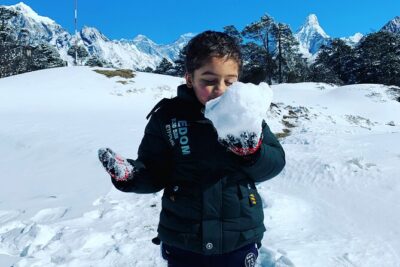
Everest Base Camp Helicopter Tour landing at Everest View Hotel
Read our review →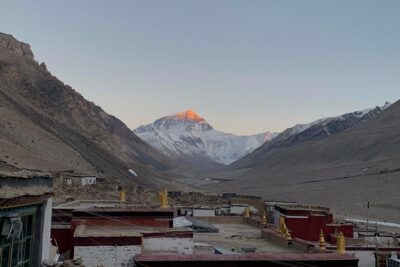
Tibet Tour 8 Days Lhasa to Everest Base Camp Small Group Tour
Read our review →
Dubai: Private Luxury Everest Yacht Cruise from Dubai Marina
Read our review →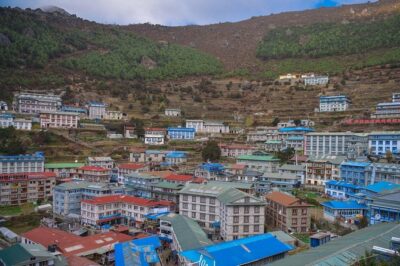
Browse the lists this trek appears in