
Review · TANZANIA
#1. Kilimanjaro 5-days hiking Marangu joining tour
Kilimanjaro’s Marangu Route gives you a clear, classic path to Africa’s highest point, with rainforest, moorland, alpine desert, and an Arctic summit day packed into five demanding days. I like the hut accommodation, which removes the need to sleep in a tent, and the well-planned overnight at Horombo before the high-altitude push.
I also like the practical support from the mountain team. Guide Shedrack receives special praise, and one climber was helped with luggage, food, and advice after feeling sick at altitude. The main caution is cost: the advertised $675 price excludes national park fees, and one booking required an additional $750 before hiking.
Key points at a glance
- Five days on the Marangu Route: Follow the most direct itinerary through rainforest, heathland, moorland, alpine desert, and the summit zone.
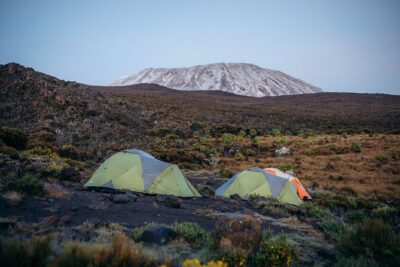
- Sleep in huts: Mandara, Horombo, and Kibo huts replace tent camping, though you still need a sleeping bag and mattress.
- The summit day is very long: Expect 11 to 15 hours from Kibo Hut to Uhuru Peak, back to Kibo, and down to Horombo.
- Horombo is your key rest stop: The overnight at 3,720 meters gives you time to recover before the summit attempt.
- Support goes beyond the guide: The team includes porters and a cook, with meals, drinking water, and mountain equipment listed as included.
- Check the final price carefully: Park fees are not included, and the extra charge can be substantial.
What the five-day Marangu climb is really like
This is a serious high-altitude trek, not a gentle mountain walk. You cover about 70 kilometers over five days, with the hardest section coming on summit day when you climb from 4,703 meters to 5,895 meters and then descend to Horombo Hut.
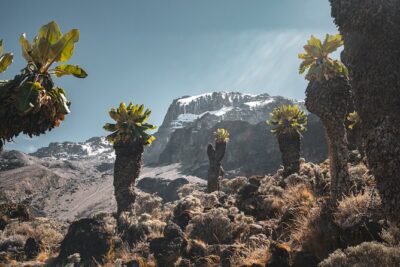
I like the route’s changing scenery. The first day feels green and sheltered, while the final climb crosses a stark alpine desert before reaching the cold, exposed summit zone. That variety helps the hike feel like a journey rather than five repetitions of the same trail.
The pace also changes from day to day. The first three days are long but manageable for a fit hiker. Day four is the test, with a midnight start, a steep climb to Gilman’s Point, a walk along the crater rim, and the descent to Horombo. You need to be ready for fatigue, cold, altitude, and very little sleep.
The route uses huts instead of campsites. That is a real advantage if you prefer a roof and a fixed sleeping place, but huts do not make the mountain easy. You still need a sleeping bag, warm clothing, gloves, a headlamp or flashlight, and a daypack.
More Kilimanjaro Climbs in Tanzania:
- Kilimanjaro climb by Lemosho Route (7-day)
★ 5.0 · 651 reviews - Kilimanjaro climb, Machame Route (7-day)
★ 5.0 · 262 reviews - Kilimanjaro Climbing Lemosho Route 8 Days.
★ 5.0 · 186 reviews
Day 1: Marangu Gate to Mandara Hut
The tour begins with breakfast and a transfer from your hotel in Moshi or Arusha to Marangu Gate. At the gate, you complete registration before starting the hike at about 1,870 meters.
The trail rises through rainforest to Mandara Hut at 2,720 meters. You walk about 8 kilometers in four to five hours, depending on pace and conditions. This first section is the most enclosed part of the route, with thick forest, unusual plants, and a chance to spot monkeys.
I like this opening day because it gives you time to settle into the walking rhythm without immediately exposing you to the harshest mountain conditions. The forest also provides shade, though wet ground can make sturdy hiking shoes especially useful.
Mandara Hut is your first overnight stop. A short optional hike to Maundi Crater offers broad views and gives you a little extra movement after reaching camp. You should treat it as optional for a reason. If you are tired, saving energy for the next day is sensible.
The elevation gain is significant even on day one. Walk slowly, drink the supplied water, and tell your guide if you feel unwell. Starting too fast is one of the easiest ways to make the upper mountain harder than it needs to be.
Day 2: Mandara Hut to Horombo Hut
Day two leaves the rainforest behind and enters heathland and moorland. You climb from 2,720 meters to 3,720 meters, covering 12 kilometers in roughly six to seven hours.
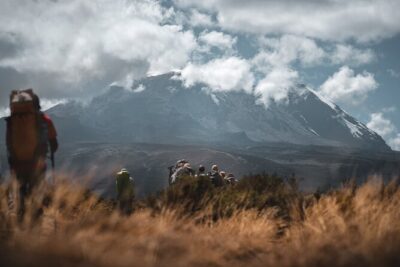
This section opens up the views. Kibo and Mawenzi peaks become important reference points, and the trail feels much more exposed than the first day. The plant life changes as you gain height, and the forest gives way to open ground.
Horombo Hut is a major point in the trip. It is the base for the night before the summit attempt, and it is where you get your first real sense of how altitude affects your body. You might feel fine, or you might notice a headache, shortness of breath, or unusual tiredness. The guide’s role matters here, so report symptoms instead of trying to hide them.
The itinerary gives you one night at Horombo, not a separate extra acclimatization day. That makes this five-day plan more compact than longer Kilimanjaro itineraries. I would choose it only if you understand that the shorter schedule leaves less time for your body to adjust.
The support team becomes especially useful at this point. One climber described receiving help with luggage, food, and medicine advice after feeling sick at altitude. That does not remove the risks of altitude, but it shows why an attentive guide, cook, and porter team can make a practical difference.
Day 3: Horombo Hut to Kibo Hut
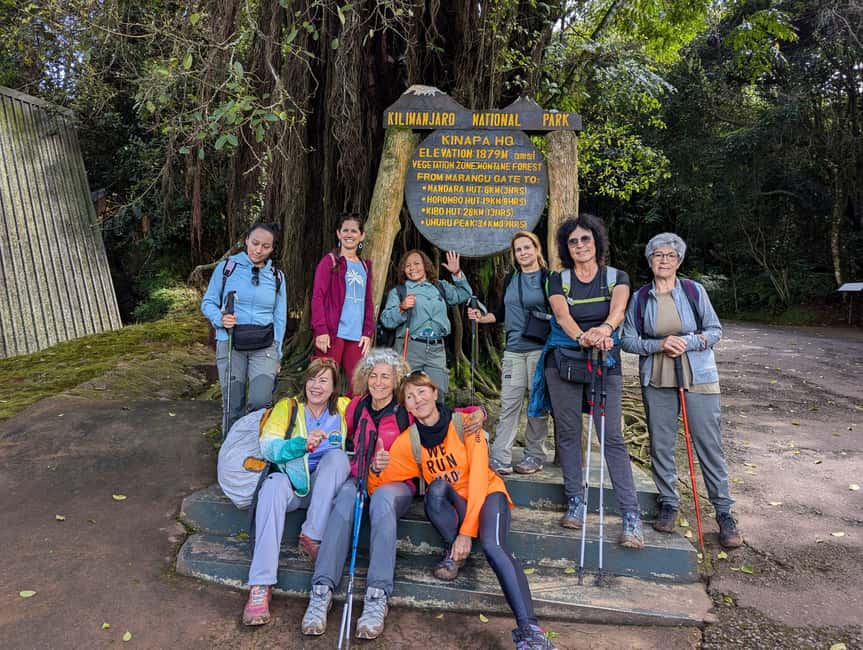
On day three, you climb from 3,720 meters to 4,703 meters. The route covers 10 kilometers and takes about six to seven hours.
The scenery changes again as you enter the alpine desert. Trees and most vegetation fall away, leaving a stark, open setting beneath Kibo Peak. You pass the Last Water Point, so this is a good time to be aware of your water supply and follow the guide’s instructions.
Kibo Hut is the staging point for the summit attempt. You need to rest as soon as possible after arrival because the next start is planned for around midnight. Dinner, sleep, and preparation matter more than sightseeing on this afternoon.
This is often the psychologically awkward part of the climb. You have gained a great deal of height, but Uhuru Peak is still ahead. The hut’s high position also means that cold and thin air can make even simple tasks feel slow.
Use the afternoon to organize your headlamp, gloves, jacket, water, snacks, and walking poles if you use them. Keep your daypack light. The included sleeping mattress helps, but a sleeping bag is still listed as something you must bring.
A few more treks around Tanzania worth a look
- 8-Day Small-group Lemosho Kilimanjaro Summit Trekking
★ 5.0 · 186 reviews - Climbing Kilimanjaro – Machame Route
★ 5.0 · 170 reviews - Climbing Kilimanjaro through 7 days Machame Route
★ 5.0 · 151 reviews - Kilimanjaro climb, Lemosho Route (8-day)
★ 5.0 · 148 reviews
Day 4: Kibo Hut to Uhuru Peak and Horombo Hut
Summit day begins at midnight. From Kibo Hut, you climb toward Gilman’s Point at 5,681 meters. The schedule calls for an 11 to 15-hour day, including the summit, descent to Kibo, a rest, and the continuing descent to Horombo Hut.
This is the toughest day by a wide margin. You walk in darkness at first, often focusing on the next few steps rather than the full climb. The early start is designed to bring you to Gilman’s Point around sunrise, when you can continue along the crater rim toward Uhuru Peak.
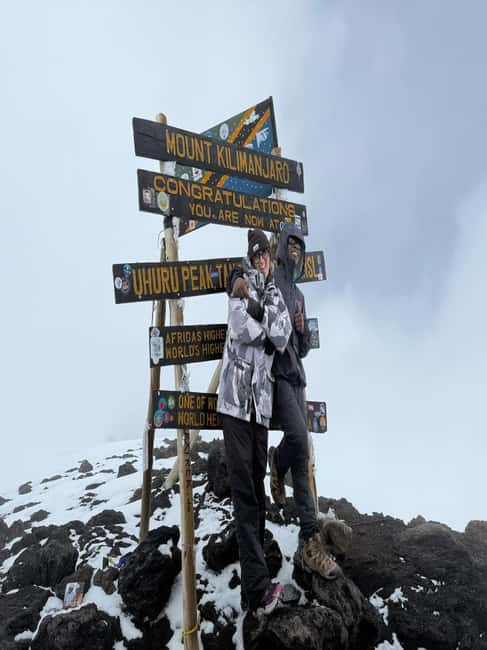
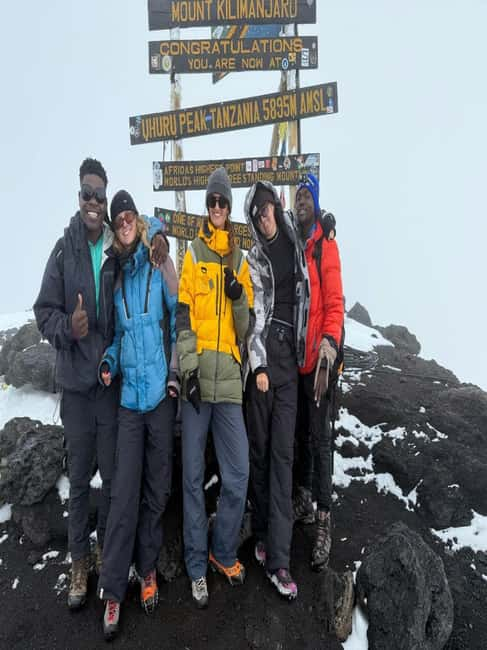
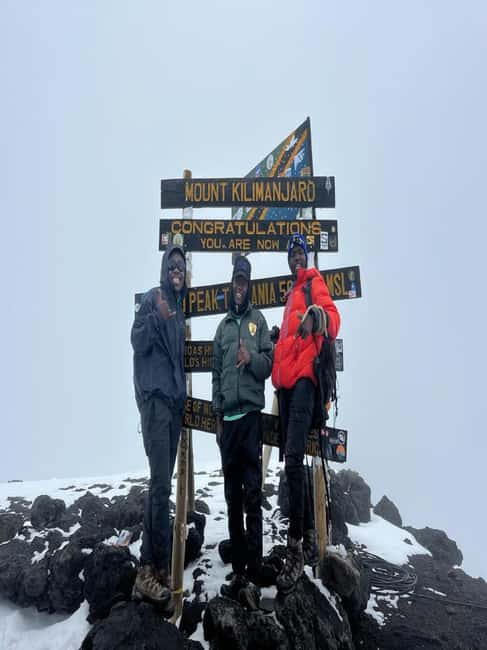
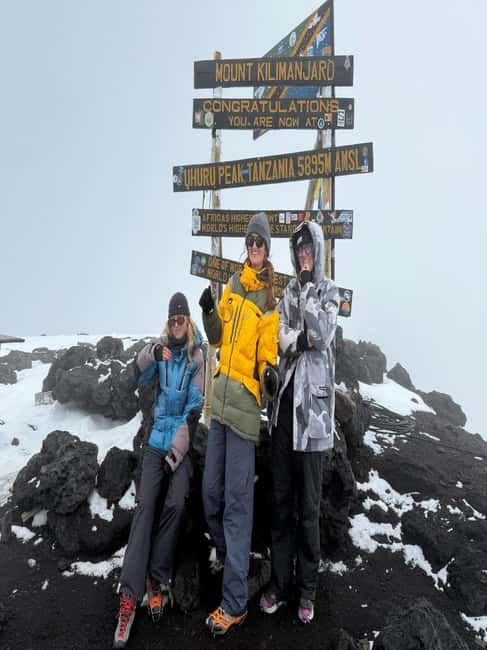
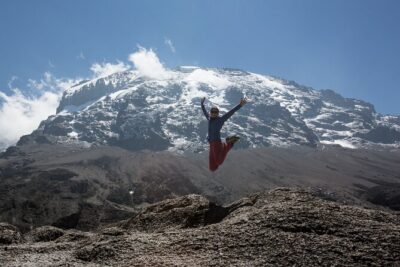
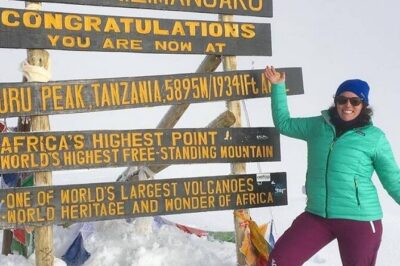
At 5,895 meters, Uhuru Peak is the highest point in Africa. Reaching it is the central goal of the trip, but you should not treat the final section as automatic once you reach Gilman’s Point. The altitude remains severe, and the route along the crater rim still demands energy.
The descent is only half finished when you leave the summit. You return to Kibo Hut for lunch and a short rest, then continue down to Horombo. That second descent can feel surprisingly hard because your legs are tired and your sleep has been limited.
I would judge this itinerary by your attitude toward the summit day. If you want a shorter, more direct climb and accept a long push, it may suit you. If you prefer more time to acclimatize, a longer route plan may be more comfortable, though this particular tour is specifically built around five days.
Day 5: Horombo Hut to Marangu Gate
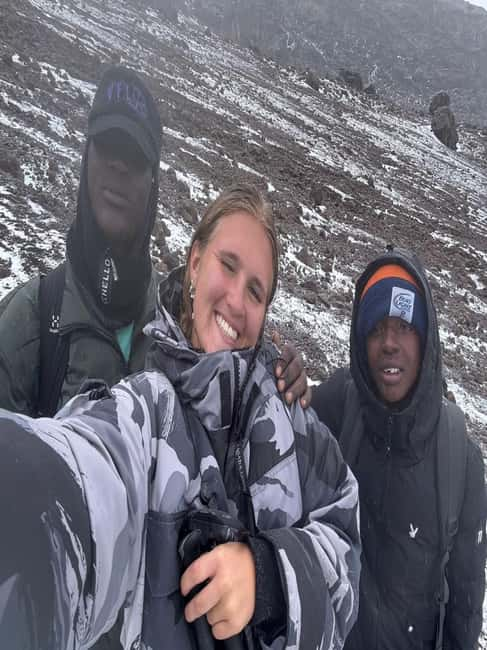
The final day descends from Horombo Hut at 3,720 meters to Marangu Gate at 1,870 meters. You cover about 20 kilometers in five to seven hours, moving from heathland back into rainforest.
The downhill walk is easier on your breathing than the summit climb, but it can be tiring on knees and ankles. Good hiking shoes are important, and you should not race simply because the finish is close.
Returning through the rainforest also gives you a final look at the route’s changing zones. After the bare alpine desert and cold summit, the greenery feels almost excessive. At Marangu Gate, you receive your summit certificate before the drive back to Moshi or Arusha.
The transfer is included, which keeps the final day simple. You can return to your hotel and celebrate after the long descent, though the itinerary does not specify additional activities or accommodation after the hike.
What the $675 price includes, and what it does not
At $675 per person, the price covers several major parts of a Kilimanjaro climb: hut accommodation, transportation, meals listed in the itinerary, drinking water, an English-speaking professional guide, a sleeping mattress, and camping equipment.
The description also lists guided safari tours, although the day-by-day plan is for the mountain hike rather than a separate wildlife safari. I would ask the operator to clarify that item before booking instead of assuming a safari is part of the package.
The main financial issue is the national park fee. It is not included. One climber said an additional $750 had to be paid before hiking, and specifically wished that this had been made more prominent. Since fees can change, ask Kilinge Adventures for the exact total price, including every park, conservation, rescue, guide, and service charge.
That question matters because the advertised $675 can look like the full cost at first glance. Once the park charge is added, the real price may be much higher. Travel insurance and alcoholic drinks are also excluded.
The price is strongest for someone who values an organized support team and hut-based trekking. It is less attractive if you compare only the headline figure without adding the mandatory park costs. Ask for a written cost breakdown before paying.
The guides, porters, and daily support
The guide is central to this trip. You are not simply following a marked trail. The guide manages the pace, helps interpret altitude symptoms, coordinates the team, and leads the summit attempt in difficult conditions.
Guide Shedrack receives specific praise for his care and ability. The wider team also includes porters and a cook. One climber described the waiter as providing substantial help, including carrying luggage, offering food, and giving advice when altitude sickness became a concern.
Meals are included as indicated in the schedule, and drinking water is provided. The exact menu is not specified, so do not book this expecting a particular diet or special meal plan unless you confirm it directly.
The company also provides transportation and lists round-the-clock assistance with airport arrival as part of the support described by one climber. Because airport assistance is not laid out in the daily itinerary, confirm what is included if you need airport transfers or arrival help.
What to pack for the Marangu Route
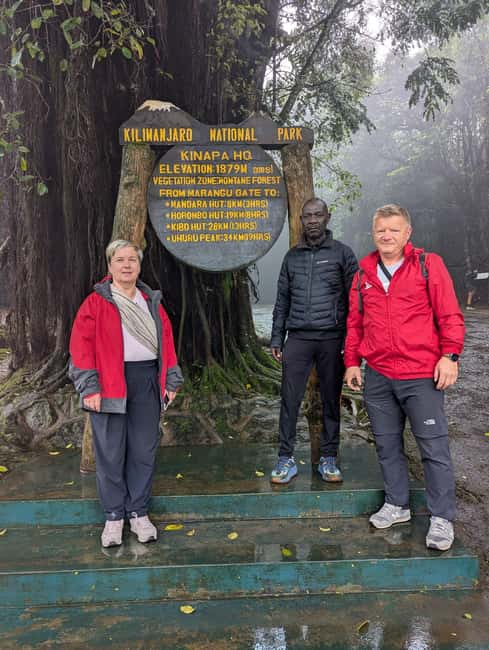
The required list is short, but every item has a job:
- Hiking shoes for wet forest trails and long descents
- A jacket for cold, windy sections and the summit attempt
- Gloves for the high mountain
- A sleeping bag for hut nights
- A flashlight for the midnight summit start
- A daypack for water, clothing, snacks, and personal items
- Trekking gear suited to a five-day high-altitude hike
- A power bank, since charging access is not described
You should also prepare for fast changes in temperature. The rainforest and the summit zone feel like different worlds, so packing only for warm lowland weather would be a mistake.
The daypack should hold the things you need during walking, while porters can handle larger luggage if that service is part of the arranged team. Since porter support is implied by the staff structure and described in the personal account, confirm luggage limits and porter arrangements before departure.
Who should choose this five-day climb?
I would recommend it to a fit hiker who wants the Marangu Route, prefers huts to tents, and is comfortable with a very long summit day. It suits someone who values having a guide, cook, porters, meals, water, and transport organized in one package.
It may also suit you if you have limited time in Tanzania and want a direct five-day plan from Moshi or Arusha. The route gives you the major Kilimanjaro environments without adding extra days.
I would be more cautious if you have little experience with high altitude or if you want a slower acclimatization schedule. The itinerary climbs steadily and provides only one night at Horombo before moving to Kibo and the summit. You should discuss your fitness, health, and altitude concerns with the operator before reserving.
Should you book it?
Book this climb if the five-day schedule fits your abilities, hut accommodation appeals to you, and you are prepared for the midnight summit push and 11 to 15-hour summit day. The strong points are the varied route, organized logistics, English-speaking guide, and supportive mountain staff.
Before booking, get the full price in writing. The $675 headline figure does not include national park fees, and the additional $750 reported by one climber is too large to treat as a minor extra. Ask what the listed camping equipment, guided safari tours, airport help, porter service, and meals specifically cover.
For a compact Kilimanjaro experience with a respected support team, this can be a good choice. Just make the decision based on the complete cost and the demanding altitude schedule, not the low starting price alone.
FAQ
How long is the Kilimanjaro Marangu Route tour?
The tour lasts five days, beginning with travel from Moshi or Arusha to Marangu Gate and ending with a return to Moshi or Arusha.
How much does the tour cost?
The listed price is $675 per person. National park fees are not included, and one booking required an additional $750 before hiking.
Are national park fees included?
No. National park fees must be paid separately from the listed tour price.
Where do you sleep during the hike?
You stay in mountain huts at Mandara Hut, Horombo Hut, and Kibo Hut. A sleeping bag and sleeping mattress are relevant to the overnight arrangements.
Is a guide included?
Yes. The tour includes a professional English-speaking guide. Guide Shedrack is specifically associated with particularly strong feedback.
How long is the summit day?
The hike from Kibo Hut to Uhuru Peak and then down to Horombo Hut takes about 11 to 15 hours. It begins around midnight.
Is transportation included?
Yes. Transportation from your hotel in Moshi to Marangu Gate and the return transport to Moshi or Arusha are included.
What should I bring?
Bring hiking shoes, a jacket, gloves, a sleeping bag, a flashlight, a daypack, trekking gear, and a power bank.
Just added around Tanzania
- Mt. Kilimanjaro: Shira plateau to Cathedral point 3872m Day hike★ 5.0 · 7 reviews
- 5 days safari, hiking & culture (Serengeti & kilimanjaro)★ 5.0 · 27 reviews
- One Day Hike from Kilimanjaro to Mandara★ 5.0 · 2 reviews
- 3 Days Mount Meru trekking★ 4.5 · 7 reviews
- climb the KILIMANJARO via Lemosho route★ 5.0 · 4 reviews
- 6 Day: Hiking Kilimanjaro via Machame Route★ 5.0 · 2 reviews
- Private 8 day Northern Circuit Kilimanjaro Climb★ 5.0 · 8 reviews
- Kilimanjaro Waterfalls Hike & Moshi Hot Springs Day Trip Tour★ 5.0 · 4 reviews
Kilimanjaro Climbs, compared.
8-Day Small-group Lemosho Kilimanjaro Summit Trekking
Read our review →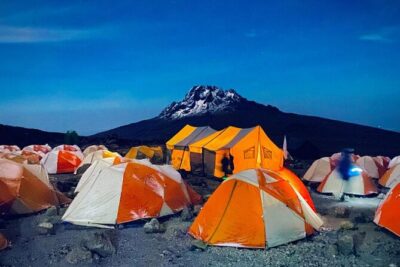
Climbing Kilimanjaro through 7 days Machame Route
Read our review →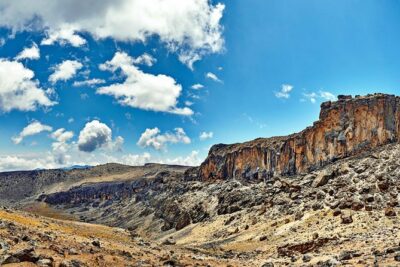
Browse the lists this trek appears in